


A heavy buildup of charred grease and carbon on grill grates ruins food flavor, creates unpredictable flare-ups, and shortens the lifespan of cooking equipment. Grilling season demands consistent maintenance, yet many cooks struggle with stubborn baked-on sauces and questions about whether wire bristles pose a safety hazard. Learning how to clean barbeque grill components correctly preserves your equipment and keeps every meal tasting fresh. Keeping a dedicated rolling prep table for outdoor cooking nearby gives you a clean, stable surface to stage your scrapers, brushes, and cleaning solutions before tackling the grates.
Regular maintenance does not require harsh industrial solvents that leave chemical odors on your next steak. Plant-based cleaning oils, citrus degreasers, and modern bristle-free scrubbers offer safer alternatives for breaking down baked grease across cast iron, porcelain, and stainless steel surfaces. Proper technique balances heat management with mechanical scraping so you spend less time scrubbing and more time cooking. Taking a methodical approach to grill hygiene protects both your investment and your guests while ensuring consistent heat distribution across every burner.


Pros
- All-natural, plant-based formula is safer for you and the environment compared to harsh chemical cleaners.
- Effectively removes grease and residue while building a natural seasoning layer on grates.
- Light citrus scent is pleasant and does not affect food flavor.
- Works well on multiple surfaces including stainless steel, making it versatile for grill maintenance.
Cons
- May require more effort for heavily charred residue compared to abrasive chemical cleaners.
- Only available in an 8-ounce bottle, which may not last frequent grillers as long as larger sizes.
If you are a backyard BBQ enthusiast or a weekend camper who enjoys cooking over an open flame, you know that cleaning the grill is often the least fun part of the experience. The CARON & DOUCET BBQ Grill Cleaner Oil offers a refreshingly natural approach to this chore. Made from 100% plant-based refined coconut oil and scented with citrus essential oils, this product is designed to remove grease and residue from your grates without the need for harsh, corrosive chemicals.
This cleaner is best suited for backyard grillers, patio cooks, and tailgaters who want a safer option for maintaining their gear. It works wonderfully with wooden scrapers or non-abrasive brushes, allowing you to gently scrub away buildup while conditioning the metal. Many grillers find that after a few uses, it helps build a natural seasoning on the grates, reducing food sticking and enhancing overall cooking performance on gas, charcoal, or pellet grills.
In terms of real-world cooking performance, this oil does not directly affect heat consistency or searing ability but indirectly improves them by keeping your grates clean and well-maintained. A clean grate ensures better heat transfer and prevents old residue from burning onto fresh food. For low-and-slow smoking or fast grilling, having a clean cooking surface is key to avoiding off-flavors. The light citrus scent is pleasant and does not transfer to your burgers, steaks, or vegetables, so your food tastes exactly as it should.
Build quality of the product itself is solid; the bottle is simple but functional, with a secure cap that prevents leaks during storage or transport. The oil is stable and will not go rancid thanks to the refined coconut oil base. This makes it a great option for campers or RV owners who want a compact, spill-proof cleaner that can be tossed into a gear bin without worry. While it does not offer wind resistance or temperature control like a grill might, it does keep your equipment in top shape for many outdoor cooking sessions.
Ease of use is straightforward: apply a small amount to a cool or warm grate, let it sit for a minute, then scrub with a scraper or brush. The oil breaks down grease effectively, and cleanup is done with a simple wipe. One realistic limitation is that for very heavy, baked-on carbon, you may need to repeat the process or use a bit more elbow grease compared to stronger chemical degreasers. Additionally, the 8-ounce bottle is compact, which is great for portability but might not last heavy users very long. Overall, this is a practical, eco-friendly tool for any outdoor cook who values natural ingredients and wants to keep their grill in great condition without the toxic stuff.
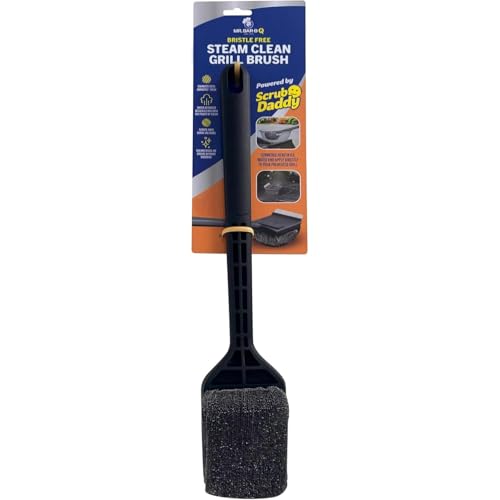
Pros
- Steam cleaning action reduces scrubbing time and effort on greasy grates
- Bristle-free design eliminates risk of wire bristles ending up in food
- Flexible sponge head cleans between grates and around curved surfaces easily
- Works on hot grills for immediate cleaning after cooking
Cons
- Requires a hot grill to activate steam – not ideal for cold cleaning
- Sponge head may wear out faster than traditional brush bristles with heavy daily use
- Scraper is effective but can be less precise on intricate grate patterns
If you’ve ever spent a Saturday afternoon scraping crusted grease off a gas grill or fighting with bristles that shed onto your burgers, you’ll appreciate what the Mr. Bar-B-Q Steam Clean Grill Brush brings to the table. This isn’t your standard wire brush – it’s a water-activated steam cleaner combined with a Scrub Daddy sponge head and a bristle-free stainless steel mesh. Designed for backyard grillers, campers, tailgaters, RV owners, and anyone who cooks outdoors regularly, it promises a faster, safer way to get your cooking surface ready for the next meal.
The key feature is the steam action. You dip the brush head in cold water, then run it across a hot grill – the water instantly turns to steam, lifting burnt-on food and grease without aggressive scrubbing. This is especially handy after a long low-and-slow smoke session or a high-heat sear on a charcoal kettle. The steam does the heavy lifting, so you spend less time elbow-greasing and more time enjoying your backyard party. It works on any grill type: gas, charcoal, electric, smokers, kamado, and even flat tops.
Safety is a big deal here. Traditional wire brushes can leave behind metal bristles that end up in your food – a real concern for anyone who’s had a close call. The ArmorTec mesh is bristle-free and won’t shed. It’s tough enough to scrape off thick carbon deposits but gentle on porcelain-coated grates. The Scrub Daddy sponge head adds flexibility, letting you clean between grates and around curved surfaces. The built-in scraper handles the really stubborn buildup, like the crust on a grill that’s been used for tailgating all season.
Build quality feels solid for the price. The handle is 17 inches long, giving you safe distance from the heat, and the whole brush weighs just over half a pound, so it’s easy to maneuver. The sponge head is replaceable, though you’ll need to buy refills separately. One limitation: the steam activation only works on a hot grill. If you prefer cleaning a cold grill, you lose that benefit, though the mesh and scraper still work. Also, the sponge may wear faster than traditional bristles if you’re cleaning heavily charred grates every day.
Cleanup is simple – rinse the brush under water after use, and it’s ready for next time. It stores easily hung on a hook or in a drawer. For campers and RV owners, this brush is a great space-saving tool that eliminates the need for chemical cleaners. Tailgaters will love how quickly it preps a grill between rounds of burgers and brats. Overall, this brush is a practical upgrade for anyone who wants a safer, more efficient way to keep their outdoor cooking gear clean.
Keeping the Mr. Bar-B-Q Steam Clean Grill Brush in good shape is straightforward. After each use, rinse the sponge head and mesh under warm water to remove any grease residue. Let it air dry completely before storing to prevent mildew on the sponge. The sponge head is replaceable – when it starts to wear out or lose its scrubbing power, simply swap in a new one (sold separately). Avoid using abrasive cleaners or metal scouring pads on the brush itself, as they can damage the sponge. For deep cleaning, you can soak the head in warm soapy water occasionally. Store the brush in a dry place, like a hook on your grill cart or in a drawer, to keep it ready for your next cookout.
This brush shines in a variety of outdoor cooking scenarios. For backyard grillers, it’s perfect for quick cleanups after weeknight burgers or weekend steaks – just steam and scrape. Campers and RV owners will appreciate its lightweight, compact design and the fact that it uses only water, no chemicals, so it’s safe for campsite cooking. Tailgaters can use it between rounds of cooking to keep grates clean without hauling heavy cleaning gear. It also works well on kamado grills and smokers where bristle safety is a concern. The steam action is especially effective on greasy residue from low-and-slow cooks. For anyone who entertains often, this brush makes post-party cleanup less of a chore, so you can spend more time with guests.
Pros
- Cuts through tough baked-on grease quickly with minimal scrubbing effort
- Pleasant citrus scent makes grill cleanup less of a chore
- Safe on various grate materials including porcelain and stainless steel
- Rinses clean without leaving residue that could affect food flavor
Cons
- Liquid formula may require multiple applications for heavily neglected grills
- Not a spray – you need to apply with a cloth or brush
- Some users might prefer a foam or spray applicator for easier coverage
If you're a backyard griller or BBQ enthusiast who loves cooking over open flame but hates the cleanup, Citrusafe BBQ Grill Grate Cleaner might be exactly what you need. This 23 oz liquid cleaner is designed to break down grease, carbon, and residue on grill grates using a natural citrus-based formula. Unlike many harsh chemical cleaners, it relies on the grease-cutting power of citrus solvents and leaves behind a fresh, clean scent – not the smell of bleach or ammonia.
Citrusafe works well on a variety of outdoor cooking equipment: gas grills, charcoal grills, pellet smokers, and even flat top griddles. The liquid can be applied with a sponge, brush, or cloth, then allowed to sit for a few minutes before wiping or scrubbing away. It's especially effective on porcelain-covered grates, where it lifts burnt-on food without damaging the coating. Several verified buyers mention using it on smoker glass doors and interior surfaces with great results – a big plus for anyone who likes to keep their rig looking sharp.
One of the biggest advantages this cleaner offers is peace of mind. Because it's non-toxic and biodegradable, you can use it without worrying about chemical residue contaminating your next batch of burgers or brisket. That's a real benefit for tailgaters and campers who cook in close quarters and want a safe product that won't leave off-flavors on the next cook. The citrus scent also makes the cleaning process far more pleasant, especially when you're scrubbing down a grill after a big backyard party.
In terms of real-world performance, Citrusafe holds its own against more abrasive or toxic alternatives. On a moderately soiled grill grate, a single application with some elbow grease removes most of the gunk. For neglected grates with years of buildup, you might need to apply twice or let it soak longer. Even then, it's much easier than scrubbing with vinegar and baking soda or risking wire brush bristles. Users report that it even makes 20-year-old grates look nearly new – a testament to its grease-lifting power.
Cleanup is straightforward: after the cleaner has done its work, rinse thoroughly with water and dry. There's no sticky residue left behind, which is a common complaint with some citrus cleaners. The bottle is large enough to handle multiple deep cleans, making it a good value for regular grillers who cook several times a week. For RV owners or campers, the compact size slips easily into a storage bin without taking up too much space.
The main limitation is the liquid form – it's not a spray, so you have to apply it manually. Some users prefer a trigger sprayer for easier coverage, but that's a minor trade-off given the product's effectiveness and safety. Overall, Citrusafe BBQ Grill Grate Cleaner is a reliable, user-friendly choice for anyone who grills or smokes outdoors. It's especially well-suited for health-conscious backyard cooks, families that cook near kids or pets, and anyone who wants a cleaner that actually makes the chore less of a hassle.

Pros
- Adjustable handle saves space and gives you comfortable reach on different grill sizes.
- Stainless steel bristles and scraper handle heavy grease and char without scratching porcelain grates.
- Lightweight, easy to hang, and simple to rinse—ideal for quick post-cook cleanup at home or on the road.
- Affordable price makes it a practical gift for dads, grillers, and outdoor cooking fans.
Cons
- Some users may prefer a longer handle for tall grills or smokers with deep fireboxes.
- Bristles may wear over time with heavy daily use; occasional replacement recommended to maintain safety.
- Scraper edge works best on flat or slightly curved grates—less effective on round or highly contoured rods.
The TNTOR Grill Brush with Scraper is a no-nonsense cleaning tool built for anyone who spends time over hot coals, propane flames, or wood pellets. It’s designed to tackle the crusty grease, caramelized sauces, and burnt-on bits that accumulate after a weekend barbecue, a campsite cookout, or a full-day tailgate. If you’ve ever struggled with a flimsy brush that leaves gunk behind, this adjustable model offers a practical upgrade at a budget-friendly price.
This brush is best suited for backyard grillers, BBQ enthusiasts, campers, tailgaters, and RV owners who want an easy-to-store cleaning solution. The adjustable handle extends from 12.5 to 18 inches, which gives you better reach on larger gas grills or smokers without taking up extra space in a storage bin or RV cabinet. It’s light enough to toss in a camping tote or tailgate cooler, and the built-in hanging loop lets you hook it on a grill cart handle for quick access.
In real-world use, the three-layer stainless steel bristles do a solid job of dislodging charred food from grates, while the integrated scraper handles tough, baked-on residue. Whether you’re cleaning up after searing steaks at high heat or finishing a low-and-slow brisket, the brush works 360 degrees to get into the gaps between rods. It’s effective on gas, charcoal, smoker, and porcelain grates, and rinses clean with a quick spray from a hose or a dip in soapy water. That ease of cleanup means you can maintain a sanitary cooking surface without spending half an hour scrubbing.
Build quality is respectable for the price. The stainless steel bristles are firmly secured, and the scraper blade feels durable enough for regular use. The handle lock mechanism holds the extension securely during scrubbing, which reduces wrist strain. While the brush isn’t intended for heavy commercial use, it holds up well to weekly backyard cooking and occasional campsite trips. The light weight (0.66 pounds) is a plus for portability, but if you have a very deep smoker or a tall gas grill, you might wish the handle extended a few inches longer.
One realistic limitation: like any wire bristle brush, you’ll want to inspect it regularly for loose bristles to avoid any risk of metal fragments on your grates. The scraper works best on flat or gently curved grates; it’s less effective on round, tightly spaced rods. That said, for the vast majority of standard grills—Weber kettles, propane flat tops, camp stoves, and pellet grills—this brush gets the job done without scratching porcelain or enamel surfaces.
Overall, the TNTOR Grill Brush is a smart buy for outdoor cooks who want a reliable, space-saving cleaner that won’t break the bank. It’s especially handy for tailgaters and campers who need a compact tool that stows easily, and for backyard grillers who want to keep their grates in good shape for consistent heat and flavor. Paired with a routine of brushing after each cook, this brush helps you get the most out of your grill—whether you’re smoking ribs low and slow or flipping burgers for a crowd.
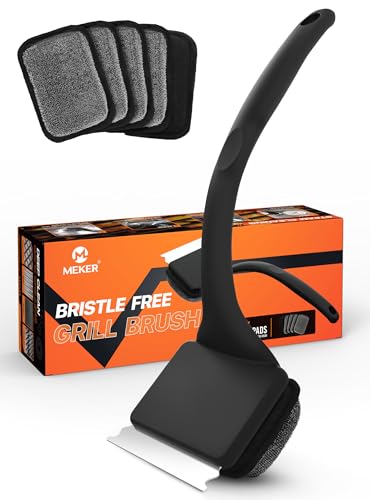
Pros
- Safe bristle-free cleaning prevents health hazards
- Reusable pads with 5 replacements offer great value
- Built-in scraper handles tough, stuck-on grease
- Easy to use with simple heat-and-scrub method
Cons
- Requires heating grill to 400°F before cleaning, which uses extra fuel
- Pads may wear out faster on heavily caked grates
- Handle length may feel short for larger grills
If you love firing up the grill for weekend BBQs or tailgating, you know the struggle of cleaning those grates. The MEKER Grill Brush is a bristle-free cleaner designed to make that job safer and simpler. Instead of metal bristles that can break off and end up in your food, this brush uses a flexible steel fiber woven pad and a cleaning cloth to lift grease and grime. It's a practical tool for backyard grillers, campers, RV owners, and anyone who wants to avoid the risks of traditional wire brushes.
Using the MEKER brush is straightforward. Heat your grill to at least 400°F for about 15 minutes, scrape off any large debris with the built-in scraper, then soak the pad in cold water and gently wipe the grates. The combination of heat and the damp pad creates steam that loosens stubborn buildup. I found it works well on both cast iron and stainless steel grates, leaving them clean without scratching. The scraper is handy for reaching between square or round bars, which is a common pain point with other brushes.
Build quality is decent for the price. The handle feels sturdy, and the upgraded adhesion system with eight screw-locked points keeps the pad firmly attached during scrubbing. The brush comes with five replacement pads, so you're set for several grilling seasons. The pads are dishwasher-safe, making cleanup after cleaning even easier. Just remember to let the pad cool down before pulling it off to replace it.
One limitation is that you need to preheat the grill to get the best results. That uses extra propane or charcoal, which might be a consideration if you're trying to conserve fuel. Also, if your grates have years of caked-on residue, you might need to scrub a bit harder or repeat the process. The handle is about 13.8 inches long, which is fine for most grills but might feel short for larger models.
Overall, the MEKER Grill Brush is a solid choice for anyone who prioritizes safety and ease of use. It's especially good for families with kids, where the risk of bristle ingestion is a real concern. For campers and tailgaters, it's compact enough to toss in a bag, and the reusable pads mean you won't need to buy replacements often. If you're a backyard BBQ enthusiast who grills regularly, this brush will help keep your grates clean without the worry.

Pros
- Safe, non-scratch bristles protect grates while removing tough buildup
- Adjustable handle with non-slip grip gives great control and reach
- Built-in bottle opener is a clever bonus for outdoor entertaining
- Lightweight and easy to store, perfect for portable use
Cons
- Some users may prefer a longer handle for very large grills
- Bristles may wear faster with heavy daily use on stainless steel grates
- Scraper is effective but may need extra elbow grease for deeply charred residue
If you spend any time around a grill, you know the struggle of cleaning burnt-on gunk without ruining your grates. The PePeng Grill Brush and Scraper aims to solve that with a safe, adjustable design that works on both gas and charcoal grills. It's not trying to be flashy—just a reliable tool that gets the job done so you can focus on cooking.
This brush is best suited for backyard grillers who fire up their gas or charcoal grill a few times a week, as well as campers or tailgaters who need a portable cleaning solution. The 18-inch handle adjusts to give you extra reach, which is handy when you're dealing with a deep kettle grill or a wide flat top. The non-slip grip means you won't lose control when your hands are greasy, and the built-in bottle opener is a nice touch for outdoor entertaining.
From a performance standpoint, the moderately stiff bristles do a solid job of lifting residue without scratching porcelain-coated or stainless steel grates. After a quick scrape and a few passes, you'll see a noticeable difference. For tough, baked-on spots, the scraper edge helps, though you might need a little more effort for burned-on sugar or marinade. It's not a magic wand, but it's effective for regular maintenance.
Durability seems decent for the price. The stainless steel bristles and polypropylene handle hold up to outdoor conditions, but like any grill brush, the bristles can eventually loosen or wear down, especially with heavy use. Store it in a dry place between cooks to extend its life. The brush is lightweight at just over half a pound, so it's easy to toss in a camping bin or tailgate bag without adding bulk.
Cleanup is straightforward—rinse off the brush after use and let it air dry. The scraper is handy for dislodging stuck bits, but you'll still want to burn off the grill at high heat for best results. As a practical accessory for outdoor cooks, it's a smart addition to your toolkit. If you're looking for an affordable, safe way to keep your grill clean, this PePeng brush is worth a try.

Pros
- Completely safe – no metal bristles to break off and end up in food
- Effective scraping and scrubbing action on most grill grate types
- Long 18-inch handle keeps hands away from heat while cleaning
- Lightweight and easy to store in a drawer or hang on a hook
Cons
- Less effective on heavily caked-on residue compared to traditional wire brushes – may need multiple passes
- Plastic handle, while heat-resistant, may not withstand direct flame contact if dropped on hot coals
- Some users report the scraper edge dulls over time with frequent heavy use
The Weetiee Bristle Free Grill Brush is a purpose-built cleaning tool for outdoor cooking enthusiasts who prioritize safety without sacrificing performance. Unlike traditional wire brushes that can shed metal bristles into your food, this brush uses a stainless steel scraper and a flexible triple-helix design to remove grease, char, and residue from grill grates. It is ideal for backyard grillers, BBQ enthusiasts, campers, tailgaters, RV owners, and anyone who cooks on gas, charcoal, smoker, or porcelain grills.
When it comes to real-world cleaning performance, the wide scraper does an excellent job on flat surfaces and between grates. The helix head reaches into crevices and cleans the sides of rods that often get neglected. For a bristle-free brush, it handles stuck-on food surprisingly well, though you may need a bit more elbow grease on heavily burned-on debris compared to a wire brush. It works best when the grates are still warm after cooking, loosening residue quickly.
Build quality is solid for the price point. The stainless steel scraper and helix resist rust, and the plastic handle is thick with a comfortable grip that stays cool during use. At 18 inches long, it provides good reach while keeping your hands away from heat. The handle is tough and won't bend or snap, making it suitable for regular use in a backyard or campsite setting. It is lightweight enough to pack for tailgating or camping trips without adding bulk.
Setup is straightforward – the brush comes ready to use (some packages may require a simple handle attachment). Cleanup is easy: just rinse the head under water and let it dry. Storage is simple thanks to the compact size and a hole for hanging. One realistic limitation is that because it relies on scraping and a plastic core, it won't last forever if used aggressively on very dirty grates every day. But for typical weekend cooks and outdoor gatherings, it holds up well.
Overall, the Weetiee Bristle Free Grill Brush is a smart choice for anyone who values food safety and wants a reliable grate cleaner for their outdoor cooking setup. It is especially recommended for families with young children, tailgaters who cook in groups, and campers who need a portable, safe cleaning tool. If you are willing to trade a bit of brute cleaning power for peace of mind, this brush delivers solid results without the worry of stray bristles.
Keeping your Weetiee grill brush in top shape is simple. After each use, rinse the scraper and helix head under warm water to remove grease and food particles. For stubborn residue, a quick scrub with a dish brush or sponge works well. Dry the brush thoroughly before storing to prevent any moisture buildup on the stainless steel parts. The plastic handle can be wiped clean with a damp cloth. Avoid soaking the brush or placing it in the dishwasher, as prolonged exposure to water may weaken the handle over time. Store it in a dry place, preferably hanging by the hole in the handle, to keep it ready for your next BBQ session.
The Complete Guide to Barbecue Grill Cleaning and Maintenance
Mastering how to clean barbeque grill hardware requires understanding how heat, carbon, and grease interact over time. Cookout residue is not simply harmless seasoning, because rancid fats and charred food particles eventually create bitter smoke that ruins delicate meats. A clean cooking surface conducts heat efficiently, prevents delicate proteins from tearing, and eliminates severe grease fire hazards. Establishing a systematic cleaning routine ensures that your outdoor cooker performs reliably every time you light the fire.
Why Routine Grill Hygiene Matters for Flavor and Safety
Every grilling session deposits a layer of fat, marinade, and vaporized drippings onto the grates and lower firebox. When these drippings sit inside an uncleaned grill, airborne mold spores and moisture begin degrading the metal while attracting pests. High heat from subsequent cooks can carbonize old grease, but it does not magically sterilize accumulated sludge sitting in the drip pan or burner tubes. Cleaning your grill thoroughly prevents stale off-flavors from penetrating your food and maintains proper airflow throughout the cooking chamber.
Grease accumulation also presents a direct fire hazard that can escalate quickly during high-heat searing. Flare-ups occur when liquefied fat drips onto hot flavorizer bars or coals, igniting suddenly and creating intense flames that can scorch food or damage internal components. A heavy buildup of grease in the bottom trough transforms minor flare-ups into uncontrollable grease fires. Routine removal of grease and loose carbon keeps the cooking environment predictable and safe for family gatherings.
Choosing the Right Tools: Wire Bristles versus Bristle-Free Alternatives
Traditional wire brushes have long been a common sight on patio cookers, but they present documented hazards that warrant serious caution. Thin steel bristles can detach from worn brush heads, lodge invisibly onto sticky grill grates, and accidentally transfer into burgers or steaks. Medical professionals routinely treat severe internal injuries caused by swallowed metal bristles that perforated digestive tracts. Because of these health risks, many outdoor cooks now prefer safer mechanical scrapers or woven alternatives that eliminate shedding wires.
Modern cleaning gear provides several effective alternatives that match or exceed the scrubbing power of traditional wire brushes. Bristle-free designs utilize tightly coiled stainless steel helices, heavy-gauge scrapers, or woven steel mesh that cannot break off in tiny needles. Tools like the Grill Brush and Scraper Bristle Free rely on continuous triple-helix steel coils to wrap around grate bars without dropping loose wires. Similarly, the MEKER Grill Brush Bristle Free employs replaceable steel fiber pads combined with a notched scraper to lift heavy carbon safely.
Steam-assisted tools represent another innovative category that leverages thermal shock to dislodge burnt marinades without abrasive wire bristles. The Mr. Bar-B-Q Steam Clean Grill Brush Powered by Scrub Daddy uses an ArmorTec mesh sponge head that you dip into cold water before applying it to hot grates. The resulting burst of steam instantly softens hardened sugars and grease, allowing the flexible sponge head to scrub between bars effortlessly. For cooks who still choose wire tools such as the 2 Pack Grill Brush and Scraper or the TNTOR Grill Brush with Scraper, frequent inspection for loose bristles and wiping grates with an oiled towel afterward remains an absolute requirement.
The Science of Temperature: When to Clean Hot versus Cold
Knowing whether to clean your grill when it is scorching hot or completely cold determines how much physical effort the job requires. Post-cook grate maintenance works best when the grill is hot, typically between four hundred and five hundred degrees Fahrenheit. High heat turns soft fats and sugary sauces into brittle carbon that easily pops off the metal under a scraper. Attempting to scrape cold, congealed grease off grates often smears the fat across the bars instead of removing it cleanly.
Conversely, deep maintenance of internal components such as gas burners, igniters, and grease trays should only take place when the grill is completely cold. Spraying chemical degreasers or water onto red-hot cast iron burners can crack cast metal or create dangerous steam burns. A cold grill allows you to safely disconnect propane tanks, inspect fuel hoses for leaks, and scrape out the bottom firebox without protective heat gloves. Balancing hot post-cook grate scraping with cold deep-cleaning sessions keeps your cooker in peak operating condition.
Step-by-Step Routine Cleaning Procedure for Every Cookout
Routine maintenance begins immediately after you finish cooking your meal while the grates retain residual heat. Close the grill lid and turn gas burners to high for approximately ten to fifteen minutes to burn off excess drippings into dry ash. Charcoal grillers can achieve the same effect by opening all vents fully right after removing the cooked food. Once the residue is thoroughly charred, open the lid and use an extended scraper like the Grill Brush and Scraper-18 Adjustable Handle Safe to scrape each grate bar firmly.
After scraping the dry carbon away, use a damp cloth or a dedicated steam scrubber to wipe down the grates and capture microscopic ash particles. Tongs holding a folded paper towel dipped in cooking oil can also run across the warm bars to pick up loose dust. This quick wiping motion provides a vital safety check by revealing any loose metallic debris before your next cooking session. Applying a light layer of high-smoke-point oil creates a moisture barrier that prevents overnight rust formation.
Sticky glazes and sugary marinades create particularly stubborn messes that require extra attention before they bake onto the metal. For example, if you frequently prepare a sticky crispy barbecue wings recipe on game day, caramelized sugars can bond tightly to bare metal bars. Running a notched scraper along the top and sides of each bar cuts through hardened glaze before it transforms into stubborn carbon. Completing this quick five-minute routine after every meal ensures that your grill is always ready for the next spontaneous barbecue.
Deep Cleaning Gas, Charcoal, and Pellet Cookers
Every outdoor cooker requires a thorough deep clean once or twice per season depending on how frequently you use it. For gas grills, start by shutting off the propane cylinder valve and disconnecting the fuel regulator hose completely. Remove the cooking grates, flavorizer bars, and heat diffusers, placing them on a tarp or lawn area for concentrated scrubbing. Inspect the stainless steel burner tubes closely, using a small brass wire brush or wooden toothpick to clear spider webs and carbon from burner port holes.
Charcoal grills require regular ash removal to prevent structural corrosion from trapped humidity. Wood and charcoal ash contains potassium carbonate, which forms corrosive lye when mixed with ambient moisture or rainwater. Empty the ash catcher after every long cookout, and scrape down the interior kettle bowl with a putty knife twice a year. Washing the porcelain-enameled kettle with warm soapy water removes greasy soot without scratching the protective glass-fused exterior coating.
Pellet smokers and combination units have unique cleaning demands due to sawdust and electrical components. If you operate a versatile griddle and smoker combo on your patio, you must vacuum out the pellet burn pot regularly to prevent ignition failures. Ash accumulation around the hot rod igniter insulates the heating element and causes delayed starts or heavy pellet smoldering. Always ensure the pellet hopper and auger remain completely dry, as water causes compressed hardwood pellets to swell into an impenetrable wooden jam.
Caring for Different Grate Materials: Cast Iron, Stainless Steel, and Porcelain
Different grate materials react distinctly to moisture, scraping pressure, and cleaning agents. Bare cast iron grates provide exceptional heat retention and searing power, but they rust quickly if exposed to standing water or harsh dish soaps. Treat cast iron grates similarly to kitchen skillets by brushing off debris while hot and coating them with cooking oil. Never soak cast iron grates in soapy water tubs, as moisture penetrates micro-pores in the iron and destroys the protective seasoning layer.
Stainless steel grates resist rust naturally and tolerate vigorous mechanical scrubbing without losing their structural integrity. You can safely scrub stainless steel rods with heavy-duty metal scrapers, abrasive pads, or mild citrus degreasers. Over time, stainless steel discolors from exposure to high grilling temperatures, turning bronze or gray, which is a normal metallurgical reaction rather than rust. Cleaning stainless steel grates thoroughly restores smooth surfaces that release delicate chicken breasts and fish fillets without sticking.
Porcelain-enameled grates feature a brittle glass coating bonded over steel or cast iron cores. This glass layer provides excellent nonstick properties, but it chips easily if struck with sharp metal scrapers or dropped on concrete patios. Avoid using aggressive steel scrapers with sharp square corners on porcelain surfaces, as any scratch allows moisture to rust the underlying core. Choose nylon brushes, brass wire tools, or soft steam sponges to clean porcelain grates gently without damaging the smooth protective coating.
Natural Degreasers and Seasoning Oils
Harsh oven cleaners containing sodium hydroxide or heavy lye should never touch an outdoor cooking surface. These caustic chemicals produce noxious fumes that linger in metal pores, corrode aluminum fireboxes, and potentially contaminate cooked meats. Safe cleaning relies on citrus-based solvents or plant oils designed specifically for food-contact cooking equipment. Sprays like Citrusafe BBQ Grill Grate Cleaner, 23 FL OZ utilize natural d-limonene extracted from orange peels to dissolve greasy carbon bonds without toxic petroleum distillates.
After stripping away old grease, rebuilding a protective seasoning layer is vital for maintaining cooking grates. Products like CARON & DOUCET – BBQ Grill Cleaner Oil use solvent-free refined coconut oil infused with citrus essential oils to condition metal surfaces. Unlike standard vegetable oils that turn rancid and sticky over weeks of summer heat, refined coconut oil creates a stable seasoning film that repels moisture. Applying a thin coat of specialized oil with a lint-free cloth keeps grates nonstick, eliminates stale odors, and prolongs the operational life of cast iron and raw steel bars.
Critical Safety Practices and Enclosed Space Warnings
Grill safety extends far beyond protecting your hands from hot metal grates while scrubbing. Under no circumstances should you ever operate a gas, charcoal, or pellet grill inside a garage, breezeway, or screened patio, even with overhead doors open. Fuel combustion generates lethal carbon monoxide, an odorless and invisible gas that displaces oxygen in enclosed environments within minutes. Radiant heat from burn-off cycles can also ignite nearby wood studs, drywall paper, or ceiling rafters, causing catastrophic structural fires.
Always position your cooker outdoors on a flat, non-combustible surface at least ten feet away from house walls, deck railings, and low-hanging tree branches. When performing high-heat burn-offs to incinerate grate residue, remain near the grill and keep a certified fire extinguisher within arm’s reach. Never use water to douse a grease flare-up inside a gas or pellet cooker, as water spatters vaporizing oil and spreads flames violently. If an unexpected fire breaks out, turn off the burner knobs, shut the propane cylinder valve if accessible, and keep the grill lid closed to smother the flames.
Long-Term Storage and Rust Prevention
Seasonal storage preparation safeguards your grill from harsh winter freezes, driving rain, and corrosive humidity. Before placing your cooker under a protective cover for extended periods, perform a complete teardown and degreasing of the interior firebox. Old food particles absorb ambient atmospheric humidity, creating acidic pockets that eat through powder-coated steel and aluminum castings over several months. Removing spent ashes, cleaning out grease traps, and washing the exterior surfaces creates an inhospitable environment for winter corrosion.
Invest in a breathable, water-resistant grill cover that shields the exterior from UV damage while permitting internal moisture to evaporate freely. Unvented vinyl covers trap rising ground humidity underneath the canopy, accelerating rust formation on metal shelves and hinges. If storing a gas grill in an unheated shed during winter, always detach the propane cylinder and store the tank outdoors in a shaded, well-ventilated location. Thoroughly drying all components and coating bare iron grates with food-grade oil ensures that your equipment emerges spotless and ready when warm weather arrives.
Developing a consistent cleaning schedule turns an intimidating chore into a quick, effortless habit that elevates your backyard cooking. Combining heat-assisted scraping, bristle-free scrubbers, and natural plant-based conditioning oils keeps your grill sanitary, durable, and safe. Reliable tools prevent wire-shedding hazards and protect expensive grate finishes from premature wear. Clean grates produce distinctive sear marks and authentic wood-fired taste while ensuring every cookout remains a pleasurable experience for your family and guests.


Write Your Review
No reviews yet. Be the first to share your experience!