


Cooking over seasoned metal is one of the genuine joys of outdoor barbecue, but facing thick layers of blackened residue and stubborn grease can halt any weekend cookout. When food begins sticking to the cooking bars or grease smoke overwhelms your fire, learning how to clean an old grill grate becomes an urgent task. Burnt marinade, oxidized fat, and loose carbon not only ruin subtle meat flavors, but they also create flare-ups that make temperature control nearly impossible. Restoring these weathered cooking grids requires a systematic approach rather than blunt force, ensuring you protect the underlying metal while clearing away years of baked-on grime.
Setting up your workspace near a mobile bbq prep table gives you ample room to soak, scrub, and inspect each bar safely. Different metals demand distinct care, whether you manage bare cast iron that requires careful moisture management or heavy stainless steel that tolerates vigorous degreasing. Using safe scrapers, plant-based degreasers, or targeted heat allows you to revive neglected surfaces without damaging protective factory finishes. Once you break through the crust and re-establish a smooth barrier, your cooker will heat more evenly and release delicate meats effortlessly.
Pros
- Two-pack provides exceptional utility for RV kits, camping totes, and backyard grilling stations
- Sturdy steel scraper strips heavy buildup before you even start brushing
- Compact foot-long profile is nimble and easy to store compared to bulky extended brushes
- Durable bristles handle hot-grate maintenance without melting like nylon alternatives
Cons
- Shorter 12-inch reach keeps hands closer to the cooking zone on blazing hot charcoal beds
- Requires standard post-clean wipe-downs to inspect grates for loose wire bristles
- Lacks an extended heat shield for extra-deep offset smokers or wide multi-burner gas setups
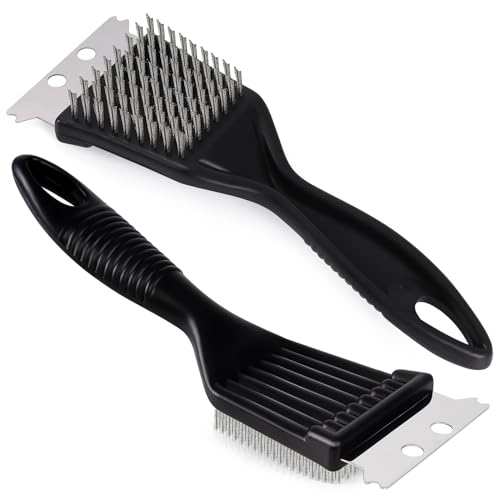
The KINYFY 2-Piece Grill Brush and Scraper set is a practical maintenance companion designed to tackle messy grates after high-heat cooking sessions. Keeping cooking surfaces spotless is essential for backyard pitmasters, weekend BBQ enthusiasts, campers, and tailgaters who want pristine sear marks instead of bitter carbon residue from previous cooks. With two tools in the package, you can keep one hanging on your primary backyard grill cart and toss the second into your tailgating tote, RV chuck box, or camp kitchen bin.
Clean cooking grids directly influence overall outdoor cooking performance. When old marinades, charred sauces, and animal fats accumulate on cast iron or stainless steel grates, they trap moisture, produce acrid smoke, and spark unpredictable flare-ups during direct-heat grilling. Using the stiff front scraper while the grates are still hot lifts thick baked-on crust effortlessly, while the dense stainless steel wire bristles sweep through the contours of each bar. This leaves clean metal ready for burgers, steaks, or delicate fish fillets to absorb clean smoke flavor without sticking or tearing.
Built with a weather-resistant molded handle and stiff stainless steel wire rows, this cleaning tool is tailored for rugged outdoor environments. The 12-inch handle length provides direct downward leverage right over stubborn spots, avoiding the flex often felt on long wire-handle brushes. The integrated hanging hole at the base lets you suspend the brush on your grill side hooks, keeping it off dirty prep surfaces and within arm's reach while managing charcoal or propane heat.
Portability and compact storage stand out as major advantages with this design. Oversized 18-inch brushes can be awkward to fit into standard patio grill cabinets, camp drawers, or portable grill bags. At roughly one foot in length, these brushes tuck neatly into compact spaces, making them ideal companions for portable tabletop grills, tailgating setups, and backcountry campfire grates where space is at a premium.
A realistic consideration is the handle length during high-temperature cleanups. Because the tool measures 12 inches, your hands will be closer to the heat source than with an extended cleaning wand. Wearing heat-resistant grilling gloves is a smart practice when scraping grates over ripping-hot charcoal or multi-burner gas fireboxes. Furthermore, as with any wire bristle brush, cooks should wipe down the grates with a damp cloth or oiled towel after brushing to confirm no detached wires remain on the cooking area.
For backyard cooks and outdoor adventurers looking for an effective, no-fuss maintenance tool, this dual-brush set delivers solid value and dependable scraping power. It keeps your cooking surface ready for perfect high-heat searing and clean smoke infusion, making it a reliable addition to any outdoor cooking gear collection.
For optimal results, use the brush and scraper immediately after cooking while the grill grates are still hot, or during preheating once the grill reaches operating temperature. Heat softens grease and carbonized sauces, allowing the front scraper to peel away thick residue before finishing with the wire bristles.
Keep the brushes themselves clean by periodically rinsing the heads under warm running water with grease-cutting dish soap. Shake out excess water and let the brushes dry completely using the hanging loop before storing them in outdoor cabinets or camping totes. Always inspect the brush before each cleaning session and wipe your grill grates with an oiled towel prior to placing food on the grill.

Pros
- Effective on heavy grease and charred food residue from low-and-slow smokes
- Works well on both cold and warm surfaces for flexible cleaning after grilling
- Economical - a little goes a long way for multiple cleaning sessions
- Rinses clean without leaving sticky residue that could affect food flavor
Cons
- May require multiple applications for heavily caked-on grime from years of use
- Strong chemical smell during application - use in well-ventilated area
- Not recommended for aluminum surfaces or painted grills
If you spend any time grilling, smoking, or cooking outdoors, you know the cleanup is the least fun part. This heavy-duty grill cleaner is designed to tackle exactly that chore, making it a solid addition to any outdoor cooking setup. It's a spray-on degreaser that works on BBQ grills, smokers, ovens, flat top griddles, and even camping stoves - basically anything that gets coated in grease and carbon after a cookout.
This cleaner is best suited for backyard grillers who fire up their gas or charcoal grills weekly, BBQ enthusiasts who smoke brisket low and slow, campers who need to clean their portable stove after a trip, and tailgaters who want their gear ready for the next game. If you own an RV and cook inside or outside, this is also handy for keeping the oven and grill grates spotless.
In real-world use, the cleaning performance is impressive. It cuts through baked-on grease and charred food residue without requiring heavy scrubbing. After a long smoking session where the grates are covered in black carbon, a few sprays and a short wait let you wipe it away. It doesn't completely eliminate scrubbing, but it reduces elbow grease significantly. The formula works on both warm and cold surfaces, so you can spray right after cooking or let it sit overnight on tough buildup.
Build quality is straightforward - it comes in a standard spray bottle with a trigger nozzle that delivers a wide or narrow stream. The nozzle doesn't clog easily, which is a common issue with thick cleaners. It's safe on porcelain, stainless steel, and cast iron grates, but you should avoid aluminum and painted surfaces. The spray can reach into tight corners of smoker racks and between grates, making it easier to clean those hard-to-reach spots.
Setup and use are simple: spray on, let it sit for a few minutes, scrub if needed, then rinse with water. Cleanup is quick, and the cleaner rinses away without leaving a sticky film that could affect your next meal's flavor. Storage is easy - just keep the bottle in your garage or under the sink. One limitation is that heavily caked-on grime from years of neglect may require multiple applications. Also, the chemical smell is strong, so you'll want good ventilation when using it.
Overall, this is a practical buy for anyone who cooks outdoors regularly. It saves time and effort on cleanup, which means more time enjoying your backyard parties, tailgates, or campsite meals. If you're tired of scrubbing forever after a great cookout, this cleaner makes the after-work much easier. Just remember to wear gloves and work in a well-ventilated area, and your grills and smokers will look like new after each use.

Pros
- Safe alternative to wire brushes - no bristle hazard
- Works on cool grills, so you can clean anytime without preheating
- Citrus scent leaves a fresh smell after cleaning
- Effective on grease and burnt-on food with minimal scrubbing
- Made in the USA with biodegradable ingredients
Cons
- Spray bottle may be prone to breaking after a few uses (reported by some users)
- May not remove very heavy, baked-on deposits without extra effort
- Scrubber pads may wear out faster on rough grates
If you've ever worried about wire bristles from a grill brush ending up in your food, the CitruSafe Grill Cleaning Kit is a breath of fresh air. This kit combines a 16-ounce citrus-powered spray cleaner with a heavy-duty scrubber handle and three replaceable pads, all designed to clean your grill while it's cool. No more burning off residue or risking stray bristles. It's a simple, safe approach that works on gas grills, charcoal grills, pellet grills, smokers, and even flat-top griddles.
This kit is perfect for backyard grillers who want a hassle-free cleanup after weekend BBQs, as well as campers and tailgaters who need a portable cleaning solution. The spray uses natural citrus degreasers to break down grease and burnt-on food, and the scrubber pads are tough enough to handle the job without scratching your grates. Just spray it on, let it sit for a minute, scrub, and wipe clean. Then preheat your grill for 15 minutes to burn off any residue. It's that straightforward.
In real-world use, the CitruSafe cleaner does a great job on moderately soiled grills. It cuts through grease and food residue quickly, leaving a pleasant citrus scent behind. For heavy, baked-on deposits, you might need to let the spray sit a bit longer or give it an extra scrub. But for regular maintenance cleaning, it's very effective. The scrubber handle feels sturdy, and the pads are thick enough to handle multiple uses before needing replacement.
Build quality is solid for a cleaning kit. The spray bottle is functional, though a few users have reported the nozzle breaking after a few sprays. The scrubber handle is made of heavy-duty plastic with a comfortable grip, and the pads are recyclable. The kit is compact and easy to store in your grill cart or camping gear. Since you clean the grill cool, there's no need to wait for it to heat up, which saves time and fuel.
One limitation is that the spray bottle could be more durable. If you're rough on gear, you might want to transfer the cleaner to a sturdier bottle. Also, for very heavy grease buildup, you may need to repeat the process or use a bit more elbow grease. But for most home cooks and outdoor enthusiasts, this kit offers a safe, effective way to keep your grill clean without the worry of wire bristles.
Overall, the CitruSafe Grill Cleaning Kit is a practical choice for anyone who grills regularly. It's especially good for families with kids, where food safety is a top concern. Whether you're cleaning a Traeger smoker, a Weber kettle, or a Blackstone griddle, this kit makes the job easier and safer. If you want a bristle-free, eco-friendly cleaning method that actually works, this is a solid investment for your outdoor cooking setup.


Pros
- Safe cleaning without wire bristles, protecting your family from accidental ingestion.
- Powerful citrus-based cleaner easily cuts through baked-on grease and carbon buildup.
- Kit includes everything you need: spray, brush, scrubber pads, scraper, and towel, no extra purchases required.
- Works on both hot and cool grills, offering flexibility for different cleaning routines.
Cons
- For extremely charred grates, some elbow grease may still be needed; the cleaner alone won't dissolve heavy creosote instantly.
- Scrubber pads are refillable but replacements are sold separately, adding ongoing cost over time.
- The cookbox scraper is best used on cool surfaces; it may scratch delicate porcelain coatings if used aggressively.
The Citrusafe Complete Grill Cleaning Kit is not your average grill cleaner. It is a thoughtfully assembled set designed to replace the dangerous wire brushes and harsh chemical sprays that many BBQ enthusiasts rely on. Instead, this kit uses a citrus-based degreaser, a nylon brush, heavy-duty scrubber pads, a cookbox scraper, and a microfiber towel to clean your grill safely and effectively. Whether you own a charcoal kettle, a propane gas grill, a smoker, or even a flat top griddle, this kit has the tools to handle the mess.
This kit is built for anyone who takes outdoor cooking seriously. Backyard grillers who fire up the Weber every weekend, campers who throw a grate over an open fire, tailgaters who need a quick cleanup between games, and RV owners who don't want wire bristles scratching their portable grills will all appreciate the safety-first approach. The stars are the Citrusafe Grill Cleaner spray, which uses natural degreasing power from citrus peels to break down grease, and the nylon brush and scrubber pads that work on a cool grill. No more burning off residue or worrying about stray bristles in your burger.
In real-world use, this cleaner shines on moderately soiled grates and cookboxes. Spray it on, let it sit for a few minutes, then scrub with the nylon brush or the heavy-duty pads. The grime dissolves quickly, and the included cookbox scraper reaches into corners that brushes miss. For a neglected grill that has months of caked-on grease, you may need to repeat the process, but the result is a cookbox that looks nearly new. The microfiber towel lifts away remaining residue without scratching porcelain or stainless steel surfaces.
Build quality of the tools is solid. The nylon brush handle is heavy-duty plastic with a comfortable grip, and the scrubber holder accepts the replaceable pads firmly. The scraper has a slim profile that fits into the tight gaps of most grills and smokers. The spray bottle has a trigger that produces a fine mist, covering grates evenly without waste. Everything in the kit is designed to be reused, cutting down on disposable grill wipes and paper towels.
Setup is simple: unpack the items and start cleaning. The spray works right out of the box, and all tools are ready to go. Transport is not an issue since it is a cleaning kit, but the spray bottle and tools fit easily in a garage cabinet or a camping tote. Storage is straightforward: keep the spray away from direct sunlight, and hang the brush and scraper to dry.
Limitations are minor. For grills with extremely heavy carbon buildup (think years of neglect), you may still need to use a metallic scraper or a second application. The scrubber pads are effective but wear out after several uses, and replacement packs are sold separately. Additionally, the nylon brush is not as stiff as wire, so it may take a bit more scrubbing on stubborn spots. Nonetheless, for routine maintenance and even deep-cleaning, this kit is a safe and effective choice. It earns a strong recommendation for any outdoor cook who wants to eliminate the risk of wire bristles and keep their cooking gear in top shape.
The Citrusafe Complete Grill Cleaning Kit comes with five essential items to tackle every part of your grill or smoker. You get a 16oz bottle of Citrusafe Exterior Grill Cleaner (also safe for interior use), a heavy-duty nylon brush with an integrated cookbox scraper, a scrubber handle plus three replaceable scrubber pads, a separate cookbox scraper for tight areas, and a premium microfiber cleaning towel (color may vary). Together, they cover cleaning from grates to hoods to side tables. Everything is manufactured in the USA by Bryson Brothers, a brand focused on safer outdoor cooking products.
For best results, clean your grill when it is cool to the touch. Spray the Citrusafe cleaner liberally onto grates and cookbox surfaces, let it sit for 3-5 minutes to loosen grease, then scrub with the nylon brush or scrubber pads. Use the cookbox scraper for baked-on residue in corners. Wipe away residue with the microfiber towel, then rinse with water if desired. For routine maintenance after each cook, a quick spray and wipe keeps grates looking new. The scrubber pads can be replaced when they become worn; replacement pads are available separately. The spray lasts through many cleanings, making this kit a great value for frequent grillers.
Pros
- Effectively removes stubborn baked-on grease and carbon deposits
- Biodegradable and food-surface safe (non-toxic when rinsed properly)
- Foam clings to grates and vertical surfaces, reducing waste
- Works on pellet smokers, gas grills, and electric smokers
- Helps reduce flare-ups by removing grease buildup
Cons
- Spray nozzle can be inconsistent; some users report clogging or poor spray pattern
- Foam may struggle to coat thin, closely spaced grate rods without pooling
- Do not use on aluminum or faux stainless steel surfaces (may cause damage)
- Requires thorough rinsing to avoid residue that could affect food taste
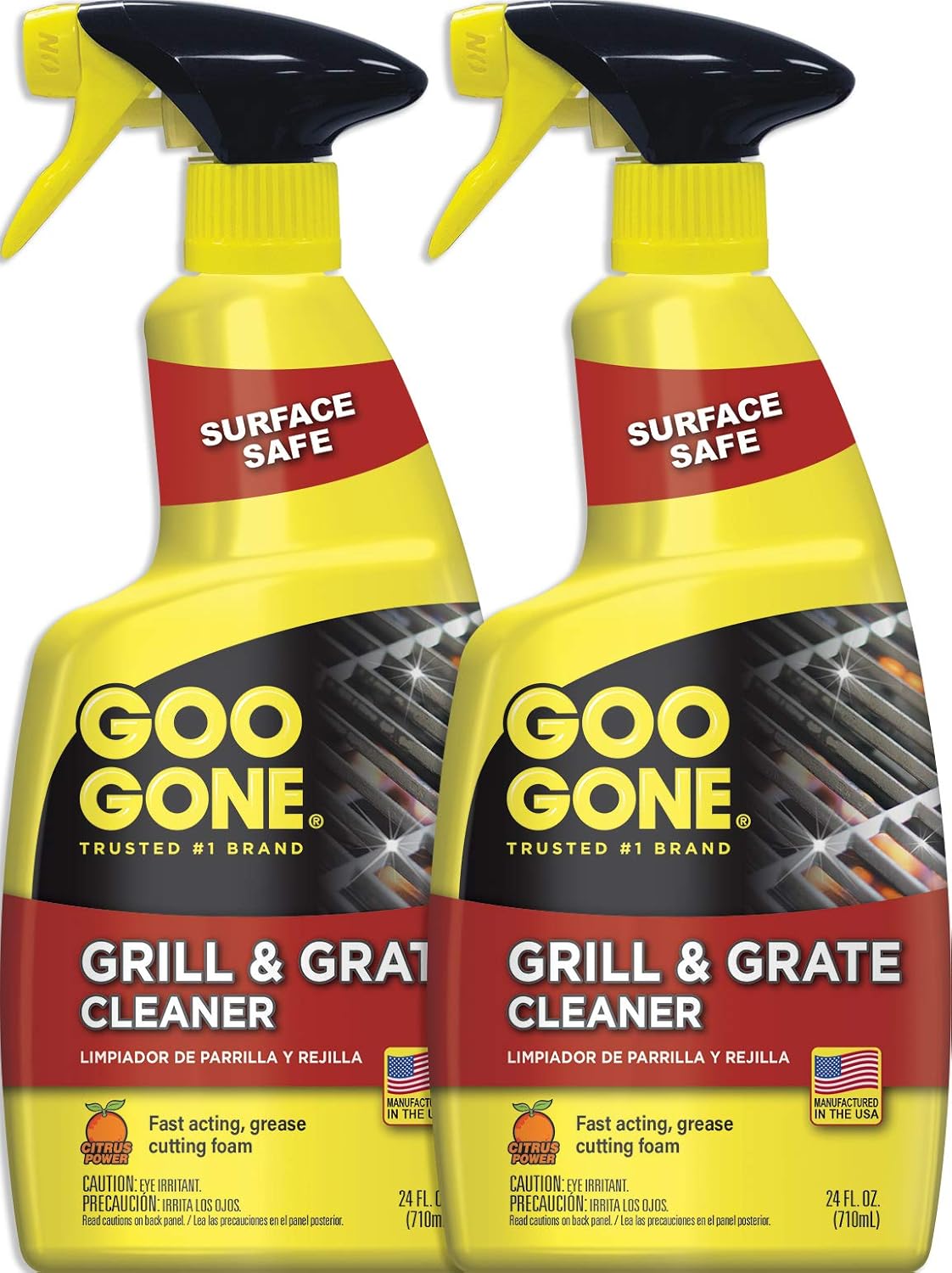
If you've ever faced down a crusty, grease-laden grill grate after a long summer of burgers, steaks, and slow-smoked ribs, you know the struggle is real. The Goo Gone Grill and Grate Cleaner Spray (2 Pack) is designed for exactly that scenario. This super-strength gel foam targets baked-on deposits, carbon, and grease that accumulate on your cooking surfaces. It's not a replacement for a good brush, but it's a powerful pre-treatment that cuts your scrubbing time drastically.
This cleaner is best suited for backyard grillers who own gas grills, pellet smokers (like Traeger), electric smokers, or even charcoal kettles. If you're a tailgater who wants to refresh your portable griddle or a home cook who hates scrubbing drip pans, this product will make your life easier. The biodegradable formula is a plus for eco-conscious outdoor cooks, and the citrus scent is a welcome change from harsh chemical smells.
In real-world use, the foam clings well to vertical surfaces—important for cleaning the inside of your smoker lid or the sides of your grill grates. After letting it sit for a few minutes (the instructions recommend 2 to 10 minutes, depending on how caked-on the grime is), a plastic brush or a stiff grill brush will lift the softened debris. Many users report success even with heavy carbon buildup, and the product helps reduce future flare-ups by removing grease that can ignite.
Build quality is straightforward: two 24-ounce bottles with trigger sprayers. The spray nozzles can be finicky—some reviewers mention they don't produce a consistent foam stream, which can make coating narrow grate rods tricky. A workaround is to pour the cleaner into a spray bottle with a better nozzle, or even soak a cloth and wipe it on. The product is safe on most metals (steel, cast iron, porcelain-coated grates) but avoid aluminum and faux stainless steel as the formula can damage them.
Ease of use is the main selling point. Remove your grates, spray on the foam, wait, scrub, rinse, and dry. For interior grill surfaces, you can spray and wipe with a cloth. The cleaner does need to be rinsed thoroughly—leftover residue could affect the taste of your next meal, so a quick rinse with water is essential. Storage is simple; the bottles stand upright and the foam doesn't separate.
A realistic limitation is that very heavy buildup may require multiple applications or a longer soak. Also, if you're cleaning a large smoker with lots of nooks and crannies, you'll use a fair amount of product. Some users with thin, closely spaced grill rods find that the foam doesn't coat evenly unless they apply it carefully. For best results, consider wearing gloves and working in a well-ventilated area. Overall, this is a reliable, affordable cleaner for regular grill maintenance. If you want to keep your outdoor cooking equipment in top shape without spending hours scrubbing, the Goo Gone Grill and Grate Cleaner is a solid choice.

Restoring Neglected Grates: A Complete Restoration and Upkeep Guide
Cleaning an aged barbecue grate requires identifying the metal type, breaking down oxidized grease layers, and deciding whether surface rust can be safely removed. Encrusted carbon forms when cooking fats combine with sugars, ash, and extreme temperatures, hardening into an abrasive layer over time. Rather than discarding heavily weathered cooking surfaces, most metal grids can be safely rejuvenated using purposeful scraping, targeted degreasers, and proper heat application. Following an orderly restoration workflow preserves the underlying metal and returns your grill to a sanitary cooking state.
Identifying Grate Materials and Assessing Metal Condition
Cooking grates generally fall into three primary categories: bare or enameled cast iron, solid stainless steel, and porcelain-coated steel wire. Bare cast iron provides outstanding thermal retention, but it rusts rapidly when exposed to humidity without an intact oil barrier. Solid stainless steel resists corrosion remarkably well, though it develops heavy discoloration and baked-on grease after extended seasons. Porcelain coatings seal the underlying steel against oxygen, yet they chip easily under aggressive mechanical impact.
Before applying cleaners, inspect the structural integrity of every bar across the entire grid. Surface rust appears as powdery orange discoloration that rubs away with moderate pressure, leaving solid metal underneath. Deep structural pitting, however, manifests as flaking metal, deep crevices, or thinning rods that bend under slight pressure. If the metal has eroded to the point of compromising structural strength, replacing the grate is far safer than attempting restoration.
Traditional wire grill brushes present documented safety hazards because thin steel bristles can snap off during aggressive cleaning and adhere to food. Wire bristle ingestion poses severe gastrointestinal risks, leading many cooks to seek safer cleaning alternatives. Bristle-free scrapers, steam-cleaning pads, and grooved metal tools offer mechanical scraping power without leaving dangerous fragments behind. Selecting tools matched to your grate profile prevents accidental coating damage while safeguarding family meals.
Mechanical Scraping for Heavy Crust and Carbon Buildup
Initial carbon removal begins with dry scraping to strip the heaviest crust before introducing liquid degreasers. Flat scraper blades excel at clearing the flat top edges of rectangular bars, but they leave grease intact along curved sides. Specialized tools such as the Grill Floss Premium Grill Scraper for Outdoor solve this limitation by wrapping around round rods to clean both top and bottom surfaces simultaneously. This design scrapes between individual bars without forcing you to lift heavy, greasy grates out of the cookbox.
Stainless steel wire brushes with integrated scraper heads, like the 2 Pcs Grill Brush and Scraper,Barbecue Grill, combine stiff bristle clusters with rigid metal edges for aggressive scraping. The rigid scraper corner loosens stubborn burnt drippings, while the bristle bundle sweeps away loosened debris. If you operate tools with metal bristles, inspect the grate carefully with a bright light and wipe each bar thoroughly with a damp towel before cooking. Applying steady, moderate pressure yields better results than bearing down excessively on the handle.
Porcelain-enameled surfaces require gentle mechanical handling to prevent cracking the glass-like exterior. Avoid hard steel scrapers or sharp edges on porcelain, as chips expose bare underlying steel to rapid moisture corrosion. Rigid nylon scrapers, wooden paddles that naturally conform to the grate spacing, or specialized composite scrubbers provide sufficient leverage without gouging the enamel. Inspecting porcelain grids regularly ensures you notice chips before rust spreads beneath the remaining coating.
Applying Specialized Degreasers and Chemical Cleaners
Chemical degreasers break the molecular bonds holding polymerised cooking fats to metal bars. Gel-based formulas, such as the Goo Gone Grill and Grate Cleaner Spray (2 Pack), cling directly to vertical surfaces rather than running straight into the grease tray. This biodegradable gel formula targets baked-on carbon deposits on metals and cooking racks while remaining safe for food-contact surfaces after rinsing. Letting the gel dwell on cool metal for several minutes softens rock-hard grease layers considerably.
Plant-derived degreasers offer a compelling alternative for cooks who prefer avoiding harsh industrial chemicals on food surfaces. Products like the CitruSafe Grill Cleaning Kit harness the natural solvent properties of citrus peels to dissolve animal fats on cool surfaces. This approach avoids the need to run high-heat burn-offs, saving fuel while keeping fumes manageable. Pairing the citrus spray with heavy-duty replaceable scrubber pads allows you to lift loosened grime without risking loose metal wire bristles.
Complete maintenance setups, such as the Citrusafe Complete Grill Cleaning Kit, expand cleaning capabilities by including cookbox scrapers, nylon bristle brushes, and microfiber towels. Cookbox scrapers access narrow corners and lower burner shields where grease pools, reducing flare-up hazards during subsequent cooks. The combination of nylon bristles and citrus degreaser penetrates between tightly spaced rods without scratching delicate finishes. Finishing with an absorbent microfiber towel lifts residual oil film and polishes metal bars clean.
Rinsing is an indispensable phase whenever you use commercial cleaning compounds on cooking surfaces. Chemical residues left on the metal can vaporize during your next cook, creating unpleasant odors or contaminating delicate foods. Scrub the grates with warm water and a clean sponge after degreasing, drying them immediately with clean cloth towels. Once reassembled, preheat the grill for fifteen minutes to burn away any trace residue before placing food across the bars.
Steam-Assisted Cleaning and Heat Methods
Steam cleaning relies on thermal shock and moisture expansion to lift stubborn grease without chemical sprays. Heat softens hardened fats, while water instantly turns to steam upon contacting the hot metal bars, blasting debris free from the grate. The Grill Rescue Grill Brush with Scraper operates on this principle by utilizing a heat-resistant cleaning pad dipped in water. Its grooved face wraps around individual rods, allowing trapped steam to clean the sides of the bars where flat pads cannot reach.
Executing steam cleaning safely requires monitoring grate temperature carefully. The cooking surface must reach high heat, but open flames should be extinguished or turned down before introducing wet cleaning heads. Rapid steam generation produces hot vapor that can scald unprotected hands, making insulated barbecue gloves essential during the process. Replaceable, dishwasher-safe cleaning pads maintain consistent cleaning effectiveness across multiple grilling seasons without accumulating rancid grease.
A critical safety rule applies whenever running high-heat burn-offs or steam cleanings outdoors. Fuel-burning grills, whether powered by propane, natural gas, charcoal, or wood pellets, must never be operated inside a garage, carport, breezeway, or enclosed patio. Opening an overhead garage door does not provide adequate ventilation to counteract carbon monoxide accumulation and intense radiant fire hazards. Position your cooker outdoors on a level, non-combustible surface with generous clearance from walls and overhanging structures.
Treating Surface Rust on Weathered Metal Surfaces
Rust develops when iron molecules react with moisture and oxygen, an issue that frequently plagues unprotected cast iron and carbon steel grids. Household pantry staples provide an effective, non-toxic soaking solution for grates small enough to submerge. A balanced mixture of distilled white vinegar and warm water loosens iron oxide over a three-hour soaking window. Avoid soaking cast iron overnight, as prolonged acid exposure can degrade the underlying sound metal.
Following the acid bath, neutralize remaining vinegar with a paste of baking soda and water applied across the metal bars. Scrub the paste with a coarse nylon scourer or brass-bristled brush to lift softened rust particles from crevices. Rinse the grates thoroughly with clean running water, then immediately dry them using dry shop towels or heat. Bare cast iron begins forming flash rust within minutes of exposure to air if moisture remains on the surface.
Accelerated drying is best achieved by placing the washed grates over indirect grill heat or inside a household oven set to low temperature. Ten minutes of gentle heat drives residual moisture out of microscopic pores in the metal structure. Once the surface feels completely dry and warm, the metal is prepared to accept protective oils. Skipping this rapid drying step traps water under fresh oil, causing premature bubbling and corrosion.
Seasoning and Protective Oiling to Prevent Corrosion
Seasoning transforms liquid cooking oils into a hard, protective polymer layer that repels water and prevents food from sticking. Select unsaturated cooking oils with high smoke points, such as canola, grapeseed, or refined avocado oil, or use rendered beef tallow. Spread a thin, transparent layer across every surface of each bar, wiping away any pooling liquid with a lint-free cloth. Excessive oil builds sticky, gummy spots rather than a smooth, resilient curing layer.
Applying oil evenly over hot cooking grids presents handling challenges when using tongs and wadded paper towels. The Grate Armor® Grill Grate Oiling Brush for Even Oil simplifies this task with a heat-resistant silicone applicator head designed specifically for grates. This tool applies a controlled coating of oil or tallow in seconds, keeping hands safely away from radiant heat sources. Consistent oiling before and after cooking sessions creates an ongoing moisture barrier that significantly extends grate lifespan.
To bake the seasoning into the metal, heat your grill to approximately four hundred degrees Fahrenheit and maintain temperature for forty-five minutes. The oil darkens and smokes lightly as it cross-links with the metal surface, forming an amber to black protective coating. Allow the grates to cool slowly inside the closed grill so the polymer layer sets firmly without thermal shock. Repeating this seasoning cycle two or three times builds an enduring barrier against outdoor weather.
Long-Term Maintenance Habits and Routine Care
Maintaining pristine cooking surfaces requires less effort when you establish consistent habits before and after every cooking session. When starting a cook, preheat the grill for ten to fifteen minutes to carbonize residual fats from past meals. A quick pass with a bristle-free scraper clears carbonized crumbs easily while the bars remain hot. Applying a fresh swab of cooking oil right before placing meats creates a slick release layer that keeps delicate fish and poultry intact.
Testing your freshly restored cooking surface with a classic bbq wings recipe provides immediate proof of proper grate conditioning. Chicken skin adheres stubbornly to dirty, rusted bars, but cleanly conditioned metal allows wings to brown and crisp without tearing. Managing direct heat zones alongside indirect areas keeps dripping chicken fat from igniting uncontrolled flare-ups on clean burners. Checking internal meat temperatures with an instant-read thermometer ensures your poultry reaches safe serving levels without relying on visual guesswork.
Cooks who operate a griddle and smoker combo understand that maintenance techniques vary across different outdoor cooking equipment. Flat-top griddle plates demand continuous edge-to-edge oil seasoning without abrasive scraping, whereas open grates require clearing bottom drippings and grease channels. Smokers running at lower temperatures generate heavy creosote deposits that require water-soluble degreasers rather than simple burn-offs. Adapting your maintenance routine to each specific cooking surface keeps all outdoor equipment performing reliably.
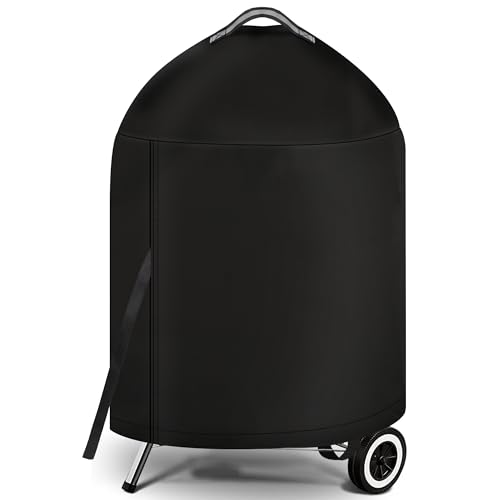
Seasonal storage practices play a massive role in preventing rust recurrence between active barbecue seasons. Always store clean, freshly oiled grates under a heavy-duty, breathable grill cover that prevents rain penetration while allowing trapped humidity to escape. If you live in high-humidity or coastal environments, storing cast iron grates indoors in a dry pantry during winter offers extra protection. Routine inspections throughout the year ensure your grill remains sanitary, safe, and ready for spontaneous backyard gatherings.
Restoring an aged grill grate requires matching your cleaning technique to the metal type, clearing stubborn crust with safe tools, and protecting the revived surface with fresh oil. Taking time to inspect structural integrity and burn off chemical residues guarantees that your cooker stays both sanitary and safe. With clean bars and an intact seasoning barrier, your outdoor grill will deliver consistent heat, sharp grill marks, and dependable performance across many cookouts ahead.





Write Your Review
No reviews yet. Be the first to share your experience!