


Standing in your backyard while envisioning weekend cookouts often brings an overwhelming array of cooking equipment into view. Deciding how to choose a grill requires balancing your available outdoor space, preferred fuel source, and the specific foods you plan to prepare most often. Whether you need high searing heat for steaks, steady low temperatures for barbecue, or a versatile flat top for morning breakfasts, each cooker format presents distinct performance trade-offs. Setting up a dedicated outdoor cooking zone alongside sturdy rolling prep tables can make the entire process smoother and far more organized.
Many backyard cooks feel caught between the rapid startup convenience of propane burners and the deep, smoky flavor produced by lump charcoal or hardwood pellets. Modern equipment choices range from traditional standalone carts to portable tabletop units and versatile griddle and smoker combination cookers that expand your culinary options. By evaluating burner power, grate materials, heat distribution, and maintenance demands before making a purchase, you can invest in a cooking setup that serves your routine for years. The following guide breaks down the essential criteria to help you select the ideal outdoor cooker with complete confidence.

Pros
- Clear breakdown of charcoal, wood chunk, and airflow management for beginners
- Covers both fast searing methods and long low-and-slow smoking techniques
- Instantly accessible on phones or tablets right next to the grill or smoker
- Practical advice on meat trimming and choosing cuts that stretch your budget
Cons
- Digital format requires a protected phone or tablet screen around messy prep stations
- Focuses primarily on fundamentals, offering less advanced advice for competition pitmasters
- Lacks a spiral-bound physical print option for cooks who prefer physical paper at the prep table
This instructional outdoor cooking guide serves as a practical blueprint for anyone learning to operate a charcoal grill, offset smoker, pellet cooker, or gas barbecue. Aimed directly at beginner backyard grillers, patio cooks, campsite cooks, and tailgaters, this reference addresses the steep learning curve of pitmaster fundamentals. Instead of just listing recipe measurements, it focuses on the practical mechanics of cooking over open coals and wood smoke.
The core strength of the guide lies in its approach to fire control and heat consistency. Managing draft vents, intake dampers, and fuel loads often frustrates new pitmasters, leading to thick white smoke or wild temperature spikes. The instructions explain how to maintain steady target temperatures for low-and-slow briskets, pork shoulders, and ribs, while also detailing proper two-zone setups for searing steaks and burgers without constant flare-ups. Learning how wood smoke interacts with meat helps outdoor cooks avoid acrid creosote and achieve a clean, savory bark.
Because this guide is formatted for Kindle e-readers, smartphones, and tablets, it offers distinct practical advantages around an active outdoor cooking station. Paper barbecue books frequently end up soaked in marinade, stained with grill grease, or ruined by sudden rain showers at the campsite. A digital guide stays clean in a protective phone case and tucks easily into a pocket during long tailgates or weekend cooks. Finding cook times or internal temperature targets takes seconds without flipping through sticky paper pages.
There are a few practical considerations to keep in mind before relying on a digital guide at the pit. Keeping a phone or tablet screen active near a hot smoker requires careful placement away from direct radiant heat, hot grease splashes, and bright midday glare. Furthermore, experienced pitmasters who already understand fire draft physics and meat stalling might find the beginner-oriented content somewhat foundational. It is designed to get novices up to speed rather than teach competition-level trimming tricks.
For backyard cooks who recently bought their first smoker or want to upgrade their weekend barbecue results, this guide provides solid, actionable value. It takes the mystery out of damper adjustments, charcoal arrangement, and cut selection, helping you turn out tender ribs, juicy chicken, and perfectly seared chops with confidence. Pairing this guide with your outdoor setup will save you from ruined cuts of meat and give you a repeatable path to authentic smokehouse flavor.
Managing heat and airflow is the single most critical skill in outdoor smoking. This guide outlines how intake and exhaust dampers control oxygen delivery to your charcoal or wood fire, helping you dial in steady 225-degree temperatures without babysitting the pit all day.
You will learn the difference between dirty, acrid smudge smoke and sweet blue smoke, ensuring your meats develop rich, mahogany bark without bitter flavors. The step-by-step instructions cover minion methods, charcoal snakes, and dual-zone firebox layouts suitable for kettle grills, barrel cookers, and horizontal offset smokers alike.
This reference works exceptionally well for weekend backyard barbecues where you need reliable timing and temperature targets for crowds. Whether you are prepping pork butts for an afternoon gathering or searing burgers on the patio, the foundational walkthroughs keep your cooks on track.
It is also a dependable companion for tailgating and campsite grilling. Since the digital format stores directly on your smartphone, you can consult meat selection notes at the grocery butcher counter and reference internal doneness temperatures miles away from your home kitchen.


Pros
- Versatile 2-in-1 design lets you grill or griddle without needing separate equipment
- High 40,000 BTU output for quick preheating and strong searing on both surfaces
- Wind-resistant hoods help maintain cooking temps in breezy outdoor conditions
- Easy grease cleanup with removable tray and cup reduces mess after cooking
Cons
- Weighs 51.8 pounds, which may be heavy for backpacking but fine for car camping or tailgating
- Hoods should not be closed for more than 3 minutes during cooking, limiting covered cooking techniques
- No built-in thermometer on the hood; you may need a separate probe for precise temperature monitoring
The Grills House GD4002TPY is a portable tabletop propane grill and griddle combo that brings serious cooking versatility to your backyard, campsite, or tailgate. With four burners pumping out 40,000 BTU total, this 2-in-1 unit lets you swap between cast-iron grill grates for steaks and a ceramic-coated griddle for breakfast pancakes or fried rice. It's built for outdoor cooks who want one appliance that handles multiple meals without hauling separate gear.
When it comes to real-world performance, the four stainless steel burners heat up quickly and distribute warmth evenly across the 416 square inch cooking surface. The grill side delivers satisfying sear marks on burgers and chops, while the griddle side gives you a flat, non-stick area for eggs, bacon, or vegetables. The porcelain-enameled hoods do a decent job blocking wind, though the manufacturer warns not to keep them closed more than three minutes while cooking. That means you'll mostly use them for wind protection and storage, not as a closed-lid oven.
Build quality is solid for a portable unit. The burners are stainless steel, the hoods are porcelain-enameled, and the griddle has a ceramic coating that resists sticking. At 51.8 pounds, the GD4002TPY is heavier than some tabletop grills, so it's better suited for car camping, RV trips, or tailgating where you have a vehicle nearby. The dimensions (20.28 x 40.75 x 13.7 inches) mean it fits on most picnic tables or patio stands. There's no mention of rust-resistant coatings, but the hoods protect the surfaces when not in use.
Setup is straightforward: attach a propane tank, turn on the burners, and you're cooking. Cleanup is one of the stronger points—the griddle has an oil leak hole that directs grease into a sizable tray and a removable cup, so you're not scratching your head over a greasy mess. The grill grates are cast iron and need seasoning, but they clean up well with a brush.
One realistic limitation is the weight. For backpacking or long hikes, this is too heavy, but for tailgating, camping with a car, or backyard patio parties, it's manageable. The three-minute hood rule is also worth noting—if you want to smoke or bake, this isn't the tool. It's strictly an open-air griddle and grill. Also, with no reviews yet, it's hard to gauge long-term durability, but the specs suggest a well-thought-out portable cooker.
Overall, the Grills House GD4002TPY is a practical choice for anyone who loves cooking varied meals outdoors. Tailgaters will appreciate the quick setup and dual cooking surfaces. Campers with vehicle access can enjoy hot breakfasts and grilled dinners from one unit. Backyard entertainers can leave it on the patio for weekend cookouts. If you want a single, portable solution for grilling and griddling without breaking the bank, this combo is worth considering.
The GD4002TPY delivers 40,000 BTU across four burners, which is plenty of power for a portable unit. The cast-iron grill grates retain heat well and produce solid sear marks on steaks and chops. The ceramic-coated griddle heats evenly, making it easy to cook pancakes, eggs, or stir-fry without hot spots. Wind-resistant hoods help keep the flame steady, but remember they're not designed for prolonged closed-lid cooking—keep them open during use.
For tailgating, you can crank out burgers and hot dogs on one side while the griddle handles onions and peppers on the other. At the campsite, the griddle is perfect for a full breakfast spread. The heat output is consistent, and the independent burner controls let you create different temperature zones across the surface.
This tabletop grill is designed for on-the-go cooking. Its dimensions (20.28 x 40.75 x 13.7 inches) allow it to fit in most car trunks or SUV cargo areas. Setup is simple: place it on a stable table or counter, connect a standard 20 lb propane tank (not included), and ignite the burners. The 51.8-pound weight is on the heavier side for a tabletop model, so it's best for vehicle-based trips rather than backpacking. The folding legs? This model doesn't mention folding legs—it's a tabletop unit, so you'll need a sturdy surface. Transport is made easier by its compact shape, but you'll want a second person to lift it in and out of a vehicle.
For tailgating, it's a great fit because you can set it up on the tailgate or a picnic table. Campers with a car or RV will find it easy to pack. Cleanup after transport is minimal thanks to the grease tray and removable cup.

A Practical Guide to Choosing the Right Outdoor Grill
Selecting the right outdoor cooker begins with an honest assessment of how you cook, how often you entertain, and how much time you want to spend on fuel management and cleanup. The outdoor cooking marketplace features an enormous spectrum of designs, ranging from classic charcoal kettles and high-output propane carts to portable flat-top griddles and automated pellet smokers. Understanding the mechanical differences behind these designs ensures that your equipment supports your culinary ambitions rather than creating unnecessary maintenance headaches.
Evaluating Fuel Types and Daily Convenience
Propane and natural gas grills remain the standard choice for home cooks who prioritize convenience, rapid startup times, and push-button temperature control. Gas burners allow you to preheat the cooking surface in less than fifteen minutes, making weeknight dinners straightforward and predictable. Liquid propane offers excellent portability through standard refillable tanks, whereas a dedicated natural gas line provides an uninterrupted fuel supply without the need to swap heavy cylinders. But gas grills generally produce less ambient wood smoke flavor unless paired with wood chip smoker boxes or specialized diffusers.
Charcoal grills appeal directly to traditionalists who value rich aroma, high radiant heat, and the ritual of managing live fire. Lump charcoal and briquettes can generate intense searing temperatures that exceed the capability of many standard entry-level gas burners. Operating a charcoal grill demands more patience and hands-on involvement, as heating up coals and adjusting air intake dampers requires careful monitoring. You must also account for ash disposal and routine grate scrubbing after every session, which adds meaningful time to the overall cooking process.
Wood pellet grills bridge the gap between digital automation and authentic wood-fired flavor by using an electric auger to feed compressed hardwood pellets into a firepot. Digital thermostatic controllers monitor internal chamber heat and regulate airflow automatically, allowing cooks to maintain steady low-and-slow temperatures for hours. Pellet units excel at smoking ribs, briskets, and poultry, though their maximum searing capability is sometimes more limited compared to direct gas flames or glowing coals. Pure electric grills eliminate combustible fuels entirely, providing a compact solution for tight outdoor spaces where open flames or gas canisters are prohibited by local ordinances.
Calculating Cooking Area and Burner Configuration
Cooking capacity should match both your typical household size and your peak entertaining habits. Manufacturers usually list total cooking space in square inches, which frequently combines the primary grate area with an elevated secondary warming rack. You should focus primarily on the square inches available on the main cooking surface, since warming racks rarely provide direct heat suitable for active searing. A cooking surface around four hundred square inches generally accommodates family meals comfortably, leaving ample room to move items between different heat intensities.
Burner count directly determines your ability to establish distinct temperature zones across the grates. Independent burner controls enable two-zone cooking, where one side of the grill produces intense direct radiant heat for searing while the opposite side provides gentle indirect heat for finishing thicker cuts. A unit equipped with three or four independently controlled stainless steel burners provides far greater thermal flexibility than a single or dual-burner setup. This arrangement lets you roast a whole chicken over indirect heat while simultaneously sautéing side dishes or charring vegetables over an active burner.
Total British Thermal Units, commonly designated as BTU, reflect the maximum fuel consumption rate of all gas burners running simultaneously. While high BTU ratings suggest strong heating potential, higher numbers do not automatically guarantee better cooking performance. Thermal efficiency depends heavily on burner geometry, heat tents, and lid insulation, which work together to retain heat inside the cookbox. A well-designed grill with moderate BTU output and thick sidewalls often maintains higher, more stable grate temperatures than an inefficient unit with massive fuel consumption and thin sheet metal.
Examining Construction Quality and Grate Materials
The material used for your cooking grates significantly influences heat retention, sear marks, and long-term upkeep. Heavy cast-iron grates deliver exceptional thermal mass, absorbing heat readily and transferring bold sear marks onto steaks and chops. Raw cast iron requires regular seasoning with high-smoke-point oils to prevent moisture-induced surface rust, while porcelain-enameled cast iron adds a protective barrier that reduces sticking and simplifies cleanup. Stainless steel grates offer exceptional corrosion resistance, heat up quickly, and require minimal maintenance, though lighter-gauge stainless rods do not hold heat as tenaciously as heavy cast iron.
The durability of the firebox and hood determines how many seasons your grill will endure through harsh weather and high cooking temperatures. Commercial-grade stainless steel, heavy cast aluminum, and porcelain-enameled steel provide robust defense against rust and weather exposure. Double-walled hoods create an insulating air gap that minimizes heat loss during windy or cool afternoons, helping maintain consistent internal temperatures. When integrating your cooking station into permanent outdoor cabinetry or barbecue islands with a backsplash, choosing weather-resistant metals ensures that moisture and ambient humidity do not degrade the exterior finish.
Small construction details often reveal how well a grill will hold up over multiple years of outdoor exposure. Look for stainless steel hardware, heavy-duty hinges, and rigid lid handles that remain cool to the touch during operation. Inexpensive plastic knobs, thin sheet-metal fasteners, and loose cart assemblies tend to fail early under thermal cycling and outdoor conditions. Investing in equipment with sturdy legs, stable wheels, and welded structural joints prevents annoying wobbling when scrubbing grates or flipping heavy cuts of meat.
Balancing Specialized Formats: Griddles, Smokers, and Combo Cookers
Flat-top griddles have transformed backyard cooking by replacing open grates with a solid, continuous steel or ceramic-coated plate. A solid cooking surface prevents small ingredients like sliced peppers, onions, seafood, and bacon from dropping down into open flames. Griddles also excel at smash burgers, pancakes, fried rice, and delicate fish fillets that would otherwise tear or stick to traditional grates. Because fat drains across the surface toward a centralized collection port rather than dripping onto hot burners, griddles virtually eliminate open grease flare-ups.
Combination cookers merge distinct culinary styles into a single footprint to maximize backyard versatility. For example, tabletop hybrid units like the Grills House GD4002TPY portable combo incorporate both cast-iron grill grates and a ceramic-coated griddle plate powered by four separate burners. This dual-surface configuration allows cooks to sear steaks over open grates on one side while frying delicate vegetables or eggs on the griddle top simultaneously. Hybrid units eliminate the need to purchase two separate appliances, offering a practical solution for households that crave variety without cluttering their patio.
Cooks interested in expanded cooking techniques should evaluate equipment compatibility with add-on accessories. Many traditional gas and charcoal units accommodate heavy-duty smoker boxes, pizza stone inserts, or electric spit roaster attachments that rotate roasts slowly over gentle heat. If your primary goal centers on low-temperature barbecue, dedicated smokers or pellet grills offer deeper smoke penetration and automated temperature consistency. Selecting an adaptable platform ensures you can experiment with diverse outdoor culinary techniques without buying dedicated single-purpose machines.
Portability Needs for Camping, Tailgating, and Small Patios
If you plan to take your grill on RV trips, camping excursions, or sporting events, portability becomes a central selection factor. Compact tabletop grills provide generous cooking surfaces while eliminating the bulky cart and wheels associated with traditional freestanding units. Sturdy carrying handles, folding legs, and secure hood latches make loading equipment into a vehicle trunk or camper storage bay simple and safe. Tabletop models also fit seamlessly onto apartment balconies or compact townhouse patios where space is at a premium.
Portable cookers typically operate on compact one-pound disposable propane cylinders for maximum convenience during transport. While small canisters work well for brief weekend outings, frequent cooks often find them inconvenient and relatively expensive over time. Many portable models support optional adapter hoses that connect directly to standard twenty-pound refillable propane tanks or RV low-pressure quick-connect lines. Checking fuel connection compatibility before purchasing guarantees that your portable setup integrates smoothly with your travel rig or basecamp supplies.
Outdoor cooking in open parks, beaches, or tailgate parking lots exposes your flame to unpredictable wind gusts. Wind can blow out gas burners, cause rapid temperature drops, and create uneven hot spots across the cooking plane. Grills equipped with individual porcelain-enameled hoods or wrap-around wind guards help shield burners from strong breezes while in use. These hoods also protect griddle plates and cast-iron grates from rain, dust, and outdoor debris when the cooker cools down after a meal.
Essential Safety Clearances and Safe Outdoor Placement
Proper grill placement is the single most critical safety factor in outdoor cooking. Grills must always be positioned on a flat, stable, non-combustible surface outdoors, away from foot traffic and play areas. You should maintain an open clearance of at least ten feet from vinyl siding, wooden deck railings, overhangs, and dry landscaping. Heat rising from an open lid or hot exhaust vent can easily warp residential siding, blister exterior paint, or ignite dry patio awnings if placed too close to a structure.
Never operate a fuel-burning grill inside a garage, breezeway, screened porch, tent, or any other enclosed structure. Some homeowners mistakenly believe that opening an overhead garage door provides adequate ventilation for grilling during rainy weather. Fuel combustion generates lethal levels of odorless carbon monoxide gas, which accumulates rapidly in semi-enclosed spaces and poses severe health and fire risks. Authoritative fire-safety guidelines and manufacturer manuals mandate that all gas, charcoal, and pellet appliances remain strictly outside in open air with unobstructed overhead ventilation.
Grease buildup inside the firebox represents one of the leading causes of uncontrolled grill fires. High-heat searing liquefies animal fats, which drain downward toward catch pans and drip trays beneath the burners. Grills designed with steep drainage funnels, wide drain holes, and removable grease cups make cleaning straightforward and prevent flammable fat from pooling. Keeping a working fire extinguisher rated for grease fires nearby provides essential peace of mind whenever you cook over open flames.
Long-Term Maintenance, Cleaning Workflow, and Ownership Demands
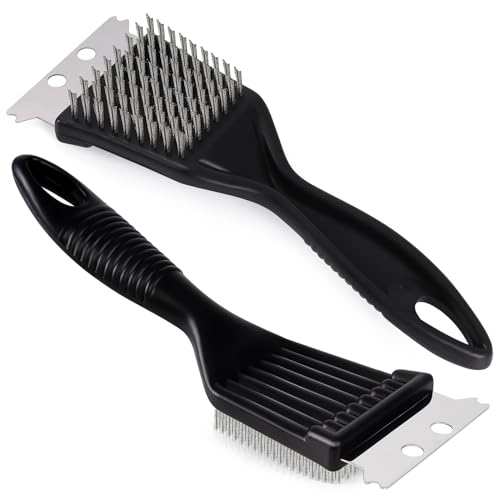
Establishing a consistent cleaning routine preserves your cooking surfaces and ensures peak culinary performance. Brushing cooking grates while they remain warm from a cooking session loosens charred food debris with minimal physical effort. For raw cast-iron surfaces, applying a light coating of cooking oil after cleaning shields the metal from ambient humidity and preserves the seasoned nonstick layer. Ceramic and porcelain surfaces require gentler cleaning tools, such as nylon scrub pads or brass-bristle brushes, to prevent chipping the glassy protective coating.
Over several months of regular use, ash, drippings, and carbon deposits accumulate beneath the burners and around heat tents. Gas burners feature tiny flame ports that can become clogged by grease or nesting insects, resulting in uneven yellow flames and irregular heat distribution. Periodically removing grates, scraping down the inner walls of the firebox, and clearing burner ports with a soft wire brush restores efficient combustion. Emptying the grease tray and wiping down exterior panels keeps the unit looking pristine and eliminates foul odors between uses.
Exposure to sun, rain, snow, and airborne pollen accelerates rust formation and degrades rubber fuel hoses. A heavy-duty, water-resistant grill cover tailored to your specific model provides essential protection against UV rays and moisture intrusion. If you live in an area with harsh winter freezing, storing your grill inside a dry shed or basement after thoroughly cleaning the firebox prolongs its operational lifespan. Remember that propane tanks must always remain stored outdoors in a shaded, well-ventilated location and should never be brought inside residential living areas or basements.
Matching Your Budget to Necessary Features Rather Than Frills
When establishing an equipment budget, prioritize solid construction, reliable ignition systems, and even heat distribution over flashy cosmetic accents. Budget-friendly entry-level grills often offer adequate cooking area but sacrifice metal thickness, durable stainless burners, and sturdy cart construction. Mid-range cookers generally hit the sweet spot for most homeowners, providing thick porcelain-enameled fireboxes, cast-iron grates, and dependable multi-burner layouts that last for many seasons. Premium units justify their investment through heavy commercial-grade stainless steel, precision thermostatic controls, and extended manufacturer warranties on critical components.
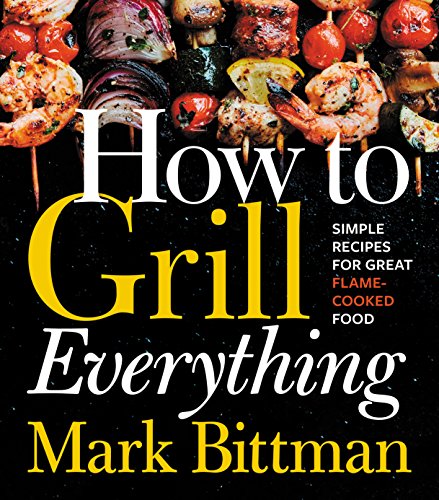
Purchasing the right physical hardware represents only half of the outdoor cooking equation. Investing time in reputable culinary guides, such as classic grilling reference books or comprehensive outdoor smoker handbooks, dramatically accelerates your mastery of live-fire cooking. Learning how to properly trim meats, manage direct versus indirect heat, and monitor internal doneness transforms good ingredients into memorable meals. Equipping your station with accurate digital meat thermometers and essential safety guidelines ensures your investment yields consistently delicious, safe results.
Determining the right grill ultimately centers on choosing an appliance that aligns naturally with your cooking style, schedule, and entertaining habits. By evaluating fuel convenience, usable grate dimensions, build materials, and maintenance requirements, you can select equipment that turns backyard meals into an effortless pleasure. Always adhere to outdoor safety clearances, maintain your cooking surfaces regularly, and select the features that genuinely support the dishes you love to share with family and friends.





Write Your Review
No reviews yet. Be the first to share your experience!