


Stepping into the world of outdoor cooking often brings an overwhelming array of shiny metal lids, fuel valves, and burner configurations. Whether your goal is searing quick weeknight burgers or smoking brisket over a slow weekend fire, understanding how to choose a barbecue grill starts with matching equipment to your cooking lifestyle. A grill that works well for a compact apartment balcony will look very different from a full patio setup flanked by a rolling BBQ prep table. By taking stock of your space, favorite ingredients, and willingness to tend a flame, you can narrow the field quickly.
Every grill format comes with trade-offs in convenience, fuel availability, temperature range, and maintenance. Selecting the right model requires weighing immediate factors like ignition speed and grate construction against long-term concerns like winter storage and cleaning demands. High heat sears delicate steaks, while steady, indirect warmth tenderizes ribs and poultry. Focusing on durable materials and reliable temperature management ensures that your outdoor investment delivers delicious results season after season.

Pros
- Clear breakdown of charcoal, wood chunk, and airflow management for beginners
- Covers both fast searing methods and long low-and-slow smoking techniques
- Instantly accessible on phones or tablets right next to the grill or smoker
- Practical advice on meat trimming and choosing cuts that stretch your budget
Cons
- Digital format requires a protected phone or tablet screen around messy prep stations
- Focuses primarily on fundamentals, offering less advanced advice for competition pitmasters
- Lacks a spiral-bound physical print option for cooks who prefer physical paper at the prep table
This instructional outdoor cooking guide serves as a practical blueprint for anyone learning to operate a charcoal grill, offset smoker, pellet cooker, or gas barbecue. Aimed directly at beginner backyard grillers, patio cooks, campsite cooks, and tailgaters, this reference addresses the steep learning curve of pitmaster fundamentals. Instead of just listing recipe measurements, it focuses on the practical mechanics of cooking over open coals and wood smoke.
The core strength of the guide lies in its approach to fire control and heat consistency. Managing draft vents, intake dampers, and fuel loads often frustrates new pitmasters, leading to thick white smoke or wild temperature spikes. The instructions explain how to maintain steady target temperatures for low-and-slow briskets, pork shoulders, and ribs, while also detailing proper two-zone setups for searing steaks and burgers without constant flare-ups. Learning how wood smoke interacts with meat helps outdoor cooks avoid acrid creosote and achieve a clean, savory bark.
Because this guide is formatted for Kindle e-readers, smartphones, and tablets, it offers distinct practical advantages around an active outdoor cooking station. Paper barbecue books frequently end up soaked in marinade, stained with grill grease, or ruined by sudden rain showers at the campsite. A digital guide stays clean in a protective phone case and tucks easily into a pocket during long tailgates or weekend cooks. Finding cook times or internal temperature targets takes seconds without flipping through sticky paper pages.
There are a few practical considerations to keep in mind before relying on a digital guide at the pit. Keeping a phone or tablet screen active near a hot smoker requires careful placement away from direct radiant heat, hot grease splashes, and bright midday glare. Furthermore, experienced pitmasters who already understand fire draft physics and meat stalling might find the beginner-oriented content somewhat foundational. It is designed to get novices up to speed rather than teach competition-level trimming tricks.
For backyard cooks who recently bought their first smoker or want to upgrade their weekend barbecue results, this guide provides solid, actionable value. It takes the mystery out of damper adjustments, charcoal arrangement, and cut selection, helping you turn out tender ribs, juicy chicken, and perfectly seared chops with confidence. Pairing this guide with your outdoor setup will save you from ruined cuts of meat and give you a repeatable path to authentic smokehouse flavor.
Managing heat and airflow is the single most critical skill in outdoor smoking. This guide outlines how intake and exhaust dampers control oxygen delivery to your charcoal or wood fire, helping you dial in steady 225-degree temperatures without babysitting the pit all day.
You will learn the difference between dirty, acrid smudge smoke and sweet blue smoke, ensuring your meats develop rich, mahogany bark without bitter flavors. The step-by-step instructions cover minion methods, charcoal snakes, and dual-zone firebox layouts suitable for kettle grills, barrel cookers, and horizontal offset smokers alike.
This reference works exceptionally well for weekend backyard barbecues where you need reliable timing and temperature targets for crowds. Whether you are prepping pork butts for an afternoon gathering or searing burgers on the patio, the foundational walkthroughs keep your cooks on track.
It is also a dependable companion for tailgating and campsite grilling. Since the digital format stores directly on your smartphone, you can consult meat selection notes at the grocery butcher counter and reference internal doneness temperatures miles away from your home kitchen.


Pros
- All-natural, plant-based formula is safer for you and the environment compared to harsh chemical cleaners.
- Effectively removes grease and residue while building a natural seasoning layer on grates.
- Light citrus scent is pleasant and does not affect food flavor.
- Works well on multiple surfaces including stainless steel, making it versatile for grill maintenance.
Cons
- May require more effort for heavily charred residue compared to abrasive chemical cleaners.
- Only available in an 8-ounce bottle, which may not last frequent grillers as long as larger sizes.
If you are a backyard BBQ enthusiast or a weekend camper who enjoys cooking over an open flame, you know that cleaning the grill is often the least fun part of the experience. The CARON & DOUCET BBQ Grill Cleaner Oil offers a refreshingly natural approach to this chore. Made from 100% plant-based refined coconut oil and scented with citrus essential oils, this product is designed to remove grease and residue from your grates without the need for harsh, corrosive chemicals.
This cleaner is best suited for backyard grillers, patio cooks, and tailgaters who want a safer option for maintaining their gear. It works wonderfully with wooden scrapers or non-abrasive brushes, allowing you to gently scrub away buildup while conditioning the metal. Many grillers find that after a few uses, it helps build a natural seasoning on the grates, reducing food sticking and enhancing overall cooking performance on gas, charcoal, or pellet grills.
In terms of real-world cooking performance, this oil does not directly affect heat consistency or searing ability but indirectly improves them by keeping your grates clean and well-maintained. A clean grate ensures better heat transfer and prevents old residue from burning onto fresh food. For low-and-slow smoking or fast grilling, having a clean cooking surface is key to avoiding off-flavors. The light citrus scent is pleasant and does not transfer to your burgers, steaks, or vegetables, so your food tastes exactly as it should.
Build quality of the product itself is solid; the bottle is simple but functional, with a secure cap that prevents leaks during storage or transport. The oil is stable and will not go rancid thanks to the refined coconut oil base. This makes it a great option for campers or RV owners who want a compact, spill-proof cleaner that can be tossed into a gear bin without worry. While it does not offer wind resistance or temperature control like a grill might, it does keep your equipment in top shape for many outdoor cooking sessions.
Ease of use is straightforward: apply a small amount to a cool or warm grate, let it sit for a minute, then scrub with a scraper or brush. The oil breaks down grease effectively, and cleanup is done with a simple wipe. One realistic limitation is that for very heavy, baked-on carbon, you may need to repeat the process or use a bit more elbow grease compared to stronger chemical degreasers. Additionally, the 8-ounce bottle is compact, which is great for portability but might not last heavy users very long. Overall, this is a practical, eco-friendly tool for any outdoor cook who values natural ingredients and wants to keep their grill in great condition without the toxic stuff.


Pros
- Complete set of essential tools for outdoor cooking, saving you from buying individual pieces
- Stainless steel material offers good durability and is easy to clean, resisting rust and corrosion
- Ergonomic handles provide comfort and control, even when handling hot food or greasy surfaces
- Compact carrying case keeps tools organized and portable, ideal for camping and tailgating
Cons
- Tools may not be as heavy-duty as individual high-end pieces, potentially bending under extreme pressure
- Carrying case could be less durable over time, especially with frequent travel or exposure to heat
- Some users might find the set lacks specialized tools like a meat thermometer or grill brush
This barbecue tool set is a practical addition for any outdoor cooking enthusiast, whether you're a backyard griller, a dedicated BBQer, or someone who enjoys camping and tailgating. It includes a range of essential tools that cover most tasks from grilling to smoking, making it a convenient starter set or a reliable backup for your existing gear.
In terms of cooking performance, the set's tools are designed to handle basic tasks like flipping burgers, turning sausages, or handling hot coals. The stainless steel construction provides decent heat resistance and doesn't warp easily under normal use. For searing and fast grilling, the included spatula and tongs offer good control, though they may not match the feel of professional-grade tools. For low-and-slow cooking like smoking brisket, the fork is useful for moving meat, but you'll likely want a dedicated thermometer for precise temperature checks.
Build quality is solid for the price point. The stainless steel is rust-resistant, which is important for outdoor use where rain or humidity can be a factor. The handles are ergonomically shaped, reducing hand strain during long grilling sessions. The carrying case keeps everything organized and easy to grab, though it's not heavy-duty and may show wear over time if you're rough on it.
Portability is a strong point here. The compact case makes it easy to toss in your car for a campsite cookout or pack in your RV for weekend trips. Setup is straightforward—just unzip and you're ready. Cleanup is simple too; most tools are dishwasher safe, though hand washing is recommended to maintain the stainless steel finish. Storage is easy with the case that keeps everything together.
One realistic limitation is that these tools aren't as heavy-duty as individual high-end pieces. If you're a serious BBQ enthusiast who uses a lot of force, you might want to supplement with a sturdier spatula or tongs. Also, the set doesn't include a grill brush or meat thermometer, so you'll need to add those separately for full functionality.
Overall, this barbecue tool set is a practical buy for backyard grillers, campers, and tailgaters who want a convenient, all-in-one solution. It's great for getting started with outdoor cooking or as a spare set for guests. For the price, it offers good value and will serve you well for many cookouts.

Pros
- Affordable price point for a full tool set
- Stainless steel build offers decent durability
- Comfortable handles improve control while grilling
- Compact enough for portable use
Cons
- Tools may feel lightweight compared to premium sets
- Limited number of tools might not cover all specialty tasks
- Long-term rust resistance may vary with heavy use
This barbecue tool set is a straightforward and practical option for anyone who loves outdoor cooking. It includes the basic tools you need for grilling burgers, flipping steaks, or serving up veggies at your weekend BBQ. The set is designed with the casual griller in mind, but it also works well for campers and tailgaters who need a portable kit that doesn't take up much space.
For backyard grillers, this set covers the essentials. You get a spatula, tongs, a fork, and a basting brush, all with comfortable handles that make it easy to maneuver food on the grill. The stainless steel construction helps resist rust, though it's not the thickest gauge you'll find. Still, for occasional use, it holds up fine. The tools are lightweight, which is a plus for packing but might feel a bit flimsy if you're used to heavy-duty gear.
Campers and RV owners will appreciate how compact this set is. It slides easily into a camping bin or RV drawer without taking up much room. The tools are easy to clean with soap and water, which is a big plus when you're cooking at a campsite with limited resources. Tailgaters will also find this set handy for quick setups in the parking lot before the game.
In terms of cooking performance, the tools do their job. The spatula has a nice wide face for flipping burgers, and the tongs offer a good grip on chicken thighs or sausages. The fork is sturdy enough for holding larger cuts of meat. The basting brush works well for applying sauces or marinades. Just keep in mind that these are basic tools, so they won't replace a high-end set for serious BBQ enthusiasts who need specialized gear.
One realistic limitation is the overall feel. The tools are not heavy-duty, so if you're a frequent griller who uses your tools daily, you might find the handles less comfortable over time. Also, the stainless steel can stain if exposed to high heat or acidic sauces for long periods. But for the price, this set offers good value for someone starting out or needing a backup set.
Overall, this barbecue tool set is a solid choice for casual outdoor cooks, campers, and tailgaters. It's affordable, easy to carry, and covers the basics without any fuss. If you're looking for a no-nonsense set to keep in your camping gear or use for backyard parties, this is a practical buy that won't break the bank.

Essential Steps for Selecting the Right Barbecue Grill
Finding the right barbecue equipment requires balancing practical cooking habits against backyard dimensions and maintenance expectations. Rather than grabbing the biggest model on display, thoughtful shoppers examine how often they plan to cook, what foods they enjoy most, and how much hands-on fire management they desire. Approaching the selection process systematically prevents buyer regret and ensures your outdoor kitchen matches your culinary goals.
Evaluating Fuel Types: Gas, Charcoal, Pellets, and Electric
Propane and natural gas grills remain popular for households that prioritize rapid startup times and straightforward temperature regulation. Turning a knob sparks instant flames, allowing home cooks to reach searing temperatures within ten to fifteen minutes after work. Natural gas models connect directly to a home utility line for continuous fuel, while liquid propane relies on portable tanks that require routine refills. While gas produces clean heat without wood smoke residue, it delivers less intense wood flavor unless wood chip accessory boxes are added during the cook.
Charcoal grills appeal to purists who crave traditional smoky aromas and searing high heat. Burning hardwood lump charcoal or compressed briquettes creates an authentic wood fire atmosphere that enhances steaks, chops, and poultry. Operating a charcoal cooker demands patience because lighting the coals, spreading the bed, and stabilizing internal temperatures can take thirty minutes or more. Managing air intake dampers dictates the cooking temperature, making charcoal an active, engaging method that rewards careful technique.
Pellet grills blend authentic wood smoke flavor with computerized convenience. Automated augers feed compressed hardwood sawdust pellets into a small fire pot, where an electric igniter keeps the fire burning steadily. Digital control panels monitor the internal grill temperature and adjust the pellet feed rate automatically, creating a set-it-and-forget-it cooking environment. While pellet cookers excel at smoking brisket, pork shoulder, and ribs over many hours, some units have lower maximum temperatures that limit high-heat searing capabilities.
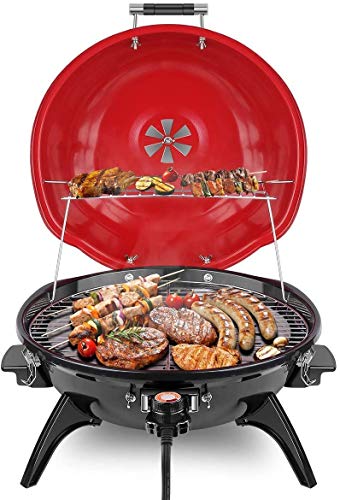
Electric grills offer a practical outdoor cooking option for urban apartments, condominiums, and rental properties with strict fuel regulations. Because these units generate heat using an electric element rather than an open flame, they produce zero carbon monoxide emissions and avoid propane storage rules. Most electric models feature compact footprints that sit easily on small balconies or tabletop stands. While electric elements may struggle to replicate deep charcoal flavor, they provide steady, manageable heat for weeknight dinners.
Sizing Your Grill: Cooking Area and Burner Configuration
Grill capacity is primarily measured by primary cooking surface area in square inches, excluding elevated warming racks. A compact cooking area of two hundred to three hundred square inches easily accommodates dinner for two to four people. Mid-sized units offering four hundred to six hundred square inches can handle dozen burger patties alongside ears of corn, making them versatile for family gatherings. Larger grills exceeding seven hundred square inches provide the vast grate space necessary for entertaining neighborhood crowds or roasting multiple whole pork shoulders simultaneously.
Burner count on gas models determines how effectively you can execute two-zone indirect cooking. A grill with at least three independent burners allows you to ignite the outer burners while leaving the center burner off, creating an indirect convection oven effect. This setup prevents delicate chicken pieces and thick roasts from charring on the outside before reaching safe internal temperatures. Single or dual-burner grills limit your ability to separate direct searing zones from gentle resting areas, forcing you to monitor foods constantly.
Portable grills address the specific needs of campers, tailgaters, and recreational vehicle travelers who cook away from home. Compact options like the GasOne 14-inch Portable Charcoal Barbecue Grill emphasize lightweight construction, folding support legs, and secure lid-locking systems. Small tabletop charcoal or single-burner propane units fit into vehicle trunks while still offering around one hundred and fifty square inches of cooking space. When selecting a travel grill, ensure the fuel system matches the portable cylinders or charcoal supplies you can easily transport to your destination.
Construction Materials and Grate Engineering
The structural lifespan of any barbecue grill depends heavily on the metals used in the cookbox, hood, and frame. Heavy-gauge cast aluminum and high-grade 304 stainless steel offer superior rust resistance and retain heat exceptionally well during windy conditions. Lower-cost grills frequently use thin stamped steel coated in painted enamel, which can chip over time and expose bare metal to moisture. Inspecting the thickness of the hood and the sturdiness of the cart joints gives a reliable indication of how well the unit will withstand seasonal weather changes.
Grill grates play a direct role in heat conduction, searing marks, and food sticking during cooking. Heavy cast-iron grates hold heat remarkably well and create prominent sear lines on steaks, but they demand routine oiling to prevent rust. Stainless steel rod grates provide outstanding corrosion resistance, clean up easily with a wire brush, and require minimal long-term seasoning. Porcelain-coated wire grates offer affordable nonstick properties initially, though the ceramic coating can chip under rough cleaning or thermal shock, eventually exposing the steel core.
Caring for your cooking grates extends their functional life and prevents food from tearing when flipped. Plant-based formulas such as CARON & DOUCET – BBQ Grill Cleaner Oil build a protective natural seasoning layer on clean metal grates without imparting artificial chemical odors to food. Routine cleaning with appropriate wooden scrapers or brass-bristle brushes immediately after preheating removes charred debris while the grates remain hot. Storing grates dry and lightly conditioned with food-safe oils keeps cast iron and steel ready for your next barbecue session.
Specialized Cooking Styles: Flat Tops, Smokers, and Hybrid Units
Flat-top grills and outdoor griddles replace traditional slotted grates with a solid, thick steel cooktop. This continuous flat surface allows cooks to prepare breakfast staples like eggs, pancakes, and bacon that would otherwise drop through standard grill grates. Griddles also excel at smash burgers, fried rice, and fajitas because juices and loose ingredients stay on the heated metal. While a flat top does not impart wood smoke flavor, its versatile cooking surface expands what home cooks can produce outdoors.
Barbecue enthusiasts seeking maximum cooking versatility often explore combination appliances that merge distinct cooking formats into one station. When exploring hybrid cooking setups, a griddle and smoker combo provides both flat-top searing space and indirect smoke circulation. These multifunctional units allow pitmasters to smoke ribs low and slow in one chamber while griddling smash burgers or vegetables on the adjacent surface. Evaluating whether you have sufficient patio space and fuel infrastructure helps determine if a combination setup matches your routine.
Dedicated barbecue smokers prioritize gentle air currents, thick insulation, and sustained low temperatures around two hundred and twenty-five degrees Fahrenheit. Dedicated barbecue enthusiasts who prioritize hands-off wood smoking often consider a large pellet smoker to maintain consistent low temperatures over long cooks. These appliances rely on automated heat sensors and fuel delivery augers to maintain steady temperatures for twelve hours or more without constant wood feeding. While smokers require dedicated storage space, they produce tender barbecue cuts with signature smoke rings that standard gas grills cannot easily replicate.
Temperature Control, Airflow, and Built-In Features
Precise temperature control separates mediocre outdoor cooking from tender, evenly cooked meals. On charcoal and wood-burning units, top and bottom air dampers act as the primary throttle, where opening vents increases oxygen and raises heat, while closing them dampens the flame. Built-in hood thermometers offer a general baseline reading of ambient chamber air, though dome thermometers frequently read higher or lower than grate-level temperatures. Using independent digital probe thermometers placed directly on the cooking surface provides the accurate heat tracking required for delicate meats.
Outdoor cooking ergonomics improve significantly when your grill integrates smart storage and utility features. Sturdy side shelves offer necessary landing zones for raw meat platters, cutting boards, and seasoning rubs. Accessory packages like the Kaluns 35PC BBQ Grill Tools Set supply essential utensils, including heavy-duty tongs, wide spatulas, meat claws, and basting brushes in a dedicated storage case. Having reliable tools within arm’s reach ensures that you can flip burgers, adjust burning coals, and baste barbecue meats safely without leaving the cooking area unattended.
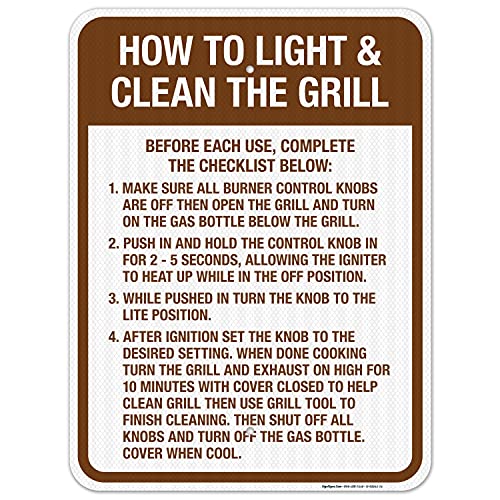
Gas grills incorporate specific engineering components designed to distribute heat smoothly and protect delicate burners. Electronic ignition systems provide reliable push-button sparks, eliminating the need to reach near burners with handheld lighters. Metal heat tents, commonly called flavorizer bars, sit directly above gas burner tubes to shield them from dripping fat and marinades. As grease hits these heated metal shields, it vaporizes into aromatic smoke that flavors the food, while excess runoff drains safely into grease catch pans below.
Safe Placement, Storage, and Clearance Standards
Grill placement requires careful attention to building clearances and fire safety protocols outlined by manufacturers and local fire codes. Outdoor grills must always stand on a stable, level, non-combustible surface such as concrete, stone, or pavers. Keep the cooking unit positioned at least ten feet away from house siding, wooden deck railings, overhangs, and dry foliage. High heat, rising embers, and unexpected flare-ups can quickly ignite nearby combustible materials if proper clearance boundaries are ignored.
Never operate any outdoor gas, charcoal, pellet, or wood-burning grill inside a garage, breezeway, screened porch, or enclosed structure. Opening a garage door or running a household fan does not provide adequate ventilation to clear toxic carbon monoxide gas produced by burning fuels. Carbon monoxide is an odorless, invisible gas that rapidly accumulates to lethal concentrations in enclosed areas, posing severe poisoning risks to residents. In addition to toxic fumes, trapped heat and grease flare-ups inside a garage present an immediate residential fire hazard, making open outdoor placement non-negotiable.
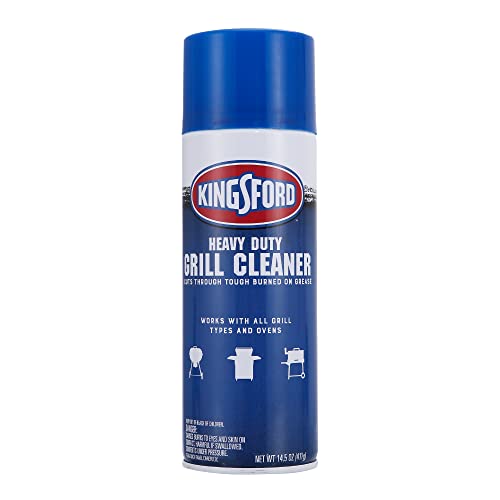
Regular grease removal and protective outdoor covers safeguard your grill against premature wear and hazardous grease fires. Accumulated fat in drip trays and lower firebox bowls can ignite unexpectedly during high-heat cooking sessions, creating stubborn flare-ups that scorch food. Cleaning out drip pans and scraping down interior walls every few cooking sessions keeps grease pathways clear. When the grill cools down completely, fitting a heavy-duty, weather-resistant cover protects metal fasteners, electronic igniters, and painted surfaces from rain, snow, and ultraviolet sun damage.
Budgeting and Ownership Considerations
Evaluating the true cost of grill ownership extends beyond the initial purchase price displayed on the box. Liquid propane tanks require regular exchange fees, while quality hardwood charcoal and wood pellets represent continuous fuel expenses for active weekend cooks. Natural gas models may require professional plumbing installation to run a dedicated exterior gas line, adding upfront expenses while lowering ongoing fuel costs. Factoring in durable accessories, cleaning supplies, and replacement grease trays gives a clearer picture of your total grilling investment.
A well-constructed grill backed by long-term manufacturer warranties often proves more economical over several years than an inexpensive unit that rusts quickly. Major grill manufacturers maintain extensive inventories of replacement burners, heat tents, igniters, and grates, allowing owners to refurbish individual components rather than discarding the entire cooker. Reading warranty terms carefully reveals whether coverage protects against rust-through on fireboxes or only covers manufacturing defects for a single season. Choosing brands with accessible replacement parts ensures your cooking station remains functional for years.
Developing solid cooking techniques transforms your grill from a simple outdoor appliance into a versatile backyard kitchen. Reference books such as The Ultimate Grill And Smoker Cookbook and the Grilling Bible provide beginners with structured guidance on fire management, meat selection, and rub preparation. Understanding basic principles like resting cooked meats and monitoring internal temperatures using digital meat probes builds culinary confidence quickly. Investing time into learning sound outdoor cooking methods ensures that your chosen barbecue grill consistently delivers delicious meals for family and friends.
Selecting the perfect barbecue grill comes down to understanding how fuel, cooking space, construction quality, and safety requirements intersect with your routine. Whether you choose the push-button speed of propane, the deep smoky aroma of charcoal, or the automated precision of wood pellets, matching equipment to your personal cooking style makes all the difference. Prioritize durable build materials, maintain safe outdoor clearances, and equip your station with reliable utensils to enjoy dependable, flavorful grilling for years to come.




Write Your Review
No reviews yet. Be the first to share your experience!