
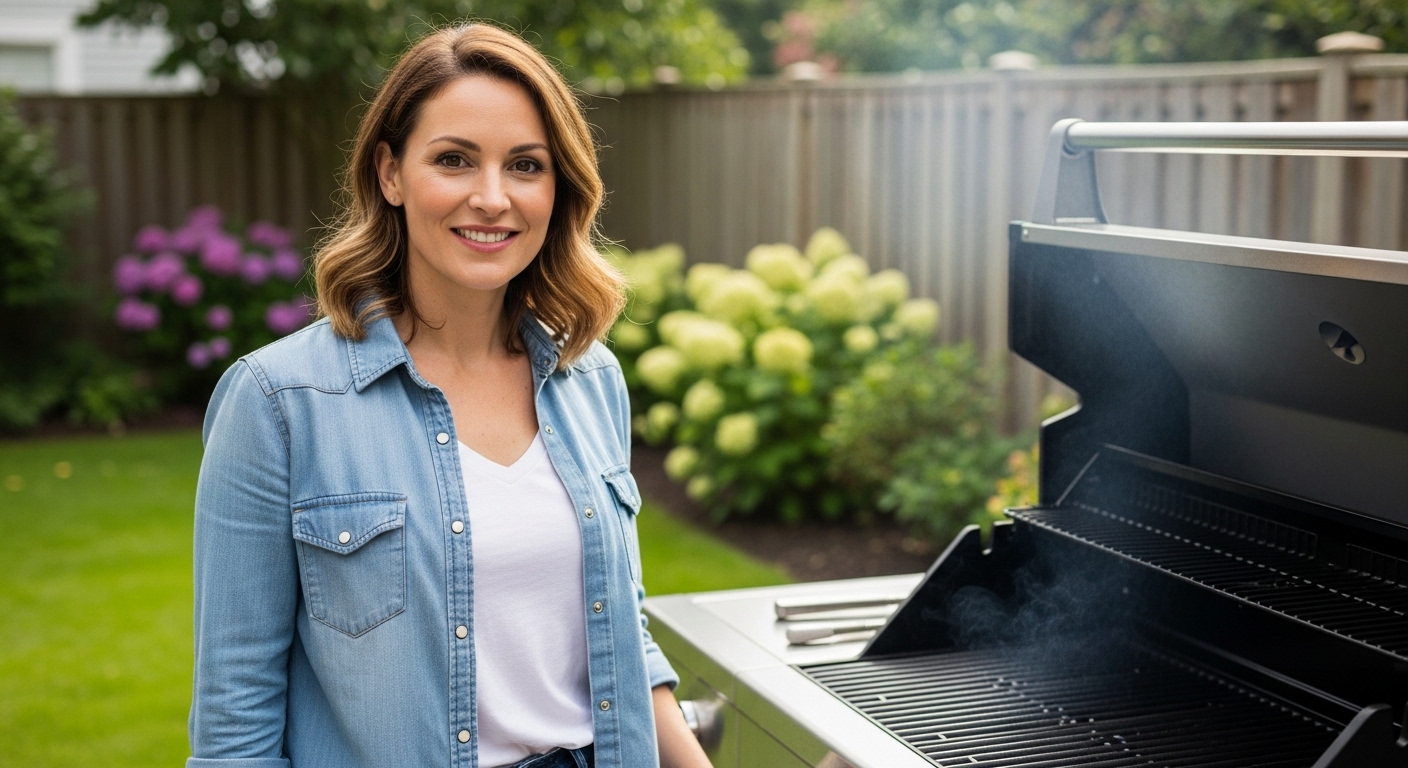

Building a steady, clean fire requires an understanding of oxygen flow, fuel placement, and coal readiness. Learning how to burn charcoal grill setups correctly transforms outdoor cooking from a frustrating chore into an enjoyable ritual. Many backyard cooks struggle with bitter white smoke, smothered coals, or runaway surface heat that scorches meat before the center cooks through. Mastering the initial ignition and airflow balance creates clean combustion, giving food a pleasant hardwood aroma rather than harsh acrid soot.
Quality hardwood lump or briquettes need adequate oxygen to transition from dark fuel into glowing red embers with a fine gray ash coating. Pair your charcoal fire with accessories like smoker boxes for added wood smoke flavor when you want to layer subtle hickory or fruitwood nuances onto poultry and pork. Taking a methodical approach to ignition and damper adjustments ensures dependable temperatures whether you plan to sear steaks over intense direct heat or roast low and slow.

Pros
- Fast and consistent ignition with excellent airflow design.
- Built like a tank – premium ductile iron means years of reliable service.
- Compact and lightweight enough to toss in a camping kit or tailgate gear.
- Works for both charcoal and firewood, adding versatility for different outdoor cooking setups.
Cons
- Small capacity – best for small to medium charcoal loads; not ideal for large offset smokers or huge campfires.
- Takes time to cool down after use – you can't immediately pack it away.
- May require practice to get the lighting technique down perfectly with different fuel types.
The Brutal BBQ Fireguard is a simple but brilliantly effective tool for anyone who regularly lights charcoal or firewood. Instead of fumbling with lighter fluid, chimney starters, or newspaper, this compact ductile iron device lets you stack your fuel inside and light a small fire beneath it. The built-in air inlet feeds oxygen directly into the base, creating a powerful updraft that gets your charcoal glowing in about 10 to 15 minutes. It works equally well with lump charcoal, briquettes, and even small pieces of firewood for a fireplace or campfire.
This fire starter is built for real outdoor use. The high-grade ductile iron casting feels solid in your hands and resists the kind of warping or rusting you see with cheaper steel chimneys. You don't need any maintenance beyond shaking out the ashes once it's cool. That ruggedness makes it a great companion for backyard grillers who want a dependable tool every weekend, as well as campers and tailgaters who need something that can survive being tossed in a truck bed or gear bin.
When it comes to cooking performance, the Fireguard shines at getting your coals ready fast and evenly. Because the airflow is optimized, you get a consistent bed of hot embers without cold spots. That means better searing ability on steaks or burgers and more reliable heat for low-and-slow smoking if you're using a charcoal smoker. It's also great for patio cooks who want to avoid chemical starters that can leave off-flavors on the food.
Portability is a big plus. The Fireguard measures just over nine inches tall and about four inches wide – small enough to fit inside most kettle grills, portable camp grills, or even your camping stove bag. It doesn't take up much space in your trunk for tailgating or in an RV storage compartment. The only limitation is capacity: it can hold enough charcoal for a two-burger grill session or a small campfire, but if you're running a large offset or cooking for a big crowd, you may need to do two batches.
Cleanup is about as easy as it gets. Once the Fireguard cools completely (and you should definitely wait until it's at room temperature before handling), just give it a shake to remove the ash. No water, no soap, no scrubbing. The iron may develop a natural patina over time, but that doesn't affect performance. Just avoid getting it wet while it's hot to prevent any thermal shock.
Overall, the Brutal BBQ Fireguard is a smart upgrade for anyone who lights charcoal or firewood regularly. It's not a complete grill or a huge chimney starter – it's a focused tool that does one job very well. If you're a backyard BBQ enthusiast who wants to ditch lighter fluid, a camper looking for a compact fire starter, or a tailgater who wants quick hot coals, this is a solid buy. Just keep its size in mind and you'll appreciate the simplicity and durability it brings to your outdoor cooking routine.
The Brutal BBQ Fireguard is most useful for small to medium grilling sessions. Use it to light charcoal for a Weber kettle, a portable camping grill, or a fire pit in your backyard. It's also perfect for camping trips when you want a quick campfire for cooking or warmth without messing with liquid starters. Tailgaters will appreciate how fast you can get coals ready for burgers and brats before kickoff. It even works as a decorative piece on a mantle or patio table when not in use – just be sure the fire is out and it's cool before bringing it inside.

Pros
- Innovative trapdoor trigger drops lit fuel accurately into charcoal grates or fire baskets
- Effective ventilation pulls draft quickly for rapid, even coal lighting
- Sturdy heat shield provides safe barrier against high radiant heat
- Eliminates the need for foul-smelling lighter fluids that spoil food flavor
Cons
- Trapdoor release mechanism requires occasional ash brush-out to maintain smooth operation
- Rigid cylinder body takes up more trunk space than collapsible fabric or folding starters
- Bare steel cylinder naturally discolors after regular exposure to high flames
Lighting charcoal without lighter fluid petroleum odors is essential for authentic barbecue, and the Char-Griller Charcoal Grill Chimney Starter with Quick Release Trigger makes coal ignition both faster and substantially safer. Designed as a dedicated charcoal firing canister, this 12-inch accessory is built for backyard grillers, weekend BBQ enthusiasts, tailgaters, and campsite pitmasters who want ready-to-cook coals without hassle. Rather than lifting and inverting a top-heavy cylinder of flaming embers, this model uses a bottom trapdoor trigger that drops the fuel right where you want it.
In real-world barbecue setups, dependable fuel management sets the tone for your cook. This chimney utilizes natural vertical convection to draw oxygen upward from a single fire starter cube or crumpled paper base. Within fifteen to twenty minutes, an entire load of briquettes or lump charcoal glows with an even grey ash layer. Fast startup times mean you reach searing temperatures quickly for thick steaks and smash burgers, or establish a clean-burning coal bed for smoking ribs and brisket without chemical contamination.
Build quality focuses heavily on operator safety and heat management. The steel body measures 12 inches tall by 7.75 inches wide, holding sufficient fuel to power a two-zone kettle arrangement or prime an offset smoker firebox. A heavy-duty heat shield is placed between the metal barrel and the molded ABS handle, preventing skin exposure to blistering radiant temperatures. The trigger mechanism functions securely, ensuring the bottom grate stays shut while carrying coals and drops open cleanly upon trigger squeeze.
Handling and cleanup remain straightforward. Operation takes zero assembly: place a paraffin cube or wood wool on your grill grate, fill the chimney with charcoal, light the base, and let physics do the rest. Once lit, position the cylinder over your fuel grate and pull the handle trigger. Cleaning only requires tapping out leftover ash and keeping the hinge free of debris. While its fixed cylindrical shape does not fold flat for ultra-compact packing, the 2.9-pound weight transports effortlessly inside an outdoor gear bin or grill cart shelf.
A practical limitation involves the moving release door, which needs a quick visual check before loading unlit coals to ensure the latch is fully caught. For patio pitmasters, offset smoker fans, and tailgaters seeking a cleaner and far less clumsy way to dump red-hot coals, this Char-Griller quick-release chimney is an affordable, practical upgrade for your outdoor cooking routine.
Efficient charcoal management begins with an even, thorough burn. The Char-Griller chimney relies on continuous bottom-to-top airflow that accelerates combustion across every piece of fuel. Whether you prefer dense hardwood lump charcoal for high-heat searing or uniform briquettes for consistent kettle cooking, the chimney ensures uniform ember development across the entire load.
Lighting fuel without petroleum accelerants preserves pure wood smoke flavor on poultry, pork, and beef. Because the unit drops fuel straight down through the bottom door, you can easily target charcoal baskets, vortex funnels, or split fire zones without scattering hot ashes across your clean grilling grates.
Traditional charcoal chimneys require twisting your wrists and inverting an open canister of thousand-degree coals, which frequently produces floating sparks and erratic spills. The integrated trigger release on this model keeps the canister oriented upright at all times, drastically reducing flare-up hazards and accidental coal scatter.
A thick metal heat shield blocks direct thermal radiation from reaching your fingers, while the ergonomic ABS handle provides a confident grip even while wearing heavy leather barbecue gloves. This stable design makes pouring fuel into deep smokers, ceramic cookers, or small portable tailgating grills far safer and more predictable.

Pros
- Fast ignition – charcoal ready in under a minute.
- Cordless and portable – perfect for campsites and tailgates.
- No chemical taste from lighter fluid.
- Durable metal construction with comfortable grip.
- Economical fuel usage.
Cons
- Requires separate propane or MAP gas canister (not included).
- Not suitable for lighting large charcoal piles in one go – may need repositioning.
- The torch head can get hot during extended use.
The JJGeorge Grill Torch Charcoal Starter is a handy tool for anyone who cooks with charcoal. Instead of messing with lighter fluid or waiting for a chimney starter to catch, this torch gets your coals glowing in about 45 to 60 seconds. It connects directly to a standard 14 oz propane or MAP gas canister, so there's no cord to plug in or battery to charge. That makes it a great companion for backyard grilling, camping trips, tailgating, or cooking at an RV site.
For backyard grillers and BBQ enthusiasts, this torch eliminates the hassle of slow startups. You can light a full chimney of charcoal quickly and evenly without dousing your coals in chemicals. The 21-inch reach keeps your hand a safe distance from the heat, and the trigger-style ignition gives you control over the flame. It's also light enough to toss in a camping gear bin or tailgate kit without taking up much space.
Build quality feels solid. The metal torch head and barrel are made to withstand outdoor use, and the connection to the gas canister is secure. The safety trigger prevents accidental ignition, which is a nice touch when you're storing it in a drawer or tote. The torch doesn't create the same sparking you get from blower-style lighters, so there's less mess and fewer flying embers. Just aim the flame at the base of your charcoal pile and within a minute you'll have a hot bed of coals ready for searing steaks or slow-cooking ribs.
Using the torch is straightforward. Screw it onto a gas canister, open the valve, press the trigger, and light the tip. You can adjust the flame size by turning the canister valve. Cleanup is essentially zero – there's no ash or residue left on the tool. When you're done, just close the valve, unscrew the torch, and store it. It's a simple, no-fuss system that gets you to the cooking part faster.
One realistic limitation is that you need to have a propane or MAP canister on hand. If you run out mid-session, you're stuck until you get a refill. Also, if you're trying to light a very large charcoal pile (like for a big offset smoker), you might need to move the torch around to get all the coals lit. But for standard chimney starters or a typical kettle grill load, it works great.
Overall, the JJGeorge Grill Torch is a practical upgrade for any charcoal user. It saves time, avoids chemical flavors, and is easy to store and transport. Whether you're a weekend backyard cook, a dedicated BBQ competitor, or a camper who wants hot coals fast, this torch delivers on its promise without fuss. Just grab a gas canister and you're ready to fire up your grill.

Pros
- Extremely high heat output (up to 1,200°F) for excellent searing
- Long burn time (up to 4 hours) with steady infrared heat
- Clean burning with minimal smoke and no chemical taste
- Reusable multiple times with simple care—eco-friendly and cost-effective
Cons
- Requires a chimney starter or long lighter to fully ignite (not instant-light)
- Higher upfront cost compared to standard charcoal briquettes
- 11-pound bag is moderate weight—may need more for large gatherings
The Bincho Grill Binchotan Charcoal is a premium Japanese hardwood lump charcoal designed for serious outdoor cooks who value precision heat and clean flavor. Unlike standard charcoal, this binchotan is made from White Oak fired in traditional kilns to achieve around 95% carbon purity. It burns at temperatures up to 1,200°F, delivering intense, steady infrared heat that's perfect for yakitori, steaks, seafood, and vegetables. The virtually smokeless and odorless burn means your food tastes exactly like it should—no chemical aftertaste or overwhelming smoke.
This charcoal is ideally suited for backyard grillers, BBQ enthusiasts, and patio cooks who want restaurant-quality results at home. It's also a great choice for tailgaters and campers who value portability and efficiency, though you'll need a proper starter method like a chimney or electric lighter. The 11-pound bag provides enough fuel for several cooks, and because it's reusable, you can extinguish partially used coals and relight them later—a real money-saver over time.
In real-world use, the heat consistency is outstanding. Once lit, binchotan holds a stable temperature for up to 4 hours, which makes it excellent for both fast grilling (burgers, hot dogs) and low-and-slow cooking (kebabs, whole fish). The high heat creates a beautiful sear on meats while keeping the interior juicy. Because it burns so cleanly, you can grill on a patio or balcony without bothering neighbors with excessive smoke or odor.
Build quality is top notch—the charcoal pieces are dense and uniform, breaking down slowly compared to typical lump charcoal. There's no dust or small fragments that waste fuel. However, lighting does take patience. You'll need a chimney starter or a long-handled lighter; binchotan isn't self-lighting. Once lit, it glows evenly and produces minimal ash, making cleanup easy. Just let the coals cool, shake off the ash, and store them for the next cook.
One realistic limitation is that binchotan is more expensive per pound than standard charcoal. But given its reusability and superior performance, many outdoor cooks find it worth the investment. Another consideration: the 11-pound bag is a moderate size. For large backyard parties or cooking for a crowd, you might need two bags. For everyday grilling or small gatherings, it's plenty.
Overall, The Bincho Grill Binchotan Charcoal is a top-tier fuel for anyone serious about grilling. If you enjoy the art of yakitori, want clean heat for delicate proteins, or simply appreciate a longer-lasting, hotter-burning charcoal that's reusable, this is an excellent choice. It pairs beautifully with Japanese-style grills but works equally well on standard kettle grills or kamado cookers. Just give yourself extra time for lighting, and you'll be rewarded with some of the best grilling results you've ever had.
Pros
- Burns hot and clean with rich smoky flavor for authentic BBQ taste
- Low ash output makes cleanup much easier than briquettes
- Fast ignition with minimal effort, great for quick grilling sessions
- Versatile across different grill types, from kamado to kettle grills
Cons
- 8-pound bag is relatively small for large gatherings or extended smoking sessions
- Lump charcoal can vary in piece size, which may affect consistent airflow in some grills
- May not be as widely available in stores as some other lump charcoal brands
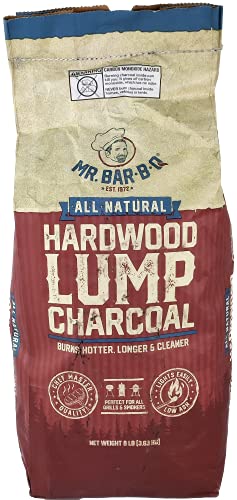
If you're serious about outdoor cooking, the fuel you choose matters just as much as the meat on the grate. Mr. Bar-B-Q's 8 LB All Natural Hardwood Lump Charcoal is designed for grillers who want a clean, hot burn without the additives and fillers found in many briquettes. This isn't just another bag of charcoal; it's a solid option for anyone who values authentic smoky flavor and reliable heat for their backyard BBQs, camping trips, or tailgating sessions.
This lump charcoal is made from 100% natural hardwoods, so it lights up quickly and easily whether you're using a chimney starter, lighter fluid, or natural fire starters. Once lit, it burns hotter and longer than standard charcoal, which is a big plus for searing steaks or getting that perfect crust on burgers. The heat retention is impressive, and the consistent temperature control makes it a good fit for both fast grilling and low-and-slow smoking. You can toss it in a charcoal grill, kamado cooker, smoker, or even a portable setup for campsite cooking, and it performs reliably across the board.
One of the standout features here is the low ash production. After a long cook, you won't be dealing with a mountain of gray powder. That means less mess and easier cleanup, which is always welcome when you're trying to enjoy a weekend BBQ or a patio party. The clean burn also means fewer flare-ups and popping, giving you more control over your cooking. Whether you're smoking ribs, brisket, or poultry, or just grilling up some vegetables and seafood, the smoky flavor comes through naturally without any chemical aftertaste.
In terms of build quality and durability, the charcoal itself is consistent, though lump charcoal can sometimes have varying piece sizes. That's a common trait with natural lump charcoal, and it can affect airflow in some grills if you don't arrange the pieces carefully. The 8-pound bag is a convenient size for a few cooks, but if you're planning a big backyard party or a long smoking session, you might need to grab multiple bags. It's easy to store and transport, making it a practical choice for campers and tailgaters who need to pack light.
Realistically, this charcoal shines for backyard grillers and BBQ enthusiasts who want a premium fuel source without breaking the bank. It's also a great option for RV owners or campers who want a quick, reliable fire for cooking at the campsite. The fast ignition and low ash make it especially appealing for those who value convenience without sacrificing flavor. If you're someone who regularly fires up the grill for weekend cookouts or enjoys experimenting with different smoking techniques, this bag is worth trying.
Overall, Mr. Bar-B-Q's 8 LB Hardwood Lump Charcoal delivers on its promises of hotter, longer, and cleaner burning. It's a practical, flavorful choice for outdoor cooks who want authentic wood-fired taste and easy cleanup. Just be mindful of the bag size for larger gatherings, and you'll have a dependable fuel source for many grilling adventures to come.
Complete Guide to Lighting, Managing, and Burning Charcoal Efficiently
Operating a charcoal grill successfully requires an understanding of combustion from initial spark to dying embers. Charcoal needs continuous oxygen, proper fuel arrangement, and a clean draft to generate steady cooking heat. Rushing the ignition process or mismanaging dampers often leads to frustrating temperature swings and bitter smoke. Following a structured procedure ensures consistent fire control and reliable outdoor meals every time you cook.
Understanding Charcoal Types: Lump Hardwood, Briquettes, and Specialty Binchotan
Selecting the right fuel determines how quickly your grill ignites, how hot the fire burns, and how much ash accumulates in the basin. Traditional lump charcoal, such as 8 LB. All Natural Hardwood Lump Charcoal by Mr., consists of natural hardwood carbonized without chemical binders. Lump fuel ignites rapidly, burns hot, and produces minimal residual ash, making it ideal for high-heat searing. Standard briquettes offer uniform shape and steady burn times for slow roasts, though their binders create more ash that requires regular cleaning.
Specialty coals provide unique performance characteristics for specific culinary techniques. Dense Japanese style fuels, like The Bincho Grill Binchotan Charcoal 11 lbs, are crafted from dense oak hardwood using traditional kiln methods that achieve roughly 95 percent carbon purity. Binchotan burns virtually smokeless and odorless while reaching temperatures up to 1,200 degrees Fahrenheit, providing hours of steady infrared heat. While premium binchotan requires more time to ignite, its high carbon density makes it reusable if extinguished properly in a sealed snuffer pot.
Preparing the Grill and Establishing Proper Airflow Before Lighting
Before adding fresh charcoal, inspect the bottom bowl and clear out accumulated ash from previous cooking sessions. Built-up ash absorbs ambient moisture and blocks lower intake dampers, which starves the developing fire of essential oxygen. A clean fire grate ensures that cool air enters beneath the fuel, feeds the combustion zone, and escapes through the top exhaust. Sweep spent ashes into the collection bucket once they are completely cold to maintain optimal drafting dynamics.
Examine the cooking grates and remove baked-on grease before lighting new fuel. While a hot fire softens grease for brushing later, starting with a clean base prevents stubborn flare-ups from scorching delicate ingredients. Ensure the fuel grate sits securely at the bottom of the cooker to support the coals. Check that intake dampers on the bowl and exhaust dampers on the lid slide freely without sticking.
Choosing the Right Ignition Method Without Chemical Odors
Lighting charcoal cleanly prevents petroleum odors from permeating your meat, vegetables, and cooking grates. Traditional lighter fluid saturates porous coals with volatile hydrocarbons that generate black smoke and unappealing chemical flavors. Modern outdoor cooks prefer physical chimney starters, gas torches, or natural wood shavings that ignite fuel through pure thermal transfer. A chimney cylinder utilizes natural convective draft to draw rising heat upward through a concentrated column of coals.
Accessories like the Char-Griller Charcoal Grill Chimney Starter hold an ample fuel volume and feature quick release triggers that discharge glowing coals directly onto the fuel grate. Direct flame tools offer an even faster ignition route for backyard grillers who value convenience. A dedicated propane tool, such as the JJGeorge Grill Torch Charcoal Starter, connects to a portable cylinder to ignite charcoal in roughly 45 to 60 seconds without power cords. Heavy cast starters, like the Brutal BBQ Fireguard Firewood and Charcoal Starter, utilize ductile iron bodies to concentrate oxygen around coal cores reliably.
Step-by-Step Chimney and Torch Lighting Procedures
Operating a chimney starter requires a methodical routine to ensure safety and reliable ignition. Fill the upper cylinder with hardwood lump or briquettes, leaving roughly an inch of headspace at the rim. Place natural fire starter cubes on the fuel grate and light them with a long match. Set the loaded chimney cylinder over the burning cubes, ensuring air flows freely into the base vents.
Allow the chimney to draft undisturbed for approximately 15 to 20 minutes as flames climb through the fuel column. Thick white smoke will billow initially before transitioning into clear, shimmering heat waves. You will know the fuel is ready when flames lick past the top rim and upper coals develop glowing orange edges. Put on heat-resistant leather barbecue gloves before grasping the handle and discharging the coals onto the lower grate.
When using a gas torch instead, arrange your charcoal into a compact pyramid on the bottom fuel grate. Direct the flame into the core of the charcoal mound for about one minute until the charcoal sustains red hot embers independently. Once glowing cores appear, shut off the gas valve and let natural convection spread the heat outward through the pile.
Reading Coal Readiness: When Coals Are Ash-Covered and Ready for Cooking
Pouring food onto an immature fire results in uneven heating, heavy soot deposits, and erratic temperature drops. Coals need sufficient time after lighting to establish a stable bed of glowing carbon. Black coals with unlit surfaces produce heavy volatile compounds that taste pungent and sharp on food. Waiting for proper fuel maturation guarantees smooth heat release and a cleaner cooking atmosphere.
Look for visual indicators to confirm that the charcoal bed is fully prepared for cooking. Mature coals display a vibrant orange or red glow beneath a delicate, uniform layer of light gray ash. The intense black color of raw charcoal should be largely gone, signaling that volatile wood gases have burned off. This ash coating also acts as a natural heat radiator, broadcasting consistent thermal energy across the cooking surface.
Place the cooking grate over the coals and close the lid for five to ten minutes before adding ingredients. This preheating phase sanitizes the grates, burns away surface residue, and allows you to brush the metal clean easily. Preheating also establishes thermal equilibrium throughout the cooker body, ensuring stable grate marks and preventing food from sticking.
Setting Up Heat Zones for Direct Searing and Indirect Roasting
Dumping hot coals in a flat, even layer across the entire fire bowl limits your culinary flexibility. A flat coal bed creates a single uniform temperature zone, leaving no safe retreat when rendered fats trigger aggressive grease flare-ups. Professional outdoor cooks almost universally favor a two-zone fire configuration. This versatile setup divides the fire grate into a high-heat direct zone and a gentle indirect zone shielded from direct flame.
To establish a two-zone configuration, bank your glowing coals entirely onto one side of the lower fuel grate. The side holding the stacked charcoal serves as the direct cooking zone, radiating intense heat ideal for searing steaks, burgers, and chops. The vacant side functions as the indirect cooking zone, where warm air circulates around food like a convection oven. While cooks who prefer gas might look toward propane grills with dedicated sear burners for heat separation, a banked coal pile achieves identical dual-temperature control on charcoal equipment.
Two-zone grilling provides an essential buffer against scorched food during backyard barbecue sessions. You can start thick chicken breasts over the cool indirect side, letting them cook gently to safe internal temperatures before searing them over direct heat. When finishing barbecued ribs glazed with a tangy Carolina gold mustard barbecue sauce, keeping meat on the indirect side prevents the sugars from burning black. Always verify internal temperatures using a digital food thermometer inserted into the thickest section of meat away from bone.
Regulating Grill Temperature with Top and Bottom Damper Adjustments
Temperature control on a charcoal cooker is managed primarily through airflow dynamics rather than fuel volume alone. The bottom intake damper determines how much oxygen enters the fire bowl to sustain combustion. The top exhaust damper controls the rate at which hot air and combustion gases escape the chamber. Working both dampers in harmony gives you precise control over cooking temperatures ranging from 225 degrees Fahrenheit up to 600 degrees.
To increase grill heat, open both the intake and exhaust dampers wider to accelerate the draft through the cooker. Fresh oxygen rushes in to feed the glowing embers, boosting combustion rates and raising chamber temperatures rapidly. Conversely, narrowing the lower intake damper restricts oxygen supply, slowing combustion and cooling the fire. Never close the top exhaust damper completely while cooking, because trapped combustion gases will deposit sour soot directly onto your food.
Make minor damper adjustments and wait ten to fifteen minutes before evaluating the thermal response. Charcoal responds steadily to changes in draft, so making drastic adjustments often leads to chasing temperatures across wild extremes. If the cooker climbs too hot, close the lower vent halfway and observe the lid thermometer as the fire settles. Keeping the lid closed preserves internal heat and prevents uncontrolled bursts of oxygen from reigniting dormant flare-ups.
Outdoor Fire Safety and Carbon Monoxide Prevention
Operating a charcoal cooker involves safety considerations that every outdoor griller must respect. Charcoal combustion consumes massive quantities of oxygen while generating hazardous carbon monoxide gas and airborne sparks. Carbon monoxide is completely odorless, invisible, and lethal in enclosed environments. Never operate a charcoal grill inside a home, garage, workshop, breezeway, or enclosed porch, regardless of whether doors or windows are open.
Maintain safe operating clearances of at least ten feet away from combustible exterior walls, vinyl siding, deck railings, and low rooflines. Place your grill on concrete, brick pavers, or ground pavers rather than untreated dry wooden decking or combustible grass. Keep a functional fire extinguisher, a bucket of sand, or a connected garden hose nearby whenever you burn solid fuel. Never leave a burning or cooling charcoal grill unattended, especially when children or household pets are present in the yard.
Always avoid pouring liquid accelerants or commercial starter fuels onto active embers or warm coals. Liquid fuels vaporize instantly on warm surfaces, creating invisible vapor clouds that can flash back explosively into the bottle. Use heavy, heat-insulated barbecue mitts when lifting hot lids, handling grates, or moving fuel tools. Checking local municipal fire guidance before lighting ensures you follow seasonal outdoor burning restrictions and maintain neighborhood safety.
Cleaning, Ash Disposal, and Storing Reusable Coals
Proper shutdown and maintenance extend the lifespan of your grill components while preparing the unit for your next cooking session. Once your food is finished, close both the upper exhaust and lower intake dampers tightly to smother the remaining fire. Deprived of oxygen, the charcoal embers will gradually suffocate and cool to ambient temperature over several hours. Leaving dampers open allows fuel to burn away completely into unusable fine ash, wasting valuable charcoal.
Handling spent ashes requires patience and careful fire-safe protocols. Ashes can harbor smoldering hot coals for more than twenty-four hours after the grill exterior feels cool to the touch. Never dump charcoal ashes into plastic trash cans, paper bags, or cardboard boxes where hidden embers could ignite a structure fire. Transfer cool ashes into a dedicated metal ash bucket with a tight-fitting lid, and store the container on concrete well away from combustible structures.
Partially burned lump charcoal and dense hardwood fuels like binchotan can often be salvaged and burned during subsequent grilling sessions. Once the cooker is thoroughly cold, gently tap the fuel grate so loose ash falls through into the collection pan. Gather the intact charcoal chunks and store them in a dry, ventilated metal bin or heavy weather-resistant container. Reusing intact charcoal saves fuel waste and provides quick-lighting dry coals for your next barbecue setup.
Mastering the discipline of clean airflow, quality fuel selection, and two-zone fire control makes charcoal cooking dependable, safe, and immensely satisfying. Paying attention to visual ash indicators, avoiding chemical accelerants, and managing dampers deliberately delivers consistent cooking temperatures for every cut of meat. With patient practice and proper safety precautions, your charcoal grill will consistently yield outdoor meals rich in authentic wood-fired flavor.


Write Your Review
No reviews yet. Be the first to share your experience!