

Smoking your own jerky at home delivers flavor that store-bought bags just can’t match. How to make beef jerky in a pellet smoker starts with the right cut of beef — think top round or flank steak. You slice it thin against the grain, then let a good marinade work its magic overnight. The pellet smoker runs low and slow, between 160-180°F, infusing the meat with rich smoky notes from hickory or applewood. But without a solid guide, you might end up with tough, dry strips or uneven seasoning. That’s where these books step in. They break down every step, from choosing the leanest meat to nailing the bend test. Whether you’re a weekend griller or a dedicated home chef, having a trusted reference saves time and waste. For another outdoor cooking skill, check out how to use a smoker box with a gas grill for complementary BBQ flavor.
Pros
- Huge variety of recipes covering all major proteins and global flavors.
- Clear, easy-to-follow instructions suitable for both beginners and experienced cooks.
- Full-color photos for every recipe help visualize the final product.
- Bonus marinades and rubs add extra value and inspiration.
Cons
- Some experienced users may find the introductory instructions too brief.
- Recipes can feel repetitive with similar preparation notes repeated throughout.
- Only 87 pages, so some may want more depth on technique or troubleshooting.
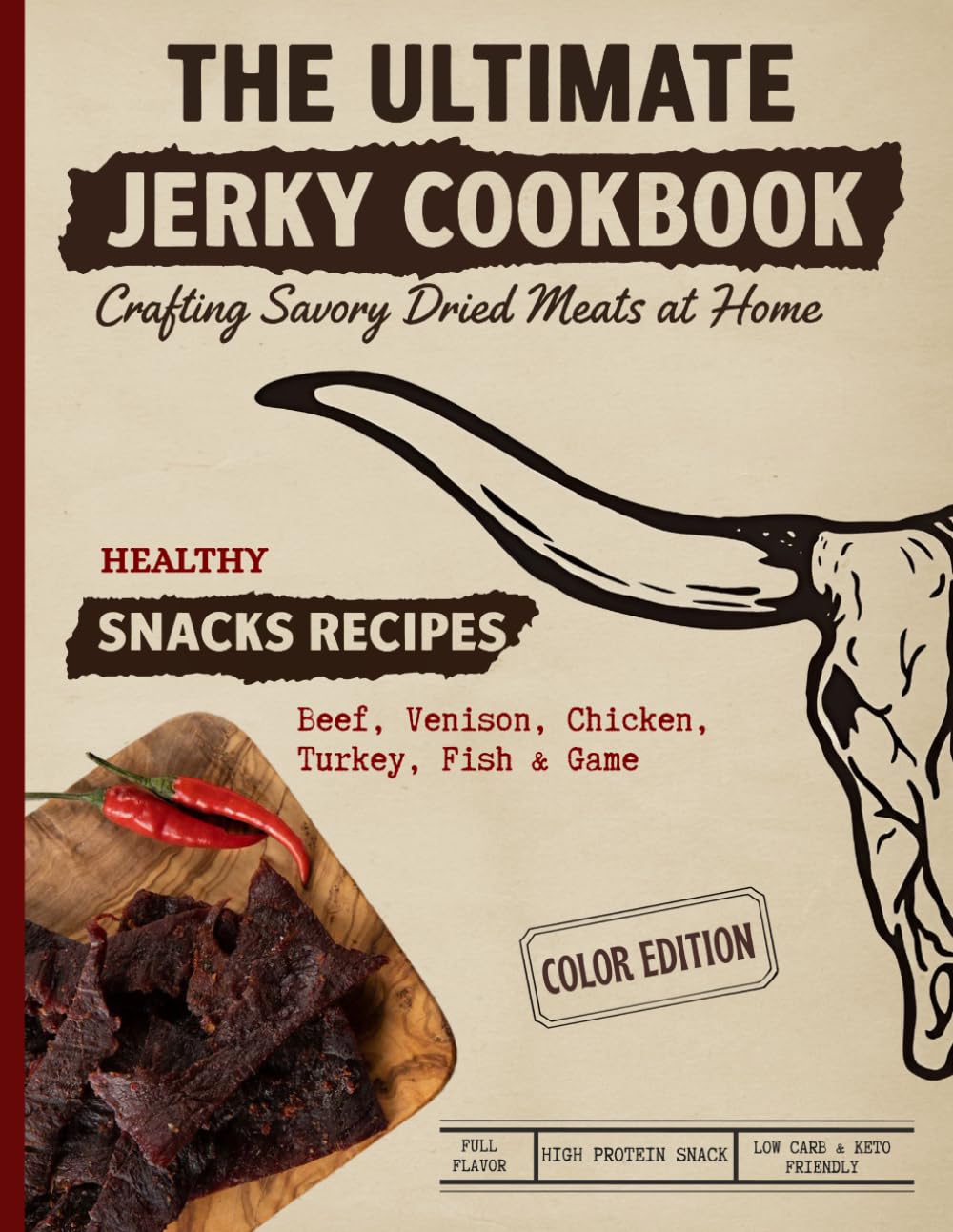
The Ultimate Jerky Cookbook is exactly what it sounds like a comprehensive guide to making delicious, healthy jerky at home using a dehydrator, oven, or smoker. Whether you're a weekend backyard griller, a dedicated camper, a hunter looking to preserve game, or just someone who wants a high-protein snack without preservatives, this cookbook has you covered. It's not a piece of cooking equipment, but it's an essential tool for anyone who loves making meat snacks on their grill or smoker.
This book is best suited for backyard cooks who already own a dehydrator, smoker, or oven and want to expand their snack-making skills. It's also perfect for campers and tailgaters who want portable, protein-packed snacks for road trips, hikes, or game day. Hunters will appreciate the dedicated sections for venison, bison, and other game meats, while health-conscious eaters will love the focus on low-fat, preservative-free recipes. If you enjoy experimenting with marinades and rubs, the bonus section with 20 exclusive blends is a real treat.
Real-world cooking performance is where this book shines. The instructions are clear and practical, covering everything from slicing meat against the grain to achieving the perfect texture whether you're using a dehydrator, oven, or smoker. The recipes include drying times and temperature guidelines, so you can get consistent results every time. The variety of flavors from classic teriyaki to Moroccan spice trail means you'll never get bored. The book also includes safety guidelines for preventing spoilage, which is crucial when making jerky at home.
Build quality of the book itself is solid the paperback has a sturdy cover, and the pages are thick enough to withstand splashes in the kitchen. The full-color photos are appetizing and helpful for visualizing the final product. The layout is clean, though some users note that basic preparation instructions are repeated in each recipe rather than consolidated in an intro. That said, the step-by-step format makes it easy to flip to any recipe and start cooking without reading ahead.
Ease of setup and cleanup really depends on your equipment, but the book provides universal tips that work with any dehydrator, oven, or smoker. It also covers storage methods to keep your jerky fresh for weeks. A realistic limitation is that the book is only 87 pages, so it doesn't dive deep into troubleshooting or advanced techniques. Some experienced jerky makers might want more detail on curing, fermentation, or smoking profiles.
Overall, The Ultimate Jerky Cookbook is a practical, well-rounded resource for anyone who wants to make homemade jerky. It's especially valuable for outdoor cooking enthusiasts who already have a smoker or dehydrator and want to create healthy snacks for camping, tailgating, or backyard gatherings. If you're looking to save money, control ingredients, and explore new flavors, this cookbook is a solid investment.
This cookbook is incredibly versatile and fits into many outdoor cooking scenarios. For campers, it's perfect for making lightweight, high-protein snacks that pack easily for hikes or overnight trips. Tailgaters can whip up batches of beef or venison jerky to share before the big game. Hunters will love the game meat recipes that turn venison, bison, or rabbit into shelf-stable treats. Backyard grillers can use their smoker to infuse jerky with rich smoke flavor, while health-conscious cooks can use a dehydrator for low-fat, preservative-free snacks. The book also includes keto-friendly recipes, making it a great fit for those on low-carb diets.
The recipes in this cookbook are designed to work with dehydrators, ovens, and smokers, giving you flexibility based on your equipment. Each recipe includes specific drying times and temperatures, so you can achieve consistent results whether you're using a basic dehydrator or a high-end smoker. The marinades and rubs are well-balanced, with options ranging from sweet and smoky to spicy and savory. The book also covers slicing techniques, marinating times, and storage tips to ensure your jerky has the perfect texture and flavor. For smokers, the recipes provide guidance on wood chip choices and smoke times to enhance the final product.
Since this is a cookbook, cleaning and maintenance refer to the process of making jerky rather than the book itself. The book provides clear instructions on how to clean and sanitize your dehydrator trays, oven racks, or smoker grates after each use. It also covers proper storage of finished jerky in airtight containers or vacuum-sealed bags to maintain freshness. The recipes emphasize food safety, including tips on preventing cross-contamination and ensuring proper drying to avoid spoilage. Following these guidelines will keep your equipment in good shape and your jerky safe to eat.

Pros
- Easy-to-follow recipes that work with both dehydrators and standard ovens
- Covers a wide variety of proteins including beef, poultry, venison, and even mushroom
- Practical food safety guidance for long-term storage during camping or road trips
- Affordable alternative to store-bought jerky—great for bulk prep before outdoor events
Cons
- Focuses exclusively on jerky; no other outdoor cooking recipes included
- Some recipes may require ingredients not commonly found in a pantry
- Oven method can tie up your kitchen for hours—better suited for dehydrator owners
If you’re an outdoor cooking enthusiast who loves having a stash of protein-packed snacks for camping, tailgating, or backyard BBQs, the Jerky Cookbook by Cynthia F. Nathan is a solid resource. This isn’t a piece of gear like a smoker or griddle—it’s a guide that helps you make homemade jerky using either a dehydrator or a standard oven. For grillers and smokers, that means you can turn your leftover brisket trimmings or venison from a successful hunt into delicious, portable snacks.
The book packs over 40 recipes including beef, poultry, game, and even mushroom jerky. Flavors range from sweet and mild—like Rosemary Flavored Jerky—to bold and spicy, like Habanero Spiced Beef Jerky or Sweet Jalapeño Beef Jerky. That variety is great for outdoor cooks who want to whip up different batches for different trips: a milder batch for family camping, and a spicy one for tailgating with friends.
One of the biggest practical advantages is the focus on food safety. The author includes detailed guidance on proper drying times, marinade pH, and storage—crucial if you’re planning to pack jerky for a multi-day hike or an RV trip. The step-by-step instructions are easy to follow, even if you’ve never made jerky before. The book also explains the science behind the process, so you can tweak recipes to your taste without ruining a batch.
For backyard cooks who already own a smoker or dehydrator, this cookbook is a natural extension of your skills. You can use leftover heat from a low-and-slow cook to finish jerky, or simply run your dehydrator overnight. The recipes also work well with game meats like venison or elk, which is a bonus for hunters who want to make the most of their harvest.
A realistic limitation: this book is 100% jerky focused. If you’re hoping for broader outdoor cooking techniques like smoking brisket or grilling steaks, you won’t find them here. Also, some recipes call for specialty ingredients like liquid smoke or curing salts that you might need to order ahead. But for the price, it’s a practical investment if you’re serious about making your own jerky for camping, road trips, or just healthy snacking on the patio.
Overall, this is a well-written, beginner-friendly guide that delivers exactly what it promises: tasty, homemade jerky you can make in your own kitchen or outdoor cooking setup. It’s a smart buy for grillers, campers, tailgaters, and RV owners who want to reduce prepackaged food costs and enjoy custom flavors on their next outdoor adventure.

Pros
- Clear, beginner-friendly instructions that break down the entire jerky-making process
- Recipe uses cheap, accessible ingredients – no mail-order specialty items required
- Advanced chapters let experienced jerky makers customize flavors and techniques
- Updated edition includes a base recipe – saves you trial and error
Cons
- Focused only on ground beef jerky – not for whole-muscle jerky or other meats
- Requires a dehydrator or oven – may need extra equipment if you don't already own one
- Some readers may want more photos or illustrations for visual guidance
If you spend a lot of time outdoors – whether camping, tailgating, or just firing up the backyard grill – you know how valuable a good, portable snack can be. Store-bought jerky is expensive and often loaded with preservatives. That is where this book comes in: a straightforward guide to making your own beef jerky from ground beef, using ingredients you likely already have in your pantry.
The author, Mr. Brian G. Forbes, walks you through every step. He covers equipment, spices, techniques, and the entire drying process. The updated edition includes a Jerky Base Recipe that relies on common grocery store items, so you can start making jerky without hunting down exotic ingredients. That is a huge plus for anyone who wants to batch a few pounds before a weekend camping trip or a long day at the ballpark.
Cooking performance? Well, this is a recipe book, not a grill, but the instructions are clear enough that you can achieve consistent results batch after batch. The book explains how to control moisture and flavor – key for jerky that stays shelf-stable during a hike or while stored in an RV. There is also an advanced section that teaches you to create your own custom recipes, so you can dial in spicy, sweet, or savory profiles depending on your mood.
Build quality for the book itself is solid: 217 pages of detailed content, independently published, with a nice paperback format. It is lightweight and easy to toss in a camp tote or kitchen drawer. No wheels or folding legs here, but the durability comes from the knowledge inside – the techniques you learn will last.
Ease of setup and cleanup? You will need a dehydrator or an oven set to low heat. The book advises on both methods, so you can choose what works best for your setup. Cleanup is as simple as washing a few mixing bowls and storing your jerky in ziplock bags or jars – no greasy grates or flare-ups to manage.
One limitation: this is only for ground beef jerky. If you are targeting whole-muscle jerky or want to use turkey or venison, you will need a different resource. Also, the book lacks many pictures – some visual learners might wish for more step-by-step photos. Still, for anyone who loves the idea of packing homemade, protein-packed snacks for the trail, the campsite, or the tailgate, this guide delivers exactly what it promises. It is a practical, no-nonsense purchase that will pay for itself after your first few batches.

Pros
- Comprehensive guide covering all aspects of jerky making, from meat selection to storage.
- Versatile recipes for various meats, including venison and turkey, plus plant-based options.
- Clear instructions and expert tips that work for both beginners and seasoned cooks.
- Emphasis on smoking and dehydrating methods that complement outdoor cooking setups.
Cons
- Some recipes may require specialized equipment like a smoker or dehydrator, which not everyone owns.
- The book's focus on preservation might be overkill for casual snackers who only make small batches.
- Limited to jerky making, so not a general outdoor cooking guide for grilling or BBQ enthusiasts.
The Ultimate Jerky Making Guide is a fantastic resource for outdoor cooking enthusiasts who want to take their snack game to the next level. While it's not a piece of grilling equipment, it's the perfect companion for anyone who loves smoking, dehydrating, or preserving meat - skills that go hand in hand with backyard BBQ, camping, and tailgating. This book covers everything from choosing the right cuts of beef, venison, turkey, fish, and even plant-based alternatives to mastering drying methods like smoking, dehydrating, and oven-drying. If you're a BBQ enthusiast who already uses a smoker or pellet grill, this guide will help you turn leftover meat or fresh game into delicious, protein-packed jerky that beats anything store-bought.
This guide is best suited for backyard grillers, campers, tailgaters, RV owners, and preppers who value portable, high-protein snacks. For campers, making jerky at home before a trip means you have lightweight, non-perishable fuel for hikes and campsite cooking. Tailgaters will love having custom-flavored jerky to share during game day, while RV owners can prepare batches that last for months without refrigeration. Even patio cooks who enjoy experimenting with smoke flavors will find this book invaluable for creating unique jerky blends that showcase their smoker's capabilities.
Real-world cooking performance is where this guide shines. It dives into heat consistency for smoking and dehydrating, explaining how to maintain low temperatures for jerky without drying it out too quickly. The recipes emphasize smoke flavor, whether you're using a dedicated smoker, a pellet grill, or a simple stovetop smoker. For those who prefer dehydrators, the book offers precise temperature control tips to ensure even drying. While it doesn't cover searing or fast grilling, its focus on low-and-slow techniques aligns perfectly with the patience required for great BBQ. Fuel efficiency is also discussed, with advice on using minimal propane or pellets for long smoking sessions.
Build quality and durability aren't about the book itself, but the techniques it teaches are built to last. The preservation methods outlined - like proper curing and vacuum sealing - ensure your jerky stays fresh for months, even in less-than-ideal conditions. This is especially useful for campers and preppers who need reliable, weather-resistant snacks. The guide also covers storage tips for humid or hot environments, so your jerky won't spoil during a weekend camping trip or a long RV journey. While the book is a softcover, its 203 pages are packed with information that will withstand years of use in the kitchen or at the campsite.
Ease of setup and cleanup is a key advantage of making jerky at home. The book provides clear steps for slicing meat, marinating, and arranging it on dehydrator trays or smoker racks. Cleanup is straightforward - just wash your cutting board, knives, and containers. For outdoor cooks, this means less mess compared to a full BBQ session. The recipes are designed to minimize waste, using affordable cuts like top round or flank steak. Storage is also simple: vacuum-sealed bags or mason jars keep jerky fresh for months, making it ideal for batch cooking before a trip.
Realistic limitations include the need for specialized equipment like a dehydrator or smoker, which not everyone owns. Some recipes call for curing salts or liquid smoke, which might not be pantry staples. Additionally, the book is focused solely on jerky, so it won't help with general grilling or BBQ techniques. For those who want a broader outdoor cooking guide, this is a niche supplement. However, for anyone serious about making their own jerky - whether for camping, tailgating, or backyard snacking - this guide is a practical, trustworthy investment. Pair it with your smoker or dehydrator, and you'll never settle for store-bought jerky again.
This jerky making guide is perfect for a variety of outdoor cooking scenarios. For campers, it's a game-changer: prepare jerky at home to take on hiking trips or campsite cookouts - no refrigeration needed. Tailgaters can whip up custom flavors like spicy buffalo or smoky teriyaki to share with friends before the big game. RV owners will appreciate the long shelf life of homemade jerky, making it a reliable snack for road trips without constant grocery stops. Backyard BBQ enthusiasts can use leftover brisket or pulled pork to create unique jerky blends, reducing waste and extending the joy of a smoke session. Preppers and survivalists will find the preservation techniques invaluable for building a long-term food supply. Even casual snack lovers can enjoy healthier, additive-free jerky made with their favorite meats and seasonings.
Making jerky at home is surprisingly low-maintenance when it comes to cleanup. After slicing and marinating your meat, simply wash your cutting board, knives, and mixing bowls with hot soapy water. For dehydrator trays, most are dishwasher-safe or can be scrubbed with a non-abrasive sponge. If you use a smoker, the racks may need a quick scrape and rinse to remove any residue. The book recommends using disposable gloves when handling raw meat to minimize mess. For storage, vacuum-sealed bags or airtight containers keep jerky fresh for months, and they're easy to label and stack in your pantry or RV cupboard. Overall, this guide emphasizes efficiency and minimal cleanup, making it ideal for outdoor cooks who want to spend more time enjoying their snacks and less time scrubbing.

Pros
- Huge variety of 100 recipes keeps snacking exciting
- Base mix recipe saves money and avoids preservatives
- Very beginner-friendly with clear, step-by-step instructions
- Jerky made from ground beef is easy to chew and affordable
Cons
- Requires a dehydrator and jerky gun not included with the book
- Some recipes may need specialty spices you'll have to source
- Paperback format only no digital or spiral binding for easy kitchen use
This book is a practical guide for anyone who loves making their own beef jerky especially outdoor cooking enthusiasts who want a portable high protein snack. While it's not a piece of cooking equipment itself it's a valuable resource that belongs in the kitchen of every camper tailgater and backyard BBQ fan.
The author Brian Forbes shares his third book in The Jerky Maker series focusing entirely on ground beef recipes. The key advantage here is that ground beef is cheaper than whole muscle cuts and you can control the fat content and texture. The book includes 100 new recipes plus a base mix made from common grocery store spices so you can start jerky making without exotic ingredients.
Best suited for campers RV owners and hikers who want a lightweight shelf stable snack. Tailgaters will also appreciate being able to make custom flavors for game day. The prep time is only about 30 minutes then your dehydrator takes over. This makes it easy to whip up a batch on a weekend afternoon before a camping trip or backyard get together.
The recipes cover a wide range of flavors from sweet and smoky to spicy and savory. The instructions are clear and each recipe includes a simple list of spices and ground beef ratios. No need for liquid smoke or curing salts unless you want them. The book also explains how to use a jerky gun to form uniform strips which helps with even drying.
One realistic limitation is that you need a dehydrator and jerky gun. Most outdoor cooks already own a dehydrator for fruit leather or jerky but if you don't you'll need to budget for one. Also the book is paperback so it's best kept dry in the kitchen. Despite that the content is incredibly practical and the results speak for themselves.
Overall this is an excellent buy for anyone who wants to make affordable tasty jerky at home. Whether you're fueling a long hike stocking the RV or serving snacks at a backyard BBQ this book will expand your jerky game without breaking the bank.
With 100 recipes you get a huge range of flavors. Classic teriyaki sweet chili pepper garlic and even some unexpected combos like maple bacon or spicy sriracha. Each recipe is designed specifically for ground beef so you don't have to worry about slicing meat perfectly. The base mix recipe is a standout because it uses common ingredients like soy sauce Worcestershire brown sugar and black pepper. You can adjust heat level saltiness or sweetness easily. This variety means you'll never get bored and you can match the jerky to the occasion such as mild for kids or fiery for tailgating.
The book is written for beginners. Each recipe lists ingredients and steps clearly. Prep involves mixing ground beef with spices and letting it marinate briefly. Then you use a jerky gun to extrude strips onto dehydrator trays. The dehydrator does the rest usually 4 to 6 hours at 160 degrees F. Cleanup is simple because the jerky gun parts are dishwasher safe and the marinade bowls rinse easily. The book also includes tips for storing jerky and adjusting texture. For outdoor cooks this is about as hands off as jerky making gets.

Pros
- Covers all major meat types including beef, pork, venison, lamb, poultry, and goat
- Clear step-by-step instructions with helpful illustrations for beginners
- Emphasizes safety and sanitation for worry-free home processing
- Practical advice on selecting and maintaining knives and equipment
Cons
- Some readers may find the sausage and jerky sections less detailed than expected
- Focus is more on butchering and curing than on advanced sausage recipes
- Physical book size may be bulky for field use during hunting trips
If you're serious about taking your outdoor cooking to the next level, The Ultimate Guide to Butchering, Smoking, Curing, Sausage, and Jerky Making is the kind of resource that changes how you think about meat. This isn't just a cookbook. It's a complete manual for anyone who wants to understand the entire process from live animal to the dinner table. Whether you're a backyard griller looking to break down a whole hog for a big party, a camper who wants to field dress a deer, or a tailgater who dreams of making your own jerky for game day, this book has you covered.
Author Philip Hasheider walks you through every step with clear, no-nonsense instructions and detailed illustrations. You'll learn how to safely and humanely handle animals, make the best primal and retail cuts, and then preserve that meat through smoking, curing, salting, and jerky making. The book covers beef, pork, venison, lamb, poultry, and goat, so it's versatile enough for hunters, homesteaders, and anyone who buys in bulk from a farm. The emphasis on cleanliness and sanitation is a huge plus, especially if you're new to home processing.
For outdoor cooking enthusiasts, the real value here is the smoking and curing sections. You'll get practical advice on temperature control, smoke flavor, and the science behind preserving meat. This isn't just theory. The step-by-step guides help you produce consistently good results, whether you're cold smoking bacon or hot smoking a brisket for a weekend BBQ. The book also covers making sausages and jerky, which are perfect for camping trips, tailgating, or just having high-quality snacks on hand.
Build quality matters for a book that might see use in a messy outdoor kitchen or a dusty campsite. The hardcover binding and sturdy pages hold up well to flipping through with greasy fingers. The dimensions (7 x 0.8 x 9 inches) make it easy to prop open on a counter or table. It's not pocket-sized, but it's manageable for a reference book you'll consult often.
One realistic limitation is that the sausage and jerky sections are not as deep as some dedicated books on those topics. If you're already an experienced sausage maker, you might find the recipes basic. But for beginners and intermediate users, the foundation is solid. Also, the book is more about butchering and curing than about advanced flavor profiles or exotic sausage blends. That said, it delivers exactly what the title promises: a complete guide to the entire process.
Overall, this is a must-have for anyone who wants to be more self-sufficient with their meat. It's especially valuable for backyard grillers who want to buy whole animals, hunters who need field dressing know-how, and campers who want to preserve their catch. The knowledge you gain will save you money, reduce waste, and give you a deeper appreciation for the meat you cook. Highly recommended for outdoor cooks who want to master the full journey from pasture to plate.
Frequently Asked Questions
What is the best wood pellet flavor for beef jerky?
Hickory and mesquite deliver the boldest smoke flavor that pairs well with beef. Applewood adds a milder, slightly sweet touch. Many users recommend a hickory-cherry blend for a balanced profile that doesn’t overpower the meat.
How thin should I slice the beef for pellet smoker jerky?
Aim for 1/8 to 1/4 inch thickness. Slicing against the grain ensures tender jerky. If pieces are too thick, they won’t dry evenly; too thin and they become brittle. A 30-minute freeze firms the meat for cleaner cuts.
Do I need to use curing salt for homemade jerky?
Not strictly required, but a small amount of pink curing salt (#1) helps preserve color and inhibits bacterial growth during long smokes. If you plan to store jerky at room temperature for weeks, curing salt is recommended for food safety.
How long does jerky take to smoke in a pellet smoker?
Typically 4 to 6 hours at 160-180°F. Thicker strips or higher humidity can extend the time. The bend test — jerky should bend without breaking — is the most reliable doneness indicator. Rotate racks halfway through for even drying.
Can I use ground beef to make jerky in a pellet smoker?
Yes, ground beef jerky works well when extruded through a jerky gun or rolled thin. Books like Ground Beef Jerky: How to Make Great Tasting Beef Jerky Using Ground Beef cover base mixes and seasoning. The smoking process is the same, but ground jerky dries faster — check after 2-3 hours.
How do I store homemade pellet smoker jerky?
Cool completely, then seal in airtight containers or vacuum bags. Stored in a cool, dark pantry, jerky lasts 2-3 weeks. For longer life, refrigerate up to 2 months or freeze up to 6 months. Always pat off any surface oil before sealing.
What marinade ingredients work best for pellet smoker jerky?
Soy sauce, Worcestershire sauce, brown sugar, garlic powder, and black pepper form a classic base. For a spicy kick, add crushed red pepper or chipotle. A touch of pineapple or mango puree adds tropical sweetness and natural tenderizers. Marinate at least 6 hours, ideally overnight.
Pair your jerky knowledge with expert grilling tips from our guide on best chicken breast marinade for grill to expand your outdoor cooking repertoire.


Write Your Review
No reviews yet. Be the first to share your experience!