

Tired of store-bought smokers that don’t deliver the flavor you crave? How to build a BBQ smoker from scratch gives you total control over the smoking process. Whether you want a simple barrel smoker or an offset design, these books guide you through every step. Building your own BBQ smoker means you can customize the size, materials, and airflow to suit your backyard setup. Plus, you save money and gain the satisfaction of creating something yourself. This guide covers the best resources to help you build a BBQ smoker that produces rich, smoky flavor every time. For more on getting the most out of your smoker, check out our guide on How To Use Smoker Box With Gas Grill.
Each book in this list offers unique insights. Some focus on the science behind smoking, while others provide step-by-step building plans. Beginners will appreciate the straightforward instructions, while experienced builders can dive into advanced techniques like cold smoking or building a smokehouse. No matter your skill level, these resources help you achieve that perfect balance of smoke, heat, and time. Ready to start? Here are the top picks.
Pros
- Comprehensive theory on smoke behavior and combustion for consistent results
- Dozens of construction plans for all skill levels, from portable to permanent
- Explains differences between grilling, barbecuing, and smoking clearly
- Focus on practical knowledge rather than just recipes, empowering creativity
Cons
- Lacks step-by-step blueprints with exact dimensions and parts lists
- Not a quick recipe book; requires reading and understanding before cooking
- Some readers may find the scientific depth overwhelming for casual use
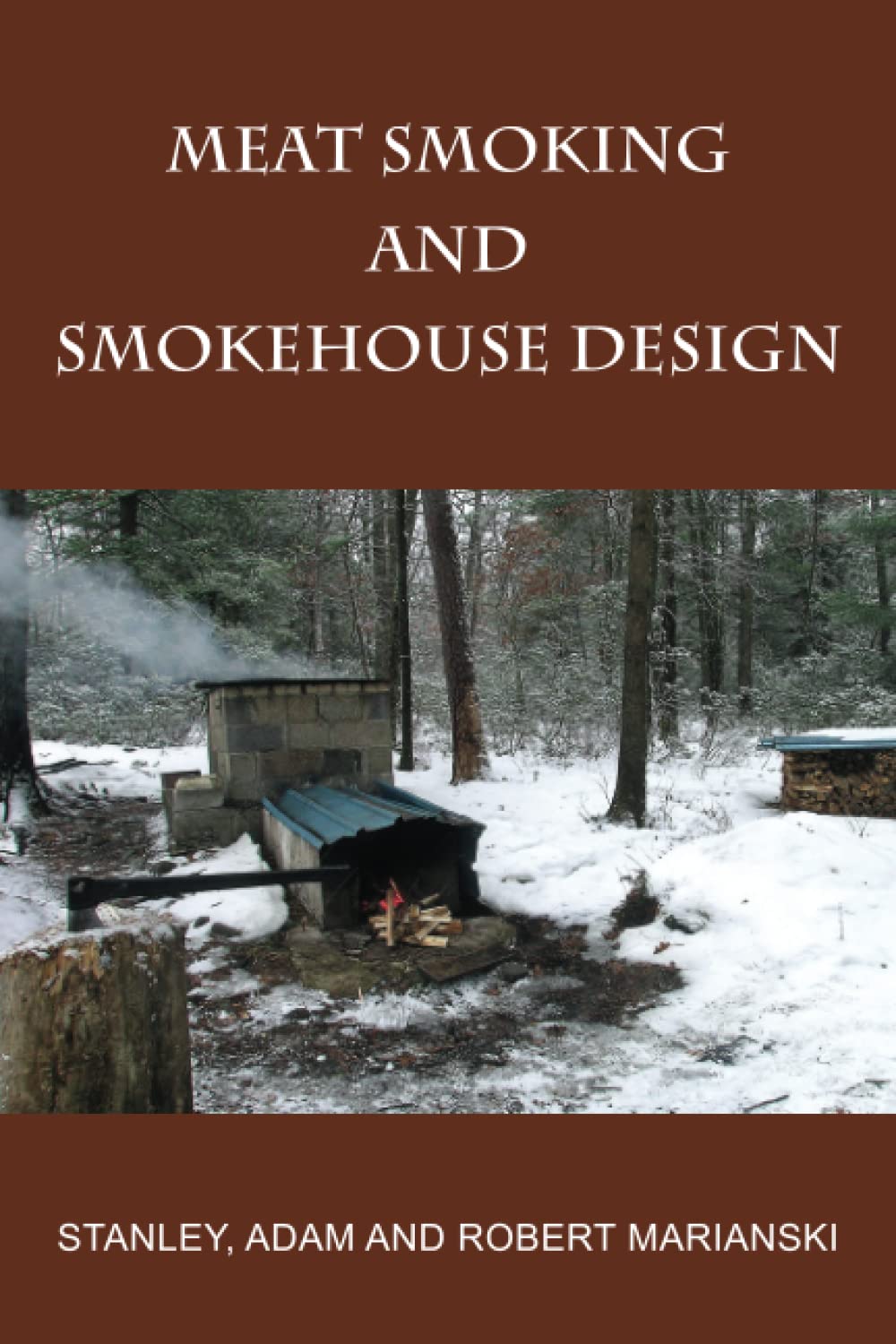
If you have ever wondered why your smoked brisket comes out dry or why your bacon lacks that deep, lingering smoke flavor, then Meat Smoking and Smokehouse Design is the book you need. This is not your average collection of recipes thrown together with a few smoking tips. Instead, it is a thorough dive into the principles that make smoking work, from combustion theory to airflow dynamics. Written by Robert Marianski and his sons, it earned a stellar 4.6 out of 5 stars from over 750 reviewers, many of whom call it the definitive work on the subject.
This book is built for backyard BBQ enthusiasts who want to move beyond following someone else's recipe. It explains why cold smoking preserves meat while hot smoking only flavors it, and how to build a smoker that can maintain those low temperatures even in summer. Campers and tailgaters will appreciate the sections on portable smokehouses and drum smokers, while RV owners can adapt the smaller designs for travel. Outdoor entertainers who love hosting weekend parties will gain the confidence to create custom rubs and smoking schedules that impress every guest.
The real shine here is the performance knowledge you gain. You will understand how smoke interacts with different meats, how to control temperature swings, and when to use wood types for the best results. The book covers low-and-slow cooking as well as fast grilling, though its strength is in low heat smoking. You can apply the principles to any smoker, whether you use a pellet grill, a charcoal offset, or a homemade propane rig. The section on smokehouse designs delivers over 200 diagrams and photos, showing you how to build from brick, concrete, wood, or even a simple drum. While it does not give exact blueprints with parts lists, the concepts are clear enough for a motivated DIYer to adapt.
Durability wise, the book itself is a softcover with 338 pages, well bound for repeated use on the workbench or campsite. The illustrations are black and white but still easy to follow. Portability is excellent; it weighs just over a pound and fits in a backpack for camping trips. Cleanup is not an issue, though you may want to keep it away from greasy fingers. The main limitation is that it demands your attention. This is not a quick read you skim while the ribs are on the grill. You need to sit down with a highlighter and absorb the material. Some experienced smokers might find parts of the theory review, but even they will learn new tricks about airflow and heat retention.
Honestly, if you are tired of guessing why your smoked fish turns out mushy or why your bacon does not keep, this book is a practical investment. It replaces trial-and-error with real know-how, saving you time, meat, and fuel. Whether you are a weekend patio cook or a dedicated tailgater who wants to build a custom smoker for game day brisket, Meat Smoking and Smokehouse Design will elevate your outdoor cooking game. Pair it with a good smoker and a bag of wood chips, and you will be turning out competition-worthy smoked goods in no time.
This book dedicates a large portion to the science of smoking, which sets it apart from typical grilling books. You will learn the difference between cold smoke (below 85 degrees F) and hot smoke (above 200 degrees F), and why each is suited for different meats. The authors explain combustion theory in plain language, so you understand how wood burns and how much air is needed for clean smoke. This knowledge helps you avoid bitter, acrid flavors and produce that sweet, golden smoke you get from a well-run pit. It also covers curing with nitrates, explaining the safety reasons behind their use, and how to balance flavor and preservation.
The second half of the book is a goldmine for DIY builders. Over 20 different smokehouse designs are shown with diagrams and photos, ranging from simple cardboard box smokers to permanent masonry structures. You will find plans for portable units ideal for camping, barrel smokers using 55-gallon drums, and even concrete block smokehouses for the backyard. The authors focus on the critical parts: firebox placement, chimney height, damper controls, and insulation. While you may need to fill in exact dimensions yourself, the principles are laid out clearly. Many reviewers have used these designs to build their own smokers that produce consistent results for brisket, ham, or fish.

Pros
- Offers four distinct smoker designs to fit different budgets and skill levels, from a simple pit to a permanent smokehouse.
- Covers both hot and cold smoking techniques, plus curing basics, giving you a complete foundation for smoking success.
- Concise and easy to follow, perfect for beginners who want to start smoking without a huge investment.
- Affordable price makes it a low-risk purchase for anyone curious about building their own smoker.
Cons
- At only 32 pages, the booklet is very brief and may not cover advanced smoking techniques or troubleshooting in depth.
- Some designs, like the concrete block smokehouse, require significant DIY skills and tools, which may be a barrier for casual users.
- Published in 1981, the booklet may lack modern design considerations or material recommendations.
If you have ever wanted to build your own smoker but felt intimidated by the cost or complexity of store-bought models, this little booklet might be exactly what you need. Build a Smokehouse: Storey Country Wisdom Bulletin A-81 is a classic DIY guide that walks you through constructing four different types of backyard smokers. Whether you are a weekend BBQ enthusiast, a hunter looking to preserve game, or a camper who wants to smoke fish at the campsite, this guide offers practical, low-cost solutions.
The booklet covers the basics of hot smoking, cold smoking, and curing, giving you the foundational knowledge to start producing your own smoked meats, poultry, fish, and more. The four designs include a simple hot smoke pit (great for camping or tailgating), a barrel smoker (perfect for backyard use), a box smoker (a step up in capacity), and a permanent concrete block smokehouse with a concrete floor (ideal for serious hobbyists). Each project includes clear instructions and material lists, so you can choose the one that matches your space, budget, and skill level.
For backyard grillers and BBQ enthusiasts, the concrete block smokehouse is the standout project. It offers excellent heat retention and smoke circulation, allowing you to maintain consistent temperatures for low-and-slow cooking. You can smoke brisket, pork shoulder, or ribs for hours without worrying about temperature swings. The hot smoke pit and barrel smoker are more portable options, great for tailgating or camping trips where you want to add smoky flavor to your meals. They are simple to set up and take down, making them practical for outdoor entertaining on the go.
Build quality depends entirely on your own craftsmanship, but the designs are sturdy and time-tested. The concrete block smokehouse, for example, is built to last for years with minimal maintenance. The barrel smoker uses a standard 55-gallon steel drum, which is durable and easy to source. If you are concerned about rust, you can apply high-heat paint or sealant to extend the life of your smoker. The booklet does not cover modern materials like stainless steel, but the designs are adaptable if you want to upgrade components.
Setup and cleanup vary by design. The smoke pit and barrel smoker are relatively easy to assemble and clean, while the concrete block smokehouse requires more upfront work but is easier to maintain once built. One realistic limitation is that this booklet is only 32 pages, so it does not dive deep into advanced smoking techniques or troubleshooting. Beginners may need to supplement with online resources or additional books for fine-tuning temperature control or managing smoke density. Also, some of the designs may feel dated, as the booklet was originally published in 1981, but the core principles of building a functional smoker remain sound.
Overall, Build a Smokehouse is a practical, affordable resource for anyone who loves outdoor cooking and wants to take their smoking game to the next level. It is best suited for DIY-minded backyard grillers, campers, and hunters who enjoy building their own gear. If you are willing to put in a little elbow grease, you can create a smoker that rivals expensive commercial models for a fraction of the cost. For the price of a coffee, you get a blueprint that can transform your backyard cooking experience.

Pros
- Detailed step-by-step instructions with photos make building straightforward
- No welding needed – perfect for DIYers without metalworking skills
- Engineered for fuel efficiency and steady temperature control
- Compact design with folding tables and casters for portability
- Covers all key components: charcoal basket, ash pan, air flow, and gauges
Cons
- Some photos are dark and hard to see, as noted in reviews
- Only covers one specific drum smoker design – may not suit all needs
- Building the smoker requires time and effort beyond simply reading the book
This is not your typical smoker you buy off the shelf. How to Build a Smoker is a 110-page guide that walks you through constructing a backyard BBQ smoker from a standard 55-gallon drum. Author JD Dean has spent years perfecting a no-weld design that aims to deliver championship-quality results. It's a niche product built for DIY enthusiasts who enjoy the process as much as the final meal.
Who is this book for? It suits backyard grillers who want to smoke brisket, ribs, or pork shoulder on weekends. BBQ enthusiasts who love tinkering and customizing their gear will appreciate the detailed plans. Campers and tailgaters who want a portable smoker that can handle long cooks away from home will also find value. The finished smoker is designed with a charcoal chute, ash pan, folding side tables, and steel casters, making it practical for both patio and campsite use.
When it comes to real-world cooking performance, the design focuses on heat consistency and fuel efficiency. The book claims the smoker maintains steady temps for long periods, delivering even indirect heat. That means you can set it up for a slow-smoked brisket and trust the temperature won't swing wildly. The precise airflow control helps manage charcoal burn rate, which is key for low-and-slow cooking. For fast grilling, the design can also handle direct heat, but its strength is definitely low-and-slow.
Build quality starts with the 55-gallon drum itself – a robust steel container that resists rust when properly treated. The guide includes plans for a tight lid that seals in smoke and heat. Folding tables and casters add convenience, though you'll need to source quality hardware. The design is weather-resistant if you keep the drum painted or oiled. Portability is decent; the casters let you roll it around the yard or onto a trailer for tailgating.
Ease of setup and cleanup depends on your DIY skill level. The book breaks down the build into manageable steps, but it still requires cutting the drum, assembling components, and securing parts. Cleanup is straightforward – the ash pan collection system makes disposing of ash simple. Grease management is not heavily emphasized, but the indirect heat setup minimizes flare-ups. One limitation is that the photos in some reviews are too dark to follow clearly, which can frustrate beginners.
Overall, this guide delivers exactly what it promises: a blueprint for building a functional, no-weld smoker. The realistic limitation is that you get one design, and it may not match everyone's needs. That said, if you enjoy a hands-on project and want a custom smoker that performs well for backyard parties or camping trips, this book is a solid investment. It's best for DIY BBQ lovers who want to build their own gear rather than buy off-the-shelf.
Backyard barbecuing: This smoker is perfect for weekend cooks where you can dedicate a few hours to low-and-slow smoking. Set it up on the patio for a full day of brisket or ribs, and enjoy the steady heat and smoke flavor it produces.
Camping and tailgating: The drum design with casters makes it mobile enough to bring to a campsite or parking lot. You can load charcoal in the chute and cook for hours without constant refueling. The folding tables provide prep space on-site.
Community or family gatherings: If you need to cook for a crowd, the 55-gallon drum offers decent cooking capacity. You can fit multiple racks of ribs or a large pork shoulder. The even heat means everything cooks consistently.
For those who love to DIY: Building the smoker itself becomes a rewarding project. It's a great weekend activity for hobbyists who enjoy woodworking or metalworking without the need for a welder.

Pros
- Detailed building instructions for 10 different BBQ styles, including portable and compact options
- Recipes cover a wide range of proteins and vegetables, with global flavors like shawarma and banh mi
- Encourages upcycling and creativity—use common items instead of expensive equipment
- Clear guidance on fire management, heat control, and cooking techniques for DIY builds
Cons
- Not for those wanting an instant, store-bought grill—requires DIY effort and basic tools
- Some projects may need hard-to-find items (e.g., washing-machine drum) or metalworking skills
- Limited to 50 recipes; experienced cooks may want more variety or advanced techniques
The DIY BBQ Cookbook by James Whetlor is a unique blend of workshop guide and recipe collection. Instead of focusing on commercial grills, it shows you how to build ten different BBQs from everyday items—think washing-machine drums, flowerpots, cinder blocks, and even a simple brick grill. Each project comes with step-by-step instructions, photos, and practical tips for getting the fire right. This book is best for backyard grillers, campers, tailgaters, and anyone who loves a hands-on project. If you enjoy tinkering as much as you enjoy eating smoky, charred food, you'll appreciate the ingenuity here.
For cooking performance, the recipes are designed to work with these DIY builds, but they translate well to any charcoal or wood-fired grill. You'll find 50 dishes ranging from fish cake skewers to a whole spatchcocked chicken flavored with m'qualli rub, plus a chapter on spice blends and marinades. Heat control is explained in the context of each build—for example, how to manage airflow in a cinder-block smoker or get even heat from a flowerpot tandoor. The focus is on low-and-slow cooking and fast grilling, so you can adapt techniques to your setup.
Build quality applies to the book itself: 192 pages with durable binding, glossy pages, and clear illustrations. The instructions are practical, though some projects require basic tools and DIY skills. Portability varies by project—a campervan grill or beach pit is easy to transport, while a brick grill is permanent. Cleaning and maintenance tips are given for each build, emphasizing rust prevention and ash management. Realistically, a few projects (like the washing-machine drum) demand effort to source and modify materials, but the simpler ones (like the brick grill) can be done in an afternoon.
Limitations? This isn't for someone who wants to fire up a conventional gas grill in five minutes. Building takes time, and some recipes assume you have a live fire going. Also, 50 recipes may feel limited if you cook often, but the spice rub section helps you create your own variations. Overall, if you love the idea of making your own gear and cooking over real fire, this book delivers creative inspiration and solid techniques. It's a great gift for DIY-minded BBQ enthusiasts or campers looking to elevate their outdoor cooking without buying expensive equipment.

Pros
- Comprehensive guide for beginners and experienced DIYers alike.
- Focuses on budget-friendly construction methods.
- Empowers you to customize your smokehouse to your specific needs.
- Great for anyone wanting to learn traditional meat preservation.
- Provides a sense of accomplishment from building your own equipment.
Cons
- Low customer rating (2.9/5) suggests possible issues with clarity or completeness.
- Limited to a guide, not a physical product, so no hands-on support.
- May require additional research or tools not fully detailed in the book.
This guide, How to Build a Smokehouse, is a digital or print resource designed for outdoor cooking enthusiasts who want to take their BBQ game to the next level by constructing their own smoker. It’s not a physical grill or smoker, but a step-by-step manual that walks you through building a smokehouse from scratch. If you’re a backyard griller, a dedicated BBQ enthusiast, or a camper who loves smoking meat over an open fire, this book aims to give you the knowledge to create a custom smoker on a budget.
The content is tailored for beginners, promising to turn you into a pro in just a few steps. It focuses on building a smokehouse from start to finish, covering material selection, construction techniques, and tips for preserving meat. For someone who enjoys the DIY aspect of outdoor cooking, this could be a rewarding project. Imagine smoking a brisket or ribs on a smoker you built with your own hands—that’s the kind of fulfillment this guide targets.
However, the product has a low average rating of 2.9 out of 5 stars from 25 reviews, which raises some concerns. While the concept is appealing, the execution might not meet expectations. Some users may find the instructions lacking in detail or the plans too basic for practical use. If you’re an experienced builder, you might need to supplement this guide with additional resources or online tutorials.
For campers and tailgaters, building a permanent smokehouse might not be practical unless you have a fixed backyard setup. This guide is better suited for homeowners with dedicated outdoor space. Portability is not a factor here, as the focus is on a stationary structure. If you’re looking for a portable smoker for camping trips, you’d be better off with a traditional offset or electric smoker.
On the plus side, the budget-friendly angle is a strong selling point. Building your own smokehouse can save you hundreds of dollars compared to buying a high-end smoker. Plus, you get the satisfaction of customization. You can tailor the size, materials, and features to your specific smoking needs, whether you’re into low-and-slow cooking or cold smoking cheeses and fish.
Overall, this guide is best for dedicated backyard BBQ enthusiasts who have the time, space, and inclination for a DIY project. If you’re patient and enjoy hands-on work, it could be a worthwhile investment. But if you’re looking for immediate results or a portable solution for camping or tailgating, you might want to look elsewhere. Consider your outdoor cooking goals before buying.

Pros
- Comprehensive coverage of regional BBQ traditions and techniques
- Recipes from top pitmasters provide authentic, proven results
- Detailed smoker operation tips for various grill types
- Well-organized with clear instructions and beautiful photography
Cons
- Focuses on offset and charcoal smokers; less detail on pellet or electric smokers
- Some recipes require advanced skills or specialized equipment
- Lacks step-by-step photo sequences for techniques
Pitmaster is more than just another BBQ cookbook. It’s a masterclass in outdoor cooking written by two competition legends, Andy Husbands and Chris Hart. These guys have won hundreds of awards, and they’ve packed that experience into 224 pages. Whether you’re a backyard griller looking to up your rib game or a seasoned smoker aiming for competition-level brisket, this book delivers real, practical knowledge.
The book is organized to take you from basics to advanced. Early chapters cover smoker operation for Weber, offset, and Kamado styles—essential for anyone who wants consistent heat and clean smoke. Then it dives into regional BBQ: Texas beef ribs, Carolina whole hog, Kansas City sauce. Each chapter features a guest pitmaster, so you get perspectives from legends like Steve Raichlen, Sam Jones, and Tuffy Stone. It feels like sitting around a campfire with the best in the business.
Performance-wise, the recipes are battle-tested. The Burnt Ends recipe (using brisket point or even chuck roast) is a highlight. The Caveman T-Bones with Hellfire Hot Sauce bring that perfect sear. For low-and-slow, the Butcher Paper Brisket and Central Texas Beef Ribs are spot-on. There are also quicker recipes like Juicy BBQ Chicken Breasts and Classic Pulled Pork on a Kamado. The sides and extras like Pimento Cheese Spread, White Cole Slaw, and Pickled Jalapenos round out any cookout.
Build quality? The hardcover is sturdy, with thick pages that handle splatters. The photography by Ken Goodman is gorgeous, making you want to fire up the smoker immediately. Dimensions are 8.4 x 10.3 inches, so it lies flat on the counter. The binding holds up well in a busy kitchen.
One realistic limitation: the book assumes you’re using a charcoal or wood-fired smoker. If you own a pellet grill, you’ll still get great recipes but will need to adapt the temperature and smoke instructions. Also, while the techniques are explained clearly, there aren’t step-by-step photos for things like trimming brisket or building a fire. Some readers might want more visual guidance.
Overall, Pitmaster is a must-have for anyone passionate about outdoor cooking. It works for tailgaters who want to impress, weekend backyard grillers, and RV owners who love smoking on the road. If you’re ready to move beyond burgers and dogs, this book gives you the wisdom to cook like a pro. Pair it with a decent smoker, and you’ll be turning out award-worthy BBQ in no time.
Frequently Asked Questions
What type of wood is best for smoking in a homemade smoker?
Hardwoods like hickory, oak, and mesquite are top choices. Hickory adds a strong, bacon-like flavor perfect for pork. Oak gives a milder smoke that works with beef and chicken. For a sweeter profile, try apple or cherry wood, especially with poultry. Always use seasoned wood chunks or chips to avoid bitter creosote buildup.
How do I control temperature in a DIY BBQ smoker?
Adjustable vents and a reliable thermometer are key. Install a bottom vent for intake and a top vent (chimney) for exhaust. Opening vents increases airflow and heat, while closing them lowers the temperature. Aim for 225-250°F for most meats. Use a digital thermometer for accuracy, and consider adding a water pan to stabilize temps and add moisture.
What are the differences between barrel and offset smokers?
Barrel smokers are simpler: a single chamber with a firebox attached or inside. They’re cheap and easy to build but offer less temperature control. Offset smokers have a separate firebox attached to the side, allowing better heat distribution and smoke flow. They require more welding skill but produce more consistent results for low and slow cooking. For more on smoker types, see our pellet smoker review.
How do I season a new homemade smoker?
Burn off any manufacturing residues first by running the smoker at high heat (300-350°F) for 1-2 hours with no food. Then, lightly coat the interior cooking grates and walls with cooking oil. Reheat at 250°F for another hour to cure the oil. This creates a non-stick, rust-resistant surface and removes any off-flavors from the metal or paint.
Can I build a smoker from a 55-gallon drum?
Yes, a 55-gallon steel drum is a popular and affordable base for a barrel smoker. You’ll need to cut a door, add hinges and a handle, install a firebox, and drill air vents. The book “How to Build a Smoker” by JD Dean specifically covers this project with detailed plans. Just ensure the drum is food-grade and has no chemical residues.
What maintenance does a DIY smoker need?
Regular cleaning of grates and ash removal after each use. Wipe down the interior to prevent grease buildup. Check seals around the door and lid annually and replace if worn. Oil the grates periodically to prevent rust. Also, inspect the chimney and vents for obstructions. Proper maintenance extends the life of your smoker and ensures consistent smoke quality.
How do I achieve a smoke ring in my homemade smoker?
The smoke ring forms when nitrogen dioxide from smoldering wood combines with myoglobin in the meat. To get it, maintain low temperatures (225°F) and use dense smoke from hardwoods like hickory or oak. Keep the meat moist by spritzing with a water-vinegar mix every 45 minutes. Also, ensure good airflow inside the smoker. For more tips, read our guide on cocktail smoker kits for small-scale smoking ideas.


Write Your Review
No reviews yet. Be the first to share your experience!