


Uncovering an outdoor cooker after months of damp weather often reveals a frustrating layer of flaky orange corrosion across the cooking surface. Moisture and trapped grease combine over time, breaking down protective oil layers on iron and unpolished steel components. Knowing exactly how to clean a rusted grill can save you the expense of buying replacement grates while restoring a sanitary surface for your next backyard gathering. A well-organized patio station like a dedicated rolling outdoor prep table provides the counter space needed to inspect individual parts before firing up burners or coals.
Surface corrosion looks intimidating, but moderate oxidation rarely ruins solid metal if you address the problem before deep pitting takes hold. The restoration process requires mechanical scrubbing, targeted degreasers, and a fresh coat of high-heat cooking oil to reseal the exposed metal pores. Different grate materials require specific maintenance approaches to avoid stripping protective coatings or leaving dangerous loose wire fragments behind. Taking a careful, methodical path ensures your barbecue equipment stays safe, dependable, and ready for clean cooking through every season.
Pros
- Two-pack provides exceptional utility for RV kits, camping totes, and backyard grilling stations
- Sturdy steel scraper strips heavy buildup before you even start brushing
- Compact foot-long profile is nimble and easy to store compared to bulky extended brushes
- Durable bristles handle hot-grate maintenance without melting like nylon alternatives
Cons
- Shorter 12-inch reach keeps hands closer to the cooking zone on blazing hot charcoal beds
- Requires standard post-clean wipe-downs to inspect grates for loose wire bristles
- Lacks an extended heat shield for extra-deep offset smokers or wide multi-burner gas setups
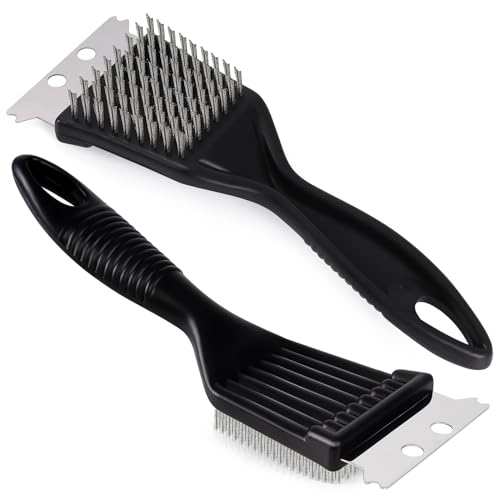
The KINYFY 2-Piece Grill Brush and Scraper set is a practical maintenance companion designed to tackle messy grates after high-heat cooking sessions. Keeping cooking surfaces spotless is essential for backyard pitmasters, weekend BBQ enthusiasts, campers, and tailgaters who want pristine sear marks instead of bitter carbon residue from previous cooks. With two tools in the package, you can keep one hanging on your primary backyard grill cart and toss the second into your tailgating tote, RV chuck box, or camp kitchen bin.
Clean cooking grids directly influence overall outdoor cooking performance. When old marinades, charred sauces, and animal fats accumulate on cast iron or stainless steel grates, they trap moisture, produce acrid smoke, and spark unpredictable flare-ups during direct-heat grilling. Using the stiff front scraper while the grates are still hot lifts thick baked-on crust effortlessly, while the dense stainless steel wire bristles sweep through the contours of each bar. This leaves clean metal ready for burgers, steaks, or delicate fish fillets to absorb clean smoke flavor without sticking or tearing.
Built with a weather-resistant molded handle and stiff stainless steel wire rows, this cleaning tool is tailored for rugged outdoor environments. The 12-inch handle length provides direct downward leverage right over stubborn spots, avoiding the flex often felt on long wire-handle brushes. The integrated hanging hole at the base lets you suspend the brush on your grill side hooks, keeping it off dirty prep surfaces and within arm's reach while managing charcoal or propane heat.
Portability and compact storage stand out as major advantages with this design. Oversized 18-inch brushes can be awkward to fit into standard patio grill cabinets, camp drawers, or portable grill bags. At roughly one foot in length, these brushes tuck neatly into compact spaces, making them ideal companions for portable tabletop grills, tailgating setups, and backcountry campfire grates where space is at a premium.
A realistic consideration is the handle length during high-temperature cleanups. Because the tool measures 12 inches, your hands will be closer to the heat source than with an extended cleaning wand. Wearing heat-resistant grilling gloves is a smart practice when scraping grates over ripping-hot charcoal or multi-burner gas fireboxes. Furthermore, as with any wire bristle brush, cooks should wipe down the grates with a damp cloth or oiled towel after brushing to confirm no detached wires remain on the cooking area.
For backyard cooks and outdoor adventurers looking for an effective, no-fuss maintenance tool, this dual-brush set delivers solid value and dependable scraping power. It keeps your cooking surface ready for perfect high-heat searing and clean smoke infusion, making it a reliable addition to any outdoor cooking gear collection.
For optimal results, use the brush and scraper immediately after cooking while the grill grates are still hot, or during preheating once the grill reaches operating temperature. Heat softens grease and carbonized sauces, allowing the front scraper to peel away thick residue before finishing with the wire bristles.
Keep the brushes themselves clean by periodically rinsing the heads under warm running water with grease-cutting dish soap. Shake out excess water and let the brushes dry completely using the hanging loop before storing them in outdoor cabinets or camping totes. Always inspect the brush before each cleaning session and wipe your grill grates with an oiled towel prior to placing food on the grill.


Pros
- No-drip gel stays put, even on slanted grill grates, preventing messy drips
- Powerful degreasing action cuts through stubborn char and grease with minimal scrubbing
- Versatile enough for grills, ovens, air fryers, and other kitchen surfaces
- Non-toxic and biodegradable, making it safe for outdoor cooking equipment and the environment
Cons
- Requires 10-30 minutes dwell time for best results, so plan ahead for quick cleanups
- Works best on cool surfaces, so you cannot spray on a hot grill immediately after cooking
- Some heavy buildup may need two applications or additional scrubbing
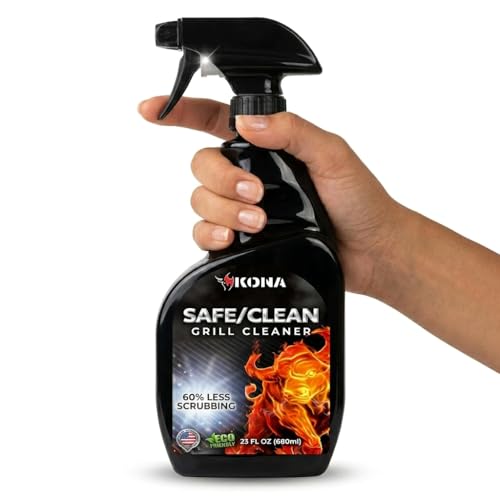
If you spend any time around a grill, you know cleanup is the least glamorous part of outdoor cooking. Kona Safe/Clean Grill Cleaner Spray aims to change that. This heavy-duty, no-drip gel degreaser is designed specifically for BBQ grates, griddles, smokers, and even kitchen appliances. It's not a piece of cooking equipment itself, but an essential accessory for anyone who wants to keep their gear in top shape.
This cleaner is best suited for backyard grillers, BBQ enthusiasts, tailgaters, and patio cooks who value quick, hassle-free maintenance. If you own a Blackstone griddle, Traeger pellet grill, or Weber kettle, this spray works on all surfaces without damaging the finish. The gel formulation clings to vertical and slanted grates, so you won't end up with a puddle of cleaner on your patio.
Performance-wise, Kona Safe/Clean delivers on its promise. Spray it on cool grates and let it sit for 10 to 30 minutes. The gel penetrates carbon buildup and baked-on grease, loosening it so you can wipe or rinse it away with ease. For tough, charred residue, a quick pass with a grill brush does the trick. It's not a miracle worker for years of neglect, but for regular maintenance, it cuts cleaning time in half. The spray is nearly odorless and non-flammable, so you can use it without worrying about harsh fumes or safety risks.
Build quality of the product itself is solid. The 23-ounce bottle has a sturdy spray nozzle that delivers a targeted stream or wide mist. The formula is biodegradable, phosphate-free, and food-safe after rinsing, which is a big plus for anyone using it on grills they cook on. It's also non-corrosive, so it won't damage stainless steel, porcelain, or glass surfaces.
Setup and cleanup are straightforward. You do not need to heat the grill or wear gloves, though rinsing thoroughly after cleaning is recommended. The only limitation is the dwell time: if you are in a hurry, the 10-minute minimum may feel long. Also, the cleaner works best on cool surfaces, so you cannot spray it on hot grates right after cooking. Plan cleanup as part of your post-meal routine.
For the price, Kona Safe/Clean offers solid value for outdoor cooking enthusiasts. It is eco-friendly, effective, and versatile. Whether you maintain a gas grill on your deck, a smoker at the campsite, or a flat top griddle for tailgates, this cleaner helps keep your equipment ready for the next cookout. It is a practical addition to any outdoor chef's cleaning kit.
Keeping your grill clean is essential for both flavor and longevity. Kona Safe/Clean makes this job easier with its no-drip gel that clings to grates and surfaces. To use, spray the gel onto cool grates and let it sit for 10-30 minutes. For tough buildup, use a grill brush or scouring pad to loosen the residue, then wipe with a damp cloth or rinse with water. The formula is food-safe after rinsing and non-toxic, so you can clean without worry. It works on grill grates, hoods, wheels, and even oven racks. For best results, clean after every few uses to prevent excessive carbon buildup.

Pros
- Safe alternative to wire brushes - no bristle hazard
- Works on cool grills, so you can clean anytime without preheating
- Citrus scent leaves a fresh smell after cleaning
- Effective on grease and burnt-on food with minimal scrubbing
- Made in the USA with biodegradable ingredients
Cons
- Spray bottle may be prone to breaking after a few uses (reported by some users)
- May not remove very heavy, baked-on deposits without extra effort
- Scrubber pads may wear out faster on rough grates
If you've ever worried about wire bristles from a grill brush ending up in your food, the CitruSafe Grill Cleaning Kit is a breath of fresh air. This kit combines a 16-ounce citrus-powered spray cleaner with a heavy-duty scrubber handle and three replaceable pads, all designed to clean your grill while it's cool. No more burning off residue or risking stray bristles. It's a simple, safe approach that works on gas grills, charcoal grills, pellet grills, smokers, and even flat-top griddles.
This kit is perfect for backyard grillers who want a hassle-free cleanup after weekend BBQs, as well as campers and tailgaters who need a portable cleaning solution. The spray uses natural citrus degreasers to break down grease and burnt-on food, and the scrubber pads are tough enough to handle the job without scratching your grates. Just spray it on, let it sit for a minute, scrub, and wipe clean. Then preheat your grill for 15 minutes to burn off any residue. It's that straightforward.
In real-world use, the CitruSafe cleaner does a great job on moderately soiled grills. It cuts through grease and food residue quickly, leaving a pleasant citrus scent behind. For heavy, baked-on deposits, you might need to let the spray sit a bit longer or give it an extra scrub. But for regular maintenance cleaning, it's very effective. The scrubber handle feels sturdy, and the pads are thick enough to handle multiple uses before needing replacement.
Build quality is solid for a cleaning kit. The spray bottle is functional, though a few users have reported the nozzle breaking after a few sprays. The scrubber handle is made of heavy-duty plastic with a comfortable grip, and the pads are recyclable. The kit is compact and easy to store in your grill cart or camping gear. Since you clean the grill cool, there's no need to wait for it to heat up, which saves time and fuel.
One limitation is that the spray bottle could be more durable. If you're rough on gear, you might want to transfer the cleaner to a sturdier bottle. Also, for very heavy grease buildup, you may need to repeat the process or use a bit more elbow grease. But for most home cooks and outdoor enthusiasts, this kit offers a safe, effective way to keep your grill clean without the worry of wire bristles.
Overall, the CitruSafe Grill Cleaning Kit is a practical choice for anyone who grills regularly. It's especially good for families with kids, where food safety is a top concern. Whether you're cleaning a Traeger smoker, a Weber kettle, or a Blackstone griddle, this kit makes the job easier and safer. If you want a bristle-free, eco-friendly cleaning method that actually works, this is a solid investment for your outdoor cooking setup.


Pros
- Safe cleaning without wire bristles, protecting your family from accidental ingestion.
- Powerful citrus-based cleaner easily cuts through baked-on grease and carbon buildup.
- Kit includes everything you need: spray, brush, scrubber pads, scraper, and towel, no extra purchases required.
- Works on both hot and cool grills, offering flexibility for different cleaning routines.
Cons
- For extremely charred grates, some elbow grease may still be needed; the cleaner alone won't dissolve heavy creosote instantly.
- Scrubber pads are refillable but replacements are sold separately, adding ongoing cost over time.
- The cookbox scraper is best used on cool surfaces; it may scratch delicate porcelain coatings if used aggressively.
The Citrusafe Complete Grill Cleaning Kit is not your average grill cleaner. It is a thoughtfully assembled set designed to replace the dangerous wire brushes and harsh chemical sprays that many BBQ enthusiasts rely on. Instead, this kit uses a citrus-based degreaser, a nylon brush, heavy-duty scrubber pads, a cookbox scraper, and a microfiber towel to clean your grill safely and effectively. Whether you own a charcoal kettle, a propane gas grill, a smoker, or even a flat top griddle, this kit has the tools to handle the mess.
This kit is built for anyone who takes outdoor cooking seriously. Backyard grillers who fire up the Weber every weekend, campers who throw a grate over an open fire, tailgaters who need a quick cleanup between games, and RV owners who don't want wire bristles scratching their portable grills will all appreciate the safety-first approach. The stars are the Citrusafe Grill Cleaner spray, which uses natural degreasing power from citrus peels to break down grease, and the nylon brush and scrubber pads that work on a cool grill. No more burning off residue or worrying about stray bristles in your burger.
In real-world use, this cleaner shines on moderately soiled grates and cookboxes. Spray it on, let it sit for a few minutes, then scrub with the nylon brush or the heavy-duty pads. The grime dissolves quickly, and the included cookbox scraper reaches into corners that brushes miss. For a neglected grill that has months of caked-on grease, you may need to repeat the process, but the result is a cookbox that looks nearly new. The microfiber towel lifts away remaining residue without scratching porcelain or stainless steel surfaces.
Build quality of the tools is solid. The nylon brush handle is heavy-duty plastic with a comfortable grip, and the scrubber holder accepts the replaceable pads firmly. The scraper has a slim profile that fits into the tight gaps of most grills and smokers. The spray bottle has a trigger that produces a fine mist, covering grates evenly without waste. Everything in the kit is designed to be reused, cutting down on disposable grill wipes and paper towels.
Setup is simple: unpack the items and start cleaning. The spray works right out of the box, and all tools are ready to go. Transport is not an issue since it is a cleaning kit, but the spray bottle and tools fit easily in a garage cabinet or a camping tote. Storage is straightforward: keep the spray away from direct sunlight, and hang the brush and scraper to dry.
Limitations are minor. For grills with extremely heavy carbon buildup (think years of neglect), you may still need to use a metallic scraper or a second application. The scrubber pads are effective but wear out after several uses, and replacement packs are sold separately. Additionally, the nylon brush is not as stiff as wire, so it may take a bit more scrubbing on stubborn spots. Nonetheless, for routine maintenance and even deep-cleaning, this kit is a safe and effective choice. It earns a strong recommendation for any outdoor cook who wants to eliminate the risk of wire bristles and keep their cooking gear in top shape.
The Citrusafe Complete Grill Cleaning Kit comes with five essential items to tackle every part of your grill or smoker. You get a 16oz bottle of Citrusafe Exterior Grill Cleaner (also safe for interior use), a heavy-duty nylon brush with an integrated cookbox scraper, a scrubber handle plus three replaceable scrubber pads, a separate cookbox scraper for tight areas, and a premium microfiber cleaning towel (color may vary). Together, they cover cleaning from grates to hoods to side tables. Everything is manufactured in the USA by Bryson Brothers, a brand focused on safer outdoor cooking products.
For best results, clean your grill when it is cool to the touch. Spray the Citrusafe cleaner liberally onto grates and cookbox surfaces, let it sit for 3-5 minutes to loosen grease, then scrub with the nylon brush or scrubber pads. Use the cookbox scraper for baked-on residue in corners. Wipe away residue with the microfiber towel, then rinse with water if desired. For routine maintenance after each cook, a quick spray and wipe keeps grates looking new. The scrubber pads can be replaced when they become worn; replacement pads are available separately. The spray lasts through many cleanings, making this kit a great value for frequent grillers.
Pros
- Drill attachment makes heavy-duty cleaning effortless and fast
- No metal wires means no rust and no bristle-shedding hazard
- Versatile brush shapes clean grates, flat tops, and smoker racks thoroughly
- Works well on cool grills and griddles without scratching surfaces
Cons
- Requires a cordless drill to use, adding one more tool to your cleaning routine
- Nylon bristles may not be aggressive enough for extremely thick, carbonized buildup on some grates
- The 5-inch flat brush can be a bit bulky for tight spaces around burner tubes
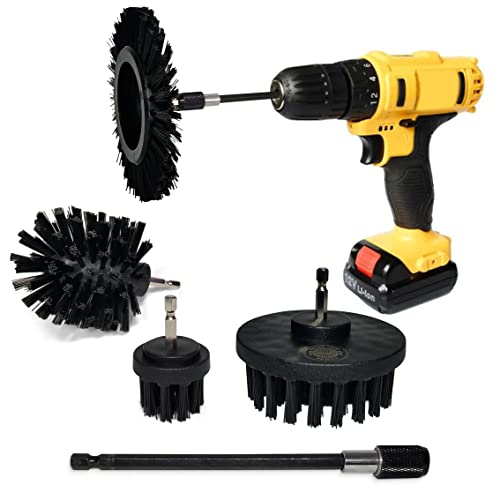
If you've ever spent a beautiful Saturday afternoon scrubbing a crusted grill grate by hand, you know the pain. The Power Grill Brush 5 Piece BBQ Cleaning Kit is designed to rescue you from that chore. This is a set of four nylon brushes that attach to any standard cordless drill, turning your power tool into a high-speed cleaning machine. It's not a grill itself, but an accessory that makes post-cook cleanup a whole lot faster and safer.
This kit is best suited for backyard grillers who cook frequently on gas, charcoal, or pellet grills, as well as campers and tailgaters who want to clean their portable grates without fuss. If you own a flat top griddle or a smoker with multiple racks, you'll appreciate the variety of brush shapes. The set includes two 2-inch round brushes (one with shorter bristles for detail work, one with longer bristles for deeper grooves), a 4-inch flat brush, and a 5-inch flat brush for large surface areas. There's also a drill bit extender to help reach awkward spots.
In real-world use, the biggest advantage is speed. Attach a brush to your drill, run it over a cool grate, and watch the baked-on grease and carbon flake off in seconds. The nylon bristles are stiff enough to lift grime but soft enough not to scratch porcelain or stainless steel surfaces. Because there are no metal wires, you don't have to worry about bristles breaking off and ending up in your burgers or brisket. That's a real safety concern with traditional wire brushes, especially on older grates where bristles can snap and stick to food.
Build quality is solid for the price point. The brushes are made with dense nylon bristles set into a plastic base that fits a standard hex drill chuck. They feel durable enough for regular use, though like any nylon brush, they will wear down over time if you're cleaning heavily charred grates every weekend. The kit is lightweight at just one pound, so it's easy to toss in a camping bin or RV storage compartment. Cleanup is simple—just rinse the brushes with hot soapy water and let them air dry.
One realistic limitation is that you need a cordless drill to use the set. If you don't already own one, you'll have to factor in that extra cost. Also, while the nylon bristles handle most everyday residue well, they can struggle with extremely thick, rock-hard carbon deposits that have built up over months of neglect. In those cases, you might need to soak the grates first or use a metal scraper for the worst spots. The flat brushes are also a bit wide for cleaning between narrow burner tubes on some gas grills.
Overall, the Power Grill Brush 5 Piece Kit is a practical, time-saving addition to any outdoor cook's gear. It's especially useful for tailgaters who want to clean up quickly before packing up, campers who need a compact cleaning solution, and backyard BBQ enthusiasts who cook often and want to reduce scrubbing fatigue. If you value a safe, wire-free cleaning method and already own a drill, this kit delivers a noticeably easier cleanup experience without the worry of stray metal bristles.
Keeping the Power Grill Brush set in good shape is straightforward. After each use, rinse the brushes under warm running water to remove grease and food particles. A drop of dish soap helps cut through the oil. Let them air dry completely before storing to prevent mold or odor in the nylon bristles. The brushes are not dishwasher safe, so stick to hand washing. Because they're nylon, they won't rust, but the plastic base can become brittle if left in direct sunlight for long periods. Store them in a dry drawer or tool bag. For the drill extender, wipe it clean and keep it dry to avoid any corrosion on the metal shaft.
The kit comes with five pieces: two 2-inch round nylon brushes (one with short bristles, one with longer bristles), one 4-inch flat brush, one 5-inch flat brush, and one drill bit extender. All brushes have a standard hex shank that fits into any cordless drill chuck. The extender adds about 6 inches of reach, which is handy for cleaning deep smoker racks or the back corners of a flat top griddle. There are no additional attachments or storage case included, so you'll need to keep the brushes organized on your own.
Complete Guide to Restoring Rusted Grill Grates and Hardware
Bringing an oxidized outdoor cooker back to serviceable condition requires a structured approach that removes corrosion without ruining the metal underneath. Surface rust forms quickly when exposed iron reacts with moisture and oxygen, particularly when salty rubs or acidic sauces remain on cooking surfaces. Restoring the metal protects your investment, eliminates bitter metallic flavors in your food, and prevents loose particles from contaminating your burgers. Understanding the condition of your equipment before applying heavy physical pressure will determine whether a simple scrub or a complete overhaul is necessary.
Assessing Surface Oxidation Versus Structural Metal Decay
Before buying cleaning supplies or scraping away, examine the depth of the corrosion across each individual rod or plate. Light surface rust usually appears as a dusty orange or reddish film that rubs off onto a dry paper towel with minimal pressure. This superficial oxidation sits on top of intact steel or iron, leaving the foundational strength of the grate unaffected. You can safely restore components showing only light surface staining through basic degreasing and non-destructive scrubbing.
Structural decay presents a far more serious hazard that standard cleaning techniques cannot reverse. Deep corrosion produces dark, flaky layers that crumble away under firm finger pressure, creating uneven divots known as pitting. When metal rods lose noticeable thickness or break loose from their weld joints, the structural integrity of the grate is gone. Attempting to cook on severely pitted grates risks collapsing food into the firebox or ingesting loose iron flakes, meaning replacement is the only safe solution.
Material Considerations for Cast Iron, Porcelain, and Stainless Steel
Cast iron grates deliver exceptional heat retention, but their porous microstructure makes them vulnerable to moisture absorption and rapid oxidation. When bare iron loses its seasoned oil barrier, water penetrates microscopic crevices and creates a widespread reddish crust. Restoring cast iron requires removing every speck of oxidized material before heat-curing a fresh layer of polymerized cooking oil across the entire surface. Without that immediate protective seasoning step, freshly stripped cast iron will begin oxidizing again within minutes of air exposure.
Porcelain-enameled grates feature a glass-like ceramic coating fused over underlying steel or cast iron cores. This smooth exterior resists rust completely until thermal shock or physical impacts chip the glossy glaze. Once the coating cracks, moisture slips underneath the porcelain shell, allowing hidden rust to spread and cause the ceramic layer to pop off in sharp shards. You must never use steel wire scrapers or metal drill brushes on porcelain surfaces, as harsh abrasion fractures the coating and permanently ruins the grates.
Stainless steel cooking surfaces rely on chromium content to form a passive, invisible oxide film that naturally resists corrosion. Salt residue, burnt carbon layers, and harsh chlorine-based cleaners can break down this defensive chromium oxide barrier over time. When stainless steel begins to discolour and rust, it typically exhibits localized brown spots rather than continuous crumbling flakes. Restoring stainless grates involves dissolving burnt grease deposits and polishing away discoloration so atmospheric oxygen can rebuild the passive protective layer.
Selecting Safe Scrubbing Tools and Cleaners
Traditional wire brushes carry documented safety risks from loose bristles that can detach during vigorous scrubbing. Detached metal wires can stick to greasy grates, transfer directly into cooked food, and cause severe internal health hazards upon ingestion. Modern bristle-free cleaning tools utilize tightly wound metal coils, thick scrubbing pads, or solid grooved scrapers to scour metal without shedding wire filaments. Options like the Grill Stripper Bristle Free Grill Brush use steam vapor and wide scraper edges to dislodge stubborn build-up without shedding sharp wires.
Chemical degreasers help loosen the hardened grease binding rust particles to the metal rods. Products like Kona Safe/Clean Grill Cleaner Spray use no-drip gel formulas designed to cling to vertical surfaces and dissolve baked-on oils on cool grills. Natural citrus-based solutions, such as the CitruSafe Grill Cleaning Kit, leverage citrus peel extracts to break down carbon deposits without requiring high-heat burn-offs. Applying these cleaning liquids to room-temperature grates softens baked residue, allowing scrubbing pads to reach underlying corrosion much faster.
For deep carbon accumulation and widespread rust staining, mechanical assistance can significantly reduce physical fatigue. Kits like the Power Grill Brush – Grill Brush 5 Piece BBQ attach stiff nylon brush heads to cordless drills, scouring flat tops and grate rods with rotary action. Specialized hand scrapers, such as the Grill Floss Premium Grill Scraper for Outdoor, wrap around round rods to clean both tops and undersides without lifting heavy assemblies. Reusable cloths like the Proud Grill Q-Swiper Scrub-Clean Micro-Coated offer non-scratch micro-coated fibers suitable for delicate finishing passes.
Step-by-Step Restoration for Moderate and Heavy Oxidation
Begin your restoration project by disconnecting any fuel sources and removing the grates from the cookbox entirely. Working on an outdoor table or cardboard prevents oily residue and rust dust from staining patio pavers. Use a sturdy metal scraper, like the edge found on the 2 Pcs Grill Brush and Scraper,Barbecue Grill, to shave away crusty flakes and burnt marinades. Dry scraping clears the bulk of loose debris before moisture enters the picture, keeping the work area manageable.
Once you clear loose debris, apply a generous coating of degreaser across every face of the metal rods. Complete kits like the Citrusafe Complete Grill Cleaning Kit provide both citrus spray and heavy-duty nylon scrubbers engineered to work together on cool surfaces. Let the solution dwell for ten to fifteen minutes so active surfactants can penetrate greasy bonds without drying out completely. If working under direct sunlight, mist the grates periodically with water to keep the cleaning agents active on the metal.
Scrub each rod thoroughly from multiple angles using your selected bristle-free pad or drill-mounted nylon head. Work along the length of each bar to scour the rounded sides where grease and rust accumulate out of sight. For persistent rust deposits, a paste made from equal parts baking soda and water provides gentle, non-toxic abrasion that lifts stubborn discoloration. Continue scrubbing until the exposed metal reveals its original color and feels smooth to the touch across all cooking zones.
Rinse the grates thoroughly with clean water to wash away all dissolved grease, rust slurry, and cleaning chemicals. Wash the metal once more using warm water and mild dish soap to eliminate any remaining chemical residue that could affect food flavor. After a final clean rinse, dry the grates immediately using clean microfiber towels or shop rags. Leaving damp grates to air-dry will cause rapid flash rust to develop across bare iron within an hour.
Re-Seasoning and Sealing Restored Cooking Grates
Stripped cast iron and carbon steel surfaces require immediate re-seasoning to establish a moisture-resistant protective barrier. Seasoning is a chemical process where cooking fats heat past their smoke point, bonding to the metal as a slick polymer coat. Without this barrier, atmospheric moisture will promptly react with the raw iron, undoing all your hard scrubbing efforts. Stainless steel does not require heavy seasoning, but a light oil wipe helps prevent food from sticking during early cooks.
Select a cooking oil with a high smoke point and neutral flavor profile for the seasoning procedure. Refined canola oil, grapeseed oil, or melted vegetable shortening work well because they form durable polymer layers at high temperatures. Avoid unrefined olive oil or butter, as their low smoke points cause bitter charring and sticky residue rather than slick protection. Pour a small pool of oil onto a lint-free cloth and buff a paper-thin layer across every rod, joint, and edge.
Place the oiled grates back into your outdoor cooker and ignite the burners or charcoal to reach roughly four hundred degrees Fahrenheit. Close the grill lid and maintain consistent heat for forty-five minutes to an hour, allowing the oil to darken into a smooth, dry glaze. Turn off the heat source and leave the grates undisturbed inside the closed cooker until they reach room temperature. Repeating this oiling and heating cycle two or three times builds a resilient shield against future oxidation.
Internal Burners, Heat Deflectors, and Cookbox Care
Grill restoration must extend beyond the cooking grates down into the firebox where heat is generated and directed. Gas burner tubes frequently collect surface rust around their micro-ports, leading to uneven gas distribution and yellow, inefficient flames. Inspect each tube carefully and clean clogged burner ports using a small wooden toothpick or a soft brass wire brush. Never enlarge or deform the metal gas ports, as changing their dimensions alters the air-fuel mixture required for safe combustion.
Heat deflectors, often called flavorizer bars or flame tamers, sit directly between the burners and cooking grates to vaporize meat juices. Because they endure intense direct heat and constant salt drippings, these metal tents corrode faster than almost any other internal component. Scrape crusty carbon from deflectors using a flat putty knife and inspect their thickness to ensure heat is still distributed evenly. If a deflector shows large rust holes or sagging metal, replace it promptly to prevent grease from dropping directly onto open flames.
The bottom belly of the cookbox accumulates a thick sludge of ash, oxidized metal powder, and congealed animal fat. Use a wide plastic or wooden scraper to push accumulated debris down into the removable drip tray below. Wash the collection cup thoroughly and line the lower grease pan with fresh foil to simplify future maintenance routines. Keeping the cookbox clean reduces the risk of dangerous grease fires and prevents acidic debris from eating through the lower casting over winter.
Essential Safety Guidelines and Enclosed Space Warnings
Operating an outdoor cooker requires strict adherence to ventilation safety, especially when firing up appliances for post-cleaning burn-offs. Fuel-burning grills, whether fueled by propane, natural gas, charcoal, or wood pellets, produce dangerous carbon monoxide gas during combustion. You must never operate an outdoor grill inside a garage, breezeway, shed, or enclosed patio, even if the overhead garage door is wide open. Carbon monoxide is odorless and colorless, quickly accumulating to life-threatening concentrations in partially enclosed structures.
Always position your grill on a stable, non-combustible outdoor surface situated well away from wooden fences, deck railings, and roof eaves. Consult your local municipal fire code and manufacturer guidelines to maintain required safety clearances, typically at least ten feet from structures. Keep a working fire extinguisher rated for grease fires nearby whenever you fire up restored equipment for high-heat seasoning cycles. Checking fuel hoses for cracks and performing soapy water bubble tests on gas connections ensures safe operation every time you light the burners.
Long-Term Storage and Routine Prevention Strategies
Preventing rust from reforming requires making simple adjustments to your post-grilling habits after every meal. Once you finish cooking delicious meals like a flavorful barbecue chicken wings recipe, leave the burners on medium for five minutes to carbonize soft grease. Brush the hot grates lightly with a bristle-free tool, then wipe on a micro-thin layer of cooking oil before closing the lid. This quick routine refreshes the protective polymer barrier while the metal pores are expanded from heat.
Investing in a heavy-duty, weather-resistant cover shields your equipment from rain, snow, and corrosive morning dew. Look for covers crafted from breathable fabrics with built-in air vents that allow trapped ambient humidity to escape rather than condensing against cold metal. If you store your barbecue cooker in an unheated shed during winter months, remove delicate metal accessories like rotisserie kit hardware and store them in a climate-controlled area. Storing grates indoors wrapped in butcher paper during freezing winters guarantees they remain completely dry until spring arrives.
Periodically inspect your grill grates during damp transitional seasons to catch minor moisture spots before they spread into heavy flaking. Wiping down the exterior stainless steel panels with dedicated metal cleaners removes environmental contaminants like airborne salt or pollen that promote pitting. If you notice small brown patches forming on the cooking bars, buff them away immediately with a scouring pad and reapply a dab of oil. Consistent minor care eliminates the need for intensive restoration projects and keeps your cooking setup sanitary year after year.
Restoring oxidized grill grates takes modest effort and the right combination of bristle-free scrapers, mild degreasers, and heat-set cooking oils. Addressing corrosion promptly protects both your health and the lifespan of your outdoor cooking gear. Once your cooking surface is smooth, clean, and properly seasoned, you can fire up the burners with complete confidence that your food will taste pure and sear evenly.





Write Your Review
No reviews yet. Be the first to share your experience!