


Achieving reliable sear marks and preventing delicate meats from sticking begins with the condition of your cooking surface. Many backyard cooks struggle with food tearing or unexpected surface rust because they overlook the crucial initial steps of seasoning and thermal conditioning. Learning how to prepare cast iron grill grates transforms porous, raw metal into a slick, durable cooking platform with exceptional heat retention. Whether you are installing replacement grids or working with seasoned camp cookware, proper prep work ensures consistent heat distribution and protects the iron from moisture damage.
Setting up your workstation with clean towels, high-heat cooking oil, and a dedicated barbecue prep table makes the conditioning routine efficient and orderly. Heavy cast iron requires deliberate handling, gradual heating, and an ultra-thin barrier of polymerized oil before any food touches its surface. Taking time to cure the iron properly prevents food debris from welding to the bars during high-heat searing. This foundational care routine establishes an easy-release patina that improves every time you light the burners or coals.

Pros
- Excellent heat retention and even cooking across the whole grate
- Non-stick surface simplifies cleanup after greasy grilling sessions
- Portable and easy to transport for camping, tailgating, or backyard use
- Sturdy cast iron build feels durable and ready for heavy use
Cons
- Cast iron is heavy compared to steel grates – not ideal for ultralight backpacking
- Requires seasoning and proper drying to prevent rust in wet conditions
- Lacks folding legs or handles for compact storage – takes up space in a camping kit
If you love cooking over an open fire or charcoal grill, the Barebones Heavy Duty Grill Grate is a solid upgrade for your outdoor setup. This rectangular cast iron grate measures 31 by 15.75 inches, giving you plenty of room to cook for a small crew. It's a simple, no-frills piece of gear that focuses on what matters: even heat, strong searing, and easy cleanup.
This grate is best suited for backyard grillers, campers, tailgaters, and anyone who enjoys cooking over a fire pit or portable charcoal grill. If you regularly host weekend BBQs or camp with a group, the large cooking surface handles multiple burgers, steaks, or veggies at once. It's also a great fit for RV owners who want a durable grate that can sit directly on campfire rings or portable grills.
In real-world use, the cast iron construction delivers impressive heat retention. Once it's hot, it stays hot, which means you get consistent searing across the whole surface. Whether you're cooking thick ribeyes or delicate fish fillets, the non-stick surface (when properly seasoned) helps prevent sticking. The rectangular shape fits nicely over rectangular fire pits or standard charcoal grills, and the open grate design allows smoke to circulate for that classic smoky flavor.
Build quality is where this grate shines. It's heavy-duty cast iron with a black finish that resists rust when cared for properly. At 7.2 pounds, it's portable enough to toss in your trunk for a tailgate or campsite, though it's not lightweight enough for backpacking. There are no folding legs or carrying handles, so storage requires some space. That said, it feels solid and durable, ready for years of heavy use.
Cleaning is straightforward. Because the surface is non-stick, most food residue wipes off with a paper towel or a quick scrape. For tougher grease, a hot water scrub and a light re-seasoning keep it in top shape. Just remember to dry it thoroughly after washing to prevent rust. That's a standard care requirement for cast iron, but it's worth the effort for the cooking performance you get.
One realistic limitation is the lack of portability features. If you need a grate that folds up small or packs flat, this isn't it. Also, the weight might be a drawback for car campers with limited space. But if you have room for a solid, full-size cast iron grate, the Barebones delivers excellent value. For backyard cooks, tailgaters, and campers who prioritize even heat and easy cleaning, this is a smart buy.
The Barebones cast iron grate excels at heat retention and even distribution. Once preheated, the entire surface holds steady temperature, giving you consistent sear marks on steaks and burgers. The open bar design allows flames and smoke to reach the food directly, enhancing that smoky flavor you look for in open-fire cooking. It handles high heat without warping and performs well for both fast grilling and slower cooking over coals. The non-stick seasoning improves with use, making it easier to flip delicate items like fish or vegetables without tearing.
Cleaning this grate is simple thanks to its non-stick surface. After cooking, let it cool slightly, then wipe off food residue with a paper towel or a stiff brush. For stuck-on grease, use hot water and a non-abrasive scrubber – avoid soap to preserve the seasoning. Dry it completely over low heat or with a towel, then apply a light coat of cooking oil to prevent rust. Proper seasoning builds up over time and improves non-stick performance. Store it in a dry place, ideally indoors or in a covered area, to extend its life.
At 7.2 pounds, this grate is portable enough for car camping, tailgating, and backyard use but too heavy for backpacking. It has no folding legs or carrying handles, so you'll need to pack it flat in your vehicle or storage area. The rectangular shape fits neatly in most car trunks or truck beds. For campers who drive to their site and want a sturdy grate for fire pit cooking, it's a convenient option. Just be mindful of the space it takes up if you're packing a full camping kitchen.

Pros
- Perfect for grilling shrimp, fish, and diced vegetables without losing them
- Excellent heat retention ensures consistent cooking results
- Pre-seasoned and ready to use right out of the box
- Lightweight enough (7 lbs) for easy transport to campsites or tailgates
Cons
- Requires hand washing and thorough drying to prevent rust
- Heavier than aluminum or stainless steel alternatives
- Not suitable for high-acid foods without re-seasoning
The Lodge Pre-Seasoned Cast Iron Round Grilling Pan is a practical solution for anyone who loves grilling but hates losing food through the grate. Whether you are a backyard griller, a weekend camper, or a tailgater, this 12-inch pan lets you cook shrimp, diced vegetables, fish fillets, and other small items directly on the grill without the risk of them falling into the coals. The raised grid pattern on the bottom allows smoke and heat to circulate, giving your food that classic grilled flavor while keeping everything contained.
This pan shines in real-world outdoor cooking scenarios. Its cast iron construction delivers outstanding heat retention - once hot, it stays hot even when you add cold food. That means you get a consistent sear on shrimp or a nice char on bell peppers without hot spots. The pre-seasoned surface is naturally non-stick and gets better with each use. For backyard BBQ enthusiasts, this pan is great for cooking delicate fish like salmon or trout directly on the gas grill without the fish sticking or falling apart. Campers will appreciate being able to place it right on a campfire grate for easy veggie medleys.
Build quality is classic Lodge - thick cast iron that will outlast any non-stick pan. The dual handles make it easy to lift even when loaded with food, and they stay cool enough to grip with a mitt. The pan is 7 pounds, which is manageable for most adults but not flimsy. It resists rust if you care for it properly, and the pre-seasoning protects against moisture during normal use. For tailgaters and RV owners, this pan is easy to pack and store because it doesn't have any fragile coatings.
Cleanup is straightforward: hand wash with warm soapy water and a nylon scrub brush, then dry thoroughly. Avoid dishwashers and harsh detergents. After cleaning, a light wipe of oil keeps the seasoning healthy. Some may find this extra care a minor hassle, but it's a small trade-off for the cooking performance. The pan does not have a lid, so it's best for open-grilling tasks. It also gets very hot, so handle with care.
Overall, the Lodge Cast Iron Grilling Pan is a practical, durable accessory for anyone who grills often. It solves the common problem of losing small foods, and it elevates your outdoor cooking with even heat and real smoke flavor. If you grill shrimp, veggies, or fish on a regular basis, this pan is a worthwhile addition to your gear. For campers and tailgaters, its portability and versatility make it a smart choice for any outdoor kitchen.
The Lodge Cast Iron Grilling Pan delivers impressive cooking performance thanks to cast iron's natural heat retention and even distribution. On a gas or charcoal grill, it heats up slowly but holds temperature steadily, allowing you to sear shrimp or fish without scorching. The grid pattern on the bottom creates grill marks and lets smoke flavor penetrate from below, so your food tastes like it came straight off the grates. This pan is ideal for low-and-slow cooking of vegetables or quick searing of small proteins. It works equally well on a campfire grate, making it a versatile tool for outdoor cooks who want consistent results without flare-ups.
This grilling pan is best suited for backyard grillers who want to cook delicate items like shrimp, scallops, diced vegetables, and fish fillets without losing them through the grates. It is also perfect for campers who cook over a campfire or portable grill - just set the pan on the grate and you have a stable cooking surface. Tailgaters will appreciate its compact size and easy cleanup. RV owners can store it flat and use it on any grill at the campsite. For patio cooks, it doubles as a griddle for breakfast items like diced potatoes or mushrooms. Avoid using it for large cuts of meat - those are better directly on the grates.
Cleaning the Lodge Cast Iron Grilling Pan is straightforward but requires a bit of care. Hand wash with warm soapy water and a nylon scrub brush - avoid steel wool as it can damage the seasoning. For stuck-on food, use a paste of coarse salt and oil. Rinse and dry immediately with a towel, then place on a low-heat burner or grill to evaporate any remaining moisture. A light coat of vegetable oil before storage will keep the seasoning strong. Never put it in the dishwasher. With proper care, this pan will last for decades and develop a natural non-stick surface that outperforms any modern coating.
Pros
- Excellent heat retention and even heat distribution across the cooking surface.
- Removable inner grate simplifies charcoal management during long cooks.
- Sturdy cast iron build withstands high heat and heavy use.
- Easy to clean with a grill brush after seasoning – nonstick surface develops over time.
- Compatible with popular Weber kettle models – no modifications needed.
Cons
- Heavier than standard steel grates – adds about 8 pounds to your grill setup.
- Cast iron requires regular seasoning to prevent rust; not as low-maintenance as stainless steel.
- Some users may prefer a single large grate for extra cooking space – the inner grate reduces usable area slightly.
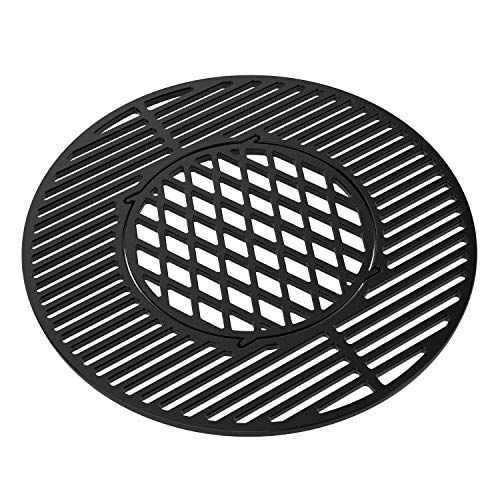
The onlyfire Cast Iron Grill Grate Replacement is a functional upgrade for anyone who owns a Weber 22-inch kettle charcoal grill. Instead of a single piece, this set includes a 21.5-inch outer grate with a removable 11.8-inch inner sear grate. This design lets you access the charcoal without lifting the whole cooking surface – a real convenience when you need to add more briquettes or wood chunks during a long smoking session.
This grate is built for backyard grillers who value heat retention and searing performance. Cast iron holds heat far better than standard steel grates, meaning less temperature fluctuation when you open the lid. Whether you're searing steaks hot and fast or slow-cooking ribs over indirect heat, the even heat distribution helps avoid cold spots. The inner grate is perfect for adding a quick sear after a low-and-slow cook, giving you that crusty bark on brisket or a perfect char on burgers.
Durability is a strong point. Cast iron is heavy – about 8 pounds total – but it resists warping even under high heat. With proper seasoning, it develops a natural nonstick surface that improves over time. Cleanup is straightforward: scrape off residue with a grill brush and oil lightly after each use. Rust can form if left wet, so store the grate in a dry place or cover your grill.
Installation is effortless – just drop it onto the existing grate support tabs in your Weber 22.5-inch Kettle, Premium, or Performer. The inner grate's raised side handles give you a secure grip, even with thick gloves. That said, the two-piece design means you lose a few square inches of cooking space compared to a single full-size grate. For most backyard gatherings, it's not an issue – you still have room for a dozen burgers or two large steaks.
This replacement grate is ideal for weekend BBQ enthusiasts who want better control over their charcoal cooks. It's also handy for tailgating setups if you use a kettle grill at the parking lot – the removable inner grate makes adding fuel fast. Campers who bring a charcoal kettle to the campsite will appreciate the even heat for roasting or searing. Just remember to pack a dry bag to keep the cast iron protected from moisture.
Overall, the onlyfire Cast Iron Grill Grate Replacement delivers real performance improvements for Weber kettle owners. If you like searing with cast iron and want easier access to your charcoal during long cooks, this is a solid, affordable upgrade.
The cast iron construction excels at heat retention, meaning the grate stays hot even after adding cold food. This gives you consistent sear marks and prevents the temperature from dropping too much when you load up the grill. The inner sear grate's smaller openings concentrate heat directly on the meat, creating a crusty exterior while keeping the inside juicy. For low-and-slow cooking, the outer grate works well for indirect heat – place the coals on one side and the food on the other. You can also move the inner grate to a cooler zone for gentle finishing. Overall, this grate system improves both high-heat searing and temperature stability.
Cast iron requires a bit more care than stainless steel, but it's simple once you get into the habit. After grilling, let the grate cool slightly, then scrub it with a stiff grill brush while still warm. Avoid soap – just hot water if needed, but drying thoroughly is crucial to prevent rust. Apply a thin coat of vegetable oil to the surface before storing. Over time, the seasoning builds up, creating a natural nonstick finish. The two-piece design makes cleaning easier – you can remove the inner grate and scrub it separately. Keep the grate in a dry place, and it will last for years.

Pros
- Greatly improves airflow for faster startup and better temperature control
- Solid cast iron build holds up to high heat and resists warping
- Compatible with many popular Kamado and ceramic grills – versatile replacement part
- Easy to clean – the open design allows ash to fall through without blocking vents
Cons
- Only available in one size (10.5 inch) – may not fit all grill models
- Cast iron requires regular seasoning to prevent rust in humid or outdoor conditions
- Some users may need to adjust charcoal placement to avoid smaller pieces falling through
If you own a Kamado-style grill, you know that airflow is everything. The Dracarys 10.5-inch cast iron charcoal grate is a simple but effective upgrade that helps your coals breathe better. Instead of fighting with clogged vents or uneven heat, this grate uses larger, well-spaced holes to let ash fall through while keeping the fire burning clean and hot. It's a drop-in replacement for many popular ceramic grills like Kamado Joe, Big Green Egg, Weber, and Pit Boss models.
This grate is built for backyard BBQ enthusiasts, tailgaters, and weekend pitmasters who want consistent heat for both low-and-slow smoking and high-temp searing. Whether you're smoking a brisket overnight or grilling burgers for a party, the improved airflow means you'll use less charcoal and reach your target temperature faster. For campers and RV owners who take their Kamado on the road, the lightweight cast iron won't add much bulk, and the simple design makes cleanup a breeze.
In real-world use, the Dracarys grate shines during long cooks. The cast iron holds heat well, so your fire stays stable without constant fiddling. When you want a searing hot zone for steaks, the open grate lets you build a concentrated fire without choking it. Ash management is noticeably better – the larger holes mean you don't have to tap the grate every few minutes to clear the vents. That said, if you use very small charcoal pieces, some may fall through, so you might need to adjust your fuel choice.
Build quality is solid. The grate is thicker and flatter than many OEM parts, which helps it sit level in the firebox. Cast iron does need a little care – a quick seasoning with oil after cleaning helps prevent rust, especially if you store your grill outside. The black finish looks good and matches most Kamado interiors. Installation takes about 30 seconds: just lift out your old grate and drop in the new one.
One thing to keep in mind: this is a 10.5-inch grate, so measure your existing grate before buying. Most standard Kamados will accept it, but some larger or smaller models may not. There's no need for extra tools or modifications, which is nice. For the price, it's a practical upgrade that makes your grill easier to fire up and control.
Overall, if you're tired of dealing with ash clogs or uneven heat in your ceramic grill, the Dracarys cast iron charcoal grate is a worthwhile investment. It's especially useful for backyard grillers who cook frequently and want a reliable, low-maintenance part that improves day-to-day grilling. Tailgaters and campers will appreciate the quick startup and less fiddling at the cook site. Just pair it with good lump charcoal and you're set for better BBQ sessions.

Pros
- Prevents food loss through grate while adding authentic grill flavor to delicate items
- Pre-seasoned finish is ready to use out of the box and improves with each cook
- Dual handles provide safe, easy handling even with heavy gloves or on hot grills
- Versatile for grilling, sauteing, and roasting on any grill type including charcoal, gas, or pellet
Cons
- Requires hand washing and seasoning maintenance to keep the non-stick surface optimal
- Heavier than some aluminum toppers, though still manageable for most campers and tailgaters
- May take a few uses to build up the seasoning if you prefer a super-slick surface
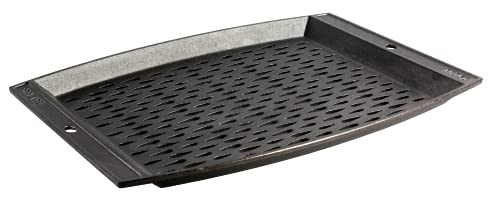
The Lodge Cast Iron Grill Topper is a smart, practical add-on for any outdoor cook. It's essentially a grilling pan that sits on top of your existing grate, giving you a solid surface for foods that are too small or delicate to handle over open bars. Think shrimp, sliced veggies, fish fillets, or even eggs for a campsite breakfast — this topper keeps them from falling into the fire while still letting that smoky, charred flavor come through.
This piece is best for backyard grillers who want more versatility from their gas or charcoal setup, campers and RV owners who need a lightweight solution for cooking small items, and tailgaters who appreciate the dual handles for easy transport. It also works great for patio cooks who want to add a griddle-like surface to their existing grill without buying a whole new flat top.
In real-world use, the cast iron delivers steady, even heat that sears well and holds temperature. It's not a fast-heating pan — cast iron takes a minute to get up to temp — but once it's hot, it stays hot, which is great for cooking batches of vegetables or fish without temperature drops. The smoke flavor comes through nicely because the food is still exposed to the grill's direct heat and smoke, just protected from falling through.
Build quality is solid. Lodge has been making cast iron in the USA since 1896, and this topper shows that heritage. The pre-seasoned coating is natural vegetable oil, so there's no synthetic chemicals or PFOA/PTFE. It's rust-resistant when cared for, and the 15-inch size fits most standard grills without being too bulky. Weight is 6.68 pounds, which is light enough to pack for camping or tailgating but heavy enough to feel sturdy on the grate.
Cleanup is straightforward — hand wash with warm soapy water and a nylon brush, then dry and re-oil lightly. It's not dishwasher safe, but that's standard for cast iron. The main limitation is that you need to maintain the seasoning to keep it non-stick, which is easy if you use it regularly. Also, it's not a full replacement for a griddle; it's a topper, so you're still limited by your grill's size.
Overall, this is a practical buy for anyone who wants to cook small, delicate foods on their grill without losing them. It's especially good for campers and tailgaters who want one accessory that works on any grill type. For backyard cooks, it's a simple way to expand your menu without buying a new cooking surface.

Pros
- Excellent heat retention and searing capacity for juicy steaks and burgers.
- Fits a wide range of popular Weber gas grill models - easy compatibility.
- Pre-seasoned and ready to use after initial curing - minimal setup required.
- Heavy, sturdy construction feels durable and long-lasting.
- Affordable price point compared to OEM Weber grates - great value.
Cons
- Cast iron requires regular maintenance - must oil and dry after each use to prevent rust.
- Very heavy (nearly 16 lbs) - not ideal for portable or camping setups.
- Initial seasoning process needed for best non-stick performance; may require patience.
If you own a Weber Spirit or Genesis gas grill and the original grates are looking worn or rusted, the Direct Store DC130 cast iron replacement set is a practical upgrade. These heavy griddles deliver the heat retention that cast iron is famous for, giving you restaurant-quality sear marks on steaks and burgers right in your backyard. They're designed to fit dozens of Weber models from the early 2000s through 2017, so there's a good chance they'll match your grill.
For backyard grillers and BBQ enthusiasts who love hosting weekend cookouts, these grates perform admirably. Cast iron holds heat much better than standard porcelain-coated steel, which means less temperature drop when you load up the grill. You get consistent heat across the cooking surface, making it easier to cook multiple items at once without hot spots. While a gas grill won't give you smoke flavor like charcoal or a smoker, the high heat from cast iron does create a nice char that adds depth to your food.
Build quality is solid - each grate weighs about eight pounds, so they feel substantial. The cast iron is pre-seasoned, but you'll want to do an initial high-heat seasoning and oiling before your first cook to build up a good non-stick layer. Once seasoned, they're fairly easy to maintain: just scrape off residue with a wire brush after grilling, apply a light coat of oil, and store them covered. Rust can be an issue if you leave them wet, but with basic care they'll last for years.
Installation is straightforward - these grates drop right into the existing slots on your Weber grill, no tools needed. The dimensions (17.5 x 11.9 inches each) give you a total cooking area of roughly 280 square inches, enough for about eight burger patties or a few steaks at once. For tailgating or camping, these grates are not ideal due to their weight, but for patio cooking and backyard entertaining they're fantastic.
A realistic limitation is the weight - at nearly 16 pounds for the set, they're a workout to lift in and out. They also need more upkeep than lighter porcelain grates. But if you prioritize cooking performance and durability, the trade-off is worth it. The price is very reasonable compared to OEM replacements, and the manufacturer offers responsive support if any damage occurs during shipping.
Overall, the Direct Store DC130 grates are a smart buy for Weber owners who want to restore their grill's cooking quality without spending a fortune. They're best suited for dedicated backyard cooks who don't mind a little extra maintenance for better searing and heat retention. If you love grilling burgers, steaks, and veggies on a gas grill, these grates will elevate your cookout game.
Cast iron grates are the gold standard for searing because they absorb and radiate intense heat. The Direct Store DC130 grates get hot quickly and hold that temperature, so when you drop a steak on the grill, you get an immediate sizzle and beautiful crust. This is especially helpful for gas grills that may have trouble reaching ultra-high temperatures - the cast iron compensates by storing thermal energy.
During a typical backyard cookout, you'll notice more consistent browning across the entire grate. The thick bars leave clean grill marks and don't lose heat when you flip meat. For burgers and chicken, the even heat reduces flare-ups because fat drips onto the metal bars and vaporizes instead of pooling. That said, you'll still need to manage drippings to avoid excessive smoking.
These grates also work well for low-and-slow cooks like indirect grilling of whole chickens or pork shoulders. The cast iron helps maintain a steady ambient temperature inside the grill. While you won't get smoke flavor from the grates themselves, they support long cooks without significant heat loss.
Keeping cast iron grates in top shape requires a little routine effort, but it's not difficult. After each use, brush off food residue with a stiff wire brush while the grates are still warm. Avoid soap - just scrub with hot water if needed, then dry thoroughly with a towel. Apply a thin layer of cooking oil with a paper towel to protect the surface from moisture.
For deeper cleaning, you can burn off buildup by running the grill on high for 15 minutes, then scraping. If rust spots appear, scrub them with steel wool, rinse, dry, and re-season the area. The initial seasoning process described in the product instructions - heating to 500-600 degrees for 10 minutes, then oiling and repeating - is crucial for building a protective layer. Once done, regular oiling keeps the surface non-stick and rust-free.
Because these grates are heavy, cleaning them in place on the grill is easier than lifting them out every time. Just be sure to protect the grill's interior from falling debris. With proper care, these grates will outperform most factory options and last for many grilling seasons.

Pros
- Excellent heat retention for consistent searing and even cooking
- Direct fit for many CharGriller and King Griller models, no modification needed
- Sturdy cast iron construction that holds up to high heat and heavy use
- Four-piece design offers flexibility for two-zone cooking or easy removal
Cons
- Cast iron is heavy, adding significant weight to the grill grates
- Requires seasoning and careful cleaning to prevent rust, especially in humid climates
- Some users may need to confirm exact measurements, as fit can vary slightly between models
If you own a CharGriller or King Griller gas grill and the original cooking grates are showing their age, the Votenli C6505A 4-pack of cast iron cooking grids is a practical replacement option. These grates are designed to fit a wide range of models, including the CharGriller 2121, 2123, 2222, 2828, 3001, 3008, 3030, 3725, 4000, 4208, 5050, 5072, 5252, 9020, and King Griller 3008 and 5252. Each grate measures 19 3/4 inches by 6 3/4 inches, and the set covers a total cooking area of 19 3/4 by 27 inches, giving you plenty of space for burgers, steaks, chicken, and veggies for a backyard party or tailgate.
Cast iron is a favorite among BBQ enthusiasts because it holds heat like nothing else. These grates get hot and stay hot, which means you get a solid sear on steaks and burgers without the grill temperature dropping when you load up the cooking surface. For weekend grillers who want that restaurant-quality char, this is a big plus. The heat retention also helps with even cooking across the entire grate, so you won't get hot spots that burn one side of your food while the other side stays undercooked.
Installation is straightforward. These grates are a direct replacement for the listed models, so you just pull out the old ones and drop these in. No tools or modifications needed. The weight is worth noting though. At about 16.7 pounds for the set, they are noticeably heavier than standard steel or porcelain-coated grates. That extra heft is what gives them their thermal mass, but it can make handling a bit more cumbersome, especially when you're cleaning them after a cook.
Durability is where cast iron shines, but it also demands a bit of care. These grates are built to last, resisting warping even under high heat. However, they are prone to rust if left exposed to moisture. After each use, you should scrape off any residue with a grill brush and then apply a light coat of oil to keep them seasoned. If you live in a humid area or store your grill outside, you might need to bring the grates indoors during rainy seasons. It's a small trade-off for the cooking performance they deliver.
One realistic limitation is the potential for breakage during shipping. Cast iron is brittle, and the manufacturer warns that the grids may be fragile in transit. When your package arrives, unpack and inspect each grate carefully. If any are cracked or broken, contact the seller right away. Also, double-check your grill model and the measurements before ordering. While the fit is compatible with many models, it's always smart to confirm that your specific grill uses grates of this size.
Overall, the Votenli cast iron cooking grid set is a solid choice for backyard grillers who want to revive an older CharGriller or King Griller gas grill. You get the heat retention and searing power of cast iron without the cost of a new grill. If you're willing to put in a little maintenance to keep them seasoned and rust-free, these grates will serve you well for many cookouts. For tailgaters and patio cooks who value performance over convenience, this is a practical upgrade.
Cast iron grates are known for their ability to hold and radiate heat evenly, and the Votenli set delivers on that promise. When you preheat your grill, these grates get hot fast and maintain that temperature even when you add cold food. This means better sear marks on steaks and burgers, and more even cooking across the whole surface. The four-piece design also allows you to set up two-zone cooking: you can pile coals or turn on burners on one side for direct high heat, while the other side stays cooler for indirect cooking. This is great for thicker cuts like chicken breasts or pork chops that need to cook through without burning on the outside.
Cast iron is built to last, but it does require some upkeep. These grates are heavy and sturdy, and they won't warp or bend under normal grilling temperatures. The main thing to watch for is rust. After each use, clean off any food residue with a grill brush while the grates are still warm. Then apply a thin layer of cooking oil to keep them seasoned. If you store your grill outside, consider covering it or bringing the grates indoors during wet weather. With proper care, these grates can outlast your grill. The manufacturer also recommends careful unpacking, as cast iron can crack if dropped or handled roughly during shipping.
These grates are ideal for backyard grillers who already own a compatible CharGriller or King Griller gas grill and want to upgrade the cooking surface without buying a new grill. They work great for weekend BBQs, tailgating, and patio cooking where you want high heat for searing. The large surface area can handle enough burgers or chicken for a family gathering or small party. If you're into low-and-slow smoking, these grates will hold heat well for indirect cooking, but remember that they are designed for gas grills, not dedicated smokers. For campers or RV owners, the weight might be a drawback, but if you have a portable gas grill that fits these dimensions, they can still be a good option for campsite cooking.
Comprehensive Guide to Preparing and Seasoning Cast Iron Grill Grates
Cast iron remains one of the most capable cooking surfaces available for outdoor barbecue enthusiasts. Its dense structure stores thermal energy efficiently, allowing grates to deliver consistent sear marks across meats and vegetables. Achieving that performance requires establishing a stable, polymerized oil barrier directly over the porous metal. Understanding the preparation sequence prevents sticking food, shields the iron from environmental humidity, and prolongs the service life of your grilling components.
Distinguishing Factory Finishes: Pre-Seasoned, Raw, and Enameled Surfaces
Before applying heat or cooking oil, you must determine what type of surface coating currently protects your grates. Certain cookware items, such as the Lodge Pre-Seasoned Cast Iron Round Grilling Pan and the Lodge Pre-Seasoned Cast Iron Rectangle Grill Topper, arrive from the factory pre-seasoned with baked-on vegetable oil. Other replacement components, like the Votenli C6505A cast iron cooking grates or Direct Store replacement sets, often ship with a light protective oil intended strictly to prevent oxidation during transit. Porous raw cast iron appears dull gray and rough, whereas factory-seasoned pieces display a uniform semi-matte black or dark bronze finish.
Identifying these surface distinctions directly impacts how aggressively you must clean and prepare the metal before cooking. Raw cast iron requires multiple thorough seasoning cycles to develop a resilient non-stick surface from scratch. Pre-seasoned items still benefit from a gentle preparatory burn-in and a fresh coat of high-heat oil to reinforce the base layer. Glossy shipping coatings, on the other hand, must be stripped away completely before any cooking session begins.
Initial Cleaning: Removing Factory Residue and Shipping Oils
Unboxing brand-new grates requires an initial wash to remove airborne factory dust, packaging particles, and transit inhibitors. Manufacturers frequently apply light mineral oils or wax coatings so bare metal parts do not oxidize inside shipping containers. While seasoned iron should rarely touch aggressive detergents, this initial cleaning is an exception where warm water and mild dish soap are appropriate. Scrubbing the entire surface with a stiff nylon brush breaks down those transit coatings without gouging the underlying iron.
Thorough rinsing under clean running water removes all emulsified residues and soap remnants from between the bars. Once the wash is complete, speed is essential because standing water promotes rapid flash rusting on raw metal within minutes. Pat the grates vigorously with clean cotton towels or shop rags until no surface moisture remains. Transferring the grates directly into a warm grill or oven drives out any moisture trapped deep inside the microscopic pores of the metal.
Selecting the Best Oil for Cast Iron Polymerization
Seasoning is not merely greasing metal; it is a chemical process where liquid fats transform into a hard, slick polymer matrix under high temperatures. Selecting an oil with a high smoke point and a high concentration of polyunsaturated fats ensures a tough, durable bond. Canola oil, grapeseed oil, sunflower oil, and refined avocado oil represent reliable choices for this heat-driven transformation. These cooking oils tolerate temperatures exceeding four hundred degrees Fahrenheit without breaking down into acrid ash or sticky residue.
Unrefined oils, butter, and animal lards require extra caution when preparing grates for long-term outdoor storage. Olive oil possesses a relatively low smoke point and contains organic compounds that scorch easily during prolonged searing sessions. Solid animal fats can also turn rancid over extended storage periods if the grill remains idle in humid summer weather. Sticking to neutral vegetable oils with established high-heat stability guarantees a uniform, odorless finish that holds up across repeated cooks.
The Step-by-Step Burn-In and Seasoning Procedure on the Grill
Applying the seasoning oil requires a light touch, as excess fat is the primary cause of tacky, uneven surfaces. Pour a small amount of your chosen oil onto a lint-free cloth or folded paper towel, then wipe every contour of the grate, including the undersides and side edges. Take a second clean cloth and vigorously buff the entire grate until the iron appears nearly dry to the eye. You want only a microscopic film of oil clinging to the iron crystals rather than visible liquid pools.
Place the oiled grates inside your gas or charcoal grill and ignite the heat source to initiate polymerization. If you are conditioning replacement parts like the Direct Store DC130 cooking grates, bring the grill internal temperature toward five hundred to six hundred degrees Fahrenheit. Maintain this heat with the lid closed for ten to fifteen minutes, then shut off the burners to let the grates cool slowly in place. Repeating this wipe-and-heat sequence two or three times builds a resilient protective shield that repels moisture effectively.
The Oven Seasoning Alternative for Removable Grates and Toppers
Inclement outdoor weather or windy conditions can make maintaining steady grill temperatures difficult during initial seasoning sessions. An indoor kitchen oven offers precise temperature control and uniform ambient heat for smaller modular grates and grill toppers. Before heating the cookware indoors, ensure your kitchen ventilation hood is running or open a nearby window to clear minor oil smoke. Position an oven rack in the middle position and place a wide sheet of aluminum foil on the lower rack to catch stray drips.
Apply your microscopic film of oil to the cookware, wipe it thoroughly dry, and place the iron upside down on the center rack. Baking the grates upside down prevents any residual oil from collecting in corners or clogging the narrow openings of perforated grilling pans. Set the oven to four hundred and fifty degrees Fahrenheit and bake the components undisturbed for one full hour. Switch off the oven when the cycle concludes and leave the door cracked slightly, letting the iron cool down gradually in place.
Restoring Neglected, Weathered, or Rusty Cast Iron Grates
Leaving cast iron exposed to outdoor humidity, rain, or accumulated cooking acids frequently results in surface rust. Fortunately, iron is exceptionally forgiving, and surface oxidation rarely indicates that the grates are ruined beyond recovery. Restoring neglected metal begins with mechanical abrasion using a stiff brass or stainless steel wire brush to scour away loose orange flakes. Coarse steel wool or abrasive synthetic pads help reach into narrow channels and tight welds where rust tends to hide.
Severe rust encrustations that resist manual brushing often dissolve when soaked in a balanced solution of equal parts white vinegar and warm water for thirty to sixty minutes. Immediately after removing the grates from the bath, neutralize the remaining acid by washing the iron with warm soapy water and drying it completely. Because vinegar strips away all prior seasoning layers, the bare metal will be vulnerable to immediate flash rusting. Begin the baseline seasoning process right away by rubbing on high-smoke-point oil and baking the components under sustained heat.
Pre-Cook Rituals: Heat Management and Surface Oiling
Preparing your grates immediately before cooking ensures food releases cleanly without tearing delicate crusts. Always preheat your grill with the lid closed for ten to fifteen minutes before introducing steaks, chops, or poultry. Dense cast iron requires several minutes of direct exposure to absorb heat deeply and distribute it evenly across every cooking bar. Laying cold food onto lukewarm iron causes proteins to contract into the microscopic crevices of the metal, creating stubborn sticking points.
Once the grates reach full cooking temperature, sweep a dedicated grill brush firmly across the bars to dislodge charred residue from prior cooks. Fold a heavy paper towel into a tight square, grasp it securely with long-handled barbecue tongs, and dip it lightly into cooking oil. Sweeping the oiled towel across the hot bars creates a fresh, slick contact zone right before laying down ingredients like a barbecue chicken wings recipe. This quick pre-cook ritual protects the seasoning layer while guaranteeing sharp, defined grill marks on every serving.
Post-Grilling Maintenance and Moisture Management
Proper care immediately following a barbecue session preserves the hard-earned seasoning and prevents corrosion between uses. While the grates remain warm, scrape away food debris using a wooden scraper or bristle-free grill brush. Avoid dumping cold water over blistering hot iron grates, as sudden thermal contraction can crack heavy cast components instantly. If you use specialized tools like the onlyfire Cast Iron Grill Grate Replacement Gourmet system, you can easily lift the center sear section for spot cleaning without moving the outer frame.
Dishwashing detergents and soaking tubs should never be used for routine post-cook cleaning once your seasoning is established. Detergents contain degreasing surfactants designed to dissolve fats, which slowly weakens the polymerized protective film over time. Conclude your cleanup routine by applying a microscopic film of oil across the warm cooking surface before closing the grill lid. Keeping your grill protected beneath a breathable, water-resistant cover prevents rain intrusion and morning condensation from gathering on the iron.
Structural Differences: Cooking Grids, Perforated Toppers, and Charcoal Plates
Different cast iron accessories serve unique functional roles around your outdoor cooker and require specialized care routines. Primary cooking grids, such as the Barebones Heavy Duty Grill Grate or heavy gas grill replacements, feature thick, widely spaced bars built to withstand direct open flames. Perforated accessories, like the Lodge 12-inch round grilling pan and 15-inch grill topper, utilize tight grid patterns designed specifically to keep shrimp, diced vegetables, and delicate fish from dropping into the coals. These perforated pieces feature numerous small cutouts that require careful oil application to ensure complete coverage across all inner edges.
Open grill grates allow grease and meat juices to drip away into the flames, producing distinctive wood and charcoal smoke flavors. By contrast, a solid outdoor griddle cooking surface retains all rendered fats and cooking liquids directly beneath the food, demanding a different grease drainage routine during preparation. Meanwhile, heavy-duty firebox accessories like the Dracarys 10.5 inch Cast Iron Charcoal Grate focus entirely on supporting hot coals and promoting continuous airflow. Charcoal plates sit beneath burning fuel where accumulated ash can absorb moisture and form corrosive paste, requiring frequent ash cleanouts rather than surface seasoning.
Common Preparation Mistakes and How to Prevent Them
One of the most frequent mistakes made during cast iron preparation is applying too much oil during the seasoning cycle. When oil pools along the bottom or edges of the bars, it cannot polymerize evenly into a hard shell. Instead, excess oil turns into a sticky, gummy varnish that attracts soot and flakes away in ugly patches under intense heat. If your grates feel tacky after heating, scrub them back down with hot water and a scouring pad, then re-cure with a significantly thinner oil film.
Cooking highly acidic foods during your first few grilling sessions can quickly degrade a fresh, immature seasoning layer. Tomato marinades, citrus glazes, and vinegar-based mop sauces chemically react with iron and strip away developing polymers. Focus your initial cooking sessions on fatty proteins like burgers, bacon, or well-marbled steaks to naturally reinforce the patina. When curing grates on your grill, always operate outdoors away from structures, and never run a fuel-burning grill inside a garage or enclosed breezeway due to severe carbon monoxide and fire hazards.
Long-Term Storage and Protecting Cast Iron in Humid Climates
Grill owners living in coastal regions or areas with high seasonal humidity face unique challenges when preserving cast iron components. Airborne sea salt accelerates electrochemical corrosion, converting bare iron into rust far faster than dry inland conditions. If your cooker will sit unused throughout winter months or extended travel periods, consider removing the grates for indoor storage. Wrapping clean, lightly oiled grates in dry brown craft paper or cloth bags protects them from airborne humidity while preventing physical scratches.
If grates must remain inside the grill year-round, inspect the interior regularly and maintain a fresh coat of cooking oil on the metal. Direct Store manufacturer guidance suggests brushing cooking oil periodically across grates exposed to salty coastal air to preserve surface protection over time. Ensure the grill lid vent is partially shielded from wind-driven rain, and never store a wet grill beneath an airtight vinyl cover that traps rising humidity. Consistent protective coats and controlled air circulation keep your heavy iron grates pristine and ready for cooking year after year.
Diligent preparation, regular oil buffing, and disciplined moisture control turn cast iron into an exceptionally reliable outdoor cooking surface. Developing a durable polymer layer takes patience during the initial burn-in, but the reward is unmatched heat retention and clean food release. By washing away transit residues, applying microscopic layers of high-heat oil, and cleaning gently after every session, you protect your grilling investment. Treat your cast iron with care, and it will reward you with superior sears across countless backyard meals.




Write Your Review
No reviews yet. Be the first to share your experience!