


Outdoor cooking equipment faces constant exposure to humidity, rain, and acidic combustion residue that rapidly degrades bare metal. Understanding how to keep charcoal grill from rusting is essential for protecting your investment and ensuring dependable heat retention during every cookout. High heat burns away standard factory coatings, leaving steel bowls, lids, and cooking grates vulnerable to oxidation when oxygen binds with iron in damp environments. Setting up a dedicated outdoor cooking station, perhaps alongside a sturdy rolling barbecue prep table, helps you maintain an orderly workflow for cleaning and covering your equipment right after every backyard session.
Rust prevention on charcoal cookers relies on moisture management, ash disposal, and protective oil seasoning rather than harsh chemical sprays. Wet charcoal ash creates an alkaline paste that aggressively eats through bottom kettle vents and steel bowls if left sitting between cooks. Establishing a straightforward maintenance routine shields bare iron surfaces, keeps dampers sliding smoothly, and prevents structural degradation over years of steady grilling. Pairing clean-burning fuels such as TEK All Natural Hardwood Charcoal for Grills & BBQ with proper airflow habits ensures your cooker stays clean and ready for weekend barbecues.

Pros
- 100% natural hardwood with no fillers or chemicals for clean flavor.
- Easy to light even without lighter fluid, saving time and hassle.
- Consistent heat distribution helps avoid hot spots and uneven cooking.
- Low smoke production means less irritation and better visibility while grilling.
Cons
- The 5 lb bag is relatively small, so it may not be enough for large gatherings or long smoking sessions.
- Log style pieces can vary in size, which might require breaking for smaller grills or fire pits.
- Some users may prefer lump charcoal over log style for faster ignition and higher heat output.
TEK All Natural Hardwood Charcoal is a solid choice for anyone who values clean, natural fuel for their outdoor cooking. This log-style charcoal is made from 100% hardwood with no additives, binders, or chemicals. It's designed to light easily, burn hotter, and last longer than standard briquettes while producing minimal smoke. Whether you're firing up a backyard grill, packing for a camping trip, or tailgating before the big game, this charcoal aims to deliver consistent performance without the fuss.
For backyard grillers and BBQ enthusiasts, the even heat distribution is a standout feature. You can sear steaks with confidence, grill burgers for a crowd, or set up a two-zone fire for low-and-slow cooking. The low smoke output means fewer flare-ups and a more pleasant cooking experience, especially when entertaining guests on the patio. The 5-pound bag is lightweight and easy to carry, making it a practical option for quick weeknight dinners or weekend cookouts.
Campers and RV owners will appreciate the portability and ease of lighting. No need for lighter fluid or a chimney starter if you're in a hurry – just light a few pieces and you're ready to cook. The long burn time of up to five hours means you can grill a full meal or even do some foil-packet cooking without constantly adding more charcoal. It's also a great fit for portable grills and fire pits where space and fuel efficiency matter.
Build quality is straightforward – it's natural hardwood, so what you see is what you get. The log style pieces are sturdy and hold their shape during burning, which helps maintain airflow and heat consistency. There are no grates or moving parts to worry about, and cleanup is as simple as disposing of ash. The bag itself is resealable, which keeps the charcoal dry and ready for your next cookout.
One realistic limitation is the bag size. At 5 pounds, it's best suited for smaller grills or shorter cooking sessions. If you're planning to smoke a brisket or feed a large party, you'll likely need multiple bags. Also, the log shape may not fit neatly into all charcoal baskets or small grills, so you might need to break a few pieces. But for most everyday grilling, camping, or tailgating needs, this charcoal performs admirably.
Overall, TEK All Natural Hardwood Charcoal is a reliable, eco-friendly fuel option that balances convenience with performance. It's ideal for backyard cooks who want natural flavor without chemical aftertaste, campers who need a hassle-free fire, and tailgaters who value portability and quick heat. If you're looking for a clean-burning charcoal that delivers consistent results, this bag is worth adding to your outdoor cooking gear.
Complete Guide to Preventing Charcoal Grill Rust and Corrosion
Keeping a charcoal grill free from rust requires managing three destructive elements: trapped moisture, caustic ash accumulation, and unprotected raw iron. Outdoor charcoal grills endure violent thermal expansion cycles that degrade factory coatings and invite rapid oxidation. By taking deliberate steps after every cookout to clear spent fuel, build a cured oil barrier, and ensure dry storage, you can protect the structural integrity of your cooker for many seasons of dependable service.
The Chemistry of Grill Rust and Metal Degradation
Rust forms on outdoor grills through iron oxidation. When iron, oxygen, and ambient moisture interact, the iron atoms shed electrons to oxygen, creating hydrated iron oxide. This process weakens the underlying steel or cast iron, creating reddish flakes that chip away and expose fresh metal. Charcoal cookers face heightened risk because intense fire continually breaks down protective finishes.
Combustion temperatures inside a charcoal kettle frequently climb past eight hundred degrees Fahrenheit. These extreme thermal shifts cause the metal to expand and contract repeatedly, forming microscopic hairline fractures in porcelain coatings. Ambient humidity and morning dew then enter these tiny fissures, initiating corrosion beneath the surface. Grates made from carbon steel or bare cast iron require manual seasoning to prevent oxygen from reaching the raw metal.
High humidity environments, coastal salt air, and regular rain showers speed up atmospheric corrosion significantly. Salt particles and airborne acids act as electrolytes that accelerate the transfer of electrons between iron and oxygen. Grills positioned on open decks near coastal air or damp grass experience rapid degradation. Recognizing these environmental stressors helps you design an effective upkeep schedule.
The Ash Hazard: Why Charcoal Residue Destroys Grill Bowls
Leaving cold charcoal ash sitting in the bottom of your grill bowl is the leading cause of bottom kettle rot. Wood ash contains high concentrations of potassium carbonate and wood salts. When this dry ash absorbs moisture from rain or humid air, it creates potassium hydroxide, a caustic compound known as lye. This caustic paste clings to the steel firebox and corrodes metal plates rapidly.
Using quality fuel such as TEK All Natural Hardwood Charcoal for Grills & BBQ helps reduce the volume of unburned binders that worsen ash accumulation. Natural hardwood lumps burn down into finer, cleaner ash than low-grade briquettes held together with chemical additives. Even with cleaner-burning hardwood charcoal, the remaining mineral residue remains intensely alkaline and pulls moisture out of the surrounding air like a sponge.
Grill owners must establish a firm routine of clearing the ash catcher once the coals are fully extinguished. Waiting days between cookouts allows ambient dew to soak into the fire bowl repeatedly, creating rust pits around bottom sweep blades. Empty the ash pot into a galvanized metal can shortly after each session once the fuel cools completely. This single preventative step prevents lower bowl burn-throughs.
Seasoning Bare Metal and Cooking Grates with Oil
Seasoning is the process of baking high smoke-point vegetable oil onto bare metal surfaces to create a slick polymer shield. When cooking oil reaches its polymerization point under heat, fatty acids cross-link into a tough, plastic-like protective layer. This cured surface blocks moisture and oxygen from reaching the raw iron underneath, acting as the primary barrier against atmospheric oxidation for cast iron and steel.
Selecting the correct oil ensures a stable bond without generating gummy residue on your cooking surfaces. Refined cooking oils such as canola oil, grapeseed oil, or avocado oil work exceptionally well because they withstand high temperatures without scorching prematurely. Avoid using salted butter or bacon grease for rust prevention. Animal fats contain salts and moisture that corrode metal, while unrefined oils leave sticky finishes.
To season your cooking grates, wipe all surfaces with a paper towel soaked lightly in your chosen vegetable oil. Buff the metal firmly so only a microscopic sheen remains rather than pooling droplets that produce sticky buildup. Place the coated grates inside the grill and let the cooker run at medium heat for forty-five minutes until the surface turns matte black. Repeating this coating procedure after heavy cookouts maintains a resilient non-stick finish.
Ventilation, Condensation, and Grill Cover Practices
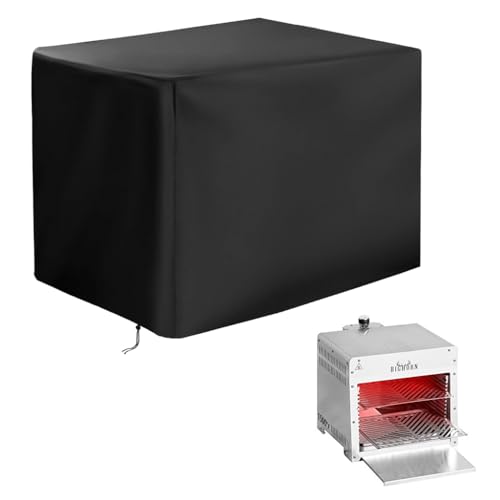
Purchasing an outdoor grill cover seems like an obvious solution, but improper covering habits can accelerate rust. Standard waterproof covers keep driving rain off your cooker, but they also trap ground evaporation and ambient humidity beneath the fabric. When nighttime temperatures drop, the moisture trapped inside condenses on cold metal, turning the cover into a humid greenhouse.
Choosing a cover made from breathable fabric with built-in air vents helps trapped condensation escape into the surrounding atmosphere. Look for covers constructed from heavy-duty polyester with mesh venting panels positioned near the top seams. Avoid rigid vinyl covers that lack air vents, as these trap moisture indefinitely. Never drape a cover over a warm cooker, which produces heavy internal condensation against the lining.
Strategic placement in your yard further reduces the moisture burden on your charcoal grill. Position the grill on elevated decking or concrete rather than directly on damp turf where ground moisture evaporates continuously into bottom vents. Storing the grill under a patio roof provides overhead protection while allowing natural air circulation. Remove the cover on sunny, dry days to let fresh air circulate freely.
Safe Operating Placement and Enclosed Space Warnings
Charcoal grills produce intense heat, airborne sparks, and substantial volumes of carbon monoxide gas during normal operation. Carbon monoxide is an invisible, odorless, and highly toxic gas that displaces oxygen in the bloodstream, leading to asphyxiation. You must never operate a charcoal grill inside a garage, carport, enclosed porch, breezeway, or storage shed under any circumstances. Even opening garage doors or running exhaust fans does not prevent fatal carbon monoxide buildup.
Operating a fuel-burning cooker indoors or in semi-enclosed structures also creates a severe fire hazard. Charcoal embers can pop out of bottom intake dampers, ignite flammable garage contents, or ignite overhead wooden framing. Authoritative fire safety standards recommend operating charcoal grills strictly outdoors on stable, non-combustible surfaces. Maintain a minimum perimeter clearance of ten feet away from house walls, deck railings, and dry vegetation.
Storage after cooking requires equal caution to prevent accidental structure fires. Wait until all coals have extinguished completely and the grill body is cool to the touch before moving the cooker near walls or into storage areas. Do not store charcoal bags or lighter fluids against the metal kettle. Following manufacturer operating manuals and local fire codes ensures your maintenance routine remains safe.
Post-Cooking Cleaning Without Stripping Protective Coatings
Routine cleaning is necessary to remove food drippings, but aggressive washing techniques often strip away the protective seasoning that keeps iron safe. Soaking charcoal grates in soapy water exposes microscopic metal pores to water that quickly oxidizes into flash rust. Degreasing soaps dissolve cured oil layers, leaving the underlying steel completely bare and vulnerable to morning condensation.
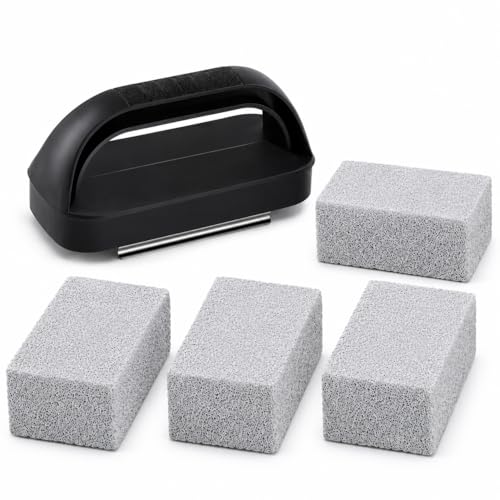
Cleaning is most effective when executed immediately after cooking while the grates remain warm. Scrape stuck residue using a bristle-free grill scraper, a wooden paddle, or crumpled aluminum foil held in cooking tongs. Sugary glazes left behind from dishes like a crispy barbecue wings recipe can attract moisture and accelerate corrosion if left uncleaned. Brushing away sticky residue while the grate is hot prevents sugars from trapping ambient moisture against the steel.
If stubborn grease demands a deeper scrub, use a paste of baking soda and a damp cloth rather than soaking the metal in water. Dry the surface immediately with a clean towel and place the grates back over warm coals to evaporate lingering moisture from weld spots. Once the metal is completely dry, apply a light coat of cooking oil to restore the hydrophobic barrier before closing the vents.
Restoring Light Surface Rust Before Metal Fails
Catching rust in its early stages prevents permanent structural failure and salvages expensive cooking grates. Light surface rust appears as an orange powder that rubs off onto a rag, whereas deep corrosion produces flaking metal and deep pitting. Surface rust is straightforward to remedy with basic abrasive tools, but deep structural pitting weakens the steel gauge. Inspecting your charcoal cooker monthly helps you identify oxidation before it penetrates deeply.
To eliminate surface rust from cooking grates, scrub the dry metal with medium-grade steel wool or a brass wire brush. For stubborn rust patches, apply a mild white vinegar solution to dissolve oxidized flakes, then scrub down to bare iron. Vinegar is an acid, so you must rinse the treated area with fresh water immediately and neutralize it with a quick baking soda wash to prevent flash rusting.
Once you remove the rust, dry the metal thoroughly with heat from a chimney starter or warm oven. Raw iron begins to oxidize within minutes in humid air, so you must apply an initial protective oil layer immediately after drying. Rub vegetable oil over every exposed surface, then bake the grates over medium coals for an hour. Rebuilding this protective barrier stops moisture from penetrating the freshly cleaned metal.
Hardware, Damper, and Porcelain Enamel Maintenance
Rust prevention extends beyond the main cooking grates to include hardware, intake dampers, leg sockets, and lid handles. Aluminum air dampers do not rust, but the steel mounting rivets and friction washers holding them in place will corrode and seize over time. Spraying hinges and damper bolts with food-safe mineral oil keeps mechanisms sliding smoothly without introducing toxic petroleum distillates near your food zone. Inspecting leg joints prevents structural wobbles.
Porcelain-enameled kettles provide exceptional rust resistance because the glass coating permanently isolates the underlying steel from air and moisture. However, dropping grill tools or banging lid edges can chip this brittle ceramic layer, exposing raw steel underneath. Once chipped, rust spreads beneath the surrounding enamel, causing large flakes of ceramic coating to pop off over time. Inspect your kettle exterior regularly for small chips and stress fractures.
Treat chipped exterior enamel promptly to stop moisture from creeping beneath the healthy coating. Clean the chipped area thoroughly with isopropyl alcohol, scuff the exposed raw metal with fine sandpaper, and apply high-heat touch-up paint rated for high temperatures. Never apply paint to interior surfaces, cooking grates, or direct food contact zones where fumes could contaminate meals. For interior chips, coat the raw steel spot with cooking oil to form a natural seal.
Developing an Enduring Grilling Maintenance Schedule
Maintaining a rust-free charcoal grill is an ongoing habit rather than a one-time chore. A quick two-minute post-cook routine preserves your equipment with far less labor than periodic deep restorations. After each session, brush the grates while warm, apply a micro-thin sheen of oil, and sweep the ash out once the coals are cold. These three basic actions eliminate nearly all moisture-trapping contaminants before they can react with bare metal.
Seasonal deep cleans prepare your grill to survive wet winter months or extended stretches between cookouts. Before storing the grill for the season, scrape out grease deposits, scrub and oil all grates, and ensure the interior firebox is completely dry. Store the clean cooker in a dry shed with the air dampers slightly cracked to promote gentle air circulation, preventing internal condensation from building up.
Taking care of your outdoor cooker ensures that your cooking grates deliver clean searing heat and steady airflow whenever you decide to light the coals. Quality charcoal, disciplined ash management, and regular vegetable oil seasoning create a reliable barrier against ambient moisture. With these practical maintenance steps in place, your charcoal kettle will remain structurally sound and completely rust-free for many years.





Write Your Review
No reviews yet. Be the first to share your experience!