


Stepping outside to cook over an open flame transforms everyday dinner preparation into an enjoyable culinary ritual. Whether you prefer burning charcoal briquettes for smoky flavor or igniting propane burners for weeknight convenience, understanding how to grill on an outdoor grill begins with deliberate temperature management and proper preparation. Many beginners struggle with stubborn flare-ups, uneven browning, or food sticking tightly to cold grates before they establish a repeatable routine. Setting up your cook area with a sturdy rolling barbecue prep table keeps raw ingredients, clean platters, and heat-resistant utensils organized right beside your cooking station.
Mastering your outdoor cooker requires more than merely cranking the heat dials and flipping meat at arbitrary intervals. Creating distinct direct and indirect heat zones allows you to sear steaks aggressively over direct flames while gently roasting thicker cuts without scorching their exteriors. You also need to prioritize outdoor grill safety, reliable internal temperature monitoring, and routine grate maintenance to ensure every outdoor meal turns out flavorful and safe. With a few foundational techniques and the right approach to heat control, you can approach any cookout with complete confidence.

Pros
- Comprehensive recipe library covering virtually every protein, vegetable, and marinade
- Clear instructions on setting up two-zone heat and managing live flames
- Convenient digital format fits easily on a phone or tablet right at the grill station
- Straightforward ingredient lists focused on authentic flavor without unnecessary filler
Cons
- Requires keeping a phone or tablet nearby, which exposes your screen to grease and smoke
- Digital layout lacks full-color photos for every individual recipe
- Cannot replace physical hardware like grill thermometers or meat probes
How to Grill Everything functions as a practical instructional blueprint for outdoor cooks rather than a standard piece of cooking hardware. Operating as a digital reference manual, it is built to bridge the gap between basic flame roasting and true temperature mastery across charcoal grills, gas burners, and backyard smokers.
This guide is best suited for backyard barbecue enthusiasts, patio cooks, campers, and tailgaters who want quick, reliable recipe blueprints without flipping through bulky, sauce-splattered hardcovers. Whether you are firing up a compact portable grill at a tailgate or running an all-day smoking session on your patio, the instructions focus heavily on practical fire management and fundamental outdoor techniques.
The instructional content emphasizes real-world cooking performance, guiding you through hot-and-fast searing, indirect baking, and gentle smoke infusion. It breaks down essential skills such as establishing dual-zone heat, managing airflow to maintain steady temperatures, and timing meat correctly to lock in juices and avoid burnt crusts caused by uncontrolled flare-ups.
In terms of usability and outdoor convenience, the Kindle format proves remarkably functional around a working barbecue station. You can pull up cook times, ingredient ratios, and sauce recipes instantly on your smartphone or a weather-resistant tablet stand, keeping your prep tables clean and free of heavy book stands that can tip over in windy weather.
A realistic limitation is that navigating a digital screen with barbecue tongs or sauce-covered hands can get messy, requiring you to wipe your fingers or protect your device from stray grease splatters. Visual cooks may also notice that not every recipe features a finished color photograph, prioritizing sheer recipe density and technique instruction instead.
For anyone serious about improving their backyard barbecues, weeknight patio dinners, or outdoor campsite menus, this digital grilling guide offers tremendous practical value. It takes the guesswork out of fire cooking and serves as a dependable companion beside any grill setup.
The core strength of this outdoor cooking guide lies in its focus on thermal dynamics and fire control. It teaches grillers how to read flame intensity, organize charcoal piles for indirect baking, and dial in gas burner valves to prevent food from scorching.
Readers learn how to achieve crisp exterior sears on thick steaks while keeping the center tender, along with techniques for sustaining steady low heat for tender ribs and pulled meats. The advice on using wood chips and wood chunks also helps patio cooks extract clean, aromatic smoke flavor without over-smoking their food.
This recipe guide excels in backyard barbecue settings where you need versatile menu options that please a crowd, from simple flame-broiled burgers to seasoned grilled vegetables and fish. Its streamlined layout makes meal planning painless during weekend cookouts.
It is equally useful for tailgating and campsite adventures where space and weight are strictly limited. Storing hundreds of recipes directly on your mobile device leaves your vehicle trunks and camp bins open for coolers, fuel, and grilling gear.
Pros
- Safe for all common cooking grate materials including stainless steel, porcelain-enameled cast iron, and plain cast iron.
- Non-flammable and non-corrosive – no harsh chemicals or fumes that could affect food or your grill's finish.
- Doesn't irritate skin, so you can clean without rubber gloves and not worry about chemical burns.
- Effective at cutting through baked-on grease and carbon buildup with minimal scrubbing effort.
- Versatile enough for grills, smokers, ovens, and microwaves – a multi-surface cleaner for your outdoor kitchen.
Cons
- Spray bottle could be larger for frequent users who clean multiple grills or smokers often.
- May require multiple applications for heavily caked-on residue from months of neglect.
- Not formulated for exterior grill surfaces or painted components – only for cooking grates.
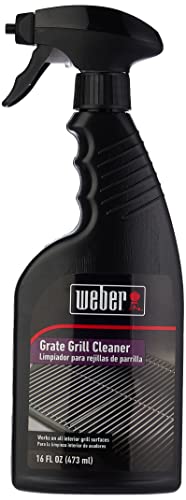
If you spend a lot of time around a hot grill, you already know that clean grates are the key to great sear marks and easy release. But scrubbing with harsh chemicals or worrying about what's getting into your food isn't fun. Weber's Grill Grate Cleaner and Degreaser takes that pain point and turns it into a quick spray and wipe routine. Designed for all standard cooking grate surfaces – including stainless steel, porcelain-enameled cast iron, and plain cast iron – this 16 oz spray bottle is a no-nonsense solution for anyone who grills regularly, from weekend burger flippers to competitive BBQ enthusiasts.
The standout feature here is the formula itself. It's non-flammable, non-corrosive, and completely free of phosphates. That means you can use it on your expensive Weber kettle grates or your portable camp stove without worrying about damaging the finish. And because it's safe for skin, you don't have to glove up every time you want to wipe down the grate. That's a real convenience when you're juggling tongs, basting brushes, and a cold drink in the backyard. For tailgaters and campers who need to clean up fast before packing up, this cleaner is a huge time-saver.
Performance-wise, this stuff does the job. It sprays on as a fine mist that clings to the grate, working its way into baked-on grease and carbon residue. A short soak – maybe a few minutes – and then a stiff brush or cloth gets the grime off with much less elbow grease than a dry scrub. It's particularly effective on those stubborn black deposits that form on cast-iron grates after repeated high-heat searing. For porcelain-enameled surfaces, it's gentle enough that it won't chip or dull the coating, which is a common worry with abrasive cleaners.
Versatility is another big plus. While the bottle says it's for grill grates, Weber also markets this for use on smokers, ovens, and microwaves. That makes it a solid all-around cleaner for the outdoor kitchen setup. Whether you're cleaning up after a 12-hour brisket smoke on a pellet grill or wiping down a flat-top griddle after a breakfast cookout, this spray can handle the mess. Just be sure to avoid painted exterior surfaces or non-stick coatings, where it could cause damage or discoloration.
For practicality, the 16 oz size is ideal for a season of regular use. It's not huge, so it won't take up much space in a cabinet or a camping tote. The spray nozzle dispenses a consistent mist, and the bottle sits upright without leaking. Cleanup is straightforward: spray, scrub, rinse with water, then dry. Unlike some aerosol cleaners that leave a sticky residue, Weber's formula rinses clean, so your next cook won't have any chemical taste or smell issues.
If you're a backyard griller who wants to maintain your gear without harsh chemicals, or a tailgater who needs a quick cleanup between games, this cleaner is a smart buy. It's not going to magically dissolve a decade of neglect in one spray, but for regular maintenance and moderate buildup, it's effective and user-friendly. For serious outdoor cooks who value both convenience and ingredient safety, Weber Grill Grate Cleaner is a simple upgrade to your cleaning routine that helps your grates last longer and perform better.
Using Weber Grill Grate Cleaner is as easy as spraying and wiping. For light grease and residue, just spray directly onto the cool grate, let it sit for a minute, then wipe with a paper towel or sponge. For heavier baked-on carbon, let it soak for 5-10 minutes before scrubbing with a nylon brush or scrub pad. Always rinse thoroughly with water after cleaning, and dry the grate to prevent flash rusting, especially on cast-iron surfaces.
This cleaner is designed only for cooking surface grates – do not use it on the exterior of your grill, the firebox, or any painted parts. The non-corrosive formula is safe for stainless steel, porcelain enamel, and cast iron, but harsh abrasives or steel wool can still scratch the finish. For best results, clean after every few cooks to prevent carbon buildup that's harder to remove later. A quick spray and wipe after a low-and-slow session keeps your grates ready for the next high-heat sear.
Storage is straightforward: keep the bottle in a cool, dry place away from direct heat sources. The 16 oz size lasts most backyard grillers a full season or more, depending on frequency of use. Because it's non-flammable, it's safe to store near your grill or in a garage cabinet. For campers and RV owners, this cleaner is small enough to toss in a tote, making it easy to keep your portable grill or camp stove grates clean on the road.

Pros
- Comprehensive set includes items many kits leave out, like corn holders and wine screw
- Stainless steel feels sturdy and holds up well even after multiple dishwasher cycles
- Apron and glove add safety and convenience for new grillers or gift recipients
Cons
- Carrying case material feels less durable than the tools themselves
- Some users may find the silicone handles on certain tools a bit basic
If you're setting up your first backyard grill, upgrading a camping kit, or hunting for a practical gift for the outdoor cook in your life, the Kaluns 30-piece grill set checks a lot of boxes. This isn't a single smoker or a gas grill – it's a complete accessory bundle designed to complement any outdoor cooking setup. It's best suited for backyard grillers who want one organized kit, tailgaters who need portability, campers who value compact storage, and anyone who prefers stainless steel over cheap plastic tools.
In real-world grilling scenarios, this set delivers solid performance. The tongs provide a good grip for flipping burgers, and the spatula's integrated cutting edge makes portioning brisket or chopping veggies easy right on the grate. The included meat thermometer is a handy addition for hitting precise temps on steaks or chicken thighs, though it's a basic digital model – not a dual-probe unit. The grill brush with its replaceable head tackles stuck-on residue effectively, and the basting brush is useful for saucing ribs during the final minutes of a cook.
Build quality is where the Kaluns set shines for its price point. The stainless steel utensils show no signs of rust after multiple washes, and the handles stay cool enough during normal use. The apron and heat-resistant glove add extra protection, which is great for beginner grillers or when handling hot cast iron. The portable case keeps everything zipped up neatly, though the fabric isn't heavy-duty – it's fine for occasional storage and transport, but not something I'd toss in a truck bed repeatedly without care.
Ease of cleanup is a major plus: nearly all the tools are dishwasher safe, which saves time after a messy cookout. The apron wipes down easily, and the glove can be machine washed. Storage is straightforward thanks to the bag, but if you're short on kitchen space, the tools also have hanging loops for a hook. Realistic limitations? The case's zipper feels a bit light, and some users might wish for thicker silicone handles on the brush or tongs. Also, the corn holders and wine screw are nice additions but may not be daily-use items for everyone.
Overall, this set is a smart investment for anyone who grills regularly – from weekend burger flips to full-on camping trip cookouts. It works equally well with charcoal, gas, or pellet grills, and the included items cover the basics thoroughly. The price-to-value ratio is strong, especially compared to buying each tool separately. If you need a reliable all-in-one kit that won't break the bank and makes a great gift for Dad or a fellow outdoor cooking enthusiast, the Kaluns set is a practical choice.
The Kaluns set comes with 30 pieces: stainless steel tongs, fork, knife, basting brush, a grill brush with one extra head, a 4-function spatula (serrated edge, bottle opener, scraper, and standard face), 4 skewers, 8 corn holders, a meat thermometer, an apron, a heat-resistant glove, two salt and pepper shakers, a wine screw, and a portable zippered storage bag. Every tool is designed for outdoor cooking, from flipping and turning to cleaning and seasoning. The thermometer is battery-powered and ready to use out of the box.

Pros
- Super convenient setup and no cleanup required
- Lightweight and easy to carry anywhere
- Heats up quickly with even cooking performance
- Great for small gatherings or solo grilling
Cons
- Single-use only, so not suitable for regular backyard cooking
- Limited cooking space – best for 2-4 burgers or a few skewers
- Charcoal burns for about 1 hour, so longer cooks aren't possible
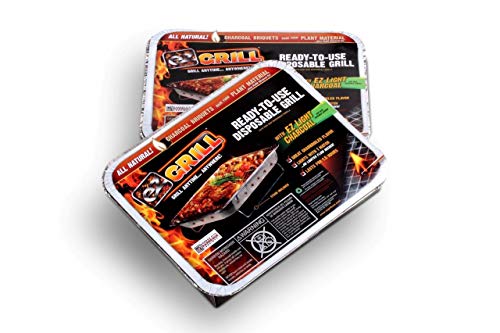
If you've ever found yourself craving a grilled burger at a campsite or tailgate but didn't want to haul a full-size charcoal grill, the Oppenheimer USA Disposable Charcoal Grill is exactly what you need. This is a lightweight, portable, single-use grill that comes pre-loaded with easy-light charcoal – just remove the wrapper, light the corners, and you're ready to cook in minutes. It's designed for outdoor enthusiasts who value convenience above all else.
This grill is best suited for campers, tailgaters, RV owners, and anyone who enjoys spontaneous outdoor cooking without the hassle of cleanup. It's also a solid pick for beach days, park picnics, or even emergency cooking during power outages. The 9x13 inch cooking grate gives you enough space for a few burgers, hot dogs, or skewers – perfect for 2-4 people. Just don't expect to smoke a brisket or feed a crowd.
In terms of real-world cooking performance, the easy-light charcoal lights quickly and reaches a decent grilling temperature within 10-15 minutes. The heat distribution is fairly even across the grate, though you might notice slightly cooler spots near the edges. Searing is possible for thin cuts like burgers and chicken thighs, but you won't get the same crust as a heavy cast-iron grate. Smoke flavor is present but mild – it's enough to satisfy a casual griller but not a BBQ purist. The fuel burns for about an hour, which is fine for quick grilling sessions but not low-and-slow cooking.
Build quality is what you'd expect from a disposable product – sturdy enough to hold up during cooking, but not meant for long-term use. The aluminum tray feels solid, and the wire grate supports food without sagging. There are no wheels, folding legs, or weather-resistant features because this grill is designed to be used and tossed. Portability is its strong suit: at 3.5 pounds and dimensions of 9x13x2 inches, it slips into a backpack or car trunk easily.
Setup is incredibly simple – no tools, no assembly, no charcoal to pour. Just remove the plastic wrap, place the grill on a non-flammable surface, and light the corners through the designated ignition strips. Cleanup is even easier: once the charcoal has cooled completely, you can dispose of the entire grill. Just make sure to follow local disposal guidelines for charcoal and ash. The biggest limitation is that it's single-use, so if you grill often, the cost adds up compared to a reusable portable grill.
Overall, the Oppenheimer USA Disposable Charcoal Grill is a fantastic solution for outdoor cooks who prioritize convenience and portability. It's not meant to replace your backyard kettle grill, but it's a lifesaver for camping, tailgating, or any on-the-go cooking scenario. If you're looking for a no-mess, no-fuss way to enjoy grilled food anywhere, this pack of two is a smart buy.
At just 3.5 pounds and 9x13x2 inches, this grill is incredibly easy to transport. It fits in a backpack, car trunk, or even a large tote bag. No need to worry about charcoal bags or lighter fluid – everything is built in. The lightweight design makes it a top choice for hikers, campers, and tailgaters who want to travel light.
This grill shines in scenarios where convenience and portability matter most. Use it for camping trips, tailgate parties, beach outings, park picnics, or even as a backup grill during power outages. It's also great for small gatherings where you only need to cook a few items. Not ideal for large BBQs or smoking.
Pros
- Sturdy stainless steel handle won't rot or break like wood or plastic handles.
- Replaceable head design saves money and reduces waste - just buy new heads instead of a whole new brush.
- Angled neck improves cleaning ergonomics, making it easier to scrub grates without straining your wrist.
- Works effectively on a wide variety of grill surfaces from cast iron to porcelain-coated grates.
Cons
- Bristles may shed over time, so inspect regularly and replace if any loosen; avoid using on extremely hot grates (max 200°F).
- Some users prefer non-wire brushes to avoid any bristle risk; this is a standard wire bristle design.
- The replaceable head attachment could feel slightly loose after multiple swaps - ensure it's tightly secured.
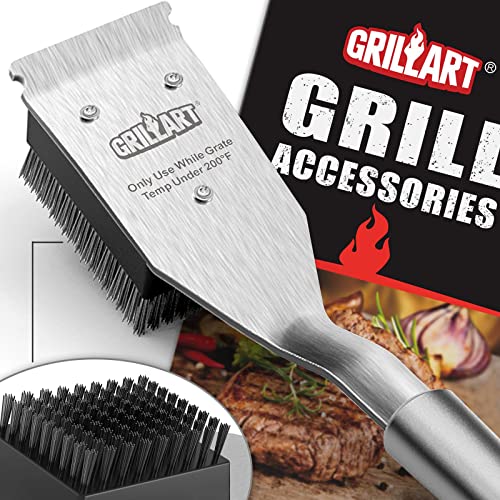
Let's talk about a tool that often gets overlooked but is absolutely essential for any outdoor cook: a reliable grill brush. The GRILLART Grill Brush and Scraper is exactly what you need to keep your grates clean and ready for the next cookout. Whether you're a backyard griller flipping burgers for the family, a weekend BBQ enthusiast smoking brisket, or a tailgater who likes everything prepped and ready, this brush is designed to handle the grime without making you work too hard for it.
Right off the bat, the build quality stands out. The 16.5-inch handle is made from reinforced stainless steel, which means it won't rot, crack, or break like some wood or plastic handled brushes you might have tried. It's a solid feel in the hand, and the angled neck design is a thoughtful touch. Without a proper angle, you end up fighting the brush to keep the head flat on the grates. With this brush, the angle lets you apply firm, even pressure naturally, so cleaning is quicker and less tiring.
In terms of real-world performance, the dense stainless steel bristles plus the built-in scraper tackle just about anything. I've used it on a charcoal kettle after a long low-and-slow smoke, on a gas grill after searing steaks, and even on a flat top griddle. It cuts through carbonized bits and grease with minimal elbow grease. The scraper edge is especially handy for lifting off stubborn chunks before you hit the grates with the bristles. The brush head is replaceable too, which is a nice economical and eco-friendly touch. When the bristles wear down, you only replace the head instead of tossing the whole handle.
For outdoor durability, the stainless steel handle is corrosion-resistant, and the brush head holds up well under normal use. Just keep in mind the manufacturer recommends using it below 200°F to extend the bristle life, so let the grill cool a bit before scrubbing. That's standard for most wire brushes, and it's a small trade-off for keeping the brush in good shape. The large hanging ring makes it easy to store on a hook near your grill, so it's always handy when cleanup time comes.
One realistic limitation: like any wire bristle brush, there's a potential for bristles to shed over time. You should inspect the brush before each use and replace the head if you see any loose bristles. Some folks prefer non-wire brushes for that reason, but if you're comfortable with proper maintenance, this brush is very effective. The replaceable head design actually helps here because you can swap it out more frequently without buying a whole new brush.
Overall, the GRILLART Grill Brush is a practical, well-built tool that fits naturally into any outdoor cooking routine. Whether you're cleaning up after a big backyard party, a weekend camping trip, or a quick after-work grill session, it makes the chore easier. The ergonomic design, durable materials, and replaceable head add real value. If you're looking for a solid brush that won't let you down, this is a great choice for any griller who values efficiency and quality.
Keeping your grill brush in good shape is as important as keeping your grates clean. After each use, rinse the brush head with warm water and shake off excess debris. For deep cleaning, you can soak the bristles in warm soapy water occasionally to remove built-up grease. Always let the brush dry completely before storing to prevent any rust on the bristles. The stainless steel handle is easy to wipe down and won't hold odors. Since the brush head is replaceable, plan on swapping it every few months depending on usage - inspect for bent or loose bristles regularly. The large hanging ring means you can air-dry it easily by hanging it on a hook. Avoid using the brush on a hot grill (above 200°F) as high heat can weaken the bristles over time. With basic care, this brush will keep your grates clean and ready for many cookouts.

Pros
- Tailored specifically for flat-top gas griddle heat zones and oil techniques
- Diverse recipe selection spanning breakfast spreads, street food, and crowd-pleasing dinners
- Clear instructions that make high-volume backyard entertaining straightforward
- Compact paperback size fits nicely on outdoor prep tables or inside an RV pantry
Cons
- Paperback binding requires care to avoid oil splatters and outdoor moisture damage
- Focuses exclusively on flat-top griddling rather than traditional grate grilling or low-and-slow smoking
Outdoor flat-top cooking differs significantly from standard grate grilling, requiring specific heat management, spatial awareness, and oil control. Blackstone Griddling serves as a practical, hands-on recipe manual engineered specifically for outdoor gas griddle enthusiasts. Whether you are running a four-burner station on your patio, packing a tabletop griddle for a weekend campsite, or firing up breakfast outside the stadium on game day, this guide provides actionable inspiration. It caters directly to backyard cooks, RV owners, tailgaters, and outdoor entertainers who want to push their flat-top setup past the basics.
The strength of any flat-top cookbook rests on how well it translates high surface heat into exceptional food. The recipes in this collection leverage the natural strengths of cold-rolled steel griddles: intense searing capability, rapid moisture evaporation, and distinct multi-zone temperature layouts. You will find reliable techniques for creating crisp diner smash burgers, balancing high-heat stir-fries without burning the aromatics, and executing large breakfast platters with synchronized eggs, hash browns, and bacon. The guidance helps you coordinate your cooking surface so every component finishes hot at the exact same moment.
Because this is a physical paperback, bringing it out near sizzling spatulas and hot propane burners requires a bit of practical consideration. The layout is clean and legible, making it easy to read recipe ratios from a few feet away on a side prep shelf. While the paper stock feels sturdy for regular indoor kitchen use, outdoor cooks will want to protect the pages from direct oil splatters, wind gusts, and sudden patio drizzle. Stashing it under your griddle prep cart or sliding it into a protective sleeve keeps it clean and ready through continuous outdoor cooking sessions.
Beyond ingredient lists, the guide reinforces essential outdoor griddle habits. Working with flat surfaces requires attentive grease trough navigation, proper squirt-bottle water deglazing, and steady scraping technique between courses. The book teaches cooks how to stage foods across cooler burner zones while keeping hot searing zones open for fresh ingredients. This layout-focused mindset helps reduce propane waste, prevents messy boil-overs, and simplifies post-cook scrape-downs before applying your final coat of protective seasoning oil.
While pitmasters looking for low-and-slow wood pellet recipes or traditional charcoal smoking advice will need to look elsewhere, this book excels at its intended focus. It bridges the gap between novice griddle ownership and confident, restaurant-quality patio cooking. If you recently invested in an outdoor gas griddle or want to breathe fresh excitement into your weekend tailgates and campsite breakfasts, this recipe manual is a worthy and affordable addition to your outdoor culinary toolkit.
Mastering a flat top griddle requires understanding surface zones rather than open flames. This guide emphasizes how to manipulate individual propane burner controls to create hot searing zones alongside low-heat holding areas on your steel plate.
From rapid street tacos to multi-portion pancake batches, the techniques outlined highlight fast surface recovery and effective spatula work that prevent overcrowding and preserve distinct food textures.
Tailgating crews and campsite cooks will appreciate the speed and simplicity of the recipes. Cooking outside requires efficient prep and minimal dirty dishware, both of which are central to griddle-style meal planning.
Backyard entertainers feeding large family gatherings can leverage the high-yield breakfast and dinner layouts, ensuring everyone gets hot food off the steel plate simultaneously without long waits between batches.

Mastering Outdoor Grilling: Techniques, Setup, and Temperature Control
Learning the foundational mechanics of outdoor cooking allows you to transform everyday meats, seafood, and vegetables into flavorful meals with great texture. While tall flames might look exciting in backyard photos, successful grilling relies on controlled heat, clean airflow, and disciplined timing rather than guesswork. Understanding how your grill reacts to ambient weather, lid position, and fat drippings makes outdoor cooking predictable and fun. Cold wind or direct sunlight can alter internal chamber temperatures substantially, requiring subtle vent or burner adjustments. Establishing a repeatable routine gives you the confidence to tackle any recipe on your patio.
Selecting Your Cooking Platform and Fuel Source
Different outdoor cookers offer distinct operational trade-offs depending on your available patio space, budget, and flavor priorities. Propane and natural gas cookers provide rapid startup times and simple dial temperature adjustments, making them convenient for busy weeknight dinners. Gas burners also allow you to create distinct heat zones across multi-burner fireboxes with a simple turn of a knob. Charcoal grills require more patience during setup, but burning hardwood lump charcoal or briquettes creates rich, authentic barbecue aroma.
Flat-top griddles have also gained immense popularity because their solid steel plates prevent delicate items like chopped vegetables, eggs, and smash burgers from slipping through open grates. Griddle cooking creates edge-to-edge browning through complete surface contact, producing crisp textures that standard grates cannot easily replicate. If you enjoy diner-style outdoor cooking, comprehensive recipe collections like Blackstone® Griddling: The Ultimate Guide provide valuable inspiration for griddle meals. For portable cooking at parks or tailgates, compact disposable options like the EZGRILL Disposable Charcoal Grill Ideal or the Oppenheimer USA Disposable Charcoal Grill provide self-contained charcoal trays that eliminate the need to haul heavy equipment.
Critical Placement Clearance and Outdoor Safety
Grill placement is the most critical safety decision you make before lighting any flame on your patio. Fuel-burning grills must never be used inside a garage, covered breezeway, carport, or screened porch, even if the overhead garage door is completely open. Burning charcoal, gas, or pellets produces odorless, lethal carbon monoxide that rapidly concentrates in enclosed spaces. Heat radiating from the firebox can also ignite dry building materials, vehicle vapors, or low ceilings with frightening speed.
Always place your cooker outdoors on a level, non-combustible surface at least ten feet away from house siding, wooden deck railings, and low tree branches. Keep children and energetic pets outside a designated safety perimeter around the hot grill at all times. Before lighting a gas grill, always open the lid completely to prevent trapped fuel vapors from causing a dangerous firebox flashover. Keep a dry chemical fire extinguisher, box of baking soda, or bucket of sand nearby to smother unexpected grease fires without water.
Setting Up Direct and Indirect Heat Zones
The foundation of temperature control on any outdoor grill is creating two distinct heat zones across your cooking surface. Direct heat means placing food directly over lit burners or glowing coals, generating intense heat ideal for quick searing and crisping. Indirect heat uses convective airflow by placing food over unlit burners or an empty charcoal grate section. This two-zone configuration turns your grill into an outdoor convection oven, gently roasting foods without scorching their surfaces.
To set up two zones on a gas grill, light the burners on one side while keeping the remaining burners turned off. On a charcoal grill, bank all lit briquettes onto one half of the lower grate, leaving the opposite side empty. Placing a disposable foil drip pan on the indirect side catches falling grease, preventing messy flare-ups and keeping the bottom of your firebox clean. This dual-zone setup gives you an essential escape zone when fat drippings spark sudden flames.
Essential Utensils and Food Safety Verification
Equipping your outdoor station with heat-resistant tools keeps your hands protected while giving you total control over hot food. A comprehensive bundle like the Kaluns Grilling Accessories set includes long-handled tongs, a wide spatula, skewers, a basting brush, and a protective apron in a handy carrying case. Long handles provide necessary leverage and keep your skin away from rising heat waves. Locking tongs with scalloped edges allow you to turn heavy steaks or slick poultry pieces securely without dropping them.
Never rely on guesswork, timing estimates, or pressing meat with your finger to judge doneness. Meat thickness, starting internal temperatures, and ambient outdoor winds make cooking times highly variable from day to day. An instant-read digital food thermometer is the only reliable way to confirm meat safety according to USDA guidelines. Whole beef, pork, and lamb cuts should reach a minimum internal temperature of one hundred forty-five degrees Fahrenheit with a three-minute rest, while ground beef requires one hundred sixty degrees. Poultry must always reach one hundred sixty-five degrees Fahrenheit, which you can easily master by following our barbecue chicken wings recipe for consistent doneness.
The Step-by-Step Outdoor Grilling Routine
Preparation begins in the kitchen by patting raw meats thoroughly dry with paper towels. Removing surface moisture is essential because wet proteins steam instead of forming a flavorful, caramelized crust. Season meats with coarse salt, black pepper, and dry spices at least thirty minutes prior to cooking so flavors adhere properly. For inspiration on versatile rubs and flame-cooked recipes, authoritative cookbooks like How to Grill Everything: Simple Recipes for Great offer accessible techniques for virtually any protein or vegetable.
Preheating your grill with the lid closed for ten to fifteen minutes is vital for clean, stick-free grilling. High preheat temperatures burn away lingering food residue and ensure the grate metal is hot enough to sear instantly. Once heated, brush the grates clean and wipe them lightly with a high-smoke-point cooking oil using a folded paper towel held in tongs. Place your food on the grate with ample spacing, allowing heat and smoke to circulate evenly around every item.
Resist the urge to constantly flip or press down on burgers and chops while they cook on the grate. Pressing meat squeezes out flavorful juices, drying out your food and causing avoidable grease flare-ups on the burners below. Let food sear undisturbed until it naturally releases from the grates with distinct grill marks. If you want to practice high-heat direct searing on thinly sliced beef, our recipe for marinated beef short ribs demonstrates how quick flame contact caramelizes sweet marinades.
After your thermometer confirms the meat has reached its target internal temperature, remove it promptly from the grill. Place the cooked meat onto a clean cutting board or warm platter, avoiding the original plate that held raw meat. Allow steaks and roasts to rest for five to ten minutes before carving so the muscle fibers relax and redistribute their moisture.
Managing Airflow, Lid Position, and Flare-Ups
Managing airflow dictates heat intensity and fuel consumption on charcoal grills. Bottom intake vents draw in fresh oxygen to fuel combustion, while top exhaust vents expel smoke and draw air through the cooking chamber. Opening vents wide raises fire temperatures for high-heat searing, while partially closing intake dampers lowers chamber heat for gentle roasting. Keep the top vent at least partially open at all times to prevent stagnant, bitter smoke from settling onto your food.
Knowing when to keep the lid open or closed is equally important for consistent cooking results. Leave the lid open when searing thin cuts like hot dogs, skirt steaks, or asparagus over direct heat so you can monitor color easily. Close the lid when roasting thicker items like bone-in chicken thighs or pork chops to surround the meat with ambient heat. If grease drips cause tall flare-ups, move the food over to your indirect zone and close the lid to starve the fire of oxygen.
Post-Cook Cleaning and Grate Preservation
Cleaning your grill grates immediately after cooking saves considerable effort because heat softens grease and baked-on food residues. A durable manual cleaner like the GRILLART Grill Brush and Scraper features a rigid stainless-steel handle and angled neck that provide leverage for scraping tough grates. Always wipe down grates after brushing to ensure no loose wire bristles remain on the cooking surface. Cast-iron grates should be lightly oiled while still warm to maintain their seasoned protective finish and prevent rust.
For hands-free maintenance, modern battery-operated devices like the Electric Grill Brush for Outdoor Grill provide multiple rotation speeds to scour away charred buildup without manual strain. Pairing mechanical brushing with a specialized solution like the Weber Grill Grate Cleaner and Degreaser helps break down stubborn grease on porcelain, cast iron, and stainless steel without irritating skin. Empty charcoal ash pans and grease drip trays regularly to prevent corrosion and dangerous grease fires.
Frequent Outdoor Grilling Mistakes to Avoid
Overcrowding the cooking grate is a widespread mistake that ruins heat circulation and prevents proper browning. When food covers the entire grate, moisture gets trapped and proteins steam instead of searing into a crisp crust. Crowded grates also eliminate your indirect escape zone when drippings cause unexpected flare-ups. Always leave roughly one-third of the cooking surface unoccupied so you can move food around freely and manage flare-ups safely.
Applying sugary barbecue sauces too early is another frequent error that leads to burnt, blackened meals. Sugars in tomato-based glazes and sweet sauces caramelize and scorch quickly at temperatures above two hundred sixty-five degrees Fahrenheit. Brush sweet sauces onto your meat only during the final five to ten minutes of indirect cooking so the glaze sets gently without charring. Finally, never skip the post-cook resting phase, as rushing meat directly to the plate sacrifices juiciness.
Mastering outdoor grilling is an achievable skill that comes down to proper temperature zones, clean equipment, and vigilant safety practices. By establishing direct and indirect cooking areas, checking doneness with a digital meat thermometer, and keeping your grates seasoned, you can produce tender, flavorful food every time you light your grill. Focus on these foundational techniques during your next cookout, and you will enjoy dependable results that satisfy everyone gathered around your patio.





Write Your Review
No reviews yet. Be the first to share your experience!