


Uncovering an outdoor cooker after a damp winter often reveals an unwelcome layer of orange corrosion across the cooking surface. Moisture and oxygen break down bare metal over time, leaving pitmasters wondering how to fix rusty grill grates before their next backyard barbecue. Cooking over oxidized metal transfers unpleasant flavors to your food and can cause delicate proteins to stick and tear during cooking. Taking the time to restore your cooking grid revives heat transfer, improves food release, and keeps your cooking environment safe for family and guests.
Surface oxidation does not always mean your cooking grid belongs in the trash, as many grids respond remarkably well to basic household cleaners. Setting your cooking surfaces on a sturdy rolling prep table for outdoor cooking gives you a stable workstation to scrub away corrosion safely. Whether you cook over porcelain-coated metal, solid stainless steel, or traditional cast iron, the proper restoration technique depends entirely on the underlying material. With an acidic soak, gentle mechanical abrasion, and a fresh protective coat of oil, you can restore your cooking surface to peak operating condition.
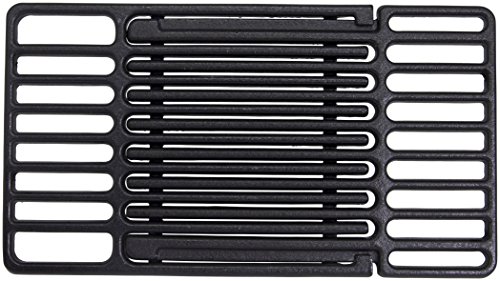
Pros
- Excellent heat retention for consistent grilling results on steaks, burgers, and veggies
- Durable cast iron with porcelain coating provides rust resistance and easy maintenance
- Universal fit adjusts easily to most grills without tools, saving setup time
Cons
- At over 6.5 pounds, it's heavy for backpacking or frequent transport
- Porcelain coating can chip if dropped or scraped against metal surfaces
- Only 7.75 inches deep, which may be too narrow for larger grills with wide cooking chambers
This Char-Broil Universal Cast Iron Grate is a replacement or upgrade grate designed for a wide range of outdoor cooking equipment. It's perfect for backyard grillers, campers, tailgaters, and RV owners who want better heat retention and searing performance from their existing gas or charcoal grill. The adjustable width lets it fit grills from 14 to 19.5 inches across, so it can revive an old kettle or upgrade a portable tailgating setup.
When it comes to real-world cooking performance, this grate shines. Cast iron holds heat like no other material, giving you steady, even temperatures across the cooking surface. That means perfect sear marks on steaks, even browning for burgers, and consistent heat for veggies. The grate gets hot quickly and stays hot even when you load it with food, which helps reduce temperature drops when cooking for a crowd. It also works great for low-and-slow smoking setups on charcoal grills, as the cast iron absorbs and radiates heat gently.
Build quality is solid. The grate is made from heavy-duty cast iron with a porcelain coating that resists rust and makes cleaning easier than bare cast iron. The coating is smooth, so food releases well and you can wipe it down with a stiff brush after grilling. Weights just over six and a half pounds, so it feels sturdy on the grill grates. The adjustable design uses simple sliding brackets, so you can set it to the exact width needed without any tools.
Setup is straightforward: just adjust the two ends to match your grill's side rails and drop it in place. For cleanup, let it cool, then scrub with a wire brush or scrape off residue. The porcelain coating helps prevent sticking and rust, but you should still dry it thoroughly after washing. It stores easily in a garage or shed, though its weight means you probably won't take it on backpacking trips. For car camping, tailgating, or patio cooking, it's a breeze to carry from the car to the campsite or tailgate lot.
Realistic limitations include the weight and the coating's durability. If you drop the grate on concrete or scrape it aggressively with metal tools, the porcelain can chip, exposing the bare iron underneath. That can lead to rust over time if not dried and oiled. Also, the grate is only 7.75 inches deep, which might be a bit narrow for extra-wide grills or for cooking large quantities of food at once. For most standard backyard grills and camp stoves, it fits well.
Overall, this is a practical upgrade for anyone who uses a gas or charcoal grill and wants better heat performance without buying a whole new grill. Backyard cooks will appreciate the even cooking and easy cleanup. Campers and tailgaters will like the universal fit and sturdy build. Just handle it with care to avoid chipping the coating. If you're looking to improve your grilling game for weekend BBQs or campsite meals, this grate is a solid choice.
Cast iron grates are known for superior heat retention, and this Char-Broil model delivers exactly that. It heats up quickly and maintains steady temperatures even when you flip multiple burgers or steaks at once. The surface gets hot enough for a strong sear, locking in juices and creating those desirable grill marks. For charcoal setups, the cast iron absorbs radiant heat and helps manage flare-ups by distributing heat evenly across the cooking area. For gas grills, it enhances the recovery time after opening the lid. Whether you're doing fast grilling for a crowd or slow cooking ribs with indirect heat, this grate performs consistently.
Step-by-Step Guide to Restoring and Maintaining Rusty Grill Grates
Restoring an oxidized cooking grid requires identifying the type of metal beneath the corrosion and selecting the right removal method. While severe structural decay warrants a new replacement, standard surface oxidation is completely reversible with basic household supplies and steady elbow grease. Following a structured process prevents damage to delicate coatings and ensures your cooking surface remains safe for direct food contact.
Assessing Rust Severity and Grate Integrity
Before applying any cleaning solutions, you need to inspect the severity of the rust across the entire cooking grid. Surface rust appears as a light, powdery orange film that sits loosely on top of the metal without compromising the underlying structure. This type of superficial oxidation forms quickly in humid weather or after prolonged rain, but it rarely damages the base iron or steel. You can easily remove this outer layer without sacrificing the durability of your barbecue.
Deep rust presents a much more serious challenge because it penetrates into the core of the metal bars. This stage of corrosion leads to flaking metal, deep pits, and noticeable thinning across the cooking grid. When iron oxide flakes away in brittle sheets, the structural integrity of the grid becomes compromised under heavy cuts of meat. Cooking on crumbling surfaces also risks transferring sharp metallic particles directly into your food.
You can test the physical strength of your cooking grid using a firm tap with a screwdriver handle or grill scraper. Solid metal produces a clear, resonant sound and resists bending or crumbling under moderate manual pressure. If the bars flex easily, shed thick chunks of metal, or display hollowed-out gaps, the metal has degraded past the point of safe restoration. Grids that retain their original thickness and structural firmness, on the other hand, are prime candidates for complete restoration.
Essential Cleaning Supplies and Workspace Preparation
Gathering the right cleaning agents before you begin keeps the restoration process organized and efficient. Natural household cleaners work exceptionally well for dissolving iron oxide without leaving toxic chemical residues on your cooking surface. Plain distilled white vinegar provides sufficient acidity to dissolve rust while remaining safe for culinary equipment. Baking soda serves as a gentle abrasive and acts as a chemical neutralizer once the acidic bath completes its work.
Selecting proper mechanical tools prevents unnecessary scratching and keeps your restoration efforts safe. A stiff brass-bristle brush works wonders on bare cast iron, while non-scratch nylon pads suit coated surfaces. Balling up heavy-duty aluminum foil creates an adaptable scouring tool that contours easily around round grill rods. You should also keep mild liquid dish soap and clean microfiber towels nearby to wash and dry the components thoroughly.
Setting up an appropriate workspace protects your patio pavers and outdoor furniture from rust stains and dirty runoff. Working outdoors on a durable tarp or within a utility sink contains the dirty liquid and loose flakes. Wearing heavy rubber gloves shields your hands from prolonged contact with acidic solutions and rough metal edges. Safety glasses are also recommended during heavy mechanical brushing to keep flying metal debris and rust dust out of your eyes.
The Vinegar and Baking Soda Restoration Method
The combination of white vinegar and baking soda provides a safe chemical reaction that loosens stubborn rust deposits. White vinegar contains acetic acid, which reacts with iron oxide to transform it into a soluble salt that washes away easily. Because acetic acid is relatively mild, it targets the rust without rapidly corroding the solid base metal underneath. This gentle chemical reaction makes it ideal for soaking heavily oxidized cooking grids overnight.
To begin the soak, place your cooking grids flat inside a large shallow plastic storage container or a heavy-duty contractor trash bag. Pour equal parts distilled white vinegar and warm water over the grids until the rusted sections are completely submerged. Allow the grids to soak for at least four to eight hours, or overnight for thick, stubborn crusts. Check the progress periodically, as you will notice the liquid turning dark amber as the rust separates from the metal.
After removing the grids from the vinegar bath, you must neutralize the remaining acid to stop any ongoing chemical reaction. Mix baking soda with a small amount of warm water in a bowl to create a thick, gritty paste. Rub this alkaline paste thoroughly across all surfaces of the cooking grid using a sponge or cloth. The baking soda immediately neutralizes residual acetic acid, halts the oxidation cycle, and provides mild abrasion for the final scrub.
Mechanical Abrasion and Scrubbing Techniques
Once the chemical soak softens the iron oxide, mechanical scrubbing removes the remaining deposits from the metal. Scrub systematically along the length of each individual bar rather than rubbing randomly across the entire grid. Working along the rods focuses the friction where the bars meet and lifts corrosion out of tight joints. Rinsing the grid with clean warm water during the process helps you monitor your progress and spot remaining oxidized patches.
Pay close attention to tool safety when using wire brushes on cooking grids. Traditional carbon steel wire brushes can shed small metallic bristles that lodge invisibly in grate corners or between welded joints. If you choose to use a wire brush, inspect the cooking surface thoroughly after scrubbing and wipe it down with a damp cloth. Twisted-wire brushes or bristle-free scrubbers offer effective mechanical cleaning while significantly reducing the risk of stray wires.
For tight spaces between grid bars, alternative abrasives provide excellent maneuverability. A tightly balled sheet of heavy aluminum foil conforms around cylindrical bars and strips away loose particles effectively. Commercial grill cleaning stones made from porous pumice also work well on flat surfaces without gouging the base metal. Continue scrubbing until the surface feels completely smooth and the water rinses away clear without orange tinting.
Material Differences: Cast Iron, Porcelain, and Stainless Steel
Different grate materials require distinct handling techniques to avoid accidental surface damage during restoration. Bare cast iron is porous, absorbs moisture readily, and develops flash rust within minutes of getting wet if left unprotected. After scrubbing bare cast iron, you must dry it immediately using clean towels and place it over low heat to evaporate deep moisture. Leaving bare cast iron to air dry will instantly undo all your hard work by triggering fresh rust formation.
Porcelain-coated grids require extra caution because aggressive wire brushes can chip or crack the glassy ceramic enamel. Grates such as the porcelain-coated cast iron model from Charbroil provide excellent heat retention beneath an enamel shield, featuring an adjustable length from 14 inches to 19.5 inches and measuring 7.75 inches wide. When cleaning porcelain-finished surfaces, avoid metal scrapers and rely exclusively on nylon scouring pads or soft sponges to preserve the protective coating. Chipping the porcelain exposes the raw iron core beneath, creating a localized pocket where moisture collects and rust spreads rapidly.
Solid stainless steel cooking grids are naturally rust-resistant due to their chromium content, but they can still develop surface oxidation when exposed to harsh salts or moisture. Restoring stainless steel is straightforward because the material cannot chip like porcelain or absorb moisture like porous cast iron. You can scrub stainless steel vigorously with stainless scouring pads or nylon abrasive pads without damaging the metal. Once cleaned, stainless steel does not require a baked-on seasoning layer, though a light oil wipe before cooking helps prevent food from sticking.
Re-Seasoning Bare Metal and Cast Iron Grates
Bare metal and cast iron surfaces require a protective seasoning layer immediately after rust removal to prevent air and moisture from contacting the raw iron. Seasoning is the chemical process of heating thin layers of cooking oil until they undergo polymerization. This transformation turns liquid fats into a hard, slick, water-resistant polymer barrier that bonds directly to the porous metal. Without this protective barrier, raw cast iron will begin oxidizing again the moment humidity touches the surface.
Selecting the correct cooking fat ensures a durable seasoning coat that will not burn away or turn sticky. High smoke point cooking oils like canola oil, vegetable oil, or grapeseed oil work best for outdoor cooking surfaces. Avoid using animal fats, butter, or unrefined olive oil for initial restoration because their lower smoke points can produce bitter smoke and uneven sticky spots. Apply a very thin, even layer of oil over the entire grid with a paper towel, wiping away any excess until the metal looks nearly dry.
Bake the oiled grid over medium-high heat on your outdoor cooker with the lid closed for roughly forty-five minutes to one hour. The heat will cause the oil to smoke lightly as it cures into a semi-glossy, dark protective finish. Allow the cooking grid to cool completely inside the grill before inspecting the surface. Applying two or three consecutive thin coats creates a resilient finish that resists moisture, repels rust, and provides natural non-stick cooking performance.
Long-Term Corrosion Prevention and Grill Care
Preventing rust from returning requires consistent maintenance habits every time you finish cooking. Scraping your cooking grids while they are still warm lifts caramelized sugars and charred fats before they solidify into hard crusts. A quick pass with a wooden scraper or bristle-free brush removes debris without stripping the seasoned protective layer you worked hard to build. Leaving food residues on your grates attracts moisture from the outdoor air, which accelerates oxidation over time.
Applying a fresh wipe of cooking oil after every cleaning creates an active shield against atmospheric humidity. Integrating this maintenance habit into your routine keeps your cooking surfaces in top shape, especially when working within a dedicated patio barbecue island setup where cooking equipment stays outdoors year-round. Storing your cooker under a breathable, waterproof grill cover prevents direct rainwater exposure while allowing trapped condensation to escape. Regular airflow around your cooker stops damp microclimates from forming beneath the grill hood.
If you store your barbecue cooker for the winter, take extra precautions to protect your metal cooking grids. Remove the grids from the grill body, wash and dry them thoroughly, and coat them in a fresh layer of cooking oil. Wrap the oiled grids in clean kraft paper or cotton towels and store them indoors in a dry basement or utility closet. Keeping your cooking grids away from damp winter air guarantees they will emerge in clean, cooking-ready condition when grilling season begins again.
When to Restore Versus When to Replace Your Grates
Certain cooking grids degrade beyond the reach of scrubbing, soaking, and re-seasoning. When rust causes deep pitting across more than a third of the cooking surface, food will constantly cling to the uneven metal. Structural welds that snap or separate under pressure create unstable cooking platforms that can tip during grilling. If your fingers can break off flakes of metal or crush thin sections, replacing the grid becomes the only responsible choice for food safety.
Extensive corrosion also presents a logical opportunity to reassess your overall outdoor cooking configuration. Backyard cooks who frequently encounter rust issues on traditional grates sometimes transition toward flat-top surfaces or invest in a versatile combo griddle and smoker unit that offers alternative surface maintenance routines. Solid griddle plates retain protective oil coats differently than open rods, which can simplify care routines for cooks dealing with wet climates. Regardless of your chosen setup, maintaining clean cooking surfaces ensures consistent temperatures and flavorful results.
When purchasing replacement grids, confirm dimensions carefully to ensure stable placement on your grill support ledges. Universal replacement grids featuring sliding adjustment bars accommodate various firebox depths without requiring model-specific original equipment. Look for sturdy construction like porcelain-enameled cast iron or heavy-gauge stainless steel to ensure long-term durability. Measuring your grill interior accurately before ordering prevents loose fits and ensures your new cooking surface handles heavy cooking sessions reliably.
Restoring oxidized grill grates takes a modest investment of time and care, but the reward is a clean, safe, and dependable cooking surface that delivers great sear marks. By pairing a mild vinegar soak with thorough mechanical cleaning, rapid drying, and a durable oil seasoning, you can revive your equipment without purchasing premature replacements. Consistent post-cook scraping and regular light oiling will keep moisture at bay, ensuring your barbecue remains ready for your favorite recipes all season long.




Write Your Review
No reviews yet. Be the first to share your experience!