


Thick layers of baked-on fat, charred sauces, and carbon buildup can ruin an otherwise great cookout and even trigger uncontrolled flare-ups. Knowing how to remove grease from grill grates is essential for maintaining consistent cooking temperatures, preserving food flavor, and extending the lifespan of your cooking surfaces. When grease cools and hardens across the metal bars, simple brushing often smears the residue rather than lifting it away. Setting up an organized outdoor station, perhaps alongside a sturdy rolling prep table for barbecue setups, gives you the space needed to handle dirty grates safely without staining your patio pavers.
Different metal surfaces demand distinct care routines to prevent premature corrosion or surface degradation. Whether your cooker features porcelain-coated wire, thick stainless steel bars, or seasoned cast iron, applying the correct degreasing approach protects your investment while keeping food safe. Routine maintenance after every cook helps avoid deep carbonization, but stubborn grease deposits eventually require targeted degreasers, mechanical scrapers, or soaking techniques. A systematic cleaning routine restores airflow, improves heat transfer, and ensures that your outdoor meals taste clean every single time.


Pros
- Foaming spray clings to grates and surfaces without running off, maximizing cleaning power.
- Works on a wide range of grill materials including stainless steel and porcelain enamel.
- Quick soak time (1-5 minutes) speeds up post-cook cleanup, letting you spend more time enjoying the meal.
- Brand reputation: CLR is known for effective cleaning products, so you can trust the formulation.
Cons
- Requires rubber gloves and proper ventilation – the strong formula can be harsh on skin and eyes.
- May not fully remove heavily charred carbon buildup without multiple applications or extra scrubbing.
- Only a 26 oz bottle – frequent grillers may need to buy multiple bottles for regular deep cleans.
Let’s be real – nobody buys a grill to spend hours scrubbing it after a cook. That’s where the CLR Grill Cleaner and Degreaser comes in. This 26 oz bottle is built specifically for outdoor cooking enthusiasts who want to keep their grates, racks, and smokers looking clean and working safely. It’s a foaming spray that tackles burnt-on food, grease, and grime without the elbow grease you’d need with just a wire brush.
Best suited for backyard grillers, BBQ hobbyists, campers, tailgaters, and anyone who owns a gas grill, charcoal kettle, pellet smoker, or electric smoker. If you regularly cook burgers, steaks, chicken, or ribs, you know how fast grease builds up. This cleaner helps avoid those nasty flare-ups caused by leftover grease igniting. It’s also handy for campsite cookers – a quick spray and wipe means less hassle packing up.
In terms of performance, the foaming trigger really makes a difference. It stays put on vertical grates and inside the lid, penetrating the crusty residue. After letting it soak for a minute or two (the instructions say 1-5 minutes), a nylon brush easily lifts most of the char. It works well on stainless steel grates, porcelain enamel, and even the interior surfaces of smokers. Heat consistency or searing? That’s not relevant here, but a clean grill definitely helps with better heat transfer and more even cooking.
Build quality of the product itself is solid – the spray nozzle delivers a consistent foam, and the bottle is sturdy. There’s no lid construction or wheels to talk about, but the cleaner’s durability in storage is fine. It’s not rust resistant (it’s a liquid), but the formula doesn’t damage grill materials when used as directed. Just wear rubber gloves and avoid getting it on painted surfaces not tested.
Setup is easy: no assembly required. Just put on gloves, brush off loose char, spray, wait, scrub, rinse. Cleanup is straightforward – rinse with cool clean water. The bottle is small enough to store under the sink or in a garage cabinet. A realistic limitation: heavily charred, never-cleaned grates may need two applications or a stronger detergent. But for regular maintenance, this stuff works great.
Overall, if you’re a weekend griller or a tailgate regular who values quick cleanup and safe cooking, the CLR Grill Cleaner is a practical buy. It’s not a set-it-and-forget-it miracle, but it cuts down scrubbing time significantly. Pair it with a good grill brush, and you’ll keep your outdoor cooking gear in top shape for years.

Pros
- Chemical-free cleaning keeps food safe and flavor intact
- Does not scratch porcelain, cast iron, or stainless steel grates
- Effective at removing stubborn carbon and grease without soaking
- Comfortable size fits any hand, even with gloves on
- Works wet or dry for versatile cleaning in any outdoor setting
Cons
- May shed some pumice dust during use—needs a quick rinse before use
- Not ideal for heavy-duty scraping on caked-on debris compared to metal scrapers
- Requires some elbow grease for very burnt surfaces; not a magic eraser
If you spend any time cooking outdoors—whether on a flat top griddle flipping smash burgers, a charcoal kettle smoking pork shoulders, or a portable camp stove at the trailhead—you know the struggle of stuck-on grease and carbon. The Avant Grub Heavy Duty Grill Cleaning Brick offers a refreshingly simple solution that skips the harsh chemicals many of us worry about leaching into our food.
This pumice stone measures 8x4x3.5 inches and fits comfortably in your hand. No bulky scrapers, no sprays that leave residue. You just wet the stone, scrub your cooking surface, and rinse away the grime. It works on porcelain-enameled grates, cast iron, stainless steel, and especially flat top griddles where burnt-on bits can compromise your next batch of eggs or pancakes.
For backyard grillers and BBQ enthusiasts, the biggest advantage is the peace of mind that comes with chemical-free cleaning. You don't have to worry about leftover cleaner flavoring your brisket or burgers. The stone is non-scratch, so your expensive grill grates stay looking good season after season. Campers and tailgaters will appreciate the compact size—toss it in a cooler or kitchen box and you're ready for cleanup at the campsite or parking lot.
In real-world use, the pumice stone does require a little scrubbing effort for heavily carbonized surfaces. It's not a power washer. But with a few passes and some water, you can restore a flat top to near-new condition. The stone wears down slightly over time, revealing fresh abrasive surface, so a single brick lasts through many cooks before you need a replacement.
One limitation: for really caked-on grease that has been baking for weeks, you might still want a metal scraper for the initial scrape. But for routine maintenance cleaning after every few cooks, this brick is perfect. It also works on pizza stones, cast iron skillets, and even ceramic cooktops, making it a versatile tool for your outdoor kitchen or RV pantry.
If you're a serious outdoor cook who values both cleanliness and food safety, this grill brick is a practical upgrade from chemical sprays and wire brushes. It's affordable, effective, and built for the messy reality of grilling, camping, and tailgating. I'd recommend it to anyone with a flat top griddle, kettle grill, or camp stove who wants a non-toxic way to keep their gear ready for the next cookout.

Pros
- Effectively cuts through tough, baked-on grease and char from grills and smokers
- Non-toxic, plant-based formula is safe for use around food and family
- Works on multiple surfaces including grates, stovetops, and ovens
- Pleasant citrus scent instead of harsh chemical odors
Cons
- May require extra scrubbing or soak time for heavily caked-on residue on grill grates
- Spray bottle could be more durable for repeated use in outdoor environments
If you spend any time firing up a grill or smoker in your backyard, you know the drill: great food, great flavor, but eventually a sticky, charred mess on the grates. The CITRATIDE Grill and Oven Cleaner Spray is built to tackle that exact problem. It's a heavy-duty, plant-based citrus degreaser that breaks down baked-on food, grease, and char without the harsh chemical fumes you get from traditional oven or grill cleaners.
This cleaner is powered by natural d-limonene, a citrus solvent that's been used for decades in industrial degreasers. It works by dissolving tough grime on contact, so you can spray it on your BBQ grates, smoker racks, or even your stovetop and let it do the heavy lifting. Because it's non-toxic and free from caustic chemicals, it's safe to use in kitchens and around food prep areas. That's a big plus for anyone who cooks a lot and doesn't want chemical residue near their next meal.
The 32-ounce spray bottle is a practical size for regular use. It's not a one-and-done cleaner; you'll likely need it after every few cooking sessions, especially if you're a fan of low-and-slow smoking or high-heat searing. The spray nozzle delivers a good, even mist that covers grates and surfaces without wasting product. For heavily caked-on residue, you may want to let it sit for a few minutes or give it a light scrub, but it definitely cuts the work time down compared to scrubbing with just soap and water.
This cleaner is best suited for backyard grillers, BBQ enthusiasts, and anyone who owns a pellet smoker, electric smoker, or flat top griddle. It's also a solid choice for campers and RV owners who want a non-toxic option to clean their portable grills and cooktops. The plant-based formula means you're not dealing with harsh chemical smells or fumes, which is a relief when you're cleaning in a small space like a camper or on a patio near where you're about to eat.
Build quality is solid for a cleaner: the bottle is a standard HDPE plastic, and the label is clear and informative. It's made in the USA, which adds a layer of trust for those who prefer American-made products. The only real limitation is that for extremely heavy, baked-on carbon buildup, you might need a bit more elbow grease or a longer soak, but that's true of most non-toxic cleaners. For regular maintenance and routine degreasing, it works great.
Overall, this is a practical, everyday cleaner for anyone who takes their outdoor cooking seriously. Whether you're cleaning up after a weekend brisket smoke, a tailgate burger session, or a weeknight pizza on the grill, CITRATIDE makes the job easier and safer. It's a smart addition to your cleaning kit, especially if you value non-toxic, plant-based solutions.

Pros
- Safe cleaning without wire bristles, protecting your family from accidental ingestion.
- Powerful citrus-based cleaner easily cuts through baked-on grease and carbon buildup.
- Kit includes everything you need: spray, brush, scrubber pads, scraper, and towel, no extra purchases required.
- Works on both hot and cool grills, offering flexibility for different cleaning routines.
Cons
- For extremely charred grates, some elbow grease may still be needed; the cleaner alone won't dissolve heavy creosote instantly.
- Scrubber pads are refillable but replacements are sold separately, adding ongoing cost over time.
- The cookbox scraper is best used on cool surfaces; it may scratch delicate porcelain coatings if used aggressively.
The Citrusafe Complete Grill Cleaning Kit is not your average grill cleaner. It is a thoughtfully assembled set designed to replace the dangerous wire brushes and harsh chemical sprays that many BBQ enthusiasts rely on. Instead, this kit uses a citrus-based degreaser, a nylon brush, heavy-duty scrubber pads, a cookbox scraper, and a microfiber towel to clean your grill safely and effectively. Whether you own a charcoal kettle, a propane gas grill, a smoker, or even a flat top griddle, this kit has the tools to handle the mess.
This kit is built for anyone who takes outdoor cooking seriously. Backyard grillers who fire up the Weber every weekend, campers who throw a grate over an open fire, tailgaters who need a quick cleanup between games, and RV owners who don't want wire bristles scratching their portable grills will all appreciate the safety-first approach. The stars are the Citrusafe Grill Cleaner spray, which uses natural degreasing power from citrus peels to break down grease, and the nylon brush and scrubber pads that work on a cool grill. No more burning off residue or worrying about stray bristles in your burger.
In real-world use, this cleaner shines on moderately soiled grates and cookboxes. Spray it on, let it sit for a few minutes, then scrub with the nylon brush or the heavy-duty pads. The grime dissolves quickly, and the included cookbox scraper reaches into corners that brushes miss. For a neglected grill that has months of caked-on grease, you may need to repeat the process, but the result is a cookbox that looks nearly new. The microfiber towel lifts away remaining residue without scratching porcelain or stainless steel surfaces.
Build quality of the tools is solid. The nylon brush handle is heavy-duty plastic with a comfortable grip, and the scrubber holder accepts the replaceable pads firmly. The scraper has a slim profile that fits into the tight gaps of most grills and smokers. The spray bottle has a trigger that produces a fine mist, covering grates evenly without waste. Everything in the kit is designed to be reused, cutting down on disposable grill wipes and paper towels.
Setup is simple: unpack the items and start cleaning. The spray works right out of the box, and all tools are ready to go. Transport is not an issue since it is a cleaning kit, but the spray bottle and tools fit easily in a garage cabinet or a camping tote. Storage is straightforward: keep the spray away from direct sunlight, and hang the brush and scraper to dry.
Limitations are minor. For grills with extremely heavy carbon buildup (think years of neglect), you may still need to use a metallic scraper or a second application. The scrubber pads are effective but wear out after several uses, and replacement packs are sold separately. Additionally, the nylon brush is not as stiff as wire, so it may take a bit more scrubbing on stubborn spots. Nonetheless, for routine maintenance and even deep-cleaning, this kit is a safe and effective choice. It earns a strong recommendation for any outdoor cook who wants to eliminate the risk of wire bristles and keep their cooking gear in top shape.
The Citrusafe Complete Grill Cleaning Kit comes with five essential items to tackle every part of your grill or smoker. You get a 16oz bottle of Citrusafe Exterior Grill Cleaner (also safe for interior use), a heavy-duty nylon brush with an integrated cookbox scraper, a scrubber handle plus three replaceable scrubber pads, a separate cookbox scraper for tight areas, and a premium microfiber cleaning towel (color may vary). Together, they cover cleaning from grates to hoods to side tables. Everything is manufactured in the USA by Bryson Brothers, a brand focused on safer outdoor cooking products.
For best results, clean your grill when it is cool to the touch. Spray the Citrusafe cleaner liberally onto grates and cookbox surfaces, let it sit for 3-5 minutes to loosen grease, then scrub with the nylon brush or scrubber pads. Use the cookbox scraper for baked-on residue in corners. Wipe away residue with the microfiber towel, then rinse with water if desired. For routine maintenance after each cook, a quick spray and wipe keeps grates looking new. The scrubber pads can be replaced when they become worn; replacement pads are available separately. The spray lasts through many cleanings, making this kit a great value for frequent grillers.

Essential Methods for Cleaning and Degreasing Grill Grates
Removing hardened grease from outdoor cooking grates requires understanding how high heat transforms animal fats and oils into stubborn carbon bonds. When liquefied fat drips onto scorching metal bars, it bonds directly with the surface to create a sticky resin. Addressing this buildup restores sanitary cooking conditions, prevents off-flavors, and stops dangerous flare-ups that can damage your grill.
Understanding Carbon, Fat, and Sticky Resins
Cooking fat behaves differently depending on exposure time and cooking temperatures. Fresh grease left after an evening cookout remains soft and oily, making it relatively simple to wipe away before it solidifies. Over repeated heating cycles, uncleaned fat polymerizes into a dense coating that resists ordinary dish soap. This hardened layer traps food particles, producing bitter smoke and stale flavors during future cooks.
Carbonization occurs when fats and sugary marinades burn down to elemental carbon under direct heat. Unlike fresh grease, carbon forms a rough surface that increases food friction and causes delicate proteins to tear apart. Recognizing whether your grates hold fresh grease, sticky polymerized oils, or hard black carbon helps you choose the most effective cleaning method.
Essential Safety Precautions Before Degreasing
Outdoor cleaning projects introduce specific safety considerations that require careful preparation. Before applying any chemical cleaners, degreasing sprays, or abrasive stones, ensure the grill is turned off and cooled to ambient temperature. Disconnect the propane cylinder supply valve, shut off natural gas lines, or confirm charcoal coals are completely cold. Working on hot surfaces with liquid degreasers can cause toxic fumes, rapid vaporization, or severe skin burns.
Protective gear protects your health during deep cleaning sessions. Wearing heavy-duty rubber cleaning gloves prevents caustic agents and concentrated citrus solvents from irritating your skin. Safety glasses shield your eyes from chemical splatter and flying carbon debris when scrubbing briskly. Perform all spraying and scrubbing in an open, well-ventilated outdoor area rather than an enclosed garage or covered patio.
Never operate a gas, charcoal, or pellet grill inside an enclosed garage, even with doors or windows open. Fuel combustion generates lethal carbon monoxide gas, while cleaning solvents can produce flammable vapors near water heater pilot lights. Grilling and grate maintenance should always take place outdoors on a stable, non-combustible surface away from combustible structures.
Matching Cleaning Techniques to Grate Materials
Grill grates are manufactured from diverse metals, each reacting differently to moisture, acids, and abrasives. Stainless steel grates offer excellent corrosion resistance and tolerate aggressive mechanical tools, including stiff nylon brushes and pumice stones. You can use alkaline degreasers on stainless steel without fear of rust, provided you rinse the metal thoroughly with clean water afterward.
Cast iron grates demand a gentler chemical approach to protect their seasoned finish. Bare cast iron is porous and susceptible to rust if soaked in standing water or exposed to harsh stripping agents. When treating cast iron, focus on oil-soluble citrus cleaners or specialized formulas like the 2026 Upgrade Fast Acting Heavy Duty Grill spray set. Always dry cast iron immediately and apply a thin layer of high-smoke-point oil to maintain the protective barrier.
Porcelain-enamel coated grates feature a glass-like ceramic shell fused over steel or cast iron cores. This glossy exterior prevents sticking, but it is vulnerable to chipping if struck by sharp metal tools. Avoid using wire brushes or hard metal scrapers on porcelain finishes, as scratches expose raw metal to rust. Instead, opt for foaming cleaners, soft sponges, or nylon scrubbing pads designed to lift grease safely.
Chemical and Plant-Based Degreasing Methods
Modern degreasing sprays simplify maintenance by chemically breaking the molecular bonds holding grease to metal. Heavy-duty foaming cleaners, like CLR Brands Grill Cleaner and Degreaser Spray, cling to vertical grate bars rather than running off into the cookbox. The active foaming action penetrates thick deposits, softening baked-on grease in three to five minutes so it can be wiped away with minimal effort.
Plant-based formulations utilize natural solvents derived from citrus peels, primarily d-limonene, to dissolve stubborn grease without producing harsh petroleum fumes. Products like CITRATIDE Grill & Oven Cleaner Spray provide powerful grease-cutting action while remaining biodegradable and safe for food-prep equipment. Citrus cleaners cut through organic oils effectively, offering strong results without caustic airborne odors. Similar natural formulations are found in the Citrusafe Complete Grill Cleaning Kit, which pairs citrus cleaners with specialized non-metal pads.
When applying any spray degreaser, such as the GreaseKiller BBQ Grill Cleaner Spray, uniform application is essential for balanced results. Coat both the top cooking surface and the underside of the grates generously, giving the active surfactants sufficient dwell time. Never let liquid cleaners dry completely onto the metal surface, as dried surfactant films become tacky. Follow each chemical application with a generous flood of fresh water and a wipe-down using a clean cloth.
Mechanical Cleaning and Pumice Griddle Stones
Mechanical abrasion provides an effective alternative when you prefer to avoid chemical degreasers entirely. Tools like the Heavy Duty Grill Cleaning Brick 1 Pack. Commercial grade pumice stone scour away baked-on carbon through gentle friction. Unlike metal scrapers that only touch the top of grate bars, friable pumice naturally grooves around the contours of the grates during use, cleaning multiple sides simultaneously.
Pumice stones and cleaning bricks are particularly popular among operators of flat tops, teppanyaki cookers, and griddle and smoker combination units. The microscopic cellular structure of volcanic pumice lifts carbonized residue without scratching polished steel cooking plates or bare iron surfaces. Because the pumice stone wears down into a fine, inert powder, it eliminates the dangerous bristle-shedding risks associated with wire brushes.
To clean grates effectively with a pumice stone, apply light downward pressure and stroke back and forth along each bar. The friction quickly converts dried food crusts and carbon into loose gray dust. Once the heavy buildup is cleared, wipe down the cooking surface with a damp cloth to pick up all residual stone dust before cooking.
The Deep-Soak Method for Heavily Baked-On Grease
When seasonal neglect leaves grates completely encrusted in millimeters of black carbon, spot-spraying alone might not penetrate to the base metal. The deep-soak method immerses the entire grate assembly in a concentrated cleaning solution, allowing surfactants to work continuously over several hours. Large heavy-duty trash bags, galvanized utility tubs, or shallow plastic storage bins serve as ideal soaking vessels for full-sized grill racks.
Prepare a soaking bath using hot water mixed with a dedicated grill degreaser, liquid dish detergent, or a mixture of baking soda and distilled white vinegar. Lay the grates flat inside the container so the liquid covers all metal surfaces completely. If using a heavy plastic garbage bag, pour the cleaning solution over the grates inside the bag, tie it securely to seal in moisture, and lay it flat outdoors in a warm location.
The combination of trapped moisture, ambient warmth, and cleaning agents softens the stubborn carbon matrix until it wipes away easily. After soaking, remove the grates carefully while wearing gloves and place them on a wash table. Scrub the loosened residue away using a stiff nylon bristle brush or scouring pad, then rinse thoroughly with a garden hose until the water runs clear.
Cleaning Under-Grate Components and Drip Pans
Grease rarely stays confined to the top cooking grates; it drips downward onto burner shields, flavorizer bars, and bottom drip pans. Ignoring these lower components creates a severe fire hazard, as accumulated fat can ignite into an uncontrollable grease fire during high-heat preheating. Whenever you remove the grates for a deep degreasing, take the opportunity to inspect and clean the underlying cookbox components.
Lift out the heat tents or flavorizer bars and scrape heavy crusts into a trash can using a flat putty knife or cookbox scraper. Spray the heat tents with a foaming degreaser, let the foam work on the surface, and scrub them clean with an abrasive nylon pad. Inspect burner tubes closely to ensure grease splatter has not clogged the gas port holes, which can cause uneven heat distribution or yellow flames.
Slide out the bottom grease tray and catch pan, which often hold coagulated animal fats mixed with ash and food bits. Use a plastic scraper to push the congealed grease into a disposable container for proper waste disposal rather than washing it down household drains where it causes plumbing clogs. Wipe the tray clean with degreaser and line the catch cup with fresh foil to make future cleanups significantly faster.
Re-Seasoning and Protecting Grates After Degreasing
Thorough degreasing strips away not only unwanted grime but also the protective microscopic oil films that shield bare metal from ambient moisture. If you leave cleaned cast iron or carbon steel grates exposed to air without protection, surface rust can begin developing within hours. Re-seasoning immediately after degreasing seals the metal pores and creates a slick, non-stick cooking surface ready for your next outdoor meal.
To re-season cast iron grates, dry them completely with clean towels or place them in a warm grill for ten minutes to evaporate all moisture. While the metal is warm, use a clean cloth or silicone brush to apply a very thin, uniform coat of high-smoke-point cooking oil, such as canola, grapeseed, or avocado oil. Avoid animal fats or butter for seasoning storage, as unheated dairy and animal fats turn rancid over time.
Reinstall the oiled grates into the grill, close the lid, and heat the cooker to approximately four hundred degrees Fahrenheit for forty-five minutes. This controlled heating polymerizes the oil, bonding it to the iron substrate to form a dark, semi-glossy protective shell. This seasoning layer repels water, prevents raw meat from sticking, and ensures your next meal cooks evenly, whether preparing steaks or trying a delicious crispy barbecue wings recipe for family gatherings.
Routine Maintenance Habits to Prevent Heavy Grease Buildup
Adopting proactive daily habits dramatically reduces the need for aggressive, time-consuming deep cleanings throughout the grilling season. The simplest preventive step is performing a hot burn-off and scrape immediately before and after every cooking session. When you finish cooking, turn the burners to medium-high heat for ten minutes with the lid closed to incinerate fresh drippings into dry, friable ash.
Once the food remnants have turned to ash, use a safe nylon brush or wooden scraper to sweep the grate bars clean while they remain warm. Oil the grates lightly before placing raw meats down, using a paper towel folded into a tight pad and held with long grilling tongs. Applying a light oil film directly to the grates prior to preheating acts as a sacrificial release layer, reducing the amount of marinade and meat juice that bonds to the metal.
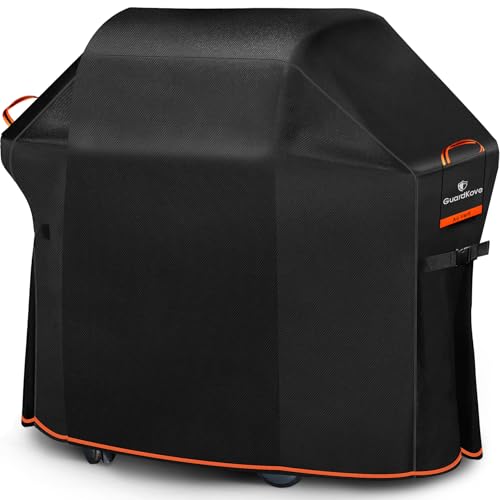
Keep a protective waterproof cover over your outdoor grill whenever it is not in use to prevent rain and morning dew from accelerating corrosion. Moisture combined with residual salt from barbecue rubs creates an acidic slurry that pits stainless steel and rusts cast iron under ambient conditions. A clean, covered grill stored in a dry outdoor space remains hygienic, looks appealing, and stays ready to fire up at a moment’s notice.
Verifying Cleanliness and Final Inspection
Before cooking food on newly degreased grates, perform a final inspection to confirm that all chemical residues, loose bristles, and stone powders have been completely removed. Run a clean, dry white paper towel across the top and bottom of several grate bars. If the paper towel comes away stained with chemical suds or excessive black grit, rinse the cooking surface once more with warm water.
Preheat the grill for fifteen minutes on medium heat prior to your first subsequent cook to burn off any microscopic surfactant traces that might linger on the steel. Pay close attention to the aroma rising from the grill during this initial preheat phase. A clean grill should emit only clean heat, without pungent chemical fumes or thick black smoke from leftover grease pools.
Taking the time to remove built-up grease restores efficient heat distribution and ensures a sanitary cooking environment for every cookout. With the right combination of targeted degreasers, suitable abrasive tools, and routine post-cook care, your grill grates will remain durable, dependable, and ready to deliver exceptional flavor season after season.




Write Your Review
No reviews yet. Be the first to share your experience!