


Sticky char, old grease, and charred marinades clinging to cooking surfaces can ruin a great barbecue before the first steak touches the fire. Learning how to sanitize grill grates properly ensures that your cooking surface remains free of harmful bacteria, rancid oils, and stubborn carbon deposits without damaging your equipment. When preparing your outdoor station, having a dedicated rolling bbq prep table nearby helps keep raw proteins separated from sanitized cooking tools. Proper sanitation combines physical residue removal with either thermal heat treatment or safe degreasing solutions, giving you clean grates that promote better sear marks and pure flavor.
Many backyard cooks mistake routine wire brushing for thorough sanitation, but removing visible grime is only the first part of the equation. Deep cleaning requires neutralizing grease-borne contaminants, understanding the safe temperature thresholds of your grate metal, and choosing food-contact safe cleaners. Whether you cook over charcoal, propane, or wood pellets, following a reliable sanitation routine safeguards your family against foodborne pathogens and eliminates sour smoke odors. Maintaining clean cooking grates also prevents delicate fish and poultry from sticking, extending the overall lifespan of stainless steel, cast iron, and porcelain surfaces alike.

Pros
- All-natural, plant-based formula is safer for you and the environment compared to harsh chemical cleaners.
- Effectively removes grease and residue while building a natural seasoning layer on grates.
- Light citrus scent is pleasant and does not affect food flavor.
- Works well on multiple surfaces including stainless steel, making it versatile for grill maintenance.
Cons
- May require more effort for heavily charred residue compared to abrasive chemical cleaners.
- Only available in an 8-ounce bottle, which may not last frequent grillers as long as larger sizes.
If you are a backyard BBQ enthusiast or a weekend camper who enjoys cooking over an open flame, you know that cleaning the grill is often the least fun part of the experience. The CARON & DOUCET BBQ Grill Cleaner Oil offers a refreshingly natural approach to this chore. Made from 100% plant-based refined coconut oil and scented with citrus essential oils, this product is designed to remove grease and residue from your grates without the need for harsh, corrosive chemicals.
This cleaner is best suited for backyard grillers, patio cooks, and tailgaters who want a safer option for maintaining their gear. It works wonderfully with wooden scrapers or non-abrasive brushes, allowing you to gently scrub away buildup while conditioning the metal. Many grillers find that after a few uses, it helps build a natural seasoning on the grates, reducing food sticking and enhancing overall cooking performance on gas, charcoal, or pellet grills.
In terms of real-world cooking performance, this oil does not directly affect heat consistency or searing ability but indirectly improves them by keeping your grates clean and well-maintained. A clean grate ensures better heat transfer and prevents old residue from burning onto fresh food. For low-and-slow smoking or fast grilling, having a clean cooking surface is key to avoiding off-flavors. The light citrus scent is pleasant and does not transfer to your burgers, steaks, or vegetables, so your food tastes exactly as it should.
Build quality of the product itself is solid; the bottle is simple but functional, with a secure cap that prevents leaks during storage or transport. The oil is stable and will not go rancid thanks to the refined coconut oil base. This makes it a great option for campers or RV owners who want a compact, spill-proof cleaner that can be tossed into a gear bin without worry. While it does not offer wind resistance or temperature control like a grill might, it does keep your equipment in top shape for many outdoor cooking sessions.
Ease of use is straightforward: apply a small amount to a cool or warm grate, let it sit for a minute, then scrub with a scraper or brush. The oil breaks down grease effectively, and cleanup is done with a simple wipe. One realistic limitation is that for very heavy, baked-on carbon, you may need to repeat the process or use a bit more elbow grease compared to stronger chemical degreasers. Additionally, the 8-ounce bottle is compact, which is great for portability but might not last heavy users very long. Overall, this is a practical, eco-friendly tool for any outdoor cook who values natural ingredients and wants to keep their grill in great condition without the toxic stuff.

Citrusafe BBQ Grill Grate Cleaner
Pros
- Cuts through tough baked-on grease quickly with minimal scrubbing effort
- Pleasant citrus scent makes grill cleanup less of a chore
- Safe on various grate materials including porcelain and stainless steel
- Rinses clean without leaving residue that could affect food flavor
Cons
- Liquid formula may require multiple applications for heavily neglected grills
- Not a spray – you need to apply with a cloth or brush
- Some users might prefer a foam or spray applicator for easier coverage
If you're a backyard griller or BBQ enthusiast who loves cooking over open flame but hates the cleanup, Citrusafe BBQ Grill Grate Cleaner might be exactly what you need. This 23 oz liquid cleaner is designed to break down grease, carbon, and residue on grill grates using a natural citrus-based formula. Unlike many harsh chemical cleaners, it relies on the grease-cutting power of citrus solvents and leaves behind a fresh, clean scent – not the smell of bleach or ammonia.
Citrusafe works well on a variety of outdoor cooking equipment: gas grills, charcoal grills, pellet smokers, and even flat top griddles. The liquid can be applied with a sponge, brush, or cloth, then allowed to sit for a few minutes before wiping or scrubbing away. It's especially effective on porcelain-covered grates, where it lifts burnt-on food without damaging the coating. Several verified buyers mention using it on smoker glass doors and interior surfaces with great results – a big plus for anyone who likes to keep their rig looking sharp.
One of the biggest advantages this cleaner offers is peace of mind. Because it's non-toxic and biodegradable, you can use it without worrying about chemical residue contaminating your next batch of burgers or brisket. That's a real benefit for tailgaters and campers who cook in close quarters and want a safe product that won't leave off-flavors on the next cook. The citrus scent also makes the cleaning process far more pleasant, especially when you're scrubbing down a grill after a big backyard party.
In terms of real-world performance, Citrusafe holds its own against more abrasive or toxic alternatives. On a moderately soiled grill grate, a single application with some elbow grease removes most of the gunk. For neglected grates with years of buildup, you might need to apply twice or let it soak longer. Even then, it's much easier than scrubbing with vinegar and baking soda or risking wire brush bristles. Users report that it even makes 20-year-old grates look nearly new – a testament to its grease-lifting power.
Cleanup is straightforward: after the cleaner has done its work, rinse thoroughly with water and dry. There's no sticky residue left behind, which is a common complaint with some citrus cleaners. The bottle is large enough to handle multiple deep cleans, making it a good value for regular grillers who cook several times a week. For RV owners or campers, the compact size slips easily into a storage bin without taking up too much space.
The main limitation is the liquid form – it's not a spray, so you have to apply it manually. Some users prefer a trigger sprayer for easier coverage, but that's a minor trade-off given the product's effectiveness and safety. Overall, Citrusafe BBQ Grill Grate Cleaner is a reliable, user-friendly choice for anyone who grills or smokes outdoors. It's especially well-suited for health-conscious backyard cooks, families that cook near kids or pets, and anyone who wants a cleaner that actually makes the chore less of a hassle.

Pros
- Effective on heavy grease and charred food residue from low-and-slow smokes
- Works well on both cold and warm surfaces for flexible cleaning after grilling
- Economical - a little goes a long way for multiple cleaning sessions
- Rinses clean without leaving sticky residue that could affect food flavor
Cons
- May require multiple applications for heavily caked-on grime from years of use
- Strong chemical smell during application - use in well-ventilated area
- Not recommended for aluminum surfaces or painted grills
If you spend any time grilling, smoking, or cooking outdoors, you know the cleanup is the least fun part. This heavy-duty grill cleaner is designed to tackle exactly that chore, making it a solid addition to any outdoor cooking setup. It's a spray-on degreaser that works on BBQ grills, smokers, ovens, flat top griddles, and even camping stoves - basically anything that gets coated in grease and carbon after a cookout.
This cleaner is best suited for backyard grillers who fire up their gas or charcoal grills weekly, BBQ enthusiasts who smoke brisket low and slow, campers who need to clean their portable stove after a trip, and tailgaters who want their gear ready for the next game. If you own an RV and cook inside or outside, this is also handy for keeping the oven and grill grates spotless.
In real-world use, the cleaning performance is impressive. It cuts through baked-on grease and charred food residue without requiring heavy scrubbing. After a long smoking session where the grates are covered in black carbon, a few sprays and a short wait let you wipe it away. It doesn't completely eliminate scrubbing, but it reduces elbow grease significantly. The formula works on both warm and cold surfaces, so you can spray right after cooking or let it sit overnight on tough buildup.
Build quality is straightforward - it comes in a standard spray bottle with a trigger nozzle that delivers a wide or narrow stream. The nozzle doesn't clog easily, which is a common issue with thick cleaners. It's safe on porcelain, stainless steel, and cast iron grates, but you should avoid aluminum and painted surfaces. The spray can reach into tight corners of smoker racks and between grates, making it easier to clean those hard-to-reach spots.
Setup and use are simple: spray on, let it sit for a few minutes, scrub if needed, then rinse with water. Cleanup is quick, and the cleaner rinses away without leaving a sticky film that could affect your next meal's flavor. Storage is easy - just keep the bottle in your garage or under the sink. One limitation is that heavily caked-on grime from years of neglect may require multiple applications. Also, the chemical smell is strong, so you'll want good ventilation when using it.
Overall, this is a practical buy for anyone who cooks outdoors regularly. It saves time and effort on cleanup, which means more time enjoying your backyard parties, tailgates, or campsite meals. If you're tired of scrubbing forever after a great cookout, this cleaner makes the after-work much easier. Just remember to wear gloves and work in a well-ventilated area, and your grills and smokers will look like new after each use.

Pros
- 100% chemical free - no harsh cleaners near your food
- Safe on all grill surfaces including ceramic, porcelain, and stainless steel
- Ergonomic handheld design for comfortable grip and control
- Lifetime satisfaction guarantee backs your purchase with confidence
Cons
- Requires some elbow grease for heavy carbon buildup
- Not ideal for cleaning inside pellet grills or smokers with delicate surfaces
- Bricks may crumble slightly with heavy use, creating some dust
If you spend your weekends firing up the grill for backyard burgers or slow-smoking a brisket for the family, you know that cleaning up is the least fun part of outdoor cooking. The Avant Grub Grill Cleaning Brick 4 Pack is a simple, effective solution that skips the harsh chemicals and gets your flat top griddle or grill grates looking like new again. These pumice stones are designed for heavy-duty cleaning without scratching your precious cooking surfaces.
This product is best for backyard grillers, BBQ enthusiasts, campers, tailgaters, RV owners, and anyone who regularly cooks on a flat top grill or griddle. If you've ever worried about chemical residue from spray-on cleaners seeping into your food, these bricks offer peace of mind. They're also a solid choice for patio cooks who want a quick, portable cleaning tool that doesn't require electricity or batteries.
In real-world use, these bricks handle burnt-on grease and carbon buildup effectively. The pumice material is abrasive enough to scour away tough residue but gentle enough to avoid scratching porcelain, ceramic, or stainless steel grates. You won't get the same heat consistency or searing performance benefits as you would from a new grill, but the cleaning action is thorough. For flat top griddles, the brick shapes around the surface to lift grease and carbon from all sides, which is a big plus for maintaining even cooking performance.
Build quality is solid for a consumable cleaning tool. Each brick is about 8 x 4 x 3.5 inches and weighs around 1 pound, making it easy to grip and maneuver. There's no lid, grates, or wheels to worry about, but the bricks themselves are durable enough to last through multiple cleaning sessions. They resist crumbling better than some cheaper pumice stones, though heavy pressure can cause some dust. Portability is excellent - toss a brick in your camping kit or RV storage for on-the-go cleaning.
Setup and cleanup couldn't be simpler: just wet the brick, scrub your warm (not hot) grill surface, and rinse. No assembly, no batteries, no complicated instructions. Storage is straightforward - keep them dry and they're ready for next time. A realistic limitation is that these bricks work best on flat surfaces; for round grates or intricate smoker components, you might need a brush for tight spots. Also, they require some manual effort for heavy carbon buildup.
Overall, the Avant Grub Grill Cleaning Brick 4 Pack is a practical, eco-friendly choice for anyone who values chemical-free cleaning and wants to preserve their grill's seasoning and finish. Whether you're cleaning up after a tailgate party, a campsite breakfast, or a weekend BBQ, these bricks deliver a thorough clean without the worry. Backed by a lifetime satisfaction guarantee, they're a low-risk addition to your outdoor cooking toolkit.

Pros
- Comfortable ergonomic handle reduces hand fatigue during thorough cleaning
- Replaceable pads offer long-term value and consistent scrubbing performance
- Heavy-duty design tackles baked-on residue without scratching porcelain or stainless steel grates
- Affordable price point makes it a smart addition to any griller's toolkit
Cons
- Pads may need frequent replacement if used on heavily charred grates after every cook
- Not ideal for cleaning griddle surfaces or ceramic grills; best suited for standard wire or rod grates
If you've spent any time grilling burgers, chicken, or steak for a weekend BBQ, you know that cleaning the grates is the least glamorous part of the cook. The Weber Grill Grate Scrubber aims to change that. This heavy-duty scrubber is built specifically for outdoor cooking enthusiasts who want to keep their grill in top shape without wrestling with flimsy brushes or disposable pads.
This scrubber is designed for backyard grillers, tailgaters, and anyone who fires up a gas or charcoal grill regularly. It's not a cooking appliance itself, but it plays a critical role in maintaining your grill's performance. A clean grate means better heat transfer, fewer flare-ups, and that perfect sear on your steaks. The contoured handle feels natural in your hand, giving you a firm grip even when you're scrubbing away stubborn residue after a long cook.
In terms of real-world use, this scrubber does exactly what it promises. The three included pads are easy to swap out, so you always have a fresh scrubbing surface. The heavy-duty construction handles the kind of baked-on grease and carbon that builds up after smoking ribs or grilling a big batch of burgers. While it won't replace a deep cleaning with a wire brush for extremely caked-on grates, it's perfect for regular maintenance after each cook.
Durability is solid for a tool in this price range. The plastic handle holds up well to repeated use and exposure to outdoor elements, though you'll want to store it in a dry place to extend its life. The pads are the main consumable, and you'll get several uses out of each one depending on how dirty your grates get. For most backyard cooks, a single pack will last through a season of weekend grilling.
Cleanup is straightforward: just rinse the scrubber after use and let it dry. The compact size makes it easy to tuck into a grill cart or drawer, so it's always handy when you need it. One realistic limitation is that it's not designed for flat top griddles or ceramic grills, but for standard wire or rod grates, it works great.
Overall, the Weber Grill Grate Scrubber is a practical, no-nonsense tool for anyone who takes their outdoor cooking seriously. Whether you're a weekend BBQ enthusiast or a tailgater who wants quick cleanup before packing up, this scrubber delivers reliable performance at a fair price. It's a smart addition to any grill setup.
Keeping your grill grates clean is essential for great cooking results and extending the life of your grill. The Weber Grill Grate Scrubber makes this task straightforward. After each cook, allow the grates to cool slightly, then scrub with the pad to remove food residue and grease. The contoured handle gives you good leverage, so you don't have to scrub too hard.
For best results, rinse the scrubber with water after each use and let it air dry. The replaceable pads should be swapped out when they become worn or lose their scrubbing power. Depending on how often you grill, a single pad can last several sessions. Store the scrubber in a dry place to prevent any mold or mildew on the pad.
This scrubber is compatible with most standard gas and charcoal grill grates, including porcelain-coated, stainless steel, and cast iron. Avoid using it on non-stick surfaces or delicate ceramic grills, as the abrasive pads may cause scratching.

Pros
- Zero cleanup hassle – simply discard the grate after use
- Even cooking surface delivers consistent results across burgers, veggies, and seafood
- Lightweight and compact – easy to pack for any outdoor adventure
- Compatible with most grill types, including charcoal, gas, and portable smokers
- Affordable multipack provides multiple uses for frequent grillers
Cons
- Single-use design may not appeal to eco-conscious buyers or those seeking long-term durability
- Not as heavy-duty as permanent grates – may require careful handling with sharp tools
- Size may be slightly small for extra-large grills, limiting coverage on bigger cooking surfaces
The ciAmore Grill Topper is a set of 10 disposable grill grates designed to simplify your outdoor cooking experience. Measuring 11.8 x 15.7 inches each, these grates sit on top of your existing grill grates, providing a fresh cooking surface for every use. They're made for backyard grillers, campers, tailgaters, and RV owners who value convenience and quick cleanup over permanent hardware.
When it comes to real-world cooking performance, these grates deliver even heat distribution that helps prevent hot spots. You can get a decent sear on steaks or burgers, and the grid pattern keeps smaller items like shrimp or sliced veggies from falling through. While they won't produce the same smoke flavor as a heavy cast iron grate, they work well for fast grilling and medium-heat cooking. They're also great for high-volume cooking during parties or campsite meals because you can cook multiple items at once without worrying about cross-contamination between batches.
Build quality is solid for a disposable product. The material resists corrosion and withstands typical grilling temperatures without warping. Each grate weighs only 4.5 ounces, making the entire pack extremely portable. You can toss them in a camping bin, RV storage, or tailgating cooler without adding bulk. They fit most standard charcoal and gas grills, though you might need to trim them for smaller portable grills.
Setup is as easy as placing the grate onto your existing grates and lighting the grill. After cooking, you simply let it cool, then discard it. This eliminates the need for scraping, soaking, or scrubbing – a huge time saver after a long cookout. However, the disposable nature means you can't reuse them, so you'll need to stock up for multiple grilling sessions. Also, they are less sturdy than permanent grates, so avoid using heavy cast iron cookware or cutting directly on them.
Overall, the ciAmore Grill Topper is a practical solution for outdoor cooks who prioritize convenience. It's perfect for camping trips where cleaning supplies are limited, for tailgating where time is short, or for backyard parties when you want to spend more time with guests. If you prefer long-lasting, heavy-duty grates or are eco-conscious about disposables, this might not be your first choice. But for anyone who wants to skip the cleanup and keep grilling fun, this pack delivers real value.
These disposable grates shine in scenarios where cleanup is a hassle or water is scarce. For campers, they allow you to enjoy grilled meals without scrubbing soot off your camping stove's grates. Tailgaters can swap grates between meats and veggies to avoid flavor transfer without extra washing. Backyard cooks hosting large parties can rotate fresh grates for successive rounds of burgers and hot dogs. RV owners with limited water tanks will appreciate being able to toss the grate after cooking. They also work well on portable charcoal grills at the beach or park, letting you pack up quickly once the meal is done.
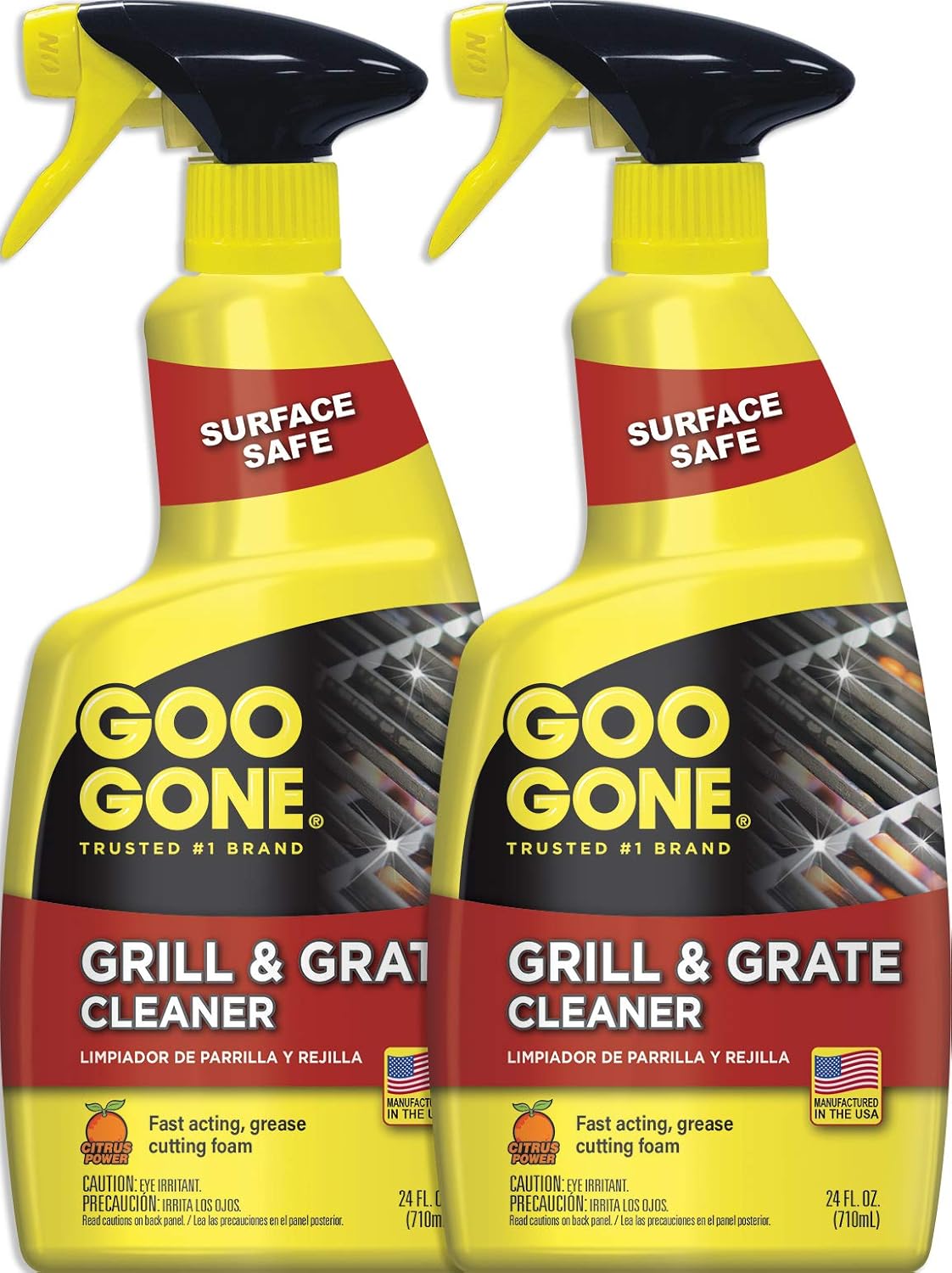
Pros
- Effectively removes stubborn baked-on grease and carbon deposits
- Biodegradable and food-surface safe (non-toxic when rinsed properly)
- Foam clings to grates and vertical surfaces, reducing waste
- Works on pellet smokers, gas grills, and electric smokers
- Helps reduce flare-ups by removing grease buildup
Cons
- Spray nozzle can be inconsistent; some users report clogging or poor spray pattern
- Foam may struggle to coat thin, closely spaced grate rods without pooling
- Do not use on aluminum or faux stainless steel surfaces (may cause damage)
- Requires thorough rinsing to avoid residue that could affect food taste
If you've ever faced down a crusty, grease-laden grill grate after a long summer of burgers, steaks, and slow-smoked ribs, you know the struggle is real. The Goo Gone Grill and Grate Cleaner Spray (2 Pack) is designed for exactly that scenario. This super-strength gel foam targets baked-on deposits, carbon, and grease that accumulate on your cooking surfaces. It's not a replacement for a good brush, but it's a powerful pre-treatment that cuts your scrubbing time drastically.
This cleaner is best suited for backyard grillers who own gas grills, pellet smokers (like Traeger), electric smokers, or even charcoal kettles. If you're a tailgater who wants to refresh your portable griddle or a home cook who hates scrubbing drip pans, this product will make your life easier. The biodegradable formula is a plus for eco-conscious outdoor cooks, and the citrus scent is a welcome change from harsh chemical smells.
In real-world use, the foam clings well to vertical surfaces—important for cleaning the inside of your smoker lid or the sides of your grill grates. After letting it sit for a few minutes (the instructions recommend 2 to 10 minutes, depending on how caked-on the grime is), a plastic brush or a stiff grill brush will lift the softened debris. Many users report success even with heavy carbon buildup, and the product helps reduce future flare-ups by removing grease that can ignite.
Build quality is straightforward: two 24-ounce bottles with trigger sprayers. The spray nozzles can be finicky—some reviewers mention they don't produce a consistent foam stream, which can make coating narrow grate rods tricky. A workaround is to pour the cleaner into a spray bottle with a better nozzle, or even soak a cloth and wipe it on. The product is safe on most metals (steel, cast iron, porcelain-coated grates) but avoid aluminum and faux stainless steel as the formula can damage them.
Ease of use is the main selling point. Remove your grates, spray on the foam, wait, scrub, rinse, and dry. For interior grill surfaces, you can spray and wipe with a cloth. The cleaner does need to be rinsed thoroughly—leftover residue could affect the taste of your next meal, so a quick rinse with water is essential. Storage is simple; the bottles stand upright and the foam doesn't separate.
A realistic limitation is that very heavy buildup may require multiple applications or a longer soak. Also, if you're cleaning a large smoker with lots of nooks and crannies, you'll use a fair amount of product. Some users with thin, closely spaced grill rods find that the foam doesn't coat evenly unless they apply it carefully. For best results, consider wearing gloves and working in a well-ventilated area. Overall, this is a reliable, affordable cleaner for regular grill maintenance. If you want to keep your outdoor cooking equipment in top shape without spending hours scrubbing, the Goo Gone Grill and Grate Cleaner is a solid choice.
Mastering Grill Grate Sanitation: Methods, Safety, and Best Practices
Sanitizing barbecue grates requires a balanced approach that eliminates biological pathogens while preserving the structural integrity and seasoning of the metal. While everyday cleaning simply knocks off loose food bits, true sanitization reduces harmful microorganisms to safe public health levels. Cooks can achieve this clean state through controlled high-temperature heat cycles, targeted food-contact degreasers, or physical abrasives that strip away rancid fat layers. Understanding how your specific grate material responds to heat, moisture, and cleaning agents makes the entire process straightforward and reliable.
Cleaning Versus Sanitizing: Understanding the Difference
Cleaning and sanitizing serve two distinct purposes in outdoor cooking, yet both steps remain vital for food safety. Cleaning involves the mechanical removal of grease, burnt sugars, ash, and organic food debris from the surface of the cooking grid. Sanitizing actively destroys lingering bacteria, molds, and viruses that thrive in trapped organic matter between cookouts. If you attempt to sanitize a grate covered in thick carbon buildup, the heat or sanitizing solution cannot penetrate through the grime to reach the underlying surface. Removing the heavy grease layer first allows the sanitizing agent or heat to make direct contact with the metal.
Outdoor grills naturally accumulate bacterial colonies and mold spores when left covered in humid environments between uses. Fat deposits from meats can turn rancid over time, introducing unpleasant off-flavors and volatile compounds into fresh food. Thermal sanitization uses radiant heat to destroy cell walls, while chemical sanitizers break down grease films and neutralize biological contaminants. Implementing a two-stage process where you scrub off heavy carbon before applying heat or sanitizing solutions guarantees a hygienic cooking surface. This disciplined habit prevents gastrointestinal illnesses and preserves the pure flavor of your rubs and marinades.
Thermal Sanitization: Using High Heat to Disinfect Cooking Surfaces
Thermal sanitization remains the most accessible and effective method for outdoor grill owners because sustained high heat naturally destroys common foodborne pathogens. Bacteria such as Salmonella, Escherichia coli, and Listeria cannot survive temperatures exceeding 165 degrees Fahrenheit, and grill interiors easily surpass this benchmark. To thermally sanitize your gas or charcoal grill, close the lid, open the vents fully, and bring the internal cooking chamber to at least 500 degrees Fahrenheit. Maintaining this sustained heat for approximately fifteen minutes incinerates clinging organic matter into white ash while killing microscopic contaminants.
After completing the burn-off period, allow the grill to cool slightly to a manageable medium-high temperature before brushing the grates. The intense heat weakens the bond between stubborn carbon deposits and the metal bars, making physical debris removal effortless. Always use heat-resistant gloves and long-handled tools during this phase to protect your skin from sudden flare-ups or rising heat waves. Thermal sanitization works exceptionally well for both routine post-cook maintenance and pre-cook preparation without requiring water-based rinsing.
Pellet grills and smoker units require a slightly adjusted thermal approach due to their indirect heat diffusers and temperature limits. If your cooker cannot readily achieve 500 degrees Fahrenheit across the cooking grate, you may need to extend the heating cycle to thirty minutes at its maximum setting. Cooks who use a versatile griddle and smoker combo often separate flat griddle tops from smoker racks, using direct burner heat to sanitize the steel plate while relying on longer chamber heat for smoker grids. Verifying that the cooking zone maintains consistent high heat ensures that no cold pockets harbor bacteria.
Chemical and Plant-Based Degreasers: Choosing Safe Cleaners
When heat alone fails to loosen heavy grease deposits, specialized cleaning sprays and natural oils provide chemical degreasing power. Conventional household oven cleaners often contain harsh lye or caustic chemicals that can etch stainless steel and leave toxic residues on food surfaces. Grill-specific degreasing sprays formulated for food-contact areas break down polymerized fats into water-soluble compounds without releasing harmful fumes. Biodegradable gel formulas cling to vertical bars, dissolving baked-on carbon deposits without dripping rapidly into the burner tubes below.
Natural plant-based cleaners, such as refined coconut oil infused with citrus essential oils, offer a safer, non-corrosive alternative for regular grate care. Citrus oils contain natural terpenes that dissolve sticky grease films, while solvent-free refined coconut oil prevents the cooking surface from oxidizing. Unlike unrefined cooking oils that turn rancid during outdoor storage, stable plant-based conditioning oils protect the metal while imparting a fresh scent. Applying these solutions with a non-abrasive pad cleans the grate thoroughly while simultaneously building a slick protective barrier.
Always review manufacturer compatibility guidelines before spraying degreasers onto specialty finishes or exterior coatings. Certain powerful formulas perform safely on stainless steel and cast iron but may discolor exterior aluminum castings or artificial stainless finishes. After applying any spray cleaner, allow the formula sufficient dwell time according to the product directions so the active surfactants can loosen baked-on grease. Once the grime loosens, wipe the surface clean with a damp microfiber cloth or rinse it with clean warm water before lighting the burners.
Abrasive Tools and Scrubber Selection: Pumice Stones and Bristle-Free Pads
Selecting the right physical scrubbing tool is critical for sanitizing grates without introducing dangerous physical hazards or surface scratches. Traditional wire brushes present serious safety concerns because thin metal bristles can break loose, stick to the grates, and end up ingested in grilled food. Bristle-free alternatives, such as dense synthetic scrubbing pads with contoured handles, provide aggressive scrubbing action while completely eliminating bristle shed. These pads trap loosened carbon and grease, keeping residue from falling directly onto ceramic briquettes or flavorizer bars.
Commercial pumice grill cleaning stones provide another highly effective, chemical-free scrubbing option for heavy carbon buildup. Pumice is a naturally porous volcanic mineral that acts as a mild abrasive, scouring away burnt marinades and polymerized grease without scratching tempered metals. As you push the pumice brick back and forth along the cooking grid, the stone naturally grooves itself to the exact contour of the grate bars. This custom shaping allows the stone to scour the top, sides, and crevices between rods simultaneously, removing hidden debris where bacteria multiply.
Wooden scrapers and abrasive cleaning pads work best when paired with gentle cleaning lubricants or warm water. A wooden paddle gradually develops custom charred grooves matching your specific grate layout over repeated warm cleanings. Because wood contains no metal parts, it provides an exceptionally safe cleaning experience for families with young children. Pair your preferred mechanical scrubber with regular wiping towels to lift away loosened soot before applying any post-cleaning seasoning oils.
Grate Material Considerations: Stainless Steel, Cast Iron, and Porcelain Enamel
Different grate materials react distinctly to moisture, thermal shock, and abrasive scrubbing tools, requiring tailored sanitation techniques. Heavy cast-iron grates excel at heat retention and searing, but they are vulnerable to corrosion if soaked in soapy water or exposed to acid-heavy cleaners. Sanitizing cast iron relies primarily on dry high-temperature burn-offs followed by a stiff bristle-free scrub and a fresh wipe of high-smoke-point oil. Never submerge raw or seasoned cast iron in a water bath, as standing moisture quickly penetrates microscopic surface pores and causes flash rusting.
Stainless steel grates provide exceptional rust resistance and tolerate a wider range of liquid cleaners, water rinses, and abrasive scouring tools. You can safely soak removable stainless steel grids in a deep sink or plastic tub filled with warm water and grease-cutting detergent. Pumice stones, synthetic scouring pads, and biodegradable degreaser sprays clean stainless steel rods effectively without stripping a delicate finish. After sanitizing stainless grates with liquids, dry them completely with a clean towel and fire up the grill to drive away lingering moisture.
Porcelain-enameled steel and porcelain-coated cast iron feature a glassy ceramic coating fused over metal to prevent rust and sticking. This protective ceramic layer is brittle and can chip or crack if struck with sharp metal scrapers or subjected to sudden cold water while piping hot. Sanitize porcelain grates using gentle heat cycles, soft nylon or synthetic scrubbers, and mild citrus-based cleaners rather than coarse abrasive bricks. Once porcelain chips, moisture reaches the underlying steel or iron, causing internal rust that eventually lifts the remaining enamel from the grate.
Disposable Grate Toppers: An Alternative Clean-Barrier Strategy
When cooking on public park grills, shared campsite fire pits, or heavily rusted grates, sanitizing the existing surface may prove impractical. In these scenarios, disposable steel mesh grill toppers and lightweight cooking grids provide an instant, sterile physical barrier between your food and the grates. These compact mesh toppers measure approximately a foot wide by sixteen inches long, easily covering standard cooking zones. They allow heat and wood smoke to penetrate freely while preventing delicate burgers, vegetables, and fish from touching unverified surfaces.
Steel grilling mesh racks can withstand direct grilling temperatures up to 480 degrees Fahrenheit without warping or melting. Because each topper is lightweight and portable, keeping several packs inside your camper or tailgating kit provides immediate cooking readiness. When cooking chicken skewers basted with sticky glazes, such as a tangy cranberry barbecue sauce, the wire grid keeps caramelized sugars from bonding directly to your permanent cooking grates. Once your cookout finishes, you can discard the soiled topper responsibly or recycle it depending on local disposal programs.
Step-by-Step Deep Sanitation Protocol for Outdoor Grates
Executing a thorough, step-by-step sanitation routine ensures every square inch of your cooking grid is safe for fresh food contact. Begin by conducting a preliminary dry burn-off, firing up all burners to high or opening all damper vents on your charcoal kettle. Let the grill heat for fifteen to twenty minutes with the lid firmly closed so that clinging grease carbonizes into brittle ash. Turn off the heat source or damp the charcoal, allowing the metal bars to cool down until they are moderately warm.
Next, use a contoured bristle-free scrubber or a pumice brick to scour away loosened carbon from the top and sides of each rod. Work systematically from the back of the grill toward the front, applying firm and even pressure across the cooking zone. Once you remove the dry surface crust, spray a food-safe degreaser or wipe a citrus cleaner over the warm grates. Allow the cleaning solution to sit for several minutes so active surfactants can emulsify sticky oil residues trapped near the grate welds.
Wipe the grates clean using a damp microfiber cloth or lint-free cotton rag to remove loosened grease, pumice dust, and chemical residues. If working with removable stainless steel grates, you can lift them out and rinse them thoroughly with a garden hose or warm utility sink water. Inspect the undersides of the grates, as dripping fat often forms stubborn stalactites of carbon beneath the main cooking surface. Flip the grates occasionally during deep cleanings to ensure both sides receive identical scrubbing and sanitizing treatment.
Finish the sanitation protocol by applying a light coat of high-heat cooking oil, such as refined coconut oil or canola oil, using a paper towel folded into tongs. Close the lid and run the grill on medium heat for ten minutes to cure the fresh oil film onto the metal bars. This quick thermal flash seals microscopic pores, shields the grates from airborne humidity, and creates a natural non-stick cooking patina. Your grates are now fully disinfected, rust-protected, and ready for immediate grilling.
Food Safety Essentials and Cross-Contamination Prevention
Grill grate sanitation plays a central role in comprehensive kitchen and outdoor food safety protocols. Raw poultry, pork, and beef harbor pathogenic bacteria that transfer instantly to clean grates during cooking. While the direct contact zone under high heat kills bacteria quickly, areas near grate perimeters or cooler warming racks may remain at lower temperatures. Always designate separate tongs and platters for raw meat handling versus cooked food staging to prevent cross-contamination across your cooking grid.
Relying solely on visual cues or grill surface heat to determine meat safety can lead to undercooked food and foodborne illness. Always insert a calibrated digital meat thermometer into the thickest portion of meats, steering clear of bone and gristle, to confirm safe internal temperatures. Poultry must reach an internal temperature of 165 degrees Fahrenheit, while ground meats should register 160 degrees Fahrenheit before removal. Fresh steaks, pork chops, and roasts require an internal temperature of 145 degrees Fahrenheit followed by a three-minute resting period.
Fire Prevention and Safe Outdoor Operating Boundaries
Sanitizing your grill grates significantly lowers the danger of uncontrolled grease fires inside the firebox and cookbox. Accumulated animal fat and sugary marinades dripping beneath the grates create combustible fuel beds that ignite rapidly under high heat. Scraping grates and clearing drip pans regularly ensures that air flows smoothly across burners without feeding sudden grease flare-ups. Always keep a bucket of dry sand, baking soda, or a Class B fire extinguisher nearby whenever performing high-heat burn-offs.
Crucially, you must never operate a fuel-burning gas, charcoal, or pellet grill inside a garage, breezeway, shed, or enclosed patio, even if the overhead garage door is completely open. Burning charcoal and propane produces high concentrations of invisible, odorless carbon monoxide gas, which accumulates rapidly and poses deadly risks to humans and pets. Enclosed spaces also trap intense radiant heat against ceilings and nearby drywall, creating severe structural fire hazards. Only operate fuel-burning grills outdoors on level, non-combustible surfaces positioned at a safe clearance distance from roof eaves and exterior walls.
Electric grills and specialized appliances listed specifically by testing laboratories for indoor use represent the only cooking units permissible within residential interiors. Even when using approved indoor electric units, verify that your cooking area maintains adequate ventilation to handle rising steam and grease vapor. For all traditional outdoor grills, position your cooker at least ten feet away from combustible siding, wooden railings, and overhanging tree branches according to local fire guidelines. Respecting these outdoor boundaries guarantees that every cleaning cycle and barbecue gathering remains entirely safe.
Maintaining Long-Term Grate Hygiene and Storage Protection
Consistent maintenance after every cookout makes deep sanitation much faster and less labor-intensive over the life of your barbecue equipment. Taking two minutes while the grates are still warm to brush away fresh food deposits prevents thick carbon crusts from hardening onto the metal. Applying a protective conditioning oil before fitting a breathable, weather-resistant grill cover shields bare iron and steel against damp seasonal air. By combining routine post-cook burn-offs with thoughtful material care, your grill grates will remain sanitary, corrosion-free, and always ready for your next culinary project.







Write Your Review
No reviews yet. Be the first to share your experience!