


Outdoor cooking equipment naturally faces moisture, intense heat, and grease residue, all of which create ideal conditions for surface corrosion. When oxidation takes hold of your cooking grates or firebox, learning how to remove rust from grill assemblies becomes essential for food safety and steady cooking performance. Flaking iron or corroded steel grates taint your food with metallic debris and prevent heat from transferring evenly across the cooking surface. Setting up a dedicated outdoor workstation, such as a sturdy rolling barbecue prep table, gives you ample space to scrub parts without making a mess on your patio. Taking action early prevents minor surface tarnish from degrading metal components into irreversible pitting.
Restoring an oxidized barbecue involves identifying the underlying metal before applying mechanical friction or specialized chemical removers. Bare cast iron requires abrasive removal followed by prompt heat curing, whereas porcelain-enameled steel calls for gentle treatment so you do not fracture the brittle protective coating. Selecting the proper method safeguards your equipment and extends the lifespan of outdoor cookers. With the right tools and systematic steps, you can safely strip away corrosion, recondition bare surfaces, and protect your cooker against future outdoor weathering.

Pros
- Effectively removes rust without damaging the underlying iron surface
- Small size makes it easy to handle and store in a grill tool drawer or camping bag
- Works well on both flat and curved surfaces of skillets, griddles, and Dutch ovens
- Affordable solution for restoring family heirloom cast iron pieces
Cons
- Requires re-seasoning of cookware after use, which adds extra steps for outdoor cooks
- Not suitable for use on hot cookware, so you must wait for items to cool completely
- May need multiple passes for heavy rust buildup on neglected cast iron
If you're into outdoor cooking - whether it's flipping burgers on a flat top griddle at a tailgate, slow-smoking brisket in a backyard offset smoker, or searing steaks over a campfire - you know cast iron is the backbone of great heat retention and flavor. But even the best-seasoned skillet or grill grate can fall victim to rust, especially after a rainy camping trip or a humid summer. That's where the Lodge Rust Eraser comes in. This small, black cleaning tool is designed specifically to remove surface rust and tarnish from cast iron cookware, making it a practical addition to any outdoor cook's kit.
This tool is best suited for backyard grillers, BBQ enthusiasts, campers, tailgaters, and RV owners who rely on cast iron for their cooking. Whether you're restoring a vintage Dutch oven found at a flea market or cleaning up a grill grate that sat out in the weather, the Rust Eraser gives you precision control. Its compact size - about 3.6 inches long and half an inch wide - lets you target rust spots without scrubbing away the good seasoning around them. It's especially handy for those tight corners on a skillet or the curved edges of a camp Dutch oven.
In terms of real-world performance, the Rust Eraser does exactly what it promises. It removes rust down to the bare iron, which means you'll need to re-season your cookware afterward. That's a small trade-off for getting a piece back to cooking condition. For outdoor cooks who value heat consistency and smoke flavor, having a rust-free surface is crucial - rust can flake into food and ruin the taste. This tool helps you maintain that smooth, seasoned surface that makes cast iron so good for searing steaks or baking cornbread over a campfire.
Build quality is solid, as you'd expect from Lodge. It's made in the USA and feels durable enough for repeated use. The eraser itself is a bit like a dense rubber block with an abrasive texture. It won't scratch the iron, but it will take off rust with some elbow grease. For outdoor durability, it's fine - just keep it dry when not in use. It's not meant for hot cookware, so let your skillet cool completely before tackling rust spots. That's a minor limitation, but one that's easy to work around if you plan your cleanup after cooking.
Setup and cleanup are straightforward. There's no assembly - just grab it and start scrubbing. After use, rinse it with water and let it air dry. It's small enough to toss in a camping gear bin or a tailgating tote without taking up space. Storage is simple, and it won't rust itself since it's not metal. The main limitation is that it only works on rust and tarnish - it won't fix deep pitting or heavy damage. For most outdoor cooks, though, it's a practical tool for maintaining cast iron that sees regular use.
Overall, the Lodge Rust Eraser is a smart buy for anyone who cooks outdoors with cast iron. If you're a backyard griller who wants to keep your griddle in top shape, a camper who needs to restore a rusty skillet after a wet trip, or a BBQ enthusiast who collects vintage cast iron, this tool delivers. It's affordable, effective, and easy to use. Just remember that you'll need to re-season after each use, but that's part of the cast iron care routine. For the price, it's a no-brainer addition to your outdoor cooking arsenal.

Pros
- Effectively removes rust and corrosion from grill surfaces without heavy sanding
- Conditions metal for better paint adhesion, extending the life of refinishing projects
- Prevents flash rust, giving you time to apply paint or coating
- Easy spray-on application with rinse or wipe-off cleanup
Cons
- Requires thorough rinsing or wiping to avoid residue on grill surfaces
- Not a paint or coating itself, only a prep step before refinishing
- May need multiple applications on heavily rusted outdoor cooking gear
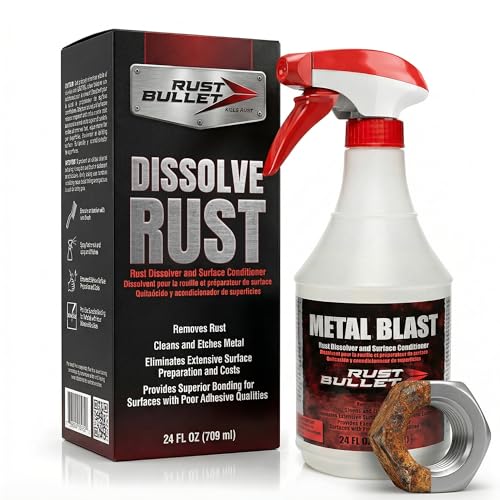
If you have an old grill or smoker that's seen better days, RUST BULLET Metal Blast is the prep solution you need before refinishing. This 24-ounce spray-on cleaner and rust remover is designed to strip away rust, grease, and contaminants from metal surfaces, leaving them properly etched and conditioned for paint or coating. It's not a paint itself, but it's the crucial first step in giving your backyard BBQ gear a fresh start.
This product is ideal for backyard grillers, BBQ enthusiasts, campers, tailgaters, and RV owners who want to restore their outdoor cooking equipment. Whether you're refinishing a rusty propane grill, a charcoal kettle, a smoker body, or even a camp stove, Metal Blast preps the metal so new paint adheres properly and lasts longer. It's especially useful for those who enjoy restoring vintage grills or maintaining their gear for years of use.
In real-world use, the spray-on formula makes application straightforward. You simply spray it onto the rusted or greasy surface, let it sit for a few minutes, then rinse or wipe it off. It cuts through baked-on grease and corrosion without requiring heavy scrubbing, which saves time and effort. The conditioning action etches the metal, creating a surface profile that helps high-heat paint bond tightly. This means your refinishing job on a smoker lid or grill body will hold up against weather and cooking heat.
Build quality wise, the product itself is a clear liquid that works on bare metal, steel, and cast iron commonly found in grills. It does not contain harsh acids that could damage thin metal, making it safe for older equipment. However, it's important to rinse thoroughly and dry the surface quickly to prevent any residue from affecting paint adhesion. The 24-ounce bottle covers a decent area, enough for a medium-sized grill or smoker.
One realistic limitation is that heavily rusted or pitted metal may require multiple applications or additional mechanical cleaning before the surface is fully prepped. Also, this product is only a prep step, so you'll need to follow up with a suitable paint or coating designed for high-heat outdoor cooking surfaces. It's not a one-step solution, but it's an essential part of the restoration process.
For anyone looking to refinish a rusty grill, smoker, or camping stove, RUST BULLET Metal Blast is a practical and effective choice. It simplifies the prep work and improves the final result, whether you're restoring a family heirloom kettle grill or sprucing up a tailgating rig. Pair it with a quality high-heat paint, and you'll get years of renewed use from your outdoor cooking gear.

Restoring Corroded Grill Surfaces and Preventing Future Oxidation
Tackling oxidation on an outdoor barbecue requires a systematic plan tailored to your specific equipment. Surface rust occurs when unprotected iron or steel bonds with moisture and oxygen, creating brittle iron oxide that flakes off during cooking. Removing this contamination protects the flavor of your food and preserves the structural integrity of your grill components. By understanding how different metals respond to abrasives and chemical cleaners, you can restore your cooker safely without causing accidental damage.
Identifying Grill Metal Types and Corrosion Severity
Before grabbing an abrasive scraper, you must determine what metal makes up your cooking grates and firebox. Uncoated cast iron is heavy, dark, and slightly porous, making it durable against hard scrubbing but exceptionally vulnerable to rust if left dry and unseasoned. Stainless steel grates feature a silvery finish that resists oxidation through a natural chromium oxide layer, though high heat and food salts can break down that protection over time. Porcelain-enameled grates consist of cast iron or steel wrapped in a glossy glass glaze that prevents rust until the outer coating chips or cracks.
Assessing the depth of oxidation dictates how aggressively you need to clean the surface. Light surface rust appears as an orange haze or powdery dust that wipes away with minimal friction. Moderate corrosion produces rough texture and flaking scales that demand firm mechanical scouring or chemical metal prep. Severe structural rust creates deep pitting, thinning metal, and holes, which indicates that a grate or burner heat plate has reached the end of its useful lifespan and must be replaced for safety.
Essential Safety Precautions Before Cleaning Rusty Metal
Safety should guide every step of your restoration process to prevent injury and toxic exposure. Always work outdoors in a well-ventilated space, well away from enclosed structures and exterior walls. Wear durable work gloves to protect your hands from sharp metal burrs, coarse wire bristles, and abrasive pads. Eye protection is equally vital when scrubbing corroded grates, as airborne rust particles and snapping wire brush fragments can cause serious eye injuries.
Disconnect all fuel sources before beginning any physical restoration on gas or pellet equipment. For propane models, turn off the tank valve and unhook the regulator hose entirely. For charcoal grills, ensure that ash is completely cold and cleared out before applying liquids or mechanical pressure. Never attempt rust removal while a grill is hot, because heated metal accelerates chemical fumes and creates severe burn hazards during manual scrubbing.
Step-by-Step Mechanical Rust Removal for Cast Iron Grates
Cast iron tolerates aggressive mechanical cleaning because the underlying metal is thick and resilient. Begin by removing the grates from the grill and placing them flat on a stable, protected surface. Use a specialized tool like the Lodge Rust Eraser, One Size, Black to spot-clean localized patches of tarnish and surface oxidation. The dense abrasive compound acts like a firm eraser, rubbing away corrosion down to the bare raw metal without gouging the iron.
For widespread corrosion across entire grates, combine mechanical tools such as stiff nylon abrasive pads, fine steel wool, and scraper blades. Work systematically along each individual bar, applying steady pressure in the direction of the metal grain. Avoid using loose-wire metal brushes that can shed sharp steel wires onto cooking surfaces, as swallowed wire bristles pose documented health hazards. If dry scrubbing leaves stubborn scale behind, create a thick paste using coarse kosher salt and a few drops of cooking oil to serve as a food-safe abrasive slurry.
Once you scrub the iron free of visible red oxide, rinse the grates thoroughly under clean warm water. Wash away residual dust using a gentle, natural cleaning agent such as Heritage Products Cast Iron Soap, which lifts grime without depositing synthetic fragrances or harsh detergents. Immediately towel dry the grates with clean shop rags to stop moisture from triggering instant oxidation. Cast iron will develop flash rust within minutes if exposed to ambient air while damp, so rapid drying is crucial.
Gentle Cleaning Methods for Stainless Steel and Porcelain Enamel
Cleaning stainless steel and porcelain enamel requires restraint because harsh abrasives ruin their specialized surface layers. Porcelain-coated grates feature a hard glass shell that shatters under the impact of metal scrapers or heavy steel wool. When porcelain chips, exposed raw steel underneath rusts rapidly and lifts the surrounding coating. Instead, soak porcelain grates in warm water blended with mild dish soap or baking soda to soften grease, then wipe them down using soft-bristle nylon brushes.
Stainless steel cooking grates resist rust well, but baked-on grease and airborne chlorides can cause brown pitting. To treat surface discoloration on stainless rods, mix baking soda with distilled white vinegar to form an active fizzing paste. Spread the paste generously over the rods and allow the mild acid to break down mineral tarnish for twenty minutes. Scrub the grates gently with a non-scratch scouring sponge, following the length of the rods to minimize surface scratches.
Rinse all cleaning pastes completely with clean water and dry the components with a microfiber towel. Heavy steel plates found on flat tops and griddle and smoker combos demand similar oil polymerization to prevent rust from forming between cooks. Inspecting the surface under bright light ensures no lingering chemical haze remains before you place the grates back over the burners. Clean stainless surfaces will regain their natural corrosion resistance once dry and exposed to regular atmospheric oxygen.
Chemical Cleaners and Metal Conditioners for Deep Oxidation
When manual scraping fails to remove stubborn corrosion, targeted chemical solutions offer powerful cleaning support. A multi-surface formula like Podanri BBQ Grill Rust Remover Spray cuts through baked-on grease and surface oxidation on outdoor metal parts. Spray applicators allow you to distribute the cleaner evenly across textured burner heat tents and grill brackets without messy dipping tanks. Allow the liquid to dwell on the affected area according to the label instructions so the active ingredients can penetrate the crust.
For bare structural components and unpainted firebox exterior walls, an advanced prep product such as RUST BULLET Metal Blast – 24 Oz dissolves tough rust while conditioning the underlying metal. This type of treatment chemically etches the surface and leaves behind a protective profile that inhibits flash rust. Spray the conditioner directly onto the rusted structural metal, let it react, and wipe or rinse away the spent liquid. These industrial prep cleaners are meant strictly for structural frames, heat shields, or exterior brackets rather than direct food-contact cooking grids.
Always follow strict rinsing protocols whenever you apply chemical rust treatments to cooking equipment. Any residue left behind can vaporize during future cooks, creating unpleasant odors or contaminating grilled food. After using chemical strippers, wash the parts with warm soapy water, rinse them multiple times with clear water, and burn off any remaining microscopic traces during an initial high-heat seasoning cycle before cooking food.
Re-Seasoning Bare Iron and Steel to Prevent Flash Rust
Stripping away rust leaves raw cast iron and carbon steel completely unprotected against ambient humidity. The re-seasoning process creates a polymerized layer of oil that bonds chemically to the porous metal, establishing a smooth, hydrophobic barrier. Immediately after drying your freshly cleaned grates, apply a very thin coat of high-smoke-point oil using a clean lint-free cloth. Canola oil, refined grapeseed oil, or specialized cast iron conditioner work exceptionally well for this base layer.
Wipe the grates thoroughly with a secondary dry cloth until the metal looks matte rather than greasy. Excess oil pools during heating, creating sticky, uneven spots that peel off rather than hardening into a slick seasoning. Place the lightly oiled grates inside your grill, close the lid, and ignite the burners to medium-high heat, reaching approximately four hundred degrees Fahrenheit. Maintain this temperature for forty-five to sixty minutes to allow the fatty acids to oxidize and polymerize across the iron.
Turn off the heat and allow the grill to cool down completely with the lid closed. Once cooled, inspect the finish to confirm that the raw metal has darkened into a uniform semi-gloss sheen. Applying two or three consecutive micro-layers of oil using this heating method creates a resilient barrier that blocks oxygen and moisture from triggering new rust. This hardened surface also improves food release, reducing tearing and sticking during everyday grilling.
Treating External Fireboxes, Lids, and Structural Frames
Corrosion often attacks external components, including grill cart legs, bottom shelves, and exterior firebox seams. These parts endure constant weather exposure, lawn sprinkler spray, and acidic grease splatters. To restore rusted exterior panels, sand down bubbling paint and flaky rust with medium-grit sandpaper until you reveal solid metal. Wipe away sanding dust with mineral spirits or a damp microfiber towel, ensuring the surface is dry and free of oily film.
Coat bare exterior metal with high-heat specialty paint formulated specifically for barbecue equipment. Standard aerosol spray paint cannot handle firebox temperatures and will scorch, bubble, and emit dangerous fumes. Apply two light, even coats of high-temperature paint, waiting ten to fifteen minutes between passes to avoid runs. Never spray paint on internal cookbox chambers, burner tubes, or cooking grates, as direct exposure to food makes paint application hazardous.
Routine Maintenance and Storage Practices to Stop Rust Formation
Preventing corrosion between backyard cooking sessions is far easier than performing labor-intensive restoration every spring. After each cook, allow the grill to cool slightly, then brush warm grates to remove food remnants and grease residue. Apply a quick swipe of cooking oil over the warm grates using tongs and a folded paper towel to replenish the protective seasoning barrier. This simple habit keeps ambient moisture from attacking microscopic pores in the iron while the cooker sits idle.
Proper airflow and shielding from outdoor precipitation determine how well your barbecue resists weathering. Grills permanently installed in an outdoor kitchen or a built-in outdoor barbecue island face year-round humidity and need fitted, breathable covers to block moisture. Invest in a heavy-duty vinyl or polyester cover equipped with built-in mesh vents that allow trapped condensation to escape. Trapping damp air beneath an unventilated plastic tarp creates a greenhouse effect that accelerates oxidation across every steel component.
Restoring a rusty grill requires patience, appropriate abrasive tools, and prompt oil curing to protect bare iron from fresh oxidation. Establishing a reliable post-cook cleaning routine and shielding equipment with breathable weather protection keeps cooking grates clean and ready for meals. With proactive care, your barbecue components will deliver dependable heat transfer, safe food preparation, and durable outdoor service across countless grilling seasons.






Write Your Review
No reviews yet. Be the first to share your experience!