


Firing up a premium outdoor kitchen begins with mastering the ignition sequence of your cooking station. Knowing how to start a bull outdoor grill ensures dependable flame generation while protecting your outdoor cooking space from hazardous gas accumulation. Built-in gas appliances deliver impressive thermal power, but they require a precise lighting routine before dropping steaks onto the stainless steel grates. Verifying your gas supply line and establishing proper airflow are necessary preliminary habits for every cook. Integrating a high-output grill head into an outdoor barbecue island setup creates an incredible cooking environment when operated with proper technique.
Most Bull gas models feature independent Piezo push-and-turn ignition systems that spark directly at each burner without needing an external power outlet. Understanding how fuel flow interacts with these spark igniters prevents common starting hiccups and unburned gas buildup under the hood. A quick inspection of burner ports and flame tamers ensures smooth fuel distribution from the moment you turn the knob. Following verified safety checks and correct lighting sequences keeps your cooking sessions reliable from early preheating through evening entertaining.

Pros
- Fast and consistent ignition with excellent airflow design.
- Built like a tank – premium ductile iron means years of reliable service.
- Compact and lightweight enough to toss in a camping kit or tailgate gear.
- Works for both charcoal and firewood, adding versatility for different outdoor cooking setups.
Cons
- Small capacity – best for small to medium charcoal loads; not ideal for large offset smokers or huge campfires.
- Takes time to cool down after use – you can't immediately pack it away.
- May require practice to get the lighting technique down perfectly with different fuel types.
The Brutal BBQ Fireguard is a simple but brilliantly effective tool for anyone who regularly lights charcoal or firewood. Instead of fumbling with lighter fluid, chimney starters, or newspaper, this compact ductile iron device lets you stack your fuel inside and light a small fire beneath it. The built-in air inlet feeds oxygen directly into the base, creating a powerful updraft that gets your charcoal glowing in about 10 to 15 minutes. It works equally well with lump charcoal, briquettes, and even small pieces of firewood for a fireplace or campfire.
This fire starter is built for real outdoor use. The high-grade ductile iron casting feels solid in your hands and resists the kind of warping or rusting you see with cheaper steel chimneys. You don't need any maintenance beyond shaking out the ashes once it's cool. That ruggedness makes it a great companion for backyard grillers who want a dependable tool every weekend, as well as campers and tailgaters who need something that can survive being tossed in a truck bed or gear bin.
When it comes to cooking performance, the Fireguard shines at getting your coals ready fast and evenly. Because the airflow is optimized, you get a consistent bed of hot embers without cold spots. That means better searing ability on steaks or burgers and more reliable heat for low-and-slow smoking if you're using a charcoal smoker. It's also great for patio cooks who want to avoid chemical starters that can leave off-flavors on the food.
Portability is a big plus. The Fireguard measures just over nine inches tall and about four inches wide – small enough to fit inside most kettle grills, portable camp grills, or even your camping stove bag. It doesn't take up much space in your trunk for tailgating or in an RV storage compartment. The only limitation is capacity: it can hold enough charcoal for a two-burger grill session or a small campfire, but if you're running a large offset or cooking for a big crowd, you may need to do two batches.
Cleanup is about as easy as it gets. Once the Fireguard cools completely (and you should definitely wait until it's at room temperature before handling), just give it a shake to remove the ash. No water, no soap, no scrubbing. The iron may develop a natural patina over time, but that doesn't affect performance. Just avoid getting it wet while it's hot to prevent any thermal shock.
Overall, the Brutal BBQ Fireguard is a smart upgrade for anyone who lights charcoal or firewood regularly. It's not a complete grill or a huge chimney starter – it's a focused tool that does one job very well. If you're a backyard BBQ enthusiast who wants to ditch lighter fluid, a camper looking for a compact fire starter, or a tailgater who wants quick hot coals, this is a solid buy. Just keep its size in mind and you'll appreciate the simplicity and durability it brings to your outdoor cooking routine.
The Brutal BBQ Fireguard is most useful for small to medium grilling sessions. Use it to light charcoal for a Weber kettle, a portable camping grill, or a fire pit in your backyard. It's also perfect for camping trips when you want a quick campfire for cooking or warmth without messing with liquid starters. Tailgaters will appreciate how fast you can get coals ready for burgers and brats before kickoff. It even works as a decorative piece on a mantle or patio table when not in use – just be sure the fire is out and it's cool before bringing it inside.
Pros
- Commercial-grade 304 stainless steel build resists all-season weather and corrosion
- Four independent burners allow flexible multi-zone direct and indirect grilling setups
- Dual-lined hood traps heat efficiently even during breezy outdoor cooking sessions
- Built-in halogen lighting makes evening backyard entertaining safe and convenient
- Generous 751 square inches of total cooking capacity easily handles family gatherings
Cons
- Requires a permanent natural gas line connection and a dedicated island cutout
- Heavy 125-pound weight makes drop-in installation a two-person project
- Does not include an integrated rear rotisserie burner found on premium tier models
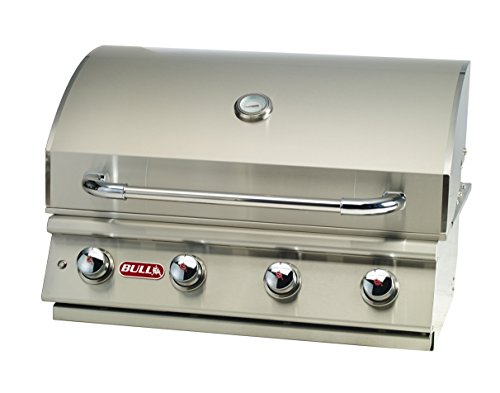
The Bull Lonestar 30-inch drop-in grill head is built specifically for backyard grill masters, patio cooks, and outdoor entertaining enthusiasts looking to complete a custom barbecue island. Designed as a permanent fixture rather than a mobile cart, this drop-in powerhouse eliminates the wobble of lightweight patio grills and taps straight into your household natural gas line. For anyone investing in an outdoor living space, it acts as the primary cooking workhorse capable of handling everything from quick weeknight chicken breasts to large holiday feasts.
Real-world cooking performance is where this grill excels. Its four welded stainless steel burners kick out 15,000 BTUs each, combining for a potent 60,000 BTUs across 575 square inches of primary grilling grate. Searing thick steaks is effortless thanks to the heavy-gauge solid stainless steel grates, which absorb heat fast and leave deep, defined sear marks. Because you have four distinct burners to work with, setting up dual-zone cooking is simple. You can blast the left side on high for burger patties while keeping the right burners low to gently roast vegetables or keep buns warm on the 176-square-inch secondary rack.
Build quality matches commercial kitchen expectations. The entire exterior is fabricated from resilient 304 stainless steel, which repels humidity, rain, and salty air far better than lower-grade alloys. The single-piece hood features a seamless, dual-lined construction that traps cooking heat inside the firebox. This design keeps ambient wind from causing temperature dips and shields the outside lid from ugly heat discoloration over time. When grilling past sunset, twin halogen interior lights switch on to illuminate the food, so you never have to juggle a flashlight while flipping burgers.
Installing this grill head requires a sturdy masonry, stone, or non-combustible island cutout. At 125 pounds, lifting and setting the chassis into place demands two pairs of hands. Once situated and connected to your natural gas supply, day-to-day operation is trouble-free. The Piezo ignition fires each burner without batteries or electrical cords. Maintenance is straightforward, as the polished stainless steel wipes down quickly and the drip tray slides out easily to clear grease deposits before flare-ups start.
The main trade-off is the lack of mobility and the absence of a dedicated rear rotisserie burner. You cannot roll this unit to a campsite or tailgate, and cooks who insist on spit-roasting whole chickens might miss a back burner. However, for outdoor kitchen builders wanting rock-solid heat consistency, commercial durability, and the non-stop convenience of natural gas, the Bull Lonestar 30-inch grill head is an outstanding long-term investment for backyard barbecues.
With 60,000 BTUs distributed across four independent burners, the Lonestar gives you fine control over your cooking surface. The solid stainless steel rod grates hold thermal mass well, translating burner heat into exceptional crust formation on steaks, pork chops, and smash patties.
Managing temperature zones is intuitive using the heavy-duty zinc control knobs. You can run two burners on low for indirect roasting at 275 to 300 degrees, or crank all four to maximum for high-heat pizza stone baking and fast grilling. The heavy-duty hood thermometer tracks overall ambient temperature accurately, giving you clear feedback without having to open the lid and dump valuable heat.
Routine maintenance on the Lonestar takes minimal effort due to the quality of its stainless steel construction. Brushing the solid cooking grates while they are still warm knocks off burnt residue with ease, and the non-porous metal prevents marinades from sticking permanently.
A full-width grease management tray slides out from underneath the firebox, directing drippings away from the burners to minimize flare-ups. Periodically lining this pan with foil makes grease disposal painless. An occasional pass with a commercial stainless steel cleaner keeps the hood, control panel, and knobs looking showroom fresh through seasons of outdoor exposure.
Essential Lighting Procedures and Operational Guide for Bull Outdoor Grills
Starting a high-performance gas grill requires a methodical sequence to ensure proper combustion and complete operator safety. Bull outdoor gas grills utilize heavy-duty welded stainless steel burners paired with individual ignition components engineered to ignite fuel quickly. Whether your island grill runs on natural gas or liquid propane, following a standardized startup checklist prevents delayed ignition and fuel accumulation under the hood.
Critical Pre-Ignition Safety Checks and Hood Positioning
The most vital safety rule before lighting any gas grill is opening the lid completely. Trapped natural gas or vaporized propane beneath a closed hood creates a severe risk of sudden ignition and fireball flashover. Always lift the dual-lined hood fully upward to allow fresh ambient air to circulate across the cooking grates. If you smell gas prior to touching the controls, do not attempt ignition, and shut off the main fuel source immediately.
Grill placement also plays a fundamental role in operational safety during startup. Fuel-burning appliances must always be operated outdoors in open, well-ventilated areas away from overhangs and combustible patio walls. Never operate a gas grill inside a garage, breezeway, screened porch, or enclosed structure, even with exterior roll-up doors left open. Enclosed spaces trap deadly carbon monoxide gas and dramatically increase structural fire risks if fuel fails to draft properly.
Step-by-Step Piezo Ignition Sequence for Bull Gas Burners
Bull drop-in grill heads like the Lonestar series utilize independent mechanical Piezo igniters built directly into each zinc control knob. Begin the startup sequence by opening the main gas supply valve at your dedicated natural gas line or propane tank. Ensure all grill control knobs rest in the OFF position before opening the main line to prevent pressure surges against the internal manifold. Once the fuel line pressurizes, select the burner you wish to ignite first, typically starting from the far left or far right.
Depress the chosen control knob firmly inward and rotate it slowly counterclockwise toward the HIGH position. As the dial passes the ignition threshold, the internal Piezo mechanism trips an internal hammer against a quartz crystal to throw a spark at the burner tip. You will hear an audible click accompanied by the rush of igniting fuel at the burner surface. Hold the knob in for two to three seconds after hearing the click to ensure the flame establishes itself along the burner ports.
Look through the stainless steel cooking grates to visually confirm that the flame has caught along the entire burner bar. A properly lit burner displays steady blue flames with minimal yellow tipping across its length. If the burner ignites successfully, you may proceed to light adjacent burners one by one using the same push-and-turn technique. Once all desired burners are lit, adjust the control knobs to your target preheating output.
Manual Match-Lighting Method When the Piezo Igniter Fails
Mechanical igniters can occasionally fail to throw an adequate spark due to moisture, oxidation, or improper electrode alignment. If your Bull grill fails to light after two attempts with the control knob, shut all knobs to OFF and wait five full minutes with the hood open. This waiting period allows unburned gas to dissipate harmlessly into the outdoor atmosphere before you attempt manual ignition. Attempting to relight immediately without venting increases the risk of a dangerous gas flare.
Locate the manual lighting extension wand that accompanies the grill head or retrieve a commercial long-stem fireplace match. Secure a standard match into the coiled clip of the extension wand and strike it to produce an active flame. Insert the lit match downward through the stainless steel cooking grates and position the flame directly adjacent to the primary burner ports. Keep your face, arms, and clothing well clear of the cooking surface while positioning the flame.
While holding the lit match near the burner ports, push in the corresponding burner control knob and turn it to the HIGH position. The gas should catch fire immediately against the match flame with a soft whoosh sound. Once the first burner lights, withdraw the lighting wand carefully and allow the flame to stabilize. You can light neighboring burners by turning their individual knobs to HIGH, as the existing flame will bridge across the crossover channels.
Troubleshooting Common Bull Ignition Problems and Gas Flow Issues
When a burner refuses to light via the Piezo igniter, the most frequent physical culprit is insect nesting inside the burner venturi tubes. Spiders and mud daubers frequently construct dense webs inside open gas orifices during periods of storage, obstructing the fuel-air mixture. This blockage prevents fuel from reaching the spark electrode and can force gas to exit backward through the front control panel. Inspecting and brushing the venturi openings with a flexible wire brush restores proper fuel velocity.
Another common ignition hurdle on propane installations involves the safety excess-flow valve located inside the tank regulator. If you open the propane cylinder valve while a grill burner knob is turned on, the regulator interprets the sudden pressure drop as a severed fuel line. The valve then restricts gas flow to a fraction of normal capacity, resulting in weak sparks and tiny flames that struggle to stay lit. To reset the regulator, turn off all grill knobs, close the propane tank completely, disconnect the coupler, wait two minutes, and reconnect the fitting firmly.
Electrode spacing and corrosion around the ceramic insulator can also disrupt the electrical discharge needed for reliable starts. Grease splatter from fatty meats often coats the igniter tip, grounding the electrical pulse before it jumps across the spark gap. Use a fine brass brush and isopropyl alcohol to clean accumulated soot and grease from the metal electrode and ceramic sleeve. Ensure the spark gap measures approximately one-eighth of an inch from the burner surface for optimal ignition performance.
Understanding Burner Architecture and Heat Output on Bull Drop-In Heads
Bull drop-in grill heads, such as the Lonestar model, feature heavy welded stainless steel burners engineered for long-term commercial durability. Each burner on this platform generates 15,000 BTUs of thermal power, delivering a total output of 60,000 BTUs across the primary cooking area. Solid 304 stainless steel construction ensures high corrosion resistance and superior thermal transfer during extended high-heat cooking sessions. Understanding this robust burner design helps you anticipate heat generation and manage multi-zone cooking layouts effectively.
The cooking chamber offers 575 square inches of primary grates supported by a 176-square-inch warming rack for indirect resting. The heavy gauge stainless steel grates absorb substantial thermal energy, requiring adequate preheating to establish reliable searing marks. After completing the startup procedure on all four burners, close the dual-lined hood and allow the internal thermometer to climb toward your target temperature. A typical preheating period takes between ten and fifteen minutes to thoroughly saturate the heavy steel components with heat.
Managing zones across multiple burners provides flexible temperature control for diverse cuts of meat and delicate vegetables. Leaving one or two burners off creates a dedicated indirect convection zone next to the active flame area. You can monitor internal cabinet heat using the built-in thermometer mounted on the heavy hood or via the twin interior lighting fixtures during night cooks. Organizing your workspace around an outdoor kitchen setup or a movable grilling prep cart ensures you have tools and platters within reach as temperatures climb.
Lighting Alternative Fuel Gear: Solid Fuel Starters and Portable Options
While built-in gas heads like the Bull Lonestar offer immediate push-button convenience, many outdoor cooks frequently transition between gas and solid fuel equipment. Lighting charcoal or split firewood requires completely different methods focused on sustained airflow and thermal exposure rather than instantaneous gas ignition. Relying on liquid chemical fire starters can impart chemical odors to food and create uncontrolled flare dangers. Utilizing structured mechanical starting tools ensures clean ignition without volatile accelerants.
The Brutal BBQ Fireguard provides a dedicated solid-fuel lighting solution constructed from high-grade ductile iron casting. This compact tool measures 9.25 by 3.95 by 3.15 inches and features an engineered air inlet designed to optimize natural oxygen convection around coals. Placing lump charcoal or small kindling splits into the cast housing allows flames to draft upward efficiently through the fuel bed. Because the ductile iron construction withstands repeated thermal cycling, it provides a stable starting base inside outdoor fire pits or standalone charcoal pits without requiring liquid lighter fluid.
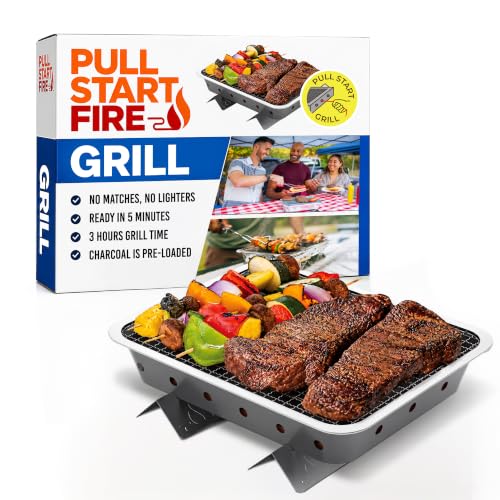
For portable excursions such as camping, remote beach trips, or tailgating, instant self-contained grills eliminate traditional starter gear altogether. The Pull Start Fire Grill combines natural hardwood charcoal with an internal pull-string ignition mechanism inside a compact three-pound box. Measuring 13 by 10 by 2 inches, this portable unit ignites with a single firm tug without matches, fuel blocks, or auxiliary lighters. The charcoal brick reaches full cooking temperature in approximately five minutes, providing consistent edge-to-edge heat for up to three hours over a stainless steel grate.
Understanding the differences between continuous gas burner startup and solid-fuel ignition prevents unrealistic expectations during outdoor meals. Gas burners deliver immediate on-demand thermal output that can be throttled instantly with zinc knobs, whereas charcoal starters demand patience while coals ash over. Keeping dedicated starting tools organized alongside your outdoor cooking station ensures smooth transitions between rapid weekday gas grilling and slow weekend charcoal sessions.
Flame Management, Flare-Up Prevention, and Air-Shutter Adjustments
Once your Bull grill is running, observing flame color and behavior reveals whether the air-to-fuel ratio is properly calibrated. A well-adjusted stainless steel burner displays quiet blue cones with soft, rounded tips that cling steadily to the burner ports. Yellow, lazy flames that lift away from the burner surface indicate insufficient combustion air or excessive line pressure. Each burner tube features an adjustable air shutter near the front orifice that can be adjusted to balance the intake mixture.
Flare-up control begins with keeping the internal flame tamers and grease management tray clean between grilling sessions. Bull outdoor grills position stainless steel heat shields directly over the burner tubes to vaporize dripping drippings and channel excess fat toward the drip tray. When thick layers of burnt grease accumulate on these shields, high startup temperatures can ignite the residue and create stubborn flare-ups. Scraping the shields and emptying the slide-out grease tray regularly prevents unwanted grease fires during high-heat preheating.
Wind exposure can also affect burner performance and flame retention after successful ignition. Strong gusts entering through the rear hood exhaust vent can disrupt the burner flame pattern or blow out small low-heat flames entirely. If you experience flame blowouts, rotate your island design or position portable wind barriers to shield the rear exhaust opening. Always verify that flames remain active before closing the lid during gusty weather to prevent silent gas buildup inside the cooking cavity.
Adding Smoke and Wood Aromas to Stainless Steel Gas Grills
Gas grills provide pinpoint temperature control, but they produce clean-burning exhaust that lacks natural wood smoke compounds. You can easily introduce authentic wood aroma into your Bull grill using dedicated accessories placed directly over the burner flame shields. Utilizing heavy-duty stainless steel smoker accessories allows hardwood chips or chunks to smolder steadily without igniting into open flames. This technique infuses poultry, pork loins, and beef roasts with rich wood flavor while maintaining precise gas heat.
To set up a smoke pouch or box, fill the metal container with dry hickory, pecan, or applewood chips and place it directly on the heat shields above an active burner. Turn that specific burner to HIGH until thin wisps of aromatic blue smoke begin drafting out of the hood vents. Once smoking begins, dial the burner knob down to MEDIUM or LOW to sustain a steady smolder without scorching the wood too quickly. Keep adjacent burners at your target cooking temperature to cook your food via indirect heat.
Avoid soaking your wood chips in water prior to placement, as wet chips merely produce water vapor before reaching smoldering temperatures. Dry hardwood generates cleaner smoke and reaches the pyrolysis threshold much faster, delivering authentic barbecue character into the cooking chamber. Monitor the exhaust smoke color to ensure it maintains a light, translucent hue rather than thick, bitter white smoke. Once the wood chips burn down to gray ash, remove the smoker accessory carefully using heat-resistant barbecue gloves.
Safe Shutdown Sequences and Post-Cook Maintenance Protocols
Shutting down a Bull outdoor grill properly is just as crucial for safety as executing the initial ignition sequence. When cooking finishes, rotate all individual burner control knobs clockwise to the full OFF position. Immediately walk to your fuel source and close the manual shutoff valve on your natural gas line or twist the propane tank valve tight. Cutting the fuel at the source ensures that pressurized gas does not linger in the supply hose or manifold while the grill sits idle.
Performing a quick burn-off cycle before complete shutdown keeps the 304 stainless steel cooking grates in pristine condition. Turn all burners to HIGH for five minutes with the hood closed to carbonize sauce drippings and stuck food residues into brittle ash. Once the cycle finishes, shut the burners off and brush the stainless grates firmly with an abrasive nylon or stainless grill brush while the metal remains warm. Routine brushing keeps the grates slick and prevents food from sticking during subsequent cooking sessions.
Allow the heavy grill head to cool completely before lowering a fitted outdoor vinyl cover over the dual-lined hood. Storing a covered grill protects internal ignition electrodes, zinc knobs, and interior lighting lenses from driving rain and airborne debris. Performing routine inspections of gas lines, burner tubes, and ignition wires every season ensures your Bull grill starts effortlessly every time you turn the knobs.


Write Your Review
No reviews yet. Be the first to share your experience!