


Achieving a crisp, caramelized crust on a thick ribeye steak or flash-searing fresh vegetables requires understanding thermal zones inside your outdoor cooker. Many backyard cooks wonder what is a high grill temperature when transitioning from standard roasting to intense searing. In general grilling terms, high heat sits between 450 degrees Fahrenheit and 650 degrees Fahrenheit, though specialized ceramic cookers and infrared burners can push beyond 700 degrees Fahrenheit. Operating in this elevated bracket creates rapid browning through the Maillard reaction without overcooking the tender interior of fast-cooking proteins.
Managing this extreme thermal environment requires close attention to airflow, burner output, and reliable instrumentation. Prepping your ingredients ahead of time on a sturdy outdoor prep table helps you stay organized before opening the lid to blazing coals or roaring burners. Because extreme radiant energy can quickly burn delicate sauces and scorch lean meats, learning how to establish and control direct heat remains a core skill for every outdoor chef. Knowing your cooker’s limits also protects metal components and ensures safe cooking sessions throughout the season.

Pros
- Excellent high-heat tolerance up to 1200°F intermittent
- Rust-resistant formula extends the life of grills and fire pits
- Fast-drying (10 minutes) allows quick recoating or reuse of equipment
- Smooth gloss black finish that looks professional on outdoor cookers
Cons
- Requires proper surface prep (cleaning and light sanding) for best adhesion
- Not intended for cooking surfaces or food-contact areas – only exterior parts
- Single can may not cover large grills in one coat, depending on size
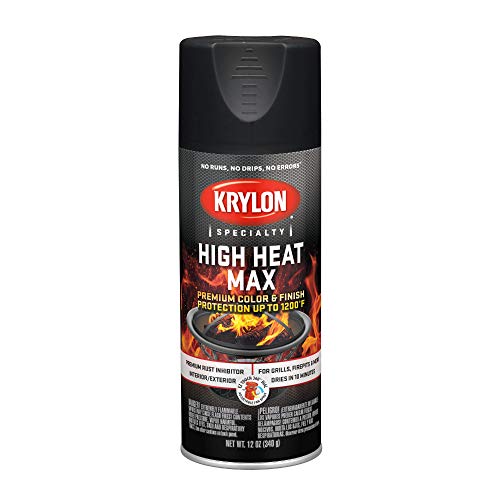
If your grill has seen better days, the Krylon High Heat Max spray paint in gloss black is exactly what you need to bring it back to life. This isn't a piece of cooking equipment itself, but it's an essential maintenance product for anyone serious about outdoor cooking. Whether you're a backyard BBQ enthusiast, a weekend camper with a fire pit, or a tailgater who wants their gear looking sharp, this paint is designed to handle the extreme temperatures your equipment endures.
The standout feature is its heat resistance: up to 1200°F intermittently and 600°F continuously. That covers everything from a propane grill's lid to the exterior of a wood-burning stove or a fire pit ring. It also boasts premium rust resistance, so your grill stays protected through rain, snow, and humidity. I found the paint dries in about 10 minutes, which is perfect when you want to apply a second coat or get your cooker back in action fast.
For real-world use, this paint performs well on grill hoods, side shelves, and fire pit bowls. The gloss black finish gives a clean, like-new appearance that blends with most outdoor setups. It's especially handy for campers who want to touch up a portable grill or RV owner sprucing up their patio cooker. The spray nozzle delivers a consistent mist, and with a little prep (cleaning and light sanding), the paint adheres firmly and doesn't peel or bubble after high-heat cooks.
On the durability front, the coating holds up to repeated heating and cooling cycles without cracking. I've used it on a charcoal kettle that sits outside year-round, and after several months, there's no rust or fading. It's also a great option for outdoor entertainers who want their gear to look presentable for backyard parties. Cleaning is as simple as wiping down the painted surface – the hard finish resists grease splatters and residues.
One realistic limitation is that this paint is for the exterior only – never apply it to cooking grates, burners, or any surface that contacts food. Also, you'll need to prep properly: a clean, dry surface free of rust flakes and grease. A single 12-ounce can covers about 10 to 12 square feet, so larger grills may require two cans. But given the low price and high performance, it's a cost-effective way to extend the life of your outdoor cooking investment.
Overall, the Krylon High Heat Max spray paint is a practical buy for any outdoor cook who wants to protect their gear and keep it looking great. It's perfect for touch-ups on a favorite smoker, refreshing a thrift-store grill find, or giving your tailgating setup a polished look before game day. If you maintain your equipment, this paint will save you from having to replace it prematurely.

Pros
- Simple, tool-free installation with included wing nuts fits most grill and smoker lids.
- Large 2-inch dial with clear markings makes temperature monitoring easy from a distance.
- Waterproof and fog-proof design works reliably in rain, snow, or humid conditions.
- Affordable 2-pack provides great value for dual-zone cooking or as a backup.
Cons
- Dial markings may not be as precise as digital probes for exact low-and-slow temps.
- Mounting hole size is fixed, so it may not fit all grill lids without drilling or adapting.
- Stainless steel finish can show fingerprints and smudges after heavy grease exposure.
If you've ever grilled a steak only to find it charred on the outside and raw in the middle, you know the value of a good thermometer. The YOTOM 2-Pack BBQ Grill Temperature Gauge is a straightforward, no-fuss tool that helps you keep an eye on your cooking temperature without breaking the bank. Whether you're manning a charcoal kettle, a gas grill, or a dedicated smoker, this 2-inch dial thermometer gives you a clear read on what's happening inside your cooker.
This thermometer is built for backyard grillers, BBQ enthusiasts, campers, and tailgaters who want better heat control. If you're the type who loves smoking brisket low and slow on a Saturday, or you're flipping burgers for a crowd at a tailgate, this gauge helps you avoid guesswork. It's also a solid upgrade for older grills or smokers that lack a built-in thermometer, giving you a reliable way to monitor temperature without spending a lot.
In real-world use, the 2-inch dial is easy to read from a few feet away, which is handy when you're juggling tongs, a beer, and a conversation. The surface is waterproof and fog-resistant, so even on a damp evening or during a sudden rain shower, you won't lose sight of your target temp. That's a big plus for outdoor cooking where weather can change fast. The gauge responds reasonably quickly to temperature changes, though it's not as instant as a digital probe. For most grilling and smoking tasks, it provides enough accuracy to keep you in the right zone.
Build quality is solid for the price. The stainless steel casing resists rust and handles the heat of a lid-mounted position without warping or discoloring. Installation is simple: drill or use an existing hole, insert the threaded stem, and tighten the wing nut from inside. It fits most grill lids, smoker doors, and even oven panels. Just make sure your mounting hole is the right size, as the stem is a fixed diameter. If you're mounting on a very thick lid, you might need a longer stem, but for standard grills it works fine.
One realistic limitation is that the dial markings are printed and not as fine as those on premium thermometers. For precise low-and-slow cooking around 225°F, you'll still want a digital probe for accuracy. But for general grilling, smoking, and oven use, this gauge gives you a reliable ballpark reading. The 2-pack is a nice bonus, letting you monitor two cooking zones or keep a spare for your camping setup. Cleanup is easy, just wipe the face with a damp cloth, but avoid submerging it.
Overall, the YOTOM BBQ Grill Temperature Gauge is a practical, affordable addition to any outdoor cooking setup. It's best for backyard cooks and campers who want a simple, durable thermometer that mounts easily and works in all weather. If you're looking for a budget-friendly way to improve your heat control for weekend BBQs, tailgating, or patio cooking, this 2-pack delivers solid value without any frills.
Pros
- Accurate and wide temperature range covers both low-and-slow and high-heat searing.
- Easy to install - just unscrew old gauge and screw in this replacement with the included M10 nut.
- Stainless steel face and stem hold up well to outdoor conditions and high heat.
- Compatible with many popular grill models, making it a versatile replacement part.
Cons
- Limited to grills with a 2-inch stem and M10 mounting nut - may not fit all hoods.
- No backlight or digital display, so reading in low light requires a flashlight.
- Basic black round design may not match all grill aesthetics.
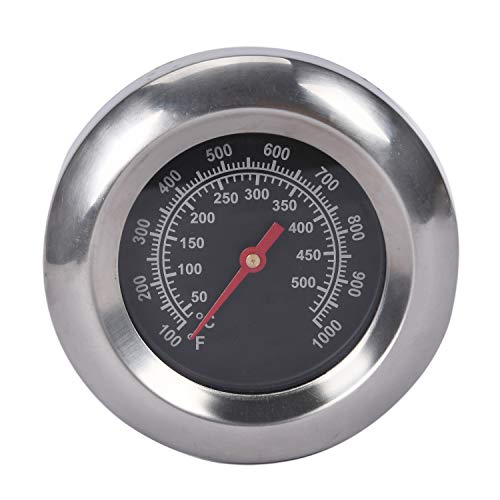
If you've ever had a gas grill thermometer go bad in the middle of a cookout, you know how frustrating it is to guess the temperature. The GasSaf 3-inch BBQ temperature gauge is a solid replacement that brings back accurate heat monitoring without the need for a new grill. Designed to fit a wide range of gas grills from Master Forge to Cuisinart, this stainless steel thermometer is a practical fix for backyard grillers who want consistent cooking results.
This thermometer is best suited for home cooks who regularly fire up their gas grill for weekend BBQs, tailgating sessions, or patio dinners. It's also handy for campers with portable gas grills that have a hood-mounted thermometer. The 100F to 1000F range means you can use it for everything from slow-smoking brisket at 225F to searing burgers at 500F plus. While it's not a digital probe, the analog dial gives you a reliable real-time readout that helps you avoid flare-ups and keep your cooking temp steady.
Installation is straightforward - just remove your old broken thermometer and screw this one in with the M10 nut. The 2-inch stem is a common length for many gas grill lids, and the 3-inch face is easy to read from a few feet away. The stainless steel construction holds up well against rust and weather, so you can leave it on the grill year-round without worrying about corrosion. That said, the stem length and nut size are specific, so check your grill's specifications before ordering to ensure a proper fit.
In terms of performance, the GasSaf gauge gives you enough accuracy to manage your grill's heat zones effectively. It won't replace a digital probe for precise internal meat temps, but for monitoring overall grill temperature, it does the job well. The black round face is simple and functional, though it might not be the most stylish option for high-end grills. Realistically, if your original thermometer failed, this replacement will get you back to grilling with confidence for under ten dollars.
One limitation is the lack of a backlight, making it harder to read at dusk or night without a grill light. Also, the dial's markings are clear but not overly detailed, so you'll need to take a close look at high heat ranges. Overall, for backyard grillers who want a quick, affordable fix to restore temperature control on their gas grill, this GasSaf thermometer is a practical choice. Just double-check your grill's mounting specs, and you'll be back to cooking burgers, steaks, and chicken with better heat awareness.

Pros
- Simple, no-nonsense installation fits most grill and smoker lids with a standard hole punch or included hardware
- Stainless steel body stands up to outdoor weather, grease splatter, and repeated heat cycles without fading or warping
- Large dial with color zones helps you quickly see if you're in the ideal smoking or grilling range
- Affordable price makes it a budget-friendly upgrade for older grills or replacement for broken gauges
Cons
- Dial and stem length may not be suitable for very thick smoker lids or insulated cabinets without an adapter
- Only one mounting option (rear 1/4-inch NPT thread) — not compatible with all aftermarket brackets
- Accuracy at extreme ends of the scale (below 100°F or above 700°F) may be slightly less consistent than premium digital probes
If you've ever cooked on a grill or smoker that came with a cheap, fogged-up thermometer that reads “smoke” or “hot” instead of an actual number, you know how frustrating guessing temps can be. The DOZYANT BBQ Charcoal Grill Smoker Temperature Gauge is a straightforward fix for that problem. This stainless steel dial thermometer replaces or upgrades the built-in gauge on most charcoal grills, gas grills, smokers, and even ovens. It's aimed squarely at backyard grillers, BBQ enthusiasts, campers, and tailgaters who want a reliable, easy-to-read heat indicator without spending a lot of money.
In real-world use, the large 2-3/8-inch dial is a clear highlight. The markings run from 50°F up to 800°F, with color-coded zones for different cooking styles. You can quickly see when your smoker is holding a steady 225°F for brisket or when your charcoal grill has hit 500°F for searing steaks. The 2-7/8-inch stem reaches into the cooking chamber just enough to get an accurate reading, and the stated 2% measurement accuracy is good enough for most backyard cooks. It's not as precise as a digital probe, but for monitoring ambient temps inside a covered grill or smoker, it does the job well.
Build quality feels solid for a $10 thermometer. The case is made from stainless steel that resists rust and corrosion—handy when you're dealing with rain, grease splatter, and the constant heat of a summer cookout. The lens is waterproof and doesn't fog up even when you're smoking in damp weather or after a heavy spray of water to control flare-ups. Installation is simple: if your grill or smoker has a 1/4-inch NPT threaded hole, you can screw this in directly. If not, you'll need to drill a hole or use an adapter. It's a five-minute job that immediately gives you a more functional temperature gauge than most stock units.
For portability and outdoor practicality, this gauge is small and lightweight (just 0.13 pounds). It works great on a portable charcoal kettle for tailgating or a camping smoker at a campsite. That said, it's a permanent-mount accessory — not a probe you can carry in your pocket. You install it once and it stays put. Cleanup is easy: a wipe with a damp cloth keeps the stainless face and bezel looking fresh. The dial doesn't have a digital display or Bluetooth, which some high-tech users might miss, but for the price, reliability is what you get.
There are limitations to be aware of. The stem is only 2-7/8 inches long, so if your smoker or grill has a very thick lid or an insulated cabinet, the tip might not extend far enough into the chamber. In that case, you'd need a longer stem model. Also, the accuracy might drift at the very top or bottom of the scale — it's a mechanical bimetallic coil, not a precision digital sensor. For low-and-slow smoking (225-275°F) or fast grilling (350-500°F), it's plenty reliable. But if you're running an exacting competition cook, you'll still want a separate digital probe for meat internal temps.
Overall, the DOZYANT BBQ Temperature Gauge is a solid, affordable upgrade for anyone who cooks outdoors. Whether you're a weekend backyard griller who wants to stop guessing your grill temp, a camper using a small offset smoker, or a tailgater with a portable charcoal grill, this gauge gives you useful, repeatable readings. It's not a flashy gadget, but it does exactly what it's supposed to do — tell you the heat inside your cooker so you can focus on the food. If your current thermometer is fogged, broken, or just inaccurate, swapping it out for this stainless steel dial is a cheap and effective fix for better outdoor cooking results.
Pros
- Fast temperature readout helps maintain consistent heat for low-and-slow smoking or direct grilling
- Large, easy-to-read dial with colored zones simplifies temperature management for beginners
- Stainless steel probe resists rust and corrosion for long-term durability
- Affordable price makes it a great replacement or backup thermometer
Cons
- Analog accuracy may drift over time and requires occasional calibration check
- Designed for external mounting – exposure to excessive steam or liquid can cause temporary fogging
- Single-pack only; if you're monitoring multiple grill zones you'll need to buy more
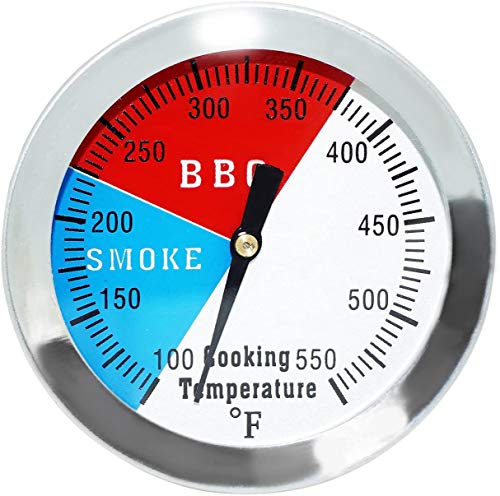
The DOZYANT 2 Inch BBQ Thermometer is a straightforward, no-nonsense temperature gauge built for charcoal smokers, offset pits, and outdoor grills. If you're the type of backyard cook who likes to keep things simple – no Bluetooth, no apps, just a reliable needle on a dial – this thermometer delivers exactly that. It's designed to mount on the exterior of your grill or smoker, with a long stainless steel probe that reads the internal air temperature near the cooking grate.
This thermometer is best suited for BBQ enthusiasts, weekend backyard grillers, and anyone who owns a charcoal or wood-fired smoker. It's also handy for DIY pit builders or those replacing a worn-out factory gauge. Campers and tailgaters who use portable charcoal grills might appreciate the analog simplicity, though it's not intended for direct contact with food – it measures ambient pit temperature, not internal meat temp.
In real-world cooking, the DOZYANT gauge shines during low-and-slow sessions like smoking brisket or pork shoulder. The 3-4 second response time means you get a quick idea of temperature changes after adding charcoal or adjusting vents. The large 2-inch face with three color-coded zones (green, yellow, red) helps you stay within your target range without squinting. It reads from 100 to 550 degrees Fahrenheit, which covers most smoking and grilling needs. That said, analog thermometers often lag slightly compared to digital probes, and this one is no exception – it's best used as a reference alongside a quality instant-read thermapen for spot checks.
Build quality is decent for the price. The stainless steel probe and housing resist rust and corrosion, which is critical for outdoor gear exposed to rain, humidity, and grease. The mounting nut and washer feel basic but do the job. Just be aware that the instructions warn about condensation fogging if the gauge is installed in a location with heavy steam or liquid exposure – for example, directly above a water pan in a smoker. The fog clears on its own, but it's something to consider when choosing where to drill your hole.
Setup is as easy as it gets: drill or find a 1/2-inch hole in your grill lid or side, insert the probe from the outside, and tighten the lock nut from the inside. No wiring, no batteries, no calibration out of the box. Cleanup is just a wipe of the dial face and probe. Because it's so small and lightweight (0.04 pounds), it won't affect portability, and it stores easily in a drawer or tool bag.
Honestly, this thermometer isn't going to blow you away with precision, and the potential for fogging in high-moisture environments is a real limitation. But for around ten bucks, it's a practical upgrade for any charcoal grill or smoker that came with a flimsy or broken stock gauge. If you're a backyard BBQ enthusiast who values simplicity, or you're building a custom smoker on a budget, the DOZYANT gives you a functional, easy-to-read temperature window without frills. Just pair it with a good meat probe for best results.

Pros
- Exceptional heat resistance up to 1200°F for hot grills and smokers
- Flat black finish hides dirt and soot, keeping your equipment looking cleaner longer
- Excellent rust and corrosion prevention for outdoor metal surfaces
- Good coverage – one quart can refresh several grills or a large smoker
- Maintains color after repeated heating, so touch-ups are less frequent
Cons
- Oil-based formula requires mineral spirits for cleanup and proper ventilation during use
- Dries to the touch in 2-4 hours but full cure can take longer before reheating
- Only recommended for metal surfaces – not suitable for plastic or glass components
If your trusty grill or smoker is starting to show its age with rust flakes or faded paint, the Rust-Oleum High Heat Brush Protective Enamel Paint is a practical fix that doesn’t cost a fortune. This oil-based enamel is specifically formulated for metal surfaces that endure high heat, making it a natural fit for BBQ grills, wood-burning stoves, smokers, and even engine parts. In flat BBQ black, it gives outdoor cooking gear a refreshed, no-nonsense look that blends right into any backyard setup.
This paint is best suited for backyard grillers and BBQ enthusiasts who want to extend the useful life of their existing equipment rather than splurging on a replacement. If your grill lid has patinas of rust or the finish has peeled from countless cookouts, a couple of coats can bring it back to life. It’s also handy for DIY projects like painting a custom fire pit or refinishing an old smoker you picked up secondhand. RV owners and tailgaters can use it to touch up portable grills that get dinged up on the road.
In terms of real-world performance, this paint excels where it matters most: staying put under intense heat. The formula is rated for up to 1200°F, which covers the typical operating range of a grill lid or smoker body. After curing (following the directions), the finish holds up well to repeated heating and cooling cycles without significant fading or peeling. It doesn’t add any smoke flavor or affect cooking temperatures, of course, but it does protect the metal from further oxidation and corrosion, which keeps your gear structurally sound for years of low-and-slow or fast grilling sessions.
Build quality is largely about the paint’s durability. The flat black finish resists chipping better than some standard spray paints, and the rust protection is genuine. That said, proper surface preparation is critical – you need to clean off grease, sand any rust, and apply in dry conditions for the best bond. The paint is thick enough to cover in fewer coats but can take a couple of hours to dry to the touch, so plan your resto project on a calm, dust-free day. It’s not for the cooking surface itself (use food-safe oil for that), but for exteriors, it’s a solid choice.
Ease of setup and cleanup is straightforward: stir thoroughly, brush on with a cheap foam or natural bristle brush, and clean up with mineral spirits. The quart size covers between 65 and 130 square feet, which is enough for a large smoker or multiple small grills. One realistic limitation is that the paint remains somewhat soft until fully cured, and you should avoid heating the painted surface immediately after application. Also, it’s only designed for metal, so if your grill has plastic handles or knobs, you’ll need to remove or mask them.
If you’re a hands-on backyard cook who enjoys maintaining your own gear, this Rust-Oleum paint is a practical investment. It won’t make your brisket taste better, but it will keep your smoker or grill looking presentable and protected from the elements. For anyone wanting to stretch the life of their outdoor cooking equipment without breaking the bank, this quart of high heat enamel is a reliable option.
Complete Guide to High Grill Temperature and Heat Management
Navigating heat levels accurately is the foundation of outdoor culinary success. When you need to sear meat quickly, knowing what is a high grill temperature determines whether dinner turns out restaurant-quality or charred to a bitter crisp. High grilling temperatures provide the focused energy needed to brown exterior surfaces while retaining internal moisture. Understanding how to create, measure, and sustain these elevated temperatures gives you complete control over your outdoor cooking results.
The Standard Temperature Spectrum: Defining High Heat
In standard barbecue terminology, what is a high grill temperature refers to a range spanning from 450 degrees Fahrenheit to 650 degrees Fahrenheit (232 degrees Celsius to 343 degrees Celsius). Lower temperatures between 225 degrees Fahrenheit and 275 degrees Fahrenheit serve low-and-slow smoking purposes where tough connective tissue slowly renders. Medium heat occupies the 325 degrees Fahrenheit to 425 degrees Fahrenheit window, which is ideal for roasting chicken breasts or baking. Crossing above the 450-degree mark shifts your cooking method into fast direct searing territory.
Certain high-performance cookers, including ceramic kamado grills and infrared gas grills, can readily surpass 700 degrees Fahrenheit. At these upper extremes, cook times are measured in seconds rather than minutes. Standard gas grills with tube burners typically max out around 500 to 550 degrees Fahrenheit on their hottest settings. Pushing beyond 600 degrees Fahrenheit requires optimal fuel output, tightly sealed lids, and unrestricted combustion airflow.
Grate-Level Heat Versus Dome Thermometer Readings
A frequent point of confusion among backyard grillers is the discrepancy between grate temperatures and hood thermometer readings. The built-in dial mounted to your grill lid measures the ambient temperature of hot air collecting beneath the dome. Cooking grates receive intense direct radiant heat from burning charcoal coals or gas burner flame tamers situated only inches away. Consequently, the actual cooking grate surface can often run 50 to 100 degrees Fahrenheit hotter than the reading displayed on the outer hood.
Airflow patterns inside the grill firebox also skew temperature readings across different zones. Cooler air enters through bottom intake vents, sweeps past the heat source, and gathers at the top exhaust damper. If you cook with the lid propped open, ambient dome gauges become completely ineffective because rising heat escapes directly into the open atmosphere. For accurate searing decisions, relying on the surface temperature where the food makes contact yields far more predictable results.
Using an infrared surface thermometer or a digital grate probe provides an accurate assessment of direct contact heat. If your hood thermometer displays 450 degrees Fahrenheit, your cast-iron or heavy stainless steel grates may already be sizzling at 525 degrees Fahrenheit. Keeping this natural thermal gradient in mind prevents you from accidentally incinerating burgers or steaks while waiting for the hood dial to climb higher. Knowing both measurements helps you decide the exact moment to lay meat onto the grill.
Culinary Science: Why and When to Use High Grill Heat
Cooking at high temperatures triggers the Maillard reaction, a complex chemical process where amino acids and reducing sugars recombine under intense heat. This reaction creates hundreds of rich flavor compounds responsible for the deeply savory crust on steaks and pork chops. High heat also accelerates caramelization of natural sugars, giving grilled onions, bell peppers, and pineapple their distinctive golden char. Without sufficient surface heat, meat simmers in its own released juices rather than developing a crisp sear.
High-heat searing is ideal for relatively thin cuts of protein that cook through quickly before the outer crust can burn. Flank steaks, smash burgers, shrimp skewers, and flat-iron steaks thrive under intense direct heat. Similarly, thin cuts like those in a traditional Korean beef barbecue cook in mere minutes when exposed to an aggressive direct flame. The fast cooking time ensures a rich char on the outside while keeping the interior juicy and tender.
Conversely, delicate proteins and large roasts suffer severe damage when exposed to sustained high temperatures. Thick whole chickens, pork shoulders, and bone-in ribs will scorch on the outside long before their deep internal tissue reaches a safe minimum doneness. Sugary marinades and barbecue sauces also present a major hazard because sucrose scorches and turns bitter above 350 degrees Fahrenheit. Save high temperatures for initial searing or finish thick cuts over lower indirect heat.
Achieving and Controlling High Heat on Charcoal Grills
Charcoal provides one of the easiest ways to reach searing temperatures exceeding 600 degrees Fahrenheit. Hardwood lump charcoal burns hotter and ignites faster than compressed briquettes because it contains pure carbonized wood with no mineral binders. To achieve peak heat, fill a metal chimney starter completely and let the coals ash over until glowing orange. Dumping a concentrated bed of blazing coals into your grill creates an intense zone of direct radiant energy.
Managing oxygen flow is the key to maintaining extreme charcoal temperatures. Fire requires oxygen to combust, so opening the bottom intake vents and lid exhaust dampers completely feeds maximum air to the burning coals. Restricting the bottom damper starves the coals of oxygen and drops the temperature rapidly. If you need sustained high heat for multiple batches, replenish the firebox with preheated lump charcoal every thirty to forty minutes.
Establishing a two-zone fire is the safest way to manage high charcoal heat without burning your food. Bank all glowing coals onto one half of the lower grate while leaving the opposite side completely bare. This configuration provides a blistering sear zone directly above the coals and a gentle convective resting zone on the empty side. If flare-ups strike or meat finishes searing quickly, moving food to the cool side prevents devastating flare-ups and scorched crusts.
Reaching High Heat on Gas, Pellet, and Kamado Cookers
Gas grills rely on propane or natural gas flowing through stainless steel or cast burners beneath metal flavorizer bars. To reach maximum temperatures on a gas grill, turn all primary control knobs to high and keep the hood firmly closed for ten to fifteen minutes. Preheating allows heavy cast-iron or stainless steel grates to soak up thermal energy and store it for optimal contact searing. Wind blocks and clean burner ports are critical because breezes can disrupt flame stability and drop interior heat.
Ceramic kamado cookers excel at reaching and maintaining blistering temperatures because their thick ceramic walls insulate the firebox thoroughly. Once a kamado passes 600 degrees Fahrenheit, the radiant heat reflected off the ceramic dome cooks food from both top and bottom simultaneously. However, bringing a kamado down from high heat takes considerable time because dense ceramics retain heat for hours. You must monitor the ramp-up carefully so you do not overshoot your target window.
Pellet grills operate differently because they rely on automated augers feeding wood pellets into an electric combustion pot. While dedicated smokers produce exceptional bark at low settings, standard pellet cookers often struggle to reach true searing heat above 500 degrees Fahrenheit. Many pitmasters supplement their outdoor setups by installing smoker box setups on conventional gas grills to combine authentic wood aroma with rapid high-heat burner capability. Knowing your cooker’s heating mechanism prevents unrealistic expectations during weeknight cooks.
Monitoring Accuracy with Replacement Gauges and Dials
Factory-installed analog thermometers on grill hoods frequently lose accuracy after months of exposure to rain, soot, and intense thermal cycles. Moisture can penetrate cheap casings, fogging the lens and rusting internal bimetal coils. When a factory gauge fails, you lose the ability to judge whether your grill has achieved proper searing heat. Upgrading to an aftermarket heat indicator restores dependable insight into internal chamber conditions.
Aftermarket replacement gauges feature distinct design upgrades that withstand tough outdoor cooking demands. Replacement units like the KAMaster BBQ Grill Temperature Gauge Waterproof offer large dials and temperature ranges spanning from 150 to 900 degrees Fahrenheit, which fits charcoal and kamado setups. Similarly, multi-brand replacements like the GasSaf 3″ BBQ Temperature Gauge Thermometer provide broad scales reading up to 1000 degrees Fahrenheit for gas grills. Options like the 2 pcs BBQ Grill Temperature Gauge, the DOZYANT BBQ Charcoal Grill Smoker Temperature, and the 2 inch BBQ Thermometer Gauge Charcoal Pit Smoker use stainless steel housings and no-fog lenses to maintain visibility during hot sessions.
Installing these replacement gauges is straightforward and generally requires only a threaded stem and wing nut. Before locking a new thermometer into place, verify the probe stem length does not collide with your upper warming rack or food grates. You can verify dial accuracy before installation by immersing the probe tip in boiling water, which should read close to 212 degrees Fahrenheit at sea level. Reliable instrumentation eliminates guesswork and keeps you informed throughout the preheating process.
Equipment Upkeep: Protecting Metal from Thermal Degradation
Subjecting your barbecue to frequent 500-degree to 650-degree sessions places significant thermal stress on external firebox metal and painted lids. Extreme heat accelerates metal oxidation, burns away thin factory coatings, and encourages surface rust formation over damp winter months. Left unaddressed, rust will eat through steel housings and weaken mounting tabs for dampers and thermometer bezels. Inspecting your grill exterior periodically reveals whether protective coatings require maintenance.
Restoring damaged exterior paint requires specialized high-temperature coatings formulated to withstand severe thermal expansion. Products like the Krylon K01607000 High Heat Max, Black, Gloss aerosol spray are rated for intermittent temperatures up to 1200 degrees Fahrenheit, making them suitable for grill bodies, fire pits, and wood stoves. For larger exterior surfaces requiring brush application, Rust-Oleum 7778502 High Heat Brush Protective enamel provides oil-based coverage designed to withstand 1200 degrees Fahrenheit while resisting corrosion. Never apply exterior paints to cooking grates or internal cooking surfaces where food makes contact.
Proper surface preparation determines how well any high-heat protective coating adheres to metal. Scrape away all flaking paint, carbon scale, and surface rust with a stiff wire brush before wiping the bare metal clean with a grease-cutting solvent. Once the new paint dries to the touch, follow the manufacturer’s heat-curing instructions by lighting a moderate fire to bake the finish into the metal. Curing the coating gradually prevents bubbling and creates a durable, weather-resistant barrier against rust.
Preventing Flare-Ups and Essential High-Heat Fire Safety
Operating a grill at maximum heat increases the risk of grease fires and dangerous flare-ups. Accumulated fat in the bottom drip pan vaporizes instantly when exposed to 500-degree radiant heat, creating uncontrollable flames that can engulf the firebox. Always scrape flavorizer bars and empty grease trays before firing your grill to high temperatures. Clean cooking grates reduce sticky residue and ensure cleaner contact searing without billows of acrid white smoke.
When unexpected flare-ups occur during a sear, never throw water onto a gas or charcoal grill. Water will cause burning grease to splatter aggressively and can crack ceramic kamado components or warp metal cook boxes through thermal shock. Instead, slide the food to your indirect safe zone and close the grill lid completely to starve the flames of oxygen. On a gas grill, shutting off the control knobs and closing the propane tank valve stops fuel flow immediately.
Grill placement is the most critical safety consideration whenever cooking with intense fire. Never operate a fuel-burning gas, charcoal, or pellet grill inside a garage, breezeway, or enclosed porch, even if the overhead garage door is wide open. Combustion produces lethal carbon monoxide gas, an odorless hazard that accumulates rapidly in semi-enclosed spaces. Radiating heat and airborne embers also present severe structural fire hazards, so always position outdoor grills at a safe distance from exterior walls, deck railings, and low-hanging eaves.
Practical Takeaways for Mastering High-Heat Grilling
Mastering elevated grilling heat expands your outdoor cooking repertoire and produces steakhouse-quality results at home. Maintaining clean grates, understanding your cooker’s actual temperature output, and using reliable thermometers provide consistent control during intense cooks. By establishing a designated two-zone setup, you ensure an immediate escape route for meat if surface flames surge. Taking these proactive steps protects both your culinary investment and your equipment for seasons of memorable meals.
Take the time to evaluate your grill’s hardware, gauges, and exterior finishes before pushing temperatures to the absolute limit. Upgrading worn hood dials and touching up damaged firebox paint ensures your grill handles extreme heat safely and efficiently. With solid technique and well-maintained gear, you can approach high-heat searing with complete confidence every time you light the fire.



Write Your Review
No reviews yet. Be the first to share your experience!