


Using a grill lighter safely depends on matching the tool to your fuel source and grill depth. Most users fail not because the lighter is broken, but because they hold it too close to the heat source or use the wrong ignition type for the conditions. The core principle is maintaining a safe distance between your hand and the open flame or hot coals while ensuring reliable ignition.
Whether you are using a butane torch, a plasma arc, or an electric starter, the goal is consistent heat application without risking burns or flare-ups. Understanding the specific mechanics of each lighter type allows you to light charcoal, gas burners, or fire pits efficiently. This guide breaks down the practical steps for each common method, focusing on safety, efficiency, and proper technique to get your grill ready for cooking quickly and safely.
Choosing the right tool matters as much as how you use it. A standard butane lighter may struggle in windy conditions, while a plasma arc offers windproof reliability but requires a different handling approach. Electric charcoal starters eliminate open flames entirely but require a power source. By understanding these distinctions, you can select the method that fits your specific grilling environment.
For those interested in broader setup tips, our outdoor cooking setup guide covers additional safety considerations for your grilling station. The following sections detail the exact steps for each lighter type, helping you avoid common mistakes and ensure a smooth start to every grilling session.


Pros
- Heats coals quickly and evenly, reducing startup time for weekend BBQs
- Safe to use with long handle and secure grip plate, minimizing fire risk
- Eliminates the chemical taste of lighter fluid, improving food flavor
- Works reliably in wind and cold, great for outdoor entertaining and camping
Cons
- Requires a nearby electrical outlet, limiting portability for remote campsites
- Only works with charcoal or briquettes, not suitable for propane or pellet grills
- Cord length could be longer for larger smokers or deep fire pits
If you're a charcoal griller who's tired of the smell and taste of lighter fluid, the WishDirect 600W Electric Charcoal Starter might be exactly what you need. This simple but effective tool plugs into a standard 120V outlet and heats up a 600W element that gets your coals glowing in just a few minutes. No matches, no fluid, no waiting around for a chimney starter to catch. It's a straightforward solution for backyard grillers, campers, and tailgaters who want to focus on cooking, not on fighting with fire.
In real-world use, this starter shines when you're setting up for a weekend BBQ or a quick weeknight cookout. The heating element reaches temperature fast, and you just push it into the center of your charcoal pile. Within minutes, you'll see the coals start to ash over and turn red. The long insulated handle keeps your hand well away from the heat, and the metal side plate grips the edge of your grill so you can leave it in place hands-free. That's a nice touch when you're busy prepping food or setting up a smoker for low-and-slow cooking.
One of the biggest advantages here is the clean burn. Without lighter fluid, there's no chemical taste transferred to your food. That means your burgers, steaks, or smoked chicken taste like charcoal and wood, not petroleum. It also means no smoke or fumes while lighting, which is a relief if you're cooking near your patio seating or inside a garage with the door open. The starter works well in windy conditions too, so tailgaters and campers won't have to worry about gusts killing the flame before the coals catch.
Build quality is decent for the price point. The heating element feels sturdy, and the handle is well-insulated. The 29-inch cord is long enough for most standard grills and smokers, though you might find it a bit short for deep fire pits or extra-large cookers. The metal side plate is a simple but effective feature that holds the starter in place without you having to babysit it. There's no rust resistance to worry about since this is mostly metal and plastic, but you'll want to store it indoors to keep the cord and plug in good shape.
Cleanup is virtually nonexistent. Just unplug the starter, let it cool, and wipe off any ash or residue. That's a big plus compared to fluid-soaked starters or messy chimney loads. The only real limitation is the need for an electrical outlet. If you're camping off-grid or tailgating in a remote lot without power, this won't work. But for backyard use, patio cooking, or RV trips where you have hookups, it's a solid choice.
Overall, the WishDirect Electric Charcoal Starter is a practical, affordable tool for anyone who cooks with charcoal regularly. It speeds up the lighting process, keeps your food tasting clean, and saves you from the hassle of lighter fluid. If you've got access to an outlet, this is a worthwhile addition to your outdoor cooking gear. Just remember to read the instructions before your first use to get the best results.
Lighting a grill safely requires a systematic approach that prioritizes distance and control. The specific method varies based on whether you are using a flame-based lighter, an electronic plasma arc, or an electric heating element. Each tool has distinct safety features and operational requirements that you must understand before igniting your fuel. The following sections outline the precise steps for each type, ensuring you maximize safety and efficiency while minimizing the risk of accidental burns or equipment damage.
| Lighter Type | Fuel/Power | Best For | Key Safety Feature |
|---|---|---|---|
| Butane Torch | Butane Gas | Gas Grills, Charcoal | Child-Resistant Lock |
| Plasma Arc | USB Battery | Windy Conditions, Deep Grills | Auto Shutoff, No Open Flame |
| Electric Starter | 120V AC Power | Charcoal Piles | Insulated Handle, No Flame |
Before igniting any fuel, verify that your lighter is fully charged or fueled and that the safety lock is disengaged. Check the area around the grill for flammable materials such as dry leaves, paper, or grease buildup. Ensure the grill lid is open to prevent heat buildup if you are using a gas grill.
Position yourself so that your hand is never directly above the ignition point; always work from the side. For butane lighters, ensure the flame is adjusted to a low setting initially to control the ignition process. This preparation phase reduces the chance of unexpected flare-ups or accidental ignition of surrounding objects.
- Check fuel level or battery charge before starting
- Clear the grill area of flammable debris
- Ensure the grill lid is fully open
- Position your hand to the side of the ignition point
- Adjust flame to low for initial ignition control
Using a Butane Torch Lighter
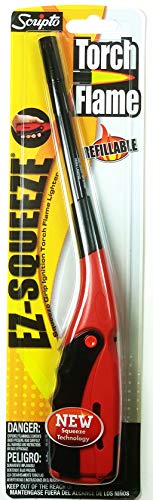
Butane torch lighters are the most common tool for lighting gas grills and charcoal. The key to safe use is controlling the distance between the flame and the ignition source. For gas grills, open the lid and turn on the gas supply before igniting. Hold the lighter at a 45-degree angle to the burner ports, keeping your hand at least 6 inches away from the grill surface.
Press the ignition button slowly to produce a steady flame rather than a burst. This technique prevents gas leaks and ensures the flame catches the gas reliably. Once the burner is lit, close the lid and adjust the heat as needed. For charcoal, place the lighter at the base of the charcoal pile, targeting the kindling or newspaper if used.
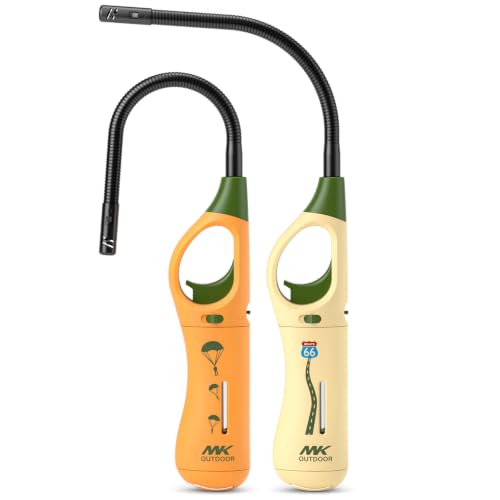
When using a butane lighter in windy conditions, shield the flame with your body or a grill cover if available. A flexible neck lighter can help reach tight spaces without exposing your hand to heat. Always engage the child-resistant lock after use to prevent accidental ignition.
If the lighter fails to ignite, do not continue holding the button; release it, wait a few seconds, and try again. This prevents gas buildup in the lighter head, which can cause a dangerous burst of flame when you finally succeed. Keep a fire extinguisher or bucket of water nearby for emergencies, especially when lighting large charcoal piles.
Using a Plasma Arc Lighter
Plasma arc lighters use an electric arc instead of an open flame, making them ideal for windy environments and deep grills. The arc is visible and can be adjusted in length, allowing you to ignite fuel from a greater distance. To use a plasma lighter, ensure the battery is fully charged via USB. Press the ignition button to activate the arc, which should appear as a blue-purple spark.
Hold the lighter tip near the ignition source, maintaining a distance of at least 4 inches. The arc will ionize the air and ignite the gas or charcoal. For gas grills, aim the arc at the burner ports while the gas is flowing. For charcoal, target the kindling directly. The lack of open flame reduces the risk of blowing out in wind, but you must still be cautious of hot surfaces.
Plasma lighters often feature an automatic shutoff after 10 seconds of continuous use. This safety feature prevents battery drain and reduces the risk of accidental ignition if the button sticks. If the arc does not ignite the fuel, release the button and try again after a brief pause.
Do not force the arc closer to the fuel if it fails to catch; check for gas flow or kindling quality instead. These lighters are also useful for lighting candles or stoves, but always follow the manufacturer’s instructions for maximum arc length and safety. The flexible neck design allows you to reach into tight grill corners without bending your wrist, reducing strain and improving control.
Using an Electric Charcoal Starter
Electric charcoal starters are plug-in devices that heat a metal coil to ignite charcoal piles without any open flame or lighter fluid. This method is particularly useful for large charcoal grills where a handheld lighter might be insufficient. Place the starter at the base of the charcoal pile, ensuring the metal plate makes contact with the coals.
Plug the device into a standard 120V outlet. The heating element will glow red and transfer heat to the charcoal, causing it to ignite from the bottom up. The insulated handle and long power cord keep your hand safely away from the heat. This method is consistent and not affected by wind, making it reliable for outdoor use.
Always follow the manufacturer’s instructions for the specific model, as heating times can vary. Typically, the charcoal will be ready in 5 to 10 minutes. Do not leave the starter unattended while it is plugged in. Once the charcoal is ignited, unplug the device and allow it to cool before storing. Electric starters are reusable and eliminate the need for lighter fluid, which can impart a chemical taste to the food.
They are compatible with most standard grill depths, but check the specifications to ensure the power cord and handle length are sufficient for your grill. This method is also safer for users who have difficulty handling open flames or who are concerned about carbon monoxide exposure in enclosed spaces.
Safety Checks and Common Mistakes
Many grill accidents occur due to simple mistakes in lighter usage. Holding the lighter too close to the heat source is the most common error, leading to burns on the hand or arm. Always maintain a safe distance, using the full length of the lighter neck or handle.
Another mistake is ignoring the safety lock, which can lead to accidental ignition in your pocket or storage area. Always engage the lock when not in use. Using a butane lighter in strong wind without shielding can cause the flame to blow out, leading to gas buildup and a sudden burst of fire. In such cases, switch to a plasma arc or electric starter for better reliability.
- Never hold the lighter directly above the ignition point
- Always engage the safety lock after use
- Do not use butane lighters in strong wind without shielding
- Keep flammable materials away from the ignition area
- Allow electric starters to cool before storing
Regular maintenance of your lighter is also crucial for safety. Check for leaks in butane lighters by sniffing for gas odor near the valve. If you smell gas, do not ignite the lighter; take it to a safe outdoor area and let it vent. For plasma lighters, ensure the USB port is clean and free of debris to maintain a secure charge. Electric starters should be inspected for frayed cords or damaged plugs before each use.
By addressing these maintenance points, you can extend the life of your lighter and reduce the risk of malfunction. For more tips on maintaining your grilling equipment, see our smoker maintenance guide, which covers similar safety principles for heat-generating devices.
Choosing the Right Lighter for Your Grill
The best lighter for your grill depends on your fuel type, grill depth, and typical weather conditions. For gas grills, a butane torch with a long neck offers precise control and is widely available. For charcoal grills in windy areas, a plasma arc lighter provides reliable ignition without the risk of wind blowing out the flame.
Electric charcoal starters are ideal for large charcoal piles and users who want to avoid open flames entirely. Consider the depth of your grill when selecting a lighter; a 9-inch flexible neck may not be sufficient for deep kettle grills, in which case a 30-inch plasma arc or electric starter is a better choice.
Budget is another factor to consider. Butane lighters are the most affordable and refillable, making them cost-effective over time. Plasma lighters have a higher upfront cost but eliminate the need for butane refills. Electric starters are a one-time investment that saves on lighter fluid and matches. When comparing options, look for features like child-resistant locks, automatic shutoff, and durable construction.
Reading user feedback can also provide insights into real-world performance, such as battery life for plasma lighters or heat output for electric starters. By matching the lighter’s capabilities to your specific grilling needs, you can ensure a safe and efficient ignition process every time. Always prioritize safety features over convenience when selecting a grill lighter, as the risk of burns or fire is significant if the wrong tool is used in the wrong conditions.





Write Your Review
No reviews yet. Be the first to share your experience!