


Cooking outdoors over glowing embers delivers crisp sear marks and rich smoky flavor, but managing high heat without a dome presents unique thermodynamic challenges. Many backyard cooks struggle when transitioning away from covered kettles because radiant heat escapes directly into the open air while coal oxygen remains unrestricted. Learning how to use an open charcoal grill requires understanding how coal arrangement, fuel bed depth, and wind exposure dictate cooking surface temperature. Thin meats and quick-searing proteins, such as short ribs prepared with a flavorful Korean beef barbecue recipe, thrive over direct radiant embers when you balance fuel placement properly.
Unlike covered barbecue units that trap convection currents to bake food from every angle, an open grate concentrates thermal energy purely from underneath. This style demands attentive heat management, deliberate fuel selection, and vigilant flare-up prevention to avoid charred dinners. Portable setups, brazier basins, and compact tabletop cookers offer tremendous flexibility for outdoor excursions when operated with basic fundamentals. Mastering this direct grilling technique helps you achieve crusty sears, juicy interiors, and dependable outdoor meals every time you ignite charcoal.

Pros
- Super convenient setup and no cleanup required
- Lightweight and easy to carry anywhere
- Heats up quickly with even cooking performance
- Great for small gatherings or solo grilling
Cons
- Single-use only, so not suitable for regular backyard cooking
- Limited cooking space – best for 2-4 burgers or a few skewers
- Charcoal burns for about 1 hour, so longer cooks aren't possible
If you've ever found yourself craving a grilled burger at a campsite or tailgate but didn't want to haul a full-size charcoal grill, the Oppenheimer USA Disposable Charcoal Grill is exactly what you need. This is a lightweight, portable, single-use grill that comes pre-loaded with easy-light charcoal – just remove the wrapper, light the corners, and you're ready to cook in minutes. It's designed for outdoor enthusiasts who value convenience above all else.
This grill is best suited for campers, tailgaters, RV owners, and anyone who enjoys spontaneous outdoor cooking without the hassle of cleanup. It's also a solid pick for beach days, park picnics, or even emergency cooking during power outages. The 9x13 inch cooking grate gives you enough space for a few burgers, hot dogs, or skewers – perfect for 2-4 people. Just don't expect to smoke a brisket or feed a crowd.
In terms of real-world cooking performance, the easy-light charcoal lights quickly and reaches a decent grilling temperature within 10-15 minutes. The heat distribution is fairly even across the grate, though you might notice slightly cooler spots near the edges. Searing is possible for thin cuts like burgers and chicken thighs, but you won't get the same crust as a heavy cast-iron grate. Smoke flavor is present but mild – it's enough to satisfy a casual griller but not a BBQ purist. The fuel burns for about an hour, which is fine for quick grilling sessions but not low-and-slow cooking.
Build quality is what you'd expect from a disposable product – sturdy enough to hold up during cooking, but not meant for long-term use. The aluminum tray feels solid, and the wire grate supports food without sagging. There are no wheels, folding legs, or weather-resistant features because this grill is designed to be used and tossed. Portability is its strong suit: at 3.5 pounds and dimensions of 9x13x2 inches, it slips into a backpack or car trunk easily.
Setup is incredibly simple – no tools, no assembly, no charcoal to pour. Just remove the plastic wrap, place the grill on a non-flammable surface, and light the corners through the designated ignition strips. Cleanup is even easier: once the charcoal has cooled completely, you can dispose of the entire grill. Just make sure to follow local disposal guidelines for charcoal and ash. The biggest limitation is that it's single-use, so if you grill often, the cost adds up compared to a reusable portable grill.
Overall, the Oppenheimer USA Disposable Charcoal Grill is a fantastic solution for outdoor cooks who prioritize convenience and portability. It's not meant to replace your backyard kettle grill, but it's a lifesaver for camping, tailgating, or any on-the-go cooking scenario. If you're looking for a no-mess, no-fuss way to enjoy grilled food anywhere, this pack of two is a smart buy.
At just 3.5 pounds and 9x13x2 inches, this grill is incredibly easy to transport. It fits in a backpack, car trunk, or even a large tote bag. No need to worry about charcoal bags or lighter fluid – everything is built in. The lightweight design makes it a top choice for hikers, campers, and tailgaters who want to travel light.
This grill shines in scenarios where convenience and portability matter most. Use it for camping trips, tailgate parties, beach outings, park picnics, or even as a backup grill during power outages. It's also great for small gatherings where you only need to cook a few items. Not ideal for large BBQs or smoking.


Pros
- Innovative trapdoor trigger drops lit fuel accurately into charcoal grates or fire baskets
- Effective ventilation pulls draft quickly for rapid, even coal lighting
- Sturdy heat shield provides safe barrier against high radiant heat
- Eliminates the need for foul-smelling lighter fluids that spoil food flavor
Cons
- Trapdoor release mechanism requires occasional ash brush-out to maintain smooth operation
- Rigid cylinder body takes up more trunk space than collapsible fabric or folding starters
- Bare steel cylinder naturally discolors after regular exposure to high flames
Lighting charcoal without lighter fluid petroleum odors is essential for authentic barbecue, and the Char-Griller Charcoal Grill Chimney Starter with Quick Release Trigger makes coal ignition both faster and substantially safer. Designed as a dedicated charcoal firing canister, this 12-inch accessory is built for backyard grillers, weekend BBQ enthusiasts, tailgaters, and campsite pitmasters who want ready-to-cook coals without hassle. Rather than lifting and inverting a top-heavy cylinder of flaming embers, this model uses a bottom trapdoor trigger that drops the fuel right where you want it.
In real-world barbecue setups, dependable fuel management sets the tone for your cook. This chimney utilizes natural vertical convection to draw oxygen upward from a single fire starter cube or crumpled paper base. Within fifteen to twenty minutes, an entire load of briquettes or lump charcoal glows with an even grey ash layer. Fast startup times mean you reach searing temperatures quickly for thick steaks and smash burgers, or establish a clean-burning coal bed for smoking ribs and brisket without chemical contamination.
Build quality focuses heavily on operator safety and heat management. The steel body measures 12 inches tall by 7.75 inches wide, holding sufficient fuel to power a two-zone kettle arrangement or prime an offset smoker firebox. A heavy-duty heat shield is placed between the metal barrel and the molded ABS handle, preventing skin exposure to blistering radiant temperatures. The trigger mechanism functions securely, ensuring the bottom grate stays shut while carrying coals and drops open cleanly upon trigger squeeze.
Handling and cleanup remain straightforward. Operation takes zero assembly: place a paraffin cube or wood wool on your grill grate, fill the chimney with charcoal, light the base, and let physics do the rest. Once lit, position the cylinder over your fuel grate and pull the handle trigger. Cleaning only requires tapping out leftover ash and keeping the hinge free of debris. While its fixed cylindrical shape does not fold flat for ultra-compact packing, the 2.9-pound weight transports effortlessly inside an outdoor gear bin or grill cart shelf.
A practical limitation involves the moving release door, which needs a quick visual check before loading unlit coals to ensure the latch is fully caught. For patio pitmasters, offset smoker fans, and tailgaters seeking a cleaner and far less clumsy way to dump red-hot coals, this Char-Griller quick-release chimney is an affordable, practical upgrade for your outdoor cooking routine.
Efficient charcoal management begins with an even, thorough burn. The Char-Griller chimney relies on continuous bottom-to-top airflow that accelerates combustion across every piece of fuel. Whether you prefer dense hardwood lump charcoal for high-heat searing or uniform briquettes for consistent kettle cooking, the chimney ensures uniform ember development across the entire load.
Lighting fuel without petroleum accelerants preserves pure wood smoke flavor on poultry, pork, and beef. Because the unit drops fuel straight down through the bottom door, you can easily target charcoal baskets, vortex funnels, or split fire zones without scattering hot ashes across your clean grilling grates.
Traditional charcoal chimneys require twisting your wrists and inverting an open canister of thousand-degree coals, which frequently produces floating sparks and erratic spills. The integrated trigger release on this model keeps the canister oriented upright at all times, drastically reducing flare-up hazards and accidental coal scatter.
A thick metal heat shield blocks direct thermal radiation from reaching your fingers, while the ergonomic ABS handle provides a confident grip even while wearing heavy leather barbecue gloves. This stable design makes pouring fuel into deep smokers, ceramic cookers, or small portable tailgating grills far safer and more predictable.


Mastering Direct Fire: How to Use an Open Charcoal Grill Safely and Effectively
Operating an open charcoal grill centers on managing pure radiant heat, direct fuel airflow, and fast surface moisture evaporation. When you cook without a lid, hot air quickly rises away into the surrounding atmosphere, leaving the embers beneath as your single thermal power source. That environment creates incredible searing potential, but it leaves zero room for passive baking or convective heat retention. Understanding this fundamental dynamic allows you to control surface browning, prevent burnt meat, and cook with complete confidence.
Understanding Radiant Heat and Oxygen on Open Grates
Standard kettle grills rely on a heavy lid to bounce convective currents around your ingredients, cooking the top and bottom at the same time. Open charcoal grills strip that dynamic away, forcing all thermal energy upward directly from glowing carbon into the bottom of the food. Radiant infrared heat from hot coals cooks surface proteins rapidly, making this format exceptional for flash searing and direct caramelization. Because there is no ambient heat dome to cook the upper surface, cooks must monitor flip timing carefully to ensure thorough cooking.
Ambient airflow also behaves very differently when the top of your cooking chamber remains wide open. In a covered barbecue, closing exhaust vents limits oxygen and smothers coal combustion to drop internal temperatures. On an open grill, atmospheric oxygen continually bathes the top of the fuel bed without restriction. Air intake depends heavily on base dampers and coal packing density, meaning coals often burn hotter and faster unless properly arranged.
Wind exposure introduces another critical variable that open grill operators must anticipate. A steady outdoor breeze acts like a natural bellows, forcing fresh oxygen across the embers and rapidly elevating coal temperatures. Strong drafts can also blow away the thin layer of rising hot air directly above the grate, creating unpredictable cool spots across the cooking area. Positioning your cooker in a sheltered outdoor spot helps maintain consistent thermal behavior throughout your entire cooking session.
Selecting Between Lump Charcoal and Briquettes
Choosing the right fuel sets the foundation for temperature stability across an open grate. Standard charcoal briquettes offer uniform shape, predictable burn times, and even heat production that suits extended cooking sessions. Manufactured with compressed carbonized wood and natural binders, briquettes deliver steady radiant energy without extreme temperature spikes. Their consistent density makes them an outstanding choice for beginners learning how to maintain level heat over an open basin.
Hardwood lump charcoal burns significantly hotter and ignites faster than processed briquettes. Because lump charcoal consists of pure charred timber without extra binders, it generates minimal ash volume and leaves a clean, woodsy aroma. The irregular shapes of lump pieces can create uneven hot zones if not leveled carefully across the firebox. Cooks looking for an intense, blistering sear on steaks or thin chops often favor lump charcoal for its high thermal ceiling.
Mixing both fuels provides a practical compromise for cooks wanting both high initial heat and steady endurance. Placing a foundational layer of briquettes beneath several handfuls of lump charcoal gives you quick lighting with lasting heat stability. This combination prevents the sudden temperature drop that can occur when rapid-burning lump fuel exhausts itself before food finishes cooking. Always match your charcoal volume to the depth of your grill basin to avoid overfilling the firebox.
Lighting Coals Without Chemical Lighter Fluid
Liquid chemical fire starters should never touch an open charcoal grill. Petroleum-based accelerants leave harsh chemical odors on your grates and produce foul-tasting residue that soaks straight into cooking food. Because open grilling relies entirely on upward air drafts, volatile chemical fumes travel directly through your ingredients during cooking. Clean lighting practices protect both the flavor of your ingredients and the safety of your cooking area.
A dedicated charcoal chimney starter represents the most efficient and reliable method to ignite coals naturally. Metal chimney cylinders draw air upward through ventilated bottom chambers, using two sheets of crumpled paper or natural wax starter cubes beneath the fuel grate. Tools such as the Char-Griller charcoal grill chimney starter feature quick-release trigger mechanics that drop glowing coals straight down without dangerous pouring. Insulated handles and protective heat shields further simplify handling hot coals when transferring fuel into the grill.
Wait until the coals develop a thin layer of gray ash before emptying them across your grill pan. Pouring black, partially lit coals too early leads to acrid white smoke, uneven heat pockets, and fluctuating cooking temperatures. Coals normally need fifteen to twenty minutes inside a starter chimney to establish glowing red centers beneath their powdery exterior. Once the top pieces show gray ash along their edges, your fuel is ready to spread.
Establishing Direct and Indirect Heat Zones
Grilling over an open pit without distinct temperature zones almost guarantees scorched food. When coals cover the entire bottom basin evenly, cooks have no safe retreat zone if proteins begin charring prematurely. A two-zone fire setup solves this problem by dividing your grill grate into an active cooking zone and a gentle holding zone. This arrangement gives you complete control over cooking rates without needing a lid to drop temperatures.
To build a two-zone configuration, bank all lit coals across one half of the lower charcoal basin. This creates an intense direct heat zone directly over the embers, producing high temperatures ideal for searing meat surfaces. The opposite half of the cooker remains free of coals, forming a low-intensity indirect heat area warmed only by peripheral radiation. If food browns too quickly over the embers, shifting items to the cooler side stops surface charring while interior proteins finish heating.
Some cooks utilize a sloping coal bed to create a third medium-heat transition zone. Arranging coals from three layers deep on one side down to a single layer in the middle leaves the far side empty. This gradient provides high, medium, and low radiant heat areas across a single open grate. Moving skewers or patties along this temperature gradient prevents burning while maximizing cooking efficiency.
Adjusting Grate Distance and Airflow
Controlling temperature on an open grill requires managing the physical distance between your food and the fuel bed. Raising the cooking grate higher above glowing embers reduces radiant heat intensity, following the physical laws of thermal dissipation. Grills equipped with multi-level grate brackets, such as adjustable GasOne charcoal grill designs, allow operators to lift or lower food easily. Dropping the rack close to the coals creates a crusty sear, while raising it allows gentle cooking for delicate foods.
Bottom ventilation dampers also play a substantial role in regulating charcoal combustion rates from beneath. Opening lower intake vents increases airflow through the coal grate, feeding the fire with fresh oxygen and elevating bed temperatures. Restricting those base vents slows the air draft, steadily lowering coal output without extinguishing the embers entirely. Even on an open cooker, managing air intake from below helps stabilize heat output.
If your grill lacks adjustable grates or intake dampers, you must control heat using coal spacing and volume. Spreading embers into a loose, single layer lowers thermal concentration across the cooking plane. Conversely, pushing coals into a compact cluster intensifies radiant energy beneath a specific section of the grate. Mastering physical fuel arrangement compensates for the lack of mechanical temperature controls.
Best Foods for Open Charcoal Grates
Open charcoal cooking excels at preparing cuts of meat that measure less than one and a half inches in thickness. Quick-cooking proteins like burger patties, thin steaks, pork chops, and seafood sear cleanly without burning before their centers cook through. Skewered items cook exceptionally well over open beds because cooks can flip and rotate individual pieces constantly. For an authentic outdoor feast, preparing tender skewered Filipino pork barbecue over glowing embers delivers unmatched caramelized edges and wood-smoke flavor.
Vegetables such as asparagus, sliced zucchini, bell peppers, and scallions also perform brilliantly over open charcoal fires. The dry radiant heat blisters exterior skins, adding sweet char while retaining crisp interior texture. Because moisture evaporates freely without trapped steam, vegetables develop concentrated flavor rather than becoming soft or soggy. Tongs make it easy to shift delicate pieces across direct and indirect zones as they soften.
Sauces containing high sugar concentrations require careful timing when cooking over direct open coals. Brushing sweet glazes onto raw meat too early results in blackened, bitter sugar crusts long before internal temperatures reach safe levels. When finishing ribs or poultry with a sweet glaze, such as a homemade cranberry barbecue sauce recipe, wait until the final five minutes of cooking. Shifting glazed items toward the cooler indirect zone allows the sauce to caramelize gently without burning over bare coals.
Taming Grease Flare-Ups and Sudden Hot Spots
Flare-ups happen when liquefied fats drip from meat surfaces directly onto red-hot embers below. The falling grease instantly vaporizes, igniting into sudden tongues of open flame that scorch meat with acrid soot. Because open grates provide continuous access to fresh air, grease flames can persist longer than they would inside an oxygen-deprived covered grill. Recognizing early sizzle sounds gives you time to react before flames engulf delicate ingredients.
Never squirt water directly into a charcoal firebox to extinguish localized grease flare-ups. Spraying water blasts fine gray ash upward, coating your food in gritty debris while suddenly dropping coal bed temperatures. In extreme cases, rapid thermal shock from cold water can crack porcelain coatings or warp thin metal braziers. Water also creates instant steam clouds that can burn unprotected hands and arms.
The safest response to a grease flare is shifting the food immediately onto the indirect side of your grill. Once dripping fats stop landing on the coals, the flames will burn themselves out naturally within seconds. After the fire subsides, move the protein back to the direct cooking zone to finish searing. Trimming heavy fat caps before putting meats on the grate significantly reduces flare-up frequency throughout the cook.
Operating Portable and Disposable Open Grills
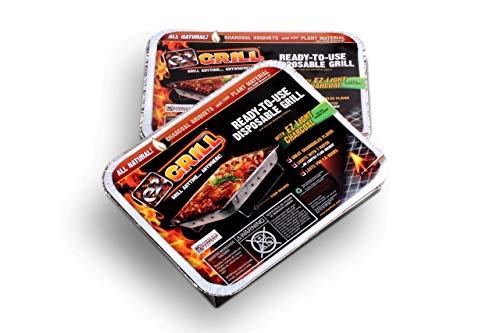
Portable tabletop braziers and single-use aluminum grills make open-air cooking accessible during travel, picnics, and camping. Self-contained options like Oppenheimer USA disposable units or EZGRILL charcoal packs include integrated fuel beds, match-ready lighting sheets, and wire racks. These self-contained units provide steady cooking heat for roughly an hour without needing extra charcoal bags or bulky starter accessories. They serve as convenient solutions for road trips when packing full-size gear is impractical.
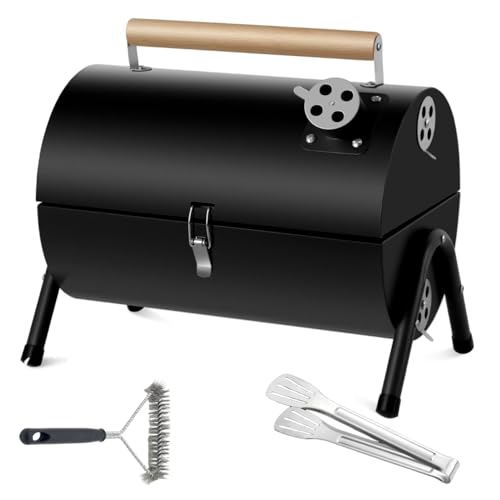
Folding tabletop models made from pressed steel, including compact cylindrical braziers, offer sturdy reusable platforms for outdoor excursions. Features like triangular support legs, wooden handles, and secure latching systems enhance transport safety and ground stability. When using tabletop units, always set them on heat-resistant, level surfaces like stone, packed dirt, or designated picnic pads. Never place hot portable cookers directly onto combustible wooden picnic tables or plastic folding furniture without thermal protection.
Tight wire grid spacing on portable grates prevents small morsels from slipping down into burning embers. Checking that replacement grates sit firmly within support grooves keeps cooking racks stable during heavy flipping tasks. Included tools like metal tongs and sturdy grill brushes simplify mid-cook food movement and post-meal maintenance on the road. Keeping portable setups clean after each outing preserves protective powder coatings and minimizes corrosion risks over time.
Essential Outdoor Safety and Enclosed Space Warnings
Charcoal grills of every style and size must be operated strictly outdoors in open, well-ventilated environments. Burning charcoal produces odorless, toxic carbon monoxide gas along with open flames and intense radiant heat. You must never operate a charcoal grill inside a home, garage, carport, screened porch, or tent. Even leaving an overhead garage door completely open does not provide adequate air circulation to prevent lethal gas accumulation or structural fire hazards.
Establish safe physical clearances between your open grill and any combustible buildings, deck railings, or low-hanging branches. Position the cooker at least ten feet away from residential walls, vinyl siding, dry foliage, and canvas awnings. Always inspect local municipal fire regulations and park guidelines, as seasonal dry spells may impose temporary open-flame restrictions. Keeping a bucket of sand or an approved fire extinguisher within arm’s reach ensures quick response if stray sparks escape.
Wind gusts can lift glowing embers out of an open brazier and scatter them into nearby dry grass or dry leaves. Position your cooker with natural windbreaks at a safe distance to prevent hot sparks from traveling across your yard. Never leave an open charcoal grill unattended while coals are glowing, especially when children or pets are playing nearby. The exposed perimeter of an open basin poses direct contact burn hazards that demand constant adult supervision.
Proper Extinguishing and Post-Cook Ash Care
Putting out charcoal on an open grill requires patience because you cannot simply close a top damper to choke out oxygen. If your cooker features bottom vents, close them completely to restrict airflow from beneath and slow fuel consumption. Allowing the remaining charcoal to burn down completely into harmless gray ash is often the safest approach if time permits. Alternatively, lift warm coals using long metal tongs and submerge them individually in a metal bucket filled with water.
Never dump warm charcoal ashes into plastic trash bags, cardboard boxes, or standard household trash bins. Microscopic embers can smolder silently inside deep ash piles for more than twenty-four hours after cooking ends. Always shovel spent ashes into a dedicated metal container fitted with a tight lid, storing the container outdoors on non-combustible concrete or dirt. Once ashes are completely cold to the touch throughout, they can be safely discarded according to local municipal guidelines.
Clean your cooking grates while they retain residual heat from the dying firebed. Using a brass or stainless-steel grill brush removes sticky proteins, rendered oils, and caramelized glazes before they harden into tough crusts. Wiping the cooled metal racks with a light coat of high-smoke-point vegetable oil creates a protective moisture barrier that inhibits surface rust. Regular maintenance keeps your open grill sanitary, reliable, and ready for your next outdoor gathering.
Grilling over an open charcoal fire reconnects you with the fundamental craft of direct-heat cooking. By building distinct temperature zones, selecting clean-burning fuel, and managing airflow, you gain total control over every sear and sizzle. Keep safety at the forefront of every cookout, respect the intense power of open embers, and enjoy the rich rewards of open-air grilling.


Write Your Review
No reviews yet. Be the first to share your experience!