


Setting up an outdoor cookout requires more than just firing up the burners or lighting a charcoal chimney at the last minute. Seasoned backyard cooks know that understanding how to prep grill equipment and organize ingredients beforehand creates a seamless cooking session with fewer kitchen trips. Establishing a dedicated workflow helps maintain steady cooking temperatures while keeping raw proteins completely isolated from finished food. Setting up your station alongside sturdy outdoor food prep surfaces gives you immediate access to tools, seasonings, and clean platters before the heat gets high.
Prepping also involves inspecting the cookbox, burnishing the cooking grates, and lightly applying high-smoke-point oil to prevent sticking. When your tools, marinades, and temperature probes are staged properly, you spend less time scrambling and more time managing flare-ups and airflow. Proper organization prevents cross-contamination and shields delicate glazes from burning before meats reach a safe internal temperature. Investing a few minutes into deliberate preparation transforms chaotic outdoor cooking into a controlled, enjoyable routine.


Pros
- Versatile 5-in-1 system reduces trips between kitchen and grill
- Stainless steel construction resists rust and is easy to clean
- Bamboo cutting board adds functionality for prep and serving
- Lids keep food fresh and protected outdoors
- Stackable storage saves space in small kitchens or campers
Cons
- Bamboo cutting board requires hand washing, not dishwasher-safe
- Trays may be too large for small countertops
- Lids might not seal airtight for long marination
The BLAZPATH 5-in-1 Grill Prep Tray and Carry System is a practical accessory for anyone who loves cooking outdoors. It's not a grill or smoker, but a complete prep and transport kit that helps you marinate, carry, and serve food with less hassle. This set includes a deep stainless steel marinade container, a shallower serving tray, two matching lids, and a bamboo cutting board. It's designed to keep raw and cooked meat separate, which is a big plus for food safety during backyard BBQs, camping trips, or tailgate parties.
This system is best suited for backyard grillers who want to streamline their workflow, campers who need portable and stackable gear, and tailgaters who appreciate having everything in one place. RV owners will also like how the trays nest together for compact storage. The large capacity (15.6 by 11.7 inches) can hold a full rack of ribs or several steaks, making it useful for feeding a crowd at a weekend cookout or a game day event.
While this product doesn't directly affect cooking performance like heat consistency or smoke flavor, it does help with preparation and serving. The raised ridges on the marinade tray allow marinade to circulate around the meat, which can enhance flavor absorption. The serving tray has a similar raised pattern to drain excess grease, keeping grilled meat crispy. The stainless steel construction can withstand heat near the grill without melting, unlike plastic alternatives. Cleanup is straightforward - the trays and lids are dishwasher-safe, though the bamboo cutting board needs hand washing.
Build quality is solid for the price. The stainless steel feels durable and resists rust, and the bamboo board is thick enough to handle chopping. The lids fit snugly and have easy-grip handles that make carrying easy even with one hand. The stackable design is a nice touch for storage, especially if you have limited space in a camper or small kitchen. However, the trays are fairly large, so they may not fit well in compact sinks or dishwashers.
One limitation is that the lids are not airtight, so they're better for short-term transport or fridge storage rather than long marination. Also, the bamboo board requires hand washing and occasional oiling to prevent cracking. If you're looking for a single solution to reduce trips between the kitchen and grill, this system works well. It's a thoughtful gift for dads, grill enthusiasts, or anyone who hosts outdoor gatherings.
Overall, the BLAZPATH 5-in-1 system is a practical addition to any outdoor cooking setup. It won't improve your searing or smoke flavor, but it will make the process of marinating, carrying, and serving much more organized. For backyard cooks, campers, and tailgaters who value efficiency and cleanliness, this is a worthwhile investment.
This prep and carry system shines in several outdoor cooking scenarios. For backyard BBQ enthusiasts, it's ideal for marinating ribs or chicken in the fridge, then carrying everything to the grill in one trip. The separate serving tray keeps cooked meat clean and ready for the table. Campers will appreciate the stackable design that fits neatly into a cooler or storage bin, and the stainless steel trays are easy to wipe down at the campsite. Tailgaters can prep burgers and hot dogs ahead of time, then use the cutting board for slicing onions or tomatoes. The lids prevent spills during transport, so you can focus on the game. RV owners with limited counter space will find the cutting board useful for prep, and the trays double as serving platters for potlucks or park cookouts.
Complete Guide to Preparing Your Grill and Staging Your Cook
Proper grill preparation combines thorough grate conditioning, deliberate heat management, and structured food handling into one seamless process. Rushing to put meat onto cold or dirty metal often leads to torn food, unexpected flare-ups, and uneven internal temperatures. When you inspect components, clear away residual grease, and organize your seasoning workflow before striking a flame, outdoor cooking becomes far more predictable. Establishing an organized routine keeps the entire session safe, sanitary, and enjoyable from the initial spark to the final plate.
Inspecting and Cleaning the Cooking Grates
Cooking grates accumulate carbon deposits, rendered animal fats, and burnt marinades after every heavy cooking session. Allowing that baked-on residue to sit degrades cooking performance and can transfer unpleasant bitter flavors into fresh cuts of meat. Inspecting the surface before cooking allows you to verify that no loose debris or rust has developed since your last cookout. Beginning with clean metal creates clear grill marks and guarantees that your seasoning adheres directly to the food rather than old residue.
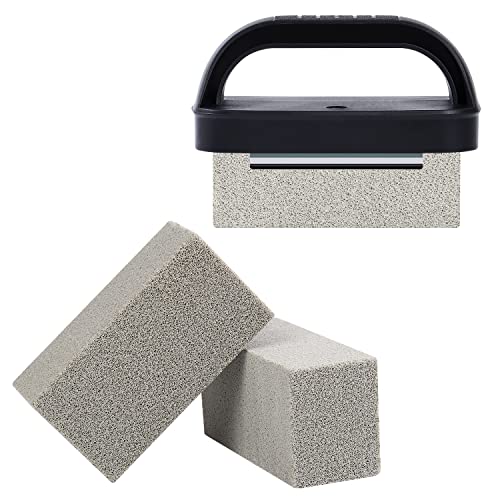
Preheating the grill on high for ten to fifteen minutes helps loosen stubborn remnants by carbonizing old grease. Once the residue turns brittle, brush the grates firmly using a bristle-free scraper, a stainless steel coil brush, or a crumpled ball of heavy-duty aluminum foil held with long tongs. Traditional wire bristle brushes carry the risk of shedding sharp metal fragments that can adhere to grates and end up in your food. Wiping the cleared bars with a damp rag or paper towel removes fine ash and prepares the steel or cast iron for seasoning.
Oiling and Seasoning the Grates to Prevent Sticking
Applying a thin layer of oil directly to warm grates creates a slick, temporary nonstick barrier that releases delicate proteins smoothly. Choose cooking oils with high smoke points, such as canola, avocado, peanut, or grapeseed oil, which can withstand elevated temperatures without breaking down into acrid smoke. Avoid aerosol cooking sprays directly over lit burners or live charcoal, as volatile propellants can cause instant fireballs. Lightly coating the surface before cooking keeps burgers, poultry, and fish from tearing when you try to flip them.
Application requires simple tools and safe technique to protect your hands from rising radiant heat. Fold a thick paper towel into a compact square, grip it securely with sturdy metal tongs, and dip it lightly into a bowl of high-heat cooking oil. Rub the oiled towel across the grate bars smoothly and quickly, ensuring an even sheen without letting oil pool or drip into the firebox. Excess oil drips create unnecessary flare-ups, so a light, uniform coat provides optimal release while keeping flames under control.
Preheating and Establishing Two-Zone Temperature Control
Preheating brings the entire cookbox, lid, and grate structure up to a stable ambient temperature before food touches the metal. Placing cold meat onto a lukewarm cooking surface causes moisture to boil out slowly instead of searing quickly, leaving proteins dry and pale. A fully heated grate immediately sears the exterior, encouraging caramelization through the Maillard reaction while facilitating a clean release. Depending on fuel type, allow ten to twenty minutes of closed-lid preheating so cast iron or heavy steel grates can store adequate thermal energy.
Configuring a two-zone cooking setup provides immediate protection against charred exteriors and undercooked centers. On a gas grill, ignite the burners on one side while leaving the opposing burners off or turned down to low. Charcoal cooks achieve this by banking lit briquettes or lump charcoal entirely onto one half of the lower grate, creating distinct direct and indirect heat zones. This configuration gives you a searing zone for quick browning and a cooler sanctuary where thicker meats can finish cooking gently without burning.
Organizing the Food Prep Station and Preventing Cross-Contamination
Food safety outdoors requires rigorous separation between uncooked proteins and ready-to-eat items. Placing grilled steaks back onto the same platter that held raw meat risks introducing bacteria such as Salmonella and Campylobacter to finished food. Dedicated staging stations keep raw seasonings, marinades, and prep tools separated from cooked food trays and clean servingware. Keeping clean platters, cutting boards, and fresh tongs stationed separately eliminates hectic kitchen runs and prevents contamination accidents.
Color-coded preparation trays and distinct containers simplify outdoor kitchen management when handling multiple meats and sides. Staging raw proteins in dedicated deep basins contains runoff and keeps marinades from splashing onto clean counter space. Once food reaches the grill grates, swap out raw tools and bring out sanitized platters for the final transfer. Preparing your landing zone before lifting the grill lid ensures you never have to scramble for a clean resting plate while meat overcooks.
Utilizing Specialized Prep Tubs and Transport Systems
Large cuts like pork shoulders, briskets, and racks of ribs demand deep prep basins to contain heavy rubs and wet marinades. The FZBJS Collapsible BBQ Prep Tub with Lid offers a generous 16-liter capacity that accommodates large cuts without crowding your kitchen counter. Its flexible silicone body collapses down from over seven inches to roughly one and a half inches high, making storage simple in tight cabinets or camper compartments. An integrated cutting board lid lets you trim fat caps directly over the tub, while the built-in drain plug lets you empty liquid brines without lifting the entire container.
Cooks who frequently transport meals between indoor kitchens and backyard patios often prefer multi-piece stainless steel systems. The Geesta 5-in-1 Grilling Prep & Serve Tays utilizes three stackable stainless steel platters paired with color-coded silicone lids and an organic bamboo cutting board. Stainless steel components offer dishwasher-safe convenience and resist intense ambient grill heat that could melt thin plastic trays. The deeper basin handles overnight marinades, while the separate smaller trays provide clean, covered serving platters that keep insects away from finished meats.
Similarly, the BLAZPATH 5-in-1 Grill Prep Tray and Carry System features durable stainless steel trays engineered with practical base contours. Its marinating basin incorporates raised bottom ridges that circulate marinades evenly beneath ribs, poultry, and steaks. The cooked meat tray utilizes a shallow grooved base that drains rendered grease away from grilled cuts, helping crusts stay crisp while resting. Dual handled lids allow easy one-handed lifting while you hold tongs, and the fitted bamboo cutting board catches meat juices to keep picnic tables clean.
Using structured marinating basins is especially beneficial when working with complex wet sauces and long tenderizing soaks. For cooks experimenting with flavorful marinated beef barbecue methods, deep marinade containers allow liquid layers to coat thin rib cuts evenly without leaking onto refrigerator shelves. Locking lids help contain intense aromatics like garlic, sesame, and soy sauce while transferring meat directly to the grill grate. Once cooking starts, having clean secondary trays on hand keeps seasoned meats ready for immediate serving.
Essential Grilling Tools and Staging Accessories
Staging proper accessories by your grill side prevents frantic searches when food requires quick flipping or temperature checks. Long-handled stainless steel tongs provide leverage and keep your hands away from intense heat zones. Heat-resistant silicone gloves protect your forearms during flare-ups and allow you to reposition hot grill baskets or cast-iron skillets safely. A reliable digital instant-read thermometer is indispensable, allowing you to verify doneness based on USDA internal temperature standards rather than guesswork.
Wood smoke accessories also require advance staging if you plan to infuse aromatic flavor into gas or electric grill setups. Positioning dedicated wood chip smoker boxes directly over lit burner diffusers allows hardwoods to smolder slowly without catching open flame. Pre-soaking or pre-filling these metal accessories before firing up the burners guarantees a steady stream of thin blue smoke right as the meat hits the grates. Staging small prep bowls with finishing sauces, glazes, and clean silicone basting brushes nearby ensures you apply sweet coatings only during the final minutes to prevent scorching.
Critical Safety Clearances and Enclosed Space Hazards
Operating a grill demands strict adherence to outdoor fire safety practices and spatial clearances. Outdoor cooking appliances should sit on stable, level ground at least ten feet away from house siding, wooden deck railings, and low-hanging tree branches. Keep a fire extinguisher rated for grease fires nearby, and never use water to extinguish an active grease flare-up. Inspecting grease catch pans and bottom drip trays before igniting the grill prevents catastrophic grease fires caused by accumulated animal fat.
Never operate a gas, charcoal, or pellet grill inside a garage, breezeway, shed, or enclosed patio, even if the overhead door is wide open. Fuel-burning outdoor grills generate significant quantities of carbon monoxide, an odorless and invisible gas that can reach lethal concentrations rapidly in partially enclosed spaces. Open doors do not provide sufficient cross-ventilation to prevent toxic gas accumulation or protect nearby structural framing from radiant heat ignition. Always position your grill entirely outdoors in open air where smoke and combustion gases dissipate safely into the atmosphere.
Post-Cook Burn-Off and Maintenance Routines
Prepping for your next cookout begins immediately after you transfer finished food to clean serving platters. Close the grill lid and allow the burners or coals to run hot for five to ten minutes to burn off remaining juices and fats on the grates. While the metal remains warm, give the grates a rapid scrape with your bristle-free cleaning tool to remove soft ash before it hardens. Performing this rapid clean while the grill is warm takes minimal effort and leaves grates ready for quick seasoning next time.
Allow the grill to cool completely before inspecting the grease catch tray and sweeping out cold charcoal ashes. Leaving old ash inside charcoal kettles attracts ambient moisture, forming corrosive lye that can eat through steel fireboxes over time. Wipe down side shelves, wash your prep tubs and stainless steel trays, and secure all grilling tools in clean dry storage. Covering your cooled grill with a weather-resistant vinyl or canvas cover protects delicate ignition components and steel surfaces from rain, dirt, and UV damage.
Taking time to prepare the cooking grate, stage your prep equipment, and respect outdoor fire boundaries guarantees consistent culinary results every time you light the fire. Using dependable prep stations keeps raw and cooked items strictly separated, protecting your family and guests from foodborne illness. Master these fundamental preparation habits, and your backyard barbecue sessions will run smoothly from the first rub to the final plate.




Write Your Review
No reviews yet. Be the first to share your experience!