

Standing over a cold gas grill with prepared food in hand while the push-button spark generator fails to spark creates immediate outdoor cooking frustration. A dead battery, corroded wire, or worn electrode can easily silence an electronic igniter on an otherwise functioning cooker. Learning how to start propane grill with lighter tools offers a reliable manual workaround that keeps dinner on schedule without damaging your cooking equipment. The process requires a steady hand and strict attention to basic gas ventilation principles to ensure total safety. With the right technique, you can safely ignite the burners manually and get back to managing your cookout.
Outdoor cooks often encounter this issue during seasonal startups or after long winter storage periods when moisture affects electronic components. Whether you operate a freestanding cart or a built-in outdoor cooking station inside an outdoor barbecue island setup, understanding manual ignition is a vital backyard skill. Using a long-reach butane wand or a flexible electric lighter keeps your hands well away from escaping gas while you spark the fuel stream. Following a methodical ignition checklist eliminates dangerous gas pooling and gets the flame established cleanly. This practical guide covers every step of manual grill lighting so you can cook with complete confidence.


Pros
- Portable and easy to transport for camping or tailgating
- Heats up quickly and maintains consistent temperature
- Simple assembly and straightforward operation
- Grease management system keeps cleanup hassle-free
Cons
- Limited cooking capacity for larger groups or multiple dishes
- Build quality may not withstand heavy, frequent use
- Wind can affect heat consistency in breezy conditions
This portable propane grill is designed for outdoor cooking enthusiasts who value convenience and speed. Whether you are camping at a state park, tailgating before the big game, or hosting a small backyard BBQ, this compact gas grill delivers reliable heat for grilling burgers, hot dogs, chicken breasts, and vegetables. It is best suited for campers, tailgaters, RV owners, and patio cooks who need a lightweight grill that sets up quickly and doesn t take up much space.
In real-world use, the two burners provide decent heat consistency across the cooking surface. The grill reaches temperature fast, so you can start searing steaks or browning burgers within minutes of lighting it. While it won t produce the deep smoke flavor of a charcoal or pellet grill, the propane convenience means you can cook without the wait or mess. Temperature control is straightforward with the burner knobs, allowing you to adjust from low for gentle cooking to high for a good sear.
Build quality is adequate for a portable grill at this price point. The lid and body are made from coated steel that resists rust, and the cooking grates are non-stick for easier food release and cleanup. The folding legs and carrying handle make it simple to transport, though the grill is not as rugged as higher-end models. It handles light weather well, but strong winds can affect heat retention and may require a windbreak for consistent cooking.
Setting up the grill is straightforward, with minimal assembly required right out of the box. The propane tank connects easily, and the ignition system lights reliably. After cooking, the removable grease tray catches drips and makes cleanup much less of a chore. The non-stick grates wipe clean with a paper towel, and the overall design is easy to maintain for regular outdoor use.
One realistic limitation is the cooking capacity. With two burners, you can cook about 8 to 10 burgers at once or a couple of steaks, but feeding a crowd will require multiple batches. The grill also lacks a built-in thermometer, so you may want to use a separate grill thermometer to monitor internal temperatures. For larger gatherings or more ambitious cooks like low-and-slow smoking, this grill is not ideal.
Overall, this portable propane grill is a practical buy for anyone who needs a no-fuss outdoor cooker for camping, tailgating, or small backyard meals. It delivers fast heat, easy cleanup, and solid portability at an affordable price. If you are a weekend griller who values convenience over capacity, this grill will serve you well for many outdoor adventures.


Pros
- Heats up fast to 500°F for excellent searing and quick grilling sessions
- 304 stainless steel burners resist corrosion and provide even heat distribution
- Foldable shelves and sturdy wheels make it portable and easy to store
- Easy 30-minute assembly and simple grease cleanup with drip pan system
Cons
- Total cooking area of 525 sq. inches may feel limited for large parties or whole briskets
- Enameled cast iron grates require seasoning and careful cleaning to prevent rust
- Propane tank not included, so you'll need to purchase one separately
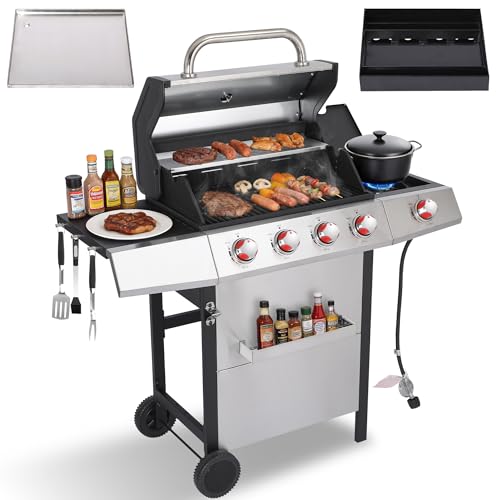
The Monument Grills Mesa II 410FBZ is a 4-burner propane gas grill designed for backyard cooks, tailgaters, and patio entertainers who want solid performance without a complicated setup. With a stainless steel body, foldable side shelves, and a built-in broil zone, this grill aims to deliver fast heat and reliable results for weekend BBQs, camping trips, or game-day tailgating.
When it comes to cooking performance, the Mesa II shines at high-heat searing. It reaches 500°F in about five minutes on full blast, which is perfect for getting a nice crust on steaks or burgers. The Advanced Broil Zone helps distribute heat evenly across the cooking surface, so you don't have to constantly rotate food. The four adjustable burners let you fine-tune temperatures for everything from hot dogs to more delicate vegetables. While it's not designed for low-and-slow smoking, you can still manage indirect heat for roasts or chicken with some practice.
Build quality is decent for the price point. The 304 stainless steel burners are corrosion-resistant and should hold up well against weather if you keep the grill covered. The enamel-coated body resists stains and rust, and the enameled cast iron cooking grates retain heat nicely for those perfect grill marks. The double-layered lid helps with heat retention, which is handy on breezy days. Large wheels make it easy to roll from the patio to the driveway for tailgating, and the built-in propane tank holder keeps everything secure during transport.
Assembly is straightforward and takes about 30 minutes, which is a nice bonus for anyone who's struggled with complicated grill builds. Cleanup is also fairly simple thanks to the funnel-style grease management system and removable 430 stainless steel drip pan. The non-stick surfaces on the body reduce staining, so a quick wipe after each use keeps it looking good. The foldable side shelves are convenient for prep space, but they do feel a bit less sturdy than fixed shelves.
One realistic limitation is the total cooking area of 525 square inches, which includes a flip-up warming rack. That's enough for a family cookout or a small gathering, but if you regularly host large parties or want to cook a whole brisket, you might find it a bit cramped. Also, the enameled cast iron grates need some care — they should be seasoned and cleaned properly to avoid rust. And of course, you'll need to buy a propane tank separately.
Overall, the Monument Grills Mesa II 410FBZ is a solid choice for backyard grillers, tailgaters, and anyone who wants a fast-heating, portable propane grill that's easy to assemble and maintain. It delivers good searing performance, decent build quality for the price, and convenient features like foldable shelves and easy rolling wheels. If you're looking for a reliable gas grill for weekend cooking and outdoor entertaining without breaking the bank, this one's worth considering.


Pros
- Compact and portable with removable legs for easy transport and storage
- Dual burners with 20,000 BTU total output provide ample heat for fast grilling
- Built-in thermometer helps monitor cooking temperature without lifting the lid
- Dishwasher-safe cooking grates and removable grease tray simplify cleanup
- Stainless steel build offers good rust resistance for outdoor use
Cons
- With no reviews yet, long-term durability and performance are unverified
- 20,000 BTU total is moderate - may struggle with large cuts or cold weather compared to higher-output grills
- No side table or storage shelf included, which could be inconvenient during cooking
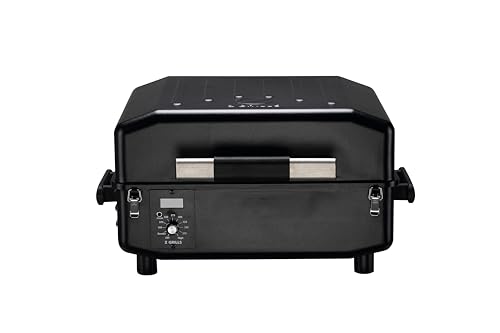
The BESTFIRE Tabletop 2-Burner Gas Grill is a compact propane grill designed for outdoor cooking enthusiasts who need portability without sacrificing performance. It's built for campers, tailgaters, RV owners, and backyard patio cooks who want a reliable grill that can handle everything from quick weeknight dinners to weekend BBQ gatherings.
In terms of real-world cooking performance, the dual burners put out 20,000 BTU total - enough to sear steaks, cook burgers, and even handle medium-sized cuts like chicken halves. The stainless steel grates heat up evenly, reducing hot spots that can lead to uneven cooking. The high dome lid is a nice touch, giving you room to cook thicker items like pork chops or whole chickens without them touching the grates. Temperature control is straightforward thanks to independent burner valves and the built-in lid thermometer, which helps you monitor the heat without constantly lifting the lid and losing warmth.
Build quality is solid for the price point. The stainless steel construction resists rust and weather damage, making it suitable for outdoor storage with a cover. The removable legs attach easily without tools, and the locking lid with a sturdy handle ensures safe transport. At about 22 x 20 x 13 inches, it's truly tabletop-sized - perfect for a picnic table or RV counter. The grill is lightweight enough to carry by hand but stable once set up.
Setup and cleanup are highlights. Assembly is tool-free - legs snap into place, the gas hose connects securely, and you're ready to cook in minutes. After grilling, the removable grease tray catches drips and is easy to empty. The cooking grates are dishwasher-safe, which is a real time-saver. The push-button ignition fires up reliably, so no need for lighters or matches even in breezy conditions.
There are some realistic limitations. With no existing customer reviews, you're buying based on specs alone - though the feature set looks solid. The 20,000 BTU output is adequate for most portable grilling needs but won't compete with larger backyard grills for searing power or recovery time when cooking for a crowd. Also, there's no built-in side table or storage shelf, so you'll need a separate surface for your tools and plates.
Overall, the BESTFIRE Tabletop 2-Burner Gas Grill is a practical choice for outdoor cooks who value portability and simplicity. It's best for small groups, camping trips, tailgate parties, or as a secondary grill on the patio. If you need a no-fuss propane grill that heats evenly, cleans up easily, and travels well, this is worth considering - especially at its price point.
The BESTFIRE grill's two burners distribute heat evenly across the 265 square inch cooking surface. With 20,000 BTU total, it reaches high temperatures quickly - great for searing burgers or hot dogs. The built-in thermometer lets you track internal grill temp without lifting the lid, helping you maintain consistent heat for longer cooks. The stainless steel grates hold heat well and produce decent sear marks. While not ideal for low-and-slow smoking, it handles direct grilling and medium-heat cooking with ease. Wind can affect the flame on a tabletop grill, but the burner shields offer some protection.
This grill is designed for on-the-go cooking. The removable legs snap on and off without tools, reducing setup time to under two minutes. The locking lid and secure handle make it easy to carry from your car to the campsite. At just over 13 inches tall and 20 inches wide, it fits on most tables or RV countertops. The included gas hose connects to a standard propane tank (not included) with a secure fit. The compact footprint means it stores easily in a car trunk or RV compartment. Just remember to let it cool completely before packing up.
Safe Manual Ignition and Operation for Propane Grills
Manual ignition is a standard operating procedure provided by grill manufacturers as a safe alternative when an electronic spark fails. Grills are engineered with dedicated match-lighting ports or open grates that allow an external flame to reach the burner tube safely. Propane flows under pressure from the cylinder regulator into the burner manifold, where it mixes with air before exiting the burner ports. Introducing a handheld flame source directly at these ports ignites the gas immediately, preventing dangerous fuel accumulation beneath the cooking surface. Mastering this manual sequence allows you to maintain full control over your outdoor cooking equipment under any circumstances.
Why Built-in Igniters Fail on Outdoor Grills
Gas grill ignition systems rely on either piezoelectric mechanisms or battery-powered spark generators to ignite fuel at the burner. Piezo systems generate a sharp voltage spike through mechanical tension whenever you turn or push the control dial. Battery-powered modules use compact alkaline batteries to deliver a continuous pulse of electric sparks near the burner port. Over time, these delicate electrical circuits face constant exposure to weather, grease splatters, and dramatic temperature swings. A sudden ignition failure rarely means the grill body is broken, but rather that the spark circuit has been temporarily interrupted.
The most frequent culprit behind a silent push-button is a depleted battery or corroded terminal inside the ignition housing. Rainwater and morning dew often seep into the housing threads, leaving behind white mineral scale that breaks electrical conductivity. In other instances, food drippings, carbon deposits, or sticky barbecue marinades coat the ceramic electrode tip inside the firebox. When grease insulates the metal spark tip, the electric voltage cannot arc to ground, preventing ignition. Inspecting these contact points usually explains why manual lighting has become necessary for the day.
Critical Safety Rules Before Starting Manual Ignition
Opening the grill lid is the absolute most critical rule before turning on any gas supply or introducing a flame. If you leave the lid closed while opening the burner valves, unburned propane pools quickly inside the firebox. Propane gas is heavier than air, meaning it settles into the bottom of the grill casting rather than floating away into the open atmosphere. Sparking a lighter inside a closed firebox full of pooled propane creates a dangerous fireball that can cause severe burns and blast the lid open. Always swing the lid fully open and verify that the cooking area is completely clear before proceeding.
Grills must only be operated outdoors in open, well-ventilated areas away from combustible structures and roof overhangs. Operating a propane grill inside a garage, breezeway, shed, or enclosed patio presents severe fire risks and deadly carbon monoxide hazards. Even with a roll-up garage door wide open, toxic carbon monoxide fumes can linger, and gas leaks can migrate into living spaces. Position your grill on a level, non-combustible surface at a safe distance from vinyl siding, deck railings, and wooden fences. Keeping a functional fire extinguisher nearby provides essential peace of mind during any live fire activity.
Choosing the Right Lighter for Propane Ignition
Selecting an appropriate lighting tool makes manual ignition both effortless and completely safe. Standard pocket lighters should never be used to ignite a gas grill because they force your hand and fingers directly over the burner ports. Short matchsticks present a similar hazard, as the sudden rush of catching flame can singe bare skin before you can pull away. Long-reach butane wands, flexible neck arc lighters, and dedicated barbecue torches are engineered specifically to provide ample reach. Using an extended barrel ensures your knuckles remain comfortably above the cooking grates while the flame reaches the burner below.
Modern refillable butane wands feature rigid metal stems that extend several inches down through the grates directly toward the burner tubes. Electronic arc lighters utilize rechargeable lithium-ion cells to produce high-voltage flameless electrical arcs that will not blow out in gusty winds. If you prefer versatile outdoor gear, high-output torch lighters connect directly to small disposable cylinders to provide powerful directional flames. These versatile tools can also ignite lump charcoal or assist with smoker boxes for outdoor grills when adding wood flavor to your propane cooks. Whatever tool you choose, ensure it produces a steady flame before opening any gas valves.
Step-by-Step Procedure to Manually Light the Primary Burner
Begin your lighting sequence by verifying that every individual burner control knob on the front panel is turned to the off position. Check the connection between the propane cylinder and the regulator hose to ensure the plastic handwheel is tightly seated. Open the valve on top of the propane cylinder slowly by turning it counterclockwise until it stops completely. Opening the tank valve too quickly can inadvertently activate the internal excess flow safety valve in the regulator, which severely restricts gas pressure. Allow the system three to five seconds to pressurize the line before touching the burner controls.
Locate the designated lighting hole on the side or bottom of your grill body, or plan to insert the lighter wand between the cooking grates. Activate your long lighter so that an active flame or electric arc is burning directly adjacent to the primary burner ports. With the lighter already producing a flame next to the tube, push in the primary burner control knob and turn it to high. The gas exiting the burner holes should ignite smoothly within two to three seconds with a soft whoosh sound. Once the flame catches along the length of the burner, withdraw the lighter wand and set it aside safely.
Lighting Additional Burners and Side Burners
Most multi-burner propane grills use stainless steel crossover tubes to bridge the gap between adjacent burner pipes. Once the primary burner is burning steadily with clean blue flames, you generally do not need to use the lighter for the remaining burners. Simply push in and rotate the adjacent burner knob to the high position, and the crossover channel will carry the flame across instantly. Watch through the grates to confirm that the second burner ignites along its entire length. Repeat this sequence progressively from one side of the grill firebox to the other until your cooking zone is fully lit.
Side burners and specialized searing stations require individual manual lighting because they operate on separate gas supply lines. To manually light an auxiliary side burner, lift the metal cover lid completely before touching the gas controls. Position your extended lighter flame directly next to the outer perimeter of the side burner ring. Push and turn the side burner control knob to the high or start mark while keeping the lighter flame steady. Once the brass or stainless ring lights completely, adjust the dial to your desired simmer or boil setting.
What to Do If the Burner Fails to Catch Immediately
If the burner does not ignite within five seconds of turning the knob, you must immediately shut off the gas control knob. Leaving the gas valve open while repeatedly clicking a lighter allows dangerous volumes of invisible propane vapor to pool inside the casting. Step back from the grill, leave the lid wide open, and let the air circulate freely for at least five full minutes. This mandatory waiting period allows the unburned gas to dissipate completely into the surrounding outdoor atmosphere. Attempting to relight the grill without clearing the accumulated fuel can result in an uncontrolled flash fire.
While waiting for the gas to clear, verify that the propane cylinder actually contains fuel by checking its weight or level indicator. If the tank is full but no gas smell was detectable during the failed ignition attempt, the regulator safety trip may have engaged. Close the propane tank valve fully and return all burner knobs to the off position to reset the internal flow mechanism. Disconnect and firmly reconnect the black plastic nut on the tank to ensure a proper seal. After the five-minute wait has elapsed, open the tank valve very slowly and attempt the manual lighting sequence once again.
Troubleshooting Burner Obstructions and Weak Flames
When a manual lighter successfully sparks a flame but the burner produces only tiny, flickering yellow flames, fuel flow is likely restricted. Small garden spiders and solitary mud daubers frequently crawl inside burner venturi tubes to spin dense egg sacs during periods of non-use. These microscopic webs create physical roadblocks that choke the vital balance between incoming propane and ambient combustion air. When air intake is blocked, the gas burns rich and yellow, producing soot and failing to generate proper cooking temperatures. Clearing the venturi tubes with a long nylon bottle brush or flexible wire restores free fuel passage.
Burner ports can also become clogged with baked-on grease, drippings, and flakes of rusted metal from heat tents. When individual flame holes are plugged, the flame cannot jump cleanly across the tube or ignite adjacent crossover channels. Remove the cooking grates and inspect the stainless steel or cast-iron burner tubes for visible blockages along their seam holes. You can use an unfolded paperclip or a stiff-bristled grill brush to punch out carbon debris from each individual hole. Clean burner tubes ensure rapid flame propagation whenever you apply a manual lighter.
Preheating and Managing Heat for Better Cooking
After successfully lighting your burners with a manual lighter, close the lid to preheat the cooking chamber to your target temperature. Preheating burns off residue from previous cooking sessions and brings heavy cast iron or stainless steel grates up to searing temperature. High radiant heat prevents meat proteins from sticking and helps create attractive, flavorful sear marks on everything from burgers to chops. Proper preheating is especially valuable when grilling delicate items or executing high-heat recipes like marinated Korean beef barbecue. Give your grill ten to fifteen minutes of preheating before brushing the grates clean and loading your food.
Managing two-zone heat allows you to cook diverse foods simultaneously without scorching delicate ingredients or sauces. Leave one or two burners on high heat for searing while keeping adjacent burners on low or medium for gentle roasting. This dual-zone setup gives you a safe resting zone if fatty drippings cause sudden grease flare-ups during cooking. Built-in lid thermometers give a reasonable estimate of ambient air temperature inside the hood, but grate-level temperatures are often higher. Adjusting burner dials independently provides precise control over both direct and indirect cooking environments.
Routine Maintenance to Restore Reliable Spark Ignition
While manual lighting provides an excellent backup method, restoring your built-in electronic igniter makes everyday cooking much more convenient. Start your maintenance inspection by unscrewing the push-button cap on the front console to check the internal battery. If the battery shows signs of leakage or white corrosion, discard it and clean the metal spring contacts with a dry cotton swab. Insert a fresh alkaline battery with the positive terminal facing outward in accordance with the manufacturer diagram. Often, simply replacing a dead battery restores instantaneous push-button clicking.
If battery replacement fails to resolve the issue, examine the thin insulated wires running beneath the control panel to the electrodes. High heat, vibration, or curious rodents can occasionally dislodge the spade connectors or chew through wire insulation. Ensure each push-on connector is pressed securely onto the ignition module pins and the electrode bases. Clean the ceramic insulator around the spark tip using rubbing alcohol to remove grease buildup that might ground out the spark. Maintaining clean electrical connections ensures your grill sparks reliably without requiring a handheld lighter every evening.
Essential Takeaways for Safe Propane Operation
Operating a propane grill manually is a simple, controlled process as long as you respect the basic properties of fuel gas. Always open the grill lid, light your wand first, and then introduce gas by turning the knob directly to high. If ignition hesitates for more than a few seconds, shut off the fuel immediately and allow the firebox to ventilate before trying again. Never attempt to use gasoline, lighter fluid, or flammable aerosol sprays to accelerate a gas grill burner. Adhering to these reliable safety steps guarantees pleasant cookouts and protects your family and outdoor living space.






Write Your Review
No reviews yet. Be the first to share your experience!