


Cooking outdoors over an open flame delivers exceptional sear marks and smoky character, but high heat consistently leaves behind carbonized fat and burnt marinade. Knowing how to clean gas grill grates is necessary for preventing bitter off-flavors, extending the lifespan of your cooking surface, and stopping dangerous grease fires before they ignite. When grilling meats coated in sticky glazes like a homemade cranberry barbecue sauce, sugars quickly caramelize onto the metal rods, creating stubborn crusts that regular wiping cannot budge. Routine grate maintenance protects your investment, maintains even heat distribution across the cookbox, and ensures delicate foods release smoothly without tearing.
Different grate materials require distinct cleaning methods, whether you cook on heavy cast iron, durable stainless steel, or porcelain-coated rods. Using the wrong scraper or applying harsh industrial chemicals can chip delicate coatings, encourage premature rusting, or leave hazardous residues that contaminate dinner. By establishing a balanced routine that combines quick post-cook burn-offs with periodic deep cleaning, you keep your gas grill performing reliably across every season. The tools listed below provide practical scraping, scrubbing, and degreasing options designed to simplify maintenance while keeping your food safe from stray wire bristles.

Pros
- Effective on heavy grease and charred food residue from low-and-slow smokes
- Works well on both cold and warm surfaces for flexible cleaning after grilling
- Economical - a little goes a long way for multiple cleaning sessions
- Rinses clean without leaving sticky residue that could affect food flavor
Cons
- May require multiple applications for heavily caked-on grime from years of use
- Strong chemical smell during application - use in well-ventilated area
- Not recommended for aluminum surfaces or painted grills
If you spend any time grilling, smoking, or cooking outdoors, you know the cleanup is the least fun part. This heavy-duty grill cleaner is designed to tackle exactly that chore, making it a solid addition to any outdoor cooking setup. It's a spray-on degreaser that works on BBQ grills, smokers, ovens, flat top griddles, and even camping stoves - basically anything that gets coated in grease and carbon after a cookout.
This cleaner is best suited for backyard grillers who fire up their gas or charcoal grills weekly, BBQ enthusiasts who smoke brisket low and slow, campers who need to clean their portable stove after a trip, and tailgaters who want their gear ready for the next game. If you own an RV and cook inside or outside, this is also handy for keeping the oven and grill grates spotless.
In real-world use, the cleaning performance is impressive. It cuts through baked-on grease and charred food residue without requiring heavy scrubbing. After a long smoking session where the grates are covered in black carbon, a few sprays and a short wait let you wipe it away. It doesn't completely eliminate scrubbing, but it reduces elbow grease significantly. The formula works on both warm and cold surfaces, so you can spray right after cooking or let it sit overnight on tough buildup.
Build quality is straightforward - it comes in a standard spray bottle with a trigger nozzle that delivers a wide or narrow stream. The nozzle doesn't clog easily, which is a common issue with thick cleaners. It's safe on porcelain, stainless steel, and cast iron grates, but you should avoid aluminum and painted surfaces. The spray can reach into tight corners of smoker racks and between grates, making it easier to clean those hard-to-reach spots.
Setup and use are simple: spray on, let it sit for a few minutes, scrub if needed, then rinse with water. Cleanup is quick, and the cleaner rinses away without leaving a sticky film that could affect your next meal's flavor. Storage is easy - just keep the bottle in your garage or under the sink. One limitation is that heavily caked-on grime from years of neglect may require multiple applications. Also, the chemical smell is strong, so you'll want good ventilation when using it.
Overall, this is a practical buy for anyone who cooks outdoors regularly. It saves time and effort on cleanup, which means more time enjoying your backyard parties, tailgates, or campsite meals. If you're tired of scrubbing forever after a great cookout, this cleaner makes the after-work much easier. Just remember to wear gloves and work in a well-ventilated area, and your grills and smokers will look like new after each use.

Pros
- Two-in-one cleaning action saves time and adds safety peace of mind
- Wide head cleans large grates efficiently
- Comfortable, non-slip handle gives good control even with wet hands
- Sturdy build resists rust and handle snapping
Cons
- Helix side may not remove extremely baked-on grease as aggressively as some stiff wire brushes
- 18-inch handle is good for most grills but might feel short on extra-deep cooking surfaces
- Some users might prefer a longer handle for larger commercial-style grills
If you spend any time around a grill, you know that cleaning the grates is one of those chores that can make or break your next cookout. The GRILLART Grill Brush aims to solve a common problem: how do you get your grates thoroughly clean without worrying about loose wire bristles ending up in your food? This brush uses a clever combination of a traditional wire side and a helix coil side to give you a safer, more effective clean.
This brush is built for anyone who takes their outdoor cooking seriously. Backyard grillers who fire up the gas or charcoal grills every weekend will appreciate how quickly the wide wire head cuts through stuck-on grease and food bits. Campers and tailgaters will like the compact size and lightweight build that makes it easy to toss in a cooler or gear bag. Even RV owners who cook on portable grills will find it handy for quick cleanups at the campsite.
In real-world use, the dual-sided design really shines. After a long session of searing burgers or grilling chicken, the wire side makes short work of the heavy residue. Then you flip it over and use the helix side to scrub away any leftover debris and catch any loose bristles that might have come off. This two-step process gives you peace of mind that your grates are clean and safe for the next meal. The wide brush head covers more ground with each pass, so you spend less time scrubbing and more time enjoying your backyard or patio.
Build quality is solid for the price. The stainless steel bristles resist rust well, even when left out in the elements between cooks. The handle is made from a high-quality anti-slip material that feels secure in your hand, even when things get greasy. At 18 inches, it keeps your hands safely away from the heat, though if you have a very deep grill, you might wish for a couple extra inches of reach. That said, the handle feels sturdy and doesn't flex or snap under normal pressure.
Cleanup is straightforward. After scrubbing, just rinse the brush with water and give it a shake. The helix side does a good job of self-cleaning, and the wire side sheds residue easily. One realistic limitation is that the helix coil isn't quite as aggressive as a heavy-duty wire brush for tackling truly caked-on carbon deposits. For routine cleaning after each cook, though, it works great.
Overall, the GRILLART Grill Brush is a practical, well-thought-out tool for anyone who grills regularly. It combines speed and safety in a way that makes sense for real outdoor cooking. Whether you're a weekend BBQ enthusiast, a tailgater, or a camper, this brush will help you keep your grates in good shape and your food safe. It also makes a solid gift for the grill-lover in your life.



Pros
- Effectively removes stubborn baked-on grease and carbon deposits
- Biodegradable and food-surface safe (non-toxic when rinsed properly)
- Foam clings to grates and vertical surfaces, reducing waste
- Works on pellet smokers, gas grills, and electric smokers
- Helps reduce flare-ups by removing grease buildup
Cons
- Spray nozzle can be inconsistent; some users report clogging or poor spray pattern
- Foam may struggle to coat thin, closely spaced grate rods without pooling
- Do not use on aluminum or faux stainless steel surfaces (may cause damage)
- Requires thorough rinsing to avoid residue that could affect food taste
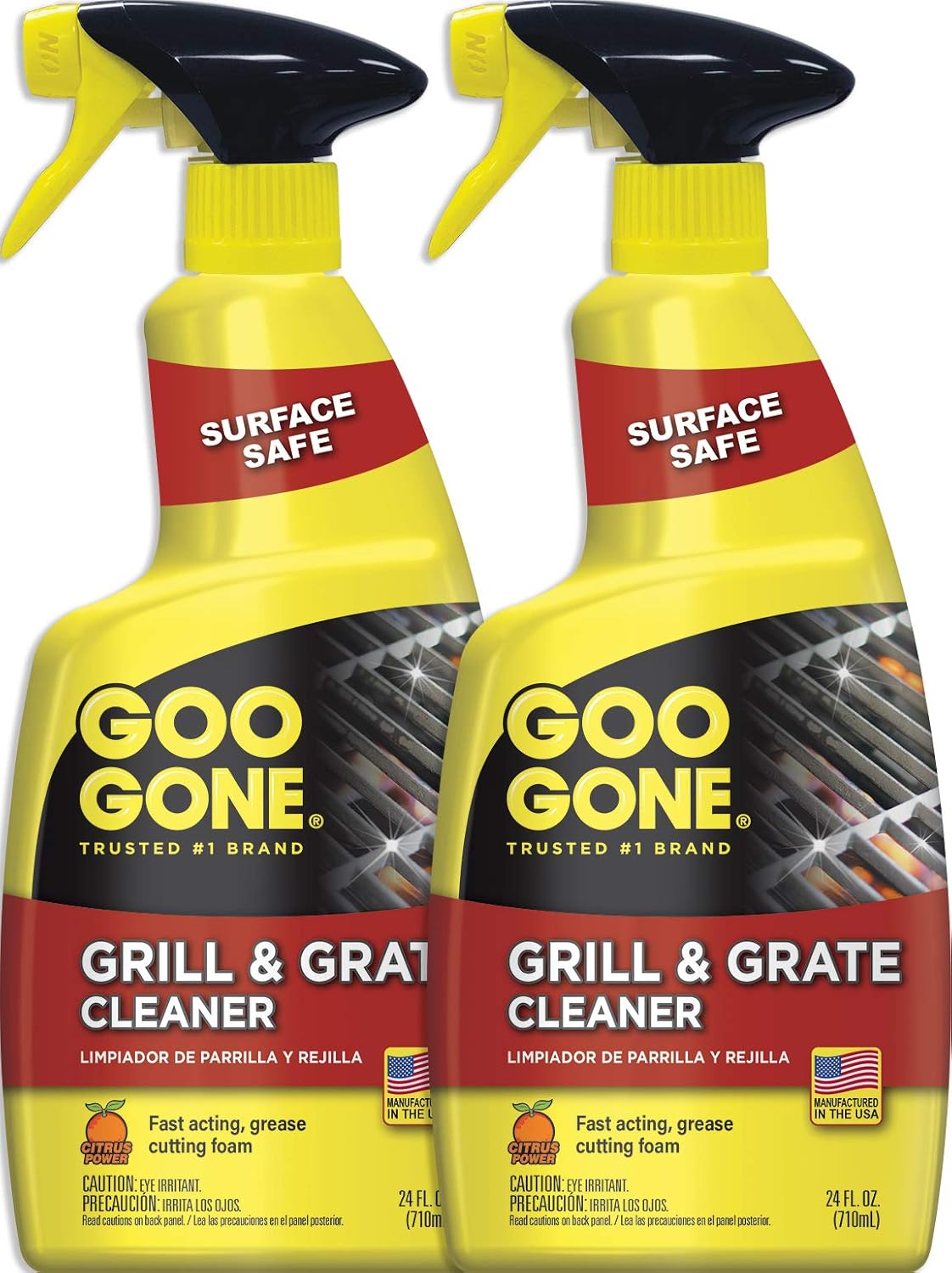
If you've ever faced down a crusty, grease-laden grill grate after a long summer of burgers, steaks, and slow-smoked ribs, you know the struggle is real. The Goo Gone Grill and Grate Cleaner Spray (2 Pack) is designed for exactly that scenario. This super-strength gel foam targets baked-on deposits, carbon, and grease that accumulate on your cooking surfaces. It's not a replacement for a good brush, but it's a powerful pre-treatment that cuts your scrubbing time drastically.
This cleaner is best suited for backyard grillers who own gas grills, pellet smokers (like Traeger), electric smokers, or even charcoal kettles. If you're a tailgater who wants to refresh your portable griddle or a home cook who hates scrubbing drip pans, this product will make your life easier. The biodegradable formula is a plus for eco-conscious outdoor cooks, and the citrus scent is a welcome change from harsh chemical smells.
In real-world use, the foam clings well to vertical surfaces—important for cleaning the inside of your smoker lid or the sides of your grill grates. After letting it sit for a few minutes (the instructions recommend 2 to 10 minutes, depending on how caked-on the grime is), a plastic brush or a stiff grill brush will lift the softened debris. Many users report success even with heavy carbon buildup, and the product helps reduce future flare-ups by removing grease that can ignite.
Build quality is straightforward: two 24-ounce bottles with trigger sprayers. The spray nozzles can be finicky—some reviewers mention they don't produce a consistent foam stream, which can make coating narrow grate rods tricky. A workaround is to pour the cleaner into a spray bottle with a better nozzle, or even soak a cloth and wipe it on. The product is safe on most metals (steel, cast iron, porcelain-coated grates) but avoid aluminum and faux stainless steel as the formula can damage them.
Ease of use is the main selling point. Remove your grates, spray on the foam, wait, scrub, rinse, and dry. For interior grill surfaces, you can spray and wipe with a cloth. The cleaner does need to be rinsed thoroughly—leftover residue could affect the taste of your next meal, so a quick rinse with water is essential. Storage is simple; the bottles stand upright and the foam doesn't separate.
A realistic limitation is that very heavy buildup may require multiple applications or a longer soak. Also, if you're cleaning a large smoker with lots of nooks and crannies, you'll use a fair amount of product. Some users with thin, closely spaced grill rods find that the foam doesn't coat evenly unless they apply it carefully. For best results, consider wearing gloves and working in a well-ventilated area. Overall, this is a reliable, affordable cleaner for regular grill maintenance. If you want to keep your outdoor cooking equipment in top shape without spending hours scrubbing, the Goo Gone Grill and Grate Cleaner is a solid choice.

Pros
- Completely safe – no metal bristles to break off and end up in food
- Effective scraping and scrubbing action on most grill grate types
- Long 18-inch handle keeps hands away from heat while cleaning
- Lightweight and easy to store in a drawer or hang on a hook
Cons
- Less effective on heavily caked-on residue compared to traditional wire brushes – may need multiple passes
- Plastic handle, while heat-resistant, may not withstand direct flame contact if dropped on hot coals
- Some users report the scraper edge dulls over time with frequent heavy use
The Weetiee Bristle Free Grill Brush is a purpose-built cleaning tool for outdoor cooking enthusiasts who prioritize safety without sacrificing performance. Unlike traditional wire brushes that can shed metal bristles into your food, this brush uses a stainless steel scraper and a flexible triple-helix design to remove grease, char, and residue from grill grates. It is ideal for backyard grillers, BBQ enthusiasts, campers, tailgaters, RV owners, and anyone who cooks on gas, charcoal, smoker, or porcelain grills.
When it comes to real-world cleaning performance, the wide scraper does an excellent job on flat surfaces and between grates. The helix head reaches into crevices and cleans the sides of rods that often get neglected. For a bristle-free brush, it handles stuck-on food surprisingly well, though you may need a bit more elbow grease on heavily burned-on debris compared to a wire brush. It works best when the grates are still warm after cooking, loosening residue quickly.
Build quality is solid for the price point. The stainless steel scraper and helix resist rust, and the plastic handle is thick with a comfortable grip that stays cool during use. At 18 inches long, it provides good reach while keeping your hands away from heat. The handle is tough and won't bend or snap, making it suitable for regular use in a backyard or campsite setting. It is lightweight enough to pack for tailgating or camping trips without adding bulk.
Setup is straightforward – the brush comes ready to use (some packages may require a simple handle attachment). Cleanup is easy: just rinse the head under water and let it dry. Storage is simple thanks to the compact size and a hole for hanging. One realistic limitation is that because it relies on scraping and a plastic core, it won't last forever if used aggressively on very dirty grates every day. But for typical weekend cooks and outdoor gatherings, it holds up well.
Overall, the Weetiee Bristle Free Grill Brush is a smart choice for anyone who values food safety and wants a reliable grate cleaner for their outdoor cooking setup. It is especially recommended for families with young children, tailgaters who cook in groups, and campers who need a portable, safe cleaning tool. If you are willing to trade a bit of brute cleaning power for peace of mind, this brush delivers solid results without the worry of stray bristles.
Keeping your Weetiee grill brush in top shape is simple. After each use, rinse the scraper and helix head under warm water to remove grease and food particles. For stubborn residue, a quick scrub with a dish brush or sponge works well. Dry the brush thoroughly before storing to prevent any moisture buildup on the stainless steel parts. The plastic handle can be wiped clean with a damp cloth. Avoid soaking the brush or placing it in the dishwasher, as prolonged exposure to water may weaken the handle over time. Store it in a dry place, preferably hanging by the hole in the handle, to keep it ready for your next BBQ session.
The Complete Method for Cleaning Gas Grill Grates
Cleaning gas grill grates effectively requires a combination of high heat, appropriate mechanical friction, and occasional chemical degreasing tailored to the specific metal of your cooking surface. Neglecting this routine allows rancid grease and carbonized marinades to accumulate, which degrades heat transfer, triggers uncontrolled flare-ups, and taints fresh food with acrid smoke. Establishing a reliable process keeps your grill sanitary, ensures clean food release during high-heat searing, and preserves the structural integrity of your cookbox for years to come.
Initial Safety Precautions and Fuel Management
Grill maintenance always begins with basic fire and fuel safety. Before touching internal components or applying cleaning solutions, verify that all burner control knobs rest firmly in the off position. If you plan to lift the grates for deep scrubbing or inspect internal burner assemblies, disconnect the propane cylinder or close the natural gas supply valve completely. Working around active gas lines or unvented fuel connections presents unnecessary hazards that proper shutoff habits easily eliminate.
Location safety is equally critical during any high-heat cleaning cycle. Outdoor gas grills generate significant radiant heat and produce dangerous carbon monoxide gas alongside dense plumes of vaporized grease smoke. You must never operate or clean a gas grill inside a garage, breezeway, shed, or enclosed porch, even if the overhead garage door remains wide open. Clear away dry leaves, patio clutter, and flammable materials, ensuring the unit stands on a stable exterior surface with ample clearance from walls.
The High-Heat Burn-Off Technique
The high-heat burn-off serves as the foundation of routine gas grill maintenance. Rather than scrubbing wet grease immediately after plating your food, turn all main burners to high and close the grill hood. Allow the cookbox temperature to climb for ten to fifteen minutes, monitoring the unit closely to observe smoke levels. This concentrated thermal energy dries out moist food particles and converts thick grease coatings into brittle, dry ash that brushes away with minimal physical strain.
Timing this burn-off correctly prevents fuel waste and protects internal grill coatings. Operating a gas grill on maximum heat with the lid closed for more than fifteen minutes can overheat cookbox paint and damage electronic igniter wiring. Once the visible smoke billowing from the exhaust vents transitions from dark gray to a faint white haze, turn off the burners immediately. Trapping excessive heat for prolonged periods provides no extra cleaning benefit and accelerates thermal fatigue on burner shields.
Routine Brushing and Bristle Safety Considerations
Once the burners are off and the cooking surface cools slightly, mechanical brushing removes the remaining carbonized debris. Many grill owners traditionally reached for standard wire brushes, but loose steel bristles pose well-documented health hazards if they detach and stick to cooking rods. Stray wire fragments can transfer invisibly into grilled food, creating dangerous internal puncture risks when swallowed. Because of this hazard, modern cleaning tool designs increasingly prioritize safety mechanisms that prevent wire detachment.
Bristle-free grill tools provide an effective alternative by utilizing continuous woven steel helix coils rather than individual metal needles. Models such as the APNSFWL and Weetiee bristle-free brushes wrap heavy stainless steel wire into rigid, rounded springs that conform around grate bars. Without loose ends to shear off, these tools clean aggressively across hot surfaces while eliminating the risk of stray metal in your food. Hybrid options like the GRILLART wire and helix combined brush pair scrubbing bristles with secondary safety coils, though inspecting your grates with a damp cloth remains essential after brushing.
Targeting Round Rods and Undersides with Contoured Scrapers
Flat scraper blades glide easily across the top face of grill grates, but grease and food drippings routinely wrap around the sides and undersides of round rods. Over weeks of cooking, this underside accumulation hardens into thick black crusts that produce persistent foul smoke and trigger sudden flare-ups during preheating. Standard flat scrapers skip right over these curved profiles, leaving half of each grate rod coated in old grease.
Specialized contoured scrapers solve this issue by wrapping around individual round bars. The Grill Floss premium scraper features a curved stainless steel cleaning notch that hooks under the bottom of standard round grill rods. By sliding the tool forward and backward along the length of each bar, you can scrape away baked grease from the top, sides, and underside without lifting the hot grid out of the grill. This targeted mechanical cleaning keeps the spaces between rods open for optimal airflow.
Material-Specific Care: Porcelain, Cast Iron, and Stainless Steel
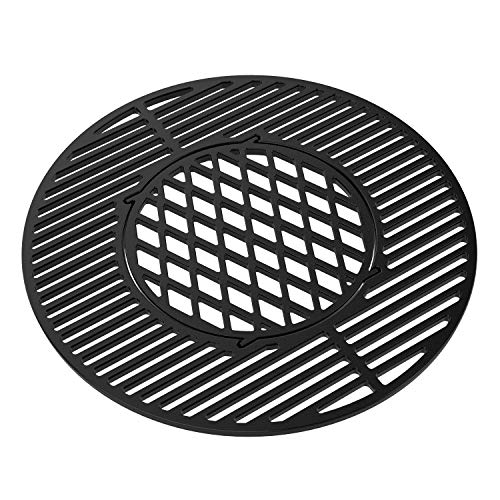
Understanding the exact metal composition of your gas grill grates determines which cleaning tools and chemicals are safe to apply. Porcelain-enameled grates feature a glass-like ceramic coating baked over a solid cast iron or steel core. While porcelain provides smooth food release and rust resistance, it remains brittle under mechanical shock. Never pound porcelain grates with heavy metal scrapers, avoid aggressive steel wool, and never pour cold water onto scorching porcelain surfaces, as thermal shock can crack the enamel.
Bare or seasoned cast iron grates require a care routine similar to traditional cast iron cookware. Cast iron excels at heat retention and delivers dark sear marks, but moisture remains its primary enemy. Never soak raw cast iron grates in soapy water for extended periods, and never leave them outside to air-dry after washing. Once cast iron grates are scraped free of food debris, you must coat them in a light film of cooking oil to seal the microscopic pores in the metal against ambient humidity.
Solid stainless steel grates offer superior corrosion resistance and tolerate firm scraping pressure. You can scrub stainless steel rods vigorously with abrasive scouring pads or helix brushes without worrying about chipping an outer glaze. Stainless steel will naturally discolor over time, turning bronze or dark gold when exposed to high burner temperatures. This discoloration represents normal surface oxidation from thermal cycling rather than dirt, so you do not need to scour the metal down to bare mirror silver during every cleaning session.
Deep Cleaning Grates with Degreasers and Soaking Solutions
Routine brushing removes loose carbon, but several times a year your gas grill grates benefit from a comprehensive chemical soak. When heavy grease layers resist dry brushing, dedicated spray degreasers break the chemical bonds of polymerized fats. Products like Goo Gone Grill and Grate Cleaner Spray use clinging gel formulas that adhere to vertical grate rods rather than running off into the bottom tray. This contact time allows biodegradable cleaning agents to soften tough baked-on deposits without relying on harsh caustic chemicals.
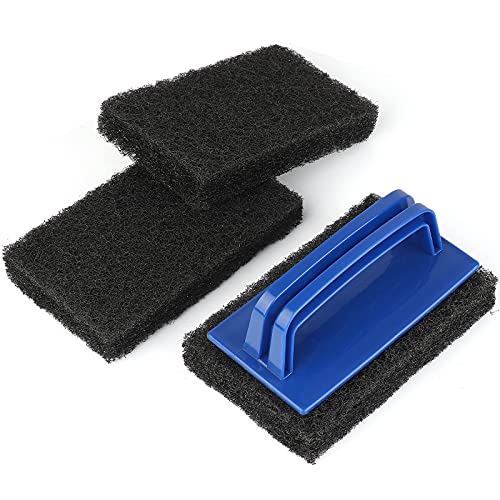
Always verify surface compatibility before applying commercial spray cleaners to your grill components. Many high-strength foaming degreasers are formulated strictly for steel, cast iron, and porcelain, but can permanently pit or discolor polished aluminum end caps and faux stainless trim. For stubborn carbon patches, pairing spray treatments with handheld abrasive scouring pads, such as those found in the Blackstone cleaning kit, helps lift softened sludge without scratching protective finishes. Alternatively, soaking grates in warm water with grease-cutting dish soap softens carbon deposits effectively before a final clean-water rinse.
Clearing Burner Tubes and Flavorizer Bars Beneath the Grates
Grates do not function in isolation, so cleaning them presents the ideal opportunity to inspect the components directly beneath your cooking surface. Lift the grates out of the cookbox and examine the angled heat tents, commonly referred to as flavorizer bars or flame tamers. These angled metal shields protect burner tubes from direct grease drippings and vaporize meat juices to generate barbecue flavor. Scrape thick carbon flakes off both the top and underside of these shields so radiant heat passes upward unobstructed.
Beneath the heat tents, inspect your stainless steel burner tubes for clogged gas ports and debris. Over months of cooking, falling ash, rust flakes, or wandering insects can plug individual flame openings, producing weak yellow flames instead of crisp blue cones of heat. Gently brush burner tubes across the rows of gas ports using a soft brass or nylon brush, moving perpendicular to the ports to avoid packing debris into the holes. Clearing these pathways maintains proper air-to-gas combustion ratios across the entire cooking zone.
For owners operating high-end outdoor cooking centers, such as a setup built around a backyard barbecue island kit, keeping interior burner components clean protects the surrounding enclosure from excess heat buildup. Similarly, if you enjoy adding hardwood aromas by setting dedicated smoker boxes directly over the burner tents, fine wood ash inevitably settles into the lower drip basin. Vacuuming loose ash and scraping down the interior cookbox walls ensures that grease flows unimpeded toward the pull-out catch tray.
Seasoning and Protecting Cooking Grids Against Rust
Once cooking grates are scrubbed, rinsed, and completely dried, seasoning creates a protective barrier that repels rust and inhibits food from sticking. Bare cast iron requires seasoning after every thorough cleaning, while stainless steel and porcelain grates benefit from light oiling before preheating. The objective is to apply an ultra-thin layer of high-smoke-point cooking oil across all exposed metal surfaces. Oils such as canola, refined peanut, avocado, or grapeseed withstand elevated grill temperatures without smoking prematurely or leaving bitter residues.
Apply the oil using a folded paper towel held firmly in long metal tongs, or lightly mist the grates with a pump-action oil sprayer. Avoid aerosol cooking sprays near gas grills, as propellants can ignite violently around open flames or hot surfaces. Rub the oil evenly across the top, sides, and bottoms of the grate bars, wiping away any excess pooling so the coating remains microscopic. Heavy puddles of oil turn gummy and attract airborne dust rather than polymerizing into a slick, hard finish.
Ignite the burners on medium heat and close the lid for fifteen to twenty minutes to cure the fresh oil layer. As the oil reaches its smoke point, fatty acid molecules cross-link and bond directly with the metal surface, forming a hydrophobic patina. This micro-layer prevents oxygen and atmospheric moisture from making direct contact with raw metal pores between cooking sessions. Allow the grill to cool down naturally with the lid closed to seal the seasoned finish before storing the unit under a weatherproof cover.
Troubleshooting Stubborn Grease Buildup and Flare-Ups
Persistent flare-ups and heavy smoking during grill startup indicate that grease has accumulated past the capacity of routine dry brushing. When sweet barbecue glazes and fatty trimmings melt together, they form a thick, sticky varnish that traditional scrapers slide over without cutting. If you observe continuous orange flames licking up between grate bars when preheating on low, shut down the burners and allow the unit to cool completely. Continuing to cook over heavy fat pools invites severe grease fires that can damage burner valves and manifold assemblies.
To correct stubborn varnish, combine mechanical scraping with a targeted baking soda paste. Mix equal parts baking soda and warm water into a thick paste, spread it generously over the problem areas, and allow the alkaline compound to sit on the grates for twenty minutes. The mild abrasive properties of baking soda break surface tension and loosen sticky oils without scratching underlying metals. Scrub the area firmly with a non-scratch scouring pad, wipe away the loosened slurry with damp shop towels, and re-season the bare rods immediately.
Preventing future flare-up issues requires adjusting daily cooking techniques alongside post-meal cleanup. Always trim excess exterior fat ribbons from pork chops and steaks before placing them over direct heat, and apply sugary finishing sauces only during the final five minutes of cooking. When sauces are brushed on early, sugars burn into bitter black carbon long before the meat reaches safe internal doneness. Managing food preparation thoughtfully minimizes the volume of burnt solids that stick to your grates in the first place.
Maintaining clean gas grill grates does not require hours of exhausting labor when you follow a disciplined routine. Performing a brief high-heat burn-off after every cookout, scraping round rods with safe bristle-free tools, and applying a light protective oil coat keeps your cooking surface in prime condition. Periodic deep degreasing and clearing burner components ensure that your gas grill operates efficiently, distributes heat evenly, and serves exceptional meals every time you light the burners.






Write Your Review
No reviews yet. Be the first to share your experience!