


Managing charcoal heat often intimidates beginners who are accustomed to turning an automated dial on a kitchen stove. Charcoal cooking relies entirely on airflow, coal arrangement, and steady patience to create searing heat or gentle roasting temperatures. Learning how to use a charcoal grill gives outdoor cooks complete control over smoky flavors and authentic flame-kissed crusts. Applying a balanced basting glaze such as cranberry barbecue sauce near the end of cooking demonstrates how proper fire management prevents scorching sugar while building rich flavor.
Mastering fire management begins well before lighting the first piece of fuel. Choosing the right charcoal type, preparing clean grates, and understanding basic safety protocols ensure consistent results across every backyard cookout. Adding hardwood chunks or exploring accessories like smoker boxes for wood chips can introduce savory aromas once you understand your fire’s airflow. With straightforward techniques for fuel ignition and zone management, anyone can transform simple cuts of meat and crisp vegetables into memorable meals.
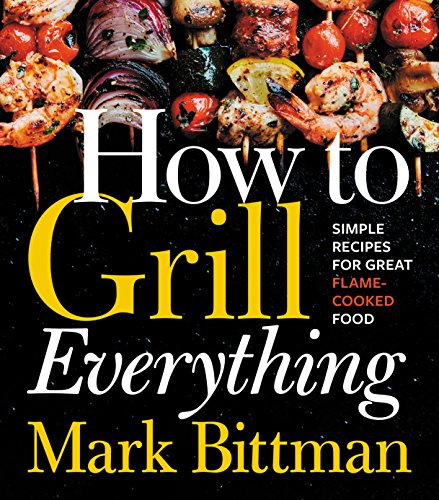
Pros
- Comprehensive recipe library covering virtually every protein, vegetable, and marinade
- Clear instructions on setting up two-zone heat and managing live flames
- Convenient digital format fits easily on a phone or tablet right at the grill station
- Straightforward ingredient lists focused on authentic flavor without unnecessary filler
Cons
- Requires keeping a phone or tablet nearby, which exposes your screen to grease and smoke
- Digital layout lacks full-color photos for every individual recipe
- Cannot replace physical hardware like grill thermometers or meat probes
How to Grill Everything functions as a practical instructional blueprint for outdoor cooks rather than a standard piece of cooking hardware. Operating as a digital reference manual, it is built to bridge the gap between basic flame roasting and true temperature mastery across charcoal grills, gas burners, and backyard smokers.
This guide is best suited for backyard barbecue enthusiasts, patio cooks, campers, and tailgaters who want quick, reliable recipe blueprints without flipping through bulky, sauce-splattered hardcovers. Whether you are firing up a compact portable grill at a tailgate or running an all-day smoking session on your patio, the instructions focus heavily on practical fire management and fundamental outdoor techniques.
The instructional content emphasizes real-world cooking performance, guiding you through hot-and-fast searing, indirect baking, and gentle smoke infusion. It breaks down essential skills such as establishing dual-zone heat, managing airflow to maintain steady temperatures, and timing meat correctly to lock in juices and avoid burnt crusts caused by uncontrolled flare-ups.
In terms of usability and outdoor convenience, the Kindle format proves remarkably functional around a working barbecue station. You can pull up cook times, ingredient ratios, and sauce recipes instantly on your smartphone or a weather-resistant tablet stand, keeping your prep tables clean and free of heavy book stands that can tip over in windy weather.
A realistic limitation is that navigating a digital screen with barbecue tongs or sauce-covered hands can get messy, requiring you to wipe your fingers or protect your device from stray grease splatters. Visual cooks may also notice that not every recipe features a finished color photograph, prioritizing sheer recipe density and technique instruction instead.
For anyone serious about improving their backyard barbecues, weeknight patio dinners, or outdoor campsite menus, this digital grilling guide offers tremendous practical value. It takes the guesswork out of fire cooking and serves as a dependable companion beside any grill setup.
The core strength of this outdoor cooking guide lies in its focus on thermal dynamics and fire control. It teaches grillers how to read flame intensity, organize charcoal piles for indirect baking, and dial in gas burner valves to prevent food from scorching.
Readers learn how to achieve crisp exterior sears on thick steaks while keeping the center tender, along with techniques for sustaining steady low heat for tender ribs and pulled meats. The advice on using wood chips and wood chunks also helps patio cooks extract clean, aromatic smoke flavor without over-smoking their food.
This recipe guide excels in backyard barbecue settings where you need versatile menu options that please a crowd, from simple flame-broiled burgers to seasoned grilled vegetables and fish. Its streamlined layout makes meal planning painless during weekend cookouts.
It is equally useful for tailgating and campsite adventures where space and weight are strictly limited. Storing hundreds of recipes directly on your mobile device leaves your vehicle trunks and camp bins open for coolers, fuel, and grilling gear.


Pros
- Super convenient setup and no cleanup required
- Lightweight and easy to carry anywhere
- Heats up quickly with even cooking performance
- Great for small gatherings or solo grilling
Cons
- Single-use only, so not suitable for regular backyard cooking
- Limited cooking space – best for 2-4 burgers or a few skewers
- Charcoal burns for about 1 hour, so longer cooks aren't possible
If you've ever found yourself craving a grilled burger at a campsite or tailgate but didn't want to haul a full-size charcoal grill, the Oppenheimer USA Disposable Charcoal Grill is exactly what you need. This is a lightweight, portable, single-use grill that comes pre-loaded with easy-light charcoal – just remove the wrapper, light the corners, and you're ready to cook in minutes. It's designed for outdoor enthusiasts who value convenience above all else.
This grill is best suited for campers, tailgaters, RV owners, and anyone who enjoys spontaneous outdoor cooking without the hassle of cleanup. It's also a solid pick for beach days, park picnics, or even emergency cooking during power outages. The 9x13 inch cooking grate gives you enough space for a few burgers, hot dogs, or skewers – perfect for 2-4 people. Just don't expect to smoke a brisket or feed a crowd.
In terms of real-world cooking performance, the easy-light charcoal lights quickly and reaches a decent grilling temperature within 10-15 minutes. The heat distribution is fairly even across the grate, though you might notice slightly cooler spots near the edges. Searing is possible for thin cuts like burgers and chicken thighs, but you won't get the same crust as a heavy cast-iron grate. Smoke flavor is present but mild – it's enough to satisfy a casual griller but not a BBQ purist. The fuel burns for about an hour, which is fine for quick grilling sessions but not low-and-slow cooking.
Build quality is what you'd expect from a disposable product – sturdy enough to hold up during cooking, but not meant for long-term use. The aluminum tray feels solid, and the wire grate supports food without sagging. There are no wheels, folding legs, or weather-resistant features because this grill is designed to be used and tossed. Portability is its strong suit: at 3.5 pounds and dimensions of 9x13x2 inches, it slips into a backpack or car trunk easily.
Setup is incredibly simple – no tools, no assembly, no charcoal to pour. Just remove the plastic wrap, place the grill on a non-flammable surface, and light the corners through the designated ignition strips. Cleanup is even easier: once the charcoal has cooled completely, you can dispose of the entire grill. Just make sure to follow local disposal guidelines for charcoal and ash. The biggest limitation is that it's single-use, so if you grill often, the cost adds up compared to a reusable portable grill.
Overall, the Oppenheimer USA Disposable Charcoal Grill is a fantastic solution for outdoor cooks who prioritize convenience and portability. It's not meant to replace your backyard kettle grill, but it's a lifesaver for camping, tailgating, or any on-the-go cooking scenario. If you're looking for a no-mess, no-fuss way to enjoy grilled food anywhere, this pack of two is a smart buy.
At just 3.5 pounds and 9x13x2 inches, this grill is incredibly easy to transport. It fits in a backpack, car trunk, or even a large tote bag. No need to worry about charcoal bags or lighter fluid – everything is built in. The lightweight design makes it a top choice for hikers, campers, and tailgaters who want to travel light.
This grill shines in scenarios where convenience and portability matter most. Use it for camping trips, tailgate parties, beach outings, park picnics, or even as a backup grill during power outages. It's also great for small gatherings where you only need to cook a few items. Not ideal for large BBQs or smoking.

Pros
- Fast and consistent ignition with excellent airflow design.
- Built like a tank – premium ductile iron means years of reliable service.
- Compact and lightweight enough to toss in a camping kit or tailgate gear.
- Works for both charcoal and firewood, adding versatility for different outdoor cooking setups.
Cons
- Small capacity – best for small to medium charcoal loads; not ideal for large offset smokers or huge campfires.
- Takes time to cool down after use – you can't immediately pack it away.
- May require practice to get the lighting technique down perfectly with different fuel types.
The Brutal BBQ Fireguard is a simple but brilliantly effective tool for anyone who regularly lights charcoal or firewood. Instead of fumbling with lighter fluid, chimney starters, or newspaper, this compact ductile iron device lets you stack your fuel inside and light a small fire beneath it. The built-in air inlet feeds oxygen directly into the base, creating a powerful updraft that gets your charcoal glowing in about 10 to 15 minutes. It works equally well with lump charcoal, briquettes, and even small pieces of firewood for a fireplace or campfire.
This fire starter is built for real outdoor use. The high-grade ductile iron casting feels solid in your hands and resists the kind of warping or rusting you see with cheaper steel chimneys. You don't need any maintenance beyond shaking out the ashes once it's cool. That ruggedness makes it a great companion for backyard grillers who want a dependable tool every weekend, as well as campers and tailgaters who need something that can survive being tossed in a truck bed or gear bin.
When it comes to cooking performance, the Fireguard shines at getting your coals ready fast and evenly. Because the airflow is optimized, you get a consistent bed of hot embers without cold spots. That means better searing ability on steaks or burgers and more reliable heat for low-and-slow smoking if you're using a charcoal smoker. It's also great for patio cooks who want to avoid chemical starters that can leave off-flavors on the food.
Portability is a big plus. The Fireguard measures just over nine inches tall and about four inches wide – small enough to fit inside most kettle grills, portable camp grills, or even your camping stove bag. It doesn't take up much space in your trunk for tailgating or in an RV storage compartment. The only limitation is capacity: it can hold enough charcoal for a two-burger grill session or a small campfire, but if you're running a large offset or cooking for a big crowd, you may need to do two batches.
Cleanup is about as easy as it gets. Once the Fireguard cools completely (and you should definitely wait until it's at room temperature before handling), just give it a shake to remove the ash. No water, no soap, no scrubbing. The iron may develop a natural patina over time, but that doesn't affect performance. Just avoid getting it wet while it's hot to prevent any thermal shock.
Overall, the Brutal BBQ Fireguard is a smart upgrade for anyone who lights charcoal or firewood regularly. It's not a complete grill or a huge chimney starter – it's a focused tool that does one job very well. If you're a backyard BBQ enthusiast who wants to ditch lighter fluid, a camper looking for a compact fire starter, or a tailgater who wants quick hot coals, this is a solid buy. Just keep its size in mind and you'll appreciate the simplicity and durability it brings to your outdoor cooking routine.
The Brutal BBQ Fireguard is most useful for small to medium grilling sessions. Use it to light charcoal for a Weber kettle, a portable camping grill, or a fire pit in your backyard. It's also perfect for camping trips when you want a quick campfire for cooking or warmth without messing with liquid starters. Tailgaters will appreciate how fast you can get coals ready for burgers and brats before kickoff. It even works as a decorative piece on a mantle or patio table when not in use – just be sure the fire is out and it's cool before bringing it inside.

Pros
- Innovative trapdoor trigger drops lit fuel accurately into charcoal grates or fire baskets
- Effective ventilation pulls draft quickly for rapid, even coal lighting
- Sturdy heat shield provides safe barrier against high radiant heat
- Eliminates the need for foul-smelling lighter fluids that spoil food flavor
Cons
- Trapdoor release mechanism requires occasional ash brush-out to maintain smooth operation
- Rigid cylinder body takes up more trunk space than collapsible fabric or folding starters
- Bare steel cylinder naturally discolors after regular exposure to high flames
Lighting charcoal without lighter fluid petroleum odors is essential for authentic barbecue, and the Char-Griller Charcoal Grill Chimney Starter with Quick Release Trigger makes coal ignition both faster and substantially safer. Designed as a dedicated charcoal firing canister, this 12-inch accessory is built for backyard grillers, weekend BBQ enthusiasts, tailgaters, and campsite pitmasters who want ready-to-cook coals without hassle. Rather than lifting and inverting a top-heavy cylinder of flaming embers, this model uses a bottom trapdoor trigger that drops the fuel right where you want it.
In real-world barbecue setups, dependable fuel management sets the tone for your cook. This chimney utilizes natural vertical convection to draw oxygen upward from a single fire starter cube or crumpled paper base. Within fifteen to twenty minutes, an entire load of briquettes or lump charcoal glows with an even grey ash layer. Fast startup times mean you reach searing temperatures quickly for thick steaks and smash burgers, or establish a clean-burning coal bed for smoking ribs and brisket without chemical contamination.
Build quality focuses heavily on operator safety and heat management. The steel body measures 12 inches tall by 7.75 inches wide, holding sufficient fuel to power a two-zone kettle arrangement or prime an offset smoker firebox. A heavy-duty heat shield is placed between the metal barrel and the molded ABS handle, preventing skin exposure to blistering radiant temperatures. The trigger mechanism functions securely, ensuring the bottom grate stays shut while carrying coals and drops open cleanly upon trigger squeeze.
Handling and cleanup remain straightforward. Operation takes zero assembly: place a paraffin cube or wood wool on your grill grate, fill the chimney with charcoal, light the base, and let physics do the rest. Once lit, position the cylinder over your fuel grate and pull the handle trigger. Cleaning only requires tapping out leftover ash and keeping the hinge free of debris. While its fixed cylindrical shape does not fold flat for ultra-compact packing, the 2.9-pound weight transports effortlessly inside an outdoor gear bin or grill cart shelf.
A practical limitation involves the moving release door, which needs a quick visual check before loading unlit coals to ensure the latch is fully caught. For patio pitmasters, offset smoker fans, and tailgaters seeking a cleaner and far less clumsy way to dump red-hot coals, this Char-Griller quick-release chimney is an affordable, practical upgrade for your outdoor cooking routine.
Efficient charcoal management begins with an even, thorough burn. The Char-Griller chimney relies on continuous bottom-to-top airflow that accelerates combustion across every piece of fuel. Whether you prefer dense hardwood lump charcoal for high-heat searing or uniform briquettes for consistent kettle cooking, the chimney ensures uniform ember development across the entire load.
Lighting fuel without petroleum accelerants preserves pure wood smoke flavor on poultry, pork, and beef. Because the unit drops fuel straight down through the bottom door, you can easily target charcoal baskets, vortex funnels, or split fire zones without scattering hot ashes across your clean grilling grates.
Traditional charcoal chimneys require twisting your wrists and inverting an open canister of thousand-degree coals, which frequently produces floating sparks and erratic spills. The integrated trigger release on this model keeps the canister oriented upright at all times, drastically reducing flare-up hazards and accidental coal scatter.
A thick metal heat shield blocks direct thermal radiation from reaching your fingers, while the ergonomic ABS handle provides a confident grip even while wearing heavy leather barbecue gloves. This stable design makes pouring fuel into deep smokers, ceramic cookers, or small portable tailgating grills far safer and more predictable.

Comprehensive Guide to Operating a Charcoal Grill with Precision
Operating a charcoal grill with confidence requires an understanding of basic combustion, airflow, and heat distribution. Many backyard cooks struggle initially because coals do not respond instantly like an electric burner or a gas dial. Once you recognize that charcoal provides steady radiant energy while oxygen regulates intensity, the cooking process becomes predictable and repeatable. Mastering this relationship allows you to achieve perfect crusts on quick-searing meats while maintaining steady low heat for thicker cuts.
Selecting the Right Charcoal Fuel for Your Cooking Goals
Charcoal briquettes remain the most accessible fuel choice for regular backyard grilling. Manufacturers produce briquettes by compressing carbonized wood and natural starch binders into uniform pillows that burn at a remarkably consistent rate. This predictable burn makes briquettes ideal for long roasting sessions or beginners who want stable temperatures without sudden spikes. Standard briquettes typically provide steady heat for up to sixty or ninety minutes before ash buildup begins dampening their output.
Hardwood lump charcoal offers an authentic alternative made from natural wood chunks burned in low-oxygen kilns. Lump charcoal lights faster, reaches higher peak temperatures, and produces significantly less residual ash than standard briquettes. Because lump pieces vary in size from small chips to large branch segments, temperature control requires closer attention to vent airflow. Enthusiasts often prefer lump charcoal for quick searing sessions where intense heat creates exceptional flavor.
Specialty coals and compact starter tablets also serve niche roles in outdoor cooking. Quick-light coals and compact charcoal discs ignite with minimal flame exposure, making them convenient for compact tabletop grills, portable camping units, or localized fire ignition. Portable outdoor setups benefit from small-format fuels that catch quickly without requiring bulky accessory equipment. Regardless of which fuel you choose, storing charcoal in an airtight, moisture-free container preserves its ignition speed and heat potential.
Safe and Reliable Methods to Ignite Your Coals
Starting coals efficiently without chemical accelerants is one of the most important habits you can develop. Pouring petroleum-based lighter fluid over fuel creates pungent fumes that penetrate food and leave an unpleasant chemical aftertaste. Lighter fluid also creates sudden vapor flash fires that can singe hair or ignite nearby combustible items. Relying on physical ignition tools provides a cleaner burn and completely eliminates noxious residues from your cookout.
A metal chimney starter stands as the premier tool for lighting both briquettes and lump charcoal. These cylindrical metal containers draw ambient air upward through perforations at the base, creating a natural convection furnace that accelerates combustion. You simply place crumpled untreated paper or a wax fire starter cube beneath the lower wire grate, fill the top compartment with fuel, and ignite the base. Dedicated cast iron starters and compact ignition stands function on the same thermodynamic principle by funneling oxygen directly into the center of the coal bed.
Knowing when coals are ready for cooking prevents the common frustration of placing food over an immature fire. Freshly lit charcoal burns with vigorous open flames and thick white smoke that should never touch raw food. You must wait until the coals turn gray and develop a fine coating of white ash over glowing orange embers. This transformation normally takes fifteen to twenty minutes, signaling that volatile compounds have burned off and the bed has stabilized into consistent radiant heat.
Setting Up Direct and Indirect Two-Zone Cooking
Spreading glowing coals evenly across the entire bottom grate is a widespread mistake among novice grillers. A uniform layer of coals leaves zero refuge on the cooking surface if grease drips cause sudden flame flare-ups. Without a cooler zone, food quickly chars on the outside while remaining raw inside. Establishing distinct temperature zones transforms your grill into an adaptable cooking station capable of handling delicate and dense foods simultaneously.
The two-zone setup divides your charcoal chamber into a direct high-heat area and an indirect gentle-roasting area. To create this arrangement, bank all the lit coals against one half of the lower fuel grate while leaving the opposite half completely bare. The space directly above the coals radiates intense direct heat perfect for searing burgers, steaks, and pork chops. The empty side cooks food through circulating convection currents under a closed lid, mimicking the gentle roasting environment of an indoor oven.
Two-zone grilling provides an essential safety buffer when preparing rich or marinated proteins. Cooking flavorful recipes like marinated Korean beef barbecue requires brief searing over direct heat to caramelize sugars without scorching the meat. If rendering fat ignites below the grates, moving the food immediately to the indirect zone stops burning while allowing cooking to finish smoothly. This dual-zone flexibility prevents ruined dinners and gives you total control over the cooking pace.
Regulating Temperature with Intake and Exhaust Dampers
Airflow dictates temperature inside any charcoal cooker, making damper manipulation your primary throttle. The bottom intake damper introduces fresh oxygen into the fire bowl, which directly feeds the burning coals. The top exhaust damper, located on the lid, creates a thermal draft that pulls hot air across the food and vents smoke outward. Understanding how these two vents interact eliminates the urge to add or remove coals constantly during cooking.
Opening the bottom damper wide increases oxygen delivery, causing the charcoal bed to burn hotter and faster. Restricting the bottom damper chokes the oxygen supply, which gradually cools the fire and extends fuel longevity. The top exhaust damper should generally remain at least partially open to maintain continuous airflow and prevent stagnant, bitter creosote from collecting on your food. Positioning the lid vent directly over the indirect cooking zone forces hot air and wood smoke across your food before escaping.
Patience plays a vital role whenever you make vent adjustments on a charcoal unit. Changing damper positions does not produce instantaneous temperature drops or spikes like turning an oven dial. You should adjust dampers in small increments of one-quarter or one-half openings and wait ten minutes to evaluate the thermal shift on your grill thermometer. Keeping the lid closed during this stabilization phase ensures an accurate equilibrium between fuel, oxygen, and convective heat.
Grate Preparation and Proper Food Placement
A clean, well-maintained cooking surface ensures food releases cleanly and develops attractive grill marks. Once you pour hot coals into the bowl, replace the cooking grate, secure the lid, and let the metal heat up for five to ten minutes. High heat carbonizes grease deposits left behind from previous cooks, making them effortless to scrub away with a stiff, bristle-free brush. Applying a light coat of high-smoke-point cooking oil with a folded paper towel held in long tongs seasons the hot bars right before food touches the metal.
Delicate items, marinated skewers, and skin-on poultry require thoughtful placement across the prepared grates. Preparing dishes like skewered Filipino pork barbecue demands attentive heat management because sugary marinades burn rapidly over exposed embers. Placing these skewers near the border between direct and indirect heat allows the glaze to set into a glossy coat without turning bitter and charred. Rotating items strategically ensures every portion receives balanced exposure to the radiant coal bed.
Resisting the urge to peek constantly inside the grill protects both cooking temperature and fuel efficiency. Every time you lift the grill lid, a massive rush of ambient oxygen floods the fire bowl while trapped convection heat escapes into the surrounding yard. This sudden oxygen surge can ignite grease flare-ups, while the lost heat extends cooking duration unnecessarily. Lift the lid only when you need to flip proteins, apply glazes during the final minutes, or test internal doneness with a digital probe.
Doneness Verification and Food Safety Standards
Visual inspection and tactile poking are notoriously unreliable methods for determining whether grilled meats are safe to eat. Exterior charring often masks undercooked interiors, especially when cooking over high-intensity charcoal flames. Relying on an accurate digital instant-read thermometer provides definitive verification without guessing or cutting into meat to inspect its color. Inserting the thermometer probe into the thickest portion of the protein, away from bone or hot metal grates, gives an instant and accurate internal reading.
Authoritative food safety guidelines outline minimum internal temperatures required to destroy harmful foodborne pathogens. Poultry, including chicken breasts, thighs, and ground turkey, must reach an internal temperature of one hundred sixty-five degrees Fahrenheit before consumption. Ground beef and pork burgers require a minimum internal temperature of one hundred sixty degrees Fahrenheit to ensure complete safety. Whole cuts of beef, pork, and lamb should reach at least one hundred forty-five degrees Fahrenheit followed by a mandatory resting period.
Resting cooked meats on a warm platter after taking them off the grill is a crucial step in the grilling procedure. As meat cooks over hot coals, internal muscle fibers contract and push moisture toward the cooler center of the cut. Allowing the meat to rest uncovered or loosely tented with foil for five to ten minutes lets muscle fibers relax, redistributing juices evenly throughout every bite. Carryover cooking also raises internal temperatures by several degrees during the rest, bringing proteins to their perfect final finish.
Critical Fire Safety and Outdoor Clearance Guidelines
Safety considerations must always supersede convenience whenever you light combustible charcoal fuel. Operating a charcoal grill inside a garage, breezeway, covered patio, or indoor room is extraordinarily dangerous and strictly prohibited. Charcoal combustion generates lethal amounts of carbon monoxide, an invisible, odorless gas that displaces oxygen in enclosed environments. Opening an overhead garage door or window does not provide sufficient ventilation to prevent carbon monoxide poisoning or eliminate serious residential fire risks.
Charcoal cookers belong exclusively outdoors on stable, level surfaces situated well away from combustible structures. Maintain a clear perimeter of at least ten feet from vinyl siding, wooden deck railings, low-hanging tree branches, and roof overhangs. Placing your unit on non-combustible materials such as concrete pavers, flagstone, or dedicated flame-resistant grill pads protects wooden deck boards from rogue sparks. Checking local fire ordinances during dry seasonal spells also ensures you remain compliant with municipal burn bans.
Managing flare-ups calmly protects both your dinner and your physical well-being. When dripping grease ignites over glowing coals, never spray water from a squirt bottle directly onto the fire. Water causes rapid steam explosions that blast fine ash and superheated grease upward onto your face, arms, and food. Instead, move the food immediately to the indirect zone with long-handled tongs and close the lid dampers partially to starve the flames of oxygen.
Post-Cook Ash Management and Long-Term Maintenance
Extinguishing charcoal properly when cooking concludes saves usable fuel and protects your property from smoldering embers. You can extinguish remaining coals completely by closing both the bottom intake and top exhaust dampers tight. Deprived of oxygen, the fire naturally chokes out over several hours, leaving unburned charcoal chunks ready for reuse on your next grilling session. Never pour cold water into a hot grill bowl, as rapid thermal shock can crack porcelain enamel and warp structural steel.
Handling and disposing of cold ashes requires methodical care to prevent accidental house or forest fires. Coals can retain dormant heat and reignite more than twenty-four hours after the grill lid has been closed. Once the firebox is completely cold to the touch, sweep the spent ash into a dedicated galvanized steel ash bucket with a tight lid. Store this metal container outdoors on concrete or dirt, far away from dry vegetation, wooden decks, or trash bins.
Routine maintenance preserves the structural integrity and cooking performance of your charcoal equipment for years to come. Accumulated ash absorbs ambient moisture from the air, creating corrosive lye that attacks steel fireboxes and speeds up rust formation. Emptying the ash catcher after every single cook prevents airflow blockages and protects the lower damper sweeps from binding. Storing your grill under a breathable, weather-resistant cover guards against rain and snow while keeping your cooking station ready for the next cookout.
Developing proficiency on a charcoal grill comes down to understanding simple airflow dynamics, creating versatile two-zone heat, and respecting outdoor fire safety rules. By skipping chemical accelerants, measuring internal temperatures with reliable digital probes, and practicing patient damper management, you unlock flavorful results that gas grills cannot replicate. Take your time during setup, keep your cooking grates seasoned, and enjoy the dependable satisfaction of mastering live-fire cooking in your backyard.



Write Your Review
No reviews yet. Be the first to share your experience!