


Many backyard cooks crave the deep, smoky aroma of hardwood coals but only have a propane or natural gas cooker sitting on their patio. When you want that classic outdoor sear, you might naturally wonder, can you put charcoal in a gas grill to combine rapid heating with hardwood flavor? Pouring briquettes straight into a standard gas burner box is a dangerous mistake that can ruin expensive burner tubes, clog delicate gas orifices with ash, and create uncontrollable flare-ups. A standard gas grill firebox lacks the airflow dampers, heat shielding, and ash management systems required to burn solid fuel safely.
Understanding the mechanical differences between gas burners and solid fuel cook chambers protects your investment while keeping your outdoor kitchen secure. If your goal is simply to infuse outdoor meals with genuine wood aroma, exploring dedicated smoker boxes provides a dependable alternative without compromising safety or voiding equipment warranties. Fortunately, manufacturers now produce purpose-built hybrid cooking platforms, dual-fuel combination cookers, and engineered conversion trays that bridge this gap. Exploring these certified setups allows you to enjoy charcoal searing alongside propane convenience without endangering your equipment.



Pros
- Versatile dual-fuel design lets you choose gas convenience or charcoal flavor
- Solid triple-wall build retains heat and feels sturdy
- Easy-dump ash pan simplifies charcoal cleanup
- Electronic ignition lights the gas side reliably every time
Cons
- Weighs 116 pounds, so it's not easy to move around the yard
- Assembly can take a couple of hours and requires two people
- Side fire box sold separately if you want true offset smoking
The Char-Griller E5030 is a dual-function grill that combines a propane gas side with a charcoal cooking chamber, giving you the best of both worlds in one package. With 24,000 BTUs from two stainless steel burners and 870 square inches of total cooking space, this grill is built for backyard cooks who want flexibility. You can fire up the gas for a quick sear on steaks or burgers, then use the charcoal side for low-and-slow smoking of ribs or brisket. It's a practical choice for anyone who loves outdoor cooking but doesn't have room for two separate grills.
This grill is best suited for backyard grillers, BBQ enthusiasts, and patio cooks who like to entertain. If you're the type who hosts weekend cookouts or tailgates, the dual-fuel setup means you can handle everything from hot dogs to smoked chicken without switching equipment. It's also a solid option for RV owners or campers who want a versatile cooking rig at their campsite, though the 116-pound weight makes it more of a permanent patio fixture than a portable one.
In terms of real-world cooking performance, the gas side heats up fast and holds steady temperatures thanks to the two independent burners. You can sear a steak on one side while gently cooking veggies on the other. The charcoal side takes a bit longer to get going, but once it's lit, the triple-wall steel insulation helps maintain consistent heat for hours. Smoke flavor comes through nicely when you use charcoal, and you can add wood chunks for extra depth. The porcelain-coated cast iron grates retain heat well and leave beautiful sear marks on meat.
Build quality is solid for the price point. The lid is made from heavy-gauge steel with a powder-coated finish that resists rust, and the triple-wall construction helps with heat retention. The grates feel durable and should last several seasons with proper care. The grill sits on two fixed wheels and two swivel casters, so rolling it around a flat patio is manageable, but it's not something you'll want to move frequently. Assembly takes a couple of hours and is easier with a second person to hold parts in place.
Cleanup is straightforward thanks to the easy-dump ash pan on the charcoal side. You just pull it out and dump the ashes into a metal container. The gas side has a standard grease tray that catches drips and is easy to remove and wash. The side shelf gives you extra prep space and includes utensil hooks, which is handy when you're juggling multiple dishes. One limitation is that the side fire box for true offset smoking is sold separately, so if you want that extra smoky flavor, you'll need to buy it as an add-on.
Overall, the Char-Griller E5030 is a practical and versatile grill for anyone who wants the convenience of gas and the flavor of charcoal without taking up twice the space. It's ideal for backyard entertaining, weekend BBQs, and even tailgating if you have a way to transport it. The build is solid, the cooking performance is reliable, and the dual-fuel flexibility makes it a smart buy for outdoor cooking enthusiasts who like to experiment with different techniques.

Pros
- Ultra-portable and folds flat for easy storage and transport
- Sturdy metal build feels durable for its size and price point
- Simple design means no complicated parts or assembly hassles
- Versatile enough for camping, tailgating, or patio grilling
Cons
- Small cooking surface limits capacity for larger groups
- Charcoal management requires attention to maintain steady heat
- Lid not included, so wind can affect cooking temperature
The GasOne 15" Portable Charcoal Grill brings back the simplicity of cooking over an open fire. This foldable grill is designed for campers, tailgaters, and backyard cooks who value portability without sacrificing the classic charcoal flavor. At under 7 pounds, it's light enough to toss in the trunk or pack with camping gear, yet the heavy-duty metal construction feels solid enough for repeated outdoor use.
Setting up this grill is refreshingly straightforward. No tools required – just unfold the legs, place the grill grate, and you're ready to light the charcoal. That ease of assembly is a big win when you're at a campsite after a long hike or setting up for a last-minute tailgate. The compact footprint (about 15 by 11 inches) makes it a good fit for small patios, balconies, or even as a backup grill for RV trips.
When it comes to cooking performance, this grill delivers authentic charcoal flavor. The grate provides decent heat distribution for its size, letting you sear burgers, hot dogs, chicken thighs, or veggies. Since there's no lid, you'll want to manage flare-ups by adjusting the charcoal placement. It works best for direct-heat grilling – think quick-cooking items rather than low-and-slow smoking. For camp cooks, this is perfect for kebabs, foil packet meals, or toasting marshmallows over a bonfire.
Build quality is respectable for the price. The metal frame feels sturdy, and the powder-coated finish adds some weather resistance. The folding legs lock into place securely, so the grill stays stable on level ground. Cleanup is simple: let the ashes cool, dump them, and wipe down the grate. There's no grease management system, but for a small grill, that's not a dealbreaker – just keep a paper towel handy.
One realistic limitation is the cooking capacity. This grill is best for 2-4 people, not a big backyard party. The lack of a lid also means you lose some heat retention and smoke flavor concentration, but for casual camping or quick grilling, it's a trade-off many will accept. Wind can be an issue on breezy days, so try to set it up in a sheltered spot.
Overall, the GasOne 15" Portable Charcoal Grill is a smart buy for anyone who wants an affordable, lightweight, and easy-to-use grill for outdoor adventures. It's not designed for smoking brisket or feeding a crowd, but for campfire cooking, tailgating, or small patio BBQs, it gets the job done without fuss. If you're looking for a portable charcoal grill that packs down small and cooks well, this one is worth considering.
Weighing just under 7 pounds, the GasOne 15" Portable Charcoal Grill is incredibly easy to carry. The foldable legs collapse flat, reducing the grill's profile for storage in tight spaces like car trunks, RV compartments, or camping bins. The metal handle makes it simple to grab and go, whether you're heading to a campsite, the beach, or a friend's backyard. This is a grill designed for mobility, and it delivers on that promise.
This grill shines in scenarios where portability and simplicity matter most. Use it for camping trips, tailgating before the big game, picnics at the park, or as a secondary grill for bonfires. It's also a great option for small patios or apartment balconies where space is limited. The charcoal cooking method adds authentic smoky flavor to burgers, hot dogs, chicken, and veggies, making it a versatile tool for outdoor cooks who love the taste of open-fire grilling.

Pros
- Combines gas convenience, charcoal flavor, and smoking capability in one affordable package
- Good heat retention from porcelain-enameled cast iron grates; even cooking across main gas and charcoal zones
- Large cooking area with multiple zones: 333 sq in gas, 333 sq in charcoal, 197 sq in smoker, plus warming rack
- Built-in bottle opener and spacious middle shelf add practicality for tailgating and backyard entertaining
Cons
- At 87 pounds it's not truly portable for camping or RV trips; better suited for stationary patio or backyard use
- Assembly can be time-consuming due to multiple parts; clear instructions are needed but may require two people
- Offset smoker capacity is modest (1.5 lb max charcoal) so it's best for smaller smoking sessions, not large briskets
The GrillsHouse ZH3005Y-SC is a true multitasker for outdoor cooking enthusiasts. This 2-burner combo grill pairs a gas cooking zone with a dedicated charcoal side and an attached offset smoker, giving you the flexibility to grill burgers on propane while slow-smoking ribs over charcoal. With 34,000 total BTU and 1020 square inches of cooking space, it's built to handle everything from quick weeknight dinners to weekend tailgates and backyard parties.
Best suited for backyard grillers who want authentic smoky flavor without giving up the convenience of gas, this grill also appeals to tailgaters and campers who need a single rig that does it all. The main gas area heats up fast and sears steaks nicely, while the charcoal side reaches high temps for a proper crust on burgers. The offset smoker, though smaller than dedicated models, works well for small batches of chicken or pork, and the adjustable charcoal pan lets you manage heat for low-and-slow cooking or direct searing.
Build quality is solid for the price point. The porcelain-enameled cast iron grates retain heat and are easy to clean, and the stainless steel warming rack keeps food warm without overcooking. The lid-mounted thermometer on both cooking sides helps monitor temperatures, and the piezo ignition fires up the gas burners without batteries. The 87-pound weight makes it a semi-permanent fixture on a patio or deck rather than a portable camping stove, but the sturdy wheels allow you to roll it into position for a tailgate or move it around the yard.
Ease of use is a highlight. The side burner flips down to become extra workspace, and the front basket keeps seasonings and drinks handy. The large middle shelf holds plates and charcoal bags, while the built-in bottle opener is a nice touch for entertaining. Cleanup is manageable: the cast iron grates scrub well, and the smoker's side door makes ash removal simple. One realistic limitation is that the offset smoker has a small charcoal capacity (1.5 lb), so you'll need to refuel for longer smokes. Also, assembly requires some patience due to numerous parts, but the instructions are decent for a grill in this range.
Overall, the GrillsHouse combo grill delivers impressive versatility for its price. It's ideal for outdoor cooks who want to experiment with charcoal and smoking without buying separate units. For backyard party hosts, tailgaters, and BBQ enthusiasts who value flexibility, this grill is a practical choice that won't break the bank. Just don't expect it to travel light, and manage your expectations for the smoker's capacity, and you'll be rewarded with flavorful meals cooked your way.
The dual-fuel design lets you switch between gas and charcoal in seconds. The two main burners each produce 12,000 BTU, delivering consistent heat across the porcelain-enameled cast iron grates. Searing is solid for burgers and steaks, and the charcoal side reaches high temps for a smoky char. The offset smoker produces good smoke circulation with its airflow vents and smokestack, though you'll need to monitor charcoal levels on longer cooks. The 3-level adjustable charcoal pan helps manage heat zones for searing or slow-cooking.
This grill shines at weekend BBQs where you want to grill burgers on gas while smoking chicken wings or pork belly on the charcoal side. Tailgaters will appreciate the side burner for sauces or sides, and the large cooking area handles feeding a crowd. Campers and RV owners should note the 87-pound weight, but if you have a truck or trailer and a designated spot at the campsite, the combo setup lets you cook everything from breakfast to brisket without hauling multiple grills.

Pros
- Offers both charcoal smoking and gas grilling in one unit, maximizing cooking options
- Heats up quickly on the gas side with 36,000 BTU burners for fast searing
- Sturdy build with painted steel body and heavy-duty wheels for long-term use
- Easy ash removal system simplifies cleanup after smoking
Cons
- Very heavy at 196 pounds, making it difficult to move without help
- Some users report paint blistering on the smoker chamber after use, raising durability concerns
- Gas side lacks a removable grease tray, requiring manual drip pan management
If you're serious about outdoor cooking and want the flexibility to smoke brisket for 12 hours or throw burgers on a hot gas grill in minutes, the Oklahoma Joe's Canyon Combo is worth a close look. This 2-in-1 setup pairs a charcoal-fired smoker with a 3-burner gas grill, giving you two distinct cooking tools in one footprint. It's built for backyard grillers who appreciate real smoke flavor but also need the convenience of propane when time is tight.
In the real world, this combo delivers where it counts. The charcoal side runs low and slow with indirect heat, and the adjustable dampers let you dial in temperatures for consistent smoke rings on pork shoulders or ribs. You can add hardwood chunks or splits for extra flavor. The gas side fires up to 36,000 BTUs across three burners, getting hot enough for a solid sear on steaks or finishing a reverse-seared chop after a stint in the smoker. The primary cooking area spans 750 square inches, plus a 281 square inch firebox grate, so you have room for two pork shoulders and a dozen burgers at once.
Construction quality is decent for the price point. The painted steel body feels sturdy, and the rubber-treaded wagon wheels handle uneven patio stones or grass without bogging down. Pivoting cool-touch lids are a thoughtful touch when you're holding a platter of meat. However, some users have noted the paint on the smoker chamber can blister after exposure to high heat, which is a concern for long-term rust protection. It's worth keeping an eye on and possibly seasoning the paint before heavy use.
Assembly is manageable for two people, though at 196 pounds you'll want help lifting and moving it into place. The removable ash pan makes cleaning the firebox much less of a chore, and the flat bottom shelf with a raised edge holds your wood splits or propane tank securely. On the gas side, cleanup is a bit more involved since there's no removable drip tray, just a catch pan underneath. Plan to line that with foil for easier maintenance.
One realistic limitation is that the charcoal fire requires attention - you'll need to add fuel and adjust dampers every 20-30 minutes to maintain steady temps. This isn't a set-and-forget pellet grill, but for traditional smoking enthusiasts that's part of the appeal. Also, the grill's weight makes it a semi-permanent fixture rather than something you'd take tailgating easily. It's best suited for a dedicated spot on your patio or deck.
Overall, the Oklahoma Joe's Canyon Combo is a solid investment for backyard BBQ lovers who want one rig that does both smoking and grilling well. It's not perfect - the paint durability and gas side cleanup are valid drawbacks - but its cooking versatility and straightforward design make it a practical choice for weekend cooks who value authentic flavor and quick heat.
The Canyon Combo shines when you want to switch between smoking and grilling without switching cookers. On the charcoal side, the horizontal chamber and adjustable dampers give you good control for low-and-slow cooking - expect to hold 225-275°F with regular attention. The firebox can accommodate wood chunks or splits, adding robust smoke flavor to your meats. On the gas side, the three burners heat up fast and provide even heat across the primary area, perfect for burgers, hot dogs, or chicken. The gas grill can reach 500°F+ for searing, and the lid holds heat well even in cooler weather. Keep in mind that running both sides simultaneously will raise ambient temps, so plan your cooks accordingly.
Cleanup is mixed but manageable. The charcoal side has a removable ash pan that collects ash from the firebox - just pull it out and dump it when cool. The gas side lacks a removable grease tray, so you'll need to place a drip pan under the grates or line the bottom with foil to catch drips. The steel grates can be brushed after each use, and the painted steel body wipes down easily. Keep the dampers and smokestack clear of buildup for consistent airflow. Overall, the ash pan is a nice time-saver for charcoal users, but the gas side requires a bit more manual effort to keep clean.

Pros
- Versatile 2-in-1 design lets you enjoy gas convenience or charcoal smoke flavor without buying two grills.
- High heat capacity (700°F) delivers excellent searing for restaurant-quality crust on meats.
- Small footprint fits tight outdoor spaces, ideal for apartments, condos, or small backyards.
- Easy to clean stainless steel grates and simple ignition system save time and hassle.
Cons
- Primary cooking area (240 sq in) may be limited for large gatherings; better suited for 2-4 people.
- Switching to charcoal requires extra time to preheat coals; not as instant as pure gas grills.
- Compact size means no side burner or storage for grilling accessories; fuel tank sits on lower shelf.
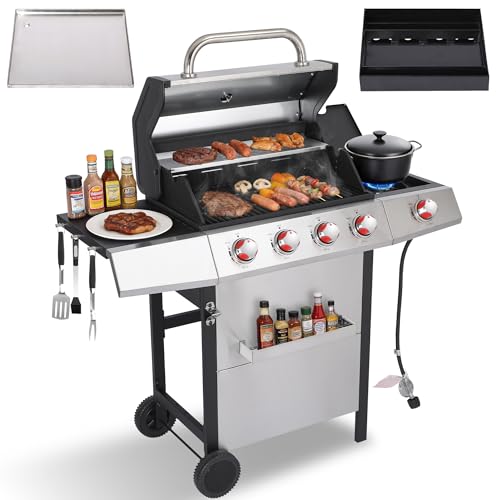
The CharBroil Bistro Pro Gas Grill (model 25302161) is a clever 2-in-1 cooking solution designed for small outdoor spaces. It combines the quick convenience of gas grilling with the smoky flavor of charcoal in a single compact unit. This grill targets backyard grillers, tailgaters, campers, and patio cooks who want flexibility without sacrificing performance.
Real-world cooking performance is where this little grill shines. It cranks up to 700°F, giving you serious searing power for steaks, chicken, or burgers. The stainless steel grates hold heat well and produce even cooking while minimizing flare-ups. When you want that authentic smoke flavor, simply load charcoal onto the built-in rack and use the gas burner to light the coals. No lighter fluid is needed, and you can even toss in wood chunks for extra smokiness. This makes low-and-slow smoking possible for small cuts like pork chops or chicken thighs, though the limited space means you won’t fit a full brisket.
Build quality is solid for its price point. The lid-mounted temperature gauge lets you monitor heat without lifting the lid, and the heavy-duty wheels allow easy movement across a deck or patio. The stainless steel grates resist rust better than porcelain-coated options, and the overall construction feels sturdy. However, like many compact grills, it lacks a side burner or prep area, so you’ll need a nearby table for sauces and tools. The lower shelf holds the propane tank neatly, keeping things organized.
Ease of setup and cleanup is straightforward. The Piezo ignition lights reliably, and the grates are removable for quick scrubbing. Grease management is handled by the simple drip tray underneath, though you’ll want to empty it after a few cooks. Portability is decent thanks to the 6-inch wheels and manageable weight, but it’s not ultra-light for camping trips. It’s better suited for tailgating or moving around the backyard than hiking to a campsite.
Realistic limitations include the modest cooking area—240 square inches of primary space plus an 80-square-inch warming rack. That’s enough for about 12 burgers or a few steaks, but not for a large backyard bash. Charcoal mode also requires prepping the coals and waiting for them to ash over, so it’s not instant like pure gas. The grill is designed for small gatherings, romantic dinners, or weeknight cookouts where versatility matters more than capacity.
My practical recommendation: If you have a small patio, love both gas convenience and charcoal flavor, and cook for 2-4 people regularly, the CharBroil Bistro Pro is a smart buy. It performs well for searing and smoking small batches, and the 2-in-1 design saves space and money. For larger families or frequent party hosting, consider a bigger unit. But for compact grilling with flexibility, this one hits the mark.
The Bistro Pro excels at high-heat searing, reaching 700°F quickly on gas mode. That’s hot enough to get a beautiful crust on steaks or burgers in minutes. The stainless steel grates are spaced to give good grill marks while preventing smaller food from falling through. Heat distribution is fairly even across the primary cooking area, though the outer edges run slightly cooler—useful for indirect cooking.
Switching to charcoal mode takes a few extra minutes: load the charcoal basket, turn on the gas burner to ignite, then wait until coals ash over (about 10-15 minutes). Once ready, you get that classic smoky flavor. Adding wood chunks infuses extra aroma, perfect for chicken thighs or pork chops. For low-and-slow cooking, the grill can hold steady temps around 250-300°F with the lid closed, but you’ll need to monitor the charcoal carefully. The lid thermometer helps maintain consistency.
Weighing roughly 40-50 pounds, the Bistro Pro is portable enough to roll from garage to patio or toss in the back of a truck for tailgating. The two 6-inch wheels handle small bumps and grass okay, but it’s not off-road ready. Assembly took under an hour with basic tools—the instructions are clear. Cleaning involves brushing the grates and emptying the drip tray; the lower shelf keeps the propane tank secure. For camping, it fits in most car trunks, though you’ll need a stable surface. Overall, it’s a great companion for weekend cookouts, RV trips, or backyard entertaining.
The Engineering, Safety, and Solutions Behind Gas and Charcoal Grilling
Placing lump charcoal or briquettes directly into the bottom of a standard gas grill is unsafe and will quickly damage the appliance. The simple, direct answer to whether can you put charcoal in a gas grill without specific manufacturer equipment is an absolute no. Traditional gas cookers rely on precision-drilled burner ports, delicate ignition electrodes, and thin heat tents that cannot tolerate falling ash or intense solid-fuel radiant heat. However, understanding the exact hazards reveals how dual-fuel hybrid units and engineered charcoal trays solve this dilemma for outdoor cooks.
Direct Answer: Why Placing Raw Charcoal in a Standard Gas Grill Fails
A standard propane or natural gas grill is engineered around the steady, clean combustion of gaseous fuel mixed with ambient air. When an outdoor cook dumps charcoal directly into the burner casting, the charcoal sits directly against the burner tubes, igniter wires, and heat distribution plates. As charcoal ignites, it produces fine, powdery ash that immediately settles into the microscopic gas outlet orifices along the burner tubes. This ash buildup blocks the uniform flow of fuel, resulting in dangerous pressure imbalances, uneven flames, and potential flashback fires beneath the control panel.
Furthermore, charcoal burns through prolonged contact with concentrated oxygen, generating intense radiant heat that persists long after ignition. Gas grill components, including lightweight flavorizer bars and stamped burner tubes, are designed to withstand convective gas heat rather than direct contact with glowing coals. The intense localized temperature of glowing charcoal can exceed twelve hundred degrees Fahrenheit, quickly warping thin stainless steel or aluminum grill bodies. In addition to structural warping, molten grease from previous cooking sessions can ignite uncontrollably when mixed with settling embers, creating extreme safety hazards.
The Structural Mechanics: How Ash, Radiant Heat, and Burner Tubes Interact
The internal architecture of a gas grill relies on open spaces to circulate air and allow grease to drain away into a lower catch pan. Burner tubes feature dozens of precision-drilled ports along their upper or lateral edges, engineered to release gas at calibrated pressures. When burning coals drop residual ash directly onto these tubes, the ash acts as both an insulator and a physical obstruction. The blocked ports force unburned gas toward fewer openings, creating erratic torch-like flames that can melt nearby metal brackets.
Chemical reactions between charcoal ash and moisture present another severe risk to outdoor cooking equipment. Wood ash contains high concentrations of potassium hydroxide and other alkaline compounds that become caustic when exposed to ambient humidity or meat drippings. If this residue remains inside the cookbox, it rapidly accelerates the corrosion of stainless steel burners, aluminum castings, and fastening hardware. Replacing ruined burners, heat tents, and igniter modules frequently costs almost as much as buying a brand-new cooker, making an unapproved charcoal test an expensive error.
Airflow and Combustion: Why Gas Cookboxes Cannot Manage Charcoal Coals
Combustion physics explains why gas grills and charcoal cookers feature radically different airflow designs. Charcoal is a solid fuel that requires carefully regulated oxygen flow to maintain specific cooking temperatures. Traditional charcoal kettles and barrel cookers incorporate adjustable bottom intake dampers and top exhaust vents, allowing the pitmaster to choke the fire down for smoking or open the vents for high-heat searing. Gas grills, by contrast, feature fixed rear ventilation slots designed to vent combustion gases continuously and prevent dangerous gas accumulation.
Because a standard gas grill cannot restrict incoming air, attempting to burn charcoal inside it leads to runaway temperatures. The wide venting gaps feed unlimited oxygen to the coals, causing them to burn through their fuel supply rapidly at dangerously high temperatures. The pitmaster loses all ability to control the cooking environment, which inevitably leads to charred food and burned equipment. Trapped heat from unapproved modifications can also melt internal gas hoses, control knobs, and ignition electronics.
Engineered Hybrid Solutions: Dedicated Dual-Chamber Combination Grills
Backyard cooks who refuse to choose between gas convenience and charcoal flavor increasingly turn to purpose-built combination units. Manufacturers recognized this demand by developing dual-fuel platforms that physically separate the gas and solid-fuel cooking chambers on a single rolling cart. Models like the Oklahoma Joe’s Canyon Combo and the Char-Griller Dual-Function illustrate this practical multi-chamber layout. These combination designs feature a dedicated multi-burner propane section on one side and a fully independent charcoal chamber with its own dampers and ash pan on the other.
Having distinct cooking compartments provides total control over each fuel type without cross-contaminating gas burner components with ash. On the gas side, stainless steel burners deliver immediate, pushbutton heat that excels at rapid weeknight meals, quick vegetable sides, or delicate fish fillets. Meanwhile, the charcoal side features heavy cast-iron grates and adjustable charcoal trays that raise or lower the coals relative to the cooking surface. With separate fireboxes, cooks can reverse-sear thick steaks, smoking the meat over charcoal before searing it across high-output gas grates. Units like the GrillsHouse combo even integrate an offset smoker box, offering third-tier cooking versatility in a single outdoor footprint.
Purpose-Built Conversion Trays: How Modern Grills Safely Burn Charcoal
For cooks with limited patio space, multi-chamber combo grills can be too bulky, prompting the development of single-chamber hybrid systems. Grills like the Charbroil Bistro Pro and the LMNOCHM combo grill utilize specialized, removable charcoal trays engineered to protect the gas burners below. In these systems, an enameled or heavy-gauge steel tray drops securely over the burner tubes, creating a solid barrier that catches falling ash while shielding burner components from direct radiant coals.
The primary advantage of an engineered hybrid system is the gas-assist ignition method. Instead of applying petroleum-based lighter fluid or waiting twenty minutes for a chimney starter, the cook simply fills the conversion tray with lump charcoal or briquettes. Lighting the gas burners beneath the tray for five to ten minutes quickly ignites the coals using clean propane heat. Once the charcoal catches fire, the user shuts off the gas supply completely, disconnects the gas line if specified by the manual, and allows the solid fuel to cook the meal naturally. This approach eliminates chemical starter smells while protecting delicate burner ports from falling debris.
Heat Management: Comparing Gas Valve BTU Control to Charcoal Air Dampers
Controlling temperature requires entirely different skills depending on whether you cook with pressurized gas or glowing coals. In a gas grill, heat output is measured in British Thermal Units, commonly abbreviated as BTU. Burner control knobs act as precise valves that meter the volume of propane flowing through the manifold. Turning the knob adjusts flame height instantaneously, allowing the cook to transition from low-and-slow roasting to high-heat searing in seconds. This level of responsiveness is ideal for fast cooking and delicate ingredients.
Charcoal heat management, on the other hand, operates on thermal inertia and airflow manipulation. Once coals are glowing, turning down the heat requires closing the intake dampers to starve the embers of oxygen, a process that takes several minutes. Models equipped with height-adjustable charcoal pans, such as those found on advanced combo units, give cooks another mechanical lever to regulate heat intensity. Lowering the charcoal tray reduces the radiant heat reaching the grates, which prevents burnt crusts while preparing recipes that require thorough cooking, such as this Korean beef barbecue recipe for thin, flavorful kalbi cuts. Understanding how each fuel transfers thermal energy is essential for coordinating side dishes and primary proteins.
Culinary Techniques: Dual-Zone Cooking and Reverse-Searing Options
The real power of outdoor cooking emerges when combining indirect heat with intense direct searing. On a standard gas grill, establishing dual-zone heat involves lighting one outer burner while leaving adjacent burners completely unlit. The unlit side acts as a gentle roasting oven, circulating convective heat without scorching the food. Adding a complementary sauce toward the end of an indirect cook, such as a brush of tangy cranberry barbecue sauce, allows sugars to caramelize slowly without burning over open flame.
With a dual-fuel setup, pitmasters can execute advanced techniques like the reverse sear with exceptional precision. Thick cuts of beef or pork roasts can sit in the low-temperature charcoal or smoker section, absorbing hardwood smoke until the core reaches internal doneness. Once the interior is cooked, transferring the meat to the roaring propane grill creates a blistered, caramelized crust in just sixty seconds per side. This hybrid workflow eliminates the guesswork of attempting to achieve deep smoke rings and blistered sear marks using a single fuel source.
Direct heat grilling over charcoal also creates distinct chemical compounds that gas flames cannot fully replicate. When rendering animal fats drip onto glowing wood embers, they vaporize instantly into aromatic smoke packed with phenolic compounds, coating the exterior of meats with authentic barbecue flavor. On a gas grill, vaporizing drippings hit stainless steel flavorizer bars instead, producing pleasant sizzle but a noticeably cleaner flavor profile. Using a combo grill allows you to match the specific culinary advantage of each fuel to the exact protein you prepare.
Maintenance and Ash Removal: Protecting Burner Systems from Corrosion
Regular cleaning protocols differ significantly between gas burner systems and charcoal combustion chambers. In gas grills, post-cook maintenance typically involves brushing porcelain-coated or stainless steel grates and periodically scraping the grease tray. Burner tubes should be inspected visually for insect nests or spider webs in the venturi tubes, but they rarely encounter abrasive particulate matter. Because propane burns cleanly into water vapor and carbon dioxide, the interior stays relatively free of mineral residues.
Charcoal cooking, by contrast, generates significant amounts of abrasive ash that must be cleared after every cook. When using hybrid trays or dual-fuel chambers, the pitmaster must allow the cooker to cool completely before extracting the ash. Leaving damp ash inside a metal firebox accelerates rust through chemical corrosion, pitting steel trays and destroying mounting pins. Grills featuring dump pans, such as the EasyDump system on Char-Griller models or slide-out ash drawers on Oklahoma Joe’s cookers, make this cleanup process quick and tidy. A clean firebox ensures proper airflow for subsequent cooks and prevents corrosive ash from drifting across adjacent gas components.
Neglecting ash removal can quickly degrade cast-iron cooking grates and structural mounting brackets as well. As ash accumulates in corners, it traps moisture against the metal, breaking down protective seasoning layers and causing severe rust scale. Brushing the firebox clean and wiping cast-iron surfaces with a light coating of high-smoke-point oil keeps metal resilient between sessions. A dedicated maintenance routine ensures that both the gas and charcoal sides of your equipment remain operational for years of outdoor cooking.
Fire Safety and Placement: Critical Guidelines for Backyard Cooking
Outdoor cooking equipment demands rigorous attention to fire safety, proper clearances, and ambient ventilation. Fuel-burning grills, whether powered by propane, natural gas, or charcoal, must never be operated inside a garage, breezeway, screened porch, or enclosed structure under any circumstances. Operating any fuel-burning cooker indoors exposes occupants to lethal concentrations of odorless carbon monoxide gas and creates an immediate structural fire hazard. Even keeping an overhead garage door open fails to provide adequate ventilation to dissipate concentrated combustion gases safely.
Safe operation requires positioning your grill outdoors on a flat, non-combustible surface, maintaining ample clearance from vinyl siding, wooden railings, and overhanging roof eaves. Always check manufacturer guidelines for exact clearance minimums, which generally specify several feet of clear space around the cookbox perimeter. When using dual-fuel or hybrid units, never operate the gas burners while charcoal is burning unless the user manual explicitly instructs doing so for ignition. Keeping a dedicated fire extinguisher nearby and securing propane tank connections ensures a safe and rewarding outdoor cooking experience for your entire household.
Disposing of spent charcoal ash also introduces distinct fire hazards that gas grill users may not anticipate. Coals can retain dormant heat and reignite up to forty-eight hours after a cook has concluded. Always shovel cooled ashes into a dedicated metal ash can with a tight-fitting lid, keeping the container away from wooden decks, mulch, and combustible outdoor structures. Never dump warm charcoal debris into plastic garbage bins or yard waste paper bags.
Upgrading your outdoor cooking setup does not require risking your equipment or violating fundamental fire safety rules. Rather than asking can you put charcoal in a gas grill and risking costly damage to burner tubes, invest in dedicated combo cookers, engineered conversion trays, or compact portable charcoal grills. By matching your equipment to the correct fuel type, you protect your grill investment and master the full spectrum of outdoor cooking flavors safely.


Write Your Review
No reviews yet. Be the first to share your experience!