


Controlling live fire requires a solid grasp of airflow, fuel management, and patience before laying any food across the cooking grate. Outdoor cooks often struggle with fluctuating temperatures or premature flameouts simply because they treat charcoal the same way they handle an indoor stovetop burner. Knowing the proper sequence and temperature adjustments when using a charcoal grill makes the difference between acrid, charred meat and tender cuts kissed with authentic wood smoke. Cooks exploring diverse flavor profiles can pair their grilled meats with a tangy South Carolina mustard barbecue sauce recipe to highlight that deep, smoky crust.
Ventilation dampers directly dictate how fast your charcoal burns, meaning every adjustment at the intake or exhaust changes your internal cooking climate. Beginners frequently rush to place food directly over black fuel or smother the embers by closing every vent too quickly. Introducing wood chips or exploring dedicated smoker box methods can also introduce rich aromatic depth, provided the charcoal foundation is burning cleanly. Establishing a predictable routine from lighting to post-cook cleaning ensures consistent heat, fewer flare-ups, and safer outdoor cooking sessions every time.
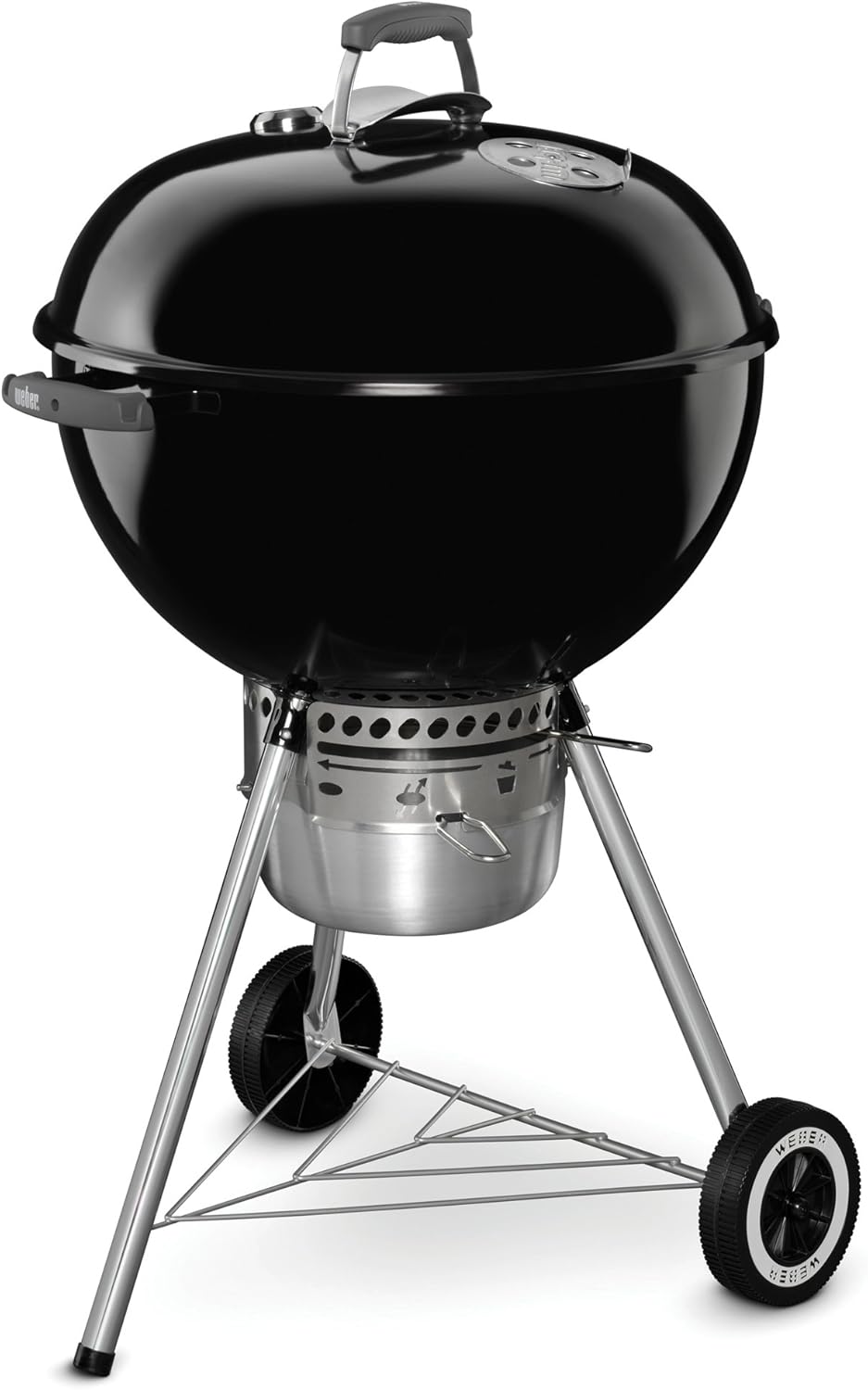
Pros
- Excellent heat retention and even heat distribution for consistent cooking
- Easy cleanup with the One-Touch ash catcher - no mess
- Durable porcelain enamel construction resists rust and lasts for years
- Versatile for grilling, smoking, and indirect cooking methods
- Hinged grate makes adding charcoal or wood chips convenient mid-cook
Cons
- Assembly can be tricky - leg pins require effort to snap in; instructions are picture-only
- No built-in side tables or storage space for tools and prep
- Charcoal grilling requires about 20 minutes to light coals, less convenient than gas
The Weber Original Kettle Premium Charcoal Grill is a timeless classic that has earned its reputation among backyard grillers, BBQ enthusiasts, and outdoor entertainers. This 22-inch kettle grill is designed for those who appreciate the rich, smoky flavor that only charcoal can deliver. Whether you are hosting a weekend barbecue, tailgating at the stadium, or cooking at a campsite, this grill offers the versatility and performance to handle a wide range of outdoor cooking tasks.
In terms of cooking performance, the Weber Kettle excels at heat consistency and temperature control. The porcelain-enameled lid and bowl retain heat efficiently, allowing you to sear steaks at high temperatures or maintain a steady low-and-slow heat for smoking brisket or ribs. The built-in lid thermometer takes the guesswork out of temperature management, and the adjustable dampers give you precise control over airflow. With a 22-inch cooking surface, you can fit up to 13 burgers at once, making it ideal for feeding a crowd. The hinged cooking grate is a standout feature, letting you add fresh charcoal or wood chips without lifting the entire grate - a real advantage for long cooks.
Build quality is robust. The porcelain-enameled lid and bowl resist rust and peeling, even after years of exposure to the elements. The plated steel cooking grate is durable and easy to clean. The glass-reinforced nylon handles stay cool to the touch, and the all-weather wheels make it easy to move the grill around your patio or yard. The angled lid hook prevents you from setting the hot lid on the ground, which is a thoughtful touch for safety and convenience. While the grill is not ultra-portable like a camping stove, its weight and wheels allow for easy relocation within your backyard or to a tailgate spot.
Cleanup is straightforward thanks to the One-Touch cleaning system. The high-capacity ash catcher collects ashes from the bottom vents, and you can easily dispose of them by pulling the lever and removing the catcher. This system minimizes mess and keeps your grilling area tidy. The aluminum damper is rust-resistant and smooth to operate, giving you long-lasting control.
That said, there are a few limitations. Assembly can be a bit fiddly - the leg pins require some effort to snap into place, and the instructions are picture-only. Also, like all charcoal grills, you will need about 20 minutes to get the coals ready using a chimney starter (highly recommended). There are no side tables built in, so you may want a separate prep station. But these are minor trade-offs for the outstanding cooking results and durability this grill offers.
Overall, the Weber Original Kettle Premium is a fantastic choice for anyone passionate about charcoal grilling. It is perfect for backyard BBQ lovers, tailgaters, campers, and outdoor cooks who want a reliable, flavorful cooking experience. With proper care, this grill will last for years - many users report passing down their Weber kettles to the next generation. If you are looking for a versatile, high-quality charcoal grill that delivers exceptional smoke flavor and consistent heat, this is the one to buy.
The Weber Kettle's design allows for both direct and indirect grilling. For high-heat searing, open the bottom vent fully and use a full chimney of lit coals spread evenly. The heat retention of the porcelain bowl ensures a consistent sear. For low-and-slow smoking, use the indirect method by banking coals to one side and placing a water pan on the other. The lid thermometer helps maintain temperatures around 225-250°F for hours. The hinged grate lets you add wood chunks for extra smoke without losing heat. This grill can handle anything from quick burgers to overnight brisket cooks.


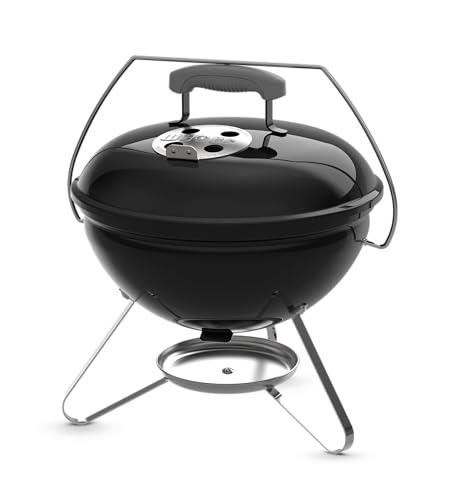
Pros
- Affordable entry point into charcoal grilling with solid heat performance
- Lightweight and portable, ideal for camping, RV trips, and tailgating
- Simple temperature control via adjustable air vents, good for beginners
- Compact footprint fits small balconies or patios without taking much space
Cons
- Limited cooking area may not suit large backyard parties or feeding a crowd
- Basic build may show wear over time, especially if left in rain or humidity
- Startup takes a while as charcoal needs to ash over before cooking
This charcoal grill is a straightforward, no-fuss outdoor cooker built for portability and affordability. It's a classic kettle-style grill with legs that fold or detach, making it easy to toss in the trunk for a weekend camping trip or a tailgate before the big game. Designed for backyard grillers, campers, tailgaters, RV owners, and patio cooks, it brings real charcoal flavor without the high price tag.
In terms of real-world cooking performance, this grill does a fine job for its size. The heat consistency is decent once the coals are spread evenly. You can get a good sear on burgers or steaks by piling coals on one side, and the lid helps hold heat for slower cooks like chicken thighs or brats. Smoke flavor is present, especially if you add a few wood chunks on top of the coals. Temperature control relies on adjustable bottom vents and the lid top damper, so you can dial in a low-and-slow approach for ribs or wings, or open it up for fast grilling of hot dogs and skewers. Fuel efficiency is reasonable—a standard charcoal chimney load will keep you cooking for about 45 minutes to an hour.
The build quality matches the budget price. You get a painted steel lid and bowl, a wire cooking grate, and simple legs. It's not heavy-duty, but it's sturdy enough for regular use if you take care of it. Rust can be a concern if left out in the elements, so storing it in a garage or shed is wise. The grill doesn't have wheels, but its light weight makes it easy to carry. Portability is one of its strong suits—it's easy to pack and set up at a campsite or a friend's backyard. Cleanup is straightforward: ash collects at the bottom and can be dumped out, and the grate can be brushed off or scrubbed with a cloth.
Setting up this charcoal grill takes almost no effort. You unfold or attach the legs, place it on a level surface, add charcoal, light it up, and you're ready. Transport is a breeze since it's compact and lightweight. Storage isn't an issue either—it fits in a closet or car trunk without hogging space.
There are some realistic limitations to consider. The cooking grate is small, so you won't be feeding a large crowd. Two people could cook for a small family or a couple of friends, but for backyard parties you'd want a larger grill. The thin steel can warp slightly under high heat if you let it run too hot, so keep an eye on it. Also, wind can affect temperature stability, so try to set it up in a sheltered spot.
Overall, this charcoal grill is a practical buy for anyone who wants to enjoy charcoal-grilled food on the go. It's perfect for campers who want real smoke flavor at the campsite, tailgaters looking for a portable grill that won't break the bank, or apartment dwellers with a small balcony who want to fire up a few burgers. Just keep it dry, don't overload it, and you'll get plenty of tasty meals out of it.
This charcoal grill shines in portable scenarios. Take it camping for smoky sausages and veggies after a day on the trail. Use it for tailgating before the game to cook burgers, hot dogs, and wings with that classic charcoal taste. It's also great for small backyard gatherings or a quiet dinner on the patio with steak or chicken. RV owners will appreciate its compact size and easy cleanup after a meal at a scenic spot.

Pros
- Extremely high heat output (up to 1,200°F) for excellent searing
- Long burn time (up to 4 hours) with steady infrared heat
- Clean burning with minimal smoke and no chemical taste
- Reusable multiple times with simple care—eco-friendly and cost-effective
Cons
- Requires a chimney starter or long lighter to fully ignite (not instant-light)
- Higher upfront cost compared to standard charcoal briquettes
- 11-pound bag is moderate weight—may need more for large gatherings
The Bincho Grill Binchotan Charcoal is a premium Japanese hardwood lump charcoal designed for serious outdoor cooks who value precision heat and clean flavor. Unlike standard charcoal, this binchotan is made from White Oak fired in traditional kilns to achieve around 95% carbon purity. It burns at temperatures up to 1,200°F, delivering intense, steady infrared heat that's perfect for yakitori, steaks, seafood, and vegetables. The virtually smokeless and odorless burn means your food tastes exactly like it should—no chemical aftertaste or overwhelming smoke.
This charcoal is ideally suited for backyard grillers, BBQ enthusiasts, and patio cooks who want restaurant-quality results at home. It's also a great choice for tailgaters and campers who value portability and efficiency, though you'll need a proper starter method like a chimney or electric lighter. The 11-pound bag provides enough fuel for several cooks, and because it's reusable, you can extinguish partially used coals and relight them later—a real money-saver over time.
In real-world use, the heat consistency is outstanding. Once lit, binchotan holds a stable temperature for up to 4 hours, which makes it excellent for both fast grilling (burgers, hot dogs) and low-and-slow cooking (kebabs, whole fish). The high heat creates a beautiful sear on meats while keeping the interior juicy. Because it burns so cleanly, you can grill on a patio or balcony without bothering neighbors with excessive smoke or odor.
Build quality is top notch—the charcoal pieces are dense and uniform, breaking down slowly compared to typical lump charcoal. There's no dust or small fragments that waste fuel. However, lighting does take patience. You'll need a chimney starter or a long-handled lighter; binchotan isn't self-lighting. Once lit, it glows evenly and produces minimal ash, making cleanup easy. Just let the coals cool, shake off the ash, and store them for the next cook.
One realistic limitation is that binchotan is more expensive per pound than standard charcoal. But given its reusability and superior performance, many outdoor cooks find it worth the investment. Another consideration: the 11-pound bag is a moderate size. For large backyard parties or cooking for a crowd, you might need two bags. For everyday grilling or small gatherings, it's plenty.
Overall, The Bincho Grill Binchotan Charcoal is a top-tier fuel for anyone serious about grilling. If you enjoy the art of yakitori, want clean heat for delicate proteins, or simply appreciate a longer-lasting, hotter-burning charcoal that's reusable, this is an excellent choice. It pairs beautifully with Japanese-style grills but works equally well on standard kettle grills or kamado cookers. Just give yourself extra time for lighting, and you'll be rewarded with some of the best grilling results you've ever had.

Pros
- Large total cooking area of 823 sq in for feeding a crowd
- Adjustable charcoal pan gives precise heat control
- Affordable price point for a grill-smoker combo
- Porcelain-enameled grates resist rust and are easy to clean
- Includes side shelf and bottom storage for accessories
Cons
- Assembly can be time-consuming and may require two people
- Some heat leakage from lid gaps; high-temp gasket recommended
- Offset smoker requires frequent charcoal and wood management to maintain low temperatures
The Royal Gourmet CC1830S is a charcoal grill and offset smoker combo designed for backyard cooks who want to explore smoking without breaking the bank. With 823 square inches of total cooking space - including a 475 sq in main grate, a 151 sq in warming rack, and a 197 sq in side smoker - it gives you plenty of room to grill burgers, hot dogs, and steaks while smoking ribs or brisket on the side. This setup is ideal for weekend BBQs, tailgating, or camping trips where you want both direct heat and low-and-slow cooking in one unit.
In terms of cooking performance, the adjustable charcoal pan is a standout feature. You can raise or lower the grate to control the distance between coals and food, which helps with searing steaks hot and fast or moving to indirect heat for larger cuts. The built-in thermometer on the lid gives you a good idea of the internal temperature, though some users find it reads a bit off from grate level. The offset smoker attaches firmly and does circulate heat and smoke, but maintaining a steady low temperature (around 225-250°F) requires attention - you'll need to add charcoal and wood chunks regularly, and the side door makes that easy. For a beginner smoker, it's a solid learning tool, but expect some temperature swings until you get the hang of it.
Build quality is decent for the price point. The porcelain-enameled steel grates hold heat well and are simple to clean with a brush. The body is powder-coated alloy steel, which resists rust if you keep it covered and stored out of the elements. Some reviewers note minor heat leakage around the lid, but applying high-temperature gasket tape can seal those gaps. The two wheels make it easy to roll across a patio or lawn, and the bottom shelf holds up to 20 lbs of tools or charcoal. Assembly takes about 1.5-2 hours and is easier with two people, especially when attaching the main body and legs.
Cleanup is straightforward: the ash tray in the main grill is removable, but the side smoker's ash tray doesn't slide out - you'll need to scoop ashes out through the door. The warming rack and grates can be scrubbed with a grill brush. The side shelf and tool hooks keep your spatula and tongs handy, which is nice for busy cooks. One limitation is that the offset smoker isn't as efficient as dedicated smokers; it's better for shorter smokes (2-4 hours) than overnight brisket. Also, the grill has a bit of wobble on uneven ground, so choose a flat spot.
Overall, the Royal Gourmet CC1830S is a fantastic entry-level grill-smoker combo for anyone who wants to try smoking without a big investment. It works well for backyard parties, campsite dinners, and tailgating where you need both grilling and smoking capacity. If you're willing to put in a little effort to seal gaps and manage the fire, you'll get great results - smoky ribs, juicy chicken, and perfectly seared steaks. For the price, it's hard to beat the versatility and cooking area.
The Royal Gourmet CC1830S delivers solid cooking performance for both direct grilling and offset smoking. The main charcoal chamber heats up quickly and can reach high temperatures for searing steaks and burgers. The adjustable charcoal pan is a real plus - you can lower it for indirect cooking or raise it for a direct sear. The porcelain-enameled grates provide good heat retention and even cooking across the surface.
When using the offset smoker, expect a learning curve. It produces a nice smoky flavor for ribs, chicken, and pork shoulder, but maintaining a steady low temperature (225-250°F) requires frequent attention. The side door makes it easy to add charcoal or wood chips without lifting the lid. For best results, use high-quality lump charcoal and wood chunks. Some users recommend adding a high-temp gasket around the main lid to reduce heat loss and improve temperature stability.
Overall, this grill is capable of producing delicious barbecue, especially for beginners. It's not as precise as a high-end smoker, but for the price, the flavor and versatility are impressive.
Comprehensive Operational Guide: Techniques, Safety, and Fire Management for Charcoal Grills
Operating a solid-fuel cooker requires balancing fuel volume, airflow velocity, and thermal radiation to achieve steady cooking temperatures. Charcoal does not provide an instant dial adjustment, so outdoor cooks must anticipate temperature shifts several minutes before placing food over the grates. Understanding the interplay between air intake, coal placement, and fuel quality transforms outdoor grilling from an unpredictable chore into a controlled culinary method. This systematic operational breakdown covers every phase of the charcoal grilling process to keep your outdoor meals safe, flavorful, and repeatable.
Fuel Selection: Lump Charcoal, Briquettes, and Dense Hardwoods
Charcoal fuel options dramatically influence how your fire behaves, how hot it gets, and how long it sustains steady heat. Traditional charcoal briquettes consist of compressed sawdust mixed with natural binding agents, providing uniform size, predictable burn rates, and dependable longevity for extended cooking sessions. Lump charcoal consists of whole, charred hardwood pieces that ignite quickly, produce higher initial peak temperatures, and leave behind minimal residual ash. Matching your fuel to the planned cooking duration prevents unnecessary refueling in the middle of preparing delicate meats or thick cuts.
Specialty fuels like dense artisan binchotan provide another tier of heat performance for specialized cooking styles. For instance, The Bincho Grill Binchotan Charcoal utilizes high-carbon oak crafted through traditional kiln techniques, generating steady infrared heat with virtually no smoke or chemical odors. Such high-density fuels can burn for hours, making them ideal for precise skewered meats and high-temperature searing where clean flavor is paramount. Casual backyard cooks, however, generally rely on quality hardwood briquettes or standard lump fuel for everyday weeknight burgers and poultry.
Safe Outdoor Placement and Enclosed Space Hazards
Safety begins long before striking a match, starting with the physical positioning of your outdoor equipment. Charcoal grills must strictly be operated outdoors in open-air environments with generous clearance from exterior walls, deck railings, and low-hanging tree branches. Burning charcoal produces large volumes of carbon monoxide, an invisible, odorless, and highly toxic gas that displaces oxygen in enclosed areas. Placing a grill on a level, non-combustible surface such as concrete, patio pavers, or a dedicated flame-resistant grill mat protects surrounding structures from stray embers.
Under no circumstances should any charcoal grill be operated inside a garage, screened porch, breezeway, carport, or residential interior. Even opening an overhead garage door fails to create adequate ventilation to prevent the lethal accumulation of carbon monoxide. Wind gusts can funnel toxic fumes directly into living quarters or carry floating sparks toward stored cardboard, fuel cans, and lawn equipment. Safe backyard grilling requires keeping the cooker situated well away from home structures, following municipal open-burning regulations, and keeping a fire extinguisher nearby.
Lighting Charcoal Without Chemical Taints
Igniting your fuel cleanly preserves the pure, natural flavor of your ingredients without imparting harsh petroleum odors. Liquid lighter fluids often saturate the porous charcoal, producing acrid fumes that linger in the cooking chamber throughout the meal. A metal chimney starter represents the most dependable tool for lighting briquettes or lump fuel without volatile chemical additives. Newspaper sheets or paraffin wax starter cubes placed beneath the chimney ignite the bottom coals, allowing the fire to spread upward through natural convection.
Patience during the ignition phase prevents the common error of cooking over unlit, smoky fuel. Coals are ready for cooking only when they glow red at their core and develop a uniform coating of light gray ash across their surface. Pouring the coals too early leads to sluggish cooking temperatures, excessive white smoke, and unburned volatile gases that taint delicate foods. Waiting ten to twenty minutes for complete ashing ensures stable, radiant heat before you arrange the fuel bed.
Establishing Dual-Zone Heat for Temperature Versatility
Spreading coals in an even, single layer across the entire bottom grate is a widespread rookie mistake that limits temperature control. A flat bed leaves you without a cooler safety zone, forcing you to rush cooking or risk charring the exterior of thick cuts. Banking the glowing coals predominantly against one side of the lower grate establishes a versatile two-zone configuration. The side directly above the fuel bed acts as a radiant direct-heat searing zone, while the charcoal-free side functions as an indirect convection oven.
Two-zone cooking allows you to sear meats quickly over high direct heat before transferring them to the cooler side to finish roasting gently. Equipment with thoughtful access points simplifies fuel replenishment during longer cooks. The Weber Original Kettle Premium Charcoal Grill incorporates a hinged plated-steel cooking grate, enabling cooks to drop fresh coals or wood chunks into the lower bowl without lifting the entire hot grate. This structural flexibility prevents temperature drops and preserves heat continuity throughout extended barbecuing sessions.
Managing Airflow: The Science of Intake and Exhaust Dampers
Charcoal heat output depends directly on oxygen supply rather than the physical turning of an electrical dial. The intake damper located near the bottom of the grill bowl introduces fresh oxygen directly into the coal bed to fuel combustion. The exhaust damper located in the lid draws heated air and smoke upward through the cooking chamber, creating a draft that keeps fresh air moving. Opening both dampers fully accelerates the fire, generating blistering heat suitable for searing steaks, burgers, or crisping flatbreads.
Restricting the intake damper starves the coals of oxygen, cooling the fire down to sustainable low-and-slow barbecue ranges. Leaving the top exhaust vent at least partially open is critical to prevent stale, bitter creosote from condensing onto your meat. Adjusting dampers in small quarter-inch increments allows the grill internal climate to stabilize over ten to fifteen minutes. Checking built-in lid thermometers or utilizing dual-probe digital grill monitors provides real-time feedback while you dial in optimal cooking temps.
Direct Searing Versus Indirect Roasting Strategies
Selecting between direct and indirect grilling depends on the thickness, fat content, and connective tissue of the meat you prepare. Thin cuts like flank steak, burger patties, shrimp skewers, and asparagus thrive over direct radiant embers where quick browning develops rich crusts. For instance, skewered meats like sweet and savory Filipino pork barbecue skewers benefit from brief direct grilling over glowing coals to caramelize sweet marinades rapidly without drying out the pork. Frequent turning over medium-hot direct heat prevents surface sugars from scorching before the interior reaches food-safe doneness.
Larger cuts such as whole chickens, pork shoulders, and bone-in roasts require indirect cooking under a closed lid to cook through evenly. Placing thick meats over direct coals inevitably burns the exterior long before internal tissues reach tender, safe internal temperatures. With the lid secured, circulating convection currents roast the meat gently while smoke from the smoldering hardwood seasons the meat fibers. Verifying internal doneness with a calibrated digital food thermometer ensures tenderness and eliminates guesswork without relying on rigid cooking schedules.
Tackling Flare-Ups and Preventing Creosote Accumulation
Flare-ups occur when rendered animal fats or heavy oil marinades drip directly onto glowing coals and instantly ignite. While small momentary flame bursts are normal, sustained fat fires scorch food with greasy, acrid soot and create serious safety hazards. Never spray water directly into a charcoal grill to douse flames, as this creates violent steam bursts, cracks porcelain finishes, and blows powdery ash over your food. Instead, move the food immediately to the indirect zone and close the lid to starve the flare-up of oxygen.
Controlling smoke quality is equally vital for clean flavor profiles and enjoyable dining. Billowing, thick white or gray smoke indicates incomplete combustion, damp wood, or choked embers, which deposits harsh, bitter creosote on meat surfaces. Thin, pale blue smoke or nearly invisible heat waves signal an efficient, clean-burning charcoal bed that imparts pleasant, sweet outdoor barbecue notes. Ensuring proper draft through open exhaust vents keeps smoke moving cleanly across the grates rather than stagnating inside the cookbox.
Adapting Techniques for Portable and Tabletop Grills
Compact charcoal cookers bring authentic fire-grilled flavors to tailgates, campsites, and small outdoor patio settings. Portable models feature shallower fireboxes, meaning your food sits substantially closer to the burning fuel than on traditional kettle units. The GasOne 14-inch Portable Charcoal Barbecue Grill utilizes a 3-point locking lid and dual ventilation system that helps trap heat while remaining easy to transport. Managing smaller fuel beds requires lighter charcoal loads to prevent scorching foods resting close to the coals.
Ultra-compact models provide clever folding architecture for transport convenience without sacrificing sturdy footing on stable outdoor surfaces. The Zarkind Portable Tabletop Charcoal Grill features a foldable stainless steel frame with integrated airflow holes and heavy-duty legs designed for secure placement on picnic benches. Similarly, models like the Ruutcasy Portable Charcoal Grill Portable Tabletop BBQ emphasize tool-free setup and detachable grates for fast cleaning after beach trips. Always verify that tabletop units sit on heat-resistant picnic tables or masonry surfaces rather than combustible wooden railings.
Operating Smoker-Grill Combos and Offset Chambers
Combination units expand your outdoor cooking repertoire by merging traditional high-heat charcoal grilling with dedicated indirect offset smoking. The Royal Gourmet CC1830S BBQ Charcoal Grill provides an attached offset firebox alongside a spacious main chamber, directing gentle hardwood smoke across large meat cuts. An adjustable height charcoal pan inside the main barrel allows cooks to raise or lower the fuel bed, granting instant control over radiant heat intensity. Opening the side door on the offset firebox lets you add fresh wood splits or scoop out spent ash without lifting the main cooking chamber lid.
Managing an offset smoker requires maintaining a steady coal bed inside the auxiliary firebox while regulating the side vent draft. The heated air sweeps horizontally through the barrel, creating a temperature gradient where the side closest to the firebox runs hotter than the exhaust side. Rotating meat cuts periodically ensures uniform smoke absorption and even cooking across large barbecue spreads. Mastering this balance between firebox fuel loads and chimney drafting yields classic barbecue with distinct bark and deep smoke rings.
Glazing and Sauce Application Timing
Barbecue sauces, sticky glazes, and sweet marinades require careful timing when cooking over live charcoal. Sauces containing brown sugar, honey, molasses, or fruit purées begin caramelizing around three hundred degrees Fahrenheit and burn rapidly at higher heat. Applying sweet glazes at the start of a cook results in a blackened, bitter crust while the meat beneath remains raw. Keep meats unadorned or seasoned strictly with dry spice rubs during the primary cooking cycle over the grates.
Brush on rich coatings, such as a tart homemade cranberry barbecue sauce glaze, only during the final ten to fifteen minutes of indirect cooking. This brief exposure allows the sugars to caramelize into a glossy, sticky lacquer without scorching over open flames. If you desire a slightly charred, crisp finish, slide the glazed meat over the direct-heat zone for sixty to ninety seconds under close supervision. Moving the food constantly prevents flare-ups from igniting the dripping glaze and preserves clean barbecue flavors.
Extinguishing Coals, Ash Disposal, and Post-Cook Maintenance
Ending your grilling session properly is just as crucial for safety and grill longevity as the lighting process. Shutting both top and bottom dampers completely suffocates the fire by cutting off the oxygen supply entirely. Embers can smolder quietly for up to forty-eight hours within an insulated kettle bowl or closed charcoal chamber. Never dump hot ashes into plastic trash bins, dry grass, or paper bags where hidden sparks can trigger sudden structure fires.
Allow the grill to cool completely before using integrated sweepers or ash pans to remove spent fuel remnants. Models featuring a One-Touch cleaning system with a high-capacity enclosed ash catcher make clearing debris simple and prevent windblown dust across your patio. Store cold ashes in a dedicated metal container with a tight-fitting lid until disposal. Brushing the cooking grates with a stainless steel coil brush while they remain warm removes grease buildup and prevents corrosion before covering your grill for outdoor storage.
Final Quality Checks and Practical Operational Summary
Successful solid-fuel grilling relies on discipline, thermal awareness, and clean airflow management at every stage. Preparing a dedicated dual-zone coal bed guarantees that you always possess a safe retreat when flare-ups arise or when foods roast unevenly. Checking meat doneness with an accurate digital instant-read thermometer ensures juicy, food-safe results without cutting into proteins prematurely and losing vital juices. Maintaining your dampers, clearing ash regularly, and respecting outdoor placement boundaries ensures safe, consistent outdoor cooking performance whenever you fire up the coals.


Write Your Review
No reviews yet. Be the first to share your experience!