

Igniting charcoal inside a compact firebox requires a different mindset than firing up a massive backyard cooker. In a tight cooking chamber, limited air volume and rapid oxygen consumption mean that dumping a random pile of briquettes often leads to suffocated coals and heavy, acrid smoke. Learning how to start a fire on a small grill comes down to understanding the relationship between bottom intake drafts, fuel arrangement, and clean ignition materials. When you establish steady airflow from the very start, small grills heat up quickly and maintain reliable cooking temperatures for searing steaks or roasting skewers.
Many outdoor cooks struggle with uneven heat or chemical aftertastes because they reach for petroleum lighter fluid instead of natural starters. Natural wood shavings bound with food-grade wax provide a steady, odorless flame that ignites charcoal without contaminating the flavor of delicate meats like savory grilled pork skewers. Portable units and compact hibachis offer remarkable efficiency once you master lighting techniques that focus heat directly through the coal bed. With the right foundation, you can turn a modest tabletop or tailgating grill into a dependable cooking station for any outdoor gathering.

Pros
- Plant-based binder and pine shavings eliminate petrochemical fumes and food taste contamination
- Compact roll design nests easily beneath charcoal chimneys or inside charcoal arrangements
- Generous 70-piece pack provides plenty of starts for a full season of backyard grilling
- Textured wood fibers catch flame quickly with a standard match or grill lighter
Cons
- Large charcoal loads or exceptionally windy conditions may require using more than one starter
- Loose wood shavings can accumulate in the packaging during transit
- Requires dry storage between outdoor cooking sessions to maintain optimal lighting speed
The DIMTORI 70-pack Natural Fire Starters are purpose-built for charcoal grillers, wood-fired pizza oven cooks, and outdoor enthusiasts who want a clean, dependable lighting solution. Made from coiled pine wood shavings bound with a plant-based agent, these starters eliminate the need for chemical lighter fluids. Whether you are prepping a kettle grill for weeknight burgers, getting a ceramic kamado up to heat for low-and-slow ribs, or lighting an outdoor pizza oven, this accessory serves as a practical ignition tool for solid fuel setups.
In practical outdoor cooking, ignition speed and taste neutrality are essential. Petroleum-based starters and lighter fluids can leave persistent odors that taint food and linger in the cookbox. The DIMTORI fire starters burn odorless, helping keep steaks, chicken, and vegetables tasting solely of natural wood, charcoal, and seasoning. The open, fibrous design of the wood shavings allows air to circulate freely through the starter, helping it catch and maintain a steady flame faster than many dense compressed squares.
Each starter measures approximately 2 x 1 x 1 inches, giving it a compact footprint that tucks easily beneath charcoal briquettes or lump wood. The pine construction and plant-based wax formulation resist light ambient moisture, offering reliable all-weather capability when starting fires with slightly damp wood at a campsite or on a humid patio. The tight coiled design keeps the piece together while burning, providing sustained contact heat directly against the base fuel to establish a stable bed of coals.
Using these starters fits smoothly into standard outdoor cooking routines. Backyard cooks can place a single piece under a charcoal chimney starter or position it directly within a charcoal basket beneath a mound of coals. Cleanup is straightforward because the natural wood fibers burn down almost entirely to fine wood ash, leaving no synthetic residue or foul smells inside the grill ash pan. Storing the remaining starters requires nothing more than keeping the box in a dry prep drawer, cabinet, or garage storage shelf.
As with most natural timber starters, there are realistic limitations to keep in mind. High winds, exceptionally large charcoal fireboxes, or dense logs may necessitate using two starters rather than one to establish an even fire quickly. Additionally, the dry pine shavings can shed minor debris inside the box during shipment and handling, so careful handling is helpful when pulling pieces from the packaging.
For charcoal enthusiasts, kamado cooks, and outdoor campers wanting to avoid chemical lighters, the DIMTORI 70-pack is a reliable, budget-friendly accessory. It offers clean combustion, food-safe peace of mind, and enough individual pieces to support many outdoor cooking sessions throughout the grilling season.
Establishing a dependable coal bed is the foundation of consistent heat control on kettle grills, smokers, and kamados. The DIMTORI fire starters are shaped to nest conveniently under a chimney starter or directly amidst a pile of lump charcoal. Because they produce steady, direct heat, they help initiate proper combustion throughout the lower layer of fuel without suffocating airflow.
For indirect cooking setups, such as smoking pork shoulder or roasting whole chickens, placing one starter at the edge of a charcoal basket allows for a controlled, gradual burn across the fuel bed. By omitting volatile chemical additives, these starters keep smoker interiors and ceramic kamado walls free from harsh petroleum coatings, protecting both the longevity of your equipment and the flavor profile of your barbecue.
Pros
- Odorless, chemical-free formulation helps protect delicate meat flavors during long smoking sessions
- Sustained 8 to 10-minute flame provides reliable ignition for dense charcoal piles and wood splits
- Waterproof design ensures dependable lighting even in damp outdoor environments
- Quick lighting action catches flame in seconds using matches or utility lighters
Cons
- Larger firebox loads or heavy hardwood logs may require using more than one starter piece
- Wood shavings can shed small flakes inside bags or tool drawers during transport
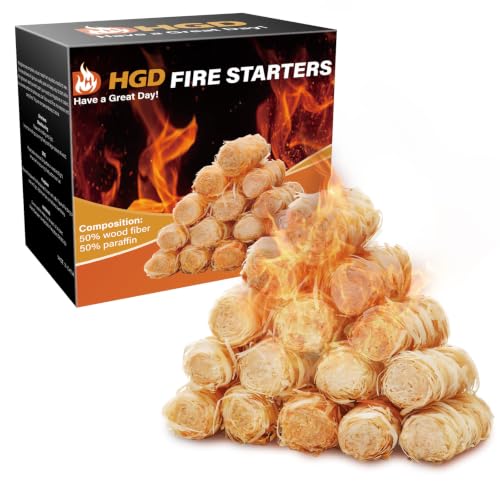
The HGD Natural Fire Starters are specialized outdoor ignition accessories designed for backyard barbecue cooks, campers, and outdoor enthusiasts who need a reliable flame without chemical additives. Built from natural wood shavings and wax, these starters target pitmasters who operate charcoal smokers, drum smokers, kamado grills, and offset smoker fireboxes. For cooks who spend hours smoking pork butts or briskets, avoiding petroleum-based lighter fluids is crucial to keep food tasting clean, and these natural starters provide an effective, food-friendly alternative.
In terms of real-world ignition performance, these fire starters are rated to burn continuously for 8 to 10 minutes once lit. This sustained burn window gives the flame sufficient time to catch hardwood lump charcoal, dense briquettes, or small dry wood kindling splits. Lighting the starter itself takes roughly 0.5 to 3 seconds with a standard match or torch, allowing cooks to establish a fire bed quickly. The waterproof construction also helps overcome damp outdoor air, making them suitable for morning startups when condensation has settled on your patio gear.
The build quality centers on tightly bound wood curls infused with wax, creating a compact structure that holds its form while burning. Unlike liquid starters that can evaporate or seep into cooker walls, these solid starters concentrate their thermal energy in a single spot under your fuel bed or inside a charcoal chimney starter. Because they burn without heavy chemical smoke or unpleasant odors, they help maintain a clean combustion environment from the very start of a long low-and-slow cooking session.
Using these starters in day-to-day barbecue routines is straightforward. You simply tuck one or two pieces into the base of your charcoal basket, offset firebox, or chimney starter, light the edges, and pile your selected charcoal or wood splits loosely above them. Cleanup is minimal because the wood shavings and wax consume themselves down to fine ash, leaving no unburned residues or metallic wrappers to fish out of the firebox prior to cooking. Their compact packaging fits neatly into storage cabinets, smoker tool carts, or camping crates.
There are a few realistic limitations to keep in mind. While a single piece works well for standard chimney starters or small charcoal loads, larger offset firebox setups or damp hardwood splits may require using two pieces to ensure full ignition. The natural curled wood fibers can also loosen slightly during shipping or rough handling, creating minor wood dust inside the box that requires mindful handling during fuel prep.
For backyard barbecue cooks looking to eliminate petroleum odors from their smoking setups, the HGD Natural Fire Starters are a practical, budget-conscious fuel accessory. They offer dependable ignition, weather-resistant reliability, and clean burning performance across charcoal cookers, offset smokers, fire pits, and wood stoves.
Managing fuel in a barbecue smoker requires establishing a steady coal bed without introducing harsh chemical contaminants. These wax-infused wood shavings light quickly and generate a concentrated localized flame, making them well suited for use at the base of charcoal chimneys or nested inside the charcoal basket of a drum or vertical smoker.
Because they sustain a burn for 8 to 10 minutes, they transfer heat gradually into the surrounding lump charcoal or briquettes. This steady thermal transfer helps avoid the sudden flare-ups associated with liquid lighter fluid while promoting even fuel catch across the lower layer of the fire basket.
Outdoor cooking setups often face unpredictable weather, from humid morning dew to unexpected rain showers on the patio or campsite. The waterproof properties of these fire starters help ensure they remain functional even when exposed to damp outdoor ambient conditions.
Their small footprint makes them easy to store inside patio side tables, smoker prep carts, or RV travel kits without taking up valuable space. Backyard cooks who keep their smokers outdoors year-round will appreciate having a moisture-resistant starter ready on the patio shelf whenever a smoking session begins.
Pros
- Odorless and clean-burning - no chemical taste or fumes during grilling or campfires.
- Reliable ignition in damp or windy conditions, making it a great backup for outdoor cooks.
- Long burn time (8-10 min) gives enough heat for coals to catch without constant tending.
- Compact size fits anywhere and the 50-pack lasts for multiple cookouts or camping trips.
- Versatile - works with charcoal grills, smokers, fire pits, fireplaces, and wood stoves.
Cons
- Only 50 pieces per pack - if you grill frequently or host large parties, you'll need to stock up.
- May not ignite larger logs directly without a good base of kindling or smaller wood pieces.
- Not reusable - each cube is single-use, so eco-conscious users might prefer a reusable electric starter.
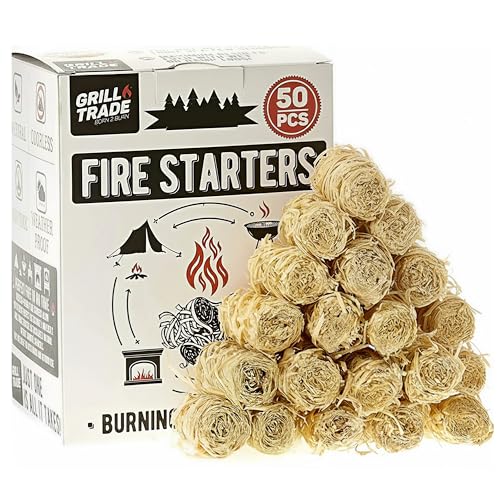
If you've ever struggled to get charcoal glowing on a damp morning or fought with lighter fluid fumes at a tailgate, you know the value of a reliable fire starter. The Grill Trade Fire Starters are small cubes made from pine wood shavings bound with food-grade wax. They light with a single match and burn steadily for 8 to 10 minutes, giving your coals or kindling enough sustained heat to catch and spread. Because they're odorless and leave no chemical residue, they work great for grills, smokers, campfires, and even indoor fireplaces or wood stoves.
These starters shine in less-than-perfect conditions. Their weatherproof coating means they'll spark up in light rain or windy gusts without sputtering out. For backyard grillers who cook year-round or campers who don't want to baby a fire, that reliability is a real plus. Each pack holds 50 cubes, and each cube is about the size of a large ice cube - easy to toss into a bag or stash in a grill caddy. You won't need to haul bulky lighter fluid cans or deal with messy electric starters.
Burn performance is straightforward: light one cube, place it under your charcoal chimney or pile of coals, and in 8-10 minutes you'll see the coals start to ash over. For smaller grills or campfire setups, a single cube is enough. For larger loads, using two cubes speeds things up. The wax and wood combination produces a steady, moderate flame that doesn't flare up aggressively, so it's safer around kids or pets than dousing coals with accelerant. And since it's food-grade, you don't have to worry about chemical off-gassing tainting your steak or burger.
Build quality is simple but effective. The cubes are firm and compact, with no loose sawdust or broken edges in the bag. They store well in the original box or any dry container, and because they're odorless, they won't perfume your camping gear with a smoky scent. The 50-piece count means you'll get several cookouts or camping trips out of one purchase. At this price point, they're competitive with other natural fire starters on Amazon, though you'll want to check the per-piece cost if you're a heavy user.
There are a couple of limitations to keep in mind. Each cube is single-use, so if you're an eco-conscious cook, you might prefer a reusable electric starter or a simple chimney method with newspaper. Also, while they light larger logs in a fire pit, you'll get best results when you have a good base of kindling or small splits. For a backyard BBQ enthusiast who cooks on weekends or a camper who wants one less thing to worry about, these starters are a practical, low-mess solution. They make a thoughtful gift for grill lovers too - something every outdoor cook can use.
Overall, the Grill Trade Fire Starters deliver on their promise: clean, fast, weather-resistant ignition without chemical odors. If you're tired of lighter fluid's aftertaste or want a reliable backup for rainy-day grilling, grab a pack. They're not flashy, but they do the job right where it matters - getting your fire going so you can focus on cooking.
Complete Guide to Building and Managing Heat on Compact Grills
Starting a fire in a small grill successfully requires balancing oxygen, fuel volume, and heat concentration within a restricted space. Because portable firebowls hold less air than full-sized kettles, minor mistakes in coal placement or damper adjustments can quickly extinguish developing embers. Establishing an efficient fire requires organizing your workspace, choosing clean ignition sources, and allowing the draft to draw fresh air upward through the coals.
Understanding Airflow and Draft Mechanics in Small Charcoal Cookers
Every charcoal fire relies on a continuous convective draft to survive. Cool air enters through intake vents located near the bottom of the grill, feeds the burning coals with fresh oxygen, and exits through top exhaust dampers as hot gas. In a small grill, the physical distance between the intake vents and the cooking grate is short, which leaves very little margin for error. If the bottom vents become blocked by spent ash or poorly positioned fuel, the convective loop stalls and the fire suffocates before reaching cooking temperatures.
Managing the intake damper serves as your primary temperature control lever throughout the entire cook. Opening bottom dampers completely supplies the maximum volume of oxygen, causing the charcoal to burn aggressively and produce intense direct heat. Partially restricting the intake reduces oxygen availability, which slows combustion and lowers the operating temperature of the firebed. You should always keep the bottom vents wide open during the lighting phase so the newly ignited embers can spread freely across adjacent coals.
Top exhaust dampers determine how quickly heat and combustion gases escape the cooking area. Keeping the exhaust vent fully open prevents bitter creosote from collecting on your food while encouraging a strong upward draw through the fuel bed. Restricting the exhaust vent too early traps moisture and heavy smoke inside the chamber, which dampens nascent flames. Adjust the exhaust only after the coals are completely lit and you need to stabilize temperatures for indirect roasting.
Preparing the Firebox and Arranging Fuel for Reliable Combustion
Thorough preparation of the grill base ensures that fresh fuel receives adequate air from below. Residual ash from prior grilling sessions absorbs atmospheric moisture and packs tightly into ventilation holes, choking off air before you strike a match. Before loading new charcoal, remove the cooking grate, empty the ash pan, and sweep away any debris clinging to the interior walls. Clearing these passages ensures that rising thermal currents encounter no resistance as the fire develops.
The type of charcoal you select directly influences how easily the fire ignites in a restricted space. Natural lump charcoal consists of charred hardwood pieces that catch fire rapidly, generate minimal ash, and produce high searing temperatures. Charcoal briquettes are manufactured from compressed wood char and binders, providing a uniform shape and extended burn times at a steady rate. Briquettes work well for sustained cooking on small grates, but they produce more powdery ash that can cover intake openings if fuel is packed too tightly.
Fuel arrangement inside a small firebox requires a structured pattern rather than a scattered pile. Building a loose pyramid or cone shape concentrates heat at the center while leaving generous gaps between individual pieces for airflow. Alternatively, using a compact charcoal chimney starter concentrates the updraft within a vertical cylinder, igniting fuel in a fraction of the time needed for open-pile methods. Once the chimney coals ash over, you can dump them into the grill base in an organized bed.
Natural Fire Starters Versus Chemical Lighter Fluids
Liquid lighter fluid remains a common shortcut, but petroleum accelerants introduce significant drawbacks to small grill cooking. In confined fireboxes, lighter fluid tends to pool at the bottom of the grill, soaking the metal and generating noxious chemical vapors that permeate food. Furthermore, volatile fluids create aggressive flare-ups upon ignition, creating singe hazards for cooks working near compact tabletop units. Once the initial flash burns off, liquid accelerants frequently leave the interior coals unlit, resulting in smoky frustration.
Natural fire starters made from compressed pine wood shavings and food-grade paraffin wax offer a cleaner, safer ignition method. Products like the HGD Natural Fire Starters ignite quickly without matches when exposed to a lighter flame and maintain an active burn for eight to ten minutes. That sustained burn time delivers enough continuous thermal energy to ignite dense hardwood charcoal without relying on petroleum distillates. Because these starters are waterproof and odorless, they light reliably in outdoor conditions without leaving chemical residues on the grill grates.
Similarly, the Grill Trade Fire Starters utilize pine wood shavings blended with vegetable or food-grade wax to deliver eight to ten minutes of clean combustion per piece. Using individual starter cubes allows you to target the ignition point precisely at the base of your charcoal mound. Compact timber firestarters, including the DIMTORI 70 pcs Fire Starter, rely on pine shavings and plant-based binders designed for all-weather durability. These odorless starters fit easily into camping packs and light damp wood or dense briquettes without compromising food flavor.
Step-by-Step Lighting Procedure Using Starter Cubes and Chimneys
Executing a reliable lighting routine eliminates guesswork and brings your small cooker to cooking readiness within fifteen to twenty minutes. Begin by opening all bottom intake vents completely to establish maximum draft potential through the base of the firebox. If you are using a compact charcoal chimney starter, place one or two natural starter cubes on the lower charcoal grate and light them with a long match or butane lighter. Set the chimney directly over the burning cubes so the flame reaches the bottom layer of charcoal through the chimney wire grid.
As the natural starter burns, heat draws upward through the cylinder, igniting the lower coals and progressively catching the pieces above. The vertical chimney acts as a thermal accelerator, channeling convective currents through the fuel bed without requiring bellows, fanning, or flammable sprays. You will observe thick smoke give way to clear heat waves as the combustion stabilizes inside the metal tube. Avoid moving or jostling the chimney while the interior coals are catching fire.
If you prefer lighting charcoal directly in the grill bowl without a chimney, place two starter cubes directly on the bottom grate near the center. Construct a loose pyramid of charcoal briquettes or lump wood over the cubes, ensuring you leave small open tunnels so air reaches the ignition cores. Light the starter cubes through the openings and leave the grill lid completely off during the initial ten minutes. Closing the lid too early deprives the young flame of oxygen and snuffs out the starter before the charcoal catches.
Coals reach proper cooking readiness when their surfaces are covered in a uniform layer of fine gray-white ash with glowing orange centers visible underneath. Dumping or spreading coals before they reach this stage results in rapid temperature drops and persistent smoke. Once the ashed-over stage is reached, use heat-resistant tongs to position the coals into your desired cooking configuration and replace the upper cooking grate to preheat for five minutes.
Self-Contained and Pull-Ignition Disposable Grills
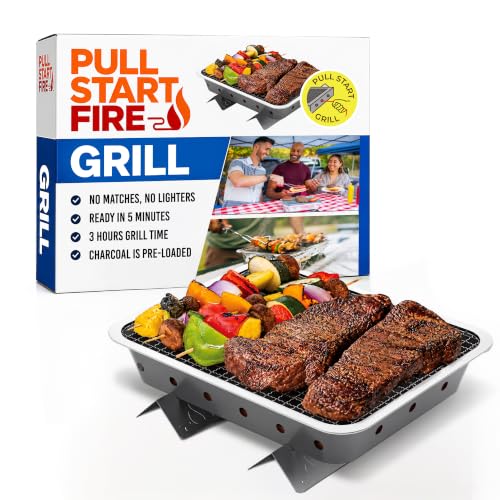
For outdoor adventures where packing separate chimneys, fire starters, and fuel bags is inconvenient, all-in-one portable solutions provide instant cooking capability. The Pull Start Fire Grill, Natural Hardwood Charcoal integrates a pre-loaded charcoal brick and an ignition mechanism into a compact package measuring 13 by 10 by 2 inches. Weighing just 3 pounds, this disposable setup lights with a single manual pull string, bypassing the need for matches, kindling, or liquid fire starters entirely. The internal draft design brings the pre-loaded hardwood charcoal to full cooking heat in roughly five minutes.
Single-pull portable grills utilize an engineered stainless steel cooking grate positioned over a stabilized charcoal core designed to deliver up to three hours of even heat. Because the fuel block is calibrated for uniform combustion across the entire surface, hot spots and sudden grease flare-ups are substantially reduced. Stabilizing feet keep the metal base elevated and level on flat outdoor ground, picnic tables, or tailgate platforms. Once your cooking session finishes and the coals cool completely, the entire unit can be disposed of, eliminating post-cook ash scrubbing.
These integrated cooking kits serve as excellent emergency backups during power outages or spontaneous beach trips where storage space is minimal. However, cooks must still respect proper outdoor airflow clearances when operating disposable units on picnic tables or tailgate beds. Never operate self-igniting disposable grills on unstable surfaces or near dry brush, and always ensure embers are fully extinguished with water before final disposal.
Managing Heat Zones and Flare-Ups on Limited Grate Surfaces
One common mistake on small grills is spreading burning coals evenly across the entire bottom grate, creating a single intense heat zone. When all your cooking surface sits directly over glowing charcoal, dripping fat from burgers or chicken wings triggers instant grease flare-ups with nowhere to move the food to safety. Establishing a two-zone fire allows you to control the cooking process, even on compact grates measuring fourteen to eighteen inches across. By manipulating coal geometry, you gain both searing power and gentle roasting space.
To build a two-zone configuration, bank your glowing coals entirely to one half of the lower charcoal grate, stacking them two to three layers deep. Leave the opposite side completely bare of fuel, creating an indirect zone warmed only by ambient radiant heat. Sear your proteins directly over the stacked coals to achieve crisp surface browning, then shift them over to the indirect side to finish cooking through gently without charring. This indirect safety zone also provides the perfect holding area for basting meats with a tangy cranberry barbecue sauce near the end of cooking without scorching the sugars.
Controlling lid position helps regulate ambient temperatures when utilizing two-zone arrangements on small portable cookers. Placing the lid over the grill with the exhaust damper positioned directly above the indirect side draws heat and gentle smoke across the resting food before exiting. If a sudden flare-up occurs on the direct side, simply cover the grill with the lid and close the top vent halfway to starve the grease flame of oxygen. Never throw water onto charcoal inside a small grill, as the resulting thermal shock can crack enamel coatings and blast scalding steam upward.
Introducing Wood Smoke to Compact Charcoal Firebeds
Adding authentic wood smoke to a small charcoal grill requires restraint and careful placement to prevent overwhelming the food. Because small fireboxes contain limited air volume, adding large, unsoaked wood chunks can quickly drop the firebed temperature or trigger excessive smoldering that deposits bitter creosote on your ingredients. Small hardwood chunks or dry wood chips work best when applied sparingly over an established bed of glowing coals.
To generate clean, thin blue smoke rather than heavy white soot, place a single seasoned wood chunk directly along the outer edge of your glowing coals rather than dead center. Positioned on the perimeter, the wood smolders slowly as radiant heat warms the fibers, releasing fragrant aromatic compounds without bursting into open flame. If you are cooking thin cuts like steaks, pork chops, or seafood, a single small piece of applewood, hickory, or oak provides plenty of smoke flavor within a brief cooking window.
When cooking over briquettes on very compact grates, you can also regulate wood combustion by utilizing heavy-duty foil packets or dedicated smoker box setups placed right above the coals. Poking small holes in a foil packet restricts oxygen access to the wood chips inside, preventing premature ignition and allowing wood to smolder cleanly for twenty to thirty minutes. This technique keeps loose wood ash contained so it does not settle onto delicate meats or clog your bottom air dampers.
Crucial Outdoor Clearances and Indoor Carbon Monoxide Warnings
Operating a charcoal grill demands strict adherence to outdoor fire safety practices, especially when using compact or portable equipment. Charcoal combustion produces large amounts of carbon monoxide, an odorless, invisible, and lethal gas that rapidly displaces oxygen in confined environments. You must never operate a charcoal grill inside a home, garage, camper, tent, shed, or screened porch, even if doors and windows are left wide open. An open garage door does not provide sufficient air exchange to prevent deadly concentrations of carbon monoxide from accumulating.
Always place your small grill outdoors on a sturdy, level, non-combustible surface such as concrete, paving stones, or bare packed dirt. Maintain a minimum clearance of ten feet from house walls, vinyl siding, wooden deck railings, overhangs, and low-hanging tree branches. Tabletop grills must rest on heat-resistant outdoor surfaces rather than plastic folding tables that can melt under radiant heat transferred through the firebowl base. Keep a working fire extinguisher, a bucket of sand, or a garden hose within arm reach whenever hot coals are active.
Extinguishing a small charcoal grill safely requires patience and proper vent management. When you finish cooking, close both the bottom intake dampers and the top exhaust vents completely to cut off all oxygen supplies to the firebed. Leave the grill undisturbed with the lid firmly secured for several hours until the exterior metal feels entirely cold to the touch. Never dispose of warm ashes in plastic trash bins or paper bags; transfer spent charcoal into a metal container with a tight-fitting lid and soak with water before disposal.
Troubleshooting Common Ignition Failures and Temperature Drops
When charcoal fails to light or goes out shortly after the starter burns away, poor airflow is almost always the underlying culprit. Verify that the bottom intake vents are completely open and that old ash has not created a physical barrier across the ventilation slots. If the coals ignited on one side but failed to spread, your charcoal pieces may be packed too loosely, preventing thermal energy from jumping between briquettes. Use tongs to gently consolidate the burning embers against unlit pieces to re-establish conductive heat transfer.
Charcoal that has absorbed ambient moisture during outdoor storage represents another frequent cause of stubborn ignition and low grill temperatures. Damp charcoal requires excessive thermal energy just to boil off internal water, producing copious white steam and weak ember beds that extinguish easily. Always store your charcoal bags inside an airtight plastic bin in a dry shed or garage to protect fuel from humidity. If your coals hiss or produce excessive spitting sparks upon lighting, switch to a fresh, dry batch of fuel.
Finally, avoid relying strictly on clock timing to judge whether your grill is hot enough or your food is properly cooked. Checking meat doneness with an instant-read digital food thermometer inserted into the thickest section ensures safe internal temperatures without overcooking delicate cuts. Mastering the mechanics of draft, fuel placement, and natural fire starters guarantees reliable heat control every time you fire up your compact grill.


Write Your Review
No reviews yet. Be the first to share your experience!