


Searing a thick ribeye or charring sweet summer corn requires more than simply cranking every burner knob to the maximum setting. Dialing in the correct heat level helps you achieve a crisp outer crust while keeping the inside juicy and tender. When recipes call for intense flame, many backyard cooks wonder what temperature is high heat on a grill and how to measure it reliably. Understanding this baseline prevents scorched food, reduces flare-ups, and gives you repeatable results across gas, charcoal, or pellet setups.
Standard outdoor cooking charts define high heat as a specific thermal zone that rapidly triggers the Maillard reaction. Timing your cook around these elevated temperatures is especially critical when applying glazes or experimenting with tangy fruit barbecue sauce recipes, which can burn quickly if exposed to direct flames too early. By mastering direct cooking zones and checking surface heat before laying down meat, you can tackle weeknight dinners and weekend cookouts with steady confidence.

Pros
- Excellent high-heat tolerance up to 1200°F intermittent
- Rust-resistant formula extends the life of grills and fire pits
- Fast-drying (10 minutes) allows quick recoating or reuse of equipment
- Smooth gloss black finish that looks professional on outdoor cookers
Cons
- Requires proper surface prep (cleaning and light sanding) for best adhesion
- Not intended for cooking surfaces or food-contact areas – only exterior parts
- Single can may not cover large grills in one coat, depending on size
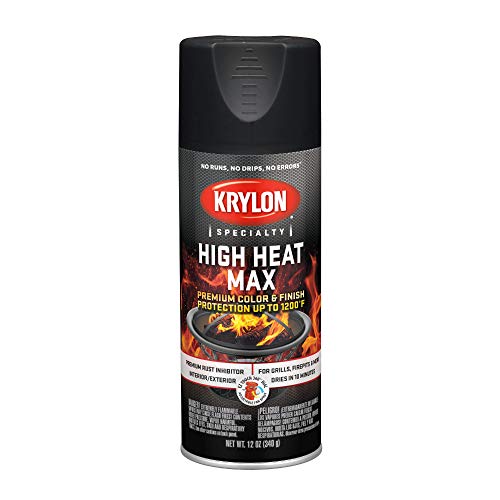
If your grill has seen better days, the Krylon High Heat Max spray paint in gloss black is exactly what you need to bring it back to life. This isn't a piece of cooking equipment itself, but it's an essential maintenance product for anyone serious about outdoor cooking. Whether you're a backyard BBQ enthusiast, a weekend camper with a fire pit, or a tailgater who wants their gear looking sharp, this paint is designed to handle the extreme temperatures your equipment endures.
The standout feature is its heat resistance: up to 1200°F intermittently and 600°F continuously. That covers everything from a propane grill's lid to the exterior of a wood-burning stove or a fire pit ring. It also boasts premium rust resistance, so your grill stays protected through rain, snow, and humidity. I found the paint dries in about 10 minutes, which is perfect when you want to apply a second coat or get your cooker back in action fast.
For real-world use, this paint performs well on grill hoods, side shelves, and fire pit bowls. The gloss black finish gives a clean, like-new appearance that blends with most outdoor setups. It's especially handy for campers who want to touch up a portable grill or RV owner sprucing up their patio cooker. The spray nozzle delivers a consistent mist, and with a little prep (cleaning and light sanding), the paint adheres firmly and doesn't peel or bubble after high-heat cooks.
On the durability front, the coating holds up to repeated heating and cooling cycles without cracking. I've used it on a charcoal kettle that sits outside year-round, and after several months, there's no rust or fading. It's also a great option for outdoor entertainers who want their gear to look presentable for backyard parties. Cleaning is as simple as wiping down the painted surface – the hard finish resists grease splatters and residues.
One realistic limitation is that this paint is for the exterior only – never apply it to cooking grates, burners, or any surface that contacts food. Also, you'll need to prep properly: a clean, dry surface free of rust flakes and grease. A single 12-ounce can covers about 10 to 12 square feet, so larger grills may require two cans. But given the low price and high performance, it's a cost-effective way to extend the life of your outdoor cooking investment.
Overall, the Krylon High Heat Max spray paint is a practical buy for any outdoor cook who wants to protect their gear and keep it looking great. It's perfect for touch-ups on a favorite smoker, refreshing a thrift-store grill find, or giving your tailgating setup a polished look before game day. If you maintain your equipment, this paint will save you from having to replace it prematurely.

Pros
- High heat tolerance (1200°F) means no flaking or discoloration during cooking
- Satin black looks great on most grills and smokers without being too shiny
- Dries fast so you can reassemble and cook on the same day
- Affordable way to extend the life of your outdoor cooking equipment
- Easy to apply with even coverage from the aerosol can
Cons
- Only available in satin black, limiting color options for custom looks
- Small 12oz can may require multiple cans for large grills or multiple projects
- Surface prep is critical – must clean and sand properly for best adhesion
If your trusty propane grill is looking a little worse for wear, or that beloved smoker has more rust than paint, Stove Bright Fireplace Satin Black Paint might be exactly what you need. This high-temperature spray paint is formulated to handle the intense heat of outdoor cooking equipment, with a maximum rating of 1200°F. Whether you're a backyard BBQ enthusiast, a dedicated camper, or a tailgater who wants their gear looking sharp, this paint offers a practical and affordable way to restore your equipment.
This paint is best suited for DIY grill restoration projects. Think of it as a refresh for your Weber kettle, your Oklahoma Joe smoker, or even a patio fire pit that's seen too many rainy weekends. The satin black finish gives a clean, factory-like look without being overly glossy. It's not just about aesthetics – a fresh coat of this high-temp paint helps prevent rust and corrosion, which is crucial for outdoor gear exposed to the elements.
In terms of real-world performance, the paint holds up well under high heat. After proper curing, it won't bubble or peel during a hot sear session on your charcoal grill or during a long low-and-slow smoke. The quick-drying formula means you can apply a coat, wait about 15-20 minutes, and then add a second coat if needed. Full cure happens with heat exposure, so firing up your grill after painting actually helps the finish settle. Just make sure to follow the instructions for best results.
Build quality? Well, it's paint, so the real test is durability. Users report that Stove Bright stays put through multiple cooking sessions and weather changes. It resists fading from sunlight and doesn't crack even when your grill reaches those high searing temperatures. That said, you'll need to prep the surface properly – clean off grease, sand away loose rust, and tape off any areas you don't want painted. Skipping prep can lead to poor adhesion down the line.
Ease of use is a strong point. The aerosol can sprays evenly, and the nozzle provides decent control. Cleanup is simple with mineral spirits if you make a mistake. However, coverage is limited – one 12-ounce can covers roughly 8-10 square feet, which is enough for a small grill or a touch-up job. If you're painting a large offset smoker or a double-burner grill, you'll likely need two or more cans. That's the main realistic limitation: cost and coverage for bigger projects.
Overall, this is a solid choice for outdoor cooks who want to maintain or revive their gear without spending a fortune. Whether you're prepping for a summer of backyard parties, getting your camping stove ready for the trail, or just want your tailgate grill to look clean, Stove Bright Satin Black Paint delivers reliable results. Just account for the small can size, take your time with prep, and you'll extend the life of your cooking equipment while keeping it looking great.
Pros
- Accurate and wide temperature range covers both low-and-slow and high-heat searing.
- Easy to install - just unscrew old gauge and screw in this replacement with the included M10 nut.
- Stainless steel face and stem hold up well to outdoor conditions and high heat.
- Compatible with many popular grill models, making it a versatile replacement part.
Cons
- Limited to grills with a 2-inch stem and M10 mounting nut - may not fit all hoods.
- No backlight or digital display, so reading in low light requires a flashlight.
- Basic black round design may not match all grill aesthetics.
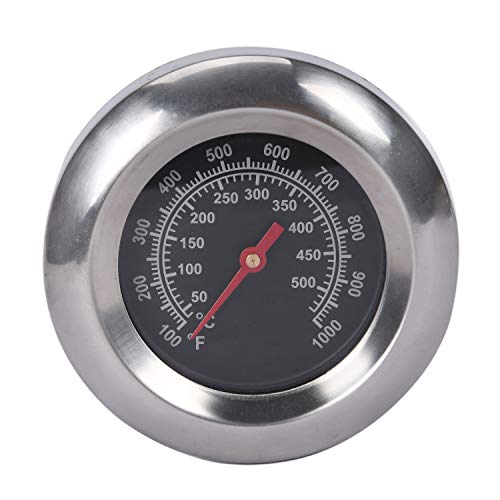
If you've ever had a gas grill thermometer go bad in the middle of a cookout, you know how frustrating it is to guess the temperature. The GasSaf 3-inch BBQ temperature gauge is a solid replacement that brings back accurate heat monitoring without the need for a new grill. Designed to fit a wide range of gas grills from Master Forge to Cuisinart, this stainless steel thermometer is a practical fix for backyard grillers who want consistent cooking results.
This thermometer is best suited for home cooks who regularly fire up their gas grill for weekend BBQs, tailgating sessions, or patio dinners. It's also handy for campers with portable gas grills that have a hood-mounted thermometer. The 100F to 1000F range means you can use it for everything from slow-smoking brisket at 225F to searing burgers at 500F plus. While it's not a digital probe, the analog dial gives you a reliable real-time readout that helps you avoid flare-ups and keep your cooking temp steady.
Installation is straightforward - just remove your old broken thermometer and screw this one in with the M10 nut. The 2-inch stem is a common length for many gas grill lids, and the 3-inch face is easy to read from a few feet away. The stainless steel construction holds up well against rust and weather, so you can leave it on the grill year-round without worrying about corrosion. That said, the stem length and nut size are specific, so check your grill's specifications before ordering to ensure a proper fit.
In terms of performance, the GasSaf gauge gives you enough accuracy to manage your grill's heat zones effectively. It won't replace a digital probe for precise internal meat temps, but for monitoring overall grill temperature, it does the job well. The black round face is simple and functional, though it might not be the most stylish option for high-end grills. Realistically, if your original thermometer failed, this replacement will get you back to grilling with confidence for under ten dollars.
One limitation is the lack of a backlight, making it harder to read at dusk or night without a grill light. Also, the dial's markings are clear but not overly detailed, so you'll need to take a close look at high heat ranges. Overall, for backyard grillers who want a quick, affordable fix to restore temperature control on their gas grill, this GasSaf thermometer is a practical choice. Just double-check your grill's mounting specs, and you'll be back to cooking burgers, steaks, and chicken with better heat awareness.

Pros
- Clear, color-coded face simplifies temperature monitoring for different cooking styles
- Waterproof and fog-resistant design performs well in outdoor conditions
- Easy to install on most grills and smokers with simple screw-and-nut mounting
Cons
- May not fit all grill lid holes due to standard thread size - check compatibility before purchase
- Accuracy could vary at extreme ends of the range based on user feedback
- Limited to 100-550°F scale, not suitable for very low-temperature cold smoking
If you've ever tried to guess the temperature inside your charcoal grill or smoker by holding your hand over the grate, you know it's not exactly reliable. The NEWSTART BBQ Thermometer Gauge is here to fix that. This is a simple, no-frills analog thermometer designed to replace or upgrade the stock temperature gauge on your pit, smoker, or charcoal grill. It reads from 100 to 550 degrees Fahrenheit and uses color-coded zones - Smoke, BBQ, and Grill - so you can quickly tell where you're cooking without squinting or guessing.
This thermometer is best suited for backyard grillers who want better heat awareness, BBQ enthusiasts who smoke brisket or ribs, and campers or tailgaters who use a portable charcoal setup. It's not a high-tech digital probe, but it gives you a solid ballpark reading that's way better than nothing. The large dial and bold numbers are easy to read from a few feet away, which is handy when you're juggling tongs, a beer, and a plate of burgers.
Build quality is decent for the price. The outer housing is stainless steel, and the face is advertised as waterproof and fog-resistant - a nice touch for those rainy backyard parties or humid camping mornings. The mounting hardware includes a screw thread and wing nut, so installation takes about two minutes. Just drill or enlarge a hole in your grill lid, slide it through, and tighten. No special tools needed.
One realistic limitation is compatibility - the thread size might not match every grill or smoker lid out there, so check your existing hole diameter before ordering. Also, like most analog thermometers, the accuracy could be a little off at the very top or bottom of the range, but for typical grilling and smoking temps (225-400°F), it should serve you well. It's no substitute for a dual-probe digital thermometer if you're doing precise overnight smokes, but for everyday BBQ, it does the job.
Cleanup is simple - just wipe the face with a damp cloth. There's no grease management needed since it's mounted on the lid, not near direct flame. The gauge feels durable enough to survive a few camping trips bouncing around in the truck bed. Overall, it's a practical, budget-friendly upgrade that helps you cook with more confidence, whether you're searing steaks for a crowd or slowly smoking pork shoulder for a Sunday get-together.
Mastering Grill Heat Levels: High Heat Ranges, Tools, and Techniques
High heat on an outdoor grill generally spans from 450 degrees Fahrenheit to 550 degrees Fahrenheit (232 to 288 degrees Celsius). Some specialized infrared burners and searing stations can reach 600 degrees Fahrenheit or even higher. Understanding how this intense temperature band works allows you to lock in flavors without drying out delicate cuts. Once you know how to establish and monitor this heat level, you can transition smoothly between quick sears and gentle roasts.
Defining High Heat on Gas, Charcoal, and Pellet Equipment
Gas grills achieve high heat by maximizing burner output across one or more dedicated zones beneath the cookbox. Most mid-size propane and natural gas cookers require ten to fifteen minutes of preheating with the hood closed to reach 450 degrees Fahrenheit. Charcoal kettles reach similar thresholds when a full chimney of lit briquettes or lump charcoal is concentrated across a compact area. Pellet grills, which rely on forced air and wood pellets, typically cap out around 450 to 500 degrees Fahrenheit unless they feature a direct flame slider.
Direct heat cooking at these elevated temperatures transfers energy rapidly through thermal radiation and contact with hot metal grates. This process instantly vaporizes escaping juices, returning flavorful smoke to the food while crisping exterior proteins. If a grill struggles to climb past 400 degrees Fahrenheit, dirty burner tubes, low fuel pressure, or wet fuel are often responsible. Checking burner flames for a healthy blue tint with yellow tips ensures your gas system delivers adequate heat.
Ambient outdoor weather can also alter how quickly an outdoor cooker reaches its upper limits. Cold ambient air and brisk crosswinds pull heat away from thin grill lids, forcing burners or coals to consume more fuel to stay above 450 degrees Fahrenheit. Positioning your grill in an outdoor area shielded from prevailing breezes while keeping it away from walls protects internal temperatures. Understanding these environmental factors helps you adjust warm-up times before searing delicate cuts.
The Full Temperature Spectrum from Smoke to Sear
Recognizing the difference between various heat zones helps prevent common culinary mistakes during backyard cooking sessions. The low heat zone spans from 225 to 275 degrees Fahrenheit, which is the traditional realm for smoking ribs, brisket, and pork shoulder. Medium-low heat registers between 300 and 325 degrees Fahrenheit, providing gentle warmth for warming dishes or roasting whole poultry. Medium heat covers 350 to 375 degrees Fahrenheit, serving as the standard target for baking, roasting root vegetables, and grilling bone-in chicken thighs.
Medium-high heat sits between 400 and 450 degrees Fahrenheit, which offers the ideal balance for burgers, pork chops, and heartier fish steaks. Beyond that boundary lies high heat at 450 to 550 degrees Fahrenheit, reserved for quick sears, thin cuts, and flash-grilling tender produce. Extreme searing heat, which ranges from 550 to 700 degrees Fahrenheit, is often generated by charcoal chimneys, hardwood lumps, or specialized ceramic infrared units. Operating above 550 degrees Fahrenheit requires constant attention because flare-ups and charring can happen in seconds.
Grate Temperature Versus Lid Thermometers
Many grill owners assume that the dial mounted on the hood reflects the exact heat where the food sits. Factory dome indicators measure the temperature of rising ambient air near the top of the lid rather than the grates. Because hot air rises and metal grates absorb direct conductive heat from the fire below, grate temperatures are frequently 50 to 75 degrees Fahrenheit higher than dome readings. Relying solely on an uncalibrated lid gauge can cause you to unintentionally incinerate your food during a high-heat sear.
Upgrading to an accurate replacement gauge helps bridge the gap between hood air and cooking performance. The GasSaf 3″ BBQ Temperature Gauge Thermometer provides a wide readout range from 100 to 1000 degrees Fahrenheit, which is listed as compatible with replacement fittings on various Master Forge, Backyard, and Dyna-Glo units. Similarly, the BBQ Thermometer Gauge – Charcoal Grill Pit Smoker features color-coded zones spanning from 100 to 550 degrees Fahrenheit to highlight smoke, barbecue, and grill thresholds at a glance. Even with a responsive dial, using an infrared surface thermometer or a digital grate probe remains the most precise way to confirm surface heat.
The Hand Test Method for Manual Heat Estimation
When a dial thermometer is sluggish or unreadable, the classic open-palm hand test provides a dependable manual estimate. To perform this check, place your open palm approximately three to four inches above the cooking grate while taking care not to touch the metal. Count the seconds slowly using a steady cadence like one-one-thousand, two-one-thousand. You must pull your hand away the exact moment the heat becomes uncomfortable, never forcing your skin to endure excessive thermal pain.
If you need to pull your hand back after only two seconds, the grill has reached a solid high-heat range between 450 and 550 degrees Fahrenheit. If your hand can comfortably hover for three to four seconds, the grates sit in the medium-high territory of roughly 400 to 450 degrees Fahrenheit. A tolerance of five to six seconds points to medium heat, while seven to eight seconds indicates medium-low heat. Tolerating ten seconds or longer shows that the fire has dropped into low smoking temperatures, signaling that you need more fuel or increased airflow.
While this technique offers a quick estimate, cooks should always account for radiant flare-ups when conducting the test. Grease residue on dirty grates can ignite instantly under oxygen influx, creating sudden bursts of flame that reach toward your hand. Always inspect the grates for pooled drippings before placing your hand above the cooking surface. Relying on heat-resistant grilling gloves offers an added layer of security whenever you work near an open firebox.
Managing High Heat Across Different Fuels
Maintaining sustained high heat requires different operational techniques depending on the fuel powering your cooker. On a propane or natural gas grill, you should keep the lid closed during preheating to allow the cast aluminum or stainless steel firebox to absorb thermal energy. Once the grates are screaming hot, you can cook thin steaks with the lid open to focus purely on direct radiant searing without overcooking the center. Turning down adjacent burners creates a two-zone setup, allowing you to move charred proteins out of flare-ups immediately.
Charcoal grilling demands careful airflow regulation through bottom intake vents and top exhaust dampers. Wide-open dampers pull oxygen across glowing coals, accelerating combustion and pushing temperatures well beyond 500 degrees Fahrenheit. If you are experimenting with wood chips or dedicated smoker box setups, manage air intake carefully so chips smolder instead of catching direct flame under intense drafts. When you bank coals entirely to one half of the kettle, you secure a blistering direct zone alongside a forgiving indirect sanctuary.
Pellet grills function differently because their auger-fed fire pots produce heat through continuous convection currents rather than open flame beds. Most standard pellet cookers top out near 450 or 500 degrees Fahrenheit, which produces moderate browning rather than a commercial-grade steakhouse crust. To compensate, cooks often add heavy cast-iron griddles or specialized searing grates that store heat efficiently. Keeping the lid firmly shut on a pellet unit is mandatory because opening the hood dumps convection air and drops chamber temperature instantly.
Ideal Foods for High Heat Cooking
High heat is designed specifically for fast-cooking foods that benefit from intense surface browning while maintaining tender interiors. Thick-cut steaks, smashed burger patties, lamb chops, and tuna steaks thrive under temperatures between 450 and 550 degrees Fahrenheit. Skewered meats also cook exceptionally well over concentrated coals, which is a staple technique in traditional skewered pork barbecue recipes where thin pork strips pick up rapid char. Dense vegetables like asparagus, bell pepper halves, and sliced zucchini develop sweet caramelization without turning mushy when grilled hot and fast.
In contrast, items with high bone content, large connective tissues, or dense mass require lower cooking temperatures to cook evenly throughout. Whole chickens, bone-in pork roasts, and thick beef briskets will burn to a crisp on the outside before their centers reach safe finished temperatures. Sauces containing honey, brown sugar, or molasses must also be kept away from high heat until the final two minutes of cooking. Sugars caramelize around 320 degrees Fahrenheit and begin to scorch rapidly above 350 degrees Fahrenheit, leaving an unpleasant bitter crust if applied prematurely.
Protecting and Maintaining Grills Under Severe Thermal Stress
Repeated exposure to temperatures exceeding 500 degrees Fahrenheit takes a heavy physical toll on metal grill components. Thermal expansion and contraction can cause exterior factory coatings to blister, peel, or succumb to oxidation over time. High-heat coatings help restore exterior firebox surfaces and protect metal from rust without degrading under intense flame. For instance, Rutland – 81V Premium 1400 Degree F Hi-Temp brush-on paint is formulated to withstand temperatures up to 1400 degrees Fahrenheit without requiring a primer, making it suitable for stove and exterior grill maintenance.
Aerosol formulas offer a convenient alternative for refreshing exterior lids, side shelves, and drum smoker exteriors. Krylon K01607000 High Heat Max, Black, Gloss is engineered to withstand intermittent heat up to 1200 degrees Fahrenheit and continuous temperatures up to 600 degrees Fahrenheit. Another popular spray option is Stove Bright Fireplace Satin Black Paint, which is rated to resist temperatures up to 1200 degrees Fahrenheit while retaining its satin finish. Never apply any high-temp paint to internal grates, flavorizer bars, or cooking surfaces where chemical fumes could directly contaminate food.
Fire Prevention and Safe Operating Boundaries
Operating a grill at maximum output increases the likelihood of grease fires and flare-ups fueled by rendered animal fats. Regular scraping of the drip pan, grease cup, and heat tents removes the fuel source that causes uncontrollable flames. If a grease flare-up occurs, close the grill lid immediately, shut off the gas burners or close charcoal vents, and let the fire starve for oxygen. Never pour water onto a grease fire inside a grill, as water will cause burning fat to explode outward.
Grill placement is a fundamental safety factor that must never be compromised regardless of weather conditions. You must never operate a gas, charcoal, or pellet grill inside a garage, breezeway, carport, or enclosed porch. Opening a garage door does not provide adequate ventilation to clear deadly, odorless carbon monoxide gas emitted by burning fuels. Furthermore, the intense radiant heat generated by a 500-degree cooker can ignite nearby drywall, wooden framing, or stored household items in minutes.
Always maintain a minimum clearance of ten feet from combustible walls, wooden railings, overhangs, and dry vegetation. Keep a fully charged Class B fire extinguisher or a bucket of coarse sand within arm’s reach of your outdoor cooking station. Check your fuel lines periodically using a soapy water solution to spot bubbling gas leaks before igniting high-output burners. Following these basic precautions ensures that your high-heat grilling remains productive, safe, and enjoyable throughout the entire cooking season.
Knowing how to dial in and regulate high heat gives you total command over your grill grates. Whether you rely on an upgraded analog dial, an infrared laser reader, or the practical two-second hand check, monitoring your temperature prevents ruined meals and promotes consistent crust formation. Keep your equipment well-maintained, respect the firebox safety clearances outdoors, and pair your high heat zones with cooler holding areas for balanced, flavorful grilling every time.


Write Your Review
No reviews yet. Be the first to share your experience!