

Weekend patio cooking brings plenty of rewards, but outdoor appliances inevitably face harsh grease, extreme heat, and unpredictable weather. Anyone planning an outdoor cooking budget will eventually ask how long do gas grills last under routine residential use. While basic economy cookers often struggle past three or four seasons, well-maintained mid-range units and premium high-end two-burner gas grills frequently endure a decade or more. Understanding this operational timeline helps you identify whether a sputtering burner or rusted cooking surface warrants minor repair or complete replacement.
The overall durability of any barbecue setup rarely depends on a single factor. Internal wear accelerates when salty marinades, heavy moisture, and acidic animal fats sit inside the cookbox without prompt cleaning. Components such as cooking grids, heat tents, and igniters naturally degrade faster than thick aluminum or stainless steel housings. Focusing on timely component maintenance and proper seasonal storage can dramatically extend the practical life of your outdoor cooking gear.

Pros
- Cast iron holds heat exceptionally well, giving you consistent cooking temperatures and beautiful sear marks.
- Direct replacement for several popular Dyna-Glo and Blue Rhino models – no adapter needed.
- Properly seasoned and maintained, these grates will outlast cheaper enamel alternatives.
- Light enough (under 6 lbs) to handle easily yet sturdy enough for heavy use.
- Customer support offers hassle-free replacement if the grate arrives damaged.
Cons
- Requires regular seasoning and oiling after each use to prevent rust – not maintenance-free.
- No reviews at launch, so long-term durability is unconfirmed, but cast iron is typically reliable.
- Slightly smaller than some OEM grates? (The dimensions are listed, but double-check fitment for your specific model.)
If you own a Dyna-Glo DGF350CSP, DGF350SNP, or compatible Blue Rhino propane grill, the Uniflasy DG1-70-01-634-R cooking grid grates offer a smart way to revive your outdoor cooking setup. These replacement grates are made from heavy-duty cast iron and are sized to drop right into your 2-burner open cart grill. They’re ideal for backyard grillers, tailgaters, and anyone who wants to get that new-grill performance back without spending on a whole new unit.
Cooking performance really shines with cast iron. These grates heat evenly and retain heat far better than thin enameled bars. You’ll get consistent cooking across the entire grilling surface, and the heat retention allows for excellent searing. Burgers get those deep caramelized crusts, steaks pick up beautiful crosshatch grill marks, and chicken cooks through without hot spots. For weekend BBQs or weekday dinners, these grates deliver reliable results.
Build quality is solid. Uniflasy uses thick cast iron that resists chipping and, with proper care, will hold up for many seasons. The grates come with clear instructions on how to avoid rust: scrape after each use, apply a light coat of oil, keep the grill lid slightly open to allow moisture to escape, and store covered when not in use. Seasoning the grates creates a natural non-stick surface that only gets better over time.
Setup couldn’t be simpler. Just remove your old grates and drop these in. They fit precisely without any wobble. Cleanup is straightforward - a good scrape with a wire brush while the grates are still warm, followed by a quick oil wipe. No complicated washing or soaking required. The weight (under 6 pounds) makes them easy to handle for cleaning and storage.
One realistic limitation is that cast iron demands consistent maintenance. If you neglect to oil or leave them exposed to rain, rust will appear. But that’s true for any cast iron cookware. Also, at launch there are no customer reviews, so long-term performance feedback isnt yet available. However, cast iron has a proven track record in grills and cookware.
Overall, these Uniflasy grates are a practical, cost-effective upgrade for your Dyna-Glo or Blue Rhino grill. They restore searing power, heat consistency, and durability. If you’re a backyard cook or tailgater who values good sear marks and even cooking, this replacement set is a solid buy. Just be prepared to give them a little after-grilling care and they’ll reward you with great meals all summer long.
To keep your Uniflasy cast iron grates in top shape, follow these simple steps after each cook. First, while the grates are still warm (but not hot), use a stiff wire brush to scrape off food residue. Avoid soap - it strips the seasoning. Next, apply a thin layer of high-smoke-point oil like canola or vegetable oil using a paper towel. This prevents rust and builds up a non-stick patina. Finally, leave the grill lid slightly open after cooking to let moisture evaporate, and always cover the grill when not in use. For long-term storage, heavily coat the grates in oil, wrap them in a plastic bag, and store them inside your covered grill. Avoid leaving them exposed to rain or humidity.
Understanding Gas Grill Longevity and Component Wear
Determining how many seasons an outdoor gas cooker will survive comes down to construction materials, operating environment, and routine maintenance habits. Most backyard cooks expect their investment to deliver dependable heat and hassle-free weekend cookouts for years. Yet a gas grill is not a single indestructible monolith, but rather an assembly of separate mechanical and metallurgical parts functioning under intense heat. Evaluating the lifespan of each critical assembly provides a clear roadmap for keeping your cooker running safely and efficiently.
The Realistic Lifespan of Modern Gas Grills
Gas grills generally last anywhere from three to fifteen years depending on the initial build standard and ongoing owner care. Budget-friendly entry-level models constructed from thin stamped sheet metal and basic enameled components typically last between two and five years before corrosion compromises key assemblies. In contrast, solid mid-range grills built with thick cast aluminum fireboxes or commercial-grade stainless steel often deliver eight to twelve years of reliable service. Truly high-end outdoor cookers with thick 304-grade stainless housings can easily surpass fifteen years when maintained diligently by their owners.
Homeowners often assume that once a cooker begins sputtering or cooking unevenly, the entire appliance has reached the end of its useful life. In reality, modern gas barbecues experience uneven component degradation throughout their operational lifespan. Structural elements such as heavy lids, cart frames, and cookbox castings outlast internal wear parts by several seasons. Recognizing this distinction prevents the premature disposal of durable hardware that merely requires a quick internal refresh.
Component Wear Timelines and Why Parts Fail
Internal gas grill components operate under punishing conditions that combine intense direct heat with corrosive food drippings, salt, and grease. Heat deflectors, commonly called flavorizer bars or flame tents, suffer the harshest treatment and typically require replacement every two to four seasons. These metal shields sit directly over open flames while catching sizzling marinades and rendered fats, which causes rapid oxidation and flaking. Once heat tents burn through or develop large rust holes, raw flames strike cooking surfaces directly and cause uncontrollable flare-ups. Inspecting these shields each spring helps you catch thinning metal before serious flare-ups ruin a family meal.
Burner tubes endure prolonged thermal stress and generally last between three and six years before developing gas delivery problems. Corrosion can enlarge burner port holes or rust out structural seams, leading to yellow, uneven flames that fail to generate proper cooking temperatures. Small insects, particularly spiders, frequently build nests inside the venturi tubes during dormant months, restricting airflow and creating dangerous flashbacks behind the control panel. Regular burner inspection and brass wire brush cleaning can prevent blockage, but metal fatigue and internal rusting eventually necessitate swapping in fresh burner tubes. Keeping the burner ports clear preserves fuel efficiency and ensures even temperature distribution across the entire grate surface.
Secondary systems such as push-button piezo igniters, electronic spark modules, and temperature gauges face rapid environmental degradation. Battery-powered electronic modules usually function well for two to four years before internal corrosion or moisture intrusion ruins the delicate contacts. Ground wires and ceramic electrode tips collect sticky grease and carbon deposits, preventing reliable sparking when you attempt to light the burners. Fortunately, ignition failures rarely indicate structural grill failure, as manual lighting with a utility lighter remains a simple, safe workaround while replacement parts are ordered.
How Cooking Grate Materials Impact Longevity
Cooking surfaces dictate how heat transfers to food and represent one of the most frequently replaced components in outdoor grills. Inexpensive wire grates coated in porcelain enamel often deteriorate within two or three seasons of regular backyard use. Once metal spatulas or aggressive cleaning brushes crack the thin glassy enamel coating, moisture reaches the underlying steel and creates rapid rust flakes. This corrosion poses hygiene issues and compromises the non-stick properties that backyard cooks rely on for delicate foods like fish and chicken. Replacing cracked enameled grates promptly keeps your cooking surface safe and clean for everyday family meals.
Heavy duty cast iron cooking grids offer a noticeably more rugged alternative that can last many years when seasoned and protected diligently. Cast iron retains thermal energy exceptionally well, delivering superior searing performance and creating distinct grill marks across steaks and chops. Unlike enameled wire, thick cast iron will not chip away under normal cooking pressure, making it a favorite for demanding outdoor cooks. You can also mix cooking styles on your barbecue by pairing heavy grids alongside griddle plate accessories to expand your breakfast and searing capabilities. That versatility allows you to prepare smash burgers, pancakes, and delicate vegetables right next to sizzling steaks.
The primary vulnerability of cast iron is moisture exposure, which triggers surface oxidation if bare iron remains unprotected by a layer of polymerized cooking oil. Left unattended in a damp climate, an unseasoned cast iron grate can develop a coating of reddish rust in just a few weeks. However, surface rust on cast iron is rarely terminal because the underlying metal remains dense and structurally intact. Thorough scraping, cleaning, and re-seasoning with high smoke point vegetable oil can successfully restore neglected cast iron grids to peak condition. Committing to a consistent seasoning routine transforms cast iron into an exceptionally durable cooking surface that improves over time.
Repair Versus Replace: Making the Economic Decision
Deciding whether to rebuild an aging gas barbecue or haul it to the curb depends on the structural condition of the core housing. If the firebox, hood, and cart remain sturdy without rust perforations, replacing worn internal parts makes sound financial and practical sense. An owner can refresh the burners, heat tents, and cooking surfaces for a modest investment, effectively restoring factory heat output and cooking efficiency. Rebuilding a solid grill body prevents unnecessary metal waste and spares you the hassle of assembling a brand-new cart. Evaluating the total replacement cost against a new grill usually reveals significant savings for the homeowner.
Many popular two-burner cookers, such as the Dyna-Glo DGF350CSP, DGF350CSP-D, DGF350SNP, and DGF350SNP-D series, share standard internal dimensions that accommodate aftermarket upgrades. Aftermarket parts such as the Uniflasy DG1-70-01-634-R Cooking Grid Grates are marketed as replacements for listed part numbers like 101-03011 and fit Blue Rhino GBC1932L models as well. Installing heavy duty cast iron grates on an existing cart gives new life to an older cooker without spending money on a new chassis. Checking dimensions carefully prior to purchase ensures seamless alignment on the firebox support ledges. This simple upgrade restores high-heat searing capability while preserving a functional outdoor cooking cart.
Conversely, terminal failure occurs when the structural integrity of the cookbox or chassis degrades beyond safe operation. If rust eats through the bottom of the firebox, hot coals and dripping grease can fall directly onto the propane cylinder or patio surface. Similarly, broken frame welds, crumbling axle mounts, or severe structural rot around gas valve manifolds represent critical safety hazards. When the firebox floor sags or valves begin seizing, purchasing replacement parts is no longer wise, and investing in a replacement cooker becomes the only responsible choice. Knowing when to retire a hazardous grill protects your home, patio, and family from serious fire risks.
Environmental Factors That Accelerate Grill Deterioration
Outdoor cooking appliances battle environmental stressors constantly, and geographic location plays a major role in overall equipment lifespan. Grills situated near coastal ocean air endure constant exposure to airborne salt particles that accelerate electrolytic corrosion across all ferrous metals. In humid southern regions, elevated ambient moisture settles into internal recesses every evening, fostering oxidation on unpainted surfaces and burner assemblies. Even high-grade stainless steel can develop unsightly tea staining and pinhole surface pitting when exposed to continuous marine moisture. Rinsing salt deposits from exterior surfaces periodically can help slow down this aggressive coastal oxidation process.
Winter weather brings severe freeze-thaw cycles that can crack brittle plastic control knobs and compromise rubber gas hoses. Water that pools inside the grease tray or firebox corners expands when freezing, potentially warping sheet metal seams and loosening structural fasteners. Grills stored completely outdoors without shelter suffer continuous ultraviolet radiation, which degrades protective paint coatings and causes vinyl cart covers to become brittle. Cookers with integrated hoods or flat top grills with a lid offer better weather protection for delicate cooking surfaces compared to open-grate carts. Taking simple seasonal precautions shields vulnerable components from unnecessary moisture exposure during freezing winter storms.
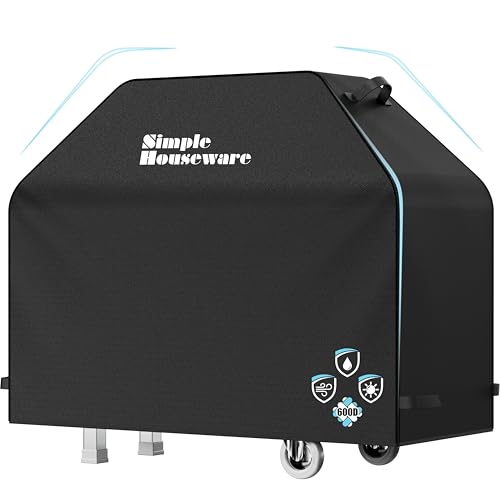
Trapped humidity under tightly sealed waterproof covers can sometimes create worse conditions than leaving the equipment fully uncovered. When temperature swings cause moisture to evaporate from ground soil or damp decks, the rising vapor condenses against the cool metal under the cover. Without proper ventilation, the trapped vapor creates a high-humidity microclimate that rapidly rusts cast iron grates and burner tubes. Ensuring air can circulate freely around the bottom of the cart prevents this destructive greenhouse effect during rainy stretches. Using breathable fabric covers with built-in mesh vents keeps rain off while allowing trapped condensation to escape freely.
Practical Maintenance Routines to Maximize Grill Lifespan
Establishing simple cleaning habits after every cookout is the single most effective way to protect your grill from early failure. After removing your cooked meat, crank the burners on high for several minutes with the lid closed to incinerate clinging food residues into dry ash. Once the surface cools slightly, scrape the grates clean using a reliable, bristle-free grill scraper or wooden paddle. Leaving sugary barbecue sauces or acidic marinades on cooking grids overnight invites localized chemical etching and rust formation. Spending three minutes on post-cook cleanup saves hours of deep restoration work later in the season.
Cast iron cooking surfaces demand routine oil seasoning to maintain a durable barrier against moisture and atmospheric oxygen. After scraping the grids clean, lightly coat the warm cast iron with a thin layer of cooking oil using a silicone brush or paper towel held in grill tongs. Vegetable oil, canola oil, or avocado oil work well because they polymerize into a protective sheen under moderate residual heat. This post-cook seasoning routine ensures your grates remain slick, rust-free, and ready for immediate use during your next cookout. Over time, repeated seasoning layers build a resilient, non-stick cooking patina that enhances heat transfer.
Ventilation control inside the grill cabinet also prevents destructive condensation from forming on internal hardware during downtime. Leaving the top lid dampers or exhaust vents cracked open slightly permits airflow, stopping damp air from becoming trapped in the firebox. Always replace the grill lid once the cooker cools completely, and secure a breathable, water-resistant outdoor cover over the unit. Taking a few minutes to complete these basic steps protects your burners and cooking surfaces from needless weather damage. These simple habits keep rust at bay and ensure your cooker lights smoothly every weekend.
Long-Term Storage and Seasonal Winterizing Methods
Preparing an outdoor cooker for winter dormancy or extended periods of non-use requires a thorough deep-cleaning session. Grease buildup, dripped fats, and stray food crumbs attract rodents and insects seeking warm shelter during cold autumn and winter months. Mice can chew through electronic igniter wiring, while spiders frequently nest in the air mixing chambers behind gas control valves. Scraping the firebox clean, emptying the grease cup, and wiping down inner surfaces denies pests nesting material and food sources. Completing this chore in the fall guarantees a clean, sanitary cooker ready for action on the first warm spring afternoon.
Preserving cast iron grates through harsh winter conditions requires more than a casual wipe with an oily rag. Before packing the grill away, heavily coat the clean cooking grids with cooking oil on both sides to form a solid moisture shield. Wrapping the oiled grates in plastic bags or heavy butcher paper and storing them inside the covered grill keeps atmospheric humidity away. If you have space in an unheated garage or dry shed, storing the wrapped grates indoors provides ultimate protection against freezing condensation. This protective wrapping keeps rust from developing even during extended stretches of freezing, damp weather.
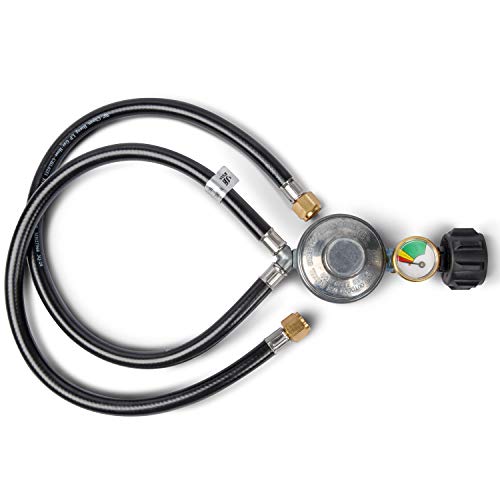
Propane cylinders require safe handling and should always remain outdoors in a well-ventilated area rather than inside an enclosed basement or living quarters. Disconnect the regulator hose from the tank valve, inspect the rubber O-ring for cracks, and cover the fuel intake port with a protective plastic cap. Before lighting the grill in spring, perform a quick soapy water leak check across all gas fittings to ensure freeze-thaw cycles did not loosen joints. These deliberate safety precautions ensure a smooth, worry-free start to your warm-weather cooking season. Storing tanks properly and checking connections prevents hazardous gas leaks on your patio.
Key Takeaways for Extending Your Gas Grill Investment
Viewing an outdoor gas cooker as an assembly of replaceable maintenance parts rather than a disposable appliance completely changes your ownership experience. Budget cookers may only deliver a few seasons if neglected, but conscientious cleaning and timely part swaps can double their practical lifespan. Investing in durable replacement components like heavy cast iron cooking grids delivers better searing heat while extending your grill service life. With regular cleaning, periodic oil seasoning, and sensible weather protection, your gas grill can reliably anchor backyard barbecues for many enjoyable seasons. Taking pride in regular maintenance ensures every outdoor meal turns out perfectly for your family and guests.


Write Your Review
No reviews yet. Be the first to share your experience!