

Smoke curls up, the heat’s just right, and then the fish sticks, flakes apart, or dries out. That frustration is real. Best fish recipes for grill focus on control, simplicity, and repeatable results. You want charred edges and juicy centers, not a broken mess. After analyzing countless recipes and cookbooks, we’ve found the ones that consistently deliver. Whether you’re a weekend warrior or a seasoned pitmaster, these picks will save you from common pitfalls. For more grilling inspiration, check out best chicken recipes for gas grill.
Flavor builds fast on the grill, and timing is everything. Citrus, garlic, herbs, and a touch of spice can transform a simple fillet into something memorable. Grilled fish recipes thrive on bold yet balanced profiles. Marinades soak in quickly, dry rubs create a crave-worthy crust, and a squeeze of lemon at the end cuts through richness. Texture matters too — oily fish like salmon hold up well, while delicate fish need a gentle touch or a grill basket. Preheating and oiling the grates prevent sticking, and flipping only once keeps the structure intact. This mix of technique and simplicity makes easy grilled fish meals a go-to for any cook.

Pros
- Wide variety of recipes for different fish and cooking methods
- DIY smoker building guide adds unique value for outdoor enthusiasts
- Easy-to-follow instructions with natural ingredients
- Portable size fits well in a camping kit or grill-side drawer
Cons
- Some recipes use shorter smoking times (under an hour), which may not satisfy traditional smoking purists
- Lacks detailed brining instructions, focusing more on marinades and rubs
- Limited to fish and seafood, so not a general BBQ cookbook
Fish Grilled & Smoked is a cookbook built for anyone who loves cooking fish outdoors. Written by chef and fisherman John Manikowski, it packs 150 recipes that cover both grilling and smoking for freshwater and saltwater species. Whether you're working with walleye, tuna, bluefish, or perch, this book gives you practical, no-fuss methods to get great results on a backyard grill, a campfire, or a homemade smoker.
This book is best suited for backyard grillers, campers, tailgaters, and outdoor cooks who want to expand their fish-cooking skills. It's especially handy for folks who enjoy catching their own fish and need reliable ways to cook it right at the campsite or in the backyard. The DIY smoker instructions are a standout feature, showing you how to build a smoker using your existing grill, a fire pit, or even materials found in the wild. That makes it a solid pick for RV owners and campers who like to cook over an open fire.
When it comes to real-world cooking performance, the recipes focus on simple marinades and rubs that let the natural flavor of the fish shine. The grilling methods are straightforward, with tips for direct and indirect heat to avoid overcooking. For smoking, the techniques are more about quick smoke infusions rather than long, low-and-slow sessions. Some traditional smokers might find the shorter smoking times (often under an hour) less authentic, but for most backyard cooks, these recipes deliver plenty of smoky flavor without the all-day commitment. The book doesn't dive deep into brining, which is a limitation if you're after that classic smoked fish texture, but the marinades and rubs are easy to prep and work well for fast grilling or light smoking.
Build quality is solid for a paperback cookbook. The 264 pages are well-bound, and the 7 x 9-inch size is easy to handle on a picnic table or countertop. It's not waterproof, so you'll want to keep it away from splashes, but the paper quality is decent and the print is clear. For outdoor use, it's light enough to toss in a camping bin or keep in the RV. No special equipment is needed beyond basic grilling tools, and cleanup is as simple as wiping down your grill or smoker after cooking.
One realistic limitation is that this book is strictly about fish and seafood. If you're looking for a general BBQ cookbook that covers brisket, ribs, or chicken, this isn't it. Also, the smoking methods are more beginner-friendly than advanced, so experienced smokers looking for complex techniques might find it too basic. But for its target audience, it hits the mark.
Overall, Fish Grilled & Smoked is a practical, approachable guide for anyone who wants to cook better fish outdoors. It's a great gift for anglers, campers, and backyard grillers who want to try smoking without investing in expensive equipment. If you're looking for simple, flavorful recipes that work on a grill, campfire, or homemade smoker, this book is worth adding to your outdoor cooking library.

Pros
- Comprehensive and easy-to-follow guide for wood pellet grill beginners and intermediates
- Diverse recipe selection includes both classic BBQ and innovative dishes
- Helpful charts and diagrams simplify temperature control, pellet selection, and meat cuts
- Recipes are practical and designed for real outdoor cooking scenarios
Cons
- Focuses exclusively on wood pellet grills, not suitable for charcoal or propane users
- Some recipes require advance prep or marinade time, not ideal for last-minute grilling
- No photos of finished dishes, which some readers may prefer for visual reference
The Ultimate Wood Pellet Grill Smoker Cookbook is exactly what it sounds like: a thorough, beginner-friendly guide to getting the most out of your wood pellet grill. Whether you are a backyard griller just starting out or a seasoned BBQ enthusiast looking to expand your recipe collection, this book delivers practical advice and delicious smoke-infused dishes.
Best suited for owners of pellet grills who love low-and-slow smoking, the cookbook walks you through everything from choosing your first grill to understanding how different wood pellets affect flavor. The author, Bill West, clearly knows his way around a smoker, and the recipes are written with real-world cooking in mind. You will find classics like Baby Back Ribs and Smoke-Fried Chicken, alongside creative options like Summer Paella and Pickled-Pepper Pork Chops. Each recipe includes recommended pellet types and cooking times, so you can plan your weekend BBQ or tailgate with confidence.
One of the biggest strengths of this book is its focus on temperature control and smoke consistency. The handy charts for timing and temperature take the guesswork out of maintaining steady heat, which is crucial for perfect brisket or pork shoulder. The diagrams of beef and pork cuts are also a nice touch, helping you select the right meat for your cook. For campers and tailgaters, the recipes are designed to work on portable pellet grills as well, though you will need a stable setup and good weather for outdoor use.
Build quality of the book itself is solid: a paperback with 220 pages, easy to flip through while manning the smoker. It is not waterproof, so keep it away from grease splatters, but the layout is clean and readable. The lack of photos might disappoint visual learners, but the instructions are clear enough to follow without them.
Cleanup is not an issue here since it is a cookbook, but the recipes emphasize easy cleanup by using foil pans or minimal mess techniques. Limitations are minor: the book is strictly for pellet grills, so charcoal or propane users will not find direct use. Also, some recipes require overnight marinades, so spontaneous cooks may need to plan ahead.
Overall, if you own a wood pellet grill and want to smoke like a pro, this cookbook is a practical investment. It will help you turn out succulent meats and sizzling sides for backyard parties, camping trips, or everyday dinners. Highly recommended for anyone serious about outdoor cooking with pellets.
The recipes in this cookbook are designed to maximize your pellet grill's heat consistency and smoke flavor. From low-and-slow ribs to hot-and-fast chicken thighs, each dish includes precise temperature ranges and pellet recommendations. The Summer Paella recipe, for example, uses a combination of stovetop and smoker cooking to layer flavors without drying out the seafood. The Smoke-Roasted Chicken Thighs require minimal smoke time and benefit from pecan or oak pellets for a mild, sweet smoke. Overall, the book helps you achieve reliable results whether you are searing steaks or smoking a brisket overnight.
One of the standout features of this cookbook is its emphasis on temperature management. The included charts for timing and temperature are invaluable for pellet grill owners who struggle with maintaining steady heat. The book explains how different pellets burn at different rates and how to adjust your grill's settings for low-and-slow (around 225°F) or hot grilling (up to 450°F). Recipes like the Pickled-Pepper Pork Chops call for 45-50 minutes at a specific smoke level, giving you a clear target to aim for. This guidance helps reduce flare-ups and ensures even cooking across the grate.
This cookbook shines in several outdoor cooking scenarios: weekend backyard BBQs, tailgating parties, camping trips with a portable pellet grill, and holiday feasts like smoked turkey or brisket. The recipes are versatile enough for both casual weeknight dinners and special occasions. For tailgaters, the quick-cooking options like Smoke-Fried Chicken Thighs are easy to prep ahead and finish on site. Campers will appreciate the straightforward instructions that work with smaller pellet grills, though you will need a stable surface and protection from wind. Backyard entertainers can impress guests with showstoppers like Baby Back Ribs or the Summer Paella.
Pros
- Versatile recipes for grilling, smoking, and frying suit different outdoor setups
- Clear instructions help avoid overcooking delicate fish on high heat
- Portable paperback is lightweight and easy to carry on camping trips
- Includes tips for wood chip pairing and temperature control for smokers
Cons
- No specific guidance for pellet grill or flat top cooking methods
- Limited to seafood; doesn't cover meat or vegetable recipes for mixed menus
- Paperback may get damaged in damp outdoor environments without protection
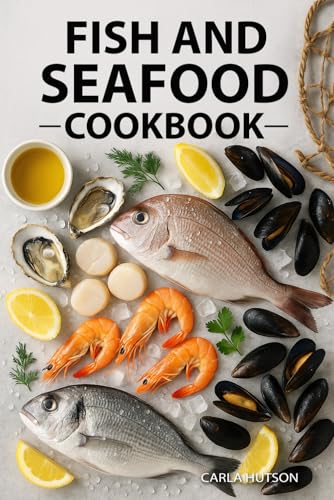
If you're an outdoor cooking enthusiast who loves fish and seafood, the Majosta Fish And Seafood Cookbook is a handy addition to your library. This paperback guide focuses on five cooking methods—grilling, smoking, baking, frying, and steaming—so you can prepare fresh catches whether you're at home on the patio or out at a campsite. It's not equipment, but it solves the real challenge of cooking seafood correctly over fire or coals.
Who is this for? Backyard grillers who want to move beyond burgers and steaks will find plenty of inspiration. BBQ enthusiasts who run smokers can learn new techniques for salmon, trout, or shellfish. Campers and tailgaters who rely on portable grills or camp stoves will appreciate recipes that work with limited gear. Even RV owners can use the compact paperback in a small kitchen. The recipes are written for home cooks, but they translate well to outdoor heat sources.
In real-world cooking, this book helps with heat consistency and smoke flavor. The grilling sections emphasize direct and indirect setups, which is useful for charcoal or gas grills. Smoking recipes suggest wood chip pairings like applewood for mild fish or hickory for robust flavor. There's also guidance on searing scallops or shrimp over high heat without drying them out. For low-and-slow cooking, the smoker recipes cover temperature ranges for fish like mackerel or bluefish. The frying and steaming sections are more suited for indoor kitchens, but they add variety to your meal planning.
Build quality is standard for a paperback: a flexible cover and 6 x 0.29 x 9 inch pages. It's not ruggedized for outdoor use, so you'll want to keep it dry near the grill or campsite. That said, it's lightweight and easy to toss in a cooler or gear bag. No special setup is required—just open to a recipe and follow along. Cleanup is simply wiping off any splatters from the cover—much easier than scrubbing grill grates.
One realistic limitation: the book doesn't cover pellet grills or flat top cooking in depth. If you primarily use a Traeger or Blackstone, you'll need to adapt the methods. Also, it's exclusively seafood, so if you're planning a mixed BBQ menu, you'll need a separate resource for meats and veggies. The paperback binding can also get wet or creased if left out in the rain.
Overall, this cookbook is a practical buy for outdoor cooks who enjoy fresh seafood. If you already have a grill or smoker and want to expand your recipes beyond standard fillets, this guide offers solid techniques without overwhelming jargon. It works for weekend BBQs, campsite dinners, or tailgating spreads. For the price, it's a low-risk way to improve your seafood game over live fire.
This cookbook shines when you're grilling or smoking fish on a charcoal or gas grill. The recipes for cedar-plank salmon and smoked trout are excellent for backyard parties. Campers can use the foil-packet steaming method over a campfire, and tailgaters will appreciate the quick grilled shrimp skewers. RV cooks can utilize the baking and frying recipes in a small kitchen setup.

Pros
- Covers a wide range of cooking techniques suitable for outdoor and indoor use
- Hardcover construction is durable and travel-friendly
- Detailed guidance on heat control and cooking times for perfect results
- Recipes are approachable for beginners yet satisfying for experienced cooks
Cons
- Focuses solely on seafood, so not a general BBQ cookbook
- Hardcover may be heavier than paperback for backpacking
- Some recipes require specific equipment like a fish basket or poacher
If you love cooking fish and shellfish outdoors, this cookbook is a practical companion for your backyard grill, camp stove, or patio cooker. It covers broiling, baking, poaching, and grilling, giving you the flexibility to prepare everything from whole fish to delicate scallops over fire or coals.
This book is best suited for backyard grillers who want to move beyond burgers and steaks, as well as campers and tailgaters who enjoy fresh-caught seafood by the lake or at the stadium. RV owners will appreciate the hardcover durability, and patio cooks can use it to impress guests with perfectly grilled salmon or shrimp skewers.
When it comes to real-world cooking, the book emphasizes heat control and timing. You will learn how to manage your grill's temperature to avoid drying out fish or overcooking shellfish. The techniques for grilling directly over coals or using a cast-iron pan on a camp stove are clearly explained, helping you achieve consistent results whether you are searing ahi tuna or slow-poaching lobster tails.
Build quality is solid. The hardcover binding holds up well against kitchen splashes and outdoor use, and the pages are thick enough to resist tearing. It is not waterproof, but a quick wipe keeps it clean. At about 2.6 pounds, it is portable enough for a camping trip but heavier than a paperback. The dimensions (7.8 x 10.2 inches) make it easy to prop open on a picnic table.
One realistic limitation is that this book focuses entirely on seafood. If you want a general BBQ cookbook, you will need to supplement it with other resources. Also, some recipes call for specialized gear like a fish poacher or grilling basket, though you can improvise with aluminum foil or a cast-iron skillet. Cleanup is straightforward since most techniques emphasize minimal grease and quick cooking.
Overall, this cookbook is a practical buy for anyone who regularly cooks seafood outdoors. It fills a gap in many grillers' libraries and helps you get the most out of fresh catches or market buys. Whether you are hosting a backyard party, tailgating before the game, or cooking at a campsite, the recipes and tips will elevate your seafood game without overcomplicating things.

Pros
- Wide variety of fish recipes from simple fillets to whole fish
- Recipes emphasize natural flavors and easy techniques
- Portable paperback format is great for campsite or kitchen reference
- Affordable price point for a comprehensive grilling cookbook
Cons
- Limited to fish recipes, not a general grilling cookbook
- Some recipes may require specialty ingredients not always available
- Paperback binding may not hold up well in outdoor or greasy environments
If you love grilling fish but feel stuck with the same old lemon-herb fillets, Fish on the Grill from McGraw-Hill Education is a solid resource. This cookbook packs more than 70 recipes that are elegant, easy, and genuinely tasty. It is not just a collection of recipes; it is a guide to mastering fish on any outdoor cooking setup, whether you are using a charcoal kettle, gas grill, pellet smoker, or even a campfire grate.
This cookbook is best suited for backyard grillers who want to move beyond burgers and steaks, as well as campers and tailgaters who enjoy cooking fresh catch by the lake or at the stadium. RV owners and patio cooks will also appreciate the straightforward techniques that work with portable grills and small cooking spaces. The recipes are designed to be simple enough for weeknight dinners but impressive enough for weekend parties.
In terms of real-world cooking performance, the book focuses on techniques that promote heat consistency and proper searing. Many recipes emphasize direct and indirect grilling methods, which help you avoid overcooking delicate fish. The instructions include tips for achieving that nice char without drying out the flesh, and there is good advice on managing flare-ups from marinades or oils. For low-and-slow fish smoking, the book offers several recipes that work well on pellet grills or traditional smokers, though it does not dive deep into temperature control specifics.
Build quality of the book itself is typical for a paperback: lightweight and portable, but not waterproof or grease-resistant. The binding is standard, so pages may loosen over time if you frequently cook outdoors. That said, the compact size makes it easy to toss in a camping bin or keep on a patio shelf. There is no mention of durable covers or spiral binding, so you will want to keep it dry during use.
Ease of use is a strong point. Recipes are clearly written with numbered steps and ingredient lists that are easy to follow. Cleanup is not covered in the book, but the recipes themselves tend to use simple ingredients that do not create a mess. Storage is simple since the book is small enough to fit in a kitchen drawer or camping kit.
One realistic limitation is that this cookbook is exclusively about fish. If you are looking for a general grilling guide, this will not cover your needs. Also, some recipes call for ingredients like specific herbs or specialty oils that may not be in every pantry. But for anyone who enjoys grilling fish and wants to expand their repertoire with confidence, Fish on the Grill is a practical and affordable buy. It is especially handy for campers who catch their own fish and want quick, tasty ways to cook it over an open flame or portable grill.
This cookbook shines in several outdoor scenarios. For backyard BBQ enthusiasts, it offers recipes that turn a simple salmon fillet into a showstopper for weekend gatherings. Campers and RV owners will find the foil-packet recipes and campfire-friendly techniques especially useful for cooking fresh catch without a full kitchen. Tailgaters can prep marinades at home and grill fish fillets quickly on portable gas or charcoal grills. The book also works well for patio cooks who want healthy, elegant meals without spending hours in the kitchen.
While the book itself does not include cleaning instructions, the recipes generally promote easy cleanup. Most dishes use simple marinades or dry rubs that do not create sticky residues on grates. Grilling fish directly on oiled grates or in foil packets minimizes mess. You will still need to brush your grill grates after cooking, but the recipes are designed to reduce flare-ups and stuck-on bits. For the cookbook, keep it away from moisture and grease splatters to preserve the binding and pages.

Pros
- Massive recipe collection (1500+) ensures you never run out of ideas for burgers, steaks, fish, veggies, and more
- Clear, beginner-friendly instructions with practical tips on temperature control and fuel management
- Compact and lightweight paperback – easy to store in a camping bin or keep on the patio table
Cons
- Paperback binding may not hold up well in damp or greasy outdoor environments
- No detailed photos or illustrations for visual guidance on doneness or plating
- Recipes focus on grilling basics rather than advanced techniques like reverse searing or smoking brisket
The Grill Master's Bible is exactly what its title promises: a comprehensive recipe collection that belongs in every outdoor cook's kit. Whether you're firing up a charcoal kettle in your backyard, packing a portable propane grill for a campsite, or tailgating before the big game, this book gives you over 1500 days of inspiration. It covers meat, fish, seafood, and vegetables, so you can plan everything from a quick weeknight burger to a slow-smoked salmon feast.
Who is this book for? Backyard grillers who want to move beyond basic burgers will find plenty of new techniques. BBQ enthusiasts looking to expand their smoke flavor repertoire will appreciate the detailed guidance on heat consistency and searing. Campers and RV owners will love the lightweight paperback that slips easily into a gear bag. Tailgaters can flip through recipes while the coals heat up. And patio cooks who entertain often will discover crowd-pleasing dishes for every gathering.
Real-world cooking performance is where this book shines. The recipes emphasize temperature control and fuel efficiency, teaching you how to manage direct and indirect heat for perfect results. Whether you're doing low-and-slow ribs or fast-grilled steaks, the instructions help you avoid flare-ups and achieve even cooking. The sections on vegetables and seafood are especially valuable for those who want to grill beyond the usual meat lineup.
Build quality is solid for a paperback. The 8x10 inch pages are large enough to read at a glance, and the binding lays reasonably flat on a table. However, it's not waterproof or grease-resistant, so you'll want to keep it away from splatters or use a clear plastic sleeve. At just over half a pound, it's easy to carry to a campsite or store in an RV cabinet.
Setup and cleanup are straightforward: just open the book and pick a recipe. No special equipment needed. The only realistic limitation is the lack of photos, which some visual learners might miss. But the clear, step-by-step text more than makes up for it.
Overall, The Grill Master's Bible is a practical investment for anyone serious about outdoor cooking. It offers real value by helping you master grilling fundamentals while keeping your menu fresh. Grab a copy, fire up the grill, and start surprising your family and friends with delicious results.
With 1500 recipes, this book covers all the bases. You'll find classics like ribeye steaks and BBQ chicken, plus creative options for grilled pizzas, stuffed peppers, and cedar-plank salmon. The seafood section includes shrimp skewers and grilled lobster tails. Vegetable recipes range from simple corn on the cob to elaborate stuffed portobellos. Each recipe lists cook times and heat settings, making it easy to plan multi-course meals for backyard parties or campfire dinners.
This book doesn't just give recipes; it teaches technique. You'll learn how to set up two-zone fires for charcoal grills, manage propane burner output for even heat, and use wood chips for smoke flavor. Sections on marinades, rubs, and sauces help you customize flavors. Tips on resting meat, checking doneness, and avoiding flare-ups are woven throughout. Whether you're a novice or an experienced griller, you'll pick up new skills that improve every cookout.
Frequently Asked Questions
What is the easiest fish to grill for beginners?
Salmon. Its firm flesh and high oil content prevent sticking and drying. Cook skin-side down over medium-high heat until it releases naturally, about 6-8 minutes per inch of thickness.
How do I keep fish from sticking to the grill?
Preheat the grill thoroughly, then oil both the grates and the fish. A clean, hot surface creates a non-stick barrier. Wait until the fish lifts easily before flipping — forcing it tears the flesh.
Should I marinate fish before grilling?
Yes, but keep it short. 20 minutes is enough for flavor without breaking down the texture. Acidic marinades (lemon, vinegar) can make fish mushy if left too long. Pat dry before grilling for better searing.
What’s the best way to grill delicate fish like tilapia?
Use a grill basket or foil packet. This prevents direct contact with the grates and reduces breakage. Cook over medium heat and avoid moving it too much. For more tips on handling different cuts, see our guide on best chicken cuts to grill (the principles translate well).
Can I use frozen fish on the grill?
Yes, but thaw it completely in the refrigerator first. Partial freezing leads to uneven cooking and dry spots. Pat the fish dry after thawing to remove excess moisture.
How do I add smoky flavor without a smoker?
Use wood chips or chunks on a charcoal grill, or a smoker box on a gas grill. Light woods like apple or alder complement fish without overpowering it. Learn the technique in our how to use smoker box with gas grill guide.
What temperature should the grill be for fish?
Aim for medium-high heat, around 375-450°F. Too hot and the outside burns before the inside cooks; too cool and the fish steams instead of searing. Use a two-zone setup for thicker fillets.





Write Your Review
No reviews yet. Be the first to share your experience!