

Stepping into outdoor cooking often brings excitement along with a long list of gear questions. When setting up a backyard station, figuring out what do i need for a grill comes down to separating practical necessities from optional extras. Every cookout requires a reliable heat source, basic food-handling implements, and a safe workspace before the first cut of meat touches hot grates. Setting up a dedicated rolling outdoor prep table provides the necessary staging room for raw ingredients, clean platters, and essential seasonings right beside the cooking zone.
Beyond the cooking appliance itself, high-heat food prep demands dependable heat-resistant hand protection, sturdy stainless steel tongs, and a fast instant-read meat thermometer to ensure food safety. Many beginners focus entirely on the cooker, yet having the proper grill maintenance supplies like a bristle-free scraper makes every cook cleaner and far less frustrating. Equipping yourself with functional apparel, such as a durable polyester apron featuring tool pockets or comfortable cookout attire, also keeps your clothes protected while keeping pocket-sized necessities within arm’s reach.



Essential Equipment and Supplies for Successful Outdoor Grilling
Starting out with a new cooker involves much more than just firing up burners or igniting a pile of briquettes. To run an efficient and safe cookout, every outdoor cook requires a coordinated set of fuel supplies, food-handling tools, temperature monitoring devices, and safety gear. Having these items organized before you light the fire prevents frantic kitchen runs and helps you control cooking temperatures with confidence.
Choosing the Right Fuel and Ignition Supplies
Your primary heating medium dictates everything from cooking style to prep time. Propane grillers need at least one full tank equipped with an accurate gauge, while natural gas users require an approved quick-connect line. Charcoal enthusiasts should stock dense lump charcoal for searing steaks or uniform briquettes for steady, long-lasting roasting sessions. Pellet grill owners need moisture-free hardwood pellets formulated specifically for cooking appliances rather than heating stoves.
Ignition tools deserve careful attention because they directly impact food flavor and operational safety. A charcoal chimney starter remains the best tool for lighting coals quickly without petroleum-based chemical fluids. Electric charcoal lighters or paraffin wax starter cubes provide clean alternatives that ignite briquettes cleanly within fifteen minutes. Avoiding chemical lighter fluids ensures that unburned volatile hydrocarbons will not taint delicate foods like fish or poultry.
Fuel storage practices safeguard both your cooking schedule and your property. Keep spare propane cylinders stored strictly outdoors in upright positions away from direct sunlight and heat sources. Wood pellets absorb moisture from humid air rapidly, which can cause auger jams and weak combustion. Storing pellets and unlit charcoal inside airtight plastic storage bins keeps them completely dry and ready for immediate ignition.
Indispensable Hand Tools for Cooking and Handling Food
Handling hot foods safely requires tools built specifically for outdoor cooking rather than short indoor kitchen utensils. A pair of long-handled stainless steel tongs with scalloped edges provides the firm grip needed to lift heavy roasts or turn slippery sausages. Look for tongs measuring sixteen to eighteen inches to keep hands safely clear of open flare-ups. Spring-loaded mechanisms with manual locking tabs make storage convenient when hanging them from side-shelf tool hooks.
A wide, sturdy spatula is another mandatory implement for turning burgers, fish fillets, and delicate vegetables. Thin, beveled front edges slide easily beneath seared patties to preserve crust development without tearing the meat. Perforated or slotted spatula heads allow excess cooking oils and grease to drain back onto the grates rather than pooling on your plate. Avoid plastic or flimsy nylon spatulas that can soften or warp against searing metal surfaces.
Applying sauces and managing hot grill grates demands protective gear and proper basting implements. Heat-resistant barbecue gloves constructed from aramid fibers or thick silicone protect wrists and forearms when rearranging hot deflectors or opening searing lids. Silicone basting brushes resist scorching temperatures and clean up easily without shedding loose bristles into marinades. Long-handled brushes let you glaze barbecue ribs or chicken pieces during the final minutes of cooking without exposing knuckles to intense radiant heat.
Accurate Temperature Monitoring and Food Safety Tools
Relying on built-in dome heat indicators often leads to improperly cooked meals. Factory lid thermometers sit several inches above the cooking surface and typically measure rising hot air currents rather than actual grate temperatures. Discrepancies between the hood thermometer and the actual cooking grate can easily exceed fifty degrees. Independent digital probe setups eliminate this guesswork by tracking the exact heat where your ingredients sit.
An instant-read digital meat thermometer is the single most valuable tool for verifying food doneness and safety. Thin sensor needles deliver precise internal temperature readings within two to three seconds without letting excessive heat escape from the grill chamber. Checking the thickest portion of meat away from bone provides reliable data that prevents both dry, overcooked poultry and underdone burgers. Pocket-sized digital pens with backlit screens allow effortless readings during evening barbecue sessions.
Food safety standards require specific internal temperature benchmarks to eliminate foodborne pathogens. Whole cuts of beef, pork, veal, and lamb should reach at least 145 degrees Fahrenheit followed by a mandatory three-minute resting period. Ground beef and pork require an internal target of 160 degrees, while all poultry products, including chicken and turkey, must reach 165 degrees. Verifying these readings with a calibrated digital thermometer protects your guests far better than visual checks or arbitrary cooking timers.
Cleaning, Maintenance, and Surface Protection Supplies
Keeping grates clean promotes clean searing, prevents sticking, and reduces uncontrolled grease fires. Traditional metal wire brushes pose well-documented health hazards if steel bristles detach and stick to food grates. Modern alternatives like bristle-free wound steel coil scrapers or custom-notched cedar scraper paddles clean hot grates thoroughly without risk. Cleaning the cooking surface while it remains warm makes removing carbonized residue and burnt marinades significantly easier.
Managing grease buildup requires regular attention below the cooking surface. Disposable aluminum grease drip liners fit inside bottom catch trays to simplify disposal and prevent rancid oil accumulation. Heavy grease deposits inside the cookbox can ignite into dangerous fires if ignored over several cooking sessions. A stiff plastic putty knife helps scrape interior firebox walls during routine seasonal cleaning without gouging factory coatings.
Protective conditioning preserves cast iron and carbon steel grates against destructive outdoor humidity. After scraping off debris, apply a thin coat of high-smoke-point oil such as canola, grapeseed, or avocado oil across warm cooking grates. This seasoning barrier prevents atmospheric moisture from triggering surface rust between outdoor sessions. Covering your outdoor appliance with a heavy-duty, water-resistant grill cover shields sensitive valves, igniters, and metal bodies from persistent rain and ultraviolet light degradation.
Functional Station Organization and Cookout Attire
Smooth grilling workflows depend heavily on sanitary staging habits and clear workstation separation. Utilizing a strict two-tray system prevents cross-contamination between raw ingredients and finished foods. Dedicate one rimmed metal sheet pan for carrying seasoned raw meats out to the cooking area. Prepare a completely separate clean platter or insulated resting pan to receive cooked foods as they leave the grates.
Practical outdoor attire keeps you clean and organized while managing active cooking grates. Durable polyester grilling aprons equipped with large front tool pockets keep meat thermometers, seasoning blends, and cell phones close at hand. Sturdy neck straps and extended waist ties keep protective fabrics centered while flipping burgers or searing steaks over sputtering juices. Breathable cotton shirts and casual barbecue apparel offer comfort during long summer cookouts without restricting arm movement around the heat.
Every outdoor station benefits from dedicated prep surfaces and disposable cleaning supplies. Large wooden or composite cutting boards featuring perimeter juice grooves keep carving juices from spilling across patio tables. Heavy-duty paper towels or washable microfiber cloths allow quick cleanup of accidental spills and oily utensil handles. Stashing these items on side shelves or underneath outdoor carts ensures that unexpected flare-ups or sticky handles receive immediate attention.
Optional Accessories That Expand Grilling Capabilities
Once essential tools are secured, specialized accessories can open up diverse cooking techniques. Flat-top griddle inserts convert a portion of open grates into a smooth searing plancha for smash burgers, diced vegetables, and morning eggs. Perforated stainless steel grill baskets prevent chopped asparagus, shrimp, and onion slices from dropping between open grate bars into the fire. Cast iron grill presses also assist by keeping bacon strips flat and maintaining maximum contact during searing.
Roasting larger cuts of meat benefits from motorized spit equipment that turns foods continuously over indirect coals. Adding an electric rotisserie kit allows whole chickens, prime ribs, and pork roasts to baste in their own rendering juices throughout the cooking process. The constant rotation prevents hot spots and creates an evenly caramelized exterior skin while preserving internal moisture. Heavy-duty spit forks and balance counterweights keep the motor running smoothly without straining the drive mechanism.
Infusing authentic smoke flavor into gas or charcoal setups is straightforward with the right additions. Stainless steel smoker boxes hold aromatic wood chips like hickory, applewood, or pecan directly above active gas burners. When learning how to prepare crispy grilled chicken wings, a gentle kiss of fruitwood smoke elevates the rub without overwhelming the meat. Charcoal users can simply scatter seasoned hardwood chunks directly onto hot coals to generate thin blue smoke for ribs and poultry.
Critical Safety Equipment and Backyard Clearances
Positioning your grill properly is the foundation of outdoor fire prevention. Always operate outdoor cooking appliances on stable, level ground at least ten feet away from house walls, vinyl siding, wooden deck railings, and low-hanging tree branches. Keep the surrounding zone clear of dry leaves, patio furniture cushions, and flammable cleaning products. Maintaining open overhead space allows hot combustion gases and grease vapors to dissipate harmlessly into the open atmosphere.
Never operate fuel-burning grills inside a garage, breezeway, screened porch, or any other enclosed building. Gas, charcoal, and wood pellet equipment generate substantial volumes of invisible, odorless carbon monoxide gas that can accumulate to lethal levels rapidly. An open garage door does not provide sufficient ventilation to prevent toxic gas buildup or protect wooden framing from sudden grease fires. Grilling must always take place entirely outdoors in open-air environments to protect your household from severe health hazards.
Having emergency suppression equipment within arm reach is vital whenever cooking with open fires. Keep a certified Class B or dry chemical fire extinguisher accessible near your outdoor cooking station. If grease ignites out of control, turn off burner control knobs or close charcoal intake dampers and keep the grill lid closed to starve the fire of oxygen. Never pour water onto an active grease fire, as spreading grease droplets will instantly turn small flare-ups into massive fireballs.
Assembling Your Grilling Kit Based on Practical Cooking Needs
Setting up your backyard cooking station does not require purchasing every gadget on store shelves simultaneously. Focus initial investments on the essential four items: reliable fuel, long locking tongs, a fast digital thermometer, and a bristle-free grate scraper. These four core tools cover the fundamental requirements for lighting the cooker, managing hot foods, verifying food safety, and maintaining cleanliness. Once you master basic direct and indirect grilling techniques, add specialty tools that match your favorite culinary styles.
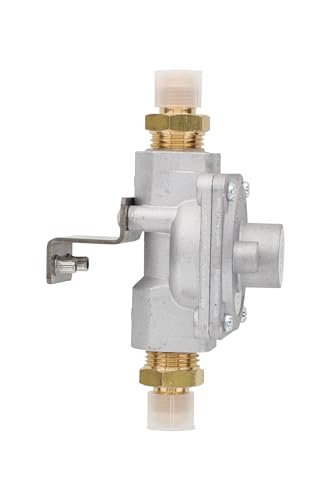
Before launching your first major cookout of the season, perform a thorough inspection of all gear. Conduct a soapy water bubble test on gas hose connections and regulator fittings to detect potential propane leaks. Check that charcoal dampers slide freely and that ash collection pans are completely empty before lighting new coals. Giving grates a brief high-heat preheat burn burns away any factory oils or dust accumulated during storage.
A well-prepared outdoor station transforms barbecue from a stressful chore into an enjoyable routine. Organizing your tools, wearing practical protective clothing, and adhering to strict fire safety protocols ensures great food every time grates heat up. Taking time to establish these foundational habits pays off in consistent temperatures, delicious meals, and memorable cookouts with family and friends.





Write Your Review
No reviews yet. Be the first to share your experience!