


Opening surface corrosion on heavy outdoor cooking grids can look intimidating, especially when you lift the grill hood after a damp winter and see a dusty layer of orange scale. Cast iron remains a favorite cooking surface because it holds heat exceptionally well and creates impressive sear marks, but exposed iron naturally oxidizes when moisture breaks through the protective oil layer. Learning how to clean rusty cast iron grill grates is far simpler than buying a replacement set, as long as you use the right abrasive tools and avoid harsh industrial chemicals that ruin food surfaces. Setting your materials out on a sturdy dedicated outdoor prep cart makes this restorative chore much easier to organize safely before you cook.
Surface rust rarely ruins heavy iron castings completely unless deep pitting has cracked the structural metal. In most cases, standard backyard rust sits on top of old seasoning layers where food grease and atmospheric water met during storage. By removing the flaky oxidized debris, washing the bare metal clean, and applying fresh heat-polymerized cooking oil, you can restore slick non-stick performance in an afternoon. This guide explains every step of the restoration process, highlighting safe bristle-free scrubbing tools, natural soaps, and durable re-seasoning techniques that keep your grates protected for seasons to come.

Pros
- Safe and effective cleaning without bristle concerns - ideal for families and health-conscious grillers.
- Steam-cleaning action tackles burnt-on residue quickly, even after high-heat searing or low-and-slow smoking sessions.
- Replaceable head design offers long-term value and reduces plastic waste compared to single-use brush heads.
- Works on all grill types and grate materials, making it a versatile addition to any outdoor cooking arsenal.
- Heat resistance up to 600°F allows you to clean while grates are still hot, speeding up the cleaning process.
Cons
- Requires preheating the grill and dipping the brush in water, which adds a step compared to traditional dry scraping.
- The initial purchase price is higher than many basic wire brushes, though the replaceable head offsets long-term cost.
- Some users may find the brush head becomes less effective over time as the padding wears, requiring replacement heads.
The Grill Rescue BBQ Replaceable Cleaning Head is a bristle-free grill brush designed for safe, effective cleaning on all types of grates. It uses steam-cleaning technology - simply heat your grill, dip the brush in water, and scrub away grease and residue without the risk of wire bristles breaking off into your food. This makes it an excellent choice for backyard grillers, BBQ enthusiasts, campers, tailgaters, and RV owners who want peace of mind while cooking outdoors.
In real-world use, this brush performs admirably on both high-heat searing and low-and-slow smoking setups. The steam action lifts burnt-on gunk from cast iron and stainless steel grates, leaving them clean with minimal effort. While it doesn't directly affect heat consistency or smoke flavor, a clean grate is essential for good searing and preventing flare-ups, which indirectly improves your cooking results. The heat resistance up to 600°F means you can clean while the grill is still hot, saving time between cooks.
Build quality is solid - the cleaning head uses a high-temperature Aramid Fiber layer that withstands repeated use, and the polypropylene handle offers a comfortable, non-slip grip. The replaceable head extends the brush's lifespan, making it a more sustainable and cost-effective option compared to disposable brushes. It's also dishwasher safe, so cleanup after a long tailgate or camping trip is as simple as tossing it in the machine.
Setup and storage are straightforward: the brush is ready to use out of the box, and its compact size (5 x 4 x 18 inches) fits easily in a grill caddy or camping gear bag. The only limitation is the extra step of preheating and dipping in water, which might feel unnecessary to those used to a quick dry scrape. Also, the upfront cost is higher than basic wire brushes, but the replaceable head design saves money over time.
Overall, this brush is a practical investment for anyone who grills frequently - whether you're hosting a backyard party, smoking brisket on a weekend, or cooking burgers at a campsite. It prioritizes safety without sacrificing cleaning power, and its compatibility with all grate materials adds versatility. If you value a bristle-free, low-maintenance cleaning routine, the Grill Rescue system is worth considering.
To get the most out of your Grill Rescue brush, follow these simple care tips. After each use, allow the brush head to cool slightly, then rinse it under warm water or place it in the dishwasher for a thorough clean. The head is dishwasher safe, but avoid using abrasive cleaners that could wear down the padding.
When the brush head becomes less effective at removing residue - typically after several months of regular use - simply replace it with a new Grill Rescue cleaning head. The handle is designed to snap on and off easily, so swapping heads takes seconds. Store the brush in a dry place away from direct heat to prolong its lifespan. Regular replacement ensures optimal cleaning performance and safety.

Pros
- Effective on heavy grease and charred food residue from low-and-slow smokes
- Works well on both cold and warm surfaces for flexible cleaning after grilling
- Economical - a little goes a long way for multiple cleaning sessions
- Rinses clean without leaving sticky residue that could affect food flavor
Cons
- May require multiple applications for heavily caked-on grime from years of use
- Strong chemical smell during application - use in well-ventilated area
- Not recommended for aluminum surfaces or painted grills
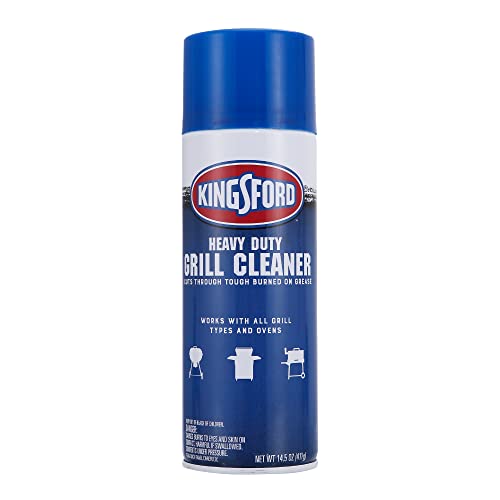
If you spend any time grilling, smoking, or cooking outdoors, you know the cleanup is the least fun part. This heavy-duty grill cleaner is designed to tackle exactly that chore, making it a solid addition to any outdoor cooking setup. It's a spray-on degreaser that works on BBQ grills, smokers, ovens, flat top griddles, and even camping stoves - basically anything that gets coated in grease and carbon after a cookout.
This cleaner is best suited for backyard grillers who fire up their gas or charcoal grills weekly, BBQ enthusiasts who smoke brisket low and slow, campers who need to clean their portable stove after a trip, and tailgaters who want their gear ready for the next game. If you own an RV and cook inside or outside, this is also handy for keeping the oven and grill grates spotless.
In real-world use, the cleaning performance is impressive. It cuts through baked-on grease and charred food residue without requiring heavy scrubbing. After a long smoking session where the grates are covered in black carbon, a few sprays and a short wait let you wipe it away. It doesn't completely eliminate scrubbing, but it reduces elbow grease significantly. The formula works on both warm and cold surfaces, so you can spray right after cooking or let it sit overnight on tough buildup.
Build quality is straightforward - it comes in a standard spray bottle with a trigger nozzle that delivers a wide or narrow stream. The nozzle doesn't clog easily, which is a common issue with thick cleaners. It's safe on porcelain, stainless steel, and cast iron grates, but you should avoid aluminum and painted surfaces. The spray can reach into tight corners of smoker racks and between grates, making it easier to clean those hard-to-reach spots.
Setup and use are simple: spray on, let it sit for a few minutes, scrub if needed, then rinse with water. Cleanup is quick, and the cleaner rinses away without leaving a sticky film that could affect your next meal's flavor. Storage is easy - just keep the bottle in your garage or under the sink. One limitation is that heavily caked-on grime from years of neglect may require multiple applications. Also, the chemical smell is strong, so you'll want good ventilation when using it.
Overall, this is a practical buy for anyone who cooks outdoors regularly. It saves time and effort on cleanup, which means more time enjoying your backyard parties, tailgates, or campsite meals. If you're tired of scrubbing forever after a great cookout, this cleaner makes the after-work much easier. Just remember to wear gloves and work in a well-ventilated area, and your grills and smokers will look like new after each use.



Complete Guide to Restoring and Maintaining Rusty Cast Iron Grill Grates
Restoring oxidized grill grates requires removing degraded metal oxide, lifting carbonized grease, and building a durable layer of polymerized cooking oil over the bare iron. Cast iron is an alloy of iron and carbon that boasts remarkable heat capacity, but its porous surface oxidizes quickly whenever bare metal encounters air and ambient moisture. Abandoning rusty grates is rarely necessary because iron rust remains largely topical during the first few seasons of neglect. By following an orderly mechanical cleaning, washing, and heat-curing sequence, you can bring even severely discolored cooking surfaces back into prime condition.
Assessing Rust Severity: Surface Scale Versus Structural Metal Loss
Before gathering restoration supplies, inspect the grates to confirm the metal remains structurally sound. Surface rust appears as a reddish-orange powdery dusting or thin flaking scale across the exterior of the grate bars. This superficial corrosion brushes away under moderate pressure, revealing solid, dark cast iron underneath. If the metal feels heavy and rigid without crumbling edges, your grates are fully salvageable.
Structural rust behaves differently and requires honest assessment before you invest hours of physical labor. Deep pitting occurs when moisture sits undisturbed against bare iron for years, creating pronounced craters, thinned bars, and brittle corners that can snap under heavy cookware. Tap each section gently against a wooden workbench to verify that the casting does not rattle, crack, or shed thick chunks of metal. When deep corrosion has eaten through more than a third of a bar thickness, replacing the grate assembly is safer than attempting a restoration.
Safe Work Area Setup and Equipment Selection
Rust removal creates airborne iron oxide dust and black grease slurry that can permanently stain patio pavers, wooden decks, and concrete garage floors. Set up your restoration station outdoors in a well-ventilated yard area or on top of a heavy plastic drop cloth. Wear durable work gloves to shield your hands from sharp rust edges and eye protection when scrubbing loose particles. Never attempt to clean or operate fuel-burning grills inside an enclosed space like a garage, as outdoor cooking equipment always requires open-air ventilation.
Selecting the right scrubbing gear prevents unwanted physical damage to both your grates and your food. Traditional wire bristle brushes pose severe safety hazards because steel wires can snap off, lodge in cooking grates, and end up ingested in grilled food. Bristle-free tools provide equivalent scrubbing friction without leaving dangerous metal needles behind. Heavy-duty scouring pads, rigid polycarbonate scrapers, and high-temperature aramid fiber steam pads offer thorough cleaning contact while keeping your cooking surface completely food-safe.
Mechanical Rust Removal: Scraping and Dry Abrasion
Mechanical abrasion removes the thickest layer of dry oxidation before any liquids touch the iron. Begin by working along the contours of each bar using a shaped tool like the Lodge Cast Iron Grill Scraper Combo, 2 Pack. This rigid polycarbonate tool features curved cutouts designed specifically to wrap around grill grate rungs, dislodging baked carbon and crusty rust scale without gouging the iron underneath. Work slowly from front to back, applying firm, even downward force across each individual rung.
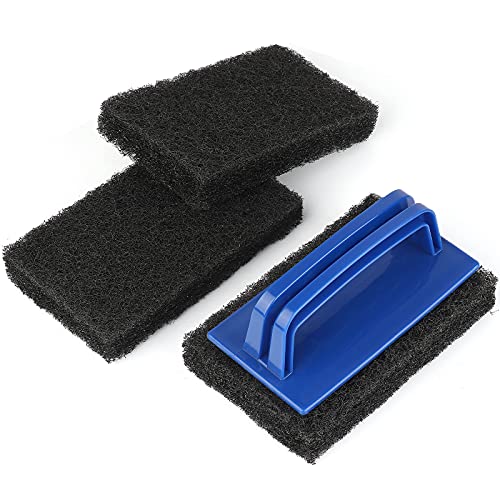
Once large flakes and stubborn carbon chunks detach, switch to a dense scouring pad to break down residual rust dust. The abrasive pads included in the Blackstone Grill Cleaning Kit provide broad surface contact that conforms around curved corners and tight grate intersections. The ergonomic handle on this kit keeps your knuckles protected from rough cast metal while allowing you to bear down effectively on stubborn oxidation patches. Continue dry scrubbing until the bright orange powder gives way to a uniform dull gray or dark bronze color.
Flip the grates over to repeat the identical scraping and scouring process across the underside of the assembly. Backyard cooks often make the mistake of cleaning only the top cooking surface, leaving underside rungs covered in rust that continues spreading outward. Scraping both faces prevents residual oxidation from migrating back toward your newly cleaned cooking tracks during humid weather. Knock the grates gently against a waste bin to shake loose remaining dry debris before moving to wet cleaning steps.
Chemical and Liquid Rust Dissolving Options
Stubborn rust that resists mechanical scraping often yields to gentle acid or specialized cleaning solutions. A mild bath made of equal parts white distilled vinegar and clean water works reliably by converting insoluble iron oxide into soluble iron acetate. Submerge your grates in this solution in a shallow plastic bin, checking progress every twenty to thirty minutes. Never soak cast iron in a vinegar bath for longer than two hours, because the acid will eventually attack and pit the base iron once the rust dissolves.
If you prefer to avoid soaking bins, spray-on degreasers formulated for cooking equipment offer a convenient alternative. Products like Star brite 57732 BBQ and Grill Grate Cleaner are designed to dissolve stubborn grease coatings that trap moisture against bare metal. Applying a targeted spray allows active surfactants to soften baked-on grease layers that shield underlying rust from abrasive pads. Allow the spray to dwell on warm or cool metal according to manufacturer directions before giving the rungs a firm secondary scrub.
Washing and Neutralizing Without Stripping Good Iron
Washing the grates thoroughly immediately after chemical treatment halts acidic etching and removes greasy sludge. Plain water alone cannot rinse away oily residue, but harsh commercial detergents can leave lingering chemical fragrances that taint your next meal. Using a plant-based, detergent-free cleaner such as Heritage Products Cast Iron Soap safely lifts loosened grime and residual acidity without leaving petroleum perfumes behind. Scrub every rung with hot water and a firm nylon brush or non-scratch sponge until the rinse water runs crystal clear.
If you used a vinegar bath earlier, neutralizing remaining surface acid is a crucial step before re-seasoning. Mix two tablespoons of household baking soda into a gallon of fresh warm water and pour it over both sides of each grate. This alkaline rinse neutralizes microscopic acid traces trapped inside the porous iron castings, preventing rapid rust recurrence. Rinse the grates one final time with pure warm tap water to clear away any remaining baking soda film.
Combating Flash Rust and Preparing for Heat Curing
Bare cast iron is hyper-reactive and will develop a reddish discoloration known as flash rust within five to ten minutes of being washed. Moisture in warm air bonds instantly with unprotected raw iron atoms, creating a fresh layer of oxide before the grates can dry naturally. To combat this phenomenon, blot the grates vigorously with dry lint-free cotton towels or paper towels the moment rinsing finishes. Do not let the grates air dry on your patio or lawn under any circumstances.
Apply gentle heat immediately to drive deep-seated moisture out of the microscopic pores of the metal. Place the damp grates into a warm grill or an indoor kitchen oven set to two hundred degrees Fahrenheit for approximately ten to fifteen minutes. Warming the iron expels water trapped deep beneath the surface and expands the metal pores, creating an ideal receptive surface for your initial layer of seasoning oil. Remove the warm grates with heat-resistant grilling gloves and prepare to apply your protective fat immediately.
Re-Seasoning Cast Iron Grates for Lasting Protection
Seasoning is not merely greasing metal; it is a chemical transformation where unsaturated fats heat-polymerize into a tough, slick plastic-like barrier. Choose a cooking fat with a high smoke point and high levels of unsaturated fatty acids, such as refined canola oil, grapeseed oil, or commercial cast iron conditioning wax. Pour a small tablespoon of oil onto a clean paper towel and rub it across every millimeter of the warm grate, including the underside and side bars. Use a second dry cloth to wipe away nearly all the oil until the metal appears almost dry, as pooling oil produces sticky, uneven blemishes.
Return the thinly coated grates to your grill or oven and raise the temperature to between four hundred and four hundred and fifty degrees Fahrenheit. Maintain this temperature for sixty minutes, allowing the oil to cross-link and bond molecularly to the cast iron surface. Outdoor enthusiasts who maintain versatile outdoor cooking gear like combination griddle and smoker units understand that steady heat circulation is what creates a resilient, pitch-black protective patina. After an hour of baking, shut off the heat source and allow the grates to cool down completely inside the closed cooking chamber.
One coat of seasoning protects against minor humidity, but three thin coats create an authentic non-stick cooking surface. Repeat the wipe-down, heating, and cooling cycle two or three additional times before cooking your first meal on the restored grates. Each successive heat cycle deepens the dark sheen and fills microscopic crevices, preventing future moisture from contacting the raw iron underneath. The resulting slick surface will release delicate meats easily while resisting outdoor temperature swings.
Daily Post-Cook Maintenance to Prevent Future Rust
Preserving your hard work requires a consistent post-grilling cleanup routine that does not strip the fresh seasoning. Once you finish cooking, shut the grill lid and let the burners or coals run hot for five minutes to turn soft food remnants into dry carbon. Using a steam cleaning tool like the Grill Rescue BBQ Replaceable Cleaning Head allows you to clean warm grates without harsh solvents. Dipping the aramid fiber pad into plain water produces instant steam upon contact with the hot bars, floating stubborn residue away cleanly.
If you deal with deeply baked marinades or thick sauce deposits, a dual-purpose tool provides extra mechanical leverage. The Grill Rescue Grill Brush with Scraper integrates a stainless steel scraping edge directly into its steam head to knock off baked carbon deposits before the steam pad wipes down the rungs. Its deep profile slips down the sides of adjacent bars where sauce drippings tend to accumulate. After lifting the debris, wipe each rung with a lightly oiled paper towel while the metal cools to seal the seasoning against nightly condensation.
Avoiding Common Restoration and Storage Pitfalls
Improper seasonal storage ruins more cast iron grates than frequent cooking ever could. Leaving grates inside a damp, covered grill on a shaded lawn creates a humid terrarium that accelerates oxidation. High-humidity storage requires removing the grates, applying a thin film of food-grade oil, and storing them indoors in a dry closet wrapped in butcher paper. Never wrap seasoned iron in airtight plastic bags, because trapped atmospheric moisture cannot escape and will slowly foster orange rust pockets.
Using overly abrasive metal scouring disks or power tool wire cups can gouge deep grooves into soft gray cast iron, destroying its smooth cooking plane. Similarly, applying heavy motor grease, petroleum oils, or toxic decorative finishes to cooking surfaces presents grave health risks. While products like Stove Grate Restorer, 50g Heat Resistant Black work well to renew non-food fixtures such as fireplace doors and exterior stove brackets, cooking surfaces require pure vegetable oil polymerization. Keeping your cooking grates seasoned naturally ensures that meals like crispy chicken wings on the grill brown beautifully without taking on harmful chemical fumes.
Practical Verification and Long-Term Cooking Readiness
Verifying that your restoration was successful takes only a few moments before you invite friends over for a weekend barbecue. Inspect each bar in bright daylight to confirm that no orange haze remains and that the surface displays a uniform, satin-black finish. Run a clean white paper towel across the rungs; it should come away clean with only a trace of clear oil and no reddish dust. If the towel picks up rust coloring, give that isolated area another light scrub and re-seasoning cycle.
Cooking fatty cuts of meat during your first few sessions reinforces the seasoning layer and keeps the iron saturated with protective lipids. Bacon, pork chops, and oil-marinated steaks naturally deposit microscopic carbon layers that strengthen the non-stick finish over time. Avoid acidic marinades containing citrus juice, vinegar, or heavy tomato purees during the first three cooks, as strong acids can etch immature seasoning films. With sensible daily cleaning, quick moisture removal, and routine oiling, your restored cast iron grates will deliver exceptional searing power for decades.



Write Your Review
No reviews yet. Be the first to share your experience!