

Starting an outdoor cookout begins with establishing a steady, reliable fire, a stable working perimeter, and a clean cooking chamber. Learning how to set up charcoal grill equipment properly helps cooks avoid uneven heat, scorched meals, and lingering chemical smells on food. Many beginners struggle with erratic temperature swings simply because they rush the lighting phase or set their ventilation dampers incorrectly. Taking a few methodical steps before lighting fuel ensures predictable cooking results and protects the grill from unnecessary heat stress.
A successful cookout also relies on a secure workstation, safe placement away from combustible home structures, and well-organized grilling tools. Setting up your grill next to a sturdy mobile prep table provides an immediate, heat-safe surface for holding food platters, brass wire brushes, long tongs, and insulated gloves. Establishing a smooth workflow keeps you fully focused on heat control rather than scrambling for misplaced supplies once the coals burn hot. Organizing your space early prevents cooking mistakes and keeps every outdoor meal running smoothly.



Pros
- Innovative trapdoor trigger drops lit fuel accurately into charcoal grates or fire baskets
- Effective ventilation pulls draft quickly for rapid, even coal lighting
- Sturdy heat shield provides safe barrier against high radiant heat
- Eliminates the need for foul-smelling lighter fluids that spoil food flavor
Cons
- Trapdoor release mechanism requires occasional ash brush-out to maintain smooth operation
- Rigid cylinder body takes up more trunk space than collapsible fabric or folding starters
- Bare steel cylinder naturally discolors after regular exposure to high flames
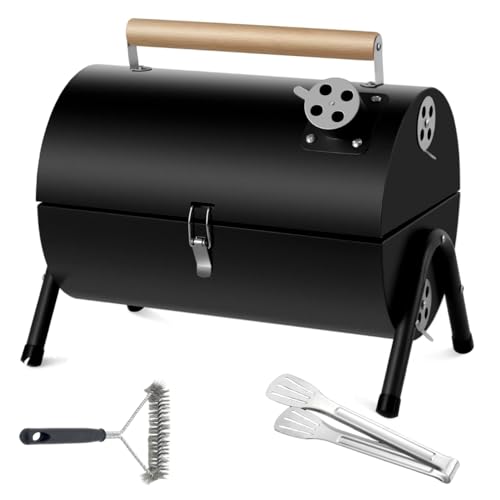
Lighting charcoal without lighter fluid petroleum odors is essential for authentic barbecue, and the Char-Griller Charcoal Grill Chimney Starter with Quick Release Trigger makes coal ignition both faster and substantially safer. Designed as a dedicated charcoal firing canister, this 12-inch accessory is built for backyard grillers, weekend BBQ enthusiasts, tailgaters, and campsite pitmasters who want ready-to-cook coals without hassle. Rather than lifting and inverting a top-heavy cylinder of flaming embers, this model uses a bottom trapdoor trigger that drops the fuel right where you want it.
In real-world barbecue setups, dependable fuel management sets the tone for your cook. This chimney utilizes natural vertical convection to draw oxygen upward from a single fire starter cube or crumpled paper base. Within fifteen to twenty minutes, an entire load of briquettes or lump charcoal glows with an even grey ash layer. Fast startup times mean you reach searing temperatures quickly for thick steaks and smash burgers, or establish a clean-burning coal bed for smoking ribs and brisket without chemical contamination.
Build quality focuses heavily on operator safety and heat management. The steel body measures 12 inches tall by 7.75 inches wide, holding sufficient fuel to power a two-zone kettle arrangement or prime an offset smoker firebox. A heavy-duty heat shield is placed between the metal barrel and the molded ABS handle, preventing skin exposure to blistering radiant temperatures. The trigger mechanism functions securely, ensuring the bottom grate stays shut while carrying coals and drops open cleanly upon trigger squeeze.
Handling and cleanup remain straightforward. Operation takes zero assembly: place a paraffin cube or wood wool on your grill grate, fill the chimney with charcoal, light the base, and let physics do the rest. Once lit, position the cylinder over your fuel grate and pull the handle trigger. Cleaning only requires tapping out leftover ash and keeping the hinge free of debris. While its fixed cylindrical shape does not fold flat for ultra-compact packing, the 2.9-pound weight transports effortlessly inside an outdoor gear bin or grill cart shelf.
A practical limitation involves the moving release door, which needs a quick visual check before loading unlit coals to ensure the latch is fully caught. For patio pitmasters, offset smoker fans, and tailgaters seeking a cleaner and far less clumsy way to dump red-hot coals, this Char-Griller quick-release chimney is an affordable, practical upgrade for your outdoor cooking routine.
Efficient charcoal management begins with an even, thorough burn. The Char-Griller chimney relies on continuous bottom-to-top airflow that accelerates combustion across every piece of fuel. Whether you prefer dense hardwood lump charcoal for high-heat searing or uniform briquettes for consistent kettle cooking, the chimney ensures uniform ember development across the entire load.
Lighting fuel without petroleum accelerants preserves pure wood smoke flavor on poultry, pork, and beef. Because the unit drops fuel straight down through the bottom door, you can easily target charcoal baskets, vortex funnels, or split fire zones without scattering hot ashes across your clean grilling grates.
Traditional charcoal chimneys require twisting your wrists and inverting an open canister of thousand-degree coals, which frequently produces floating sparks and erratic spills. The integrated trigger release on this model keeps the canister oriented upright at all times, drastically reducing flare-up hazards and accidental coal scatter.
A thick metal heat shield blocks direct thermal radiation from reaching your fingers, while the ergonomic ABS handle provides a confident grip even while wearing heavy leather barbecue gloves. This stable design makes pouring fuel into deep smokers, ceramic cookers, or small portable tailgating grills far safer and more predictable.

Pros
- Genuine charcoal flavor in a portable package
- Excellent portability for camping and tailgating
- 2-piece grate makes refueling easy while cooking
- Char-rail insert adds indirect cooking versatility
- Solid Weber build quality with generous warranty
Cons
- Small cooking area limits larger meals or groups over 4 people
- Lid latch and carrying handle could be sturdier for frequent travel
- Some assembly required before first use; no built-in thermometer
The Weber Go-Anywhere Charcoal Grill is exactly what its name promises: a genuine charcoal grill that's easy to take wherever your outdoor cooking adventures lead. Whether you're tailgating at a football game, camping in a state park, or just grilling burgers on a tiny apartment patio, this compact cooker brings the smoky flavor you can't get from gas. It's a straightforward, no-fuss charcoal grill designed for mobility, but it doesn't sacrifice the cooking fundamentals that made Weber a household name in BBQ.
This grill is best suited for people who love real charcoal flavor but need something portable. Think campers, RV owners, tailgaters, and backyard cooks with limited space. It's also great for small households of two to four people who want to cook steaks, chicken, hot dogs, or even vegetables without firing up a full-size kettle. If you're someone who enjoys spending time at the campsite or parking lot with a cold drink and a hot fire, this grill will fit right in with your lifestyle.
When it comes to real-world cooking performance, the Go-Anywhere surprises you with how well it holds heat for such a small unit. The lid and base are made from heavy-gauge steel with a porcelain-enamel finish that retains heat evenly. The two dampers let you control airflow precisely: open them wide for high-heat searing on burgers or steaks, or close them down for lower temperatures when cooking chicken thighs or pork chops. The char-rail insert is a clever touch that lets you push coals to one side for indirect cooking, so you can slowly cook something like a small rack of ribs or even a whole chicken if you're clever about it. The 2-piece cooking grate is another practical feature: you can lift just the smaller section to add fresh charcoal or wood chunks without moving the food already on the grill.
Build quality is what you'd expect from Weber. The exterior is tough and weather-resistant, though you'll want to keep it covered or stored when not in use, especially if you live in a humid climate. The lid, dampers, and legs feel solid, though the carrying handle and latch are plastic and may not hold up to years of rough road trips. It's not heavy at just 14 pounds, but it's not the lightest portable grill either. The rectangular shape makes it easy to pack in a trunk or RV compartment, and the legs fold up neatly. Cleanup is straightforward: the removable ash catcher keeps charcoal dust contained, and the grate can be scraped clean with a grill brush after cooking. Because it's small, you'll want to line the bottom with foil for easier cleanup after meals.
There are a few realistic limitations. The grilling area is about 11 by 19 inches, which means you won't be cooking for a crowd. It's best for intimate meals or small gatherings. The lack of a built-in thermometer means you'll need to use an instant-read probe or learn to judge heat by hand. The lid doesn't lock down as securely as some competitors, so windy conditions can occasionally steal your heat. And because it's charcoal, you'll need about 15 to 20 minutes to get the coals ready before you can start cooking. These aren't dealbreakers for the right user, but they're worth knowing before you buy.
Overall, the Weber Go-Anywhere Charcoal Grill is a smart buy for anyone who values portability without giving up the smoky, direct-heat flavor that only charcoal can provide. It's not the grill for massive backyard parties or low-and-slow smokers, but for weekend camping trips, tailgate parties, or a simple dinner on the patio, it gets the job done reliably. If you're looking for a tough, compact charcoal grill from a brand you can trust, this is one of the best options at its size and price point.

Pros
- Cast iron grates hold heat well for consistent searing and browning
- Folding legs and locking lid make storage and transport easy
- Large cooking area for a portable grill handles family-sized meals
- Included thermometer is a handy feature for temperature-sensitive cooks
Cons
- Weighs 45 pounds – sturdy but not the lightest for backpacking
- Assembly required out of the box; some users may need extra tools
- Charcoal management requires attention to avoid flare-ups in windy conditions
If you love the taste of charcoal-grilled food but hate being tied to a stationary grill, the Char-Griller E1816 King-Griller Gambler Portable Charcoal Grill might be just what you need. This is a barrel-style grill designed for both backyard cookouts and on-the-go cooking. It’s built for folks who want a real charcoal experience without hauling a full-sized kettle around. Think weekend tailgates, campsite dinners, or patio parties where space is tight but flavor expectations are high.
What makes this grill stand out is its 320-square-inch cooking area paired with heavy-duty cast iron grates. That’s enough room for a dozen burgers, several steaks, or a whole chicken. The cast iron holds heat like a champ, giving you nice sear marks on your ribeyes and even browning on burgers. You won’t get the precision temperature control of a pellet grill, but for hot-and-fast grilling or low-and-slow with a bit of practice, it performs admirably. The built-in stainless steel thermometer takes the guesswork out of lid-on cooking, which is a real plus when you’re managing coals.
Portability is clearly the focus here. The legs fold up, the lid locks in place, and the integrated handle and two wheels let you roll it from your car to the campsite in one trip. It’s not a backpacking grill – at 45 pounds, it’s more of a car-camping or tailgating companion. But for those scenarios, it’s a breeze to move around. The tool hooks on the side are a nice touch, keeping your spatula and tongs from getting lost in the grass. Assembly is straightforward but plan for about an hour with basic tools.
Build quality is decent for the price point. The lid and body are made from painted steel, and the cast iron grates feel substantial. Over time, you may want to treat the grates with oil to prevent rust. The slide-out ash pan simplifies cleanup – just dump the cold ashes without tipping the whole grill. One realistic limitation is that the grill does not include a charcoal chimney or a cover, so you may want to pick up those accessories separately. Also, in breezy outdoor conditions, you’ll need to manage air vents carefully to avoid temperature spikes or flare-ups.
Overall, this Char-Griller portable grill is a smart buy for anyone who wants real charcoal flavor at tailgates, campsites, or on a small patio. It’s not a luxury smoker, but it’s a reliable workhorse that grills up tasty food for a crowd. If you prioritize portability and solid cooking performance without spending a fortune, this is a grill worth considering.

Pros
- Classic Weber kettle design delivers great charcoal flavor in a portable package
- Solid build with porcelain-enameled steel resists rust and weather
- 22-inch grate offers enough space for 13 burgers using a Weber press
- Two dampers allow excellent temperature control for searing or smoking
Cons
- No built-in thermometer means you'll need an external one for accurate temps
- Relatively heavy at 28.5 lbs, not ideal for long hikes
- A bit small for cooking for large parties of more than 6-8 people
The Weber Jumbo Joe Premium Charcoal Grill is essentially a portable version of the legendary Weber kettle, and that alone makes it a compelling option for outdoor cooks who value real charcoal flavor on the go. With a 22-inch diameter cooking grate, it bridges the gap between a full-sized backyard grill and a small portable unit, making it perfect for tailgating, camping, patio dinners, or weekend BBQs. If you've ever wished you could take that classic kettle experience with you, this is the grill you've been waiting for.
Who is the Jumbo Joe built for? Honestly, it suits a wide range of outdoor enthusiasts. Backyard grillers will appreciate the familiar Weber cooking performance, while campers and RV owners will love the portability and durable build. Tailgaters can fire it up in the parking lot and serve up burgers and brats for a crowd, and patio cooks can keep it handy for quick weeknight dinners without needing a massive grill setup. The 22-inch grate holds up to 13 burger patties (using a Weber press) or a small brisket, so it's practical for small gatherings and family meals.
In terms of real-world cooking performance, the Jumbo Joe delivers the same heat consistency and smoke flavor you'd expect from a larger Weber kettle. The porcelain-enameled lid and bowl retain heat exceptionally well, which means you can sear steaks hot and fast or close the dampers down for low-and-slow smoking. The rust-resistant aluminum dampers allow precise airflow control, so managing temperatures for different cooking styles is straightforward. Expect good charcoal efficiency too - with proper damper management, a single load of charcoal will handle most cooking sessions without needing to add more fuel. Flare-ups are generally manageable with the adjustable dampers, though as with any charcoal grill, keep a close eye on fatty meats.
Build quality here is typical Weber: sturdy, weather-resistant, and built to last. The porcelain-enameled steel lid and bowl resist rust and peeling, so the grill can sit outside in the elements without falling apart quickly. The plated steel cooking grate is durable and easy to clean, and the aluminum ash catcher makes ash disposal tidy and efficient. The lid hook is a nice touch - slide the lid onto it instead of laying it on the ground, which keeps dirt and debris away. The heat shield on the lid handle is practical for adjusting or checking food without burning yourself. Portability is aided by all-weather wheels, but note that at nearly 29 pounds, it's not a lightweight backpacking grill. It rolls easily on level ground, so moving it around the patio or rolling it to the car is manageable.
Setting up the Jumbo Joe is straightforward - it comes mostly assembled, with just a few parts to attach. Transport is aided by the two wheels and a sturdy handle, but you'll need some space in your vehicle for the 24 x 38 x 10 inch box. Cleanup is largely thanks to the removable ash catcher and the smooth porcelain surfaces that wipe down easily. Storage isn't too demanding either; it can be left on the patio or stored in a garage or shed without taking up a huge footprint. Realistically, the main limitation is the lack of a built-in thermometer, so you'll want to invest in a quality external thermometer to monitor cooking temperatures, especially for smoking. Also, while it's portable, it's not ideal for backpackers or long hikes due to the weight. For car camping, tailgating, or patio use, though, it's perfect.
Overall, the Weber Jumbo Joe Premium Charcoal Grill offers a fantastic balance of cooking performance and portability. It's a versatile tool that can handle everything from quick burgers to a slow-smoked pork shoulder, and its build quality means it will serve you for many seasons. If you love the flavor of charcoal and want a grill that can travel with you, this is a smart investment. It's not the cheapest option out there, but for the combination of Weber reputation, heat retention, and durable construction, it's well worth the price. Whether you're tailgating at the game, camping at the lake, or just cooking on the patio, the Jumbo Joe delivers real BBQ results.
The Jumbo Joe excels at high-heat searing - the porcelain-enameled bowl and lid hold heat well, and with the dampers fully open, you can get the coals roaring hot for a perfect crust on steaks and burgers. For low-and-slow cooking, close the dampers down to about a quarter open; the grill will maintain a steady 250-300F range suitable for ribs, chicken, or a small brisket. Smoke flavor is excellent because you're using real charcoal, and you can add wood chunks for extra aroma. The 22-inch grate gives you a two-zone cooking setup - pile coals on one side for direct heat and leave the other side cooler for indirect cooking. This flexibility lets you sear then finish, or cook larger items like a whole chicken without direct flame. Fuel efficiency is good; with a full chimney of charcoal, you can cook for 2-3 hours at low temps before needing to add more briquettes.
The Complete Guide to Setting Up a Charcoal Grill
Setting up a charcoal grill requires positioning the cooker on a level outdoor surface, establishing balanced airflow, and lighting fuel safely to build dependable cooking zones. When cooks rush through the initial assembly and fire-starting steps, they often face erratic temperatures, bitter soot deposits, and stubborn flare-ups. A methodical setup routine eliminates the guesswork and allows you to control heat with precision from start to finish. Learning the fundamental steps of positioning, lighting, and managing a charcoal bed will help you prepare delicious grilled meals on any patio or campsite.
Selecting a Safe Outdoor Location and Establishing Clearances
Safety remains the absolute priority when choosing where to place and operate any charcoal cooker. Charcoal grills produce substantial heat, airborne embers, and carbon monoxide gas that can prove fatal in poorly ventilated spaces. For this reason, fuel-burning grills must never be used indoors, inside a tent, under low wooden awnings, or in an enclosed garage. Grilling inside a garage is hazardous even if the overhead vehicle door remains wide open, because lethal carbon monoxide gas and stray sparks can accumulate rapidly under the ceiling rafters.
Select an open, uncovered outdoor area with plenty of natural breeze and solid ground underneath the legs. Maintain a safety buffer of at least ten feet between the grill and any vinyl siding, wooden deck railings, dry shrubbery, or house overhangs. Freestanding kettle cookers require stable concrete, flagstone, or packed dirt to prevent accidental wobbling when you open the lid. Compact tabletop models, such as folding travel grills or small barrel designs, should always sit upon a non-combustible picnic table or heavy metal stand to prevent surface scorching.
Inspecting Grill Components and Assembling the Airflow System
Every standard charcoal grill operates on a simple internal layout designed to facilitate natural air circulation. The foundation begins with the firebox bowl, which houses the lower charcoal grate where fuel rests during the burn. Below this grate, bottom intake vents draw cool ambient oxygen upward into the burning embers to sustain combustion. The upper cooking grate sits several inches above the coals to hold food, while the domed lid features an exhaust vent that channels heat and smoke outward.
Before you introduce any charcoal, verify that all mechanical components are properly assembled, securely tightened, and free from obstructions. Check that the bottom ash catcher or disposal tray locks firmly under the firebox so hot embers cannot drop onto dry grass or wood decking. Ensure that both the lower intake damper and the top exhaust vent slide open and shut smoothly without binding against the metal housing. If you notice thick layers of old ash or grease residues lining the bowl, clean them out immediately so incoming oxygen can circulate freely.
Choosing Between Lump Charcoal and Hardwood Briquettes
Choosing the right charcoal fuel sets the baseline for your cooking temperatures, burn duration, and cleanup requirements. Charcoal briquettes are manufactured from compressed charred wood particles bound together with natural starches and mineral components. Because briquettes share uniform shapes and dense structures, they burn steadily at predictable rates across several hours of cooking. This consistent output makes briquettes a dependable choice for roasting whole poultry, thick roasts, or large batches of burgers.
Hardwood lump charcoal consists of natural wood limbs and timber burned in low-oxygen kilns without artificial binders or processing agents. Lump charcoal ignites much faster than briquettes, burns significantly hotter, and leaves behind very little powdery ash residue inside the firebox. However, the irregular sizes of lump pieces can lead to variable burn rates in compact tabletop fireboxes. For quick, high-heat searing of steaks or pork chops, lump charcoal provides great intense energy, while briquettes provide long-lasting stability for extended afternoon cookouts.
Lighting the Charcoal Safely Without Lighter Fluid
Pouring petroleum lighter fluid over charcoal is a common habit that compromises food flavor and creates unnecessary fire dangers. Chemical accelerants leave unpleasant petrochemical residues on internal grill grates and can impart noxious flavors to delicate meats. Furthermore, squirting lighter fluid onto warm or sluggish coals can cause flash flare-ups that singe clothing or skin. Using a dedicated metal chimney starter offers a clean, self-sustaining lighting method that relies entirely on natural draft physics.
To light your fuel cleanly, fill the top cylinder of the chimney starter with the quantity of briquettes or lump charcoal needed for your recipe. Place one or two paraffin starter cubes, tumbled wood wool bundles, or loosely crumpled sheets of newspaper on the lower charcoal grate. Rest the loaded chimney directly over the starter fuel and ignite the paper or cubes with a long utility lighter. As heat builds inside the cylinder, a natural chimney draft pulls air through the bottom perforations, igniting the entire column of coals within fifteen to twenty minutes.
Pouring Coals and Creating a Two-Zone Cooking Setup
Your coals are ready to dump into the grill once the top pieces turn mostly gray with ash and display glowing orange embers beneath the surface. Put on heavy heat-resistant leather barbecue gloves, grip the chimney handle securely, and carefully pour the hot coals onto the lower grate. Avoid spreading the hot fuel in a flat, even layer across the entire bottom of the firebox. A flat layer creates uniform, intense heat across the whole cooking surface, leaving you with no cool refuge if grease drips and ignites.
Instead, bank all of the glowing charcoal along one side of the firebox, stacking them two or three briquettes deep. Leave the opposite side of the charcoal grate completely empty to create a dual-zone thermal layout. The side directly above the coals serves as your direct heat zone, generating radiant energy for searing steaks and crisping skin. The empty side functions as an indirect convection zone, allowing food to roast gently through ambient heat without direct flame contact.
This two-zone approach is ideal when cooking foods prone to flare-ups, such as chicken pieces or sausages that release rendering fat. If you enjoy preparing barbecue favorites like crispy chicken wings, placing them over the indirect side lets the skin render slowly without charring the meat to cinders. Once the exterior fat renders down, you can slide the food over to the direct zone for thirty seconds to finish with a crisp, golden crust. Portable rectangular cookers often feature char-rail dividers that make holding this two-zone separation effortless.
Preheating and Seasoning the Cooking Grates
Immediately after banking your coals, set the cooking grate in place and secure the grill lid with all dampers fully opened. Allowing the grill to preheat with the lid closed for ten to fifteen minutes heats the metal grates thoroughly before any food touches them. Preheating accomplishes two critical tasks: it brings the cooking surface up to temperature to prevent raw meat from sticking, and it carbonizes old food residues for easy brushing. Cold grates cause food proteins to bond aggressively to the metal, leading to torn, mangled food surfaces.
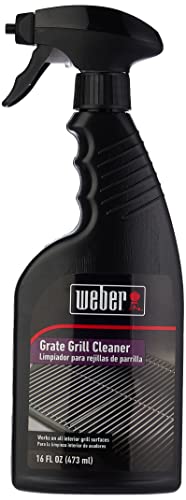
Once the thermometer on your grill lid reads between three hundred and fifty and four hundred and fifty degrees Fahrenheit, remove the lid carefully. Use a stainless steel coil brush, brass scraper, or wooden scraper tool to strip away the carbonized debris from the hot grates. Fold a clean sheet of paper towel into a tight square, grasp it securely with long metal grilling tongs, and dip it lightly into high-smoke-point canola or vegetable oil. Rub the oiled towel across the grate rods to create a smooth, slick barrier that promotes clean releases and sharp sear marks.
Organizing Grilling Accessories and Expanding Space
Efficient grill setup extends beyond the firebox to include your cooking tools, safety gear, and food layout. Arrange your long tongs, metal spatulas, and instant-read digital meat thermometer within easy arm reach before the cook starts. If you work on a compact portable grill, grate real estate can disappear quickly when cooking multiple proteins simultaneously. You can optimize vertical cooking capacity by introducing space-saving cookware designed for outdoor smokers and kettle grills.
For example, incorporating dedicated rib racks lets you stand multiple pork racks vertically on edge rather than laying them flat across the grate. This vertical arrangement frees up valuable indirect grate space for vegetable skewers, baked potatoes, or side pans. Always position elevated racks toward the indirect side of the grill so top edges do not dry out near the hot lid ceiling. Keeping your prep tools organized and maximizing surface capacity prevents mid-cook panics and helps maintain steady cooking temperatures.
Regulating Heat and Airflow with Precision Dampers
Controlling temperature on a charcoal cooker requires adjusting the volume of air flowing through the combustion chamber. The lower intake damper acts as your primary throttle by controlling the volume of oxygen that reaches the base of the coals. Opening the lower vents wide draws in surplus oxygen, causing the coals to burn white-hot for high-temperature grilling. Closing the bottom vents by half or three-quarters restricts oxygen flow, moderating fire intensity down to medium or low roasting levels.
The top exhaust damper on the lid controls the draft speed and directs how heat and smoke circulate through the dome. Position the lid so the exhaust vent sits directly over the cooler, indirect side of the cooking grate. This positioning forces hot air and aromatic wood smoke to travel upward across your food before escaping the grill. Make minor damper adjustments of one-quarter inch at a time, allowing ten to fifteen minutes for internal air temperatures to stabilize before adjusting them further.
Avoiding Common Setup Errors and Managing Flare-ups
One of the most frequent setup mistakes is placing food onto the cooking grates before the charcoal has fully ignited. Meat placed over partially lit, black coals absorbs heavy, sooty smoke that leaves a sharp, unpleasant aftertaste. Always wait until the charcoal develops a fine coating of light gray ash and radiates consistent thermal energy before cooking begins. Another common mistake involves adding too much charcoal to a small firebox, which can overwhelm the grill and scorch meals beyond recognition.
Lifting the grill lid repeatedly during the cooking process also causes significant temperature volatility and unwanted flare-ups. Every time you remove the lid, trapped convective heat escapes into the yard while fresh oxygen rushes into the firebox. This sudden surge of oxygen can cause grease pools to ignite, sending harsh flames directly into your meat. Trust your vent settings, monitor internal meat temperatures with a leave-in probe thermometer, and open the lid only when flipping food or shifting items between zones.
Post-Cook Extinguishing, Ash Disposal, and Maintenance
Shutting down your charcoal grill properly is just as important as the initial lighting sequence. When your cooking concludes, close both the bottom intake damper and the top exhaust vent completely to starve the coals of oxygen. Keep the lid closed tightly and allow the grill to cool undisturbed for several hours until the entire firebox feels completely cold. Never spray water into a hot grill to extinguish coals, as rapid cooling can crack porcelain coatings and severely warp metal components.
Once the firebox is completely cold, clean out the residual ashes before damp weather can affect the metal. Wood and charcoal ashes contain corrosive potassium salts that draw moisture from ambient air, forming an acidic paste that corrodes steel bowls and grates. Sweep the loose ash through the lower vent slots into the ash catcher or remove the collection cup directly. Empty the cold ashes into a dedicated metal disposal bin with a tight-fitting lid, keeping it well clear of combustible surfaces or standard garbage bins.
Taking the time to master how to set up charcoal grill equipment ensures consistent, enjoyable cookouts every time you step outside. By prioritizing a safe outdoor location, building an adaptable two-zone fire, and regulating airflow through your dampers, you gain dependable command over your cooking environment. With proper preheating, clean grates, and diligent ash cleanup after every meal, your charcoal grill will deliver exceptional flavor and dependable outdoor cooking performance for years to come.


Write Your Review
No reviews yet. Be the first to share your experience!