


Standing over an outdoor cooker before dinner often brings up a familiar question when black crust clings to the grates. Many backyard cooks wonder how clean does a bbq grill need to be before tossing on fresh steaks or vegetables. Some people believe every metal surface should gleam like brand-new kitchen cookware, while others insist that blackened grates add authentic outdoor flavor. In truth, neither extreme serves your cooking or your equipment well. Keeping your workspace organized with a sturdy rolling barbecue prep table makes it far easier to manage scrapers, oil towels, and food pans safely.
A cooking surface needs to be physically clear of loose carbon, charred meat fibers, and sticky remnants from marinades. Cooking delicate proteins over old charred residue ruins the crust and transfers bitter, stale tastes directly into the meat. The issue becomes even more noticeable when preparing sweet glazes or rich meats like saucy barbecue wings, where leftover sugars burn rapidly. Understanding the balance between functional sanitation and operational safety will save you hours of unnecessary scrubbing while protecting your cookout from dangerous grease flare-ups.

Pros
- Long 17-inch handle provides excellent reach and heat protection
- Replaceable bristle head adds long-term value and reduces waste
- Safe for all grill surfaces including porcelain and ceramic
- Comfortable wooden handle with good grip even when wet
- Lightweight at just 0.22 pounds, easy to carry to campsite or tailgate
Cons
- Maximum recommended cleaning temperature of 250°F may require cooling down after high-heat searing
- Wooden handle may need occasional oiling to prevent drying or cracking over time
- Bristle head replacement availability could be limited depending on retailer
If you've ever spent a beautiful Saturday afternoon scrubbing a dirty grill with a flimsy wire brush, you know the struggle. The BBQ-Aid Grill Brush and Scraper aims to change that. This is a purpose-built cleaning tool for outdoor grills, smokers, and flat tops, designed to make post-cook cleanup as painless as possible. With a 17-inch wooden handle and replaceable stainless steel bristles, it's built for backyard grillers, campers, tailgaters, and anyone who values a clean cooking surface without the hassle.
In real-world use, this brush shines on hot grates. It's rated for surfaces up to 250°F, so you can scrape away grease and charred bits while the grill is still warm, not blazing hot. The long handle keeps your hands safely away from the heat, and the wooden grip feels solid and comfortable. Whether you're cleaning a Weber kettle after a burger cookout or a portable camping grill after a weekend trip, the brush's head reaches into corners and between grates effectively. The stainless steel bristles are stiff enough to remove stubborn residue but gentle enough not to scratch porcelain or ceramic coatings.
Build quality is a strong point here. The wooden handle is thick and well-shaped, offering a secure grip even with greasy hands. The bristle head attaches firmly and can be replaced when it wears out, which extends the brush's life significantly. At just 0.22 pounds, it's lightweight and easy to toss into a camping bin or tailgate kit. The brush also rinses clean quickly under running water, so you're not left with a greasy mess to store.
One realistic limitation is the temperature cap. If you like to sear steaks at 500°F+, you'll need to let the grill cool down before using this brush. That's a minor inconvenience but worth noting for high-heat cooks. Also, the wooden handle, while comfortable, may require occasional maintenance to prevent drying or cracking if left in the elements. Storing it indoors or in a dry shed will keep it in good shape.
For backyard entertainers who host weekend BBQs, this brush is a practical upgrade from cheap wire brushes that shed bristles or bend after a few uses. Campers and RV owners will appreciate its portability and the fact that it works on various grill surfaces. Tailgaters can toss it in the truck without worrying about rust or damage. The replaceable head also means you're not throwing away the whole handle when bristles wear out, which is a nice nod to durability and value.
Overall, the BBQ-Aid Grill Brush and Scraper is a solid choice for anyone who takes grill maintenance seriously. It's not flashy, but it does its job well. If you're tired of scrubbing with undersized or poorly made brushes, this one offers a comfortable, effective, and long-lasting solution for keeping your outdoor cooking equipment clean and ready for the next meal.
Keeping the BBQ-Aid brush clean is straightforward. After each use, rinse the bristle head under warm water to remove grease and food particles. The stainless steel bristles resist rust, but it's best to dry the brush before storing it. The wooden handle should be wiped clean and kept in a dry place to prevent cracking. If the bristles become worn or bent, simply replace the head instead of buying a whole new brush. This design reduces waste and saves money over time. For deep cleaning, you can soak the head in warm soapy water for a few minutes, then rinse thoroughly.
Pros
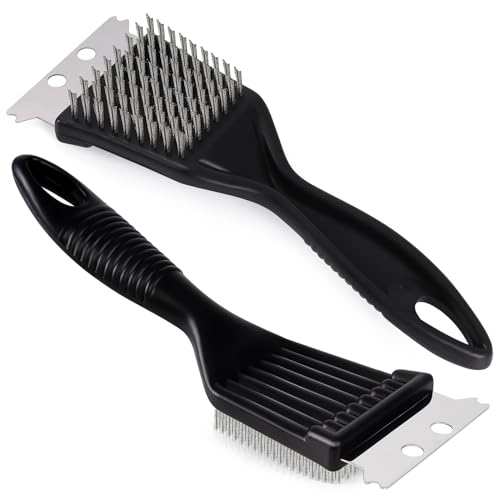
- Two-pack provides exceptional utility for RV kits, camping totes, and backyard grilling stations
- Sturdy steel scraper strips heavy buildup before you even start brushing
- Compact foot-long profile is nimble and easy to store compared to bulky extended brushes
- Durable bristles handle hot-grate maintenance without melting like nylon alternatives
Cons
- Shorter 12-inch reach keeps hands closer to the cooking zone on blazing hot charcoal beds
- Requires standard post-clean wipe-downs to inspect grates for loose wire bristles
- Lacks an extended heat shield for extra-deep offset smokers or wide multi-burner gas setups
The KINYFY 2-Piece Grill Brush and Scraper set is a practical maintenance companion designed to tackle messy grates after high-heat cooking sessions. Keeping cooking surfaces spotless is essential for backyard pitmasters, weekend BBQ enthusiasts, campers, and tailgaters who want pristine sear marks instead of bitter carbon residue from previous cooks. With two tools in the package, you can keep one hanging on your primary backyard grill cart and toss the second into your tailgating tote, RV chuck box, or camp kitchen bin.
Clean cooking grids directly influence overall outdoor cooking performance. When old marinades, charred sauces, and animal fats accumulate on cast iron or stainless steel grates, they trap moisture, produce acrid smoke, and spark unpredictable flare-ups during direct-heat grilling. Using the stiff front scraper while the grates are still hot lifts thick baked-on crust effortlessly, while the dense stainless steel wire bristles sweep through the contours of each bar. This leaves clean metal ready for burgers, steaks, or delicate fish fillets to absorb clean smoke flavor without sticking or tearing.
Built with a weather-resistant molded handle and stiff stainless steel wire rows, this cleaning tool is tailored for rugged outdoor environments. The 12-inch handle length provides direct downward leverage right over stubborn spots, avoiding the flex often felt on long wire-handle brushes. The integrated hanging hole at the base lets you suspend the brush on your grill side hooks, keeping it off dirty prep surfaces and within arm's reach while managing charcoal or propane heat.
Portability and compact storage stand out as major advantages with this design. Oversized 18-inch brushes can be awkward to fit into standard patio grill cabinets, camp drawers, or portable grill bags. At roughly one foot in length, these brushes tuck neatly into compact spaces, making them ideal companions for portable tabletop grills, tailgating setups, and backcountry campfire grates where space is at a premium.
A realistic consideration is the handle length during high-temperature cleanups. Because the tool measures 12 inches, your hands will be closer to the heat source than with an extended cleaning wand. Wearing heat-resistant grilling gloves is a smart practice when scraping grates over ripping-hot charcoal or multi-burner gas fireboxes. Furthermore, as with any wire bristle brush, cooks should wipe down the grates with a damp cloth or oiled towel after brushing to confirm no detached wires remain on the cooking area.
For backyard cooks and outdoor adventurers looking for an effective, no-fuss maintenance tool, this dual-brush set delivers solid value and dependable scraping power. It keeps your cooking surface ready for perfect high-heat searing and clean smoke infusion, making it a reliable addition to any outdoor cooking gear collection.
For optimal results, use the brush and scraper immediately after cooking while the grill grates are still hot, or during preheating once the grill reaches operating temperature. Heat softens grease and carbonized sauces, allowing the front scraper to peel away thick residue before finishing with the wire bristles.
Keep the brushes themselves clean by periodically rinsing the heads under warm running water with grease-cutting dish soap. Shake out excess water and let the brushes dry completely using the hanging loop before storing them in outdoor cabinets or camping totes. Always inspect the brush before each cleaning session and wipe your grill grates with an oiled towel prior to placing food on the grill.


Pros
- Safe cleaning without wire bristles, protecting your family from accidental ingestion.
- Powerful citrus-based cleaner easily cuts through baked-on grease and carbon buildup.
- Kit includes everything you need: spray, brush, scrubber pads, scraper, and towel, no extra purchases required.
- Works on both hot and cool grills, offering flexibility for different cleaning routines.
Cons
- For extremely charred grates, some elbow grease may still be needed; the cleaner alone won't dissolve heavy creosote instantly.
- Scrubber pads are refillable but replacements are sold separately, adding ongoing cost over time.
- The cookbox scraper is best used on cool surfaces; it may scratch delicate porcelain coatings if used aggressively.
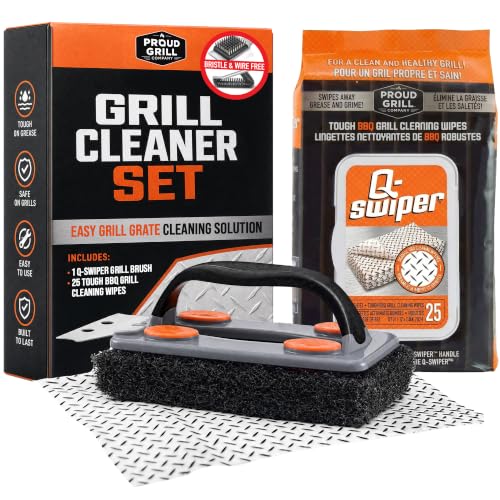
The Citrusafe Complete Grill Cleaning Kit is not your average grill cleaner. It is a thoughtfully assembled set designed to replace the dangerous wire brushes and harsh chemical sprays that many BBQ enthusiasts rely on. Instead, this kit uses a citrus-based degreaser, a nylon brush, heavy-duty scrubber pads, a cookbox scraper, and a microfiber towel to clean your grill safely and effectively. Whether you own a charcoal kettle, a propane gas grill, a smoker, or even a flat top griddle, this kit has the tools to handle the mess.
This kit is built for anyone who takes outdoor cooking seriously. Backyard grillers who fire up the Weber every weekend, campers who throw a grate over an open fire, tailgaters who need a quick cleanup between games, and RV owners who don't want wire bristles scratching their portable grills will all appreciate the safety-first approach. The stars are the Citrusafe Grill Cleaner spray, which uses natural degreasing power from citrus peels to break down grease, and the nylon brush and scrubber pads that work on a cool grill. No more burning off residue or worrying about stray bristles in your burger.
In real-world use, this cleaner shines on moderately soiled grates and cookboxes. Spray it on, let it sit for a few minutes, then scrub with the nylon brush or the heavy-duty pads. The grime dissolves quickly, and the included cookbox scraper reaches into corners that brushes miss. For a neglected grill that has months of caked-on grease, you may need to repeat the process, but the result is a cookbox that looks nearly new. The microfiber towel lifts away remaining residue without scratching porcelain or stainless steel surfaces.
Build quality of the tools is solid. The nylon brush handle is heavy-duty plastic with a comfortable grip, and the scrubber holder accepts the replaceable pads firmly. The scraper has a slim profile that fits into the tight gaps of most grills and smokers. The spray bottle has a trigger that produces a fine mist, covering grates evenly without waste. Everything in the kit is designed to be reused, cutting down on disposable grill wipes and paper towels.
Setup is simple: unpack the items and start cleaning. The spray works right out of the box, and all tools are ready to go. Transport is not an issue since it is a cleaning kit, but the spray bottle and tools fit easily in a garage cabinet or a camping tote. Storage is straightforward: keep the spray away from direct sunlight, and hang the brush and scraper to dry.
Limitations are minor. For grills with extremely heavy carbon buildup (think years of neglect), you may still need to use a metallic scraper or a second application. The scrubber pads are effective but wear out after several uses, and replacement packs are sold separately. Additionally, the nylon brush is not as stiff as wire, so it may take a bit more scrubbing on stubborn spots. Nonetheless, for routine maintenance and even deep-cleaning, this kit is a safe and effective choice. It earns a strong recommendation for any outdoor cook who wants to eliminate the risk of wire bristles and keep their cooking gear in top shape.
The Citrusafe Complete Grill Cleaning Kit comes with five essential items to tackle every part of your grill or smoker. You get a 16oz bottle of Citrusafe Exterior Grill Cleaner (also safe for interior use), a heavy-duty nylon brush with an integrated cookbox scraper, a scrubber handle plus three replaceable scrubber pads, a separate cookbox scraper for tight areas, and a premium microfiber cleaning towel (color may vary). Together, they cover cleaning from grates to hoods to side tables. Everything is manufactured in the USA by Bryson Brothers, a brand focused on safer outdoor cooking products.
For best results, clean your grill when it is cool to the touch. Spray the Citrusafe cleaner liberally onto grates and cookbox surfaces, let it sit for 3-5 minutes to loosen grease, then scrub with the nylon brush or scrubber pads. Use the cookbox scraper for baked-on residue in corners. Wipe away residue with the microfiber towel, then rinse with water if desired. For routine maintenance after each cook, a quick spray and wipe keeps grates looking new. The scrubber pads can be replaced when they become worn; replacement pads are available separately. The spray lasts through many cleanings, making this kit a great value for frequent grillers.


The Realistic Standards for Barbecue Grill Cleanliness
Grilling outdoors does not require hospital-grade sterilization, but it does demand disciplined maintenance to ensure safety and delicious food. When asking how clean does a bbq grill need to be, you must separate the surface that touches your food from the firebox beneath it. The cooking grates need to be smooth and free of loose debris, while the interior firebox must stay clear of pooled fat. Striking the right balance keeps your meals tasting fresh and prevents dangerous mechanical failures.
The Direct Answer: Food Contact Versus Fire Safety
Your barbecue grill grates should be scraped down to bare metal or a cured, smooth seasoning layer before every single cook. You do not need to polish stainless steel until it reflects your face, nor do you need to scrub seasoned cast iron down to raw iron. What matters most is removing loose carbon flakes, rancid animal fats, and sticky residue from previous marinades. If a paper towel rubbed across a warm, oiled grate comes back with coarse black grit, the cooking surface is not ready for food.
The firebox and lower grease collection systems follow an entirely different standard focused on safety. Grease trays, flame tamers, and burner tubes do not touch your food, yet letting them accumulate thick layers of drippings invites a devastating grease fire. Fat pools inside a hot cookbox can ignite rapidly, producing uncontrollable blazes that reach temperatures high enough to warp metal and damage gas fittings. A grill can look superficially clean on top while harboring a catastrophic hazard just two inches below the grates.
Why Sterility Is a Myth but Carbon Buildup Is a Hazard
Many beginners worry about microbial bacteria surviving on an outdoor grill, but heat is an exceptional sterilizing agent. Preheating your grill with the lid closed to temperatures above four hundred degrees Fahrenheit kills active foodborne pathogens within minutes. The real enemy on an unwashed grill is not live bacteria from yesterday, but accumulated carbon and oxidized grease. As fats burn repeatedly, they break down into bitter carbonized soot that coats your fresh cuts of meat.
Carbon buildup also introduces harmful chemical compounds that degrade food quality. Charred grease contains polycyclic aromatic hydrocarbons and heterocyclic amines, which produce harsh, acrid smoke rather than clean wood or charcoal aroma. This black crust acts like an insulator as well, preventing proper heat transfer and creating cold spots across your grates. When delicate foods like fish or skin-on poultry hit dirty grates, the proteins bond chemically to the carbon, tearing the food apart when you attempt to flip it.
Insects and rodents present another serious hazard if grates are left caked in sweet sauces and protein drippings. Spiders often nest inside burner tubes during quiet periods, which can block the gas mixture and cause dangerous flash fires behind control panels. Meanwhile, mice and outdoor pests are drawn to old animal grease on unattended griddle plates and grill racks. Scraping the grates and keeping the firebox clear of food crumbs removes the primary scent trail that attracts pests to your patio.
Grate Materials and Their Distinct Cleaning Demands
Different grate materials require distinct cleaning techniques to preserve their structure and prevent surface corrosion. Stainless steel grates are the most forgiving because the durable alloy resists rust and tolerates vigorous scrubbing. You can attack stainless rods with heavy scrapers, abrasive pads, or wire brushes without stripping a delicate coating. A light scrape when the metal is hot removes stubborn crust, after which a quick wipe with high-smoke-point cooking oil seals the metal against moisture.
Cast iron cooking surfaces require the same care and respect you would give to an indoor skillet. Bare cast iron needs a protective polymerized oil layer to keep moisture away and prevent surface rust from ruining the metal. Harsh chemical degreasers or soaking cast iron in water will strip this protective seasoning and leave the iron vulnerable to orange corrosion. To clean cast iron, scrape away charred remnants while warm, wipe the surface with an oiled cloth, and avoid leaving wet residues behind.
Porcelain-enameled grates feature a glass-like ceramic coating that prevents rust and makes food release relatively simple. This smooth ceramic barrier is fragile, meaning hard steel scrapers or aggressive metal bristles can chip or scratch the glaze. Once the porcelain chips away, moisture penetrates to the raw iron beneath, causing rapid rust that bubbles under the remaining enamel. When maintaining enameled surfaces, opt for nylon brushes, specialized citrus degreasers, or flexible scrapers that will not mar the finish.
The Hidden Fire Hazard: Cleaning Burners, Deflectors, and Grease Trays
A grill is only as clean as its grease management system, regardless of how spotless the grates appear. Directly beneath the grates on most gas units sit metal heat tents, often called flavorizer bars or burner shields. These deflectors catch falling marinades and fat, vaporizing small droplets to create smoky flavor while shielding burner ports from clogging. Over time, thick layers of carbonized sludge settle on top of these deflectors, creating dry fuel that catches fire during high-heat searing.
Below the heat deflectors lie the burner tubes, which require regular inspection to maintain an even blue flame. Grease drippings can clog the small gas discharge ports, forcing gas to burn unevenly or pool in concentrated zones. Using a soft wire brush or a stiff wooden toothpick to clear these ports restores steady fuel flow and consistent cooking temperatures. If you operate an outdoor setup like a versatile griddle and smoker combo, checking both burner pathways and grease runoff channels is essential for reliable operation.
The lowest section of the cookbox funnels grease into a removable collection pan or catch tray. This tray should never be allowed to fill to the brim with gelatinous animal fat. In hot weather or during long cooking sessions, pooled fat in a catch tray can reach its flash point, resulting in a fire beneath the cooker that cannot be extinguished by closing the lid. Empty the catch tray every few cooking sessions to keep grease depth minimal and manageable.
Safety Considerations: Wire Bristles, Degreasers, and Chemical Residues
Choosing the right tools to maintain your grill is a major safety consideration that every outdoor cook must address. Traditional wire grill brushes have faced intense scrutiny because thin metal bristles can detach from the brush head over time. These loose steel wires stick to greasy grates and can easily embed themselves in burgers, chicken, or vegetables. Swallowing an undetected wire bristle can lead to severe throat or gastrointestinal injuries requiring emergency medical intervention.
If you prefer using a wire brush, select models with securely crimped bristles and inspect the head regularly for wear or loose strands. Alternatively, modern bristle-free options eliminate this specific danger entirely. Tools utilizing heavy chainmail mesh, steam-cleaning sponges, or custom-notched stainless steel scrapers lift heavy carbon without shedding loose wires. Steam-based cleaners use water vaporized on hot grates to lift sticky grease, providing a thorough clean without risking metal ingestion.
Chemical cleaners also demand caution because toxic residues must never contaminate your next meal. Strong oven cleaners containing sodium hydroxide or heavy lye can corrode aluminum cookbox castings and leave caustic films on cooking surfaces. When deep cleaning, rely on plant-based citrus degreasers or simple mixtures of warm water, dish soap, and baking soda. Always wipe down grates thoroughly with clean water and perform a fifteen-minute burn-off cycle after using any cleaning solution to vaporize remaining residues.
Charcoal, Kamado, and Pellet Grills: Ash and Airflow Management
Cookers that burn solid fuels present distinct cleanliness challenges centered on ash collection rather than just liquid grease. Charcoal grills and heavy ceramic kamado cookers produce fine wood ash that accumulates at the base of the firebox. If you leave cold ash sitting in the bottom of your grill, it absorbs moisture from ambient humidity and turns into an alkaline paste. This wet ash is mildly corrosive and can rapidly eat through steel fire grates and lower kettle vents.
Ash buildup also chokes off bottom intake dampers, making precise airflow and temperature control nearly impossible. In ceramic kamados, maintaining clear airflow holes in the lower fire grate ensures the fire can breathe efficiently during long smoking sessions. Fortunately, ceramic cookers have excellent heat retention and can perform a self-cleaning burn at six hundred degrees to turn stubborn grease to white ash. Once the unit cools completely, brushing the interior walls and vacuuming out the bottom chamber restores optimal performance.
Pellet grills require frequent ash removal from the internal burn pot to avoid ignition failures and flameouts. Fine pellet sawdust builds up quickly in the fire pot, which can insulate the electric hot rod igniter and prevent new wood pellets from catching fire. Vacuuming the burn pot and bottom barrel every two or three cooking sessions prevents unexpected shutdown errors. Checking the drip tray foil liner regularly also ensures grease flows freely toward the drain bucket instead of pooling inside the cooking drum.
A Sensible Cleaning Schedule: Routine Maintenance Versus Deep Overhauls
Developing an efficient cleaning routine prevents you from ever needing to tackle an overwhelming, rock-hard layer of baked-on sludge. Routine maintenance should take no more than two or three minutes before and after each cooking session. Fire up the grill, allow the grates to reach full temperature, and use a sturdy scraper to remove charred residue from the previous meal. Finish by wiping the hot rods with an oiled paper towel held in long tongs to create a slick, rust-resistant barrier.
A thorough seasonal deep clean should occur once or twice a year, depending on how frequently you fire up your outdoor cooker. During a deep clean, remove the cooking grates, flame tamers, and heat deflectors to soak them in warm soapy water. Use a plastic putty knife to scrape accumulated carbon crust from the interior cookbox walls into a disposable container. For cooks maintaining a luxury patio with a built-in barbecue island, keeping grease deposits under control protects nearby stone countertops and outdoor cabinetry from unsightly staining.
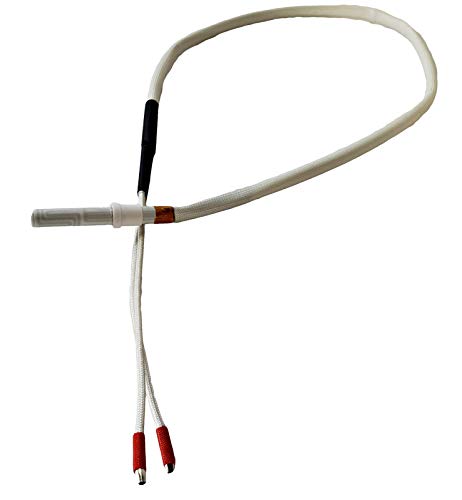
Reassembling the grill after a deep clean provides an opportunity to inspect mechanical components for wear or gas leaks. Spray soapy water over gas hose connections while the cylinder valve is open to check for bubbling that indicates a leak. Inspect the spark electrodes to ensure they are free of carbon crust that could disrupt reliable electronic ignition. Finishing your deep maintenance with a twenty-minute high-heat burn ensures all moisture dries completely, preventing internal rust during storage.
Critical Safety Boundaries: Outdoor Placement and Ventilation
Grill maintenance is directly connected to fire safety, but proper operating location is an absolute non-negotiable rule. Under no circumstances should you ever operate a gas, charcoal, or pellet grill inside a garage, breezeway, or enclosed patio. Even with the garage door fully open, burning fuel rapidly consumes oxygen and produces lethal carbon monoxide gas that can penetrate living spaces. Carbon monoxide is completely invisible and odorless, making it an undetected killer when outdoor cookers are brought indoors.
Operating a grill inside an enclosed or sheltered space also presents an extreme structural fire hazard. Flare-ups from fatty drippings can shoot flames several feet above the grates, easily igniting wooden rafters, drywall, or nearby storage boxes. Hot grease vapor coats walls and ceilings over time, creating a flammable residue that accelerates structural fires. Always position your grill outdoors on a level, non-combustible surface, keeping a safe perimeter of clearance away from overhangs, railings, and vinyl siding.
Recognizing When Parts Need Replacement Rather Than Cleaning
No amount of scraping or degreaser can revive metal components that have suffered severe structural corrosion. Stainless steel grates that develop deep pitting or cracked welds cannot be restored to a food-safe condition and should be replaced. Cast iron grates that have flaked away so severely that the metal has lost its flat profile will cause food to catch and tear endlessly. When porcelain enamel chips across wide areas, discarding the grate prevents sharp ceramic shards from ending up in your food.
Burner tubes and heat tents also have a finite lifespan under the relentless assault of high heat and salty meat drippings. If you see large rust holes in your flavorizer bars or uneven yellow flames billowing from split burner seams, cleaning will not solve the issue. Corroded burner tubes allow gas to escape unpredictably, leading to dangerous delayed ignition or localized hotspots. Replacing worn internal parts restores your cooker to proper factory specifications, ensuring reliable heat distribution and safe operation for years to come.
Determining how clean your barbecue grill needs to be ultimately comes down to protecting both food quality and outdoor safety. Focus your everyday efforts on keeping the cooking grates smooth and free of loose black carbon while ensuring the firebox stays free of pooled grease. By establishing a quick routine before each cook and performing a deeper clean twice a year, you will enjoy clean flavors, prevent grease flare-ups, and keep your equipment running reliably throughout the grilling season.




Write Your Review
No reviews yet. Be the first to share your experience!