


Cooking over an open flame builds incredible flavor, but charred barbecue sauce, rendered fat, and blackened carbon quickly coat cooking surfaces after every cookout. When residue bakes onto the metal across multiple sessions, learning how to clean dirty grill grates becomes essential for food safety, consistent heat transfer, and clean flavor. Neglected cooking surfaces produce acrid smoke, harbor sticky bacteria, and cause delicate meats to stick and tear. Setting up your cleaning supplies near a convenient rolling barbecue prep table keeps scrapers, cloths, and solutions right where you need them before tackling stubborn carbon buildup. Taking time to restore the cooking surface ensures your grill operates reliably without unexpected flare-ups.
Different grate styles require tailored maintenance methods because stainless steel, porcelain enamel, and cast iron react differently to abrasive tools and chemical degreasers. Using the wrong scraper or harsh acid can strip seasoned protective layers or permanently chip delicate porcelain coatings. Many backyard cooks also struggle with the safety hazards of wire brushes, where stray metal bristles can detach and contaminate food. Modern citrus-based cleaners, custom-molded scrapers, and concentrated degreasing sprays deliver safe, effective ways to dissolve grease without risking physical injury. Understanding the proper balance of heat, soaking time, and mechanical scraping makes routine grill care straightforward and rewarding.


Pros
- Effective on heavy grease and charred food residue from low-and-slow smokes
- Works well on both cold and warm surfaces for flexible cleaning after grilling
- Economical - a little goes a long way for multiple cleaning sessions
- Rinses clean without leaving sticky residue that could affect food flavor
Cons
- May require multiple applications for heavily caked-on grime from years of use
- Strong chemical smell during application - use in well-ventilated area
- Not recommended for aluminum surfaces or painted grills
If you spend any time grilling, smoking, or cooking outdoors, you know the cleanup is the least fun part. This heavy-duty grill cleaner is designed to tackle exactly that chore, making it a solid addition to any outdoor cooking setup. It's a spray-on degreaser that works on BBQ grills, smokers, ovens, flat top griddles, and even camping stoves - basically anything that gets coated in grease and carbon after a cookout.
This cleaner is best suited for backyard grillers who fire up their gas or charcoal grills weekly, BBQ enthusiasts who smoke brisket low and slow, campers who need to clean their portable stove after a trip, and tailgaters who want their gear ready for the next game. If you own an RV and cook inside or outside, this is also handy for keeping the oven and grill grates spotless.
In real-world use, the cleaning performance is impressive. It cuts through baked-on grease and charred food residue without requiring heavy scrubbing. After a long smoking session where the grates are covered in black carbon, a few sprays and a short wait let you wipe it away. It doesn't completely eliminate scrubbing, but it reduces elbow grease significantly. The formula works on both warm and cold surfaces, so you can spray right after cooking or let it sit overnight on tough buildup.
Build quality is straightforward - it comes in a standard spray bottle with a trigger nozzle that delivers a wide or narrow stream. The nozzle doesn't clog easily, which is a common issue with thick cleaners. It's safe on porcelain, stainless steel, and cast iron grates, but you should avoid aluminum and painted surfaces. The spray can reach into tight corners of smoker racks and between grates, making it easier to clean those hard-to-reach spots.
Setup and use are simple: spray on, let it sit for a few minutes, scrub if needed, then rinse with water. Cleanup is quick, and the cleaner rinses away without leaving a sticky film that could affect your next meal's flavor. Storage is easy - just keep the bottle in your garage or under the sink. One limitation is that heavily caked-on grime from years of neglect may require multiple applications. Also, the chemical smell is strong, so you'll want good ventilation when using it.
Overall, this is a practical buy for anyone who cooks outdoors regularly. It saves time and effort on cleanup, which means more time enjoying your backyard parties, tailgates, or campsite meals. If you're tired of scrubbing forever after a great cookout, this cleaner makes the after-work much easier. Just remember to wear gloves and work in a well-ventilated area, and your grills and smokers will look like new after each use.

Pros
- Safe alternative to wire brushes - no bristle hazard
- Works on cool grills, so you can clean anytime without preheating
- Citrus scent leaves a fresh smell after cleaning
- Effective on grease and burnt-on food with minimal scrubbing
- Made in the USA with biodegradable ingredients
Cons
- Spray bottle may be prone to breaking after a few uses (reported by some users)
- May not remove very heavy, baked-on deposits without extra effort
- Scrubber pads may wear out faster on rough grates
If you've ever worried about wire bristles from a grill brush ending up in your food, the CitruSafe Grill Cleaning Kit is a breath of fresh air. This kit combines a 16-ounce citrus-powered spray cleaner with a heavy-duty scrubber handle and three replaceable pads, all designed to clean your grill while it's cool. No more burning off residue or risking stray bristles. It's a simple, safe approach that works on gas grills, charcoal grills, pellet grills, smokers, and even flat-top griddles.
This kit is perfect for backyard grillers who want a hassle-free cleanup after weekend BBQs, as well as campers and tailgaters who need a portable cleaning solution. The spray uses natural citrus degreasers to break down grease and burnt-on food, and the scrubber pads are tough enough to handle the job without scratching your grates. Just spray it on, let it sit for a minute, scrub, and wipe clean. Then preheat your grill for 15 minutes to burn off any residue. It's that straightforward.
In real-world use, the CitruSafe cleaner does a great job on moderately soiled grills. It cuts through grease and food residue quickly, leaving a pleasant citrus scent behind. For heavy, baked-on deposits, you might need to let the spray sit a bit longer or give it an extra scrub. But for regular maintenance cleaning, it's very effective. The scrubber handle feels sturdy, and the pads are thick enough to handle multiple uses before needing replacement.
Build quality is solid for a cleaning kit. The spray bottle is functional, though a few users have reported the nozzle breaking after a few sprays. The scrubber handle is made of heavy-duty plastic with a comfortable grip, and the pads are recyclable. The kit is compact and easy to store in your grill cart or camping gear. Since you clean the grill cool, there's no need to wait for it to heat up, which saves time and fuel.
One limitation is that the spray bottle could be more durable. If you're rough on gear, you might want to transfer the cleaner to a sturdier bottle. Also, for very heavy grease buildup, you may need to repeat the process or use a bit more elbow grease. But for most home cooks and outdoor enthusiasts, this kit offers a safe, effective way to keep your grill clean without the worry of wire bristles.
Overall, the CitruSafe Grill Cleaning Kit is a practical choice for anyone who grills regularly. It's especially good for families with kids, where food safety is a top concern. Whether you're cleaning a Traeger smoker, a Weber kettle, or a Blackstone griddle, this kit makes the job easier and safer. If you want a bristle-free, eco-friendly cleaning method that actually works, this is a solid investment for your outdoor cooking setup.


Pros
- Safe cleaning without wire bristles, protecting your family from accidental ingestion.
- Powerful citrus-based cleaner easily cuts through baked-on grease and carbon buildup.
- Kit includes everything you need: spray, brush, scrubber pads, scraper, and towel, no extra purchases required.
- Works on both hot and cool grills, offering flexibility for different cleaning routines.
Cons
- For extremely charred grates, some elbow grease may still be needed; the cleaner alone won't dissolve heavy creosote instantly.
- Scrubber pads are refillable but replacements are sold separately, adding ongoing cost over time.
- The cookbox scraper is best used on cool surfaces; it may scratch delicate porcelain coatings if used aggressively.
The Citrusafe Complete Grill Cleaning Kit is not your average grill cleaner. It is a thoughtfully assembled set designed to replace the dangerous wire brushes and harsh chemical sprays that many BBQ enthusiasts rely on. Instead, this kit uses a citrus-based degreaser, a nylon brush, heavy-duty scrubber pads, a cookbox scraper, and a microfiber towel to clean your grill safely and effectively. Whether you own a charcoal kettle, a propane gas grill, a smoker, or even a flat top griddle, this kit has the tools to handle the mess.
This kit is built for anyone who takes outdoor cooking seriously. Backyard grillers who fire up the Weber every weekend, campers who throw a grate over an open fire, tailgaters who need a quick cleanup between games, and RV owners who don't want wire bristles scratching their portable grills will all appreciate the safety-first approach. The stars are the Citrusafe Grill Cleaner spray, which uses natural degreasing power from citrus peels to break down grease, and the nylon brush and scrubber pads that work on a cool grill. No more burning off residue or worrying about stray bristles in your burger.
In real-world use, this cleaner shines on moderately soiled grates and cookboxes. Spray it on, let it sit for a few minutes, then scrub with the nylon brush or the heavy-duty pads. The grime dissolves quickly, and the included cookbox scraper reaches into corners that brushes miss. For a neglected grill that has months of caked-on grease, you may need to repeat the process, but the result is a cookbox that looks nearly new. The microfiber towel lifts away remaining residue without scratching porcelain or stainless steel surfaces.
Build quality of the tools is solid. The nylon brush handle is heavy-duty plastic with a comfortable grip, and the scrubber holder accepts the replaceable pads firmly. The scraper has a slim profile that fits into the tight gaps of most grills and smokers. The spray bottle has a trigger that produces a fine mist, covering grates evenly without waste. Everything in the kit is designed to be reused, cutting down on disposable grill wipes and paper towels.
Setup is simple: unpack the items and start cleaning. The spray works right out of the box, and all tools are ready to go. Transport is not an issue since it is a cleaning kit, but the spray bottle and tools fit easily in a garage cabinet or a camping tote. Storage is straightforward: keep the spray away from direct sunlight, and hang the brush and scraper to dry.
Limitations are minor. For grills with extremely heavy carbon buildup (think years of neglect), you may still need to use a metallic scraper or a second application. The scrubber pads are effective but wear out after several uses, and replacement packs are sold separately. Additionally, the nylon brush is not as stiff as wire, so it may take a bit more scrubbing on stubborn spots. Nonetheless, for routine maintenance and even deep-cleaning, this kit is a safe and effective choice. It earns a strong recommendation for any outdoor cook who wants to eliminate the risk of wire bristles and keep their cooking gear in top shape.
The Citrusafe Complete Grill Cleaning Kit comes with five essential items to tackle every part of your grill or smoker. You get a 16oz bottle of Citrusafe Exterior Grill Cleaner (also safe for interior use), a heavy-duty nylon brush with an integrated cookbox scraper, a scrubber handle plus three replaceable scrubber pads, a separate cookbox scraper for tight areas, and a premium microfiber cleaning towel (color may vary). Together, they cover cleaning from grates to hoods to side tables. Everything is manufactured in the USA by Bryson Brothers, a brand focused on safer outdoor cooking products.
For best results, clean your grill when it is cool to the touch. Spray the Citrusafe cleaner liberally onto grates and cookbox surfaces, let it sit for 3-5 minutes to loosen grease, then scrub with the nylon brush or scrubber pads. Use the cookbox scraper for baked-on residue in corners. Wipe away residue with the microfiber towel, then rinse with water if desired. For routine maintenance after each cook, a quick spray and wipe keeps grates looking new. The scrubber pads can be replaced when they become worn; replacement pads are available separately. The spray lasts through many cleanings, making this kit a great value for frequent grillers.

Pros
- Effective natural formula that's safe for you and your family
- Versatile across all outdoor cooking equipment: grills, smokers, griddles
- Easy penetration on burnt-on food with minimal waiting time
- Pleasant citrus scent instead of harsh chemical odors
Cons
- Must be used on cool surfaces, requiring a slight change in cleaning routine
- Stubborn carbon deposits might need extra scrubbing compared to heavy-duty chemical cleaners
- Small spray nozzle may clog if not stored properly after each use
If you're an avid griller, you know the struggle of cleaning a dirty grill. Wire brushes can shed bristles that end up in your food, and harsh chemicals leave you wondering about safety. That's where Citrusafe BBQ Grill Cleaner Spray steps in. This non-toxic, citrus-based cleaner is specifically designed for all outdoor cooking surfaces—gas grills, charcoal grills, pellet grills, smokers, flat tops, and even electric smokers. Made in the USA, it uses the power of natural citrus to break down burnt food and grease without the risks associated with wire brushes or toxic fumes.
This cleaner is perfect for backyard grillers, BBQ enthusiasts, campers, tailgaters, RV owners, and anyone who loves cooking outdoors. Whether you're hosting a weekend BBQ, smoking a brisket low-and-slow, or firing up a quick burger dinner, keeping your grates clean ensures better performance and flavor. Citrusafe makes that job a lot safer and easier.
When it comes to performance, Citrusafe really delivers. The spray penetrates tough grease quickly—let it sit for about a minute, then scrub with a heavy-duty scrubber or non-wire brush. It works best on cool surfaces, which might require a slight change in routine (cleaning after the grill has fully cooled), but the trade-off is a safer clean without harsh fumes. The citrus degreaser is surprisingly effective on baked-on carbon deposits. Plus, it's non-flammable and non-corrosive, so you can use it with confidence around your outdoor setup.
Build quality is straightforward: a sturdy 16-ounce spray bottle with an adjustable nozzle that turns to "OFF" for storage. The sprayer delivers a fine mist that covers grates evenly. Since this is a cleaning product, durability isn't a big concern, but the bottle is well-constructed and the label is moisture-resistant—handy for a grimy garage shelf. The citrus scent is pleasant and not overpowering, a nice change from chemical odors.
One thing to note: because you need to apply it to cool surfaces, you'll need to plan your cleanup after cooking and letting the grill cool completely. That's a minor inconvenience for the safety benefits. Also, while it's effective, really stubborn, burnt-on gunk might require a bit more elbow grease than some heavy-duty chemical alternatives. But given that it's non-toxic and food-safe, most users will appreciate the trade-off.
Overall, Citrusafe BBQ Grill Cleaner is a solid choice for anyone serious about outdoor cooking. It's especially good for families concerned about wire bristle hazards, campers who want a portable cleaner that's safe in confined spaces, and RV owners who need a gentle but effective solution for their grill. If you want a cleaner that works well without the worry, this is a practical buy.
Using Citrusafe is straightforward. Apply liberally to cool grill surfaces. Let sit one minute. Scrub with a heavy-duty non-wire brush. Wipe clean with a damp paper towel. For best results, use with CitruSafe CLEAN COOL tools. Always store with nozzle turned to OFF. The spray is non-flammable and non-corrosive, making it safe for regular use on all grill types. For tough buildup, repeat the process. After cleaning, rinse thoroughly with water before cooking. This cleaner helps maintain your grill's performance and extends its life by preventing grease corrosion.
Pros
- Effectively removes stubborn baked-on grease and carbon deposits
- Biodegradable and food-surface safe (non-toxic when rinsed properly)
- Foam clings to grates and vertical surfaces, reducing waste
- Works on pellet smokers, gas grills, and electric smokers
- Helps reduce flare-ups by removing grease buildup
Cons
- Spray nozzle can be inconsistent; some users report clogging or poor spray pattern
- Foam may struggle to coat thin, closely spaced grate rods without pooling
- Do not use on aluminum or faux stainless steel surfaces (may cause damage)
- Requires thorough rinsing to avoid residue that could affect food taste
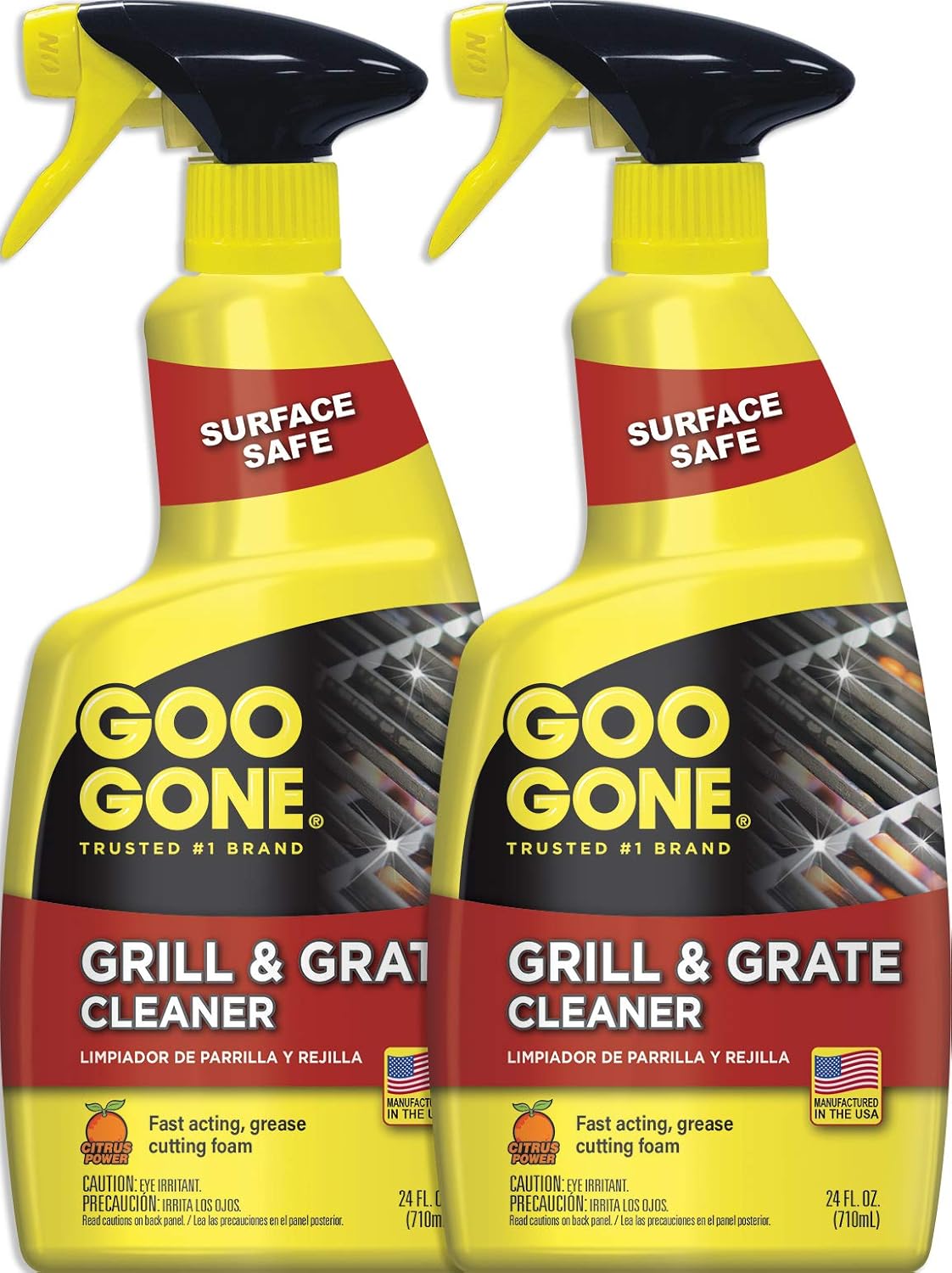
If you've ever faced down a crusty, grease-laden grill grate after a long summer of burgers, steaks, and slow-smoked ribs, you know the struggle is real. The Goo Gone Grill and Grate Cleaner Spray (2 Pack) is designed for exactly that scenario. This super-strength gel foam targets baked-on deposits, carbon, and grease that accumulate on your cooking surfaces. It's not a replacement for a good brush, but it's a powerful pre-treatment that cuts your scrubbing time drastically.
This cleaner is best suited for backyard grillers who own gas grills, pellet smokers (like Traeger), electric smokers, or even charcoal kettles. If you're a tailgater who wants to refresh your portable griddle or a home cook who hates scrubbing drip pans, this product will make your life easier. The biodegradable formula is a plus for eco-conscious outdoor cooks, and the citrus scent is a welcome change from harsh chemical smells.
In real-world use, the foam clings well to vertical surfaces—important for cleaning the inside of your smoker lid or the sides of your grill grates. After letting it sit for a few minutes (the instructions recommend 2 to 10 minutes, depending on how caked-on the grime is), a plastic brush or a stiff grill brush will lift the softened debris. Many users report success even with heavy carbon buildup, and the product helps reduce future flare-ups by removing grease that can ignite.
Build quality is straightforward: two 24-ounce bottles with trigger sprayers. The spray nozzles can be finicky—some reviewers mention they don't produce a consistent foam stream, which can make coating narrow grate rods tricky. A workaround is to pour the cleaner into a spray bottle with a better nozzle, or even soak a cloth and wipe it on. The product is safe on most metals (steel, cast iron, porcelain-coated grates) but avoid aluminum and faux stainless steel as the formula can damage them.
Ease of use is the main selling point. Remove your grates, spray on the foam, wait, scrub, rinse, and dry. For interior grill surfaces, you can spray and wipe with a cloth. The cleaner does need to be rinsed thoroughly—leftover residue could affect the taste of your next meal, so a quick rinse with water is essential. Storage is simple; the bottles stand upright and the foam doesn't separate.
A realistic limitation is that very heavy buildup may require multiple applications or a longer soak. Also, if you're cleaning a large smoker with lots of nooks and crannies, you'll use a fair amount of product. Some users with thin, closely spaced grill rods find that the foam doesn't coat evenly unless they apply it carefully. For best results, consider wearing gloves and working in a well-ventilated area. Overall, this is a reliable, affordable cleaner for regular grill maintenance. If you want to keep your outdoor cooking equipment in top shape without spending hours scrubbing, the Goo Gone Grill and Grate Cleaner is a solid choice.

The Complete Guide to Cleaning Dirty Grill Grates Safely and Thoroughly
Cleaning heavily soiled grill grates requires matching the cleaning technique to the specific metal surface rather than applying brute force. When food particles, rendered fats, and sweet glazes remain on cooking grids, high heat turns those residues into stubborn carbon. A proper cleaning routine dissolves grease chemically, loosens carbon deposits mechanically, and restores the metal surface without scratching protective coatings. Following a structured approach allows you to restore dirty grates to clean cooking condition without damaging your equipment.
Understanding What Builds Up on Dirty Grill Grates
Every barbecue session deposits a combination of animal fat, protein fibers, and seasoning residue directly onto the cooking grids. Over repeated high-heat grilling cycles, these organic substances undergo pyrolysis and turn into an inert, crusty layer of black carbon. Sugary marinades and barbecue rubs accelerate this buildup by caramelizing quickly and adhering tightly to hot metal rods. If left uncleaned, this hardened crust insulates the metal, resulting in uneven heat distribution during future cooks.
Beyond surface carbon, vaporized fat droplets condense on the underside of grill grates and flavorizer bars to create thick grease deposits. When old grease is exposed to oxygen and humidity between cookouts, it turns rancid and can impart bitter flavors to fresh food. In humid climates, moisture trapped beneath heavy grease coats can also trigger oxidation and rust on bare steel. Removing these deposits on a regular schedule prevents rancidity, stops bitter smoke generation, and protects your equipment from structural corrosion.
The Cool-Cleaning Method Versus the High-Heat Burn-Off
For decades, common backyard advice suggested turning burners to maximum heat for twenty minutes to burn off accumulated cooking residue. While high heat does turn food scraps into ash, this burn-off technique wastes significant propane, natural gas, or charcoal fuel during every maintenance cycle. Excessive temperatures can also stress weld points on stainless steel grates and compromise the non-stick seasoning on cast iron grids. Furthermore, incinerating concentrated grease creates dense plumes of acrid smoke that can trigger intense flare-ups.
The cool-cleaning method provides an efficient, modern alternative that treats the grill surface at ambient outdoor temperature. By applying specialized cleaners directly to cool grates, the active degreasing agents have adequate dwell time to break molecular bonds without instantly evaporating. This approach allows organic degreasers and citrus-based sprays to penetrate deeply into baked grease layers before any scraping begins. Cleaning on a cool surface also eliminates the burns, steam scalds, and heat discomfort associated with leaning over a hot grill.
Choosing the Right Degreaser: Citrus Formulas, Heavy-Duty Sprays, and Gels
Selecting the appropriate chemical cleaner depends largely on the severity of the grease and the sensitivity of your cooking components. Citrus-based cleaners formulate natural d-limonene extracted from citrus peels into non-corrosive, phosphate-free degreasing sprays. These citrus sprays effectively cut through organic oils on cool cooking surfaces while remaining gentle enough for frequent backyard use. Because citrus formulas avoid caustic lye or harsh fumes, they are favored by outdoor cooks seeking a safer cleaning solution.
For severe carbon deposits and long-neglected grates, heavy-duty degreaser sprays and clinging gel formulas offer concentrated lifting power. Gel cleaners feature higher viscosity that clings to vertical grate surfaces rather than dripping immediately into the drip pan. This clinging action gives active agents several minutes to dissolve thick carbonized crusts and stubborn smoky residue. Cooks preparing sticky dishes like a sweet barbecue chicken wings recipe often rely on these clinging formulas to dissolve stubborn glazes without exhausting manual labor.
Always verify that your chosen spray is safe for your specific grate material before liberal application. Caustic oven cleaners containing sodium hydroxide can discolor stainless steel, pit aluminum cookboxes, and strip protective seasoning from cast iron. Choosing formulas explicitly labeled for barbecue grates, smokers, and outdoor cookers ensures powerful degreasing without unintended metal damage.
Scrapers and Brushes: Eliminating the Danger of Wire Bristles
Traditional brass and steel wire brushes have fallen out of favor due to documented safety hazards involving loose metal bristles. As wire brushes age, repeated flexing causes thin metal wires to snap off and lodge invisibly on sticky grate bars. When fresh meat is placed over the grill, those sharp bristles can transfer directly into burgers, steaks, or vegetables and cause severe internal injuries if ingested. Medical professionals and consumer safety groups consistently recommend switching to bristle-free cleaning tools to avoid this hazard entirely.
Modern bristle-free alternatives include contoured metal scrapers, durable nylon brushes, and replaceable abrasive scrubber pads. Custom stainless steel scraping tools feature precision-molded notches that wrap around individual rods to clean both the top and bottom surfaces simultaneously. Heavy-duty handheld scrubbers with replaceable textured pads deliver strong scrubbing friction across wide surface areas without shedding dangerous fragments. Stiff nylon bristle brushes are also effective when used on completely cool grates alongside citrus degreasers.
Wooden scraper paddles offer another bristle-free option that gradually conforms to your grill’s unique grate spacing over time. As the wooden edge slides across warm grates, the hot metal burns matching grooves into the timber for personalized coverage. Whichever tool you select, inspecting the cleaning head regularly and replacing worn pads maintains cleaning efficiency and ensures complete kitchen safety.
Step-by-Step Procedure for Restoring Stainless Steel Grates
Stainless steel cooking grates are prized for durability and rust resistance, making them tolerant of aggressive cleaning techniques. To begin, turn off the grill completely, disconnect the fuel supply, and confirm the cooking grids are cool to the touch. Remove the grates from the cookbox and place them flat on an outdoor cleaning tarp or sturdy utility work surface. Liberally coat the entire top and bottom surfaces of each grate rod with your chosen degreaser spray.
Allow the degreasing solution to dwell on the metal for approximately three to five minutes so the active enzymes soften the carbon bonds. Using a heavy-duty abrasive pad or a notched stainless rod scraper, scrub firmly along the length of each grate bar. Focus extra attention on the underside of the grates, where grease droplets collect and harden out of direct view. Working in systematic rows ensures you address every rod without missing hidden carbon patches.
Once the loosened grease forms a dark slurry, wipe the grates down with durable paper towels or an absorbent microfiber cloth. Rinse the cooking grates thoroughly with clean water from a garden hose or outdoor sink to remove all chemical residue. Dry the metal completely with a clean towel to prevent water spots, and reinstall the grates before your next barbecue session.
Cleaning and Protecting Cast Iron Cooking Surfaces
Cast iron cooking grates require a specialized approach because bare iron is highly susceptible to rust and moisture damage. Unlike stainless steel, cast iron relies on a polymerized oil layer called seasoning to create a naturally slick, rust-resistant barrier. Harsh chemical degreasers and extended water soaking will strip this delicate seasoning, leaving the porous iron vulnerable to rapid oxidation. Cleaning cast iron grates requires removing food residue while preserving as much of the protective oil base as possible.
Begin by letting the cast iron grates cool until they are barely warm, which softens stubborn fats without burning your hands. Use a stiff nylon brush, a specialized scrubber pad, or a wooden scraper to dislodge cooked-on carbon and food particles. If stubborn buildup persists, apply a mild, non-corrosive citrus cleaner formulated specifically for seasoned surfaces and scrub gently. Wipe away all loosened debris immediately with a damp rag, avoiding prolonged exposure to standing moisture.
After cleaning, dry the cast iron grates immediately and thoroughly using a clean cloth or a brief five-minute warm-up on the grill. While the iron is still warm, apply a very thin coat of high-smoke-point cooking oil, such as canola, grapeseed, or peanut oil. Use a clean paper towel to rub the oil evenly into every surface until the metal looks matte rather than wet or greasy. This thin oil coating replenishes the protective seasoning and prevents rust from developing between cooking sessions.
Gentle Care for Porcelain-Coated and Enamel Grates
Porcelain-enameled steel and cast iron grates feature a glass-like ceramic coating that prevents food from sticking and protects the underlying metal from rust. However, this glossy ceramic finish is brittle and can chip or crack if struck with sharp metal scrapers or rough steel wool. Once the porcelain surface chips, moisture penetrates down to the raw core, leading to internal rust that causes the enamel to flake away into food. Protecting the integrity of the enamel layer requires gentle cleaning tools and mild cleaning agents.
When cleaning dirty porcelain grates, stick exclusively to soft nylon brushes, textured microfiber cloths, and non-scratch scrubbing sponges. Apply a citrus degreaser or warm soapy water to the cool grates and allow the solution to soften caramelized sugar and grease for several minutes. Gently scrub along the bars using moderate pressure, avoiding excessive force that could stress the ceramic coating. If heavy grease resists removal, repeat the application and soaking cycle rather than resorting to sharp metal implements.
Rinse the porcelain grates thoroughly with clean water to lift away loosened grease and detergent residue. Dry the grates completely before returning them to the cookbox to keep the underlying steel joints in pristine condition. Regular gentle maintenance preserves the glossy finish, ensuring reliable non-stick cooking for many seasons.
Deep Soaking Solutions for Heavily Carbonized Cooking Grids
When outdoor grates have been neglected for months, surface spraying alone may struggle to lift thick layers of petrified carbon. In these extreme situations, a deep soaking bath softens stubborn buildup and minimizes the physical effort needed to restore the metal. Large plastic storage tubs, utility sinks, or heavy-duty contractor trash bags make ideal soaking containers for standard grill grates. Submerging the grates fully allows the cleaning fluid to work continuously on all sides of every rod.
For an effective soaking solution, fill the container with warm water and mix in a generous amount of concentrated grill degreaser or household dish soap. Alternatively, a natural soaking bath can be prepared by dissolving one cup of baking soda and two cups of distilled white vinegar in warm water. Allow the heavily soiled grates to submerge completely for at least one to two hours, or overnight for severe buildup. The extended soaking action breaks down grease binders, causing dense carbon sheets to soften into manageable sludge.
After soaking, pull the grates from the container and place them on a flat, rinse-safe surface outdoors. The softened carbon should now scrub away easily using a firm nylon brush or an abrasive cleaning pad with minimal elbow grease. Rinse the entire grid thoroughly with a high-pressure hose nozzle to wash away loosened sediment and residual cleaning solution. Dry the metal completely and apply a light oil wipe if working with bare steel or cast iron.
Preventative Measures, Grill Liners, and Post-Cook Maintenance
Maintaining clean cooking grids is significantly easier when you adopt proactive habits before and during every barbecue session. Lightly coating your grates with high-heat cooking oil right before placing food creates a temporary barrier that reduces sticking. Preheating the grill thoroughly before cooking also sears protein quickly, preventing raw meat fibers from wrapping around cold grate rods. Taking these simple preparation steps keeps sauces and delicate proteins on your food rather than stuck to the metal.
For cooks who prioritize quick cleanup during large outdoor gatherings, disposable aluminum grill toppers provide a convenient protective barrier. Perforated aluminum sheets sit directly over dirty grates, allowing smoke and heat to circulate while catching dripping fats and delicate food items. These liners are especially helpful when cooking on public park grills or transitioning between savory dishes on versatile griddle and smoker combos where surface cleanliness varies. After cooking, you simply discard or recycle the sheet, leaving the primary grates protected from heavy grease deposits.
Establishing a brief post-cook cleaning routine prevents stubborn carbon from hardening in the first place. Once the burners are switched off and the cooking grates cool slightly, run a bristle-free scraper over the bars to remove warm debris. Giving the surface a quick wipe with a damp grill pad or oil-treated cloth lifts loose grease before it congeals into stubborn grime. Investing two minutes of effort at the end of each cookout dramatically reduces the need for intense deep-cleaning sessions later on.
Crucial Grill Cleaning Safety and Fire Prevention Guidelines
Safety must always remain your highest priority whenever you maintain, clean, or operate outdoor barbecue equipment. Never spray aerosol degreasers, flammable solvents, or citrus cleaners containing combustible alcohol onto hot grates or active open flames. Flammable vapors can ignite instantly, causing dangerous flare-ups, severe burns, or catastrophic damage to grill components. Always wait until the grill is completely cool to the touch before applying cleaning liquids or reaching deep into the cookbox.
Equally critical is understanding where grilling and grill cleaning activities may safely take place. Outdoor fuel-burning appliances, including propane, natural gas, pellet, and charcoal cookers, must never be operated inside a garage, carport, breezeway, or enclosed patio. Enclosed grilling creates fatal carbon monoxide poisoning hazards and presents severe structure fire risks, even if the overhead garage door is wide open. Always position your grill outdoors in a well-ventilated area, maintaining safe clearances from exterior walls, vinyl siding, and low-hanging eaves as specified by manufacturer manuals and local fire codes.
Regular grate cleaning directly supports fire prevention by removing old grease that fuels dangerous cooking flare-ups. When thick grease accumulates on cooking grates and flavorizer bars, unexpected drippings can ignite into uncontrollable grease fires. Keeping your cooking grids, burner covers, and slide-out grease trays clear of heavy sludge ensures stable temperatures and safe backyard cooking. If a grease fire ever ignites during a cook, turn off gas valves if safely accessible, keep the grill lid closed, and never use water on an oil fire.
Keeping your grill grates clean directly determines cooking performance, food flavor, and outdoor safety. Matching your cleaning method to your specific grate material preserves factory coatings, protects seasoned cast iron, and prevents costly premature replacements. By ditching dangerous wire brushes in favor of citrus degreasers, contoured scrapers, and structured maintenance habits, you keep your outdoor grill sanitary, efficient, and ready for your next backyard meal.




Write Your Review
No reviews yet. Be the first to share your experience!