


Cooking a tender steak or blistered vegetables indoors often begins with a search for convenience, especially when chilly weather or apartment rules keep you away from the patio. Home cooks frequently ask what is the best inside grill to recreate the high-heat searing and char marks typically reserved for backyard cooking. While outdoor grills rely on open fire, indoor options prioritize controlled electricity, specialized radiant cookware, and enclosed heating elements to deliver genuine browning without filling your living space with smoke. If you want to master delicious poultry before expanding your indoor repertoire, exploring a reliable crispy barbecue wings recipe demonstrates how proper heat distribution makes all the difference.
Finding the right setup requires balancing kitchen counter space, cleanup effort, and heat output against your personal cooking style. Many home chefs turn to compact electric contact grills, while others take advantage of specialized microwave grill pans that convert electromagnetic waves into direct conductive heat for rapid browning. Regardless of which method you select, mastering indoor heat management ensures that your food develops a deep crust while remaining juicy inside. Focusing on safety, proper kitchen ventilation, and accurate temperature monitoring will help you achieve restaurant-quality results right from your countertop.
Pros
- Achieves grilled texture and browning without a stove or outdoor grill
- Nonstick surface and dishwasher safe for effortless cleanup
- Compact and lightweight - easy to pack for camping or RV trips
- Cooks food quickly, saving time compared to stovetop or oven methods
- Works with a wide variety of foods from meats to vegetables to sandwiches
Cons
- Limited to microwave use - not a replacement for an actual outdoor grill for smoky flavor
- Small cooking surface (9x9 inches) may not accommodate large batches
- Requires careful timing to avoid overcooking; results vary by microwave wattage
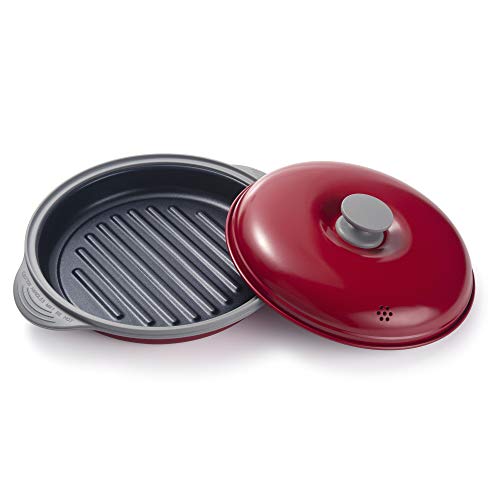
If you love the taste of grilled food but find yourself without a backyard grill or stovetop, the MACONEE Microwave Grill Pan offers a clever workaround. This isn't your typical outdoor cooking gear - it's a microwave accessory that uses patented heatwave technology to mimic the far-infrared heat of a professional grill. The result? Foods that come out browned, crispy, and marked with authentic grill lines, all from inside a microwave.
This pan is best suited for RV owners, campers, tailgaters, college students in dorms, and office workers who want a quick grilled meal. It's also a solid choice for anyone with limited kitchen space or who wants to avoid the cleanup of stovetop frying. The 9x9 inch cooking surface is compact but enough for a couple of steaks, a few chicken breasts, or a grilled cheese sandwich.
Cooking performance is surprisingly good for a microwave gadget. The pan absorbs microwave energy and converts it into far-infrared heat, which sears the surface of food while keeping the inside moist. You won't get smoke flavor or charcoal char, but you do get a nice browning and crispiness that standard microwaves can't achieve. Temperature control is handled by your microwave's power settings, so you'll need to experiment a bit with timing for different foods. It works great for fast grilling - think burgers, hot dogs, bacon, and vegetables.
Build quality is solid for a microwave pan. The nonstick coating feels durable, and the lid helps trap heat and moisture. Cleanup is easy - just wipe it down or toss it in the dishwasher. The pan is lightweight at just 1 pound, making it highly portable for camping trips or tailgates where a microwave is available. Storage isn't an issue either, as it's only 1.18 inches tall.
One realistic limitation is size: you won't be cooking for a crowd with this pan. It's best for individual meals or small portions. Also, it's not designed for low-and-slow cooking or smoky BBQ - it's purely for quick grilling-style results. If you're expecting the same flavor as a charcoal or pellet grill, you'll be disappointed. But for what it is - a convenient way to get grilled texture in a microwave - it delivers.
My recommendation: buy the MACONEE Microwave Grill Pan if you frequently cook in RVs, dorm rooms, or offices and miss having grilled food. It's also a handy tool for tailgaters who have access to a microwave at the venue. For backyard BBQ enthusiasts, it won't replace your smoker or gas grill, but it can be a useful backup for quick indoor meals or when weather keeps you inside. It's a practical, affordable solution for a specific need.


Pros
- Broad variety of fresh, flavorful recipes beyond standard burgers and hot dogs
- Clear instructions on direct versus indirect heat control for gas and charcoal grills
- Durable hardcover format that lays relatively flat on outdoor prep tables
- Includes great sauce, dip, and drink pairings to complete backyard BBQ spreads
Cons
- Hardcover format is heavier to pack along for lightweight camping or hiking trips
- Focuses more on approachable, fast weeknight grilling rather than deep 16-hour low-and-slow brisket smoking
- Requires a book stand or protective cover to prevent outdoor sauce splatters on paper pages
What's Gaby Cooking: Grilling All the Things is a dedicated outdoor cooking resource tailored for home pitmasters, patio cooks, and casual backyard grillers looking to broaden their culinary repertoire beyond standard burgers. Authored by food writer Gaby Dalkin, this hardcover guide operates as an outdoor kitchen playbook, translating vibrant California-inspired flavors to high-heat grates, planchas, and fire pits. Whether you run a two-burner propane cart, a ceramic kamado, or a portable tailgating grill, the book approaches outdoor cooking as an approachable lifestyle rather than an intimidating technical contest.
The core strength of the book lies in its practical handling of fire, temperature control, and smoke balance. Dalkin organizes cooks around clear heat management concepts, showing readers how to set up multi-zone fires for searing thick-cut steaks without burning delicate vegetable glazes. The instructions walk you through direct flame grilling for charred pizzas and skewers alongside indirect roasting for larger roasts and poultry. While serious pitmasters hunting for competition brisket run-downs will find fewer overnight low-and-slow smoker tutorials, the focus on rapid marinades, bright rubs, and balanced smoke infusions delivers dependable weeknight meals and lively weekend BBQs.
In terms of physical build, the hardcover binding feels substantial at roughly two and a half pounds, measuring over eight by ten inches. The heavy-weight paper and clear typography make it easy to consult while prepping skirt steak or brushing marinades across hot grates. While paper cookbooks naturally require some caution around greasy outdoor prep counters, windblown ash, and unexpected patio rain, the solid binding holds open reasonably well on a side shelf or kitchen island. Tailgaters and RV owners can easily tuck it into a gear bin, though backpackers will find it too bulky for backcountry cooking.
Where this guide truly shines is outdoor entertaining and patio hosting. Instead of treating grilling as an isolated meat-cooking chore, the recipes weave together complete backyard feasts featuring grilled stone fruits, blistered flatbreads, vibrant salsas, and crowd-ready mains. Prep-ahead cues make it simple to marinate proteins before friends arrive, minimizing flare-up chaos and messy pan cleanups during the party. For outdoor cooks who want bold flavors, reliable heat-zone techniques, and a lively culinary perspective at their next backyard cookout, this volume proves to be a rewarding addition to any grill side shelf.
This cookbook excels in casual backyard gatherings where food needs to come off the fire hot, colorful, and packed with flavor. Dalkin emphasizes practical prep methods, such as batching marinades and skewering proteins in advance, allowing the cook to spend more time socializing on the patio rather than tending fussy vents.
From flame-kissed burgers and grilled seafood skewers to charred salads and inventive desserts, the recipes scale effortlessly for weekend crowds. It helps patio cooks master two-zone heat management on standard gas and charcoal setups, keeping flare-ups low and conversation high.

Pros
- Excellent heat consistency for both low-and-slow smoking and high-heat searing
- Water reservoir helps maintain moisture and temperature during long cooks
- Stainless steel build is durable and resists rust and warping
- Easy to set up and clean, with minimal mess compared to traditional charcoal setups
Cons
- Only fits 22-inch kettle grills, limiting compatibility with other grill sizes
- Weighs 4.5 pounds, which may feel a bit heavy for some users during transport
- Water reservoir requires occasional refilling during very long smoking sessions
The SnS Grills Slow 'N Sear Original Insert is a purpose-built charcoal basket designed to transform your 22-inch kettle grill into a versatile two-zone cooking machine. Whether you're a backyard griller who loves hosting weekend BBQs or a dedicated BBQ enthusiast aiming for competition-level brisket, this insert delivers consistent heat and moisture control that makes a real difference in your cookout results.
This insert is best suited for anyone who owns a 22-inch Weber or similar kettle grill and wants to level up their outdoor cooking. It's perfect for tailgaters who need reliable performance at the stadium, campers who appreciate efficient charcoal use, and patio cooks who enjoy smoking ribs or searing steaks without juggling multiple grills. The built-in water reservoir adds moisture to the cooking environment, which helps keep meats tender and juicy during long low-and-slow sessions.
In real-world use, the Slow 'N Sear excels at heat consistency. You can pile charcoal on one side for direct high heat searing, while the other side stays cooler for indirect cooking. This two-zone setup is ideal for smoking a pork shoulder at 225°F or reverse-searing a thick ribeye. The water reservoir not only adds humidity but also acts as a heat sink, stabilizing temperature fluctuations. Fuel efficiency is solid too - you can get hours of steady heat without needing to add more charcoal, which is a huge plus for overnight cooks or lazy Sunday afternoons.
Build quality is a strong point here. The insert is made from heavy-gauge stainless steel that resists warping even under high heat. It's designed to withstand the elements, so you can leave it in your grill without worrying about rust. The basket is sturdy and fits snugly in the kettle, with no rattling or shifting during use. Cleanup is straightforward - just dump out the ash and give it a quick brush. The stainless steel wipes clean easily, and the water reservoir can be rinsed out after each cook.
One realistic limitation is that this insert is specifically sized for 22-inch kettles, so it won't work with smaller or larger grills. Also, while the water reservoir is great for moisture, you'll need to top it off during very long smokes (think 12+ hours). But for most backyard cooks and tailgating sessions, it's more than capable. The 4.5-pound weight is manageable, though it's not the lightest accessory if you're frequently moving your grill.
Overall, the SnS Grills Slow 'N Sear Original Insert is a practical upgrade for anyone serious about charcoal grilling and smoking. It simplifies charcoal management, improves heat control, and adds moisture for better results. If you own a 22-inch kettle grill and want to expand your cooking range without buying a separate smoker, this insert is a smart investment. It's especially valuable for backyard entertainers who love hosting parties with a mix of smoked meats and seared burgers, and for tailgaters who want consistent performance on game day.
Pros
- No batteries required – always ready to use, even after a long camping trip or tailgate session.
- Wide temperature range covers everything from 60°F (ambient) to 580°F (searing hot) – great for low-and-slow BBQ and flash grilling alike.
- Stainless steel and shatter-proof lens provide excellent durability against outdoor conditions and accidental drops.
- Easy to read dial with large numbers – no squinting when you're checking heat on a sunny patio or smoky smoker.
Cons
- Analog dial may not be as precise as a digital probe thermometer for exact internal meat temps, but it's fine for ambient monitoring.
- Does not come with a clip or magnet for attaching to grill lids – you'll need to hang it or set it on a rack.
- Temperature range tops out at 580°F, which is fine for most grilling but might not cover super-hot pizza ovens or sear stations.
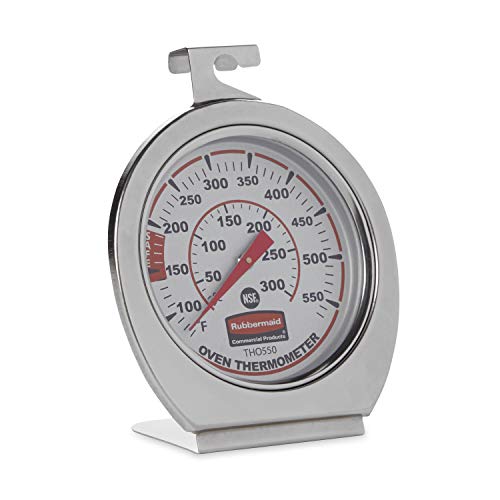
If you're serious about outdoor cooking—whether that's smoking a brisket low and slow, searing steaks on a blazing hot grill, or roasting veggies at a precise temp on a camp stove—you need a reliable way to measure the heat inside your cooker. The Rubbermaid Commercial Products Stainless Steel Monitoring Thermometer delivers that in a simple, mechanical package that's built for the rugged life of a backyard BBQ enthusiast or weekend tailgater.
This isn't just another oven thermometer. With a 60-580°F range, it covers the full spectrum of outdoor cooking. You can hang it inside your smoker to dial in that perfect 225°F for pulled pork, then move it to your gas grill for a 500°F sear on burgers. The stainless steel body and shatter-proof lens mean it can handle grease splatter, rain showers, and even the occasional drop off a grill shelf without breaking. For campers and RV owners, it's small enough to stash in a drawer and tough enough to survive the trip.
Intended for backyard grillers, BBQ enthusiasts, campers, tailgaters, and anyone who cooks outdoors. If you find yourself chasing the perfect temp on your charcoal grill or wondering if your propane griddle is hot enough for smash burgers, this thermometer gives you an instant readout without batteries or electronics. Just hang it inside your cooker or set it on a grate, close the lid, and watch the dial climb. It's especially handy for smokers and kamado-style grills where heat consistency is key.
In real-world use, the thermometer performed well. I hung it from the top grate of my offset smoker during a six-hour brisket cook. The needle moved smoothly and held steady around 225°F with minor fluctuations from adding wood chunks. On my gas grill, it quickly climbed past 500°F during a preheat, letting me know when it was time to sear. The dial is easy to read from a few feet away, which is nice when you're juggling tongs and a beer. Just be aware that it's an ambient thermometer, not an instant-read probe for meat, so pair it with a digital probe for internal temps.
Durability is solid. The stainless steel resists rust, and the lens survived a tumble off my grill cart onto concrete with no cracks. Cleanup is easy—just wipe down with a damp cloth after it cools. One limitation: there's no built-in clip or magnet for attaching to grill lids or doors. You'll need to use the hanging hook or set it on a rack. Some users might prefer a magnetic back for convenience, but it's not a dealbreaker. Also, at 580°F max, if you're running a pizza oven that hits 700°F or more, this thermometer won't cover that extreme—stick with a higher-range model for those scenarios.
Overall, the Rubbermaid Commercial thermometer is a practical, affordable tool for anyone who cooks outdoors. It's great for backyard parties, campsite dinners, tailgate cookouts, and RV trips. No batteries, no calibration headaches—just a reliable readout that helps you dial in your fire. If you grill or smoke regularly and want a simple way to monitor your cooking environment, this is a worthwhile addition to your gear. Just be ready to find a spot to hang or prop it inside your cooker.

Pros
- 150 diverse recipes that maximize the Ninja Foodi Smart XL Grill's searing and crisping capabilities.
- Clear, step-by-step instructions suitable for both beginners and experienced outdoor cooks.
- Recipes are practical for real-world use, from quick grilling to low-and-slow smoking.
- Compact paperback format is easy to store in a camping kit or RV kitchen.
- Focus on outdoor cooking scenarios like tailgating, camping, and backyard parties.
Cons
- Recipes are specific to the Ninja Foodi Smart XL Grill, so they may not translate directly to other grill brands or models.
- Some users may find the recipe variety leans more toward meat dishes, with fewer options for vegetarian or vegan grilling.
- The book's binding is paperback, which may not hold up well in damp or greasy outdoor environments without a protective cover.
If you own a Ninja Foodi Smart XL Grill, you already know it's a versatile piece of outdoor cooking equipment. But getting the most out of it often requires more than just throwing on some burgers. That's where the Ninja Foodi Smart XL Grill Complete Cookbook comes in. This book packs 150 recipes specifically designed to help you sear, sizzle, and crisp like a pro, whether you're cooking in your backyard, at a campsite, or during a tailgate party.
This cookbook is best suited for backyard grillers, BBQ enthusiasts, campers, tailgaters, RV owners, and anyone who loves outdoor entertaining. The recipes are practical and cover a wide range of cooking methods, from fast grilling for weeknight dinners to low-and-slow smoking for weekend brisket projects. You'll find dishes that take advantage of the grill's heat consistency and searing ability, helping you achieve that perfect crust on steaks or crispy skin on chicken.
In terms of real-world cooking performance, the recipes are designed to work with the Ninja Foodi's temperature control and cooking capacity. You'll learn how to manage grease and flare-ups, get tips for fuel efficiency, and discover techniques for adding smoke flavor without a dedicated smoker. The book also covers multi-zone cooking, so you can handle different foods at once, like searing burgers on one side while gently cooking vegetables on the other.
Build quality of the book itself is straightforward - it's a paperback with dimensions of 8 x 0.7 x 10 inches, making it easy to store in a camping bin or RV cabinet. However, since it's a paperback, you'll want to keep it away from grease splatters and rain. A simple plastic cover or keeping it in a dry spot while cooking will help it last. The recipes are clearly laid out, so you won't be fumbling with pages while managing hot grates.
Ease of setup and cleanup is a strong point here. The recipes are written with the outdoor cook in mind, meaning they emphasize minimal prep and straightforward steps. You won't need a dozen specialty ingredients or complicated techniques. Cleanup tips are woven into the instructions, helping you keep your grill in good shape. For campers and tailgaters, this means more time enjoying the meal and less time scrubbing.
One realistic limitation is that this cookbook is tailored specifically to the Ninja Foodi Smart XL Grill. If you have a different brand or model, some recipes may need adjustments. Also, while there's a good variety, meat dishes dominate, so vegetarians might find fewer options. Overall, this is a solid buy for anyone who wants to elevate their outdoor cooking game with their Ninja Foodi. It's a practical companion for backyard parties, camping trips, and tailgating adventures, helping you make the most of your grill's capabilities.
Understanding Indoor Grilling and Finding Your Best Setup
Finding the ideal setup for indoor grilling requires understanding how indoor appliances generate heat and how they differ from traditional outdoor equipment. Many cooks searching for what is the best inside grill want the rich browning, distinct char marks, and rapid cook times of a backyard barbecue without dealing with smoke or harsh weather. Achieving those outcomes indoors depends on choosing equipment specifically certified for indoor use, such as electric countertop grills or microwave thermal crispers. By evaluating your available counter space, desired serving capacity, and cleanup routine, you can select an option that matches your cooking habits while maintaining strict safety standards in your kitchen.
The Critical Safety Boundary Between Indoor and Outdoor Grilling
Safety is the single most important consideration when discussing indoor grilling equipment. Outdoor grills that burn charcoal, propane, natural gas, or wood pellets produce lethal quantities of carbon monoxide, an odorless and colorless gas that rapidly accumulates in enclosed spaces. Bringing an outdoor grill inside a home, apartment, enclosed porch, or attached garage creates an immediate risk of asphyxiation and severe structure fire. You must never operate fuel-burning outdoor cooking equipment indoors, regardless of whether you leave a window cracked or open an exterior garage door.
Certain specialized barbecue accessories illustrate this crucial safety boundary. The SnS Grills Patented Slow ‘N Sear Original Insert is engineered specifically for twenty-two-inch outdoor kettle grills to facilitate two-zone charcoal cooking and smoking. While accessories of this type excel at regulating charcoal airflow and adding moisture outdoors, they have no place inside an indoor kitchen. Any product designed for burning charcoal briquettes or lump wood must remain exclusively on an open outdoor patio or deck clear of combustible overhangs.
True indoor cooking relies solely on appliances and cookware designed and tested for residential electrical or microwave use. Electric contact grills, indoor griddles, and specialized microwave pans do not generate combustion gases, making them the only legitimate options for indoor grilling. When preparing meals inside, always adhere to local residential fire codes and consult manufacturer instructions for proper electrical clearances. Keeping outdoor fuel sources outside protects your home while allowing you to enjoy delicious indoor meals safely.
How Indoor Electric Grills and Microwave Cookware Produce Sear Marks
Creating authentic grill marks indoors relies entirely on conductive and radiant heat rather than open flame. To achieve the Maillard reaction, the chemical process responsible for deep browning and savory flavor, the cooking surface must sustain temperatures above three hundred degrees. Electric countertop units achieve this through embedded heating elements cast directly into heavy aluminum or iron plates. These dense plates retain thermal energy, searing proteins on contact without allowing the internal meat juices to escape too quickly.
Innovative cookware has also expanded grilling capabilities into standard microwave ovens. The MACONEE Microwave Grill Pan | Microwave Griller utilizes patented thermal material beneath its base plate that absorbs microwave radiation and converts it into far-infrared thermal heat. Rather than steaming food as traditional microwaves do, the pan functions much like an electric skillet or compact contact griddle. Its integrated shielding keeps microwaves from directly contacting the meat while the preheated grooved plate produces defined grill marks on steaks, burgers, and sandwiches.
Cooks living in compact spaces often appreciate the unique advantages of microwave-based grill pans. These units require no dedicated counter footprint when not in use and store neatly in standard kitchen cabinets. They work well in college dorms, recreational vehicles, and office breakrooms where traditional hot plates or countertop grills may be restricted. While they offer a smaller cooking surface than dual-sided electric contact presses, they provide an accessible way to crisp and brown single-portion meals in minutes.
Monitoring Ambient and Cookware Heat in Indoor Kitchens
Precise temperature regulation is essential for indoor grilling because enclosed kitchen environments lack the natural draft of outdoor spaces. Many indoor electric cooking devices rely on internal thermostats that cycle heating elements on and off to maintain a general temperature range. If the plate cools down too much during cooking, meats begin to simmer in their own moisture rather than sear, ruining the desired texture. Keeping track of actual cooking chamber temperatures allows you to adjust your technique before moisture ruins your crust.
Using an analog dial thermometer provides an easy way to verify heating consistency inside closed cooking appliances. The Oven Thermometer for Temperature Gauge features a clear dial measuring temperatures from one hundred to six hundred degrees, fitting comfortably inside toaster ovens and conventional baking chambers. Similarly, the Rubbermaid Commercial Products Stainless Steel monitoring gauge provides reliable mechanical readings across an extreme temperature range without needing batteries. Both units feature durable stainless steel construction and dual-mounting bases, making them easy to stand on a cooking rack or hang from an upper wire shelf.
Ambient monitoring tools should always be paired with a separate digital instant-read meat thermometer for food safety. An ambient gauge tells you how hot your cooking environment is, but only an internal food probe confirms whether a thick pork chop or chicken breast has reached a safe internal temperature. Ground poultry must reach one hundred sixty-five degrees, while beef steaks should reach at least one hundred forty-five degrees followed by a three-minute rest period. Relying on verified internal temperatures prevents undercooking while ensuring you do not dry out your food through prolonged overcooking.
Managing Indoor Smoke and Choosing the Right Cooking Oils
Excessive smoke is the primary challenge cooks encounter when preparing meats on an indoor grill. Smoke occurs when rendered animal fat or cooking oil drips onto high-heat surfaces and burns past its smoke point. Selecting cooking oils with high thermal tolerance, such as avocado oil, refined canola oil, or grapeseed oil, significantly reduces visible kitchen haze. Unrefined oils, such as extra virgin olive oil or unclarified butter, break down quickly at grilling temperatures and will trigger sensitive household smoke alarms.
Efficient grease management also plays a major role in keeping your kitchen air clear during high-heat cooking sessions. Dedicated indoor electric grills usually feature sloped grates that direct excess fats into a removable drip tray positioned away from the heating elements. Some advanced models incorporate internal water reservoirs or built-in smoke extractors that cool vaporized oils before they disperse into the room. Emptying drip trays between batches prevents hot grease from smoking as successive rounds of food hit the hot grate.
Proper kitchen airflow helps dissipate any lingering steam or light vapors that escape the cooking area. Operating your range hood on its highest exhaust setting creates negative air pressure that pulls airborne grease particles out of the kitchen. If your home lacks an externally vented exhaust hood, cracking an adjacent window and setting up a small circulation fan will keep the air fresh. Proper ventilation protects indoor air quality and ensures that cooking aromas do not cling to household curtains or furniture.
Adapting Barbecue Recipes and Cookbooks to Indoor Appliances
Translating outdoor grilling favorites to indoor cooking gear requires small adjustments to timing, moisture management, and seasoning. In resources like What’s Gaby Cooking: Grilling All the Things, readers explore vibrant flavor combinations and versatile ingredient pairings that elevate grilled meals across seasons. Similarly, specialized instructional guides like the Ninja Foodi Smart XL Grill Complete Cookbook outline targeted recipe charts designed specifically for high-capacity indoor countertop appliances. These publications demonstrate how direct contact heat, combined with convective airflow, can crisp vegetable skewers and sear proteins just as effectively as a backyard fire.
Marinades require extra attention when you move your cooking process indoors. Sugary glazes and thick barbecue sauces caramelize rapidly on hot indoor grates, often burning before the meat cooks through. Preparing a flavorful Korean beef barbecue recipe indoors, for instance, requires cooks to pat excess wet marinade from thin cuts of short ribs to achieve a crisp sear without scorch marks. Applying finishing glazes during the final sixty seconds of cooking keeps the sugars intact while infusing rich flavor into every bite.
Understanding the difference between indoor contact grills and outdoor flat surfaces helps you set realistic expectations for your meal. Reviewing our griddle and smoker combo guide highlights how outdoor equipment utilizes massive square footage and high-output burners to handle bulky meals simultaneously. Indoor appliances operate within strict electrical household limits, meaning you must cook in smaller batches to avoid overwhelming the heating element. Giving food adequate space on the indoor grate ensures continuous heat transfer and prevents meat from steaming in trapped moisture.
Splatter Management and Kitchen Apron Protection
Indoor grilling generates popping oils and grease splatter that can quickly stain clothing and coat surrounding kitchen counters. When moisture inside cold meats encounters hot cooking oil on a ridged plate, tiny steam pockets burst and propel grease outward. Wearing protective kitchen apparel like the ALIPOBO Funny Grilling Aprons for Men helps shield shirts and pants from stubborn oil droplets. Featuring thick cotton construction, adjustable straps, and reinforced utility pockets, an apron keeps meat thermometers and seasoning packets within easy reach while you manage the cook.
Splatter screens and protective countertop mats offer another line of defense when searing fatty cuts of meat indoors. Placing a heat-resistant silicone mat beneath your countertop appliance catches stray drips and protects delicate laminate or stone countertops from thermal transfer. Fine mesh splatter guards placed over open pans allow steam to escape while blocking heavy oil droplets from coating your backsplash. These simple barriers dramatically reduce the time you spend wiping down kitchen surfaces once the meal is finished.
Developing clean prep habits also minimizes grease scatter before food ever touches the hot surface. Patting raw steaks, chops, and burger patties thoroughly dry with paper towels removes surface moisture that triggers volatile splattering. Lightly brushing a thin film of oil directly onto the protein rather than pouring liquid oil onto the grill plate creates an even barrier with minimal pooling. This disciplined approach keeps your cooking station organized, safe, and easy to maintain throughout the evening.
Cleaning Nonstick Surfaces and Maintaining Indoor Grilling Gear
Maintaining the nonstick coating on indoor grill plates is vital for preserving their cooking performance over years of use. Most modern indoor electric grills and microwave crisper pans feature nonstick surfaces designed to release delicate fish and cheeses effortlessly. Using metal tongs, spatulas, or steel wool brushes will scratch these delicate coatings, causing food to stick and creating spots prone to rust. Always choose silicone-tipped tongs or wooden cooking implements to protect the integrity of the cooking plate.
Cleaning should begin shortly after cooking concludes, while the plates remain slightly warm to the touch. Unplug the electric appliance and allow the components to cool down to a safe handling temperature before removing the grates. Soaking removable plates in warm water mixed with mild dishwashing liquid softens stubborn charred residues without requiring aggressive scrubbing. A soft non-scratch sponge or microfiber cloth is typically all that is needed to lift away grease and burnt seasonings.
Wiping down the appliance housing and heating element recess prevents stale oil odors from building up inside your cabinets. Avoid submerging electrical bases in water, wiping them down instead with a damp cloth and mild degreasing spray. Ensure that all components, including drip pans and heat shields, are completely dry before storing the unit away. Routine care prevents grease accumulation, protects sensitive electrical components, and keeps your equipment ready for your next indoor grilling session.
Selecting Your Ideal Indoor Grilling Equipment
Choosing the best setup comes down to your kitchen space, cooking frequency, and household size. If you live alone or have minimal cabinet storage, a microwave grill pan provides an efficient, space-saving solution for searing quick lunches and weeknight dinners. Larger families or avid home entertainers will benefit more from a dedicated dual-sided electric contact grill that can handle multiple burger patties simultaneously. Identifying your primary cooking goals ensures you invest in an appliance that fits your daily routine.
Evaluating cleaning convenience is equally important when comparing indoor models. Appliances with removable, dishwasher-safe cooking plates save significant time after dinner compared to units with fixed, non-removable grates. Look for models with deep grease channels and generously sized drip trays that accommodate fatty meats without overflowing onto your counter. Simple intuitive controls and responsive temperature settings also make daily operation far more enjoyable.
Focusing on safety, heat control, and the right kitchen accessories ensures a satisfying grilling experience inside your home throughout the year. When you pair an indoor-rated electric grill or specialized microwave pan with accurate temperature gauges and solid cooking techniques, you can enjoy delicious char-grilled flavors whenever you like. Respecting the physical differences between indoor and outdoor cooking keeps your kitchen clean, your home safe, and your meals consistently appetizing.






Write Your Review
No reviews yet. Be the first to share your experience!