


Thick layers of baked-on fat and charred drippings can quickly ruin an outdoor feast by triggering sudden flare-ups and imparting bitter flavors to fresh food. Learning how to clean a greasy barbecue grill restores proper airflow across your cookbox and keeps your cooking surface sanitary for every gathering. Setting up your supplies on a sturdy rolling barbecue prep table provides a dedicated staging area for scrapers, towels, and citrus cleaners before you begin. Regular maintenance prevents stubborn carbon crusts from bonding to your grates, which extends the working lifespan of expensive metal components.
Grease management also plays a central role in backyard safety because heavy oil deposits inside the firebox can ignite without warning under high heat. Modern maintenance methods favor bristle-free scrapers, active steam scrubbers, and specialized citrus degreasers over risky wire brushes that can shed sharp metal bristles into grilled meat. Thoroughly cleaning your grates, heat tents, and lower collection trays creates a dependable cooking environment where temperatures remain stable and predictable. Establishing a methodical degreasing habit transforms what seems like a daunting chore into a straightforward, manageable routine.


Pros
- Safe and effective cleaning without bristle concerns - ideal for families and health-conscious grillers.
- Steam-cleaning action tackles burnt-on residue quickly, even after high-heat searing or low-and-slow smoking sessions.
- Replaceable head design offers long-term value and reduces plastic waste compared to single-use brush heads.
- Works on all grill types and grate materials, making it a versatile addition to any outdoor cooking arsenal.
- Heat resistance up to 600°F allows you to clean while grates are still hot, speeding up the cleaning process.
Cons
- Requires preheating the grill and dipping the brush in water, which adds a step compared to traditional dry scraping.
- The initial purchase price is higher than many basic wire brushes, though the replaceable head offsets long-term cost.
- Some users may find the brush head becomes less effective over time as the padding wears, requiring replacement heads.
The Grill Rescue BBQ Replaceable Cleaning Head is a bristle-free grill brush designed for safe, effective cleaning on all types of grates. It uses steam-cleaning technology - simply heat your grill, dip the brush in water, and scrub away grease and residue without the risk of wire bristles breaking off into your food. This makes it an excellent choice for backyard grillers, BBQ enthusiasts, campers, tailgaters, and RV owners who want peace of mind while cooking outdoors.
In real-world use, this brush performs admirably on both high-heat searing and low-and-slow smoking setups. The steam action lifts burnt-on gunk from cast iron and stainless steel grates, leaving them clean with minimal effort. While it doesn't directly affect heat consistency or smoke flavor, a clean grate is essential for good searing and preventing flare-ups, which indirectly improves your cooking results. The heat resistance up to 600°F means you can clean while the grill is still hot, saving time between cooks.
Build quality is solid - the cleaning head uses a high-temperature Aramid Fiber layer that withstands repeated use, and the polypropylene handle offers a comfortable, non-slip grip. The replaceable head extends the brush's lifespan, making it a more sustainable and cost-effective option compared to disposable brushes. It's also dishwasher safe, so cleanup after a long tailgate or camping trip is as simple as tossing it in the machine.
Setup and storage are straightforward: the brush is ready to use out of the box, and its compact size (5 x 4 x 18 inches) fits easily in a grill caddy or camping gear bag. The only limitation is the extra step of preheating and dipping in water, which might feel unnecessary to those used to a quick dry scrape. Also, the upfront cost is higher than basic wire brushes, but the replaceable head design saves money over time.
Overall, this brush is a practical investment for anyone who grills frequently - whether you're hosting a backyard party, smoking brisket on a weekend, or cooking burgers at a campsite. It prioritizes safety without sacrificing cleaning power, and its compatibility with all grate materials adds versatility. If you value a bristle-free, low-maintenance cleaning routine, the Grill Rescue system is worth considering.
To get the most out of your Grill Rescue brush, follow these simple care tips. After each use, allow the brush head to cool slightly, then rinse it under warm water or place it in the dishwasher for a thorough clean. The head is dishwasher safe, but avoid using abrasive cleaners that could wear down the padding.
When the brush head becomes less effective at removing residue - typically after several months of regular use - simply replace it with a new Grill Rescue cleaning head. The handle is designed to snap on and off easily, so swapping heads takes seconds. Store the brush in a dry place away from direct heat to prolong its lifespan. Regular replacement ensures optimal cleaning performance and safety.


Pros
- Effective on heavy grease and charred food residue from low-and-slow smokes
- Works well on both cold and warm surfaces for flexible cleaning after grilling
- Economical - a little goes a long way for multiple cleaning sessions
- Rinses clean without leaving sticky residue that could affect food flavor
Cons
- May require multiple applications for heavily caked-on grime from years of use
- Strong chemical smell during application - use in well-ventilated area
- Not recommended for aluminum surfaces or painted grills
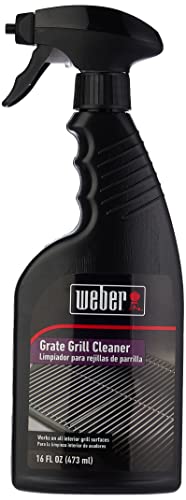
If you spend any time grilling, smoking, or cooking outdoors, you know the cleanup is the least fun part. This heavy-duty grill cleaner is designed to tackle exactly that chore, making it a solid addition to any outdoor cooking setup. It's a spray-on degreaser that works on BBQ grills, smokers, ovens, flat top griddles, and even camping stoves - basically anything that gets coated in grease and carbon after a cookout.
This cleaner is best suited for backyard grillers who fire up their gas or charcoal grills weekly, BBQ enthusiasts who smoke brisket low and slow, campers who need to clean their portable stove after a trip, and tailgaters who want their gear ready for the next game. If you own an RV and cook inside or outside, this is also handy for keeping the oven and grill grates spotless.
In real-world use, the cleaning performance is impressive. It cuts through baked-on grease and charred food residue without requiring heavy scrubbing. After a long smoking session where the grates are covered in black carbon, a few sprays and a short wait let you wipe it away. It doesn't completely eliminate scrubbing, but it reduces elbow grease significantly. The formula works on both warm and cold surfaces, so you can spray right after cooking or let it sit overnight on tough buildup.
Build quality is straightforward - it comes in a standard spray bottle with a trigger nozzle that delivers a wide or narrow stream. The nozzle doesn't clog easily, which is a common issue with thick cleaners. It's safe on porcelain, stainless steel, and cast iron grates, but you should avoid aluminum and painted surfaces. The spray can reach into tight corners of smoker racks and between grates, making it easier to clean those hard-to-reach spots.
Setup and use are simple: spray on, let it sit for a few minutes, scrub if needed, then rinse with water. Cleanup is quick, and the cleaner rinses away without leaving a sticky film that could affect your next meal's flavor. Storage is easy - just keep the bottle in your garage or under the sink. One limitation is that heavily caked-on grime from years of neglect may require multiple applications. Also, the chemical smell is strong, so you'll want good ventilation when using it.
Overall, this is a practical buy for anyone who cooks outdoors regularly. It saves time and effort on cleanup, which means more time enjoying your backyard parties, tailgates, or campsite meals. If you're tired of scrubbing forever after a great cookout, this cleaner makes the after-work much easier. Just remember to wear gloves and work in a well-ventilated area, and your grills and smokers will look like new after each use.

Pros
- Safe alternative to wire brushes - no bristle hazard
- Works on cool grills, so you can clean anytime without preheating
- Citrus scent leaves a fresh smell after cleaning
- Effective on grease and burnt-on food with minimal scrubbing
- Made in the USA with biodegradable ingredients
Cons
- Spray bottle may be prone to breaking after a few uses (reported by some users)
- May not remove very heavy, baked-on deposits without extra effort
- Scrubber pads may wear out faster on rough grates
If you've ever worried about wire bristles from a grill brush ending up in your food, the CitruSafe Grill Cleaning Kit is a breath of fresh air. This kit combines a 16-ounce citrus-powered spray cleaner with a heavy-duty scrubber handle and three replaceable pads, all designed to clean your grill while it's cool. No more burning off residue or risking stray bristles. It's a simple, safe approach that works on gas grills, charcoal grills, pellet grills, smokers, and even flat-top griddles.
This kit is perfect for backyard grillers who want a hassle-free cleanup after weekend BBQs, as well as campers and tailgaters who need a portable cleaning solution. The spray uses natural citrus degreasers to break down grease and burnt-on food, and the scrubber pads are tough enough to handle the job without scratching your grates. Just spray it on, let it sit for a minute, scrub, and wipe clean. Then preheat your grill for 15 minutes to burn off any residue. It's that straightforward.
In real-world use, the CitruSafe cleaner does a great job on moderately soiled grills. It cuts through grease and food residue quickly, leaving a pleasant citrus scent behind. For heavy, baked-on deposits, you might need to let the spray sit a bit longer or give it an extra scrub. But for regular maintenance cleaning, it's very effective. The scrubber handle feels sturdy, and the pads are thick enough to handle multiple uses before needing replacement.
Build quality is solid for a cleaning kit. The spray bottle is functional, though a few users have reported the nozzle breaking after a few sprays. The scrubber handle is made of heavy-duty plastic with a comfortable grip, and the pads are recyclable. The kit is compact and easy to store in your grill cart or camping gear. Since you clean the grill cool, there's no need to wait for it to heat up, which saves time and fuel.
One limitation is that the spray bottle could be more durable. If you're rough on gear, you might want to transfer the cleaner to a sturdier bottle. Also, for very heavy grease buildup, you may need to repeat the process or use a bit more elbow grease. But for most home cooks and outdoor enthusiasts, this kit offers a safe, effective way to keep your grill clean without the worry of wire bristles.
Overall, the CitruSafe Grill Cleaning Kit is a practical choice for anyone who grills regularly. It's especially good for families with kids, where food safety is a top concern. Whether you're cleaning a Traeger smoker, a Weber kettle, or a Blackstone griddle, this kit makes the job easier and safer. If you want a bristle-free, eco-friendly cleaning method that actually works, this is a solid investment for your outdoor cooking setup.


Pros
- Safe cleaning without wire bristles, protecting your family from accidental ingestion.
- Powerful citrus-based cleaner easily cuts through baked-on grease and carbon buildup.
- Kit includes everything you need: spray, brush, scrubber pads, scraper, and towel, no extra purchases required.
- Works on both hot and cool grills, offering flexibility for different cleaning routines.
Cons
- For extremely charred grates, some elbow grease may still be needed; the cleaner alone won't dissolve heavy creosote instantly.
- Scrubber pads are refillable but replacements are sold separately, adding ongoing cost over time.
- The cookbox scraper is best used on cool surfaces; it may scratch delicate porcelain coatings if used aggressively.
The Citrusafe Complete Grill Cleaning Kit is not your average grill cleaner. It is a thoughtfully assembled set designed to replace the dangerous wire brushes and harsh chemical sprays that many BBQ enthusiasts rely on. Instead, this kit uses a citrus-based degreaser, a nylon brush, heavy-duty scrubber pads, a cookbox scraper, and a microfiber towel to clean your grill safely and effectively. Whether you own a charcoal kettle, a propane gas grill, a smoker, or even a flat top griddle, this kit has the tools to handle the mess.
This kit is built for anyone who takes outdoor cooking seriously. Backyard grillers who fire up the Weber every weekend, campers who throw a grate over an open fire, tailgaters who need a quick cleanup between games, and RV owners who don't want wire bristles scratching their portable grills will all appreciate the safety-first approach. The stars are the Citrusafe Grill Cleaner spray, which uses natural degreasing power from citrus peels to break down grease, and the nylon brush and scrubber pads that work on a cool grill. No more burning off residue or worrying about stray bristles in your burger.
In real-world use, this cleaner shines on moderately soiled grates and cookboxes. Spray it on, let it sit for a few minutes, then scrub with the nylon brush or the heavy-duty pads. The grime dissolves quickly, and the included cookbox scraper reaches into corners that brushes miss. For a neglected grill that has months of caked-on grease, you may need to repeat the process, but the result is a cookbox that looks nearly new. The microfiber towel lifts away remaining residue without scratching porcelain or stainless steel surfaces.
Build quality of the tools is solid. The nylon brush handle is heavy-duty plastic with a comfortable grip, and the scrubber holder accepts the replaceable pads firmly. The scraper has a slim profile that fits into the tight gaps of most grills and smokers. The spray bottle has a trigger that produces a fine mist, covering grates evenly without waste. Everything in the kit is designed to be reused, cutting down on disposable grill wipes and paper towels.
Setup is simple: unpack the items and start cleaning. The spray works right out of the box, and all tools are ready to go. Transport is not an issue since it is a cleaning kit, but the spray bottle and tools fit easily in a garage cabinet or a camping tote. Storage is straightforward: keep the spray away from direct sunlight, and hang the brush and scraper to dry.
Limitations are minor. For grills with extremely heavy carbon buildup (think years of neglect), you may still need to use a metallic scraper or a second application. The scrubber pads are effective but wear out after several uses, and replacement packs are sold separately. Additionally, the nylon brush is not as stiff as wire, so it may take a bit more scrubbing on stubborn spots. Nonetheless, for routine maintenance and even deep-cleaning, this kit is a safe and effective choice. It earns a strong recommendation for any outdoor cook who wants to eliminate the risk of wire bristles and keep their cooking gear in top shape.
The Citrusafe Complete Grill Cleaning Kit comes with five essential items to tackle every part of your grill or smoker. You get a 16oz bottle of Citrusafe Exterior Grill Cleaner (also safe for interior use), a heavy-duty nylon brush with an integrated cookbox scraper, a scrubber handle plus three replaceable scrubber pads, a separate cookbox scraper for tight areas, and a premium microfiber cleaning towel (color may vary). Together, they cover cleaning from grates to hoods to side tables. Everything is manufactured in the USA by Bryson Brothers, a brand focused on safer outdoor cooking products.
For best results, clean your grill when it is cool to the touch. Spray the Citrusafe cleaner liberally onto grates and cookbox surfaces, let it sit for 3-5 minutes to loosen grease, then scrub with the nylon brush or scrubber pads. Use the cookbox scraper for baked-on residue in corners. Wipe away residue with the microfiber towel, then rinse with water if desired. For routine maintenance after each cook, a quick spray and wipe keeps grates looking new. The scrubber pads can be replaced when they become worn; replacement pads are available separately. The spray lasts through many cleanings, making this kit a great value for frequent grillers.
Complete Guide to Degreasing and Restoring Your Barbecue Grill
Restoring a grease-choked barbecue grill requires a deliberate sequence of softening, scraping, degreasing, and neutralizing carbon residues across every interior component. Cooking fats undergo repeated heating cycles that polymerize liquid grease into a sticky lacquer before finally hardening into dense carbon crusts. Removing these stubborn layers demands the right combination of chemical solvents and mechanical friction rather than brute physical force. Approaching the degreasing process methodically preserves your grill grates, protects internal gas burners, and eliminates the fuel source for sudden flare-ups.
The Hidden Hazards of Heavy Grease and Carbon Accumulation
Grease buildup inside a grill cookbox represents far more than an unsightly visual nuisance during outdoor cooking. Accumulated animal fats pool along heat shields, burner brackets, and lower castings, creating a reservoir of volatile fuel that can ignite suddenly. Uncontrolled grease fires burn at extreme temperatures that can warp metal lids, melt ignition wiring, and damage internal burner assemblies. Rancid grease vapors also deposit acrid chemical compounds directly onto fresh food, masking your seasonings with bitter, scorched undertones.
Airflow restrictions and structural corrosion also develop rapidly when thick grease mixes with airborne ash inside the cooking chamber. Gas burners depend on clear air shutters and open burner ports to maintain a steady, oxygenated blue flame. When thick oil runs over burner tubes, it clogs these microscopic openings, forcing yellow flames that produce heavy black soot. Trapped organic acids and salty drippings eat away at metal surfaces over time, accelerating oxidation and pitting beneath soft carbon crusts.
Essential Safety Guidelines Before Starting the Cleaning Process
Preparation begins with completely neutralizing your grill fuel supply to eliminate accidental ignition hazards during scrubbing. For liquid propane or natural gas units, shut off the gas cylinder valve tightly and disconnect the regulator hose before handling any internal hardware. Pellet grill owners must switch off the digital controller, unplug the unit from electrical power, and inspect the auger tube to ensure no active fire lingers. Charcoal enthusiasts must verify that all briquettes and wood chunks are cold to the touch before removing ash pans.
Grill placement during cleaning and operation requires strict adherence to fire safety protocols. Never operate a fuel-burning barbecue grill inside a garage, covered breezeway, or enclosed porch, even if exterior doors and windows remain wide open. Fuel-burning appliances generate dangerous concentrations of carbon monoxide gas and present severe structural fire hazards if trapped grease ignites. Position your grill outdoors on a level, non-combustible surface away from wooden railings, dry vegetation, and overhanging roof eaves.
Choosing the Right Degreasing Agents: Citrus vs Active Foaming Formulas
Chemical cleaners break the molecular bonds that hold stubborn, polymerized fats against metal surfaces. Citrus-powered solutions, such as the spray featured in the CitruSafe Grill Cleaning Kit, rely on natural d-limonene extracted from citrus peels to dissolve oily films. These formulas offer strong degreasing action without releasing noxious fumes or harsh chemical vapors into your outdoor cooking space. Citrus cleaners are specifically formulated for application onto completely cool grill surfaces, allowing the active oils to penetrate deep deposits over several minutes.
Active foaming degreasers, like the OKLJ Heavy-Duty Bbq Cleaner Dissolves Carbon and the Universal BBQ Cleaner for Greasy Grills, provide a distinct tactical advantage on vertical surfaces. The expanding foam clings directly to upright sidewalls, hoods, and inverted grate surfaces rather than dripping immediately into the drip pan. Active ingredients penetrate hardened carbon deposits and crusty grease, lifting them away from the metal substrate so they wipe away with minimal resistance. Foaming formulas work exceptionally well on neglected cookboxes where fats have baked on over multiple grilling seasons.
Matching your cleaner to your specific metal finishes avoids accidental surface discoloration or chemical etching. Highly caustic industrial oven cleaners can strip porcelain enamel coatings, corrode bare aluminum casting walls, and ruin cast iron seasoning. Mild citrus cleaners and dedicated grill foams balance aggressive grease removal with metal safety, making them suitable across stainless steel, enameled steel, and cast iron. Always rinse chemically treated surfaces thoroughly with clean water before lighting the grill to burn away lingering residues.
Mechanical Cleaning Tools: Why Bristle-Free Scrapers and Steam Scrubbers Excel
Mechanical agitation works in tandem with chemical breakdown to dislodge stubborn carbon crusts from cooking surfaces. Steam scrubbers, such as the Grill Rescue BBQ Replaceable Cleaning Head, utilize thermal energy to vaporize grease bonds safely. The cleaning head features a heat-resistant aramid fiber layer rated up to 600 degrees Fahrenheit that absorbs water and releases intense steam upon contact with preheated grates. As hot steam breaks down the tacky grease, the durable composite head scrubs away loosened residue without shedding dangerous metal wires.
Multi-angle scrapers provide another highly efficient path for scraping baked residue from irregular grate profiles. The Grill Stripper Bristle Free Grill Brush integrates a titanium-plated stainless steel triple scraper designed to wrap around grate rods. This setup allows you to scrape the top and lateral sides of each bar simultaneously, removing carbon that flat scrapers miss. Combining mechanical scrapers with water-dunked scrubbing sponges harnesses friction and moisture together to lift grime in fewer physical passes.
Specialized rod scrapers offer unmatched access for traditional round-wire cooking grates. The Grill Floss Premium Grill Scraper for Outdoor features a rotating notched blade made from stainless steel that hooks directly underneath round rods. You can glide the scraper along each bar to strip carbon from the underside without needing to lift heavy, greasy grates out of the grill body. This tool prevents buildup from accumulating on unseen bottom surfaces where flare-up fires often originate.
Step-by-Step Degreasing Procedure for Cooking Grates
Cleaning cooking grates effectively begins with an initial dry scrape to remove loose surface crusts and charred food particles. Run a notched scraper or rigid blade along each bar while the grates sit securely in the firebox. Clearing away this superficial crust exposes the dense, polymerized grease underneath to your cleaning agents. Collect and discard the dry debris in an outdoor trash receptacle so it does not fall deeper into the burner tubes.
Liberally coat the grates with your chosen degreaser, ensuring complete coverage across top rods, support bars, and contact points. When using citrus sprays like CitruSafe, apply the liquid to cool metal and allow it to dwell for one to two minutes so the citrus oils can emulsify the grease. If you opt for an active foaming cleaner, let the foam expand and work on the carbon deposits for several minutes until the foam discolors. This chemical dwell time does the heavy lifting, saving your muscles from excessive scrubbing strain.
Scrub the treated rods firmly using heavy-duty replaceable scrubber pads, nylon bristle tools, or steam heads. Work methodically from the back of the grill toward the front, applying even downward pressure along each rod. Wipe the grates with damp shop towels or microfiber cloths to lift the suspended grease slurry away from the metal. Finish by rinsing the grates with fresh water or running a damp towel over them, leaving the surface smooth, clean, and ready for seasoning.
Cleaning Heat Deflectors, Burner Tubes, and Cooking Accessories
Heat tents and flavorizer bars sit directly above the open burners, absorbing the brunt of falling fat, marinades, and meat juices. Lift these metal shields out of the cookbox and scrape both the angled top sides and hollow undersides with a rigid putty knife. Stubborn deposits can be treated with foaming degreaser and scrubbed with non-scratch scouring pads before rinsing. Keeping these deflectors clean prevents localized flare-up hotspots and promotes even radiant heat distribution across your entire cooking grid.
Burner tubes require gentle handling to preserve precise fuel delivery without enlarging or damaging delicate gas ports. Brush across the burner ports perpendicularly with a soft nylon brush rather than a stiff metal tool that could scratch the stainless steel. Inspect the spider screens and air shutters at the burner inlet for cobwebs, insect nests, or grease splashes that obstruct fresh airflow. Clear blocked burner ports carefully using a wooden toothpick or small paperclip to restore an even, uniform gas flame along the entire burner.
Complex outdoor cooking setups also require routine degreasing across specialized attachments and combination units. Backyard cooks managing versatile griddle and smoker combos must clear separate grease troughs and scrape smoky creosote from internal baffles. Similarly, using electric rotisserie kit attachments exposes spit rods, motor brackets, and side collars to continuous grease vapor during extended roasting. Wiping accessory brackets with citrus degreasers prevents mechanical binding and protects drive gears from sticky grease buildup.
Servicing the Lower Cookbox and Grease Management Tray
The interior basin of the lower cookbox acts as a funnel that directs liquid runoff down toward the disposal pan. Over months of regular use, grease solidifies along the sloped casting walls, trapping ash and creating thick, flammable sludge. Use a wide plastic or metal cookbox scraper, like the specialized scraper in the CitruSafe Complete Grill Cleaning Kit, to push this accumulation downward. Avoid digging sharp scraper corners into aluminum fireboxes to prevent gouging the underlying metal.
Remove the lower slide-out grease tray and empty the collection catch cup into a disposable container for safe disposal. Never pour hot or liquefied grill grease down household plumbing drains because it hardens rapidly and causes severe pipe blockages. Clean the metal tray with hot water, mild dish soap, or foaming degreaser, wiping away remaining oily film with absorbent microfiber towels. Line the drip pan or catch cup with disposable foil liners to make future cleanout routines quick and effortless.
Proper Care for Cast Iron vs Stainless Steel Cooking Surfaces
Stainless steel cooking grates handle aggressive cleaning techniques exceptionally well due to their non-porous surface structure. You can apply active foaming cleaners, soak grates in degreasing baths, or scrub vigorously with dense composite pads without risking structural damage. After degreasing stainless steel, buff the outer surfaces with a clean microfiber towel to eliminate streaks and expose the original metallic sheen. Stainless steel requires minimal post-clean seasoning, though a light wipe with cooking oil prevents lean proteins from sticking during subsequent cooks.
Cast iron grates demand a much gentler degreasing touch to protect the cured seasoning layer that prevents iron oxidation. Avoid soaking cast iron in harsh chemical baths or using strong alkaline degreasers that strip the black polymerized patina down to bare metal. Use steam cleaning heads or warm citrus sprays for targeted grease removal, followed by immediate drying with paper towels. Once dry, rub a thin layer of high-smoke-point oil over all sides of the iron grates and heat them to bake the protective seal back into the metal pores.
Porcelain-enameled grates require specific precautions to avoid chipping the delicate ceramic glass layer fused over the core metal. Avoid using sharp metal scrapers or abrasive wire tools that can scratch the smooth enamel and expose the underlying steel to rust. Stick to heavy-duty non-scratch pads, nylon bristle brushes, and citrus-based degreasers that lift grease chemically rather than abrasively. If you observe deep cracks, large flaking chips, or structural metal loss, replace the grates promptly to maintain safe food preparation standards.
Routine Degreasing Schedules to Prevent Heavy Buildup
Establishing a consistent cleaning rhythm keeps grease from transforming into rock-hard carbon sheets that require intense labor to remove. Immediately following every grilling session, run a bristle-free steam scrubber or scraper over warm grates to clear fresh drippings in seconds. Taking two minutes to clean warm metal prevents fats from cooling, congealing, and bonding permanently to the rods. This simple post-cook habit keeps your cooking station sanitary and significantly reduces your seasonal deep-cleaning workload.
Seasonal deep cleanings ensure that your grill transitions safely into winter storage or prepares properly for springtime gatherings. Disassemble the internal components completely, degrease the entire firebox down to the casting, and install fresh catch pan liners. Verify that gas connections remain leak-free using a mild soapy water solution on hose fittings before firing the burners for the new season. Regular, thorough degreasing protects your culinary investment, sharpens your cooking control, and guarantees exceptional flavor on every plate.






Write Your Review
No reviews yet. Be the first to share your experience!