


Gas grills offer rapid preheating, dependable burner control, and quick cleanup, yet many cooks miss the rich, aromatic wood smoke typical of traditional pit barbecues. Understanding how to use smoking chips in a gas grill bridges this gap without requiring an expensive outdoor appliance or messy lump charcoal setups. By pairing dedicated hardware or simple venting methods with indirect burner layouts, you can infuse steaks, pork shoulders, and even a barbecue chicken wings recipe with genuine wood essence. The process relies on managing burner airflow and heat transfer so dry wood smolders gently rather than catching fire.
Achieving clean, blue smoke requires matching your chosen wood variety to the protein and keeping combustion slow and steady over indirect heat zones. Many backyard cooks struggle with rapid burnouts or bitter creosote when wood fragments ignite too quickly over exposed burner guards. Utilizing tools like an enameled smoker container or thick aluminum foil pouches isolates the hardwood from open flames while allowing smoke to circulate freely around the cooking grates. With basic temperature discipline and proper vent management, you can transform ordinary weeknight cookouts into deeply flavorful barbecue sessions.

Pros
- Affordable way to turn any grill into a smoker.
- Sturdy enamel coating holds up to high heat without warping.
- Two-pack gives you extra capacity for longer cooks or multiple flavors.
- Easy to use - no special skills needed.
- Compact and portable for tailgating or camping.
Cons
- Small size may require frequent refills for long smoking sessions.
- Not suitable for very large cuts of meat that need hours of smoke.
- Lid can be a bit tight when hot - use tongs or heat-resistant gloves.
The Onlyfire Wood Chip Smoker Box is a handy accessory for anyone who wants to add real smoke flavor to their grilled food without buying a dedicated smoker. This two-pack of small, round boxes fits on virtually any gas or charcoal grill, making it a versatile tool for backyard grillers, BBQ enthusiasts, campers, tailgaters, and even RV owners. If you've ever wished your burgers or chicken had that authentic smoky taste, this is an easy and affordable solution.
In real-world use, these smoker boxes deliver consistent smoke output. Just fill them with your favorite wood chips, pellets, or chunks, place them on the grill grates, and within minutes you'll see smoke streaming from the multiple holes. The lid helps control airflow and keeps the chips from burning too fast. For a typical backyard cookout, one box can provide enough smoke for a couple of racks of ribs or a whole chicken. The small size means you can place them right next to your food for maximum flavor infusion.
Build quality is solid for the price. The black-coated enamel finish resists rust and handles the high heat of a grill without warping or cracking. The lid fits snugly, which is good for containing ash but can be a bit tricky to open when hot - you'll want to use tongs or heat-resistant gloves. The boxes are lightweight and easy to store, and they clean up quickly with a brush or a rinse. They're also small enough to toss in a camping kit or RV storage compartment.
Setup is straightforward: add wood chips, close the lid, and put the box on the grill. For gas grills, place it directly over a burner or on the heat deflectors. For charcoal grills, set it on the coals or near the edge. Cleanup is simple - just dump out the ash and wipe the box. One limitation is the capacity: for long, low-and-slow smokes (like a brisket or pork shoulder), you'll need to refill the box every hour or so. But for most weekend grilling and tailgating, a single fill lasts long enough to infuse great flavor.
Overall, the Onlyfire Wood Chip Smoker Box is a practical buy for anyone who wants to experiment with smoking without a big investment. It works on nearly any grill, is easy to use, and delivers real smoky flavor. If you're a backyard cook who loves ribs, chicken, fish, or even smoked cheese and nuts, this two-pack gives you flexibility and value. Just be prepared to refill for longer cooks, and you'll be rewarded with delicious results.

Complete Guide to Smoking with Wood Chips on a Gas Grill
Converting a standard gas grill into an effective wood-smoke cooker requires understanding airflow, burner management, and wood combustion physics. Gas burners produce heat efficiently through pressurized fuel, but they lack the organic compounds that give hardwood fires their signature aromatic appeal. By introducing dried hardwood chips into the grill chamber through controlled containment, any backyard cook can achieve mouthwatering barbecue results. Mastering this technique allows you to enjoy the temperature consistency of gas grilling alongside the deep, savory profile of traditional wood smoke.
How Wood Smoke Interacts with Gas Grill Combustion
Gas grills function by burning propane or natural gas, producing clean heat alongside water vapor and carbon dioxide. Because gas combustion creates virtually no particulate matter, food cooked over bare burners lacks the complex smoky aromatics produced by wood-burning pits. Introducing wood chips allows organic polymers like lignin, cellulose, and hemicellulose to break down under high heat without direct contact with open fire. This thermal decomposition, known as pyrolysis, releases volatile aromatic gases that condense onto moist meat surfaces to create deep barbecue flavor.
Airflow and burner configuration determine whether wood chips produce sweet, thin blue smoke or bitter, acrid white fumes. Gas grills are intentionally engineered with extensive perimeter venting to prevent combustible gas buildup and sustain burner oxygenation. To prevent rapid roasting before smoke can adhere, cooks rely on indirect heat by lighting only one burner while leaving the remaining burners off. Placing your wood container directly over the lit burner channels rising convection currents across the unlit side where food rests safely.
Dedicated Smoker Boxes versus Aluminum Foil Pouches
Backyard cooks generally choose between specialized metal smoking hardware and disposable aluminum foil packets. A dedicated container such as the Onlyfire Wood Chip Smoker Box offers a durable solution built from enameled steel designed to withstand direct burner contact. The vented lid and perimeter perforations regulate incoming oxygen, restricting active ignition while letting steady smoke plumes escape. In addition to steady airflow control, using an enameled box keeps loose ash contained so your burner assemblies and grease trays remain clean.
Aluminum foil pouches serve as a convenient DIY alternative when you do not possess a metal smoker container. To construct a pouch, place two cups of dry wood chips in the center of heavy-duty foil, fold the edges to seal all sides, and puncture several venting holes in the top. While foil pouches are inexpensive and disposable, they can tear easily during mid-cook adjustments and offer less heat buffering than thick metal containers. Thin foil also exposes wood to hot spots that can cause rapid flare-ups if grease drips nearby.
Wood Flavor Profiles and Protein Pairings
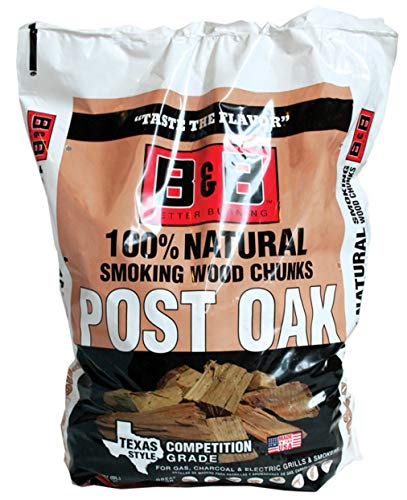
Selecting the appropriate wood species determines the final aromatic character of your barbecue. Mild fruitwoods like apple impart a delicate, sweet fragrance that complements poultry, pork tenderloin, and delicate white fish without masking their natural taste. Medium hardwoods like oak and hickory deliver a classic Southern barbecue flavor characterized by hearty, pungent undertones that pair wonderfully with ribs, chicken thighs, and pork shoulder. Dense hardwoods like mesquite burn hot and yield an intense, earthy profile best suited for quick beef cooks like skirt steak and brisket cuts.
Utilizing an assorted collection such as the RUSTY REDHORN Wood Chips for Smoker, Variety Pack allows cooks to experiment with apple, hickory, and mesquite profiles across different proteins. Blending different wood varieties within the same smoker box can also yield complex, customized flavor balances tailored to specific recipes. For example, combining two parts sweet apple with one part bold hickory provides gentle sweetness alongside a rich, traditional barbecue backbone. Using all-natural wood products devoid of chemical additives ensures that pure timber aromatics infuse your food.
The Soaking Debate: Dry versus Wet Wood Chips
One of the most persistent debates in backyard barbecue revolves around whether wood chips should be soaked in water prior to cooking. Proponents of soaking argue that wet wood burns more slowly and produces smoke over an extended period. In reality, wet wood cannot produce smoke until all absorbed water has evaporated, as wood pyrolysis only occurs once internal temperatures surpass approximately four hundred degrees Fahrenheit. The white clouds emerging from soaked wood chips during the first twenty minutes consist primarily of harmless steam rather than aromatic wood smoke.
Steam can negatively impact the texture and smoke absorption of meat cooking over indirect heat. Moisture evaporating from saturated chips cools the interior of the smoker box, delaying the release of desirable organic flavor compounds. Furthermore, wet chips often smolder inconsistently once the water finally escapes, creating patchy plumes rather than a steady stream of thin blue smoke. Culinary manufacturers and outdoor cooking specialists generally recommend using dry chips for immediate, uniform smoke generation.
Step-by-Step Gas Grill Setup for Smoking
Proper grill preparation begins with thoroughly brushing the cooking grates and emptying accumulated grease from the collection tray beneath the burners. Lingering grease residues can ignite when exposed to prolonged heat, creating acrid flare-ups that ruin delicate barbecue bark. Once the firebox is clean, fill your smoker box approximately three-quarters full with dry hardwood chips. Leaving a small pocket of air beneath the closed lid encourages healthy thermal convection inside the container.
Place the filled smoker box directly over the primary burner, resting it onto the heat tent or directly atop the cooking grate. Ignite only that dedicated smoking burner, setting it to high to initiate wood combustion quickly while leaving all other burners turned off. Close the grill hood completely to capture the rising thermal energy and allow the interior chamber to preheat. Within ten to fifteen minutes, wisps of fragrant smoke will begin filtering through the ventilation gaps.
Once active smoke emerges, adjust the active burner knob down to medium or low to stabilize your cookbox temperature between two hundred twenty-five and two hundred seventy-five degrees Fahrenheit. Maintaining this gentle temperature range prevents proteins from drying out while maximizing the surface adhesion of smoke compounds. Open the lid briefly, place your seasoned meat onto the unlit side of the grill grates, and close the lid immediately to trap the convective heat bubble.
Managing Cooking Space and Meat Placement
Cooking with indirect heat naturally reduces the usable surface area of your gas grill by half or more. Because the burners beneath the active smoker box remain hot, placing food over that zone will scorch it with direct heat. Arranging bulky cuts like bone-in chicken pieces or pork ribs on the indirect side demands efficient spatial planning. Utilizing an accessory like a sturdy barbecue rib rack holds slabs upright, dramatically multiplying your capacity on the cooler cooking grates.
Food thermometers are essential tools during any indirect barbecue cook to verify safe doneness without relying on guesswork. Authoritative safety guidelines emphasize cooking poultry to an internal temperature of one hundred sixty-five degrees Fahrenheit and pork to at least one hundred forty-five degrees followed by a three-minute rest. Insert an accurate digital probe into the thickest section of the meat, avoiding direct bone contact. Tracking internal temperatures prevents overcooking, ensuring your smoked proteins remain juicy and tender.
Replenishing Wood Chips and Managing Long Cooks
A standard batch of wood chips typically generates active smoke for thirty to forty-five minutes before reducing to inert gray ash. For rapid cooks like chicken wings, pork chops, or fish fillets, a single container of chips provides plenty of wood essence. Larger cuts like beef roasts or pork butts require smoke exposure during the first two to three hours of cooking while the meat’s surface remains cool and tacky. Replenishing your wood supply efficiently ensures continuous smoke without causing severe heat loss in the cookbox.
To replenish chips safely, equip yourself with heat-resistant grilling gloves and long-handled metal tongs before opening the grill lid. Carefully lift the hot smoker box lid, empty remaining glowing embers or stir them aside, and add a fresh handful of dry chips. If the smoke ever smells acrid or heavy, slightly crack the smoker box lid or lower the burner flame to encourage clean combustion. Once meat reaches approximately one hundred sixty degrees internal temperature, it stops absorbing significant smoke, so you can finish the cook on indirect heat without adding more chips.
Outdoor Safety Boundaries and Workspace Setup
Safety precautions must take precedence whenever operating a gas grill with supplemental wood combustion. Gas grills are certified strictly for outdoor use in well-ventilated exterior spaces and must never be operated inside a garage, breezeway, carport, or enclosed porch. Opening an overhead garage door does not provide sufficient ventilation to prevent deadly carbon monoxide accumulation or eliminate fire hazards from stray wood embers. Always maintain recommended clearances from vinyl siding, wooden railings, and overhanging eaves according to manufacturer specifications and local fire codes.
Organizing your grilling area with appropriate preparation furniture prevents accidents and keeps essential tools within easy reach. Placing a rolling barbecue prep table near your cooking station provides a stable, heat-safe surface for holding hot smoker boxes, fresh chip containers, and raw meat platters. Keeping dedicated tongs, gloves, and thermometers organized on a prep cart reduces the likelihood of dropping hot metal components onto your patio. Having a functional dry-chemical fire extinguisher and a spray bottle of water nearby ensures rapid response should an unexpected flare occur.
Cleaning and Post-Cook Maintenance
Maintaining your gas grill and smoker accessories after a wood-smoke session extends equipment lifespan and preserves food flavor. Allow the grill and smoker box to cool completely before attempting to remove ash or residual debris. Enclosed smoker boxes trap spent ash effectively, preventing fine powder from falling into delicate burner tube ports. Dump completely cooled ash into a metal trash can rather than plastic bins to eliminate smoldering ember hazards.
Scrubbing the enameled smoker box with warm water and a nylon brush removes baked-on grease and sticky wood tars. Avoid using harsh chemical degreasers on enameled or cast iron surfaces, as residues can impart unpleasant flavors during subsequent cooks. Wipe down the underside of the grill hood occasionally with a damp cloth to remove accumulated soot and creosote flaking. Keeping these interior surfaces clean ensures that future cooking sessions produce pure, untainted wood aromatics.
Mastering wood chip smoking transforms your everyday gas grill into a remarkably versatile outdoor barbecue cooker. By pairing controlled wood smoldering with disciplined indirect heat management, you can produce tender, deeply flavored barbecue that rivals dedicated smokers. Consistent practice with burner adjustments, wood pairings, and temperature monitoring will help you achieve reliable, flavorful results every time you fire up the grates.





Write Your Review
No reviews yet. Be the first to share your experience!