


Persistent flare-ups, uneven flame patterns, and acrid smoke usually signal that grease and charred food residue have built up across your cookbox. When you fire up your burners for a weekend cookout, old drippings and carbonized debris can impart bitter flavors to fresh ingredients while increasing the risk of an uncontrolled grease fire. Learning how to clean inside of gas grill components restores predictable heat distribution and keeps your outdoor cooker operating reliably all season long. Setting up a dedicated workspace, such as a sturdy rolling barbecue work cart, keeps detached parts organized and prevents greasy grates from marking your patio flooring.
Routine maintenance requires more than simply scraping the top grates with a wire brush after cooking. Over time, vaporized marinades and liquefied fats coat heat tents, drip into burner port holes, and settle into the lower collection basin. Deep degreasing targets these hidden combustion zones, ensuring that gas burners draw sufficient oxygen and ignite smoothly every time you turn the control valve. Taking a systematic approach to cleaning cooking surfaces, flame tamers, and burner tubes protects your equipment against corrosion while maintaining a hygienic cooking environment for your family.

Pros
- Easy to use – just spray and wipe; no scrubbing or harsh chemicals needed
- Streak-free finish that actually works on stainless steel without smearing
- Safe on multiple surfaces: grills, smokers, griddles, and even patio furniture exteriors
- Effectively removes bird droppings and tough stains that other cleaners struggle with
- Leaves a pleasant, mild citrus scent (not chemical) during cleaning
Cons
- May affect printed ink on control panels, knobs, or nameplates – always test on an inconspicuous area first
- Not a heavy-duty oven cleaner; for interior grease buildup you'll need a separate degreaser
- Spray nozzle can occasionally clog if not rinsed after use with heavy grime
If you're someone who takes pride in your outdoor cooking setup, you know that a clean grill isn't just about looks - it's about longevity and performance. The Citrusafe Exterior Grill Cleaner is specifically designed for grill owners who want a streak-free shine without the hassle of harsh chemicals or endless wiping. This 16 oz spray is formulated to tackle the unique messes that accumulate on grill exteriors: baked-on grease, bird droppings, pollen, water spots, and that stubborn haze that can make stainless steel look dull.
This cleaner is best suited for backyard grillers, BBQ enthusiasts, tailgaters, and RV owners who use gas, charcoal, pellet, or flat top grills. If you've ever spent time scrubbing your grill's exterior only to be left with smudges and streaks, you'll appreciate how Citrusafe's formula dries clear every time. It works on stainless steel, painted metal, and even some plastics and glass surfaces, so you can use it on smokers, side burners, and patio cooking stations without worry. Just spray, wipe, and admire the mirror-like finish.
From a practical standpoint, this cleaner makes post-cookout cleanup much faster. After a weekend of smoking brisket or flipping burgers for a crowd, grease and smoke residues can cling to your grill's hood and sides. A quick spritz of Citrusafe lifts that grime without requiring elbow grease or multiple passes. The spray is non-abrasive and won't scratch polished stainless steel, which is a common concern with abrasive powders or steel wool pads. It also handles bird droppings and tree sap that can accumulate if you keep your grill outside year-round.
Build quality of the product itself is solid. The 16 oz bottle is easy to handle, the trigger sprayer delivers a fine mist, and the formula is made in the USA. One limitation you should be aware of: the manufacturer warns that some printed inks on control knobs, control panels, or brand nameplates may be affected. So always test on a hidden spot before going all out. This isn't a flaw unique to Citrusafe - most solvent-based cleaners can interact with silkscreened printing. For those areas, a simple damp cloth is safer.
In terms of real-world use, this cleaner shines after every grill session. Whether you're a weekend warrior who grills burgers and steaks or a dedicated pitmaster who does low-and-slow cooks, the exterior of your grill accumulates a layer of grease and smoke residue that can attract more dirt. Regular use of Citrusafe helps maintain that like-new appearance and protects against corrosion from moisture and bird droppings. It's also great for cleaning around handles, thermometer bezels, and grease tray openings where gunk builds up.
Overall, the Citrusafe Exterior Grill Cleaner is a practical, effective tool for any outdoor cook who values a clean, streak-free grill. It's not a heavy-duty interior degreaser - for that you'll want a separate product - but for keeping your pride and joy looking sharp, it does the job beautifully. If you own a stainless steel gas grill or a charcoal kettle and want to keep it showroom fresh with minimal effort, this is a solid buy. Just remember the printed surface warning and you'll be all set.

Pros
- Safe alternative to wire brushes - no bristle hazard
- Works on cool grills, so you can clean anytime without preheating
- Citrus scent leaves a fresh smell after cleaning
- Effective on grease and burnt-on food with minimal scrubbing
- Made in the USA with biodegradable ingredients
Cons
- Spray bottle may be prone to breaking after a few uses (reported by some users)
- May not remove very heavy, baked-on deposits without extra effort
- Scrubber pads may wear out faster on rough grates
If you've ever worried about wire bristles from a grill brush ending up in your food, the CitruSafe Grill Cleaning Kit is a breath of fresh air. This kit combines a 16-ounce citrus-powered spray cleaner with a heavy-duty scrubber handle and three replaceable pads, all designed to clean your grill while it's cool. No more burning off residue or risking stray bristles. It's a simple, safe approach that works on gas grills, charcoal grills, pellet grills, smokers, and even flat-top griddles.
This kit is perfect for backyard grillers who want a hassle-free cleanup after weekend BBQs, as well as campers and tailgaters who need a portable cleaning solution. The spray uses natural citrus degreasers to break down grease and burnt-on food, and the scrubber pads are tough enough to handle the job without scratching your grates. Just spray it on, let it sit for a minute, scrub, and wipe clean. Then preheat your grill for 15 minutes to burn off any residue. It's that straightforward.
In real-world use, the CitruSafe cleaner does a great job on moderately soiled grills. It cuts through grease and food residue quickly, leaving a pleasant citrus scent behind. For heavy, baked-on deposits, you might need to let the spray sit a bit longer or give it an extra scrub. But for regular maintenance cleaning, it's very effective. The scrubber handle feels sturdy, and the pads are thick enough to handle multiple uses before needing replacement.
Build quality is solid for a cleaning kit. The spray bottle is functional, though a few users have reported the nozzle breaking after a few sprays. The scrubber handle is made of heavy-duty plastic with a comfortable grip, and the pads are recyclable. The kit is compact and easy to store in your grill cart or camping gear. Since you clean the grill cool, there's no need to wait for it to heat up, which saves time and fuel.
One limitation is that the spray bottle could be more durable. If you're rough on gear, you might want to transfer the cleaner to a sturdier bottle. Also, for very heavy grease buildup, you may need to repeat the process or use a bit more elbow grease. But for most home cooks and outdoor enthusiasts, this kit offers a safe, effective way to keep your grill clean without the worry of wire bristles.
Overall, the CitruSafe Grill Cleaning Kit is a practical choice for anyone who grills regularly. It's especially good for families with kids, where food safety is a top concern. Whether you're cleaning a Traeger smoker, a Weber kettle, or a Blackstone griddle, this kit makes the job easier and safer. If you want a bristle-free, eco-friendly cleaning method that actually works, this is a solid investment for your outdoor cooking setup.

Pros
- Safe cleaning without wire bristles, protecting your family from accidental ingestion.
- Powerful citrus-based cleaner easily cuts through baked-on grease and carbon buildup.
- Kit includes everything you need: spray, brush, scrubber pads, scraper, and towel, no extra purchases required.
- Works on both hot and cool grills, offering flexibility for different cleaning routines.
Cons
- For extremely charred grates, some elbow grease may still be needed; the cleaner alone won't dissolve heavy creosote instantly.
- Scrubber pads are refillable but replacements are sold separately, adding ongoing cost over time.
- The cookbox scraper is best used on cool surfaces; it may scratch delicate porcelain coatings if used aggressively.
The Citrusafe Complete Grill Cleaning Kit is not your average grill cleaner. It is a thoughtfully assembled set designed to replace the dangerous wire brushes and harsh chemical sprays that many BBQ enthusiasts rely on. Instead, this kit uses a citrus-based degreaser, a nylon brush, heavy-duty scrubber pads, a cookbox scraper, and a microfiber towel to clean your grill safely and effectively. Whether you own a charcoal kettle, a propane gas grill, a smoker, or even a flat top griddle, this kit has the tools to handle the mess.
This kit is built for anyone who takes outdoor cooking seriously. Backyard grillers who fire up the Weber every weekend, campers who throw a grate over an open fire, tailgaters who need a quick cleanup between games, and RV owners who don't want wire bristles scratching their portable grills will all appreciate the safety-first approach. The stars are the Citrusafe Grill Cleaner spray, which uses natural degreasing power from citrus peels to break down grease, and the nylon brush and scrubber pads that work on a cool grill. No more burning off residue or worrying about stray bristles in your burger.
In real-world use, this cleaner shines on moderately soiled grates and cookboxes. Spray it on, let it sit for a few minutes, then scrub with the nylon brush or the heavy-duty pads. The grime dissolves quickly, and the included cookbox scraper reaches into corners that brushes miss. For a neglected grill that has months of caked-on grease, you may need to repeat the process, but the result is a cookbox that looks nearly new. The microfiber towel lifts away remaining residue without scratching porcelain or stainless steel surfaces.
Build quality of the tools is solid. The nylon brush handle is heavy-duty plastic with a comfortable grip, and the scrubber holder accepts the replaceable pads firmly. The scraper has a slim profile that fits into the tight gaps of most grills and smokers. The spray bottle has a trigger that produces a fine mist, covering grates evenly without waste. Everything in the kit is designed to be reused, cutting down on disposable grill wipes and paper towels.
Setup is simple: unpack the items and start cleaning. The spray works right out of the box, and all tools are ready to go. Transport is not an issue since it is a cleaning kit, but the spray bottle and tools fit easily in a garage cabinet or a camping tote. Storage is straightforward: keep the spray away from direct sunlight, and hang the brush and scraper to dry.
Limitations are minor. For grills with extremely heavy carbon buildup (think years of neglect), you may still need to use a metallic scraper or a second application. The scrubber pads are effective but wear out after several uses, and replacement packs are sold separately. Additionally, the nylon brush is not as stiff as wire, so it may take a bit more scrubbing on stubborn spots. Nonetheless, for routine maintenance and even deep-cleaning, this kit is a safe and effective choice. It earns a strong recommendation for any outdoor cook who wants to eliminate the risk of wire bristles and keep their cooking gear in top shape.
The Citrusafe Complete Grill Cleaning Kit comes with five essential items to tackle every part of your grill or smoker. You get a 16oz bottle of Citrusafe Exterior Grill Cleaner (also safe for interior use), a heavy-duty nylon brush with an integrated cookbox scraper, a scrubber handle plus three replaceable scrubber pads, a separate cookbox scraper for tight areas, and a premium microfiber cleaning towel (color may vary). Together, they cover cleaning from grates to hoods to side tables. Everything is manufactured in the USA by Bryson Brothers, a brand focused on safer outdoor cooking products.
For best results, clean your grill when it is cool to the touch. Spray the Citrusafe cleaner liberally onto grates and cookbox surfaces, let it sit for 3-5 minutes to loosen grease, then scrub with the nylon brush or scrubber pads. Use the cookbox scraper for baked-on residue in corners. Wipe away residue with the microfiber towel, then rinse with water if desired. For routine maintenance after each cook, a quick spray and wipe keeps grates looking new. The scrubber pads can be replaced when they become worn; replacement pads are available separately. The spray lasts through many cleanings, making this kit a great value for frequent grillers.

Pros
- Portable and easy to carry at just over 21 pounds
- Simple assembly with step-by-step instructions included
- Even heat distribution across the 240 sq in cooking grate
- Porcelain coating on grates helps prevent rust and makes cleaning easier
- Affordable price point for a reliable propane grill
Cons
- Runs on small 1-pound propane tanks (not included) which may need frequent refills for longer cooks
- Single burner limits cooking versatility; no separate heat zones
- Wire grates may not retain heat as well as cast iron for searing
The Charbroil 1-Burner Portable Propane Gas Grill (model 17402049) is a straightforward, no-fuss outdoor cooker designed for people who want to grill wherever they go. Whether you are camping at a state park, tailgating before the big game, or cooking on a small apartment patio, this little grill delivers solid performance in a compact package.
With a 240-square-inch cooking grate, you can fit up to 10 burgers, 4 chicken breasts, or 14 brats at once. That is enough to feed a small group without needing a full-sized backyard rig. The 9,500 BTU burner heats up quickly and maintains a consistent temperature, which is important for grilling burgers or hot dogs evenly. The lid-mounted temperature gauge gives you a real-time read on the heat inside, so you don't have to keep lifting the lid and losing heat.
Build quality is typical for a portable grill in this price range. The porcelain-coated wire grates resist rust better than bare steel, and they are lightweight enough to carry. The grill body is painted steel, and the folding legs make it easy to set up on a picnic table or tailgate. The removable grease tray catches drips and slides out for easy cleaning, which is a nice convenience after a messy cookout.
Setup is minimal right out of the box. You need to attach the legs and the side shelf, and the included instructions are clear. The piezo ignition works reliably with a push of the button, so you don't need a lighter or matches. One limitation is that this grill runs on disposable 1-pound propane tanks. For a weekend camping trip, you might go through a couple of tanks, so consider bringing spares. There is no option for a larger tank adapter, though some users rig their own.
In terms of cooking performance, this grill is best for fast, high-heat grilling. It can sear burgers nicely and cook chicken through without drying out. However, it is not designed for low-and-slow smoking or indirect cooking. The single burner means you cannot set up separate heat zones, so you have to manage food placement carefully. Wind can affect temperature stability, so try to set it up in a sheltered spot.
Overall, the Charbroil portable propane grill is a solid choice for campers, tailgaters, and anyone who needs a simple, reliable grill for small outdoor gatherings. It is affordable, easy to clean, and cooks well for its size. If you need more cooking capacity or want to smoke ribs, look at a larger model. But for burgers, brats, and chicken on the go, this grill gets the job done without fuss.
This single-burner grill reaches cooking temperature in about 5-7 minutes and holds steady heat for grilling. The 9,500 BTU output is modest but sufficient for burgers, brats, chicken breasts, and veggies. The porcelain-coated wire grates heat up evenly and leave decent sear marks. For best results, preheat the grill with the lid closed for 10 minutes. Because there is only one burner, you cannot create a two-zone fire for indirect cooking. That means you will need to rotate food or move it to the edges if you want to avoid flare-ups. Wind can affect heat consistency, so use the lid to trap heat.
Weighing just over 21 pounds, this grill is easy to carry by the side handle or with its folding legs. The dimensions (16.2 x 24.8 x 13.3 inches) fit in most car trunks or backseats. The legs fold flat for storage, and the lid locks securely with a latch. You can take it to the campsite, the beach, or a friend's backyard without much hassle. Just remember to bring your own 1-pound propane tank, as one is not included. The small tank size is the main trade-off for portability.
Cleanup is straightforward. After the grill cools, remove the cooking grate and wash it with warm soapy water. The porcelain coating helps prevent food from sticking too much. The removable grease tray catches drips and slides out for easy disposal. Wipe down the interior with a damp cloth to remove ash or grease buildup. The exterior painted steel can be cleaned with a mild cleaner. Store the grill in a dry place to prevent rust. The grease tray should be emptied after each use to avoid buildup.
The Complete Process for Cleaning the Interior of a Gas Grill
Restoring the interior of a gas grill requires a structured process that moves logically from the upper cooking grids down through the burner tubes and into the grease drainage pan. Scraping residue downward without disassembling the firebox can push charred debris directly into tiny burner ports, creating dangerous flame irregularities. By working from the top down and using appropriate non-abrasive tools, you can thoroughly sanitize the cookbox without damaging electronic igniters or protective enamel coatings.
Essential Safety Precautions and Fuel Disconnection
Disconnecting your fuel supply is the mandatory first step before removing any interior grill components. If you are using a portable or freestanding propane grill, close the tank valve completely by turning the handwheel clockwise until snug, then unthread the regulator coupling from the cylinder collar. Natural gas models require turning the manual shutoff lever perpendicular to the gas supply line to prevent accidental fuel release. Never begin scraping or spraying cleaners while the grill is connected to an active fuel source or while components retain heat.
Allow the entire grill body to cool down to ambient outdoor temperature before starting your cleaning session. Working on warm metal creates burn hazards and causes water-based degreasers to evaporate prematurely, leaving behind sticky residues that attract dirt. Cooling the metal also prevents thermal shock, which can crack porcelain enamel coatings on grates or warp thin heat tents. Wearing protective nitrile gloves and safety glasses shields your hands and eyes from dislodged carbon specks and concentrated degreasers.
Gathering Safe Scrapers and Non-Wire Cleaning Tools
Traditional wire grill brushes present a documented medical hazard because thin steel bristles can snap off, adhere to grates, and end up ingested in cooked food. Modern grill maintenance relies on safer alternatives, such as dense nylon bristle brushes, abrasive scouring pads mounted on heavy-duty handles, and rigid plastic cookbox scrapers. Specialized kits, such as the CitruSafe Grill Cleaning Kit or complete multi-tool bundles, provide replaceable scrubber pads and dedicated cookbox scrapers designed specifically for cool-surface cleaning. These non-metallic tools scour away caked grease without shedding sharp metal wires onto your cooking grates.
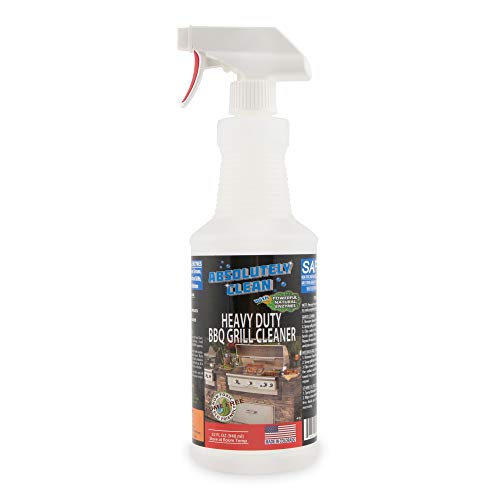
Natural citrus degreasers and enzyme-based cleaning sprays offer powerful alternatives to caustic aerosol oven cleaners. Chemical strippers containing potassium hydroxide or sodium hydroxide can etch aluminum castings, strip paint, and ruin delicate electronic igniter wiring. In contrast, formulas like Absolutely Clean utilize natural enzyme actions to break down caked fats and burnt sauces without generating noxious fumes. Pairing these bio-friendly degreasers with warm water, microfiber towels, and a thin wooden skewer gives you all the tools required to service the cookbox safely.
Removing and Deep-Cleaning Cooking Grates
Lifting the cooking grates out of the grill provides direct access to both sides of the bars and reveals the combustion components beneath. Wire grates with porcelain coatings, similar to those found on compact setups like the Charbroil 1-Burner Portable Propane Gas Grill, demand gentle treatment to avoid chipping the smooth glass-like outer finish. If porcelain enamel chips away, moisture will penetrate the underlying steel core and cause rapid rusting that ruins the grate. Cast-iron grates also require careful scrubbing without soaking in standing water, as prolonged immersion strips away established seasoning layers.
Liberally spray both sides of the grates with your chosen citrus or enzyme grill cleaner while keeping them resting on an outdoor tarp or grass area. Allow the degreasing agent to dwell on the metal for several minutes so the active compounds can soften baked crusts. Dip your nylon brush or abrasive scrubber pad in warm water and scrub along the length of each grate rod. Wipe the grates clean with damp paper towels, then prop them vertically against a clean surface to air-dry completely.
Degreasing Heat Tents and Flavorizer Bars
Directly beneath the cooking grates sit angled metal shields commonly known as heat tents, flame tamers, or flavorizer bars. These components shield the hollow gas burner tubes from falling juices while vaporizing savory fats to create authentic outdoor barbecue aroma. Because these shields take the full brunt of hot drippings, they accumulate thick layers of charred sugar, protein crust, and greasy sludge over months of cooking. High-fat meals like barbecue wings on the grill generate heavy grease deposits along the flavorizer bars that can ignite if left unattended.
Lift each heat tent out of the cookbox, noting its orientation and positioning brackets for smooth reassembly later. Use a plastic scraper or firm nylon pad to push heavy baked crusts directly into a disposable trash bag before applying liquid cleaners. Removing the dry top crust first saves your cleaning solution for cutting into the stubborn underlying oil film. Apply your degreasing spray over the angled surfaces, scrub both sides with warm water, and dry each shield thoroughly before setting it aside.
Servicing Gas Burner Tubes and Clearing Port Holes
Gas burner tubes are precision components responsible for mixing fuel gas with ambient oxygen to produce stable, clean blue flames. Over time, falling grease drips through the flame tamers and bakes onto the burner surface, clogging the tiny gas discharge ports drilled along each tube. Furthermore, small spiders and insects frequently build silky webs inside the hollow burner venturi tubes during periods of storage, restricting gas flow and causing dangerous flashback fires at the control valves. Regular inspection and port cleaning prevent these hazardous combustion problems.
Check your grill manual to see if the burner tubes lift out easily by removing hitch pins or mounting screws at the rear of the firebox. If the burners detach smoothly, lift them out gently while taking extreme care not to bend the ceramic electrodes or dislodge thin igniter wires. Scrub the exterior surface of the tubes using a soft nylon bristle brush swept across the ports rather than along the tube length. Inspect every single flame port along the row, using a wooden toothpick or small paperclip to poke through any opening obstructed by baked grease.
Avoid using oversized metal drill bits or forcing sharp nails into the port holes, as enlarging the factory port dimensions disrupts balanced fuel delivery. Look straight down the open venturi intake throats where the tubes slide over the brass gas valves. Push a flexible venturi brush or a thin wire down the length of each tube to snag spider webs and insect debris. Once the internal passages and exterior ports are completely clear, wipe each tube dry with a clean microfiber cloth.
Scraping the Lower Cookbox Walls and Firebox Interior
With the grates, heat deflectors, and burner tubes out of the way, the lower cookbox cavity becomes fully accessible for thorough mechanical scraping. The sloped walls of the firebox direct melting grease downward toward the drain aperture, but sticky residue naturally clings to corners and fasteners. Over successive cooking sessions, this congealed grease hardens into a thick, flammable crust that lines the interior casting. Scraping these deposits down to bare metal drastically reduces fire risks and eliminates smoky, bitter odors during future cookouts.
Begin scraping near the upper ledge where the grates rest and work progressively downward toward the bottom drainage hole. A rigid plastic cookbox scraper or composite putty knife works best because it removes hardened carbon without gouging aluminum cookbox walls or scratching protective porcelain finishes. Avoid using sharp steel paint scrapers on cast aluminum fireboxes, as deep gouges create rough pockets where grease accumulates faster in the future. Push the loose carbon flakes toward the center drain opening so they drop directly into your catch pan.
Sanitizing the Slide-Out Grease Management System
The grease management system situated at the base of your gas grill collects all liquefied fats, seasonings, and loose carbon cleared from the upper zones. Most grills utilize a large angled slide-out grease tray beneath the firebox that funnels drippings into a smaller, removable catch cup. Neglecting this lower tray is the single most common cause of catastrophic grill grease fires, as pooled fats can ignite when heat radiantly warms the bottom pan. Owners managing a built-in barbecue island arrangement need to take extra care when removing bottom grease trays to prevent oily runoff from staining surrounding stone masonry.
Slide the large drainage tray out from the underside of the grill chassis and pull the smaller catch cup from its mounting bracket. Use your plastic putty knife to scrape the congealed grease directly into a sealable trash bag for proper disposal. Never rinse heavy grease deposits down outdoor patio drains or kitchen sinks, where cooling fat rapidly solidifies and causes severe pipe blockages. Scrub the tray with warm water and an abrasive cleaning pad until clean, dry it thoroughly, and consider lining the catch cup with an aluminum foil insert for effortless future cleanups.
Reassembling the Grill and Performing a Burn-Off
Reinstalling your internal grill components in reverse order ensures every part seats properly and functions without safety compromises. Start by sliding the cleaned burner tubes back into their mounting brackets, taking special care that the burner inlet venturis fit securely over the brass gas valve orifices. A burner tube that slips off-center from its valve jet can vent raw fuel inside the control panel cabinet rather than into the combustion chamber. Secure any retaining clips firmly, reconnect the igniter wires, and position the heat tents flat on their support tabs directly above each burner.
Replace the cooking grates, orienting them so that the smooth cooking surface faces upward, then slide the dried grease tray and catch cup back into place. Reconnect your propane tank regulator or open the natural gas valve, and apply a 50-50 soapy water solution across fittings to verify that no bubbles form. Light the burners, close the lid, and run the grill on medium-high heat for fifteen minutes to burn off any microscopic cleaner traces and dry all internal metal surfaces. Once cooled, wipe a thin coat of high-smoke-point cooking oil over cast-iron grates to re-establish rust protection.
Essential Operating Safety and Routine Maintenance Intervals
Grilling safety requires strict adherence to outdoor operating boundaries, especially during and after deep cleaning sessions. Liquid propane and natural gas grills must never be operated inside a residential garage, carport, enclosed porch, or utility breezeway, even if large garage overhead doors remain completely open. Burning fuel produces colorless, odorless carbon monoxide gas, which quickly builds to lethal concentrations within semi-enclosed spaces while posing catastrophic structural fire hazards to attached living quarters. Always position your outdoor grill on a level, non-combustible exterior surface safely clear of building overhangs, wooden railings, and combustible siding.
Establishing a regular maintenance schedule keeps interior cleaning manageable and extends the lifespan of internal burners and shields. Perform a quick surface scrape of the cooking grates after every grilling session while the bars are still moderately warm, using a safe bristle-free pad or wooden scraper. Check your lower grease catch pan every three to four cookouts, emptying accumulated drippings before the reservoir fills to dangerous levels. Doing these minor maintenance steps consistently prevents heavy carbon crust from cementing onto the lower cookbox surfaces.
Plan a thorough internal deep clean at least once or twice per grilling season, depending on your cooking frequency and the fattiness of ingredients prepared. Deep cleaning before winter storage eliminates salty marinade residues that attract atmospheric moisture and accelerate metal oxidation over damp winter months. Investing in quality protective covers and storing detached propane tanks in ventilated outdoor areas keeps your outdoor cooking setup safe, dependable, and ready for immediate use whenever warm weather returns.




Write Your Review
No reviews yet. Be the first to share your experience!