


Running out of gas halfway through searing steaks or smoking chicken is one of the most frustrating backyard cooking surprises. Understanding how much is propane for a grill helps outdoor cooks budget their season accurately while avoiding unexpected mid-cook trips to the hardware store. Propane expenses fluctuate based on whether someone refills a standard portable tank, utilizes a convenient retail exchange cage, or burns through single-use portable cylinders. Pairing a reliable gas setup with a dedicated rolling prep table for outdoor cooking can streamline fuel management and keep spare gear organized safely away from active burners.
Calculating the real operational expense of gas cooking involves looking past the initial cylinder purchase to evaluate burner consumption rates, hardware fittings, and overall efficiency. Tabletop units and full-size patio cookers draw fuel at drastically different rates depending on their British Thermal Unit ratings and ambient cooking conditions. Choosing the right regulator systems, quick-connect fittings, and dual-fuel adapters can dramatically reduce ongoing fuel waste over months of grilling. Exploring the mechanics behind tank exchanges, direct bulk refills, and efficient burner control ensures that backyard chefs extract maximum heat from every pound of liquid petroleum gas.

Pros
- Dual fuel capability means you can use whichever canister is available – butane or propane – increasing flexibility.
- Piezo ignition is reliable and eliminates the need for lighters or matches, even in breezy conditions.
- Nonstick griddle delivers even heating and simple cleanup; perfect for cooking a full breakfast or grilling meats outdoors.
- Safety features like pressure ejection and gas cut-off add an extra layer of protection, especially important for camping with kids or pets.
- Portable size with carrying case makes it easy to pack for car camping, RV trips, tailgating, or emergency kits.
Cons
- Cooking surface is relatively small (roughly 11 x 8 inches), so it's best for 1-2 people or small batches, not large groups.
- Flat top griddle is great for even cooking but lacks the direct flame searing capability of a traditional grill – won't give you char marks on steaks or burgers.
- Carrying case is basic and may not hold up to heavy abuse over long-term use; could benefit from a padded or zippered design.
The GasOne GS-3400P-KIT is a dual-fuel portable camping stove that comes with a flat top griddle – perfect for outdoor cooks who need a compact, reliable cooking solution for the campsite, tailgate, or RV. It runs on either butane (8 oz canisters) or propane (16.4 oz cylinders), and the included converter regulator makes switching between fuel types a breeze. This is a stove designed for convenience, not for low-and-slow smoking or high-heat searing, but it excels at what it sets out to do: quick, easy meals in the outdoors.
Best suited for campers, tailgaters, RV owners, and anyone building an emergency preparedness kit, this unit is lightweight at just over 5.5 pounds and comes with a sturdy carrying case. It's not a backyard BBQ replacement, but for cooking breakfast at the campsite, grilling burgers before the game, or making stir-fry in your trailer, it gets the job done without fuss. The piezo electric ignition lights instantly, even in windy or damp weather, so you're not fumbling with matches when you're hungry.
In real-world use, the nonstick griddle heats evenly across its surface, thanks to the diecast aluminum construction. You can cook pancakes, eggs, bacon, sausages, or grilled cheese without hot spots. The adjustable heat dial gives you decent flame control – from a low simmer for sauces to a medium-high heat for browning meat. Fuel efficiency is good; a standard 16.4 oz propane cylinder should last several meals. Just be aware that the cooking area is modest (about 11 x 8 inches), so you're limited to cooking for one or two people at a time.
Build quality is solid for the price point: the diecast aluminum body feels durable, and the nonstick coating resists sticking and is easy to wipe clean after cooking. The safety system includes a pressure sensor that ejects the butane canister and cuts off gas flow if pressure gets too high – a nice touch for peace of mind. However, the carrying case is a simple nylon bag without much padding, so it might not survive years of heavy camping trips. The stove itself should hold up fine if treated with care.
Set up is straightforward: attach the propane regulator (included) or screw in a butane canister, open the lid, and turn the knob to ignite. Cleanup involves wiping the griddle with a paper towel or sponge – the nonstick coating makes it a quick job. Storage is easy thanks to the compact size; the whole setup fits in most camping bins or RV storage compartments. One limitation is that the stove doesn't have wind protection on the sides, so a breezy day can affect flame stability – a simple windscreen helps.
Overall, the GasOne GS-3400P-KIT is a practical, affordable portable stove for anyone who needs a reliable cooking surface at the campsite, tailgate, or RV. It won't replace a full-size grill for backyard parties, but for quick meals on the go, it's hard to beat the combination of dual-fuel flexibility, instant ignition, and easy cleanup. If you're a camper, tailgater, or prepper looking for a compact cooktop, this is a solid choice for around sixty bucks.
The GasOne GS-3400P-KIT is built to travel. Weighing just over 5.5 pounds and measuring 14 x 11.2 x 4.87 inches, it fits easily in a camping bin, RV cabinet, or car trunk. The included carrying case is a simple nylon bag with a drawstring closure – it protects the stove and griddle during transport but isn't padded. For short trips and occasional use, it works fine; for heavy-duty hauling, you might want a stiffer case. The dual-fuel design also means you can bring whichever fuel canisters are available, saving space and weight in your pack.
The flat top griddle delivers even heat across its nonstick surface, making it great for breakfast classics like pancakes, eggs, and bacon, as well as quick grilling of burgers or sausages. The adjustable heat dial allows you to fine-tune the flame from a gentle simmer to medium-high searing. While you won't get the same char or smoke flavor as a charcoal grill, the even cooking and easy cleanup make up for it. The dual-fuel capability means consistent performance whether you're using butane or propane, and the piezo ignition lights quickly every time.
This stove is ideal for car camping, RV trips, tailgating, picnic outings, and emergency preparedness kits. It's also useful for small apartments or dorms where a full-size grill isn't practical. The included griddle is perfect for cooking meals that require a flat surface – think pancakes, grilled cheese, stir-fry, or searing fish. It's not suitable for large groups (max 2 people comfortably), but for solo campers or couples, it's a versatile portable cooktop that does the job well.

Pros
- Dual fuel compatibility with large and small propane tanks offers great flexibility for different outdoor scenarios
- Compact and lightweight with foldable legs, making it highly portable for camping, tailgating, and RV adventures
- Porcelain-coated grates are rust-resistant and easy to clean, reducing post-cook maintenance
- Sturdy steel build with heat-resistant handles feels durable for regular outdoor use
Cons
- Cooking area is modest, so feeding a large crowd may require multiple batches
- Some users may find the assembly instructions a bit unclear, though setup is generally straightforward
- Wind can affect heat consistency in open outdoor settings, so a windbreak may be helpful
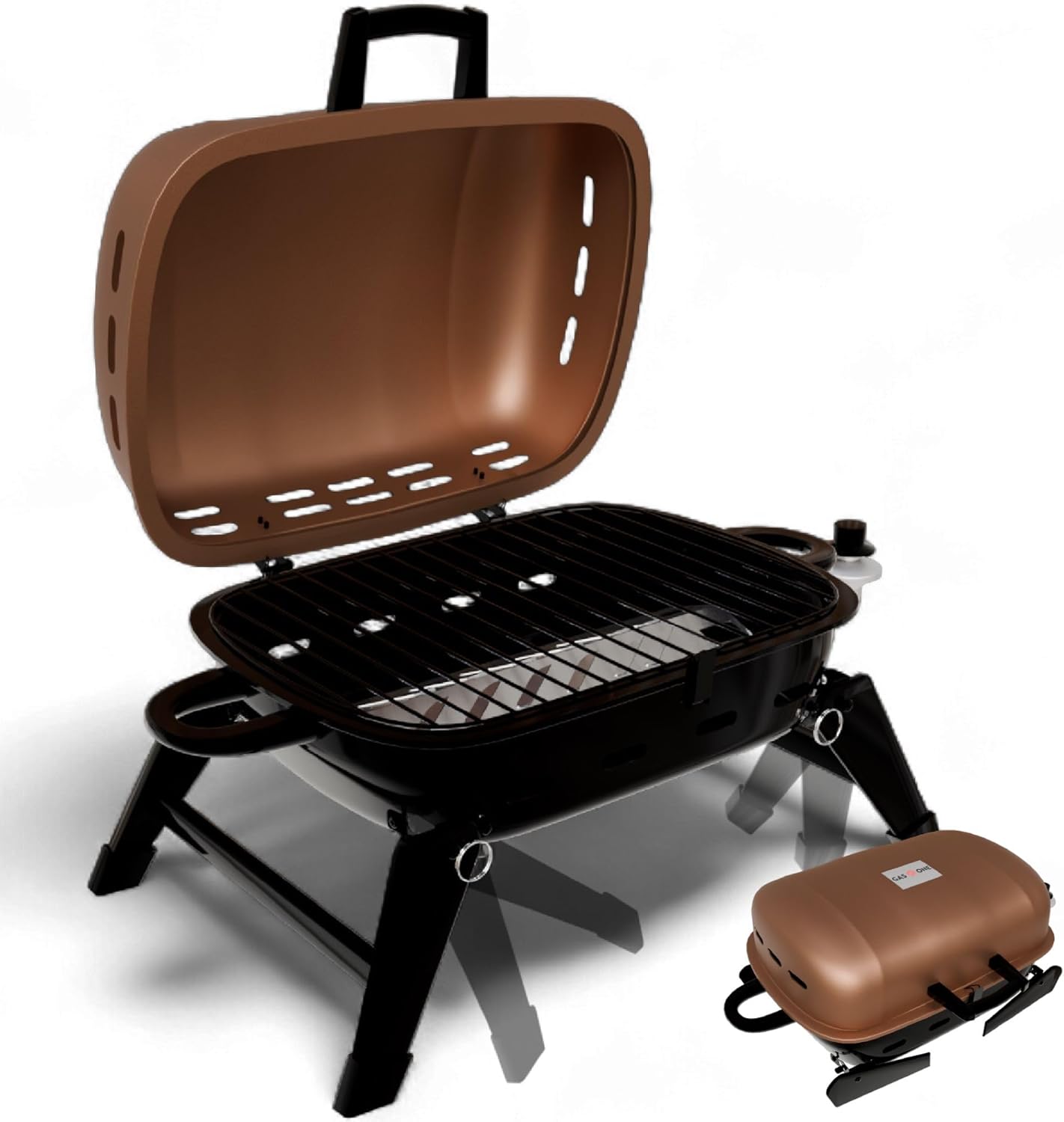
The BESTFIRE Portable Propane Gas Grill is a compact, versatile outdoor cooker designed for campers, tailgaters, RV owners, and backyard grillers who value portability without sacrificing performance. Its standout feature is the upgraded 2-in-1 valve system, which lets you connect either a standard 20-lb propane tank or a small 1-lb cylinder. This flexibility means you can use it at home for a quick backyard BBQ or pack it for a weekend camping trip without worrying about fuel compatibility.
When it comes to real-world cooking, this grill delivers consistent heat across its 165.36 square inches of cooking space. The porcelain-coated grates heat up evenly and provide decent searing for burgers, steaks, and chicken. While it won't replace a full-sized smoker for low-and-slow cooking, it handles fast grilling tasks with ease. The adjustable regulator gives you good control over flame intensity, so you can dial in the right temperature for different foods. Just be mindful of windy conditions, as the open design can let gusts affect heat retention.
Build quality is solid for a portable grill in this price range. The heavy-duty steel frame feels sturdy, and the high-temperature resistant finish helps protect against rust and wear. The foldable legs are a nice touch, making it easy to set up on a picnic table or tailgate. At just 8 pounds, it's light enough to carry without strain. The heat-resistant handles add a layer of safety when moving the grill during or after cooking.
Setup is straightforward, though you'll want to follow the instructions carefully, especially regarding the valve operation. To use, press down and rotate the valve to open or close, and do the same when disconnecting the hose. Cleanup is simple thanks to the non-stick porcelain grates, which release food easily and wipe down quickly. The compact size also makes storage a breeze, whether in an RV compartment or a garage shelf.
One realistic limitation is the cooking capacity. With just over 165 square inches, you can cook about 6-8 burgers or a few steaks at once, but larger gatherings will require multiple rounds. Also, the grill doesn't include a lid, so it's best suited for direct grilling rather than smoking or roasting. For campers and tailgaters who need a lightweight, reliable propane grill for quick meals, this is a solid choice. Backyard grillers looking for a secondary portable option will also appreciate its convenience.
Overall, the BESTFIRE Portable Propane Gas Grill offers excellent value for outdoor cooking enthusiasts who prioritize portability and fuel flexibility. It's a practical companion for camping trips, tailgate parties, RV journeys, and casual backyard cookouts. If you need a no-fuss grill that's easy to transport and simple to use, this one deserves a spot in your gear.
The BESTFIRE grill is built for life on the move. Its foldable legs collapse quickly, and the lightweight 8-pound frame makes it easy to pack in a car trunk, RV storage, or camping gear. The 2-in-1 valve means you can use small 1-lb cylinders for remote campsites or hook up a larger tank for extended stays. Setup takes just minutes, so you can go from unpacking to grilling without delay. Whether you're at a state park, beachside, or a tailgate lot, this grill is ready to cook.
Keeping the BESTFIRE grill clean is straightforward. The porcelain-coated cooking grates are non-stick and rust-resistant, so food releases easily and residue wipes off with a damp cloth. After each use, let the grill cool, then brush the grates and wipe down the exterior. The drip tray (if included) should be emptied regularly to prevent grease buildup. The high-temperature finish on the steel body helps resist corrosion, but storing it in a dry place when not in use will extend its life. Overall, maintenance is minimal, which is a big plus for outdoor cooks who want more time enjoying meals and less time scrubbing.
Pros
- Budget-friendly price makes it easy to grab for spontaneous trips or starter use
- Large cooking area relative to its portable size
- Fast to assemble and simple to operate with a single control knob
- Quick heat-up and cool-down save time at the campsite or tailgate
Cons
- Build materials feel lighter and less sturdy than higher-end grills
- Some users report uneven heat across the cooking surface
- Assembly instructions are minimal and rely on diagrams rather than text
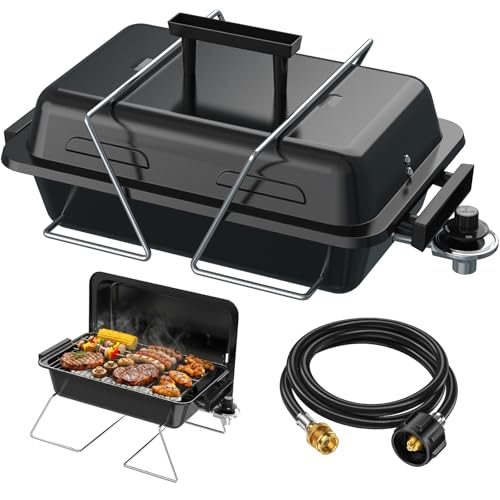
If you're in the market for a portable propane grill that won't take up your whole trunk or campsite table, the GasOne Tabletop Propane Grill is worth a close look. This compact gas grill is designed for outdoor cooks who value convenience and quick setup. Whether you're a weekend camper, an RV traveler, a tailgater, or just someone who wants an easy backyard grill for small gatherings, this unit aims to deliver.
Real-world cooking performance is solid for its size and price point. The single burner fires up fast, and the temperature control knob offers decent adjustability. You can get the grate hot enough to sear burgers and steaks, though you may notice some unevenness from one side to the other. That's common with budget portables, and you can work around it by rotating food or shifting items to the hotter side. For most quick grilling tasks like hot dogs, brats, chicken breasts, or veggies, this grill handles the job without fuss.
Build quality is a mixed bag. The frame is metal with a powder-coated finish, and the burner head is stainless steel. The cooking grate is porcelain-coated and non-stick, which is a nice touch for cleanup. That said, the overall construction feels a bit thin and lightweight. Some users have reported paint peeling or warping after several uses, so it's not built for heavy-duty, long-term abuse. It's more of a reliable companion for occasional trips and lighter use rather than a daily driver for years on end.
Where this grill really shines is portability and ease of use. At just over 11 pounds and with heat-resistant handles, it's easy to carry from the car to the picnic table or campsite. It uses standard 1-pound green propane canisters, which are widely available and easy to store. It heats up and cools down quickly, so you can cook and pack up without a long wait. The large cooking surface is bigger than many competitors in this size class, giving you enough room to do a dozen burgers or several large steaks at once.
Assembly is required and the instructions are minimal. You'll need to be comfortable following picture-only directions and sorting out the hardware on your own. It's not difficult if you've assembled things before, but it's worth noting if you're less handy. Cleanup is straightforward: the non-stick grate wipes down easily, and the rest of the grill can be spot-cleaned with a damp cloth.
Overall, the GasOne Tabletop Propane Grill is a practical choice for outdoor cooks who need an affordable, transportable grill for camping, RV life, tailgating, or small backyard cookouts. It's not built to withstand extreme heat or heavy daily use, but it performs well for what it costs. If you're looking for a no-frills option that gets the job done without breaking the bank, this grill is a solid bet.

Pros
- Compact and portable with removable legs for easy transport and storage
- Dual burners with 20,000 BTU total output provide ample heat for fast grilling
- Built-in thermometer helps monitor cooking temperature without lifting the lid
- Dishwasher-safe cooking grates and removable grease tray simplify cleanup
- Stainless steel build offers good rust resistance for outdoor use
Cons
- With no reviews yet, long-term durability and performance are unverified
- 20,000 BTU total is moderate - may struggle with large cuts or cold weather compared to higher-output grills
- No side table or storage shelf included, which could be inconvenient during cooking
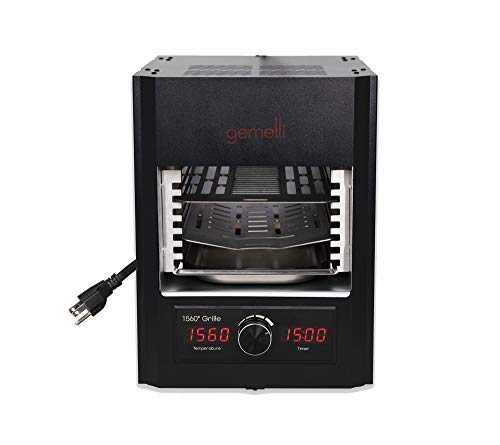
The BESTFIRE Tabletop 2-Burner Gas Grill is a compact propane grill designed for outdoor cooking enthusiasts who need portability without sacrificing performance. It's built for campers, tailgaters, RV owners, and backyard patio cooks who want a reliable grill that can handle everything from quick weeknight dinners to weekend BBQ gatherings.
In terms of real-world cooking performance, the dual burners put out 20,000 BTU total - enough to sear steaks, cook burgers, and even handle medium-sized cuts like chicken halves. The stainless steel grates heat up evenly, reducing hot spots that can lead to uneven cooking. The high dome lid is a nice touch, giving you room to cook thicker items like pork chops or whole chickens without them touching the grates. Temperature control is straightforward thanks to independent burner valves and the built-in lid thermometer, which helps you monitor the heat without constantly lifting the lid and losing warmth.
Build quality is solid for the price point. The stainless steel construction resists rust and weather damage, making it suitable for outdoor storage with a cover. The removable legs attach easily without tools, and the locking lid with a sturdy handle ensures safe transport. At about 22 x 20 x 13 inches, it's truly tabletop-sized - perfect for a picnic table or RV counter. The grill is lightweight enough to carry by hand but stable once set up.
Setup and cleanup are highlights. Assembly is tool-free - legs snap into place, the gas hose connects securely, and you're ready to cook in minutes. After grilling, the removable grease tray catches drips and is easy to empty. The cooking grates are dishwasher-safe, which is a real time-saver. The push-button ignition fires up reliably, so no need for lighters or matches even in breezy conditions.
There are some realistic limitations. With no existing customer reviews, you're buying based on specs alone - though the feature set looks solid. The 20,000 BTU output is adequate for most portable grilling needs but won't compete with larger backyard grills for searing power or recovery time when cooking for a crowd. Also, there's no built-in side table or storage shelf, so you'll need a separate surface for your tools and plates.
Overall, the BESTFIRE Tabletop 2-Burner Gas Grill is a practical choice for outdoor cooks who value portability and simplicity. It's best for small groups, camping trips, tailgate parties, or as a secondary grill on the patio. If you need a no-fuss propane grill that heats evenly, cleans up easily, and travels well, this is worth considering - especially at its price point.
The BESTFIRE grill's two burners distribute heat evenly across the 265 square inch cooking surface. With 20,000 BTU total, it reaches high temperatures quickly - great for searing burgers or hot dogs. The built-in thermometer lets you track internal grill temp without lifting the lid, helping you maintain consistent heat for longer cooks. The stainless steel grates hold heat well and produce decent sear marks. While not ideal for low-and-slow smoking, it handles direct grilling and medium-heat cooking with ease. Wind can affect the flame on a tabletop grill, but the burner shields offer some protection.
This grill is designed for on-the-go cooking. The removable legs snap on and off without tools, reducing setup time to under two minutes. The locking lid and secure handle make it easy to carry from your car to the campsite. At just over 13 inches tall and 20 inches wide, it fits on most tables or RV countertops. The included gas hose connects to a standard propane tank (not included) with a secure fit. The compact footprint means it stores easily in a car trunk or RV compartment. Just remember to let it cool completely before packing up.
Pros
- Enables using your RV's built-in propane supply, saving space and hassle of extra tanks
- Quick-connect design makes setup and teardown fast for camping and tailgating
- Affordable price point - a low-cost upgrade for RV grill users
- Very small and portable - easy to store or carry as a backup adapter
Cons
- Only compatible with low-pressure (11 inches water column) RV quick-connect systems - not for high-pressure appliances
- Requires removing your grill's existing regulator, which might not be allowed by some grill manufacturers' warranties
- Limited to appliances with a 3/8" female flare inlet - not universal for all grills
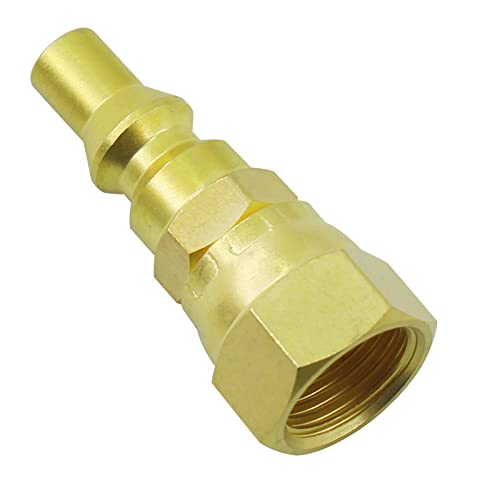
If you own an RV and love cooking outdoors, the MENSI propane gas grill adapter is a smart little accessory that streamlines your setup. This small gold-colored adapter lets you tap directly into your RV's low-pressure quick-connect system, so you can run your grill, portable heater, or fire pit without lugging around separate propane cylinders. It's a simple solution for campers, tailgaters, and anyone who wants to cook at the campsite without extra gear.
The adapter works by replacing the original hose and regulator on your low-pressure appliance. You screw the 3/8" female flare end onto your grill's inlet, and then plug the 1/4" quick key into the RV's quick-disconnect port. The connection is secure and tool-free, making it easy to hook up or remove in seconds. For RV owners who already have a built-in propane system, this is a hassle-free way to use your backyard grill at the campsite or during a tailgate party.
In terms of performance, the adapter itself doesn't affect cooking - it's just a gas pathway. But the convenience factor is huge. You get a steady supply of propane from your RV's tank, so you can cook burgers, steaks, or side dishes without worrying about running out of a small portable cylinder. Heat consistency depends on your appliance's burner design, but the gas flow from an RV system is typically reliable. Searing and temperature control are all up to your grill - the adapter just provides the fuel.
Build quality is decent for the price. The brass body has a gold finish and feels solid. It's extremely lightweight (under an ounce) and compact, about the size of a key. It won't add any noticeable bulk to your gear. The threads on the flare fitting mate well with standard grill inlets, and the quick-connect plug snaps into RV ports without leaks. Just be sure to apply gas line tape or use a sealant for a tight fit if needed.
One limitation: this adapter only works with low-pressure appliances. Most RV quick-connect systems output low-pressure gas (about 11 inches water column). If your grill or other appliance requires high pressure or has its own regulator that you must keep, this adapter isn't for you. Also, removing the original regulator might void some warranties, so check your grill's manual first. But for many portable RV grills designed for direct connection, it's a great match.
Overall, the MENSI adapter is a practical, affordable upgrade for RV owners who want to simplify their outdoor cooking setup. It saves space, reduces gear, and makes campsite grill use almost as easy as cooking at home. If you have a low-pressure grill and an RV with a quick-connect port, this little key is well worth the few bucks.
This adapter shines in three main scenarios: RV camping, tailgating, and patio setups where you have a low-pressure gas hookup. At a campsite, connect your portable grill to the RV's propane system and enjoy unlimited cooking without hauling extra tanks. During tailgating, plug into your RV's quick-connect to run a grill for burgers and brats. For homeowners with a natural gas or propane stub on the patio, ensure it's low pressure, then use this adapter to bypass your grill's regulator. It's also handy for connecting a propane fire pit or patio heater directly to an RV system.
Understanding Propane Grill Costs and Fuel Consumption
Determining how much is propane for a grill requires looking beyond an individual fuel receipt to examine tank sizes, fulfillment channels, and burner efficiency. Propane is sold either by weight or by metered volume, meaning your real operational expense varies based on where you purchase fuel. While compact tabletop grills burn modest amounts of gas, full-size patio cookers consume considerably more during high-heat preheating and searing. Recognizing how distribution models shape retail pricing allows outdoor cooks to choose the most economical approach for their cooking habits.
Tank Refill Stations Versus Retail Cylinder Exchange Programs
Propane users generally choose between two primary refueling options for standard twenty-pound cylinders: dedicated refill stations and retail exchange kiosks. Refill stations at hardware stores, farm centers, and gas suppliers charge strictly for the actual liquid gas pumped into your personal tank. Certified attendants connect transfer lines directly to your cylinder, metering fuel until the container reaches its legal capacity. This approach ensures cooks pay solely for the fuel added to the tank, making it a budget-conscious path for frequent grillers.
Retail exchange kiosks offer convenience by letting customers swap an empty cylinder for a pre-filled, inspected replacement outside grocery stores and gas stations. This swap model eliminates waiting for trained attendants or searching for bulk pump stations during evening hours. However, exchange suppliers factor transportation, labor, cylinder repainting, and valve maintenance into the final retail cost. Cooks pay a noticeable convenience markup for exchange tanks compared to refilling an existing cylinder at a local station.
Another economic benefit of refill stations is retaining leftover fuel when topping off a tank before a weekend gathering. Exchange kiosks take whatever residual gas remains in the surrendered tank without issuing partial credit. Turning in a tank with two or three pounds of liquid propane remaining inflates the effective cost of your replacement fuel. Refill stations simply top off the vessel to the legal limit, charging only for the specific volume needed to fill it.
The Hidden Volume Gap in Tank Exchange Cages
Many backyard cooks assume that every exchange tank inside a retail cage contains a full twenty pounds of liquid petroleum gas. Standard industry practices, however, dictate that most retail exchange cylinders are filled to approximately fifteen pounds of fuel rather than the maximum limit. Distributors adopted this fifteen-pound standard to accommodate temperature-induced pressure changes and control distribution expenses. Consequently, swapping a cylinder at an exchange cage yields roughly twenty-five percent less fuel than visiting a certified bulk refiller.
A standard barbecue cylinder has a water capacity rating of roughly forty-seven point eight pounds, allowing twenty pounds of propane with mandatory vapor expansion space. Bulk refill operators who dispense fuel by weight or metered gallon fill tanks to this full legal threshold. Receiving twenty full pounds of fuel provides valuable extra hours of cooking time on the patio before another refill trip. Evaluating the cost per pound rather than the simple transaction amount clarifies the financial difference between these options.
Understanding this volume difference helps cooks calculate their true hourly cooking expenses with greater accuracy. Grilling enthusiasts who prepare extensive meals, such as a slow-cooked barbecue wings recipe, require predictable heat that will not sputter out mid-session. When fuel reserves run low due to partial factory fills, cooks face disruption and inconvenient replacement errands. Checking the net weight printed on the exchange cylinder sleeve clarifies exactly how much fuel is inside before heading home.
Single-Pound Portable Cylinders Versus Bulk Twenty-Pound Tanks
Compact outdoor appliances frequently utilize disposable one-pound propane cylinders designed for portable camping and tailgating. Stoves like the GasOne GS-3400P-KIT Propane or Butane Gas Stove handle these small sixteen-point-four-ounce bottles, delivering great mobility for campsite cooking. While disposable bottles excel in portability and fit easily into travel bins, they represent the most expensive way to purchase propane by volume. Manufacturers must recover the production and shipping costs of the sealed steel vessel with every single bottle sold.
Bulk twenty-pound cylinders hold roughly twenty times the fuel of a small disposable bottle while costing significantly less per pound of liquid gas. Comparing equivalent weights of fuel reveals that single-use bottles often cost three to five times more than bulk fuel. Outdoor cooks who grill frequently on portable tabletop units can achieve major savings by incorporating an adapter hose or dedicated regulator. Equipment such as the GasSaf Propane Gas Grill Control Valve Adjustable connects to one-pound fittings, while also supporting an extension hose to run from a bulk tank.
Dual-compatibility systems eliminate the recurring cost of single-use bottles without sacrificing tabletop portability. The BESTFIRE Portable Propane Gas Grill with New valve system demonstrates this flexibility by operating with both twenty-pound bulk tanks and one-pound portable cylinders. Cooks can pack the lightweight grill for day trips with a small bottle, yet attach it to a patio tank for everyday backyard meals. Investing in adaptable connection hardware quickly offsets its purchase price by unlocking economical bulk propane rates.
Calculating Propane Burn Time and Hourly Fuel Consumption
Estimating fuel expenses requires an understanding of how grill burners consume liquid petroleum gas based on their British Thermal Unit ratings. One gallon of liquid propane yields approximately ninety-one thousand five hundred BTUs of heat energy when burned. A fully filled twenty-pound cylinder contains about four point seven gallons of liquid fuel, providing roughly four hundred thirty thousand total BTUs. Dividing this energy total by the maximum burner rating of an appliance projects total continuous operating hours.
Consider a tabletop unit such as the Bestfire Tabletop 2-Burner Gas Grill, which generates twenty thousand BTUs per hour across dual stainless steel burners. Running this cooker at maximum output consumes approximately one gallon of propane every four point five hours of active cooking. On a full twenty-pound cylinder, this appliance can operate on high for more than twenty-one hours. Because outdoor cooking rarely requires continuous maximum heat after preheating, normal medium-heat cooking extends this operational window considerably.
Single-pound cylinders provide a much shorter operational window when evaluating running time under comparable burner demands. A sixteen-point-four-ounce bottle provides approximately twenty-one thousand five hundred total BTUs of available thermal energy. Running an appliance rated at twenty thousand BTUs on a single small cylinder exhausts the entire fuel supply in just over an hour. Campers and tailgaters must factor this rapid consumption rate into their supply planning when preparing multiple meals away from bulk refill stations.
Equipment Compatibility and Hardware That Lowers Operating Costs
Investing in the right auxiliary hardware allows cooks to connect diverse appliances to economical bulk fuel sources. Many recreational vehicle owners choose to connect portable grills directly to their onboard rig propane system using quick-connect fittings. The MENSI New Propane Gas BBQ Grill adapter features a one-quarter-inch quick key that links low-pressure RV systems to standard three-eighths-inch flare appliance inlets. Tapping directly into an RV bulk propane reservoir eliminates carrying separate portable bottles, lowering overall travel weight and simplifying fuel procurement.
Dual-fuel versatility provides another practical hedge against localized fuel shortages or fluctuating retail availability. The GasOne GS-3400P-KIT Propane or Butane Gas Stove includes converter fittings that allow seamless operation using either sixteen-ounce propane bottles or eight-ounce butane canisters. Having the ability to switch between fuel formats enables outdoor cooks to purchase whichever energy source offers superior value or availability at the moment. If small propane cylinders are unavailable at a remote camp store, inexpensive butane cartridges can keep the cooktop running smoothly.
High-efficiency cooking surfaces also play an important role in stretching every pound of propane further during meal preparation. The GasOne Tabletop Propane Grill features a stainless steel burner paired with a porcelain-coated non-stick cooking grate engineered for even heat distribution. Efficient heat transfer minimizes the need to run burners on maximum settings to maintain proper cooking temperatures. Cooks who combine efficient gas cooking surfaces with versatile equipment, such as a griddle and smoker combination unit, can plan diverse outdoor menus while keeping total gas consumption within predictable limits.
Tank Ownership, Tare Weight, and Recertification Expenses
Managing long-term propane expenses requires an understanding of cylinder life cycles and regulatory inspection requirements. Purchasing a new, empty twenty-pound cylinder represents a one-time equipment cost that grants complete control over where and how you refuel. Every portable propane cylinder manufactured in North America is stamped with a tare weight indicating the empty weight of the steel vessel. Checking this stamped figure on a household scale provides an exact measurement of remaining propane without requiring aftermarket inline pressure gauges.
Department of Transportation regulations mandate that steel propane cylinders remain certified for legal refilling for ten to twelve years from manufacture. Once this period expires, bulk refill stations cannot legally dispense fuel until the tank passes a visual recertification inspection. Recertification at an authorized distributor extends cylinder service life by five to twelve years for a small service fee. Alternatively, owners of expired cylinders can surrender them at an exchange kiosk to receive a freshly certified replacement tank.
Cylinder condition must be monitored closely to ensure ongoing safety and avoid premature retirement of expensive hardware. Surface rust, severe gouges in the steel casing, and damaged foot rings can cause refill technicians to reject a cylinder outright. Storing tanks off bare soil and shielding them from driving rain preserves the exterior coating and prevents corrosion around critical valve weld joints. Proper preventative maintenance ensures that a purchased cylinder delivers a decade or more of dependable service before requiring inspection or replacement.
Critical Propane Safety, Clearance, and Ventilation Protocols
Safety considerations must always take precedence over convenience or cost savings when operating propane-fueled cooking equipment. Liquid propane vapor is one point five times heavier than ambient air, causing leaks to settle in low areas rather than dissipating quickly. Outdoor fuel-burning grills must never be operated inside a garage, breezeway, carport, or any enclosed space. Opening a garage door does not provide sufficient ventilation to prevent fuel pooling or carbon monoxide accumulation.
Outdoor cooking appliances require strict physical clearance from combustible structures, vinyl siding, deck railings, and low-hanging tree branches. Grills like the BESTFIRE Portable Propane Gas Grill with New valve require stable, non-flammable surfaces during active operation. Always inspect flexible rubber supply hoses, regulator o-rings, and brass threaded connections using a soapy water solution before lighting burners after seasonal storage. If expanding bubbles appear around connection threads or control valves, shut the cylinder handwheel immediately and replace the compromised component before resuming cooking.
Proper tank transport and storage protocols prevent hazardous high-pressure discharges and valve damage. Propane cylinders must always be secured upright during transport in personal vehicles, with windows vented to prevent vapor concentration in warm weather. Never store spare propane tanks indoors, in basements, or directly adjacent to household entryways. Outdoor storage in well-ventilated, shaded locations keeps tank internal pressures within normal limits and ensures that safety relief valves function as intended by the manufacturer.
Practical Strategies to Minimize Grill Propane Consumption
Backyard chefs can adopt simple operational habits to reduce propane consumption without sacrificing cooking performance. Keeping the grill lid closed retains convection heat and lowers the burner output needed to sustain cooking temperatures. Preheating should be timed carefully rather than left unattended, since ten minutes on high is plenty to clean grates and reach cooking heat. Running burners on high for extended periods wastes substantial fuel and shortens total tank run time.
Routine maintenance of burner tubes and venturi openings ensures complete combustion and optimal fuel efficiency throughout grilling season. Spider webs, insect nests, and grease inside burner ports restrict airflow, causing yellow flames that yield poor heat output per pound of fuel. Cleaning burner ports with a small brass wire brush restores proper gas mixing, creating clean blue flames that heat grates efficiently. Clean hardware ensures that every ounce of propane produces effective cooking heat.
Matching the size of your cooking appliance to the meal at hand prevents unnecessary fuel expenditures during quick weeknight dinners. Firing up a compact tabletop unit or single burner stove to grill a pair of burgers requires a fraction of the gas consumed by a four-burner patio station. Organizing ingredients and cooking accessories beforehand ensures that burners run only as long as necessary to complete the cook. Thoughtful fuel planning, proactive maintenance, and smart hardware choices keep ongoing propane expenses low while maximizing outdoor cooking enjoyment.




Write Your Review
No reviews yet. Be the first to share your experience!