


Cooking over an open fire requires a reliable cooking surface that releases food cleanly and stands up to intense outdoor heat. Knowing how to cure grill grates is the single most effective way to build a durable barrier against moisture, rust, and stubborn charred residue. Bare metal surfaces, especially cast iron and raw carbon steel, naturally contain microscopic pores that grab meat proteins if they lack a polymerized layer of oil. Taking the time to properly cure or season your cooking surface creates a slick patina that makes everyday grilling more consistent and cleanup substantially faster. Setting up your supplies on a sturdy rolling BBQ prep table keeps your oils, towels, and safety gear organized while you work around the fire box.
The curing process transforms ordinary cooking oil into a hard, protective polymer through controlled high heat. While bare cast iron requires multiple thin layers of baked-on oil to thrive, coated surfaces such as porcelain-enameled steel require gentler handling and minimal surface conditioning. Misunderstanding your grate material often leads to sticky food, accelerated flaking, or surface corrosion that ruins an otherwise great outdoor cookout. Learning the proper steps for cleaning, oiling, and heating your grates ensures that your equipment remains protected season after season. With the right technique and basic safety awareness, keeping your cooking grates in peak condition becomes a simple and rewarding routine.


Pros
- Non-abrasive and biodegradable – safe on a wide range of cooking surfaces
- Quick application: just spray, let sit, and scrub away grime
- Versatile use on grills, smokers, drip pans, and oven grates
- Helps keep cooking surfaces sanitary and reduces flare-up risk
- Large 24 oz bottle provides multiple cleanings for outdoor gear
Cons
- For best results, need to let product sit for several minutes – not an instant wipe
- May require scrubbing with a brush for heavily caked-on residue
- Bottle design could be improved for easier one‑handed spraying
If you’ve ever spent a Saturday afternoon scrubbing charred bits off your grill grates, you know the struggle. The Rock Doctor Master Grill Grate Cleaner is designed to change that. This 24-ounce spray is a heavy-duty cleaning solution made specifically for outdoor cooking equipment – think BBQ grills, smokers, drip pans, and oven grates. It’s not a cooking tool itself, but it’s an essential sidekick for anyone who takes care of their gear after the burgers are gone.
This cleaner is best suited for backyard grillers who fire up their gas or charcoal rigs weekly, as well as BBQ enthusiasts who spend hours smoking brisket and ribs. Campers and tailgaters will also appreciate its ability to tackle grease on portable grills and flat tops. RV owners with outdoor kitchens can use it on stovetop grates and drip pans. The non-abrasive, biodegradable formula means you can clean without worrying about damaging your cooking surfaces or harming the environment.
In real-world use, the spray works by breaking down grease, oil, and dried food on contact. After a 3-5 minute dwell time, most grime wipes off with a bristle brush. This helps maintain a cleaner cooking surface, which reduces flare-ups and smoke during your next cook. For outdoor cooks who focus on searing steaks or slow-smoking pork shoulder, a clean grate means better heat transfer and more consistent results. The spray also helps remove any leftover food particles that could attract bacteria, so your next meal starts on a hygienic base.
Build quality is solid – the spray bottle delivers a fine mist, and the formula is thick enough to cling to vertical surfaces like smoker walls or drip pans. It’s safe on metal, porcelain, and ceramic grates, but it’s not recommended for non-stick coatings. The bottle’s 11-inch height fits easily under a sink or in a camp gear bin. One limitation: heavily caked-on residue may need a second application or extra scrubbing. Also, since you have to let it sit, it’s not a quick wipe-down – plan for a 10-minute cleaning session.
Setup and storage are straightforward. No mixing or gloves required – just spray, wait, and scrub. The biodegradable formula means you can rinse with water without worrying about harsh chemicals in your yard. For tailgaters and campers, the 24 oz size is portable, though you might want a smaller travel bottle for longer trips. Cleanup after use is easy: rinse the grates with water and dry them. This cleaner works particularly well for grease management on kamado grills, pellet smokers, and flat top griddles where sticky buildup can clog air vents or create uneven heat zones.
If you’re serious about outdoor cooking – whether it’s weekend BBQ parties, campsite breakfasts, or tailgating burgers – the Rock Doctor Master Grill Grate Cleaner is a practical choice. It doesn’t replace a good brush, but it makes the scrubbing process much less painful. For the price under twenty dollars, it’s a solid investment in keeping your gear in top shape and your cooks safer. Just remember to follow the dwell time and use a proper brush for best results.


Pros
- Effective on heavy grease and charred food residue from low-and-slow smokes
- Works well on both cold and warm surfaces for flexible cleaning after grilling
- Economical - a little goes a long way for multiple cleaning sessions
- Rinses clean without leaving sticky residue that could affect food flavor
Cons
- May require multiple applications for heavily caked-on grime from years of use
- Strong chemical smell during application - use in well-ventilated area
- Not recommended for aluminum surfaces or painted grills
If you spend any time grilling, smoking, or cooking outdoors, you know the cleanup is the least fun part. This heavy-duty grill cleaner is designed to tackle exactly that chore, making it a solid addition to any outdoor cooking setup. It's a spray-on degreaser that works on BBQ grills, smokers, ovens, flat top griddles, and even camping stoves - basically anything that gets coated in grease and carbon after a cookout.
This cleaner is best suited for backyard grillers who fire up their gas or charcoal grills weekly, BBQ enthusiasts who smoke brisket low and slow, campers who need to clean their portable stove after a trip, and tailgaters who want their gear ready for the next game. If you own an RV and cook inside or outside, this is also handy for keeping the oven and grill grates spotless.
In real-world use, the cleaning performance is impressive. It cuts through baked-on grease and charred food residue without requiring heavy scrubbing. After a long smoking session where the grates are covered in black carbon, a few sprays and a short wait let you wipe it away. It doesn't completely eliminate scrubbing, but it reduces elbow grease significantly. The formula works on both warm and cold surfaces, so you can spray right after cooking or let it sit overnight on tough buildup.
Build quality is straightforward - it comes in a standard spray bottle with a trigger nozzle that delivers a wide or narrow stream. The nozzle doesn't clog easily, which is a common issue with thick cleaners. It's safe on porcelain, stainless steel, and cast iron grates, but you should avoid aluminum and painted surfaces. The spray can reach into tight corners of smoker racks and between grates, making it easier to clean those hard-to-reach spots.
Setup and use are simple: spray on, let it sit for a few minutes, scrub if needed, then rinse with water. Cleanup is quick, and the cleaner rinses away without leaving a sticky film that could affect your next meal's flavor. Storage is easy - just keep the bottle in your garage or under the sink. One limitation is that heavily caked-on grime from years of neglect may require multiple applications. Also, the chemical smell is strong, so you'll want good ventilation when using it.
Overall, this is a practical buy for anyone who cooks outdoors regularly. It saves time and effort on cleanup, which means more time enjoying your backyard parties, tailgates, or campsite meals. If you're tired of scrubbing forever after a great cookout, this cleaner makes the after-work much easier. Just remember to wear gloves and work in a well-ventilated area, and your grills and smokers will look like new after each use.

Pros
- Clear, beginner-friendly instructions with plenty of photos
- Covers both hot smoking and cold smoking, plus dry and wet curing
- Recipes are practical and yield delicious, usable results
- Author's decades of experience shine through in tips and troubleshooting
- Great resource for anyone wanting to reduce food waste and eat preservative-free
Cons
- Some equipment recommendations may be outdated (e.g., older smoker models)
- Focus is on traditional methods; less coverage of modern electric or pellet smokers
- No digital download included; physical book only
If you're serious about smoking and curing meat, fish, or game, Monte Burch's The Complete Guide to Smoking and Salt Curing is a must-have reference. This isn't just a cookbook - it's a hands-on manual that walks you through the entire process, from selecting your smoker to safely curing and smoking everything from store-bought pork belly to freshly caught salmon. With over 40 years of experience, Burch shares practical knowledge that backyard grillers, BBQ enthusiasts, campers, and hunters will find invaluable.
Best suited for anyone who wants to take their outdoor cooking to the next level - whether you're a weekend backyard BBQer looking to make your own bacon, a tailgater wanting to impress with smoked meats, or a hunter who needs to preserve a deer or elk harvest. The book covers both hot smoking (for quick, flavorful results) and cold smoking (for longer preservation), plus dry and wet curing methods. You'll learn how to control temperature, manage smoke, and avoid common pitfalls like over-salting or uneven cooking.
Real-world cooking performance comes through in the detailed recipes for rubs, sauces, marinades, ham, sausage, and bacon. Burch explains how different woods affect flavor, how to build and maintain a fire in a charcoal smoker, and how to adjust for weather conditions. The techniques taught here work with offset smokers, vertical water smokers, and even kettle grills - no need for fancy equipment. The focus is on achieving consistent heat and good smoke flavor, whether you're doing a low-and-slow brisket or a quick hot-smoked fish.
Build quality of the book itself is solid: a sturdy paperback with 256 pages, full-color photographs throughout, and a clear layout. The binding holds up well to repeated use in the kitchen or by the smoker. While it's not waterproof, the pages are thick enough to withstand occasional splashes. The dimensions (7.5 x 0.7 x 9 inches) make it easy to prop open on a counter or camp table.
Ease of setup is straightforward - just open the book and start reading. Burch's writing style is conversational and encouraging, perfect for beginners. Cleanup? That's for your smoker and kitchen. The book itself requires none. Storage is simple: it fits on a bookshelf or in a camping gear bin. Realistic limitations include a slight bias toward traditional smoking methods - if you exclusively use a pellet grill or electric smoker, you'll still find useful info, but some equipment recommendations may feel dated. Also, the book is physical only; no digital version is available for quick searches on your phone while cooking.
Overall, this is a practical, trustworthy guide that delivers on its promise. Whether you're a first-time smoker or a seasoned pro looking to refine your curing skills, Monte Burch's expertise will help you produce mouthwatering, preservative-free meats. Pair it with a good smoker and a bag of wood chips, and you're set for a summer of backyard feasts, tailgate parties, and campfire dinners.
This guide shines in several outdoor cooking scenarios. For backyard BBQ enthusiasts, it's the perfect companion for weekend smoking sessions - learn to make your own bacon, ham, and sausages that beat anything from the store. Hunters and anglers will appreciate the detailed instructions for preserving game and fish, ensuring nothing goes to waste. Campers can adapt the techniques for portable smokers or even open-fire smoking, making campsite meals unforgettable. Tailgaters can prep smoked meats ahead of time or use a portable smoker at the lot for show-stopping spreads. RV owners with a small smoker or grill will find space-saving recipes and tips for smoking on the go. Patio cooks who want to expand beyond burgers and steaks will discover new flavors and preservation methods that impress guests.
The book is packed with over 50 recipes for rubs, marinades, sauces, and cured meats. You'll find step-by-step instructions for classic smoked salmon, country ham, summer sausage, pepperoni, and even jerky. Burch explains the science behind curing - how salt, sugar, and nitrites work to preserve and flavor meat - without getting too technical. Each recipe includes recommended wood types, smoking temperatures, and times. There's also a section on building your own smoker from a 55-gallon drum or modifying a charcoal grill for smoking. The techniques cover both hot and cold smoking, dry curing and wet brining, and how to store your finished products safely.
Pros
- Effectively removes stubborn baked-on grease and carbon deposits
- Biodegradable and food-surface safe (non-toxic when rinsed properly)
- Foam clings to grates and vertical surfaces, reducing waste
- Works on pellet smokers, gas grills, and electric smokers
- Helps reduce flare-ups by removing grease buildup
Cons
- Spray nozzle can be inconsistent; some users report clogging or poor spray pattern
- Foam may struggle to coat thin, closely spaced grate rods without pooling
- Do not use on aluminum or faux stainless steel surfaces (may cause damage)
- Requires thorough rinsing to avoid residue that could affect food taste
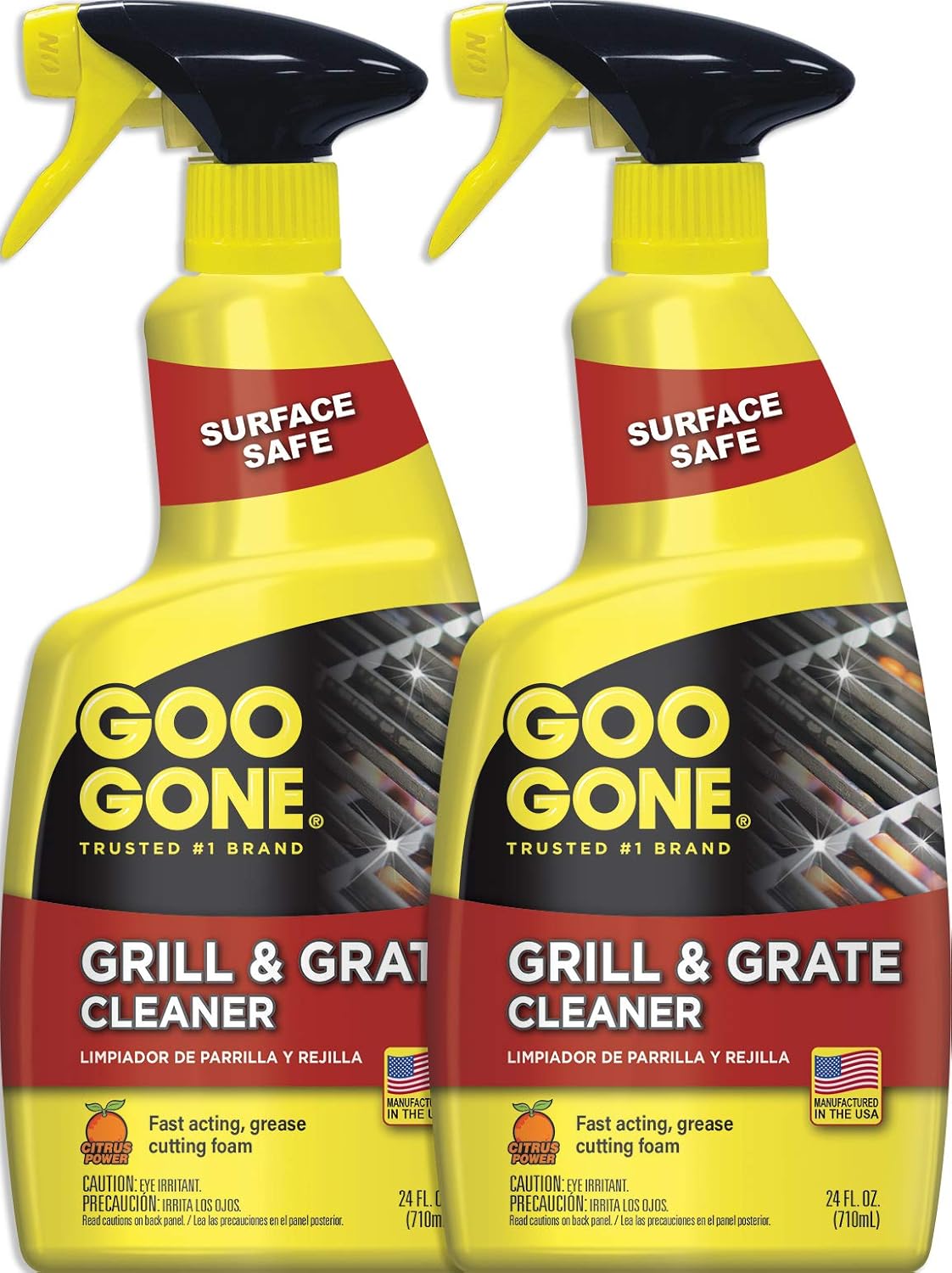
If you've ever faced down a crusty, grease-laden grill grate after a long summer of burgers, steaks, and slow-smoked ribs, you know the struggle is real. The Goo Gone Grill and Grate Cleaner Spray (2 Pack) is designed for exactly that scenario. This super-strength gel foam targets baked-on deposits, carbon, and grease that accumulate on your cooking surfaces. It's not a replacement for a good brush, but it's a powerful pre-treatment that cuts your scrubbing time drastically.
This cleaner is best suited for backyard grillers who own gas grills, pellet smokers (like Traeger), electric smokers, or even charcoal kettles. If you're a tailgater who wants to refresh your portable griddle or a home cook who hates scrubbing drip pans, this product will make your life easier. The biodegradable formula is a plus for eco-conscious outdoor cooks, and the citrus scent is a welcome change from harsh chemical smells.
In real-world use, the foam clings well to vertical surfaces—important for cleaning the inside of your smoker lid or the sides of your grill grates. After letting it sit for a few minutes (the instructions recommend 2 to 10 minutes, depending on how caked-on the grime is), a plastic brush or a stiff grill brush will lift the softened debris. Many users report success even with heavy carbon buildup, and the product helps reduce future flare-ups by removing grease that can ignite.
Build quality is straightforward: two 24-ounce bottles with trigger sprayers. The spray nozzles can be finicky—some reviewers mention they don't produce a consistent foam stream, which can make coating narrow grate rods tricky. A workaround is to pour the cleaner into a spray bottle with a better nozzle, or even soak a cloth and wipe it on. The product is safe on most metals (steel, cast iron, porcelain-coated grates) but avoid aluminum and faux stainless steel as the formula can damage them.
Ease of use is the main selling point. Remove your grates, spray on the foam, wait, scrub, rinse, and dry. For interior grill surfaces, you can spray and wipe with a cloth. The cleaner does need to be rinsed thoroughly—leftover residue could affect the taste of your next meal, so a quick rinse with water is essential. Storage is simple; the bottles stand upright and the foam doesn't separate.
A realistic limitation is that very heavy buildup may require multiple applications or a longer soak. Also, if you're cleaning a large smoker with lots of nooks and crannies, you'll use a fair amount of product. Some users with thin, closely spaced grill rods find that the foam doesn't coat evenly unless they apply it carefully. For best results, consider wearing gloves and working in a well-ventilated area. Overall, this is a reliable, affordable cleaner for regular grill maintenance. If you want to keep your outdoor cooking equipment in top shape without spending hours scrubbing, the Goo Gone Grill and Grate Cleaner is a solid choice.

Pros
- Excellent heat retention and searing capacity for juicy steaks and burgers.
- Fits a wide range of popular Weber gas grill models - easy compatibility.
- Pre-seasoned and ready to use after initial curing - minimal setup required.
- Heavy, sturdy construction feels durable and long-lasting.
- Affordable price point compared to OEM Weber grates - great value.
Cons
- Cast iron requires regular maintenance - must oil and dry after each use to prevent rust.
- Very heavy (nearly 16 lbs) - not ideal for portable or camping setups.
- Initial seasoning process needed for best non-stick performance; may require patience.
If you own a Weber Spirit or Genesis gas grill and the original grates are looking worn or rusted, the Direct Store DC130 cast iron replacement set is a practical upgrade. These heavy griddles deliver the heat retention that cast iron is famous for, giving you restaurant-quality sear marks on steaks and burgers right in your backyard. They're designed to fit dozens of Weber models from the early 2000s through 2017, so there's a good chance they'll match your grill.
For backyard grillers and BBQ enthusiasts who love hosting weekend cookouts, these grates perform admirably. Cast iron holds heat much better than standard porcelain-coated steel, which means less temperature drop when you load up the grill. You get consistent heat across the cooking surface, making it easier to cook multiple items at once without hot spots. While a gas grill won't give you smoke flavor like charcoal or a smoker, the high heat from cast iron does create a nice char that adds depth to your food.
Build quality is solid - each grate weighs about eight pounds, so they feel substantial. The cast iron is pre-seasoned, but you'll want to do an initial high-heat seasoning and oiling before your first cook to build up a good non-stick layer. Once seasoned, they're fairly easy to maintain: just scrape off residue with a wire brush after grilling, apply a light coat of oil, and store them covered. Rust can be an issue if you leave them wet, but with basic care they'll last for years.
Installation is straightforward - these grates drop right into the existing slots on your Weber grill, no tools needed. The dimensions (17.5 x 11.9 inches each) give you a total cooking area of roughly 280 square inches, enough for about eight burger patties or a few steaks at once. For tailgating or camping, these grates are not ideal due to their weight, but for patio cooking and backyard entertaining they're fantastic.
A realistic limitation is the weight - at nearly 16 pounds for the set, they're a workout to lift in and out. They also need more upkeep than lighter porcelain grates. But if you prioritize cooking performance and durability, the trade-off is worth it. The price is very reasonable compared to OEM replacements, and the manufacturer offers responsive support if any damage occurs during shipping.
Overall, the Direct Store DC130 grates are a smart buy for Weber owners who want to restore their grill's cooking quality without spending a fortune. They're best suited for dedicated backyard cooks who don't mind a little extra maintenance for better searing and heat retention. If you love grilling burgers, steaks, and veggies on a gas grill, these grates will elevate your cookout game.
Cast iron grates are the gold standard for searing because they absorb and radiate intense heat. The Direct Store DC130 grates get hot quickly and hold that temperature, so when you drop a steak on the grill, you get an immediate sizzle and beautiful crust. This is especially helpful for gas grills that may have trouble reaching ultra-high temperatures - the cast iron compensates by storing thermal energy.
During a typical backyard cookout, you'll notice more consistent browning across the entire grate. The thick bars leave clean grill marks and don't lose heat when you flip meat. For burgers and chicken, the even heat reduces flare-ups because fat drips onto the metal bars and vaporizes instead of pooling. That said, you'll still need to manage drippings to avoid excessive smoking.
These grates also work well for low-and-slow cooks like indirect grilling of whole chickens or pork shoulders. The cast iron helps maintain a steady ambient temperature inside the grill. While you won't get smoke flavor from the grates themselves, they support long cooks without significant heat loss.
Keeping cast iron grates in top shape requires a little routine effort, but it's not difficult. After each use, brush off food residue with a stiff wire brush while the grates are still warm. Avoid soap - just scrub with hot water if needed, then dry thoroughly with a towel. Apply a thin layer of cooking oil with a paper towel to protect the surface from moisture.
For deeper cleaning, you can burn off buildup by running the grill on high for 15 minutes, then scraping. If rust spots appear, scrub them with steel wool, rinse, dry, and re-season the area. The initial seasoning process described in the product instructions - heating to 500-600 degrees for 10 minutes, then oiling and repeating - is crucial for building a protective layer. Once done, regular oiling keeps the surface non-stick and rust-free.
Because these grates are heavy, cleaning them in place on the grill is easier than lifting them out every time. Just be sure to protect the grill's interior from falling debris. With proper care, these grates will outperform most factory options and last for many grilling seasons.

Pros
- Adjustable length fits a wide range of grill sizes from compact to standard.
- Enameled cast iron is durable and delivers consistent heat for searing and even cooking.
- Non-stick surface simplifies post-cook cleanup significantly.
- Helps enhance smoky flavor by directing drippings onto the flavor bars or burners.
- Affordable replacement option compared to buying original manufacturer parts.
Cons
- May be heavier than standard steel grates, so handling during cleaning requires care.
- Enamel coating can chip if dropped or scraped with metal utensils; use silicone or wood instead.
- Adjustable design may not fit every grill perfectly—measure your existing grates before ordering.
The Plowo Adjustable Cast Iron Grill Grates are a practical upgrade for anyone who owns a gas or electric grill and wants better cooking performance. This three-pack set is designed to replace your old, worn-out grates with enameled cast iron that expands from 14 inches to 20 inches in length, with each grate 8 inches wide. That flexibility means they can fit a wide variety of grill models, from compact tailgating rigs to larger backyard BBQ units. Whether you're a weekend burger flipper or an outdoor entertainer who loves slow-smoked ribs, these grates aim to improve your grilling experience.
These grates are best suited for backyard grillers, BBQ enthusiasts, and patio cooks who want better heat retention and a non-stick cooking surface. Campers and RV owners with gas grills will also appreciate the universal size, though the weight might be a factor for ultra-portable setups. Tailgaters who have a decent-sized gas grill will enjoy the added smoky flavor these grates can produce by catching drippings and letting them vaporize against the flame.
In terms of real-world cooking performance, the enameled cast iron does a solid job holding heat. You'll get even cooking across the grate surface, which is great for searing steaks or cooking multiple burgers at once. The non-stick coating helps with food release, so delicate fish or veggies won't stick as much as they would on bare steel. One key advantage is how the grates handle grease drippings—they funnel oil and juices away from the food, reducing flare-ups while adding a subtle smoky note to whatever you're cooking. This works especially well for chicken thighs, pork chops, and even vegetables.
Build quality is a highlight here. The cast iron is heavy and feels substantial, and the enamel coating adds a layer of protection against rust and corrosion. That's important for any outdoor cooking gear that lives under a grill cover or in humid weather. The grates are designed to be easy to clean—just wipe them down after they cool, and most residue comes right off. Installation is straightforward: adjust the length to match your grill's width, drop them in place, and you're ready to fire it up. No tools needed, no complex assembly.
That said, there are a couple of limitations to keep in mind. The weight of cast iron means these grates are heavier than typical steel or porcelain-coated alternatives, so handling them during cleaning might be cumbersome for some. The enamel coating is durable but can chip if you bang the grates together or use metal scrapers. Also, while the adjustable length is a clever feature, it doesn't guarantee a perfect fit for every grill—some models with odd dimensions might require careful measurement before buying. Always double-check your original grate size against the product specifications.
Overall, the Plowo Adjustable Cast Iron Grill Grates are a smart buy for anyone looking to breathe new life into their gas or electric grill without spending a fortune. They deliver better heat retention, easier cleanup, and a hint of smoky flavor that plain steel grates just can't match. If you're a backyard BBQ enthusiast or a patio griller who values performance and convenience, this three-pack is a practical, budget-friendly upgrade. Just measure your grill first, and handle the enamel with care, and you'll be set for many weekend cookouts.
When it comes to cooking performance, these enameled cast iron grates hold heat beautifully and distribute it evenly across the surface. That means you get reliable searing on steaks and burgers without cold spots. The non-stick coating also helps with delicate foods like fish or vegetables, reducing the chance of tearing. One of the standout features is how the design of the grates channels drippings away from the food and onto the flavor bars or burners below. This not only cuts down on flare-ups but also creates that smoky, barbecue aroma that makes outdoor cooking special. For low-and-slow cooking, the heat retention helps maintain a steady temperature, while for fast grilling, you'll get consistent browning. Overall, these grates enhance the cooking experience for both quick weeknight dinners and weekend feasts.
Cleaning these grates is simpler than with traditional cast iron because of the enameled non-stick coating. After grilling, let the grates cool slightly, then wipe them down with a paper towel or a soft sponge. Most food residue comes right off without scrubbing. Avoid using metal brushes or abrasive pads—they can scratch or chip the enamel. For tougher stuck-on bits, soak the grates in warm soapy water for a few minutes before wiping. Because they're cast iron, they are heavy, so handle them carefully when moving to the sink or cleaning area. The enamel also protects against rust, but it's still a good idea to dry them thoroughly after washing and store them in a dry place. With just a little care, these grates will last through many grilling seasons.
The Complete Technical Guide to Curing and Maintaining Grill Grates
Understanding the Science of Curing and Polymerization
Curing grill grates is essentially a process of cross-linking unsaturated fatty acids through heat to create a slick polymer shield. When you coat bare metal with cooking oil and heat it past its smoke point, the fatty acids break down, oxidize, and bond directly to the metal substrate. This baked-on micro-layer fills in microscopic crevices that would otherwise catch onto tender meats and delicate seafood. Over successive grilling sessions, these microscopic layers merge into a smooth, dark patina that repels water and prevents ambient humidity from oxidizing the underlying iron.
A well-cured grate delivers practical cooking advantages that extend far beyond simple rust prevention. Raw iron conducts thermal energy with exceptional efficiency, but its porous surface creates friction that shreds burger patties and fish fillets. Polymerized oil reduces this surface tension, allowing foods to sear cleanly and release with minimal sticking once natural browning occurs. The protective barrier also minimizes flare-ups caused by trapped grease pockets because drippings slide smoothly across the treated bars.
Identifying Your Grate Material Before Heating
Different grill grates require distinct approaches to seasoning, and applying the wrong technique can damage specialty coatings. Heavy cast iron grids, such as replacement bars designed for classic outdoor cookers, are porous and demand regular oiling and heat baking. These heavy components hold immense heat, making them ideal for high-temperature searing when properly conditioned. Bare carbon steel grids share similar characteristics with cast iron, requiring periodic oil cures to prevent rust and maintain an unyielding non-stick barrier.
Porcelain-enameled steel and porcelain-coated cast iron feature an exterior glaze of baked glass that completely seals the metal core. Products like adjustable porcelain replacement grids provide built-in corrosion resistance and do not require full polymerization cures like raw iron. For enameled surfaces, applying a light coat of cooking oil before grilling acts primarily as a cooking aid rather than a permanent protective cure. Using harsh abrasives or extreme dry heat on porcelain finishes can crack or chip the delicate glass coating, leaving the steel underneath exposed to moisture.
Solid stainless steel grates present an entirely different metallurgical profile that resists rust without requiring baked-on oil layers. Stainless steel relies on a natural chromium oxide film that passively regenerates in the presence of atmospheric oxygen. While applying oil to stainless steel before cooking helps prevent delicate proteins from sticking, attempting to build a dark, thick cure on stainless bars usually results in gummy, sticky carbon buildup. Knowing exactly what material sits inside your firebox determines whether you should perform a full seasoning cycle or stick to simple pre-cook lubrication.
Selecting High Smoke Point Oils for Seasoning
Choosing the correct oil directly influences the durability and smoothness of your cured grate layer. Oils rich in unsaturated fats bond more effectively during heat-induced polymerization than saturated animal fats. Canola oil, grapeseed oil, sunflower oil, and refined peanut oil represent practical choices because they withstand high temperatures without scorching into brittle ash. Flaxseed oil also creates an exceptionally hard polymer shell, though it requires strict temperature control and multiple thin applications to prevent flaking.
Oils with low smoke points or excessive unrefined solids should never be used for initial curing cycles. Extra virgin olive oil, unrefined coconut oil, and dairy butter break down at low temperatures and leave behind sticky, acrid residue rather than a slick coating. Also, applying oil in heavy layers causes excess liquid to pool and bubble into a gummy resin during heating. Wiping the grates down with a dry towel until they look almost completely dry ensures that only a microscopic sheen remains to undergo proper polymerization.
Preparation and Stripping Factory Residue
New replacement grates arrive from the factory coated in protective mineral oils or anti-corrosion waxes designed to prevent rust during shipping and storage. These industrial compounds must be thoroughly stripped away before you apply your first layer of edible seasoning oil. Washing brand-new grates in warm water with mild dish soap and a non-abrasive sponge removes shipping residues effectively. For older grates covered in caked-on carbon, specialized cleaners formulated for barbecue cooking grids break down old grease so you can start fresh.
A natural pumice cleaning brick offers an effective mechanical method to scrub oxidized bars without harsh liquid chemicals. Pumice stones shape themselves to the contour of round or triangular bars, scrubbing away surface rust and carbonized food deposits without gouging the iron. After scrubbing, drying the metal completely before applying oil is essential to prevent moisture from getting trapped underneath the polymer layer. Placing wet grates over a low flame for five minutes evaporates any residual moisture lurking inside microscopic metal pores.
Step-by-Step Procedure to Cure Cast Iron Grates
Begin the curing cycle by letting the dried grates warm up slightly on your grill or in an outdoor cooking station. Lukewarm metal expands slightly, opening microscopic surface crevices and making it easier for liquid oil to penetrate evenly. Once the bars feel warm to the touch, apply a small splash of high smoke point oil to a lint-free cloth or heavy-duty paper towel. Take a secondary dry cloth and buff the grates vigorously until no visible droplets remain, leaving only a subtle matte sheen.
Place the coated grates back onto your cooker and ignite the burners to medium-high heat. If you use a versatile griddle and smoker combo, fire up the burner zone beneath the grates while leaving adjacent vents adjusted for steady airflow. Close the grill lid and allow the chamber temperature to reach approximately four hundred to five hundred degrees Fahrenheit. Maintain this temperature steady for forty-five minutes to an hour while the oil smokes and chemically bonds to the iron.
Once the visible smoking subsides, shut off the gas supply or damp the charcoal air intake to let the grates cool naturally inside the closed chamber. Repeat this oiling, heating, and cooling cycle two to three times to establish an ironclad base layer. Each subsequent cycle darkens the metal and builds additional depth in the protective patina. Multiple thin cycles require extra patience, but they yield a slick surface capable of releasing delicate chicken breast or fresh fish with ease.
Considerations for Porcelain and Stainless Surfaces
Porcelain-enameled steel grates require a fundamentally different maintenance mindset because the glass coating is already non-porous. You do not need to bake multiple coats of oil into porcelain bars to seal them from atmospheric moisture. Instead, simply wash new porcelain grids with warm, soapy water, dry them gently, and brush a light film of oil onto the rods immediately before preheating for a cook. Avoid using metal wire brushes or aggressive scrapers on enameled grids, as chipping the porcelain exposes the core steel to fast corrosion.
Stainless steel cooking grids thrive on proper preheating rather than permanent seasoning layers. To achieve a non-stick cooking effect on stainless bars, allow the grill to preheat thoroughly for ten to fifteen minutes before introducing any ingredients. Dip a folded paper towel in vegetable oil using long grill tongs, and wipe the hot stainless rods right before dropping your food. Whether you cook on an expansive patio station or a custom outdoor barbecue island, understanding your grate materials prevents unnecessary wear and preserves your cooking surface.
Routine Upkeep and Protecting the Seasoned Layer
Maintaining a cured grate requires consistent post-cook care rather than constant deep-cleaning overhauls. After removing food from the fire, turn the burners to high for five to ten minutes to carbonize soft grease and marinade remnants into dry ash. Use a bristle-free scraper, wooden paddle, or grill cleaning stone to brush away the loose carbon while the grates remain warm. Avoid using harsh dish detergents or degreasing chemicals for routine cleaning, as strong chemical solvents dissolve the polymerized oil barrier you worked hard to build.
Finish every cleaning session by applying a thin maintenance coat of oil while the metal is still warm. A quick wipe with an oiled towel protects the active patina and shields the iron against damp night air or rainy weather. When your cooker cools completely, close the lid and secure a water-resistant grill cover to prevent condensation from gathering on the cooking chamber floor. Storing grates in a dry indoor area during winter wrapped in breathable paper prevents humidity from causing rust along the rods.
Troubleshooting Flaking, Stickiness, and Flash Rust
A sticky or gummy surface is the most common curing mistake, and it almost always stems from applying too much oil during a heating cycle. When heavy pools of oil fail to polymerize completely, they solidify into a tacky resin that grabs onto food and dust. To resolve a sticky grate, heat your cooker to five hundred degrees Fahrenheit for an hour without adding any new oil, allowing the excess resin to burn away. If the stickiness persists, scour the tacky areas with a stiff brush or pumice block down to smooth metal and reapply an ultra-thin oil layer.
Flaking occurs when burnt grease or poorly bonded seasoning layers separate from the bare metal substrate in black scales. Cooking sugary barbecue sauces directly over high heat often degrades the underlying patina, causing the surface to peel away in patches. If you notice black flakes clinging to your food, scrape off the loose sections with a pumice stone or metal scraper until only firmly bonded seasoning remains. Wash away the loose debris, dry the metal completely, and apply one or two thin curing coats over the bare spots to seal them.
Flash rust appears as a powdery orange dusting on bare iron when untreated metal contacts water or humid outdoor air. Light surface rust looks alarming, but it does not mean your grates are ruined or unsafe to use. Scrub the orange powder off using a pumice brick or steel wool lubricated with a splash of vegetable oil until bare gray metal shows. Wipe away the rusty residue with a clean cloth, heat the grates to evaporate any moisture, and immediately perform a fresh curing cycle to lock out future oxidation.
Safe Outdoor Workspace Setup and Fire Precautions
Safety must always take priority whenever you heat outdoor cooking equipment to high temperatures for extended curing cycles. Never operate a gas, charcoal, or pellet grill inside a garage, breezeway, carport, or enclosed patio, even if the overhead garage door is fully opened. Fuel-burning appliances release colorless, odorless carbon monoxide gas that accumulates rapidly in enclosed structures, creating severe poisoning hazards. Keep your cooker situated outdoors on a level, non-combustible surface at a safe distance from home exterior walls, wooden railings, and overhanging roof eaves.
Heating grates during oil polymerization produces noticeable smoke and vaporized grease particles that can ignite if exposed to open flare-ups. Always keep a rated fire extinguisher, a box of baking soda, or a bucket of sand within arm’s reach of your outdoor cooking zone. Never throw water on a grease fire, as aerosolized water droplets expand instantly into steam and spread flaming oil across your workspace. Allowing your cooking grates to cool completely before touching them or handling internal components ensures that you cure your equipment safely without burns or property damage.





Write Your Review
No reviews yet. Be the first to share your experience!