


Cooking over live coals brings a distinct smoky depth and crisp sear that gas or electric setups rarely duplicate. Many backyard cooks struggle initially with unpredictable flare-ups, fluctuating temperatures, or scorched exteriors before the center reaches a safe doneness. Learning how to grill meat on charcoal requires understanding fuel behavior, oxygen intake, and zone arrangement rather than relying on guesswork. Setting up a dedicated outdoor workspace, such as a sturdy rolling BBQ prep table, helps keep raw proteins, thermometers, and tongs organized before the fire gets started.
Managing airflow and fuel volume allows you to tailor your cooking environment to delicate chicken, thick steaks, or slow-cooked ribs. While charcoal demands a bit more patience than simply turning a gas knob, the tactile control over fire and wood smoke offers unmatched culinary rewards. Quality cooking equipment, ranging from portable tabletop units to larger barrel smokers, provides specific heat management options to suit different cuts and outdoor settings. Mastering these temperature dynamics and safe practices ensures every cook yields flavorful, evenly prepared proteins.
Pros
- Comprehensive recipe library covering virtually every protein, vegetable, and marinade
- Clear instructions on setting up two-zone heat and managing live flames
- Convenient digital format fits easily on a phone or tablet right at the grill station
- Straightforward ingredient lists focused on authentic flavor without unnecessary filler
Cons
- Requires keeping a phone or tablet nearby, which exposes your screen to grease and smoke
- Digital layout lacks full-color photos for every individual recipe
- Cannot replace physical hardware like grill thermometers or meat probes
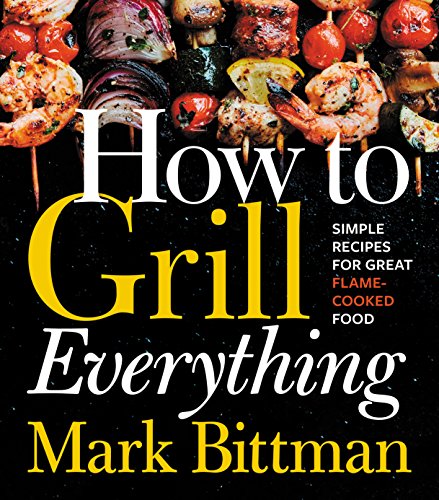
How to Grill Everything functions as a practical instructional blueprint for outdoor cooks rather than a standard piece of cooking hardware. Operating as a digital reference manual, it is built to bridge the gap between basic flame roasting and true temperature mastery across charcoal grills, gas burners, and backyard smokers.
This guide is best suited for backyard barbecue enthusiasts, patio cooks, campers, and tailgaters who want quick, reliable recipe blueprints without flipping through bulky, sauce-splattered hardcovers. Whether you are firing up a compact portable grill at a tailgate or running an all-day smoking session on your patio, the instructions focus heavily on practical fire management and fundamental outdoor techniques.
The instructional content emphasizes real-world cooking performance, guiding you through hot-and-fast searing, indirect baking, and gentle smoke infusion. It breaks down essential skills such as establishing dual-zone heat, managing airflow to maintain steady temperatures, and timing meat correctly to lock in juices and avoid burnt crusts caused by uncontrolled flare-ups.
In terms of usability and outdoor convenience, the Kindle format proves remarkably functional around a working barbecue station. You can pull up cook times, ingredient ratios, and sauce recipes instantly on your smartphone or a weather-resistant tablet stand, keeping your prep tables clean and free of heavy book stands that can tip over in windy weather.
A realistic limitation is that navigating a digital screen with barbecue tongs or sauce-covered hands can get messy, requiring you to wipe your fingers or protect your device from stray grease splatters. Visual cooks may also notice that not every recipe features a finished color photograph, prioritizing sheer recipe density and technique instruction instead.
For anyone serious about improving their backyard barbecues, weeknight patio dinners, or outdoor campsite menus, this digital grilling guide offers tremendous practical value. It takes the guesswork out of fire cooking and serves as a dependable companion beside any grill setup.
The core strength of this outdoor cooking guide lies in its focus on thermal dynamics and fire control. It teaches grillers how to read flame intensity, organize charcoal piles for indirect baking, and dial in gas burner valves to prevent food from scorching.
Readers learn how to achieve crisp exterior sears on thick steaks while keeping the center tender, along with techniques for sustaining steady low heat for tender ribs and pulled meats. The advice on using wood chips and wood chunks also helps patio cooks extract clean, aromatic smoke flavor without over-smoking their food.
This recipe guide excels in backyard barbecue settings where you need versatile menu options that please a crowd, from simple flame-broiled burgers to seasoned grilled vegetables and fish. Its streamlined layout makes meal planning painless during weekend cookouts.
It is equally useful for tailgating and campsite adventures where space and weight are strictly limited. Storing hundreds of recipes directly on your mobile device leaves your vehicle trunks and camp bins open for coolers, fuel, and grilling gear.


Pros
- Excellent value for a charcoal grill with large 627 sq in cooking area at this price point.
- Adjustable fire grate height offers flexibility for different cooking techniques, from direct searing to indirect smoking.
- Lid-mounted thermometer and dual vents provide good temperature control without opening the lid.
- Wood side tables are practical for prep and holding tools, adding convenience.
- Easy ash dump makes cleanup far simpler than many barrel grills.
Cons
- Assembly requires some time and effort; instructions could be clearer.
- The powder-coated finish may show wear over time if not stored covered, especially in wet climates.
- Wheels are smaller and not ideal for rough terrain; moving fully assembled grill requires care.
The Royal Gourmet CC1830V is a 30-inch barrel charcoal grill that delivers an impressive 627 square inches of total cooking space - 443 on the main porcelain-enameled grates plus 184 on the chrome-plated warming rack. It's designed for backyard grillers, BBQ enthusiasts, tailgaters, and anyone who loves cooking outdoors without spending a fortune. The wood-painted side tables and tool holder add a touch of style and convenience, making it a solid choice for patio cooks and outdoor entertainers.
In real-world cooking, this grill performs well for both fast grilling and low-and-slow smoking. The adjustable fire grates let you raise or lower the charcoal to two different heights, so you can sear steaks over direct heat or set up a two-zone cook for smoking ribs or brisket. The lid-mounted thermometer and dual vents - side air intake and smoke stack - give you decent temperature control, though you'll need to practice to dial in exact temps. The porcelain-enameled grates heat evenly and are easy to clean, and the warming rack is great for keeping buns or sides warm while the main grates do the heavy lifting. Smoke flavor is authentic and robust, exactly what charcoal fans expect.
Build quality is solid for the price. The grill body is powder-coated alloy steel with a black finish, and the grates are porcelain-enameled to resist rust. The lid fits snugly, and the wood handle stays cool during cooking. Two small wheels make rolling the grill across a deck or patio manageable, but they're not built for rough terrain. Weather resistance is decent, but you'll want to store it covered or in a garage to extend the finish's life. Assembly takes about an hour and requires two people for some steps; the instructions could be clearer, but most DIY grillers will manage.
Setup involves attaching the legs, side tables, and wheels - straightforward if you follow the manual. At 37.9 pounds, the grill is easy to move around a flat yard or driveway, and the easy-dump ash pan simplifies cleanup after each cook. Just slide out the pan, tap out the ash, and you're done. Storage is no problem; it fits in a corner of the garage or under a cover.
Realistic limitations include assembly clarity and the finish's durability over years of heavy use. The ash pan is smaller than some competitors, so you might need to empty it during long cooks. But considering the price, the CC1830V offers exceptional value. It's ideal for weekend BBQ parties, tailgating events, and casual backyard cooking where you want real charcoal flavor without a huge investment. Beginners will appreciate the easy controls, and experienced grillers will enjoy the flexibility of adjustable grates.
The Royal Gourmet CC1830V excels at two core charcoal cooking methods: high-heat searing and low-and-slow smoking. Its adjustable fire grates let you move the charcoal closer for direct heat or further away for indirect cooking. The dual vent system - side intake and top stack - gives you enough control to hold steady temperatures for several hours with practice. The 443 sq in main cooking area fits a full brisket, a couple of racks of ribs, or a dozen burgers, while the warming rack adds 184 sq in for sides or keeping food warm. Porcelain-enameled grates distribute heat evenly and prevent sticking, making cleanup easier. For smoke lovers, this grill produces authentic charcoal flavor that complements meats and veggies alike. It's not a kamado or offset smoker, but for a barrel grill in this price range, it punches above its weight.
Assembly of the Royal Gourmet CC1830V is moderate - expect about 60 to 90 minutes with basic tools. The instructions are mostly clear, but some steps benefit from an extra pair of hands, especially when attaching the legs and side tables. All necessary hardware is included. For maintenance, the easy-dump ash pan is a standout feature: simply slide it out after the coals cool, tap the ash, and replace. The porcelain-enameled grates resist rust and clean up with a grill brush. The powder-coated finish requires care - avoid abrasive cleaners and store the grill under a cover or in a sheltered spot to prevent chipping or fading. The wheels are small but adequate for moving on flat surfaces; for long-term durability, consider adding a grill cover (sold separately).

Pros
- Offset smoker adds rich smoke flavor to meats and veggies
- Plenty of cooking space for family meals or small gatherings
- Solid build with powder-coated steel for weather resistance
- Easy to move around with wheels for tailgating or patio rearrangement
Cons
- Assembly can be tricky alone; a second person helps with the lid
- Warming rack may need removal to close lid for larger cuts like pork butts
- Smaller cooking area than some larger offset smokers, limiting capacity for big parties
The Royal Gourmet CC1830W is a 30-inch charcoal grill with an offset smoker that brings real wood-fired flavor to your backyard. It's designed for outdoor cooks who want to smoke brisket, grill burgers, or slow-cook ribs without spending a fortune. With 811 square inches of total cooking space, it fits comfortably on a patio or deck and works well for weekend BBQs with family and friends.
This grill is best suited for backyard grillers and BBQ enthusiasts who enjoy experimenting with smoke. The offset smoker lets you add wood chips or chunks to generate authentic smoky flavor, while the main chamber handles direct grilling for steaks, chicken, or veggies. The adjustable charcoal pan gives you two height levels, so you can control heat for searing or low-and-slow cooking. It's also a good fit for tailgaters or campers who want a portable smoker that doesn't take up too much space in the truck bed.
In real-world use, the CC1830W heats up reasonably well for a charcoal grill. The built-in thermometer on the lid helps you monitor internal temperature, though you might want an external probe for more accuracy during long smokes. The offset smoker produces a nice smoke ring on pork butts and ribs, and the main chamber can handle a dozen burgers or a whole chicken with ease. For fast grilling, the charcoal pan holds up to 4.4 pounds of coal, which gives you about 45 minutes to an hour of high heat before needing a refill. Heat consistency is decent, but you'll need to manage airflow with the dampers to avoid temperature spikes.
Build quality is solid for the price point. The body is made from powder-coated alloy steel, which holds up well against light rain and sun exposure. The porcelain-enameled steel wire cooking grates resist rust and are easy to clean with a grill brush. The wood-painted side and front tables offer handy prep space, and the three S-hooks let you hang tongs, spatulas, or grill brushes. The mesh bottom shelf can hold up to 20 pounds of accessories, like a charcoal chimney or extra wood chips. The grill sits on two fixed wheels and two swivel casters, making it easy to roll around the patio or into the garage for storage.
Setup takes about 40 minutes to an hour, and most reviewers recommend having a second person help with attaching the lid and offset smoker. The instructions are clear, but some parts may not align perfectly, so patience helps. Cleanup is straightforward: the ash catcher collects ashes from the main chamber, and the offset smoker's firebox is easy to empty. Grease management is basic, so expect some drips on the bottom shelf during long cooks. One limitation is that the warming rack may need to be removed to close the lid when smoking large cuts like two Boston butts. Also, the total cooking area is smaller than some larger offset smokers, so it's best for small to medium-sized gatherings rather than big parties.
Overall, the Royal Gourmet CC1830W is a practical choice for anyone getting into charcoal smoking or grilling on a budget. It delivers real smoke flavor, offers enough space for family meals, and fits nicely on a patio or at a tailgate. If you're a backyard cook who wants to try low-and-slow BBQ without investing in a high-end smoker, this grill gives you great value for the money.

Pros
- Classic Weber kettle design delivers great charcoal flavor in a portable package
- Solid build with porcelain-enameled steel resists rust and weather
- 22-inch grate offers enough space for 13 burgers using a Weber press
- Two dampers allow excellent temperature control for searing or smoking
Cons
- No built-in thermometer means you'll need an external one for accurate temps
- Relatively heavy at 28.5 lbs, not ideal for long hikes
- A bit small for cooking for large parties of more than 6-8 people
The Weber Jumbo Joe Premium Charcoal Grill is essentially a portable version of the legendary Weber kettle, and that alone makes it a compelling option for outdoor cooks who value real charcoal flavor on the go. With a 22-inch diameter cooking grate, it bridges the gap between a full-sized backyard grill and a small portable unit, making it perfect for tailgating, camping, patio dinners, or weekend BBQs. If you've ever wished you could take that classic kettle experience with you, this is the grill you've been waiting for.
Who is the Jumbo Joe built for? Honestly, it suits a wide range of outdoor enthusiasts. Backyard grillers will appreciate the familiar Weber cooking performance, while campers and RV owners will love the portability and durable build. Tailgaters can fire it up in the parking lot and serve up burgers and brats for a crowd, and patio cooks can keep it handy for quick weeknight dinners without needing a massive grill setup. The 22-inch grate holds up to 13 burger patties (using a Weber press) or a small brisket, so it's practical for small gatherings and family meals.
In terms of real-world cooking performance, the Jumbo Joe delivers the same heat consistency and smoke flavor you'd expect from a larger Weber kettle. The porcelain-enameled lid and bowl retain heat exceptionally well, which means you can sear steaks hot and fast or close the dampers down for low-and-slow smoking. The rust-resistant aluminum dampers allow precise airflow control, so managing temperatures for different cooking styles is straightforward. Expect good charcoal efficiency too - with proper damper management, a single load of charcoal will handle most cooking sessions without needing to add more fuel. Flare-ups are generally manageable with the adjustable dampers, though as with any charcoal grill, keep a close eye on fatty meats.
Build quality here is typical Weber: sturdy, weather-resistant, and built to last. The porcelain-enameled steel lid and bowl resist rust and peeling, so the grill can sit outside in the elements without falling apart quickly. The plated steel cooking grate is durable and easy to clean, and the aluminum ash catcher makes ash disposal tidy and efficient. The lid hook is a nice touch - slide the lid onto it instead of laying it on the ground, which keeps dirt and debris away. The heat shield on the lid handle is practical for adjusting or checking food without burning yourself. Portability is aided by all-weather wheels, but note that at nearly 29 pounds, it's not a lightweight backpacking grill. It rolls easily on level ground, so moving it around the patio or rolling it to the car is manageable.
Setting up the Jumbo Joe is straightforward - it comes mostly assembled, with just a few parts to attach. Transport is aided by the two wheels and a sturdy handle, but you'll need some space in your vehicle for the 24 x 38 x 10 inch box. Cleanup is largely thanks to the removable ash catcher and the smooth porcelain surfaces that wipe down easily. Storage isn't too demanding either; it can be left on the patio or stored in a garage or shed without taking up a huge footprint. Realistically, the main limitation is the lack of a built-in thermometer, so you'll want to invest in a quality external thermometer to monitor cooking temperatures, especially for smoking. Also, while it's portable, it's not ideal for backpackers or long hikes due to the weight. For car camping, tailgating, or patio use, though, it's perfect.
Overall, the Weber Jumbo Joe Premium Charcoal Grill offers a fantastic balance of cooking performance and portability. It's a versatile tool that can handle everything from quick burgers to a slow-smoked pork shoulder, and its build quality means it will serve you for many seasons. If you love the flavor of charcoal and want a grill that can travel with you, this is a smart investment. It's not the cheapest option out there, but for the combination of Weber reputation, heat retention, and durable construction, it's well worth the price. Whether you're tailgating at the game, camping at the lake, or just cooking on the patio, the Jumbo Joe delivers real BBQ results.
The Jumbo Joe excels at high-heat searing - the porcelain-enameled bowl and lid hold heat well, and with the dampers fully open, you can get the coals roaring hot for a perfect crust on steaks and burgers. For low-and-slow cooking, close the dampers down to about a quarter open; the grill will maintain a steady 250-300F range suitable for ribs, chicken, or a small brisket. Smoke flavor is excellent because you're using real charcoal, and you can add wood chunks for extra aroma. The 22-inch grate gives you a two-zone cooking setup - pile coals on one side for direct heat and leave the other side cooler for indirect cooking. This flexibility lets you sear then finish, or cook larger items like a whole chicken without direct flame. Fuel efficiency is good; with a full chimney of charcoal, you can cook for 2-3 hours at low temps before needing to add more briquettes.
Mastering Charcoal Fire and Meat Preparation for Outdoor Grilling
Achieving tender, flavorful meat on a charcoal grill requires mastering thermal exposure and airflow. Unlike cooking in a kitchen oven, grilling over coals demands a fire bed that accommodates both rapid searing and gentle indirect roasting. Arranging coals intentionally gives you predictable heat without scorching the exterior of your food. This foundational approach ensures reliable doneness, crisp crust formation, and clean smoky flavor across every cook.
Fuel Selection: Lump Charcoal versus Charcoal Briquettes
Selecting the right fuel shapes how heat develops and how long your fire sustains high temperatures. Hardwood lump charcoal consists of charred wood pieces that ignite quickly, burn hot, and leave minimal ash. Because lump pieces vary in size, the burn rate fluctuates, making it ideal for quick high-heat searing of steaks and chops. The clean hardwood aroma from lump charcoal also adds a light smoky note that enhances beef and poultry.
Charcoal briquettes offer uniform shape, predictable heat output, and longer burn times than lump charcoal. Manufactured from carbonized wood pressed with natural binders, briquettes deliver steady temperatures for larger roasts. Choosing standard unflavored briquettes without chemical lighter fluid prevents unwanted petroleum odors from penetrating the meat. They also generate a more consistent ash layer that helps insulate remaining embers during prolonged cooking sessions.
Establishing Direct and Indirect Two-Zone Cooking
Piling charcoal evenly across the grill base is a frequent mistake for beginner cooks. A flat coal bed creates uniform intense heat across the entire grate, leaving no escape route during flare-ups. A two-zone configuration solves this problem by banking lit coals onto one half of the grate while leaving the opposite side empty. This arrangement establishes a direct-heat searing area alongside a convective indirect-heat zone.
Direct heat radiates upward from glowing coals, creating temperatures ideal for rapid surface browning. Indirect heat functions like a convection oven, circulating hot air beneath the closed lid to roast meat gently. Thick cuts of beef and bone-in poultry cook best when started on the indirect side before receiving a final direct sear. Having a cool zone also gives you an instant safe haven when dripping fat ignites sudden flames.
Cooking delicate poultry requires balancing indirect roasting with direct finishing. For example, achieving crisp skin on poultry without burning the fat, as seen in a classic crispy barbecue wings recipe, relies heavily on establishing gentle indirect convection before finishing over glowing coals. Indirect heat renders subcutaneous fat and dries out the skin surface efficiently. Once the meat nears target temperatures, a quick finish over direct coals produces deep color without burning.
Regulating Temperature Through Airflow and Damper Management
Airflow dictates fire temperature because burning charcoal requires steady oxygen to maintain combustion. Charcoal grills rely on lower intake dampers near the coals and upper exhaust dampers on the lid to regulate circulation. Opening bottom vents supplies fresh oxygen, driving temperatures higher for fast grilling. Partially closing bottom vents restricts oxygen, gradually cooling the fire without extinguishing the embers.
The upper exhaust damper functions as the chimney draw for hot gases and smoke. Leaving the exhaust vent open allows hot combustion air to exit, pulling fresh oxygen in through the bottom. You should avoid shutting the exhaust damper completely while cooking, as trapped stagnant smoke deposits a bitter flavor onto food. Keeping the exhaust vent at least one-third open maintains a continuous draw that pulls heat across your cooking grates.
Adjustments to grill dampers should always be made in small increments. After moving a vent, allow the grill five to ten minutes to stabilize before checking the temperature again. Grills with aluminum dampers, such as the Weber Jumbo Joe, provide smooth control that resists rust from weather exposure. Learning how damper positions affect your specific grill eliminates sudden temperature swings that could dry out meat.
Preparing and Seasoning Meat for the Charcoal Fire
Proper meat preparation begins before cuts ever touch hot grates. Surface moisture prevents browning because excess water turns into steam instead of forming a crisp crust. Patting steaks, chops, and chicken dry with paper towels allows heat to trigger the Maillard reaction quickly and efficiently. Salting meat in advance draws moisture out, dissolves the crystals, and reabsorbs deep into the muscle tissue for superior tenderness.
Oil application requires caution when cooking over open charcoal embers. Lightly coating meat with high smoke point oil helps spices adhere while preventing grate stick. Spices like black pepper and garlic powder withstand direct heat well, but sugar-heavy rubs should be reserved for indirect roasting to prevent bitter charring. Applying sweet glazes during the final five minutes of cooking keeps sugars from scorching over open coals.
Thinly cut meats and sweet marinades require fast handling over charcoal. Thinly cut short ribs or flank steaks, detailed in our guide to a Korean beef barbecue recipe, require rapid searing over direct coals to caramelize soy and fruit marinades without turning bitter. Because sugars burn quickly above medium heat, cooks must flip marinated strips frequently. Sliding browned pieces to the indirect side ensures the center cooks through without scorching the exterior.
Core Cooking Procedures for Steaks, Chops, and Poultry
Thick steaks measuring over one and a half inches benefit from the reverse sear method. Place the seasoned steak on the indirect side of the grill with the lid closed and dampers set for moderate heat. Allow the internal temperature to rise slowly until it sits roughly ten to fifteen degrees below your target. Finish the steak directly over glowing coals for one to two minutes per side to develop a rich mahogany crust.
Thin steaks, burgers, and pork cutlets require direct heat because their centers cook quickly. For cuts under one inch thick, cook directly over coals with the lid off or upper vents open. Sear the meat for two to four minutes per side, turning with tongs to observe color development. If fat drippings cause sudden flames, move the cut to the indirect zone until the fire subsides.
Bone-in poultry presents a challenge due to varying meat density and fatty skin. Always place chicken pieces bone-side down on the indirect side of the grill to begin cooking. Closing the lid traps hot convective air, roasting the meat evenly around the bone. Once an instant-read thermometer indicates safe internal doneness, move pieces skin-side down over coals for two minutes to crisp the surface.
Determining Doneness with Internal Temperature Verification
Relying on cooking times or exterior color to gauge doneness introduces significant food safety risks. Charcoal heat output varies with outdoor temperatures, wind, and fuel quality, making timing estimates unreliable. Slicing into meat on the grill releases juices and provides a misleading view under outdoor lighting. Using a calibrated digital instant-read thermometer is the only reliable way to confirm doneness and ensure food safety.
Insert the thermometer probe into the thickest part of the cut without touching bone or dense fat. Poultry must reach an internal temperature of at least 165 degrees Fahrenheit to eliminate harmful foodborne pathogens, according to USDA guidelines. Beef, pork, and lamb cuts should reach a minimum internal temperature of 145 degrees Fahrenheit, followed by a three-minute rest. Removing meat slightly before target temperatures accounts for carryover cooking during resting.
Resting cooked meat on a warm cutting board is necessary for moisture retention. During cooking, muscle fibers tighten and push juices toward the center of the cut. Giving the meat five to ten minutes of resting time allows fibers to relax and redistribute moisture throughout the protein. Tenting the meat loosely with foil keeps the exterior crust crisp while retaining natural juices.
Managing Lid Placement, Smoke Quality, and Flare-Ups
Lid position directly alters cooking temperature, oxygen supply, and smoke retention. Grilling with the lid off supplies abundant oxygen, creating intense direct heat suitable for thin cuts and burgers. Closing the lid traps heat, converts the grill into a convection oven, and restricts oxygen to prevent uncontrolled fat fires. For cuts thicker than one inch, cooking with the lid closed yields better temperature control and faster results.
Understanding smoke quality helps you prevent bitter flavors on cooked meats. Thick white smoke indicates incomplete combustion, damp fuel, or coals that have not fully caught fire. You should wait until charcoal burns down to a glowing bed coated with light grey ash, producing faint blue or clear heat shimmer. This clean heat imparts pleasant wood aromatics that enhance proteins without leaving acrid soot.
Flare-ups occur when liquefied fat drips onto hot coals and ignites into flames. Never spray water from a squirt bottle onto coals, as this blows ash onto food and cools the fire unevenly. Instead, use long tongs to move meat to the indirect side and close the lid for thirty seconds until flames subside. Once the dripping slows, you can safely return the food to the direct side.
Matching Equipment Configurations to Your Grilling Style
Grill designs vary in cooking capacity, airflow controls, and body styles to suit different spaces. Barrel grills, such as the Royal Gourmet CC1830V, provide generous cooking space and height-adjustable fire grates to control coal distance. Combination units like the Royal Gourmet CC1830W add an offset firebox for smoking alongside standard direct grilling on backyard patios. These full-sized units fit backyard patios where cooking multiple large cuts at once is routine.
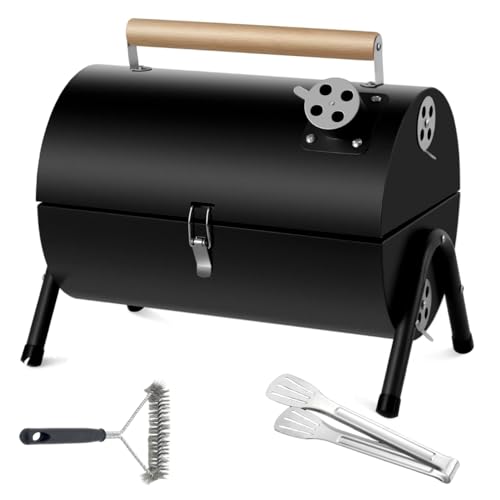
Portable tabletop options provide flexibility for outdoor camping, tailgating, and compact patio areas. Units like the Flaryth portable folding grill feature compact cylindrical bodies, dual-sided carbon grates, and included accessories like tongs and cleaning brushes. Similarly, the GasOne 14-inch portable grill includes a three-point locking lid and built-in thermometer for heat monitoring on the go. While portable grills hold fewer coals, their compact chambers heat up rapidly and handle skewers, chops, or steaks efficiently.
Classic kettle grills like the Weber Jumbo Joe feature porcelain-enameled bowls and lids that retain heat effectively. Cookbooks like Harvest’s How to Grill Everything offer clear recipe guidance that helps cooks adapt techniques across different grill formats. Whichever grill setup you use, matching your charcoal volume to the chamber size prevents wasted fuel and maintains steady heat. Taking time to learn your specific grill’s heat retention characteristics guarantees predictable outcomes every time you cook.
Essential Safety Guidelines and Enclosed Space Warnings
Operating a charcoal grill requires careful attention to fire safety and proper outdoor ventilation. Charcoal combustion produces invisible, odorless carbon monoxide gas that can be fatal in enclosed spaces. Never operate a charcoal grill inside a garage, home, tent, or enclosed porch, even with overhead doors wide open. Opening a garage door does not provide sufficient ventilation to prevent toxic gas buildup or structure fire hazards.
Always position your grill outdoors on a flat, non-combustible surface clear of building walls and deck railings. Keep children and pets away from the hot grill exterior to prevent severe burns. Chimney starters and natural fire starter cubes provide a safe, odorless method to light charcoal consistently without petroleum flare hazards. Having a bucket of sand or a working fire extinguisher nearby provides peace of mind during high-heat cooks.
Post-Cook Grate Maintenance and Ash Disposal
Cleaning your grill grates immediately after cooking ensures sanitary surfaces and prevents food sticking during future cooks. While grates remain warm, scrub away carbonized food residue using a bristle-free grill brush or scraper. Wiping a thin layer of cooking oil onto clean warm grates creates a protective barrier against moisture and rust. Regular maintenance protects the grate coating and keeps food from picking up old charred debris.
Safe ash management protects your grill body and surrounding property from fire hazards. Charcoal ash absorbs ambient humidity, creating an acidic paste that corrodes steel fireboxes if left sitting. Allow the grill to cool completely for at least twelve hours before emptying the ash catcher into a dedicated metal disposal bucket. Keep the metal container away from wooden decks and exterior walls until all embers have completely cooled.
Practical Takeaways for Consistent Charcoal Results
Grilling meat successfully on charcoal is an approachable skill centered on fire control, zone management, and internal temperature verification. Setting up a two-zone fire, drying meat surfaces before seasoning, and keeping the lid closed transforms ordinary cuts into tender meals. Rather than relying on guesswork, use a digital food thermometer to guide when proteins have reached their ideal doneness. Consistent damper management and steady outdoor safety habits will ensure every meal comes off the grill juicy and full of authentic wood-fired flavor.






Write Your Review
No reviews yet. Be the first to share your experience!