


Baked-on marinades, rendered animal fats, and carbonized residue can turn seasonal barbecue maintenance into a demanding chore. Outdoor cooks facing cold weather or limited yard space often search for reliable indoor alternatives to break down stubborn grease. Understanding how to clean grill grates in oven enclosures or specialized cleaning bags allows you to soften heavy buildup overnight without aggressive mechanical scraping. A sturdy rolling BBQ prep table gives you ample room to stage dirty cooking components safely before bringing them indoors. By containing messy drippings and using proper degreasing techniques, you protect the underlying metal and keep your cooking surface ready for future cookouts.
Different grate materials require distinct care strategies to prevent surface degradation or unwanted corrosion. Porcelain-enameled cast iron, raw cast iron, and heavy stainless steel bars all respond differently to prolonged moisture and chemical cleaners. Knowing the correct approach prevents costly mistakes like stripping protective seasoning or scratching delicate enamel coatings. With the right combination of fume-free cleaning solutions, protective soak bags, and non-scratch scrubbers, restoring your barbecue grids becomes a manageable and clean indoor task.
Pros
- Safe for all common cooking grate materials including stainless steel, porcelain-enameled cast iron, and plain cast iron.
- Non-flammable and non-corrosive – no harsh chemicals or fumes that could affect food or your grill's finish.
- Doesn't irritate skin, so you can clean without rubber gloves and not worry about chemical burns.
- Effective at cutting through baked-on grease and carbon buildup with minimal scrubbing effort.
- Versatile enough for grills, smokers, ovens, and microwaves – a multi-surface cleaner for your outdoor kitchen.
Cons
- Spray bottle could be larger for frequent users who clean multiple grills or smokers often.
- May require multiple applications for heavily caked-on residue from months of neglect.
- Not formulated for exterior grill surfaces or painted components – only for cooking grates.
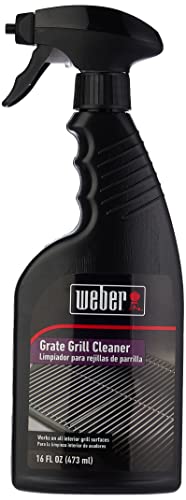
If you spend a lot of time around a hot grill, you already know that clean grates are the key to great sear marks and easy release. But scrubbing with harsh chemicals or worrying about what's getting into your food isn't fun. Weber's Grill Grate Cleaner and Degreaser takes that pain point and turns it into a quick spray and wipe routine. Designed for all standard cooking grate surfaces – including stainless steel, porcelain-enameled cast iron, and plain cast iron – this 16 oz spray bottle is a no-nonsense solution for anyone who grills regularly, from weekend burger flippers to competitive BBQ enthusiasts.
The standout feature here is the formula itself. It's non-flammable, non-corrosive, and completely free of phosphates. That means you can use it on your expensive Weber kettle grates or your portable camp stove without worrying about damaging the finish. And because it's safe for skin, you don't have to glove up every time you want to wipe down the grate. That's a real convenience when you're juggling tongs, basting brushes, and a cold drink in the backyard. For tailgaters and campers who need to clean up fast before packing up, this cleaner is a huge time-saver.
Performance-wise, this stuff does the job. It sprays on as a fine mist that clings to the grate, working its way into baked-on grease and carbon residue. A short soak – maybe a few minutes – and then a stiff brush or cloth gets the grime off with much less elbow grease than a dry scrub. It's particularly effective on those stubborn black deposits that form on cast-iron grates after repeated high-heat searing. For porcelain-enameled surfaces, it's gentle enough that it won't chip or dull the coating, which is a common worry with abrasive cleaners.
Versatility is another big plus. While the bottle says it's for grill grates, Weber also markets this for use on smokers, ovens, and microwaves. That makes it a solid all-around cleaner for the outdoor kitchen setup. Whether you're cleaning up after a 12-hour brisket smoke on a pellet grill or wiping down a flat-top griddle after a breakfast cookout, this spray can handle the mess. Just be sure to avoid painted exterior surfaces or non-stick coatings, where it could cause damage or discoloration.
For practicality, the 16 oz size is ideal for a season of regular use. It's not huge, so it won't take up much space in a cabinet or a camping tote. The spray nozzle dispenses a consistent mist, and the bottle sits upright without leaking. Cleanup is straightforward: spray, scrub, rinse with water, then dry. Unlike some aerosol cleaners that leave a sticky residue, Weber's formula rinses clean, so your next cook won't have any chemical taste or smell issues.
If you're a backyard griller who wants to maintain your gear without harsh chemicals, or a tailgater who needs a quick cleanup between games, this cleaner is a smart buy. It's not going to magically dissolve a decade of neglect in one spray, but for regular maintenance and moderate buildup, it's effective and user-friendly. For serious outdoor cooks who value both convenience and ingredient safety, Weber Grill Grate Cleaner is a simple upgrade to your cleaning routine that helps your grates last longer and perform better.
Using Weber Grill Grate Cleaner is as easy as spraying and wiping. For light grease and residue, just spray directly onto the cool grate, let it sit for a minute, then wipe with a paper towel or sponge. For heavier baked-on carbon, let it soak for 5-10 minutes before scrubbing with a nylon brush or scrub pad. Always rinse thoroughly with water after cleaning, and dry the grate to prevent flash rusting, especially on cast-iron surfaces.
This cleaner is designed only for cooking surface grates – do not use it on the exterior of your grill, the firebox, or any painted parts. The non-corrosive formula is safe for stainless steel, porcelain enamel, and cast iron, but harsh abrasives or steel wool can still scratch the finish. For best results, clean after every few cooks to prevent carbon buildup that's harder to remove later. A quick spray and wipe after a low-and-slow session keeps your grates ready for the next high-heat sear.
Storage is straightforward: keep the bottle in a cool, dry place away from direct heat sources. The 16 oz size lasts most backyard grillers a full season or more, depending on frequency of use. Because it's non-flammable, it's safe to store near your grill or in a garage cabinet. For campers and RV owners, this cleaner is small enough to toss in a tote, making it easy to keep your portable grill or camp stove grates clean on the road.

Pros
- Effective on heavy grease and charred food residue from low-and-slow smokes
- Works well on both cold and warm surfaces for flexible cleaning after grilling
- Economical - a little goes a long way for multiple cleaning sessions
- Rinses clean without leaving sticky residue that could affect food flavor
Cons
- May require multiple applications for heavily caked-on grime from years of use
- Strong chemical smell during application - use in well-ventilated area
- Not recommended for aluminum surfaces or painted grills
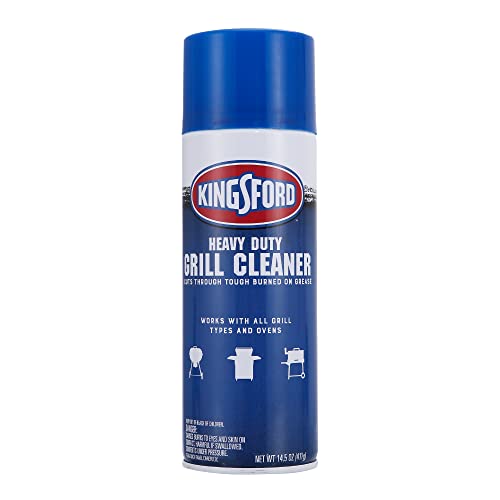
If you spend any time grilling, smoking, or cooking outdoors, you know the cleanup is the least fun part. This heavy-duty grill cleaner is designed to tackle exactly that chore, making it a solid addition to any outdoor cooking setup. It's a spray-on degreaser that works on BBQ grills, smokers, ovens, flat top griddles, and even camping stoves - basically anything that gets coated in grease and carbon after a cookout.
This cleaner is best suited for backyard grillers who fire up their gas or charcoal grills weekly, BBQ enthusiasts who smoke brisket low and slow, campers who need to clean their portable stove after a trip, and tailgaters who want their gear ready for the next game. If you own an RV and cook inside or outside, this is also handy for keeping the oven and grill grates spotless.
In real-world use, the cleaning performance is impressive. It cuts through baked-on grease and charred food residue without requiring heavy scrubbing. After a long smoking session where the grates are covered in black carbon, a few sprays and a short wait let you wipe it away. It doesn't completely eliminate scrubbing, but it reduces elbow grease significantly. The formula works on both warm and cold surfaces, so you can spray right after cooking or let it sit overnight on tough buildup.
Build quality is straightforward - it comes in a standard spray bottle with a trigger nozzle that delivers a wide or narrow stream. The nozzle doesn't clog easily, which is a common issue with thick cleaners. It's safe on porcelain, stainless steel, and cast iron grates, but you should avoid aluminum and painted surfaces. The spray can reach into tight corners of smoker racks and between grates, making it easier to clean those hard-to-reach spots.
Setup and use are simple: spray on, let it sit for a few minutes, scrub if needed, then rinse with water. Cleanup is quick, and the cleaner rinses away without leaving a sticky film that could affect your next meal's flavor. Storage is easy - just keep the bottle in your garage or under the sink. One limitation is that heavily caked-on grime from years of neglect may require multiple applications. Also, the chemical smell is strong, so you'll want good ventilation when using it.
Overall, this is a practical buy for anyone who cooks outdoors regularly. It saves time and effort on cleanup, which means more time enjoying your backyard parties, tailgates, or campsite meals. If you're tired of scrubbing forever after a great cookout, this cleaner makes the after-work much easier. Just remember to wear gloves and work in a well-ventilated area, and your grills and smokers will look like new after each use.

Pros
- Safe cleaning without wire bristles, protecting your family from accidental ingestion.
- Powerful citrus-based cleaner easily cuts through baked-on grease and carbon buildup.
- Kit includes everything you need: spray, brush, scrubber pads, scraper, and towel, no extra purchases required.
- Works on both hot and cool grills, offering flexibility for different cleaning routines.
Cons
- For extremely charred grates, some elbow grease may still be needed; the cleaner alone won't dissolve heavy creosote instantly.
- Scrubber pads are refillable but replacements are sold separately, adding ongoing cost over time.
- The cookbox scraper is best used on cool surfaces; it may scratch delicate porcelain coatings if used aggressively.
The Citrusafe Complete Grill Cleaning Kit is not your average grill cleaner. It is a thoughtfully assembled set designed to replace the dangerous wire brushes and harsh chemical sprays that many BBQ enthusiasts rely on. Instead, this kit uses a citrus-based degreaser, a nylon brush, heavy-duty scrubber pads, a cookbox scraper, and a microfiber towel to clean your grill safely and effectively. Whether you own a charcoal kettle, a propane gas grill, a smoker, or even a flat top griddle, this kit has the tools to handle the mess.
This kit is built for anyone who takes outdoor cooking seriously. Backyard grillers who fire up the Weber every weekend, campers who throw a grate over an open fire, tailgaters who need a quick cleanup between games, and RV owners who don't want wire bristles scratching their portable grills will all appreciate the safety-first approach. The stars are the Citrusafe Grill Cleaner spray, which uses natural degreasing power from citrus peels to break down grease, and the nylon brush and scrubber pads that work on a cool grill. No more burning off residue or worrying about stray bristles in your burger.
In real-world use, this cleaner shines on moderately soiled grates and cookboxes. Spray it on, let it sit for a few minutes, then scrub with the nylon brush or the heavy-duty pads. The grime dissolves quickly, and the included cookbox scraper reaches into corners that brushes miss. For a neglected grill that has months of caked-on grease, you may need to repeat the process, but the result is a cookbox that looks nearly new. The microfiber towel lifts away remaining residue without scratching porcelain or stainless steel surfaces.
Build quality of the tools is solid. The nylon brush handle is heavy-duty plastic with a comfortable grip, and the scrubber holder accepts the replaceable pads firmly. The scraper has a slim profile that fits into the tight gaps of most grills and smokers. The spray bottle has a trigger that produces a fine mist, covering grates evenly without waste. Everything in the kit is designed to be reused, cutting down on disposable grill wipes and paper towels.
Setup is simple: unpack the items and start cleaning. The spray works right out of the box, and all tools are ready to go. Transport is not an issue since it is a cleaning kit, but the spray bottle and tools fit easily in a garage cabinet or a camping tote. Storage is straightforward: keep the spray away from direct sunlight, and hang the brush and scraper to dry.
Limitations are minor. For grills with extremely heavy carbon buildup (think years of neglect), you may still need to use a metallic scraper or a second application. The scrubber pads are effective but wear out after several uses, and replacement packs are sold separately. Additionally, the nylon brush is not as stiff as wire, so it may take a bit more scrubbing on stubborn spots. Nonetheless, for routine maintenance and even deep-cleaning, this kit is a safe and effective choice. It earns a strong recommendation for any outdoor cook who wants to eliminate the risk of wire bristles and keep their cooking gear in top shape.
The Citrusafe Complete Grill Cleaning Kit comes with five essential items to tackle every part of your grill or smoker. You get a 16oz bottle of Citrusafe Exterior Grill Cleaner (also safe for interior use), a heavy-duty nylon brush with an integrated cookbox scraper, a scrubber handle plus three replaceable scrubber pads, a separate cookbox scraper for tight areas, and a premium microfiber cleaning towel (color may vary). Together, they cover cleaning from grates to hoods to side tables. Everything is manufactured in the USA by Bryson Brothers, a brand focused on safer outdoor cooking products.
For best results, clean your grill when it is cool to the touch. Spray the Citrusafe cleaner liberally onto grates and cookbox surfaces, let it sit for 3-5 minutes to loosen grease, then scrub with the nylon brush or scrubber pads. Use the cookbox scraper for baked-on residue in corners. Wipe away residue with the microfiber towel, then rinse with water if desired. For routine maintenance after each cook, a quick spray and wipe keeps grates looking new. The scrubber pads can be replaced when they become worn; replacement pads are available separately. The spray lasts through many cleanings, making this kit a great value for frequent grillers.

Pros
- Effectively removes baked-on grease and carbon from grill grates with minimal scrubbing
- Versatile - works on oven racks, smoker racks, and even greasy drip pans
- Non-toxic and biodegradable formula is safer around food and family
- Spray nozzle delivers even coverage and reaches tight corners on complex grates
Cons
- May require multiple applications for heavily caked-on grease after many cooks
- Liquid can drip off vertical surfaces - best used on flat or removable parts
- Slightly higher price point compared to basic oven cleaners
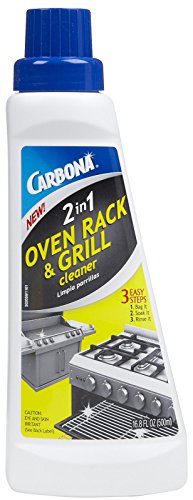
The Delta Carbona 2-in-1 Oven Rack and Grill Cleaner is the kind of product that every backyard griller and outdoor cook should have stashed under the sink. Let's be honest - cleaning grill grates after a weekend brisket smoke or a tailgate burger fest is nobody's favorite chore. This spray-on cleaner from Carbona is designed to tackle that tough, baked-on carbon and grease without requiring an hour of elbow grease.
This product is best suited for backyard grillers, BBQ enthusiasts, campers, tailgaters, RV owners, and anyone who regularly cooks on grills, smokers, flat tops, or camping stoves. The cleaner works on metal surfaces where grease has carbonized, making it a great companion for stainless steel grates, cast iron grids, and enameled oven racks.
In real-world use, the cleaner performs well on moderate grease buildup. You spray it on, let it sit for a few minutes, and then wipe off with a sponge or cloth. For heavily creosote-covered smoker racks or a griddle that's seen a summer of breakfast cookouts, you might need a second pass. But the formula cuts through grime faster than standard dish soap and doesn't leave a strong chemical smell - a big plus when working in your backyard or campsite.
Build quality is solid: the spray bottle has a wide trigger that's easy to grip even with greasy hands. The 16.8 oz size is generous enough to clean multiple racks or a full set of grill grates. Since it's non-toxic and biodegradable, you don't have to worry about toxic runoff on your patio or grass. It's also safe for use on oven interior surfaces, so you can clean both your grill and oven racks with one product.
One limitation: the cleaner is liquid, so it tends to run off vertical surfaces quickly. For best results, remove grates and lay them flat on a tarp or old newspaper before spraying. Also, for extremely thick carbon deposits (like after a year of heavy charcoal grilling without cleaning), you'll want to pre-soak or scrub with a stiff brush. This isn't a magic solution for neglect, but it handles typical weekly or monthly cleaning beautifully.
Overall, if you're a griller who values efficiency and wants to spend more time cooking and less time scrubbing, the Delta Carbona 2-in-1 Cleaner is a practical buy. It's especially handy for campground cooking where water access is limited - just spray, wipe, and rinse with a wet cloth. For tailgaters or frequent outdoor entertainers, this cleaner keeps your gear looking good and prevents grease buildup that can affect heat distribution on future cooks.
Keeping your grill grates and oven racks clean extends their life and improves cooking performance. The Delta Carbona 2-in-1 Cleaner makes the job easier with a simple spray-wipe-rinse process. For best results, remove cold grates and lay them flat. Spray liberally, let sit for 3-5 minutes, then scrub with a non-abrasive pad or brush. Rinse thoroughly with water. Avoid using on hot surfaces or aluminum foil. Store upright at room temperature.
Pros
- No need to heat the grill for cleaning - saves fuel and time
- Gentle on stainless steel and enamel surfaces, won't scratch or damage
- Complete kit includes gloves and bag, so you don't need extra supplies
- Effective on stubborn, baked-on grease with minimal effort
Cons
- Not suitable for cast iron grates, which require different care
- Single-use bag may feel wasteful for frequent cleaning
- May require multiple applications for heavily charred or neglected grates
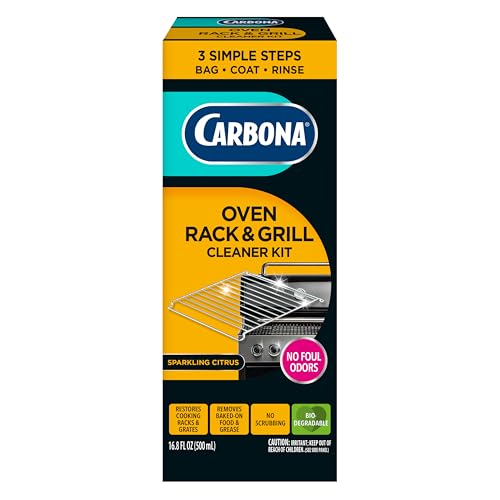
If you love grilling but hate the cleanup, the Carbona 2-in-1 Oven Rack and Grill Cleaner is a practical solution for keeping your stainless steel or enamel grill grates looking like new. This cleaner works without heat, so you don't have to burn off residue or deal with smoke and fumes. It's designed for both oven racks and newer BBQ grates, making it a versatile tool for any outdoor cook.
This cleaner is best suited for backyard grillers, BBQ enthusiasts, and tailgaters who use grills with stainless steel or enamel-coated grates. Campers and RV owners with portable grills featuring these surfaces will also appreciate the easy, no-scrub process. It's not recommended for cast iron grates, which need oiling and seasoning, but for modern grill materials it's a game-changer in terms of convenience.
In real-world use, the process is straightforward: place the grate or rack inside the included bag, pour the cleaning fluid, seal the bag, and let it sit. After a few hours, simply rinse off the loosened grime. The fluid effectively breaks down baked-on grease without requiring elbow grease or harsh scrubbing. This method eliminates the need to heat your grill to clean it, saving fuel and avoiding flare-ups from leftover residue.
The build quality of the kit is simple but functional. The bag is thick enough to hold the liquid without leaking, and the disposable gloves protect your hands from the cleaner. The fluid itself has a mild chemical smell but is not overpowering. Since the bag is single-use, you'll need to buy refills or additional kits for regular maintenance, which is a minor downside for frequent grillers.
Setup and cleanup are the highlights here. No need to disassemble your grill or heat it up. Just remove the grates, follow the three steps, and rinse. The entire process is mess-free thanks to the sealed bag. Storage is easy since the kit is compact. The main limitation is that heavily charred or neglected grates may require a longer soak or a second treatment, but for regular maintenance it works great.
Overall, the Carbona 2-in-1 Grill Cleaner is a solid buy for anyone who wants to keep their stainless steel or enamel grates clean without the hassle of traditional scrubbing or burning. It's especially handy for tailgaters and campers who may not have access to a grill that can be heated up for cleaning. If you maintain your grill regularly, this product will save you time and effort, letting you focus on cooking rather than cleanup.

Comprehensive Guide to Cleaning Grill Grates in Your Oven
Deep-cleaning barbecue grates inside an oven enclosure or sealed bag provides an effective way to dissolve heavy carbon buildup without harsh mechanical scraping. When cold weather or limited yard space makes outdoor washing difficult, enclosed soaking keeps messy grease contained and restores metal surfaces. Understanding how to manage different grate materials, cleaning solutions, and safety practices ensures your cooking grids remain pristine without damaging your kitchen appliances. Taking the time to master this method saves effort and extends the lifespan of your cooking surfaces.
Why Enclosed Soaking Outperforms Traditional Outdoor Scrubbing
Backyard barbecue cooks frequently encounter rock-hard carbon deposits that dry brushing simply cannot dislodge from metal bars. Meat fats, sugar-heavy bastes, and savory marinades bake into stubborn layers over repeated high-heat grilling sessions throughout the cooking season. Taking these components indoors creates a controlled environment where liquid degreasers can work continuously without evaporating in the sun or outdoor wind. That steady dwell time makes a tremendous difference when breaking down dense residue.
Outdoor cleaning often relies on high-heat burn-offs that waste propane, charcoal, or wood pellets while generating plumes of acrid smoke around your home. An enclosed soaking method traps active cleaning agents directly against the metal bars for hours at a time in a sealed space. This prolonged contact breaks down polymerized fats at the surface level, meaning you need far less physical effort to wipe them clean afterward. It also preserves the structural integrity of your grates by avoiding repeated thermal shocks.
Enclosed cleaning also prevents greasy runoff from staining concrete patios, composite decking, or lawn turf in your backyard. Containing oily sludge inside a sealed bag protects your outdoor cooking zone from slippery residues that are tough to wash off stone. When you regularly prepare sticky dishes like a saucy barbecue wings recipe, an organized indoor soak keeps heavy cleanup manageable. You can focus on enjoying the meal rather than dreading the post-dinner scrubbing chore.
The Difference Between Oven Self-Cleaning Cycles and Bag Soaks
Home cooks sometimes consider putting dirty barbecue grates directly into their kitchen oven and running a high-heat self-cleaning cycle to burn off grime. While pyrolytic self-clean cycles reach extreme temperatures to incinerate household spills, placing outdoor grill grates inside poses major fire hazards. Barbecue grids carry dense animal fats that can easily ignite into uncontrolled flames inside an enclosed oven chamber. A sudden grease fire inside an oven can damage the appliance and put your household at risk.
Excessive heat cycles can also warp thinner stainless steel rods or crack brittle cast iron castings under intense thermal expansion. Burning thick layers of barbecue grease indoors fills the home with dense smoke, foul odors, and dangerous carbon monoxide gas. Most major appliance manufacturers explicitly warn against placing outdoor cooking grids or non-standard racks into self-cleaning cycles because doing so can damage internal heating elements and oven enamel. The extreme temperatures can also ruin the finish on chrome-plated racks left inside.
Because of these hazards, cleaning grill grates in an oven setting refers to cold, enclosed soaking rather than turning on the heating element. Using heavy-duty plastic rack bags or shallow soaking trays eliminates extreme thermal stress and protects your appliance. This cold process relies on chemical breakdown rather than intense heat, keeping your home air fresh and your oven completely safe. It delivers cleaner metal without exposing your kitchen to smoke or dangerous flare-ups.
Material Considerations: Stainless Steel, Porcelain Enamel, and Cast Iron
Knowing the exact material of your cooking grates is essential before applying any cleaning solution or soaking treatment. Stainless steel grates provide the greatest resistance to moisture and strong alkaline degreasers during extended cleaning sessions. Solid stainless steel bars withstand prolonged immersion without pitting or oxidizing, making them straightforward candidates for deep chemical softening. They also tolerate firmer brushing once the soaking period finishes, which speeds up the final rinse.
Porcelain-enameled cast iron features a glossy ceramic glaze bonded over a dense iron core to create a non-porous cooking exterior. This smooth outer shell shields the iron from moisture and helps keep food from sticking during grilling sessions. Harsh abrasives or sharp tools can chip the delicate porcelain, leaving the raw iron underneath vulnerable to rust and corrosion. When cleaning porcelain grates, use non-abrasive degreasers and soft cleaning pads to protect the ceramic coating from microscopic fractures.
Raw cast iron requires careful handling compared to stainless steel or enameled surfaces because it lacks a protective manufactured seal. Uncoated cast iron relies on a thin patina of polymerized cooking oil, known as seasoning, to prevent rust and provide a slick cooking surface. Strong alkaline cleaners will strip this seasoned coating down to bare, unprotected metal very quickly. If you soak raw cast iron, plan to dry it thoroughly and reapply protective oil immediately before ambient moisture causes rust.
Multifunctional outdoor stations like a griddle and smoker combo often feature diverse cooking surfaces across separate cooking zones. Using an overly harsh degreaser on a seasoned griddle plate or smoker grate can erase months of seasoning development in minutes. Always evaluate each component individually so you can apply the right cleaner for that specific metal surface. Matching the cleaning chemistry to the grate material ensures the best results without unexpected damage.
Step-by-Step Enclosed Bag Cleaning Method
Setting up a clean workstation prevents accidental spills and keeps your cleaning process orderly from start to finish. Lay old bath towels or plastic sheeting over a flat indoor surface, such as a laundry room floor or wide utility counter. Make sure the grill grates are fully cooled to room temperature, as warm metal can weaken plastic bags and cause chemical cleaners to evaporate prematurely. Taking these preparatory steps protects your indoor surfaces against unintended stains.
Slide the cooled grates carefully into a thick cleaning bag designed for oven racks and barbecue grates. Two grates can often share a single large bag as long as the plastic resists punctures from sharp outer corners and heavy weld points. Pour the specified volume of grate degreaser or rack cleaner into the bag, making sure the liquid coats the metal bars completely. Squeezing excess air out of the bag before closing helps the liquid stay in direct contact with the grates.
Seal the bag opening firmly using the built-in zip track or included closure tie to keep all vapors and liquid contained. Gently tilt and turn the sealed bag on your protected flat surface so the cleaning liquid flows evenly across every rod and joint. Once the grates are thoroughly coated, leave the sealed bag flat in a safe spot away from foot traffic for six to eight hours or overnight. Giving the formula adequate dwell time ensures even the thickest carbon crust softens completely.
When the soaking time ends, carry the sealed bag to a deep utility sink or a bathtub lined with an old towel to prevent scratches. Open the bag carefully to avoid splashing, and slide the grates onto the basin floor while keeping the open end away from your clothes. The hardened grease should now be softened into a loose film that rinses away easily under warm tap water. A quick pass with a sponge removes the remaining residue without heavy scraping.
Using Baking Soda and Vinegar for a Natural Enclosed Soak
Homeowners who prefer avoiding synthetic degreasers can clean grates effectively using everyday pantry staples. Baking soda serves as a mild alkaline cleaner that softens organic grease deposits without damaging delicate metal finishes. Mixing baking soda with small amounts of warm water creates a thick paste that adheres well to horizontal and vertical grate bars. This non-toxic approach works particularly well for families looking to minimize strong chemical use in the kitchen.
Coat every surface of the dirty grates with the paste, making sure to cover tight joints and corners where grime builds up. Slide the coated grates into a heavy contractor bag or oversized sealable pouch, then lightly mist the metal with distilled white vinegar from a spray bottle. The combination creates a foaming reaction that helps lift loosened grease away from the metal bars naturally. The fizzing action works into tiny crevices that brushes might otherwise miss.
Close the bag tightly to hold in moisture and let the natural paste work for several hours on the dirty surfaces. Because vinegar contains mild acetic acid, avoid leaving it on raw cast iron for prolonged periods to prevent surface etching or discoloration. A four-hour soak is usually enough for this mild solution to loosen carbon buildup before you begin manual scrubbing. Once finished, the paste washes away cleanly without leaving any synthetic residue behind.
Selecting Safe Scrubbing Tools Without Wire Bristles
Choosing safe scrubbing tools after soaking is just as important as picking the right cleaner for the job. Standard metal wire grill brushes can shed small steel bristles that cling to grates and end up in cooked food during your next meal. Swallowing a loose metal wire can lead to serious internal injuries, which makes non-wire scrubbing tools a much safer choice for home cooks. Protecting your family starts with eliminating loose wire bristles from your cleaning arsenal.
Stiff nylon bristle brushes, synthetic scouring pads, and heavy-duty scrub sponges provide reliable cleaning power without shedding dangerous wires. After a proper soak in a cleaning bag, softened grease requires minimal elbow grease, allowing synthetic pads to wipe bars clean easily. Nylon tools also protect porcelain-enameled surfaces from scratches and microscopic chips that could lead to rust later. They offer the scrubbing traction you need while keeping the underlying metal intact.
For stubborn burnt specks around grate welds, a notched wooden scraper provides firm leverage without gouging the metal bars. Wooden tools gradually mold to the spacing of your specific grate rods, creating a snug fit across each individual bar. Rinse your scrubbers frequently in warm water during the process to keep grease from transferring back onto clean sections. Taking the time to work along each bar leaves the entire grid gleaming and smooth.
Thorough Rinsing, Quick Drying, and Metal Seasoning
Rinsing your grates thoroughly with warm, clean water is essential to wash away all softened grease and remaining cleaning chemicals. Lingering degreasers can leave unpleasant tastes on food during your next cookout or emit irritating fumes when heated over a flame. Continue rinsing until the runoff water appears completely clear and the metal feels clean without any slippery chemical residue. Taking an extra minute to rinse thoroughly guarantees that your next barbecue tastes purely of your ingredients.
Drying the metal immediately prevents flash rust from developing across freshly cleaned iron surfaces exposed to air. Wipe every bar with clean microfiber towels or absorbent shop rags, paying close attention to tight welds where moisture collects easily. Allowing damp grates to sit in humid indoor air encourages rapid oxidation on raw cast iron and worn enameled spots. Thorough drying acts as your first line of defense against unsightly orange corrosion.
For raw cast iron or carbon steel grates, finish the cleaning process by applying a thin coat of high-heat cooking oil across all sides. Canola oil, grapeseed oil, or vegetable shortening form a durable barrier that protects bare iron from ambient humidity. Warm the lightly oiled grates in your outdoor grill or a low oven for thirty minutes to help bond the protective oil layer before storage. This brief curing step locks in rust protection until your next cookout.
Safety Precautions for Indoor Ventilation and Grill Storage
Handling chemical degreasers indoors calls for basic safety measures to protect yourself and your living space throughout the process. Even low-odor cleaning formulas can produce mild vapors that irritate sensitive airways when used in cramped rooms without air circulation. Work near an open window or turn on an exhaust fan to maintain steady airflow while pouring cleaners and sealing bags. Proper ventilation ensures a comfortable working environment from start to finish.
Wearing rubber or nitrile gloves keeps alkaline liquids from drying out your skin or causing mild chemical discomfort. If you use spray bottles, wear basic protective eyewear to avoid stray mist entering your eyes while coating grate bars. Always store soaking bags on a flat surface away from children and pets so the bag remains sealed and upright throughout the soaking window. Keeping the work area tidy prevents accidental punctures and unnecessary mess.
Remember that outdoor barbecue equipment must never be lit or operated inside a garage, covered breezeway, or home kitchen under any circumstances. Operating charcoal, pellet, or gas grills in semi-enclosed areas creates severe fire risks and causes fatal carbon monoxide buildup. Even keeping an overhead garage door open does not provide safe ventilation for fuel-burning grills because toxic fumes quickly concentrate indoors. Keep all grill cooking safely outdoors in open air, and use indoor spaces only for cold cleaning tasks.
Routine Grate Maintenance to Minimize Deep Soaks
Developing a quick cleaning habit after each cookout dramatically reduces how often your grates need deep bag soaks in the future. While the grill is still warm right after cooking, run a safe nylon or wooden scraper across the cooking surface to clear loose food scraps. Cleaning warm bars takes only a minute and stops sweet marinades from hardening into stubborn carbon layers. Making this a routine habit keeps heavy grease accumulation under control all season long.
Rubbing a lightly oiled paper towel across warm, clean grates adds a fresh layer of protection that repels moisture between meals. This ongoing maintenance keeps cooking grids slick and helps stop food from sticking during future cooking sessions. Keeping your barbecue covered with a weather-resistant cover also shields the metal from rain and damp outdoor air when not in use. Regular care keeps your grill ready to fire up at a moment’s notice.
Combining regular post-cook brushing with an occasional enclosed bag soak keeps your barbecue grates performing reliably for years of outdoor cooking. Clean grates provide consistent heat transfer, reduce flare-ups from old drippings, and deliver clean grilled flavor every time you cook. Taking care of your cooking surfaces ensures better meals and protects your investment in quality outdoor cooking equipment.



Write Your Review
No reviews yet. Be the first to share your experience!