


Cooking outdoors often starts with a specific vision of sizzling smash burgers, fluffy pancakes, and seared fajitas on a flat-top griddle. Many backyard cooks quickly wonder, do i need a grill if i have a blackstone, once they realize that a solid steel cooktop functions very differently from open grates. While a flat top excels at surface contact browning and managing loose foods, it cannot replicate direct exposure to open charcoal flames or radiant gas burners. Deciding whether to keep both appliances depends on how you balance high-volume griddling against classic barbecue techniques.
Traditional open-grate grills provide distinct culinary advantages, including direct flame charring, smoky drippings, and dedicated indirect roasting zones. If your outdoor menu relies heavily on whole bone-in poultry, thick roasts, or heavy smoke infusion, a standalone grill remains a valuable companion. Cooks seeking multi-functional setups often examine a versatile griddle and smoker combo to cover every cooking method without overcrowding their outdoor space. Evaluating your personal cooking style, available patio space, and entertaining habits will help you determine whether your griddle can truly stand alone.


Understanding the Practical Trade-Offs Between Griddles and Grills
Owning a flat-top griddle changes how people view outdoor cooking, but it does not completely eliminate the role of a traditional grate grill. A griddle handles breakfast staples, smash burgers, and loose vegetables with remarkable ease due to its solid steel cooking surface. However, an open-grate gas or charcoal grill creates distinct flavor profiles through radiant heat and vaporized drippings that a flat surface cannot duplicate. Most cooks find that while a griddle can cover the majority of weeknight meals, keeping a standard grill depends on how often you prepare thick meats, whole poultry, and smoked foods.
Fundamental Differences in Heat Transfer and Flavor Creation
The primary difference between a griddle and a conventional grill lies in how thermal energy moves into your food. Griddles rely almost exclusively on conductive heat transfer, meaning energy moves directly from the heated steel plate into the ingredient. This continuous surface contact creates edge-to-edge Maillard browning, giving burgers and steaks an exceptional crust. In contrast, standard grills cook primarily through radiant heat emitted by glowing charcoal or gas burner shields, combined with convective airflow moving under the lid.
Flavor development also follows entirely different chemical paths on these two cooking surfaces. When fat and juices drip through open grill grates, they hit hot coals or flavorizer bars and instantly vaporize into aromatic smoke. This rising smoke coats the meat, producing the signature charred, outdoorsy flavor associated with traditional barbecue. On a solid griddle surface, juices collect around the food or run into the grease trough rather than vaporizing back onto the meat.
Where the Traditional Open Grate Grill Outperforms a Flat Top
Thick cuts of meat highlight the technical limitations of a solid steel griddle plate. Cooking a two-inch bone-in ribeye or a whole spatchcocked chicken on a griddle requires careful heat control to avoid scorching the exterior before the center finishes cooking. A traditional barbecue grill solves this problem through two-zone indirect cooking, where you sear over high direct heat and move the meat to an unlit side to bake gently. The circulating hot air inside a closed grill functions like a convection oven, roasting meats evenly to their safe internal temperature.
Authentic wood and charcoal flavors also remain exclusive to open-flame equipment. While you can add liquid smoke or smoked seasonings to a griddle, nothing matches the deep bark formed over charcoal embers and wood chunks. Slow-cooked barbecue staples like pork shoulders, beef ribs, and whole briskets require hours of gentle convective heat and steady wood smoke. Attempting to cook these large barbecue cuts on a flat surface is practically impossible because a griddle lacks the necessary enclosed airflow and fuel combustion mechanics.
Foods and Cooking Styles Where a Blackstone Flat Top Dominates
A flat-top griddle easily outperforms an open-grate grill when handling small, delicate, or high-moisture ingredients. Items like diced onions, sliced peppers, chopped mushrooms, and scrambled eggs would instantly fall through standard grill grates and cause stubborn flare-ups. The vast expanse of seasoned carbon steel allows you to chop, toss, and combine ingredients simultaneously using long spatulas. This flat layout makes hibachi-style dinners, cheesesteaks, and stir-fried noodles quick and fun to cook outdoors.
Breakfast cooking represents another category where open-grate grills simply cannot compete. Frying a dozen strips of bacon, flipping golden pancakes, and searing hash browns all at once turns your patio into a commercial short-order kitchen. Grease drains smoothly toward the rear collection trough, preventing the heavy soot and acrid flare-ups that occur when bacon grease hits open flames. For large gatherings where feeding a crowd fast is the priority, a griddle offers unmatched throughput and culinary flexibility.
Two-Zone Cooking and Lid Dynamics on Griddles versus Grills
Temperature control requires different strategies depending on whether you are working with open grates or solid steel plates. Conventional grills feature tall, insulated lids designed to capture hot air and create a radiant convective cooking dome. This ambient heat cooks food from above and below simultaneously, making it easy to roast items without turning them constantly. Closing the grill hood also helps extinguish flare-ups by restricting oxygen around active flames.
Flat tops, by comparison, lose heat rapidly into the surrounding air because their cooktops are wide and exposed. Many models include flat hinged covers or hard metal lids, but these are primarily designed for weather protection rather than high-heat baking. When you need to melt cheese or cook thick meats through on a griddle, you must rely on individual metal basting domes squirted with water to create steam. While basting domes work well for individual burger patties, they cannot replace the full-cavity roasting power of a heavy-duty grill hood.
Grease Management, Cleanup Routines, and Maintenance Demands
Maintenance habits differ significantly between seasoned steel flat tops and porcelain-coated or stainless steel grill grates. A griddle requires careful post-cook scraping, light water steaming, and an immediate coat of protective cooking oil to preserve its non-stick polymer layer. If you leave a griddle exposed to moisture without adequate seasoning, rust can develop quickly across the bare steel. Regular care keeps the plate slick and ready, but it demands consistent attention after every single meal.
Traditional grills, conversely, require less delicate surface preservation but demand deeper firebox cleaning over time. Routine grill upkeep usually involves heating the grates and brushing away carbon residue with a safe, bristle-free scraper. However, fat and marinades drip into the lower belly, creating grease accumulations that require periodic scraping to avoid dangerous firebox flare-ups. Neither appliance is entirely maintenance-free, so your willingness to scrape steel or scrub fireboxes may influence which unit you prefer to operate daily.
Outdoor Patio Layout and Cooking Station Workflow
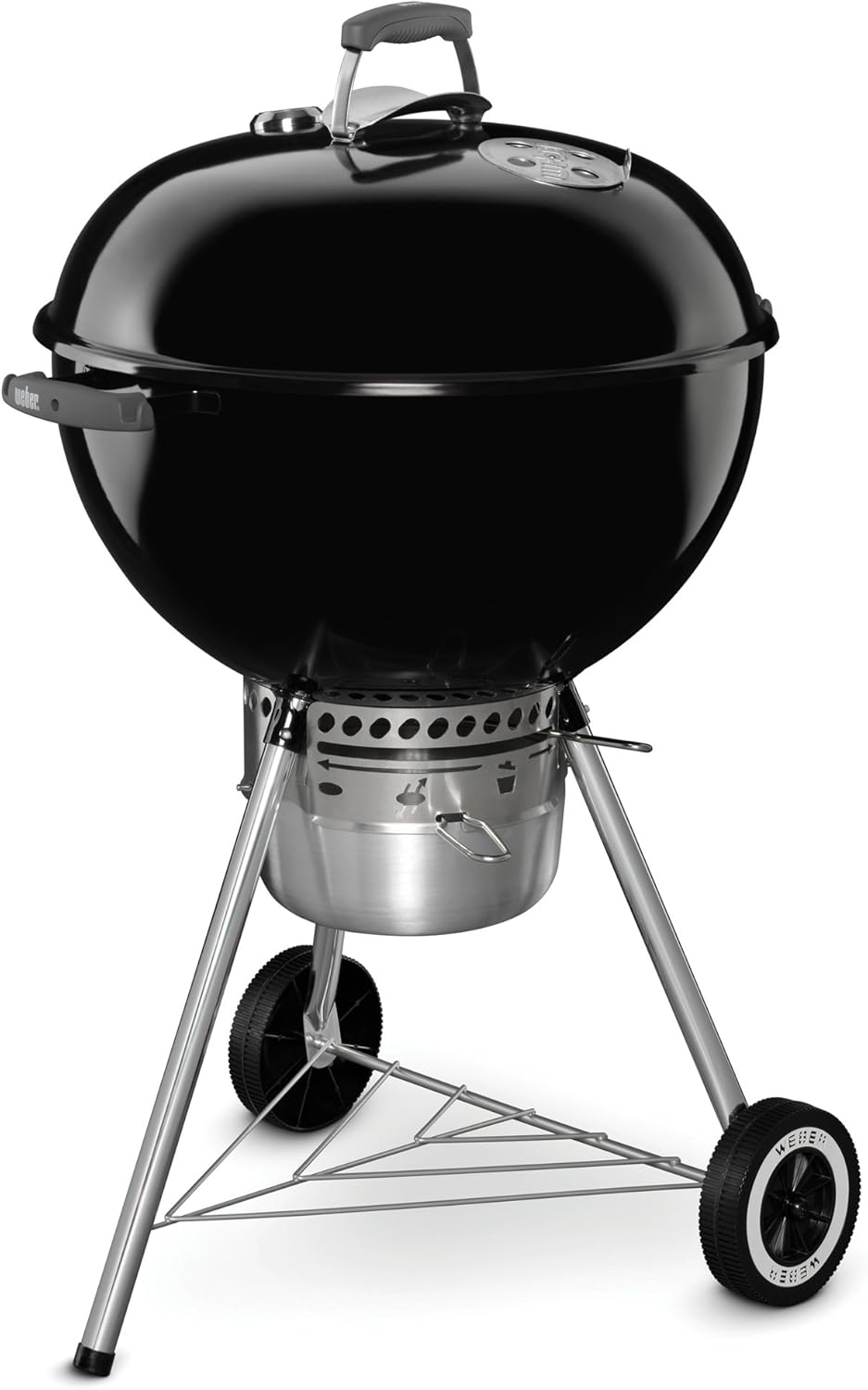
Operating two separate outdoor cooking appliances requires thoughtful planning regarding patio space and cooking workflow. A flat-top griddle requires wide clearance around the perimeter and ample room on side shelves for squeeze bottles, scrapers, and serving trays. Pairing a griddle with an existing charcoal kettle or gas grill can quickly crowd a small deck or patio area. Cooks often discover that establishing a dedicated station makes managing multiple outdoor cookers far more pleasant and efficient.
Adding a sturdy rolling barbecue prep table provides the necessary counter space to stage ingredients, carve meats, and rest clean platters. Having mobile preparation surfaces allows you to pivot between searing burgers on the griddle and smoking ribs on the grill without running back into the indoor kitchen. It also ensures that raw meats stay clearly separated from cooked dishes, supporting proper food handling while you manage distinct temperature zones. If your patio cannot comfortably accommodate multiple large footprints, choosing one primary cooker or selecting compact portable units becomes necessary.
Technique Adjustments for Classic Barbecue Favorites
Many backyard cooks wonder if their favorite open-grate recipes can transition seamlessly to a solid steel cooktop. Chicken pieces, pork chops, and sausages cook well on a flat top, provided you manage heat levels carefully to render fat without over-browning the skin. Using a moderate burner setting allows poultry skin to crisp gently while the meat warms through to a safe internal temperature. You can use a basting dome during the final minutes to trap heat and ensure even doneness throughout thicker pieces.
Certain barbecue recipes still benefit enormously from open grate cooking or indirect smoke exposure. For instance, following a classic crispy barbecue wings recipe on a charcoal or pellet grill allows rendering fat to drip away cleanly while smoke penetrates the meat. While a griddle can certainly fry wings to a crisp finish in their own rendered fat, the final flavor profile resembles pan-fried bar wings rather than slow-smoked barbecue. Understanding these distinct flavor outcomes lets you choose the right cooking surface for each specific dish you prepare.
Fuel Efficiency, Burner Power, and Operating Expenses
Fuel consumption varies noticeably between a multi-burner flat top and a standard enclosed gas grill. A large four-burner griddle features high-output tube burners spaced across the underside of a thick steel plate, requiring steady propane flow to maintain high surface temperatures. Because the flat plate remains open to ambient breezes, wind can pull heat away from the steel and increase fuel usage. Enclosed gas grills retain thermal energy more efficiently beneath their insulated double-walled lids once they reach their target temperature.
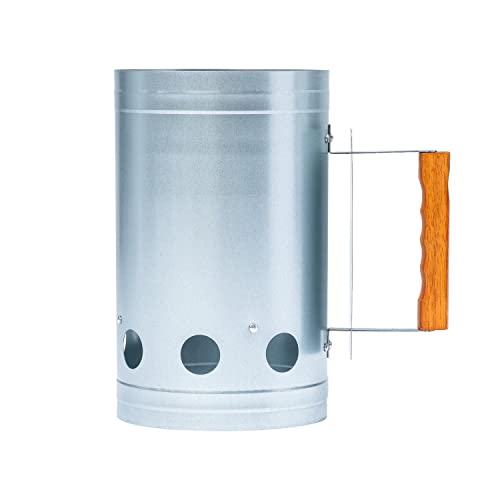
Charcoal grills present an entirely separate economic and logistical equation for outdoor cooks. Cooking over charcoal requires purchasing briquettes or hardwood lump, along with chimney starters and fire-starting squares. While propane offers instant ignition and push-button convenience for quick weeknight meals, charcoal provides intense radiant heat and authentic smoke that no gas burner can match. Considering fuel storage, refueling convenience, and operating costs can help determine whether maintaining two distinct fuel setups fits your lifestyle.
Safety Considerations and Clearance Guidelines
Operating any fuel-burning outdoor cooking appliance requires strict adherence to fire safety precautions. Liquid propane flat tops and charcoal grills generate intense heat and produce carbon monoxide during combustion. Both types of cookers must always be set up outdoors on a stable, non-combustible surface with adequate clearance from home siding, wooden railings, and overhanging eaves. Never operate a griddle, gas grill, or charcoal kettle inside a garage, breezeway, or enclosed porch, even if doors or windows are left open.
Grease safety also differs between flat tops and traditional open grates. Griddle grease channels can overflow or clog with food debris if they are neglected during high-volume cooking sessions. If grease spills over hot burner tubes, an intense fire can ignite across the grease drainage path. Keeping the rear grease cup clean and inspecting burner connections before lighting ensures a safe cooking environment every time you step outside.
How to Decide if You Need to Keep Both Appliances
Evaluating your lifestyle and dining preferences will quickly clarify whether you need a traditional grill alongside your flat top. If your weekly cooking revolves around smash burgers, stir-fries, breakfast platters, tacos, and quick-seared seafood, a griddle can easily serve as your sole outdoor appliance. Many families find that a griddle covers over eighty percent of their cooking desires with shorter preheat times and effortless food handling. In that situation, parting with an old, worn-out gas grill can simplify patio upkeep and save valuable space.
On the other hand, you should definitely keep or invest in a conventional grill if you regularly prepare whole roasts, bone-in barbecue, or charcoal-seared steaks. Pitmasters who cherish smoky char, low-and-slow wood smoke, and indirect roasting will miss those distinctive culinary qualities if they rely solely on steel conduction. Keeping both appliances side by side provides the ultimate backyard versatility, allowing you to sear side dishes on the griddle while smoking the main entree on open grates.
Ultimately, deciding whether to own a grill alongside your griddle comes down to how much you value open-flame cooking. A flat top delivers phenomenal speed, unmatched surface searing, and crowd-pleasing variety for daily family dinners. A traditional grill preserves the primal charm of charcoal smoke, drippings vaporization, and gentle indirect roasting for classic barbecue cuts. By identifying which culinary techniques matter most to your household, you can build an outdoor kitchen setup that matches your cooking passion perfectly.



Write Your Review
No reviews yet. Be the first to share your experience!