


Cooking over an open fire creates delicious caramelization, but scorched barbecue sauce and charred protein quickly turn cooking surfaces into a sticky mess. Learning how to easily clean grill grates keeps food from sticking and prevents rancid grease buildup from souring your next outdoor cookout. Many backyard cooks dread the scrubbing routine because traditional wire brushes shed hazardous metal bristles that can lodge in food. Having a dedicated outdoor setup, such as keeping cleaning supplies and scraper accessories organized on a rolling barbecue prep table, turns this messy chore into a quick, repeatable habit.
The secret to effortless maintenance lies in selecting the right cleaning strategy for your specific grate material, whether you cook on cast iron, porcelain-enameled steel, or heavy stainless steel rods. Modern cleaning tools use specialized scraping profiles, citrus degreasers, and grit-infused nylon bristles to loosen baked-on carbon without brute force. Understanding whether to tackle residue while the cooking box is hot or completely cool saves both time and fuel. This guide details practical techniques, chemical-free methods, and safe accessory designs to restore your cooking surfaces efficiently before your next meal.


Pros
- Effective on heavy grease and charred food residue from low-and-slow smokes
- Works well on both cold and warm surfaces for flexible cleaning after grilling
- Economical - a little goes a long way for multiple cleaning sessions
- Rinses clean without leaving sticky residue that could affect food flavor
Cons
- May require multiple applications for heavily caked-on grime from years of use
- Strong chemical smell during application - use in well-ventilated area
- Not recommended for aluminum surfaces or painted grills
If you spend any time grilling, smoking, or cooking outdoors, you know the cleanup is the least fun part. This heavy-duty grill cleaner is designed to tackle exactly that chore, making it a solid addition to any outdoor cooking setup. It's a spray-on degreaser that works on BBQ grills, smokers, ovens, flat top griddles, and even camping stoves - basically anything that gets coated in grease and carbon after a cookout.
This cleaner is best suited for backyard grillers who fire up their gas or charcoal grills weekly, BBQ enthusiasts who smoke brisket low and slow, campers who need to clean their portable stove after a trip, and tailgaters who want their gear ready for the next game. If you own an RV and cook inside or outside, this is also handy for keeping the oven and grill grates spotless.
In real-world use, the cleaning performance is impressive. It cuts through baked-on grease and charred food residue without requiring heavy scrubbing. After a long smoking session where the grates are covered in black carbon, a few sprays and a short wait let you wipe it away. It doesn't completely eliminate scrubbing, but it reduces elbow grease significantly. The formula works on both warm and cold surfaces, so you can spray right after cooking or let it sit overnight on tough buildup.
Build quality is straightforward - it comes in a standard spray bottle with a trigger nozzle that delivers a wide or narrow stream. The nozzle doesn't clog easily, which is a common issue with thick cleaners. It's safe on porcelain, stainless steel, and cast iron grates, but you should avoid aluminum and painted surfaces. The spray can reach into tight corners of smoker racks and between grates, making it easier to clean those hard-to-reach spots.
Setup and use are simple: spray on, let it sit for a few minutes, scrub if needed, then rinse with water. Cleanup is quick, and the cleaner rinses away without leaving a sticky film that could affect your next meal's flavor. Storage is easy - just keep the bottle in your garage or under the sink. One limitation is that heavily caked-on grime from years of neglect may require multiple applications. Also, the chemical smell is strong, so you'll want good ventilation when using it.
Overall, this is a practical buy for anyone who cooks outdoors regularly. It saves time and effort on cleanup, which means more time enjoying your backyard parties, tailgates, or campsite meals. If you're tired of scrubbing forever after a great cookout, this cleaner makes the after-work much easier. Just remember to wear gloves and work in a well-ventilated area, and your grills and smokers will look like new after each use.
Pros
- Bristle-free safety - no risk of metal wires ending up in food
- All-natural cleaning method uses a common kitchen ingredient
- Sturdy 304 stainless steel build resists bending and rust
- Long handle provides safe distance from heat
Cons
- Requires fresh onion halves each use, which may not be convenient for quick cleanups
- May not remove heavily charred residue as aggressively as a wire brush
- Onion odor can linger on the tool if not rinsed thoroughly
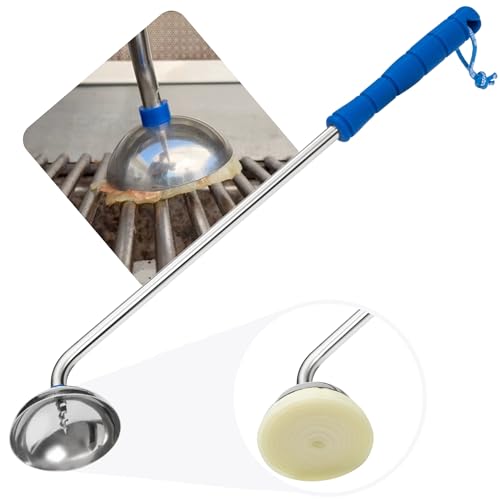
If you've ever worried about tiny wire bristles from a traditional grill brush ending up in your burger, the Grill Floss Grill Onion Cleaner offers a clever, all-natural solution. This tool uses a real onion half to scrub your BBQ grates clean, harnessing the onion's natural sulfur compounds to break down grease and create a non-stick surface. It's a bristle-free alternative that's especially appealing for backyard grillers, campers, and tailgaters who prioritize food safety and want to avoid chemical cleaners.
The standout feature is the corkscrew design that securely holds the onion half without dangerous spikes. You simply screw the onion onto the stainless steel head, and it stays put while you scrub. The 21-inch handle gives you plenty of reach, keeping your hands away from hot coals or burners. This makes it a practical choice for cleaning grills at home, at the campsite, or after a tailgate party.
In terms of cooking performance, this tool isn't about heat or smoke flavor - it's about maintaining a clean grate for better searing and easier food release. A clean grate means fewer flare-ups and more consistent heat transfer, which is crucial for achieving those perfect grill marks on steaks or burgers. The all-natural method is especially handy for low-and-slow cooking, where residue can build up over long sessions.
Build quality is solid. The 304 stainless steel is thick and resists bending, unlike some flimsy scrapers. It's weather-resistant, so leaving it on the patio won't cause immediate rust. The tool is lightweight and easy to store, though its length may require a bit of extra space in a camping kit. Cleanup is simple - just rinse the scrubber head and let it dry.
One realistic limitation is that you'll need fresh onion halves each time you clean. That's not a big deal if you cook with onions regularly, but it might be less convenient than a wire brush you can use repeatedly. Also, for heavily charred grates, the onion may not be as aggressive as a metal scraper, so you might need to pre-soak or use a grill stone for tough buildup.
Overall, the Grill Floss Grill Onion Cleaner is a smart, safety-focused tool for anyone who grills often. It's especially great for families, campers, and tailgaters who want to avoid chemical cleaners and metal bristles. If you value natural methods and peace of mind, this is a worthwhile addition to your outdoor cooking gear.

Pros
- Safe alternative to wire brushes - no bristle hazard
- Works on cool grills, so you can clean anytime without preheating
- Citrus scent leaves a fresh smell after cleaning
- Effective on grease and burnt-on food with minimal scrubbing
- Made in the USA with biodegradable ingredients
Cons
- Spray bottle may be prone to breaking after a few uses (reported by some users)
- May not remove very heavy, baked-on deposits without extra effort
- Scrubber pads may wear out faster on rough grates
If you've ever worried about wire bristles from a grill brush ending up in your food, the CitruSafe Grill Cleaning Kit is a breath of fresh air. This kit combines a 16-ounce citrus-powered spray cleaner with a heavy-duty scrubber handle and three replaceable pads, all designed to clean your grill while it's cool. No more burning off residue or risking stray bristles. It's a simple, safe approach that works on gas grills, charcoal grills, pellet grills, smokers, and even flat-top griddles.
This kit is perfect for backyard grillers who want a hassle-free cleanup after weekend BBQs, as well as campers and tailgaters who need a portable cleaning solution. The spray uses natural citrus degreasers to break down grease and burnt-on food, and the scrubber pads are tough enough to handle the job without scratching your grates. Just spray it on, let it sit for a minute, scrub, and wipe clean. Then preheat your grill for 15 minutes to burn off any residue. It's that straightforward.
In real-world use, the CitruSafe cleaner does a great job on moderately soiled grills. It cuts through grease and food residue quickly, leaving a pleasant citrus scent behind. For heavy, baked-on deposits, you might need to let the spray sit a bit longer or give it an extra scrub. But for regular maintenance cleaning, it's very effective. The scrubber handle feels sturdy, and the pads are thick enough to handle multiple uses before needing replacement.
Build quality is solid for a cleaning kit. The spray bottle is functional, though a few users have reported the nozzle breaking after a few sprays. The scrubber handle is made of heavy-duty plastic with a comfortable grip, and the pads are recyclable. The kit is compact and easy to store in your grill cart or camping gear. Since you clean the grill cool, there's no need to wait for it to heat up, which saves time and fuel.
One limitation is that the spray bottle could be more durable. If you're rough on gear, you might want to transfer the cleaner to a sturdier bottle. Also, for very heavy grease buildup, you may need to repeat the process or use a bit more elbow grease. But for most home cooks and outdoor enthusiasts, this kit offers a safe, effective way to keep your grill clean without the worry of wire bristles.
Overall, the CitruSafe Grill Cleaning Kit is a practical choice for anyone who grills regularly. It's especially good for families with kids, where food safety is a top concern. Whether you're cleaning a Traeger smoker, a Weber kettle, or a Blackstone griddle, this kit makes the job easier and safer. If you want a bristle-free, eco-friendly cleaning method that actually works, this is a solid investment for your outdoor cooking setup.


Pros
- Safe cleaning without wire bristles, protecting your family from accidental ingestion.
- Powerful citrus-based cleaner easily cuts through baked-on grease and carbon buildup.
- Kit includes everything you need: spray, brush, scrubber pads, scraper, and towel, no extra purchases required.
- Works on both hot and cool grills, offering flexibility for different cleaning routines.
Cons
- For extremely charred grates, some elbow grease may still be needed; the cleaner alone won't dissolve heavy creosote instantly.
- Scrubber pads are refillable but replacements are sold separately, adding ongoing cost over time.
- The cookbox scraper is best used on cool surfaces; it may scratch delicate porcelain coatings if used aggressively.
The Citrusafe Complete Grill Cleaning Kit is not your average grill cleaner. It is a thoughtfully assembled set designed to replace the dangerous wire brushes and harsh chemical sprays that many BBQ enthusiasts rely on. Instead, this kit uses a citrus-based degreaser, a nylon brush, heavy-duty scrubber pads, a cookbox scraper, and a microfiber towel to clean your grill safely and effectively. Whether you own a charcoal kettle, a propane gas grill, a smoker, or even a flat top griddle, this kit has the tools to handle the mess.
This kit is built for anyone who takes outdoor cooking seriously. Backyard grillers who fire up the Weber every weekend, campers who throw a grate over an open fire, tailgaters who need a quick cleanup between games, and RV owners who don't want wire bristles scratching their portable grills will all appreciate the safety-first approach. The stars are the Citrusafe Grill Cleaner spray, which uses natural degreasing power from citrus peels to break down grease, and the nylon brush and scrubber pads that work on a cool grill. No more burning off residue or worrying about stray bristles in your burger.
In real-world use, this cleaner shines on moderately soiled grates and cookboxes. Spray it on, let it sit for a few minutes, then scrub with the nylon brush or the heavy-duty pads. The grime dissolves quickly, and the included cookbox scraper reaches into corners that brushes miss. For a neglected grill that has months of caked-on grease, you may need to repeat the process, but the result is a cookbox that looks nearly new. The microfiber towel lifts away remaining residue without scratching porcelain or stainless steel surfaces.
Build quality of the tools is solid. The nylon brush handle is heavy-duty plastic with a comfortable grip, and the scrubber holder accepts the replaceable pads firmly. The scraper has a slim profile that fits into the tight gaps of most grills and smokers. The spray bottle has a trigger that produces a fine mist, covering grates evenly without waste. Everything in the kit is designed to be reused, cutting down on disposable grill wipes and paper towels.
Setup is simple: unpack the items and start cleaning. The spray works right out of the box, and all tools are ready to go. Transport is not an issue since it is a cleaning kit, but the spray bottle and tools fit easily in a garage cabinet or a camping tote. Storage is straightforward: keep the spray away from direct sunlight, and hang the brush and scraper to dry.
Limitations are minor. For grills with extremely heavy carbon buildup (think years of neglect), you may still need to use a metallic scraper or a second application. The scrubber pads are effective but wear out after several uses, and replacement packs are sold separately. Additionally, the nylon brush is not as stiff as wire, so it may take a bit more scrubbing on stubborn spots. Nonetheless, for routine maintenance and even deep-cleaning, this kit is a safe and effective choice. It earns a strong recommendation for any outdoor cook who wants to eliminate the risk of wire bristles and keep their cooking gear in top shape.
The Citrusafe Complete Grill Cleaning Kit comes with five essential items to tackle every part of your grill or smoker. You get a 16oz bottle of Citrusafe Exterior Grill Cleaner (also safe for interior use), a heavy-duty nylon brush with an integrated cookbox scraper, a scrubber handle plus three replaceable scrubber pads, a separate cookbox scraper for tight areas, and a premium microfiber cleaning towel (color may vary). Together, they cover cleaning from grates to hoods to side tables. Everything is manufactured in the USA by Bryson Brothers, a brand focused on safer outdoor cooking products.
For best results, clean your grill when it is cool to the touch. Spray the Citrusafe cleaner liberally onto grates and cookbox surfaces, let it sit for 3-5 minutes to loosen grease, then scrub with the nylon brush or scrubber pads. Use the cookbox scraper for baked-on residue in corners. Wipe away residue with the microfiber towel, then rinse with water if desired. For routine maintenance after each cook, a quick spray and wipe keeps grates looking new. The scrubber pads can be replaced when they become worn; replacement pads are available separately. The spray lasts through many cleanings, making this kit a great value for frequent grillers.

Pros
- Effectively removes stubborn baked-on grease and carbon deposits
- Biodegradable and food-surface safe (non-toxic when rinsed properly)
- Foam clings to grates and vertical surfaces, reducing waste
- Works on pellet smokers, gas grills, and electric smokers
- Helps reduce flare-ups by removing grease buildup
Cons
- Spray nozzle can be inconsistent; some users report clogging or poor spray pattern
- Foam may struggle to coat thin, closely spaced grate rods without pooling
- Do not use on aluminum or faux stainless steel surfaces (may cause damage)
- Requires thorough rinsing to avoid residue that could affect food taste
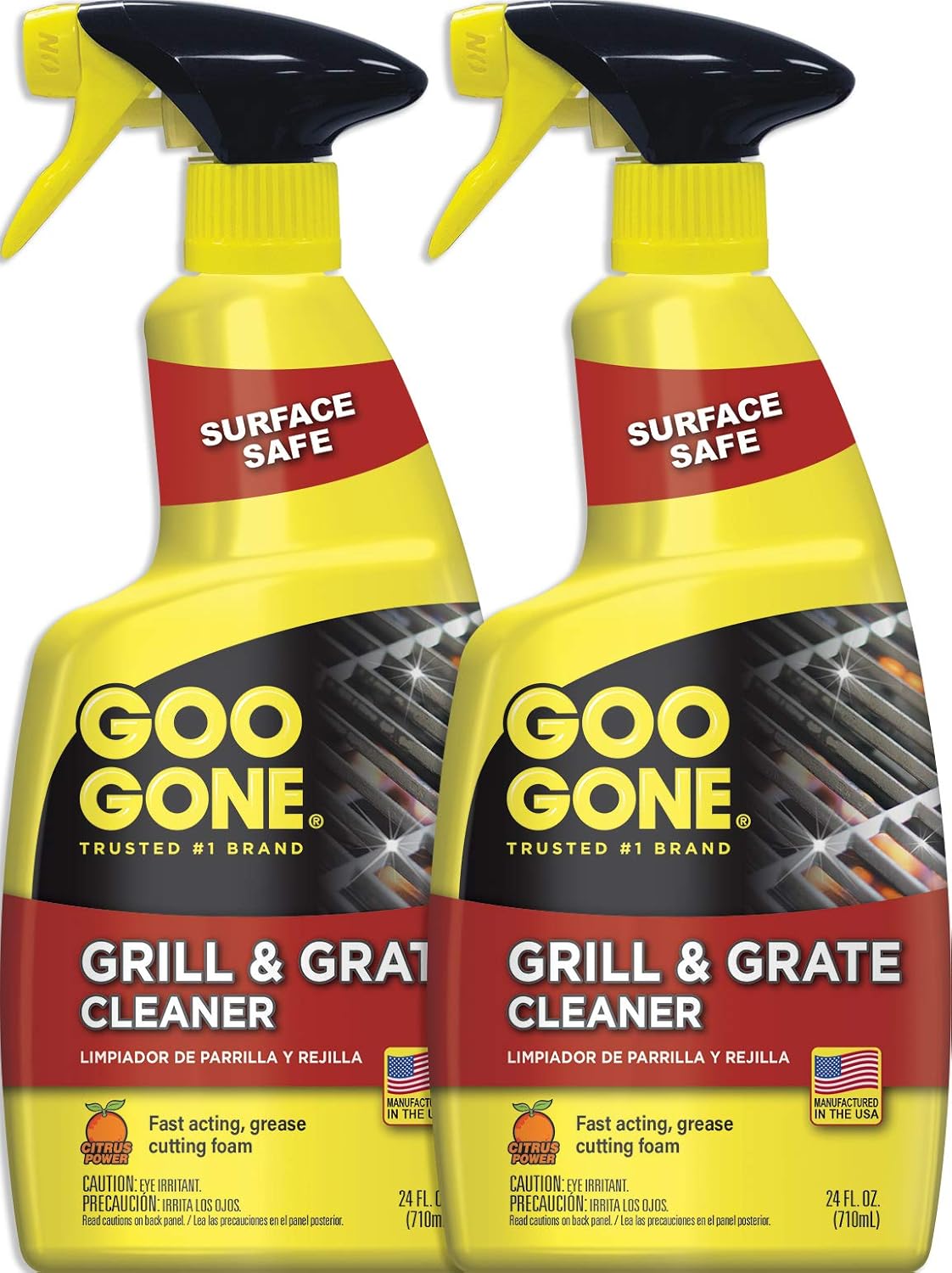
If you've ever faced down a crusty, grease-laden grill grate after a long summer of burgers, steaks, and slow-smoked ribs, you know the struggle is real. The Goo Gone Grill and Grate Cleaner Spray (2 Pack) is designed for exactly that scenario. This super-strength gel foam targets baked-on deposits, carbon, and grease that accumulate on your cooking surfaces. It's not a replacement for a good brush, but it's a powerful pre-treatment that cuts your scrubbing time drastically.
This cleaner is best suited for backyard grillers who own gas grills, pellet smokers (like Traeger), electric smokers, or even charcoal kettles. If you're a tailgater who wants to refresh your portable griddle or a home cook who hates scrubbing drip pans, this product will make your life easier. The biodegradable formula is a plus for eco-conscious outdoor cooks, and the citrus scent is a welcome change from harsh chemical smells.
In real-world use, the foam clings well to vertical surfaces—important for cleaning the inside of your smoker lid or the sides of your grill grates. After letting it sit for a few minutes (the instructions recommend 2 to 10 minutes, depending on how caked-on the grime is), a plastic brush or a stiff grill brush will lift the softened debris. Many users report success even with heavy carbon buildup, and the product helps reduce future flare-ups by removing grease that can ignite.
Build quality is straightforward: two 24-ounce bottles with trigger sprayers. The spray nozzles can be finicky—some reviewers mention they don't produce a consistent foam stream, which can make coating narrow grate rods tricky. A workaround is to pour the cleaner into a spray bottle with a better nozzle, or even soak a cloth and wipe it on. The product is safe on most metals (steel, cast iron, porcelain-coated grates) but avoid aluminum and faux stainless steel as the formula can damage them.
Ease of use is the main selling point. Remove your grates, spray on the foam, wait, scrub, rinse, and dry. For interior grill surfaces, you can spray and wipe with a cloth. The cleaner does need to be rinsed thoroughly—leftover residue could affect the taste of your next meal, so a quick rinse with water is essential. Storage is simple; the bottles stand upright and the foam doesn't separate.
A realistic limitation is that very heavy buildup may require multiple applications or a longer soak. Also, if you're cleaning a large smoker with lots of nooks and crannies, you'll use a fair amount of product. Some users with thin, closely spaced grill rods find that the foam doesn't coat evenly unless they apply it carefully. For best results, consider wearing gloves and working in a well-ventilated area. Overall, this is a reliable, affordable cleaner for regular grill maintenance. If you want to keep your outdoor cooking equipment in top shape without spending hours scrubbing, the Goo Gone Grill and Grate Cleaner is a solid choice.
Practical Methods to Clean and Maintain Grill Grates
Effective grate maintenance begins by matching your cleaning technique to the exact metal surface inside your grill box. Grate materials respond differently to abrasives, temperature shifts, and chemical degreasers. Using incorrect tools can strip seasoned cast iron or crack delicate porcelain coatings. A systematic cleaning approach keeps your cooking surface sanitary while preserving its natural non-stick characteristics.
Identifying Grate Materials and Their Specific Cleaning Needs
Stainless steel grates provide exceptional durability and can tolerate aggressive mechanical scraping without rusting easily. These solid rods handle heavy scraping tools, tough scrubbing pads, and direct heat treatments very well. Even so, aggressive steel wire brushes pose serious safety concerns because loose bristles can break off and end up in your food. Stainless rods clean up smoothly when treated with targeted degreasers or contoured stainless scrapers designed to wrap around individual bars.
Cast iron grates require a delicate balance between removing charred food and preserving the protective oil seasoning. Excessive water exposure or harsh chemical cleaners can strip away the polymerization layer and invite red rust. High heat helps burn off heavy grease deposits, while light scraping with brass or wooden tools keeps the surface intact. Always apply a thin coat of high-smoke-point cooking oil immediately after cleaning to seal raw cast iron against ambient moisture.
Porcelain-enameled steel and cast iron feature a glass-like ceramic coating that prevents rust and releases food easily. This glossy layer is relatively brittle, meaning sharp steel blades or heavy impact scrapers can chip the enamel. Once the porcelain chips, moisture penetrates the underlying raw metal and causes irreversible rust blistering. Soft scouring pads, micro-coated cleaning cloths, and nylon-bristle brushes provide safe scrubbing power without scratching or fracturing the enamel barrier.
Hot Cleaning Versus Cold Cleaning: Timing Your Routine
Hot cleaning takes advantage of thermal energy to soften stubborn grease and carbon deposits right after a cookout. As the grill preheats or cools down from a session, animal fats liquefy and charred marinades become brittle. Running a scraper across hot bars requires far less physical effort than attacking hardened, cold deposits. You must use tools rated for high heat, such as stainless steel scrapers or natural steam applicators, while avoiding plastic or nylon components that melt easily.
Cold cleaning provides a significantly safer environment for using liquid degreasers, spray gels, and nylon bristle brushes. Applying liquid cleaners to scorching grates causes rapid evaporation, producing harsh vapor clouds and wasting the product before it penetrates. Spraying degreaser on cool surfaces allows active citrus compounds or surfactants to dissolve thick grease over several minutes. Cold cleaning also eliminates burn hazards, allowing you to scrub thoroughly around burner deflectors, flavorizer bars, and tight corners.
Safer Bristle-Free Scraping Tools and Contoured Blades
Metal wire brushes have long been the default backyard cleaning accessory, yet medical professionals routinely warn against their use. Thin steel wires can snap off under heavy pressure, snag on rough grate surfaces, and transfer invisibly onto burgers or steaks. Ingesting these sharp metal fragments causes severe throat, stomach, and intestinal injuries that often require emergency medical intervention. Switching to bristle-free alternatives removes this physical hazard completely without compromising cleaning capability.
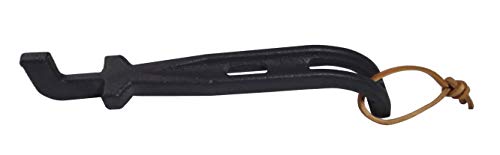
Solid stainless steel scrapers offer an effective bristle-free solution by utilizing custom-cut notches that hug round grate rods. Tools like contoured flosser scrapers reach underneath the rods to scrape away hanging grease stalactites without requiring you to remove the heavy grate. Because these tools are forged from solid metal pieces, there are no loose bristles or small parts that can break off during vigorous use. They maintain their structural integrity across years of hard scrubbing against baked-on marinades.
Grit-infused nylon brushes provide an exceptional alternative for backyard cooks who prefer the sweeping motion of a traditional brush. These durable synthetic bristles incorporate abrasive microscopic grains that abrade carbon deposits on cool grates without aggressive downforce. Unlike wire filaments, thick nylon strands resist snapping and will not deposit hazardous sharp fragments onto cooking surfaces. They work best on cold cooking grates, often paired with a mild soapy solution or a dedicated citrus spray.
Utilizing Citrus Degreasers and Biodegradable Gels
Citrus-based grill cleaners harness natural d-limonene extracted from citrus peels to dissolve stubborn animal fats safely. This natural solvent penetrates grease binders without releasing noxious chemical fumes or leaving toxic residues on food-contact zones. Applying a citrus spray to a cool cooking surface allows the formula to break down carbon bonds within one to two minutes. After the solvent works, a dense scrubbing pad easily lifts the dissolved residue with minimal arm strain.
Clinging gel formulations work exceptionally well on vertical surfaces, smoker racks, and underside rod curves where thin liquids instantly run off. Biodegradable gels adhere directly to baked-on deposits, maintaining active contact with charred debris for an extended soaking period. This prolonged dwell time softens rock-hard grease that ordinary soapy water cannot penetrate. Rinsing thoroughly with warm water or wiping with clean microfiber cloths removes both the dissolved grease and the cleaning agent completely.
Natural Steam and Food-Safe Botanical Cleaning Methods
Using an ordinary halved onion on a preheated grill offers a classic, chemical-free technique that surprises many modern barbecue enthusiasts. Natural sulfur compounds present in onion juices react with hot metal to loosen charred food particles while imparting a pleasant aroma. Skewering an onion half on a specialized corkscrew tool allows you to scrub hot rods safely without burning your fingers. The natural moisture creates gentle steam that lifts carbon residue while leaving behind a microscopic layer that helps prevent sticking.
Water-activated steam cleaning leverages intense heat to lift carbonized grime through thermal expansion. Saturating a specialized micro-coated cleaning pad with warm tap water and wiping across warm cooking bars creates an instant burst of steam. This moisture penetrates underneath brittle char, releasing its grip on the metal rods without abrasive scratching. The textured fibers in reusable micro-coated cloths trap the loosened carbon rather than smearing grease across surrounding grill components.
Step-by-Step Deep-Cleaning Procedure for Heavy Carbon Buildup
Begin your deep clean by performing a thorough dry scrape on completely cold cooking grates to remove loose debris. Run a notched scraper or rigid plastic blade along the length of each bar, knocking crumbly carbon down into the drip pan below. Clear away the top-level residue first so liquid degreasers can target bonded grease rather than wasting strength on loose dust. Empty the grease management tray beneath your cookbox before applying liquids to avoid overflowing the collection system.
Coat the cooking grates evenly with a food-safe degreasing spray or clinging gel, paying special attention to crossbars and frame welds. Allow the formula to sit undisturbed for several minutes so the active enzymes or citrus solvents can liquefy hardened fats. Avoid letting chemical cleaners dry out completely in hot sunlight, as dried residue becomes harder to wipe away. If the grates are exceptionally filthy, place them inside a heavy plastic bag after spraying to keep the cleaning solution moist and active.
Attach a fresh heavy-duty scrubber pad to your cleaning handle and scrub each rod using firm, overlapping strokes. Work systematically from the back of the firebox toward the front to ensure no sections are overlooked. Once the carbon lifts, wipe down all surfaces with damp paper towels or rinse the removable grates thoroughly under a garden hose. Inspect every bar carefully for remaining grease patches before reinstalling the grates into your outdoor cooker.
Ignite your grill burners or light a chimney of charcoal to preheat the cleaned cooking box for fifteen minutes. This thermal step burns off any remaining microscopic cleaner residue and dries the metal rods completely to prevent corrosion. For cast iron or carbon steel surfaces, apply a light, even coat of high-heat cooking oil using tongs and a folded paper towel. Let the grates cool slowly with the lid closed to cure the fresh oil into a protective barrier.
Cleaning Griddle Surfaces, Smokers, and Multi-Functional Cookers
Managing cooking surfaces becomes even more critical when operating a versatile griddle and smoker combo where grease and heavy creosote mix together. Smoker grates accumulate a sticky, lacquer-like resin caused by slow-burning hardwood smoke combining with rendered meat drippings over long smoking sessions. This stubborn buildup resists quick brushing and requires soaking in warm water mixed with specialized citrus cleaners. Keeping smoker racks clean prevents acrid, stale smoke flavors from transferring onto fresh cuts of brisket or pork ribs during subsequent cooks.
Flat-top steel griddles operate on different maintenance principles than traditional open rod grates because there are no gaps for grease to drain away. Water deglazing on a warm griddle plate lifts caramelized residues cleanly without scratching the seasoned steel base. Use a flat stainless spatula to push the loosened food bits toward the grease trough while the plate remains hot. Wipe the griddle surface dry with lint-free towels and rub a few drops of seasoning oil into the steel after every single use.
Tackling Caramelized Marinades and Sugary Sauce Residue
Barbecue sauces packed with molasses, honey, or brown sugar create some of the most tenacious crusts known to outdoor cooking. When preparing a saucy barbecue wings recipe, high grill temperatures cause excess glaze to drip, burn, and carbonize almost instantly upon contact with metal bars. This glassy carbon layer acts like an adhesive that welds future cuts of delicate meat directly to the grate. Cleaning these sugary remnants immediately after removing the meat prevents the carbon from curing into rock-hard deposits overnight.
Applying a quick burst of water spray or laying a damp cloth across hot bars softens crystalline sugar bonds through steam action. A wooden scraper or notched brass blade quickly pushes the softened glaze off the rods before it cools into a brittle shell. If sugary residue has already solidified overnight, soak the grates in a basin of warm soapy water to rehydrate the sugar binders. Once the sugar dissolves in water, ordinary scouring pads easily wipe the underlying metal clean without excessive gouging.
Preventing Rust and Building Long-Term Non-Stick Performance
Seasoning metal grates involves heating thin layers of unsaturated fats until they polymerize into a slick, hard plastic-like matrix. This microscopic coating fills the porous imperfections in cast iron and carbon steel, creating a naturally hydrophobic barrier. Without this barrier, ambient humidity and rain quickly react with bare iron molecules to form destructive iron oxide. A well-seasoned grate releases delicate fish fillets and lean poultry effortlessly, drastically reducing the scrubbing required after meals.
Choose oils with high smoke points and elevated levels of polyunsaturated fatty acids, such as canola oil, grapeseed oil, or refined avocado oil. Avoid using salted butter, bacon grease, or unrefined olive oil for seasoning because milk solids and low-heat impurities scorch into bitter ash. Wipe the oil across the metal in an extremely thin layer, ensuring no puddles or heavy drips collect between the bars. Heat the cooking grates until the oil smokes lightly, then allow them to cool down gradually to lock in the durable protective glaze.
Daily Post-Cooking Maintenance for Long-Lasting Grates
Developing a quick post-cooking maintenance ritual prevents heavy carbon accumulation and keeps your cooker ready for impromptu grilling sessions. Once you transfer grilled food to serving platters, close the grill lid and leave the burners on medium-high for five minutes to incinerate excess drippings. Never operate your grill inside a garage, breezeway, or enclosed porch during this burn-off, as carbon monoxide and flare-ups create severe safety hazards. Turn off the fuel source, allow the grates to cool, and brush away brittle carbon outdoors away from combustible walls.
Periodically inspect your grates for signs of structural pitting, flaking porcelain, or excessive grease accumulation near the support ledges. Storing your outdoor cooker with a breathable, waterproof cover prevents atmospheric condensation from settling on the metal grids during wet weather. If you plan to store the grill during cold winter months, remove the grates, clean them thoroughly, and coat them in food-grade mineral oil. These simple preservation habits ensure your cooking surfaces remain hygienic, safe, and ready to produce flawless sear marks for seasons to come.



Write Your Review
No reviews yet. Be the first to share your experience!