


Cast iron cooking surfaces provide unmatched thermal retention and create bold, dark sear marks on steaks, burgers, and vegetables. However, bare metal oxidizes rapidly when exposed to humidity, meat drippings, and outdoor weather. Learning how to treat cast iron grill grates ensures your cooking surface develops a durable, polymerized oil barrier that resists stubborn rust and releases food without tearing. Whether you manage a dedicated charcoal kettle, a heavy gas grill, or open fire cookware, routine care transforms rough iron bars into slick, nonstick cooking channels that improve with every cookout.
Routine maintenance does not require complicated chemicals or hours of scrubbing if you follow a steady post-cook discipline. Setting up a dedicated workspace, perhaps utilizing a stable rolling barbecue prep table near your patio grill, gives you room to stage high smoke point oils, lint-free towels, and cleaning brushes safely. Applying thin coatings of oil under controlled heat allows the fats to polymerize directly into the microscopic pores of the metal. With straightforward cleaning routines and prompt moisture protection, your cast iron grill grates will stay protected across every grilling season.

Pros
- Excellent heat retention and even cooking across the whole grate
- Non-stick surface simplifies cleanup after greasy grilling sessions
- Portable and easy to transport for camping, tailgating, or backyard use
- Sturdy cast iron build feels durable and ready for heavy use
Cons
- Cast iron is heavy compared to steel grates – not ideal for ultralight backpacking
- Requires seasoning and proper drying to prevent rust in wet conditions
- Lacks folding legs or handles for compact storage – takes up space in a camping kit
If you love cooking over an open fire or charcoal grill, the Barebones Heavy Duty Grill Grate is a solid upgrade for your outdoor setup. This rectangular cast iron grate measures 31 by 15.75 inches, giving you plenty of room to cook for a small crew. It's a simple, no-frills piece of gear that focuses on what matters: even heat, strong searing, and easy cleanup.
This grate is best suited for backyard grillers, campers, tailgaters, and anyone who enjoys cooking over a fire pit or portable charcoal grill. If you regularly host weekend BBQs or camp with a group, the large cooking surface handles multiple burgers, steaks, or veggies at once. It's also a great fit for RV owners who want a durable grate that can sit directly on campfire rings or portable grills.
In real-world use, the cast iron construction delivers impressive heat retention. Once it's hot, it stays hot, which means you get consistent searing across the whole surface. Whether you're cooking thick ribeyes or delicate fish fillets, the non-stick surface (when properly seasoned) helps prevent sticking. The rectangular shape fits nicely over rectangular fire pits or standard charcoal grills, and the open grate design allows smoke to circulate for that classic smoky flavor.
Build quality is where this grate shines. It's heavy-duty cast iron with a black finish that resists rust when cared for properly. At 7.2 pounds, it's portable enough to toss in your trunk for a tailgate or campsite, though it's not lightweight enough for backpacking. There are no folding legs or carrying handles, so storage requires some space. That said, it feels solid and durable, ready for years of heavy use.
Cleaning is straightforward. Because the surface is non-stick, most food residue wipes off with a paper towel or a quick scrape. For tougher grease, a hot water scrub and a light re-seasoning keep it in top shape. Just remember to dry it thoroughly after washing to prevent rust. That's a standard care requirement for cast iron, but it's worth the effort for the cooking performance you get.
One realistic limitation is the lack of portability features. If you need a grate that folds up small or packs flat, this isn't it. Also, the weight might be a drawback for car campers with limited space. But if you have room for a solid, full-size cast iron grate, the Barebones delivers excellent value. For backyard cooks, tailgaters, and campers who prioritize even heat and easy cleaning, this is a smart buy.
The Barebones cast iron grate excels at heat retention and even distribution. Once preheated, the entire surface holds steady temperature, giving you consistent sear marks on steaks and burgers. The open bar design allows flames and smoke to reach the food directly, enhancing that smoky flavor you look for in open-fire cooking. It handles high heat without warping and performs well for both fast grilling and slower cooking over coals. The non-stick seasoning improves with use, making it easier to flip delicate items like fish or vegetables without tearing.
Cleaning this grate is simple thanks to its non-stick surface. After cooking, let it cool slightly, then wipe off food residue with a paper towel or a stiff brush. For stuck-on grease, use hot water and a non-abrasive scrubber – avoid soap to preserve the seasoning. Dry it completely over low heat or with a towel, then apply a light coat of cooking oil to prevent rust. Proper seasoning builds up over time and improves non-stick performance. Store it in a dry place, ideally indoors or in a covered area, to extend its life.
At 7.2 pounds, this grate is portable enough for car camping, tailgating, and backyard use but too heavy for backpacking. It has no folding legs or carrying handles, so you'll need to pack it flat in your vehicle or storage area. The rectangular shape fits neatly in most car trunks or truck beds. For campers who drive to their site and want a sturdy grate for fire pit cooking, it's a convenient option. Just be mindful of the space it takes up if you're packing a full camping kitchen.
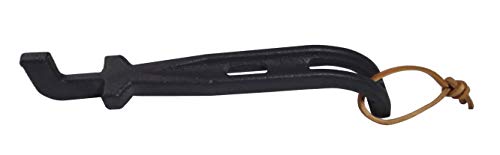
Pros
- Solid cast iron build feels tough and should last for years
- Long handle gives good clearance from hot grates and flames
- Works with a wide range of grill types and grate styles
- Leather lanyard is a nice touch for keeping it handy
Cons
- Cast iron can get hot if left near the fire for too long
- Only one size available, may not suit all grate designs
- Basic tool with no extra features beyond lifting
If you've ever tried to lift a hot grill grate with a pair of tongs or a spatula, you know the struggle. The DELSbbq Cast Iron Grill Grid Lifter is a straightforward solution for anyone who spends time over a hot grill. This 8-inch tool is made from cast iron, so it's sturdy enough to handle heavy-duty grates without bending or warping. It's designed to work with most charcoal and gas grills, making it a versatile addition to your outdoor cooking setup.
This lifter is best suited for backyard grillers, BBQ enthusiasts, tailgaters, and campers who use grills with removable grates. Whether you're adding charcoal, cleaning the grill, or adjusting the grate height, this tool keeps your hands safely away from the heat. The 8-inch length provides enough reach to avoid flare-ups and hot surfaces, which is especially useful when you're cooking over a live fire or a hot gas burner.
In terms of real-world performance, this lifter does exactly what it's supposed to do. It grips the grate securely, allowing you to lift and reposition it without fumbling. The cast iron construction gives it a solid feel, and it doesn't flex under the weight of heavy cast iron grates. While it won't improve your searing or smoke flavor directly, it makes the process of managing your cooking surface safer and more convenient. That's a big plus when you're juggling multiple tasks at a backyard party or campsite.
Build quality is decent for the price. The cast iron is coated to resist rust, but like any cast iron tool, it's best to keep it dry when not in use. The leather lanyard is a practical addition, letting you hang it from a hook or grill handle so it's always within reach. There are no wheels, folding legs, or complex parts here, just a simple, durable tool that does one job well.
Setup and cleanup are minimal. You just grab it and use it. After cooking, a quick wipe or rinse is usually enough to clean it, though you'll want to dry it thoroughly to prevent rust. Storage is easy thanks to the lanyard. One realistic limitation is that the cast iron can absorb heat if you leave it resting on the grill, so it's best to keep it on a heat-safe surface when not in use. Also, the single size may not fit every grate design, so check your grill's grate bars before buying.
Overall, the DELSbbq Cast Iron Grill Grid Lifter is a practical, affordable tool for anyone who grills regularly. It's not flashy, but it solves a common problem safely and effectively. If you're a backyard cook, tailgater, or camper who values safety and convenience, this lifter is a worthwhile addition to your gear. It won't transform your cooking, but it will make the process smoother and safer.
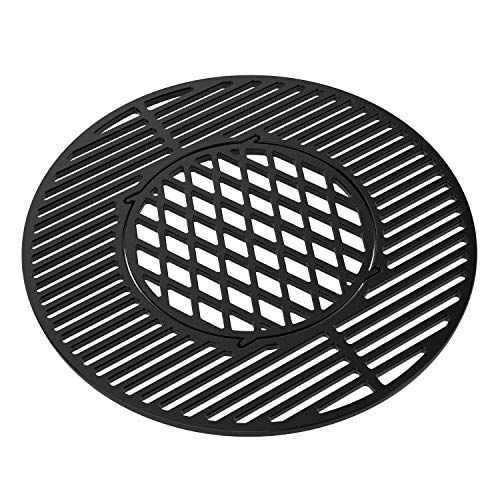
Pros
- Excellent heat retention and even heat distribution across the cooking surface.
- Removable inner grate simplifies charcoal management during long cooks.
- Sturdy cast iron build withstands high heat and heavy use.
- Easy to clean with a grill brush after seasoning – nonstick surface develops over time.
- Compatible with popular Weber kettle models – no modifications needed.
Cons
- Heavier than standard steel grates – adds about 8 pounds to your grill setup.
- Cast iron requires regular seasoning to prevent rust; not as low-maintenance as stainless steel.
- Some users may prefer a single large grate for extra cooking space – the inner grate reduces usable area slightly.
The onlyfire Cast Iron Grill Grate Replacement is a functional upgrade for anyone who owns a Weber 22-inch kettle charcoal grill. Instead of a single piece, this set includes a 21.5-inch outer grate with a removable 11.8-inch inner sear grate. This design lets you access the charcoal without lifting the whole cooking surface – a real convenience when you need to add more briquettes or wood chunks during a long smoking session.
This grate is built for backyard grillers who value heat retention and searing performance. Cast iron holds heat far better than standard steel grates, meaning less temperature fluctuation when you open the lid. Whether you're searing steaks hot and fast or slow-cooking ribs over indirect heat, the even heat distribution helps avoid cold spots. The inner grate is perfect for adding a quick sear after a low-and-slow cook, giving you that crusty bark on brisket or a perfect char on burgers.
Durability is a strong point. Cast iron is heavy – about 8 pounds total – but it resists warping even under high heat. With proper seasoning, it develops a natural nonstick surface that improves over time. Cleanup is straightforward: scrape off residue with a grill brush and oil lightly after each use. Rust can form if left wet, so store the grate in a dry place or cover your grill.
Installation is effortless – just drop it onto the existing grate support tabs in your Weber 22.5-inch Kettle, Premium, or Performer. The inner grate's raised side handles give you a secure grip, even with thick gloves. That said, the two-piece design means you lose a few square inches of cooking space compared to a single full-size grate. For most backyard gatherings, it's not an issue – you still have room for a dozen burgers or two large steaks.
This replacement grate is ideal for weekend BBQ enthusiasts who want better control over their charcoal cooks. It's also handy for tailgating setups if you use a kettle grill at the parking lot – the removable inner grate makes adding fuel fast. Campers who bring a charcoal kettle to the campsite will appreciate the even heat for roasting or searing. Just remember to pack a dry bag to keep the cast iron protected from moisture.
Overall, the onlyfire Cast Iron Grill Grate Replacement delivers real performance improvements for Weber kettle owners. If you like searing with cast iron and want easier access to your charcoal during long cooks, this is a solid, affordable upgrade.
The cast iron construction excels at heat retention, meaning the grate stays hot even after adding cold food. This gives you consistent sear marks and prevents the temperature from dropping too much when you load up the grill. The inner sear grate's smaller openings concentrate heat directly on the meat, creating a crusty exterior while keeping the inside juicy. For low-and-slow cooking, the outer grate works well for indirect heat – place the coals on one side and the food on the other. You can also move the inner grate to a cooler zone for gentle finishing. Overall, this grate system improves both high-heat searing and temperature stability.
Cast iron requires a bit more care than stainless steel, but it's simple once you get into the habit. After grilling, let the grate cool slightly, then scrub it with a stiff grill brush while still warm. Avoid soap – just hot water if needed, but drying thoroughly is crucial to prevent rust. Apply a thin coat of vegetable oil to the surface before storing. Over time, the seasoning builds up, creating a natural nonstick finish. The two-piece design makes cleaning easier – you can remove the inner grate and scrub it separately. Keep the grate in a dry place, and it will last for years.

Pros
- Greatly improves airflow for faster startup and better temperature control
- Solid cast iron build holds up to high heat and resists warping
- Compatible with many popular Kamado and ceramic grills – versatile replacement part
- Easy to clean – the open design allows ash to fall through without blocking vents
Cons
- Only available in one size (10.5 inch) – may not fit all grill models
- Cast iron requires regular seasoning to prevent rust in humid or outdoor conditions
- Some users may need to adjust charcoal placement to avoid smaller pieces falling through
If you own a Kamado-style grill, you know that airflow is everything. The Dracarys 10.5-inch cast iron charcoal grate is a simple but effective upgrade that helps your coals breathe better. Instead of fighting with clogged vents or uneven heat, this grate uses larger, well-spaced holes to let ash fall through while keeping the fire burning clean and hot. It's a drop-in replacement for many popular ceramic grills like Kamado Joe, Big Green Egg, Weber, and Pit Boss models.
This grate is built for backyard BBQ enthusiasts, tailgaters, and weekend pitmasters who want consistent heat for both low-and-slow smoking and high-temp searing. Whether you're smoking a brisket overnight or grilling burgers for a party, the improved airflow means you'll use less charcoal and reach your target temperature faster. For campers and RV owners who take their Kamado on the road, the lightweight cast iron won't add much bulk, and the simple design makes cleanup a breeze.
In real-world use, the Dracarys grate shines during long cooks. The cast iron holds heat well, so your fire stays stable without constant fiddling. When you want a searing hot zone for steaks, the open grate lets you build a concentrated fire without choking it. Ash management is noticeably better – the larger holes mean you don't have to tap the grate every few minutes to clear the vents. That said, if you use very small charcoal pieces, some may fall through, so you might need to adjust your fuel choice.
Build quality is solid. The grate is thicker and flatter than many OEM parts, which helps it sit level in the firebox. Cast iron does need a little care – a quick seasoning with oil after cleaning helps prevent rust, especially if you store your grill outside. The black finish looks good and matches most Kamado interiors. Installation takes about 30 seconds: just lift out your old grate and drop in the new one.
One thing to keep in mind: this is a 10.5-inch grate, so measure your existing grate before buying. Most standard Kamados will accept it, but some larger or smaller models may not. There's no need for extra tools or modifications, which is nice. For the price, it's a practical upgrade that makes your grill easier to fire up and control.
Overall, if you're tired of dealing with ash clogs or uneven heat in your ceramic grill, the Dracarys cast iron charcoal grate is a worthwhile investment. It's especially useful for backyard grillers who cook frequently and want a reliable, low-maintenance part that improves day-to-day grilling. Tailgaters and campers will appreciate the quick startup and less fiddling at the cook site. Just pair it with good lump charcoal and you're set for better BBQ sessions.

Pros
- Durable cast iron build handles heavy grates without bending or breaking
- Universal design fits most standard grill grates, including Kamado and BGE
- Leather lanyard keeps it handy, so you never lose it in the backyard or campsite
Cons
- May not securely grip very thin or wire-style grates designed for small portable grills
- One size fits most, but might be too short for deep or offset smoker grates
- Cast iron can be heavy for its size, adding slight bulk to a grill tool kit
The AJinTeby Cast Iron Grill Grate Lifter is a straightforward, safety-focused tool for anyone who regularly fires up a charcoal or gas grill. Instead of fumbling with heat-resistant gloves or risking burnt fingers, this simple lifter lets you grab hot grates securely with one hand. It's built from cast iron, so it feels solid in hand and can handle the weight of heavy cooking grids without bending or snapping. Whether you're tending to a weekend BBQ in the backyard or adjusting coals during a long smoke session, this lifter adds a welcome layer of convenience and safety.
This tool is best suited for backyard grillers, BBQ enthusiasts, and Kamado or BGE owners who frequently need to lift hot grates to add charcoal, clean out ash, or rearrange heat deflectors. It also works well for campers and tailgaters who use portable charcoal grills and want a safer way to manage the cooking surface. If you own a standard kettle grill, a gas model with cast iron grates, or a ceramic Kamado, the AJinTeby lifter is likely to fit securely. It's not ideal for very thin wire grates found on some budget portable grills, but for most heavy-duty grates, it does the job reliably.
In real-world use, the lifter excels at making quick work of tasks that otherwise require two hands and careful balance. You can easily lift a hot grate to one side, add a chimney of fresh coals, then set the grate back in place without ever needing to touch hot metal. This is especially useful during low-and-slow cooking sessions where you need to maintain a consistent temperature by adding fuel without letting too much heat escape. The cast iron doesn't transfer heat quickly, so the handle stays cool enough to grip even after extended contact with a hot grate. The leather lanyard is a nice touch, letting you hang the lifter on the grill handle or a hook so it's always within reach.
Build quality is solid for a $10 tool. The cast iron feels dense and well-finished, with no rough edges or sharp spots that might scratch your grates. It's resistant to rust if you wipe it dry after use, but like any cast iron, it can develop surface rust if left wet for too long. A light oil coating after cleaning helps maintain it. The lifter itself is compact, so it stores easily in a drawer, tool bag, or hanging rack. Setup is nonexistent, you just grab it and start using it. Cleanup is simple: a quick wipe with a paper towel or rinse under water is usually enough.
There are a couple of limitations. The lifter's hook design works best on grates with bars that are at least 1/4 inch thick. Thinner wire grates may not stay secured, and the lifter could slip. Also, if your grill has a very deep firebox or offset smoker with a grate that sits far from the edge, the lifter's reach might be a bit short. On standard kettle grills and Kamados, though, it fits perfectly. Some users might prefer a longer handle for extra leverage, but for most grilling tasks, the current length is sufficient.
Overall, the AJinTeby Cast Iron Grill Grate Lifter is a practical, low-cost addition to any griller's toolkit. If you're tired of burnt fingers, melted gloves, or balancing hot grates on the edge of your grill, this lifter solves those problems cleanly. It's especially valuable for anyone who uses Kamado-style grills or charcoal kettles where frequent grate lifting is part of the cooking process. For backyard BBQ enthusiasts, tailgaters, and campers who want a safer, more controlled way to handle hot cooking surfaces, this tool delivers exactly what it promises without frills or hype.
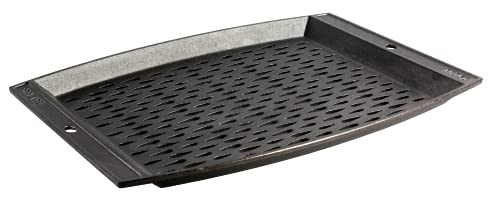
Pros
- Prevents food loss through grate while adding authentic grill flavor to delicate items
- Pre-seasoned finish is ready to use out of the box and improves with each cook
- Dual handles provide safe, easy handling even with heavy gloves or on hot grills
- Versatile for grilling, sauteing, and roasting on any grill type including charcoal, gas, or pellet
Cons
- Requires hand washing and seasoning maintenance to keep the non-stick surface optimal
- Heavier than some aluminum toppers, though still manageable for most campers and tailgaters
- May take a few uses to build up the seasoning if you prefer a super-slick surface
The Lodge Cast Iron Grill Topper is a smart, practical add-on for any outdoor cook. It's essentially a grilling pan that sits on top of your existing grate, giving you a solid surface for foods that are too small or delicate to handle over open bars. Think shrimp, sliced veggies, fish fillets, or even eggs for a campsite breakfast — this topper keeps them from falling into the fire while still letting that smoky, charred flavor come through.
This piece is best for backyard grillers who want more versatility from their gas or charcoal setup, campers and RV owners who need a lightweight solution for cooking small items, and tailgaters who appreciate the dual handles for easy transport. It also works great for patio cooks who want to add a griddle-like surface to their existing grill without buying a whole new flat top.
In real-world use, the cast iron delivers steady, even heat that sears well and holds temperature. It's not a fast-heating pan — cast iron takes a minute to get up to temp — but once it's hot, it stays hot, which is great for cooking batches of vegetables or fish without temperature drops. The smoke flavor comes through nicely because the food is still exposed to the grill's direct heat and smoke, just protected from falling through.
Build quality is solid. Lodge has been making cast iron in the USA since 1896, and this topper shows that heritage. The pre-seasoned coating is natural vegetable oil, so there's no synthetic chemicals or PFOA/PTFE. It's rust-resistant when cared for, and the 15-inch size fits most standard grills without being too bulky. Weight is 6.68 pounds, which is light enough to pack for camping or tailgating but heavy enough to feel sturdy on the grate.
Cleanup is straightforward — hand wash with warm soapy water and a nylon brush, then dry and re-oil lightly. It's not dishwasher safe, but that's standard for cast iron. The main limitation is that you need to maintain the seasoning to keep it non-stick, which is easy if you use it regularly. Also, it's not a full replacement for a griddle; it's a topper, so you're still limited by your grill's size.
Overall, this is a practical buy for anyone who wants to cook small, delicate foods on their grill without losing them. It's especially good for campers and tailgaters who want one accessory that works on any grill type. For backyard cooks, it's a simple way to expand your menu without buying a new cooking surface.

Pros
- Excellent heat retention for consistent searing and even cooking
- Direct fit for many CharGriller and King Griller models, no modification needed
- Sturdy cast iron construction that holds up to high heat and heavy use
- Four-piece design offers flexibility for two-zone cooking or easy removal
Cons
- Cast iron is heavy, adding significant weight to the grill grates
- Requires seasoning and careful cleaning to prevent rust, especially in humid climates
- Some users may need to confirm exact measurements, as fit can vary slightly between models
If you own a CharGriller or King Griller gas grill and the original cooking grates are showing their age, the Votenli C6505A 4-pack of cast iron cooking grids is a practical replacement option. These grates are designed to fit a wide range of models, including the CharGriller 2121, 2123, 2222, 2828, 3001, 3008, 3030, 3725, 4000, 4208, 5050, 5072, 5252, 9020, and King Griller 3008 and 5252. Each grate measures 19 3/4 inches by 6 3/4 inches, and the set covers a total cooking area of 19 3/4 by 27 inches, giving you plenty of space for burgers, steaks, chicken, and veggies for a backyard party or tailgate.
Cast iron is a favorite among BBQ enthusiasts because it holds heat like nothing else. These grates get hot and stay hot, which means you get a solid sear on steaks and burgers without the grill temperature dropping when you load up the cooking surface. For weekend grillers who want that restaurant-quality char, this is a big plus. The heat retention also helps with even cooking across the entire grate, so you won't get hot spots that burn one side of your food while the other side stays undercooked.
Installation is straightforward. These grates are a direct replacement for the listed models, so you just pull out the old ones and drop these in. No tools or modifications needed. The weight is worth noting though. At about 16.7 pounds for the set, they are noticeably heavier than standard steel or porcelain-coated grates. That extra heft is what gives them their thermal mass, but it can make handling a bit more cumbersome, especially when you're cleaning them after a cook.
Durability is where cast iron shines, but it also demands a bit of care. These grates are built to last, resisting warping even under high heat. However, they are prone to rust if left exposed to moisture. After each use, you should scrape off any residue with a grill brush and then apply a light coat of oil to keep them seasoned. If you live in a humid area or store your grill outside, you might need to bring the grates indoors during rainy seasons. It's a small trade-off for the cooking performance they deliver.
One realistic limitation is the potential for breakage during shipping. Cast iron is brittle, and the manufacturer warns that the grids may be fragile in transit. When your package arrives, unpack and inspect each grate carefully. If any are cracked or broken, contact the seller right away. Also, double-check your grill model and the measurements before ordering. While the fit is compatible with many models, it's always smart to confirm that your specific grill uses grates of this size.
Overall, the Votenli cast iron cooking grid set is a solid choice for backyard grillers who want to revive an older CharGriller or King Griller gas grill. You get the heat retention and searing power of cast iron without the cost of a new grill. If you're willing to put in a little maintenance to keep them seasoned and rust-free, these grates will serve you well for many cookouts. For tailgaters and patio cooks who value performance over convenience, this is a practical upgrade.
Cast iron grates are known for their ability to hold and radiate heat evenly, and the Votenli set delivers on that promise. When you preheat your grill, these grates get hot fast and maintain that temperature even when you add cold food. This means better sear marks on steaks and burgers, and more even cooking across the whole surface. The four-piece design also allows you to set up two-zone cooking: you can pile coals or turn on burners on one side for direct high heat, while the other side stays cooler for indirect cooking. This is great for thicker cuts like chicken breasts or pork chops that need to cook through without burning on the outside.
Cast iron is built to last, but it does require some upkeep. These grates are heavy and sturdy, and they won't warp or bend under normal grilling temperatures. The main thing to watch for is rust. After each use, clean off any food residue with a grill brush while the grates are still warm. Then apply a thin layer of cooking oil to keep them seasoned. If you store your grill outside, consider covering it or bringing the grates indoors during wet weather. With proper care, these grates can outlast your grill. The manufacturer also recommends careful unpacking, as cast iron can crack if dropped or handled roughly during shipping.
These grates are ideal for backyard grillers who already own a compatible CharGriller or King Griller gas grill and want to upgrade the cooking surface without buying a new grill. They work great for weekend BBQs, tailgating, and patio cooking where you want high heat for searing. The large surface area can handle enough burgers or chicken for a family gathering or small party. If you're into low-and-slow smoking, these grates will hold heat well for indirect cooking, but remember that they are designed for gas grills, not dedicated smokers. For campers or RV owners, the weight might be a drawback, but if you have a portable gas grill that fits these dimensions, they can still be a good option for campsite cooking.
Complete Guide to Treating and Caring for Cast Iron Grill Grates
Treating cast iron grill grates requires three fundamental steps: deep cleaning the bare metal, applying a high smoke point cooking oil in microscopic layers, and curing the surface under steady heat to form a hard, polymerized coating. When you follow this routine consistently, the porous iron transforms from a rust-prone metal into a glossy, slick cooking plane that prevents delicate food from adhering to the bars. Ignoring this process allows moisture, salty seasonings, and meat acids to pit the surface, which inevitably causes corrosion and uneven cooking temperatures. Mastering this straightforward maintenance cycle protects your equipment investment and ensures optimal outdoor cooking performance.
Understanding How Seasoning and Polymerization Protect Cast Iron
Cast iron features a naturally porous crystalline microstructure filled with microscopic valleys, ridges, and air pockets. When left untreated, atmospheric oxygen and moisture bind directly to the exposed iron molecules, forming iron oxide, commonly known as rust. Applying cooking oil fills these microscopic voids and creates a protective barrier against humidity and corrosive food juices. As the oiled iron heats past the smoke point of the applied fat, the fatty acids break down and chemically bond to one another, forming an insoluble, plastic-like matrix.
This chemical transformation is known as polymerization, and it represents the true scientific foundation of seasoning. Unlike a temporary layer of liquid grease, a fully polymerized oil film cures into a hard solid that will not easily wash away with warm water. Over repeated grilling sessions, multiple microscopic layers of polymerized oil cross-link over the metal, producing the slick, dark patina prized by backyard cooks. This hardened surface drastically reduces friction between the grate and your food, preventing burgers, poultry, and fish from tearing when flipped.
Preparing New or Rusty Cast Iron Grates for Treatment
Before applying fresh oil, you must assess whether your grill grates arrive with a factory pre-seasoned coating or in a raw, unfinished state. Items such as the Lodge Pre-Seasoned Cast Iron Rectangle Grill or the Barebones Heavy Duty Grill Grate arrive from the manufacturer with baked-in vegetable oil coatings designed to resist rust right out of the box. Even with pre-seasoned equipment, a quick warm water rinse removes warehouse dust and packaging debris before initial cooking. Conversely, replacement grids like the Votenli C6505A(4-Pack) 19 3/4″ Cast Iron Cooking or older neglected grates may feature protective storage oils or light surface oxidation that require aggressive initial scrubbing.
When restoring rusty or heavily soiled grates, wash the metal by hand using warm water, mild dish soap, and a stiff nylon scrub brush. Soap is acceptable during this initial restorative cleaning stage because the objective is stripping away loose oxidation, degraded grease, and factory transport residues. For stubborn orange rust spots, scrub the metal firmly with a brass bristle brush, fine steel wool, or a half-and-half mixture of distilled white vinegar and water. Avoid prolonged soaking in vinegar beyond thirty minutes, as extended acid exposure can etch and degrade the underlying iron.
Immediate and complete drying is the most critical step after any washing procedure. Cast iron can develop flash rust within minutes if water is allowed to pool or evaporate naturally at ambient room temperature. Use clean cotton shop towels or paper towels to absorb all visible surface moisture across the top bars, side channels, and bottom frame. Placing the grates directly over low grill heat or inside a warm oven for ten minutes ensures that hidden moisture evaporates entirely from the deepest pores of the metal before you apply any oil.
Selecting the Best Oils for Conditioning Cast Iron Cooking Surfaces
Selecting the correct fat dictates how durable, slick, and heat-resistant your cured seasoning will become over time. High smoke point cooking oils containing unsaturated fatty acids polymerize far more effectively than saturated fats or delicate unrefined oils. Canola oil, grapeseed oil, sunflower oil, and refined avocado oil represent four of the most reliable options for outdoor grill grates. These oils withstand the intense temperatures typical of gas and charcoal cooking without breaking down into sticky soot or peeling prematurely.
Oils with low smoke points or high moisture content should never be used to treat or season cast iron grids. Extra virgin olive oil breaks down and burns at relatively low temperatures, leaving behind a bitter, tacky resin rather than a hard polymer shell. Butter, margarine, and bacon grease contain water, dairy proteins, and sodium that promote pitting, rust formation, and rancidity when stored outdoors. Commercial seasoning pastes formulated from pure beeswax and high smoke point vegetable oils offer a convenient alternative, but standard store-bought canola oil works just as effectively for routine upkeep.
Step-by-Step Heat Curing on Gas, Charcoal, and Kitchen Ovens
Applying seasoning correctly requires spreading oil in microscopic amounts rather than heavy, glistening coats. Pour a teaspoon of your chosen oil onto a clean paper towel or lint-free cotton cloth, then rub it thoroughly over every surface of the grate. After covering the top cooking bars, side edges, and underside, take a completely dry towel and wipe the metal down vigorously as if trying to remove all the oil you just applied. Leaving a microscopic sheen rather than visible liquid pools is essential, as excess oil turns into a gummy, sticky mess that flakes off during subsequent cooks.
If curing your grates inside a standard kitchen oven, place a sheet of aluminum foil on the bottom rack to catch any stray drips. Position the oiled grates upside down on the center oven rack and heat the appliance to 400 or 450 degrees Fahrenheit. Allow the iron to bake at this elevated temperature for one full hour so the oil fully bonds and polymerizes into the iron. Turn the oven off and let the grates cool slowly inside the closed chamber, which prevents rapid thermal shock and allows the newly formed finish to stabilize.
Outdoor curing on a gas grill, charcoal pit, or a dedicated griddle and smoker combo setup follows a very similar procedure under open-air conditions. Place the freshly oiled grates into the grill, close the lid securely, and bring the internal cooking chamber to medium-high heat between 425 and 475 degrees Fahrenheit. Maintain this temperature for forty-five to sixty minutes, monitoring the ventilation to ensure steady heat flow without direct flame flare-ups against the metal. Let the grill cool down completely before handling the grates or adding food to the cooking surface.
Routine Post-Cook Maintenance to Maintain the Nonstick Barrier
Preserving your seasoned finish requires simple maintenance at the conclusion of every grilling session. As soon as you finish cooking and remove your food, close the grill lid and allow the burners or charcoal to run on high heat for five to ten minutes. This high heat carbonizes leftover marinade drippings, grease, and food fragments into brittle ash that brushes away effortlessly. Cleaning the grates while they remain warm prevents sugars and proteins from solidifying like glue onto the iron surface.
Use a stainless steel mesh scrubber, a stiff nylon grill brush, or a crumpled ball of aluminum foil held with long tongs to scrape away the charred residue. Avoid wire bristle brushes with loose steel bristles, as dislodged wire fragments can pose severe health hazards if left behind on cooking grids. Once the surface is swept clean of loose debris, fold a paper towel, dampen it lightly with a neutral cooking oil, and wipe down the warm bars. This quick post-cook application replaces oil consumed during the cook and shields the warm metal against evening humidity.
Certain foods place higher stress on your protective seasoning layer than others, particularly when you prepare acidic recipes or sticky glazes. Cooking items like a sweet and sticky crispy barbecue wings recipe can strip away micro-layers of polymer if sugary sauces bake directly onto untreated iron. When preparing saucy meats, brush your grates lightly with oil immediately before laying down the food, and clean the grates promptly once cooking concludes. Following this simple habit prevents burnt sugar from bonding to the seasoning matrix and preserves your nonstick surface across dozens of cooks.
Safe Handling and Lifting of Heavy Iron Grids
Cast iron components are substantially heavier and more brittle than thin stamped steel or wire grids. Dropping a cold or hot iron grate onto concrete or a stone patio can fracture the crystalline structure of the metal permanently. Because seasoned cast iron retains heat long after burners are extinguished, attempting to lift or reposition hot cooking surfaces with bare hands or thin kitchen mitts creates severe burn risks. Using purpose-built lifters provides the necessary leverage and clearance to manage heavy cooking components safely.
Specialized lifting accessories like the DELSbbq Cast Iron Barbecue Universal Grill Grid and the AJinTeby Grill Grate Lifter Cast Iron Universal engage directly between cooking bars to provide a secure grip. These heavy-duty lifters allow you to lift hot, greasy surfaces without touching the hot metal or risking hand contact with blazing heat sources below. Having a secure mechanical lifter is especially helpful when cleaning the internal firebox, adding wood chunks, or moving grids to safe resting areas during routine maintenance.
Modular grate assemblies present unique maintenance advantages for frequent charcoal and wood fire cooks. For example, the onlyfire Cast Iron Grill Grate Replacement Gourmet features a removable center insert that lets you tend the fuel bed without dislodging the entire outer frame. Similarly, lower firebox components like the Dracarys 10.5 inch Cast Iron Charcoal Grate,BBQ operate under direct coal contact to sustain airflow rather than supporting food directly. While bottom charcoal plates do not require slick culinary seasoning, keeping them free of compacted ash and moisture protects them from premature thermal cracking and corrosion.
Troubleshooting Sticky Surfaces, Rust Outbreaks, and Flaking Finishes
The most common complaint among cooks treating cast iron for the first time is a sticky, gummy surface that catches food rather than releasing it smoothly. This problem occurs almost exclusively when someone applies too much oil or fails to heat the metal to a high enough temperature during the curing cycle. Unpolymerized oil pools in low spots and partially oxidizes into a sticky varnish instead of converting into a hard polymer. Resolving this issue requires placing the grate back into a hot grill at 450 degrees Fahrenheit for sixty minutes to bake off the sticky excess.
Black flecks peeling or flaking off your grates usually indicate that built-up food carbon is breaking free rather than the actual cast iron failing. When old marinades and meat proteins are not brushed away after cooking, fresh oil layers form on top of dirty carbon rather than adhering to bare metal. Eventually, this brittle carbon sandwich loses adhesion and flakes off onto your grilled steaks and vegetables. If extensive flaking occurs, scrub the surface down to solid, clean iron using coarse salt and a stiff brush, then re-cure the metal with two thin coats of fresh oil.
Surface rust can appear unexpectedly if your grill sits through heavy rain, high humidity, or prolonged disuse under a damp cover. Light surface rust is not fatal to quality cast iron because the oxidation usually remains confined to the microscopic surface valleys. To recover rusted grates, scrub away the red or orange dust using a stiff brass brush, rinse the metal thoroughly with clean water, and dry it immediately over direct heat. Once completely dry and hot, apply a thin coat of high smoke point cooking oil to restore the protective seal before new corrosion begins.
Safe Seasonal Storage and Weather Protection for Outdoor Cooking Equipment
Moisture is the primary enemy of cast iron, making thoughtful off-season storage vital for preserving your hard-earned seasoning. If you store your grill outdoors on a patio or deck, invest in a heavy-duty, water-resistant grill cover that features breathable side vents. Solid waterproof tarps that lack ventilation trap evaporating ground moisture underneath, creating a humid greenhouse effect that corrodes cast iron grids in weeks. When shutting down a grill for winter, coat the grates with a fresh protective layer of cooking oil to seal the pores against moisture penetration.
Fire safety and environmental considerations should always dictate where outdoor cooking appliances are operated and stored. Grills burning propane, natural gas, pellets, or charcoal must never be operated inside a garage, breezeway, shed, or any enclosed patio, even if garage doors or windows are left open. Burning solid or gas fuels in semi-enclosed spaces creates lethal concentrations of carbon monoxide gas and introduces severe structural fire hazards. Always operate outdoor grills in open outdoor spaces with proper clearances from vinyl siding, eaves, and combustible railings according to manufacturer recommendations.
Practical Principles for Reliable Long-Term Performance
Maintaining cast iron grill grates is fundamentally about building consistent habits rather than performing arduous, sporadic restorations. If you keep the metal clean after every cook, apply a micro-thin sheen of high smoke point oil, and shield the cooking box from trapped moisture, the iron will perform reliably for decades. The thermal mass of cast iron delivers superior crust formation and heat stability that thin steel simply cannot match. Investing just a few minutes of attentive care after each grilling session guarantees that your cooking grates remain slick, rust-free, and ready for your next backyard meal.





Write Your Review
No reviews yet. Be the first to share your experience!