


Moisture, salt, and leftover food residue can quickly turn a seasoned cooking surface into an orange, flaky mess. Knowing how to get rust off cast iron grill grates is an essential skill for any backyard cook who values intense heat retention and superior sear marks. Cast iron is resilient, meaning surface oxidation rarely ruins the metal permanently if you address the corrosion before pitting develops. Setting up a dedicated workspace on a sturdy rolling prep table for outdoor cooking gives you the room needed to scrub away stubborn flakes and reapply protective cooking oils safely.
Surface corrosion often occurs when protective oil breaks down after prolonged exposure to humidity or acidic marinades. Fortunately, rehabilitating neglected grates requires only basic abrasive tools, household cleaning agents, and high-heat polymerizing oil rather than commercial replacement parts. Consistent maintenance and timely re-seasoning protect your investment while keeping food from sticking during high-temperature searing sessions. Understanding the correct mechanical scrubbing techniques and thermal oil-curing steps ensures your heavy-duty grill grates deliver reliable performance across many cooking seasons.

Pros
- Sturdy porcelain-enameled cast iron build offers dependable thermal retention for searing
- Drops directly into 22.5-inch Weber Gourmet BBQ System hinged grates without modification
- Center cutout makes refuelling charcoal or adding smoking chunks fast and hassle-free
- Tightly spaced grid design keeps vegetables, seafood, and small cuts from dropping into the coals
Cons
- Requires an existing Weber Gourmet BBQ System hinged outer grate and cannot be used alone across an open grill bowl
- Cast iron requires hand washing, thorough drying, and routine oiling to prevent surface wear
- 11.8-inch circular diameter limits the number of items that can be seared simultaneously
The onlyfire 11.8-inch Cast Iron Sear Grate is a specialized replacement accessory tailored for outdoor cooks using 22 1/2 inch Weber charcoal kettle grills equipped with the circular Gourmet BBQ System (GBS) hinged grate. Instead of replacing the entire cooking surface, this drop-in circular insert specifically targets the center cooking zone. It appeals directly to charcoal enthusiasts, family steak cooks, and backyard grillers who want the distinct heat properties of cast iron without giving up the versatility of their existing kettle setup.
In practical outdoor cooking, cast iron excels at absorbing and holding onto direct thermal energy from a bed of glowing charcoal. This insert features a raised crosshatch grid layout that promotes focused contact points, helping you achieve classic crosshatch sear marks on ribeyes, strip steaks, burgers, and pork chops. Because the grid design is compact, smaller sides such as sliced zucchini, asparagus, or shrimp are far less likely to slip into the ash below. It integrates smoothly into two-zone charcoal setups, allowing cooks to reverse sear thick cuts by bringing them up to temperature on the cooler side of the kettle before finishing them over the screaming-hot cast iron center.
Build quality centers on solid cast iron finished with a black porcelain enamel coating. This combination provides the heat retention advantages of traditional heavy metal while introducing a smoother barrier that resists rust and eases post-meal cleanup. Another key benefit of this insert layout is fuel management. Because the circular insert can be lifted independently using heat-resistant grill gloves or a standard grate lifter, you can replenish charcoal briquettes, lump charcoal, or wood chunks directly into the firebox without removing the larger surrounding grate or disturbing food resting around the perimeter.
Day-to-day handling and setup are completely straightforward. The piece drops directly into the 11.8-inch opening of a compatible GBS grate with zero assembly required. While the porcelain enamel finish resists food sticking better than raw iron, proper care remains essential for long-term durability. To prevent surface degradation, cooks should let the grate cool before washing with warm water and a non-abrasive brush. Drying it completely and wiping a light layer of cooking oil across the surface helps maintain the cast iron integrity over repeated seasons of backyard entertaining.
There are realistic limitations to keep in mind before purchasing. This is strictly an insert accessory; it cannot sit securely on an open 22.5-inch kettle rim on its own and requires a compatible hinged outer grate with the appropriate center cutout. Additionally, with an 11.8-inch diameter, the high-heat searing area is focused. Cooking for large parties may require searing in multiple batches, though the surrounding wire grate remains available for indirect cooking and resting.
For kettle owners who already have a Weber Gourmet BBQ System cooking grate, this onlyfire replacement insert offers an accessible and reliable way to upgrade direct-heat cooking performance. It provides solid heat retention, sensible charcoal access, and dependable build quality at a fraction of the cost of OEM alternatives.
Direct high-heat cooking requires a surface that can hold onto thermal energy rather than cooling down when cold meat touches the metal. The onlyfire cast iron insert is built with substantial mass, enabling it to soak up high temperatures directly from your charcoal chimney or fire basket and maintain that heat throughout the sear.
The grid structure is optimized to create defined sear marks while maximizing surface contact for improved browning on steaks, chops, and smash burgers. When used in a classic two-zone charcoal kettle configuration, grillers can easily shift meats between the cooler indirect zone and this high-heat center insert to complete a precise reverse sear without scorching.
Maintaining porcelain-enameled cast iron is simpler than caring for raw cast iron, but it still demands more care than standard stainless or chrome wire grates. After grilling, brush off loose food debris while the grate is still warm using a grill brush suitable for porcelain-coated surfaces.
Avoid harsh chemical cleaners, metal scouring pads, and dishwashers, as these can chip or degrade the protective porcelain glaze. Always ensure the grate is thoroughly hand-dried immediately after cleaning. Applying a quick wipe of high-smoke-point cooking oil before storing your kettle will keep the metal protected against humidity and ready for your next cookout.
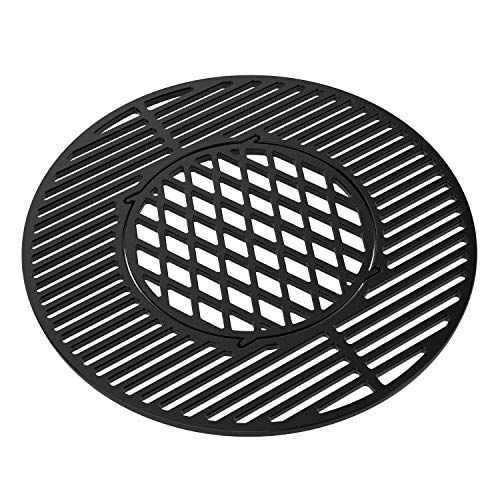
Pros
- Excellent heat retention and even heat distribution across the cooking surface.
- Removable inner grate simplifies charcoal management during long cooks.
- Sturdy cast iron build withstands high heat and heavy use.
- Easy to clean with a grill brush after seasoning – nonstick surface develops over time.
- Compatible with popular Weber kettle models – no modifications needed.
Cons
- Heavier than standard steel grates – adds about 8 pounds to your grill setup.
- Cast iron requires regular seasoning to prevent rust; not as low-maintenance as stainless steel.
- Some users may prefer a single large grate for extra cooking space – the inner grate reduces usable area slightly.
The onlyfire Cast Iron Grill Grate Replacement is a functional upgrade for anyone who owns a Weber 22-inch kettle charcoal grill. Instead of a single piece, this set includes a 21.5-inch outer grate with a removable 11.8-inch inner sear grate. This design lets you access the charcoal without lifting the whole cooking surface – a real convenience when you need to add more briquettes or wood chunks during a long smoking session.
This grate is built for backyard grillers who value heat retention and searing performance. Cast iron holds heat far better than standard steel grates, meaning less temperature fluctuation when you open the lid. Whether you're searing steaks hot and fast or slow-cooking ribs over indirect heat, the even heat distribution helps avoid cold spots. The inner grate is perfect for adding a quick sear after a low-and-slow cook, giving you that crusty bark on brisket or a perfect char on burgers.
Durability is a strong point. Cast iron is heavy – about 8 pounds total – but it resists warping even under high heat. With proper seasoning, it develops a natural nonstick surface that improves over time. Cleanup is straightforward: scrape off residue with a grill brush and oil lightly after each use. Rust can form if left wet, so store the grate in a dry place or cover your grill.
Installation is effortless – just drop it onto the existing grate support tabs in your Weber 22.5-inch Kettle, Premium, or Performer. The inner grate's raised side handles give you a secure grip, even with thick gloves. That said, the two-piece design means you lose a few square inches of cooking space compared to a single full-size grate. For most backyard gatherings, it's not an issue – you still have room for a dozen burgers or two large steaks.
This replacement grate is ideal for weekend BBQ enthusiasts who want better control over their charcoal cooks. It's also handy for tailgating setups if you use a kettle grill at the parking lot – the removable inner grate makes adding fuel fast. Campers who bring a charcoal kettle to the campsite will appreciate the even heat for roasting or searing. Just remember to pack a dry bag to keep the cast iron protected from moisture.
Overall, the onlyfire Cast Iron Grill Grate Replacement delivers real performance improvements for Weber kettle owners. If you like searing with cast iron and want easier access to your charcoal during long cooks, this is a solid, affordable upgrade.
The cast iron construction excels at heat retention, meaning the grate stays hot even after adding cold food. This gives you consistent sear marks and prevents the temperature from dropping too much when you load up the grill. The inner sear grate's smaller openings concentrate heat directly on the meat, creating a crusty exterior while keeping the inside juicy. For low-and-slow cooking, the outer grate works well for indirect heat – place the coals on one side and the food on the other. You can also move the inner grate to a cooler zone for gentle finishing. Overall, this grate system improves both high-heat searing and temperature stability.
Cast iron requires a bit more care than stainless steel, but it's simple once you get into the habit. After grilling, let the grate cool slightly, then scrub it with a stiff grill brush while still warm. Avoid soap – just hot water if needed, but drying thoroughly is crucial to prevent rust. Apply a thin coat of vegetable oil to the surface before storing. Over time, the seasoning builds up, creating a natural nonstick finish. The two-piece design makes cleaning easier – you can remove the inner grate and scrub it separately. Keep the grate in a dry place, and it will last for years.


Pros
- Excellent heat retention for consistent searing and cooking
- Fits a wide range of Charbroil Commercial 3-burner models
- Cast iron is durable and resists rust when properly seasoned
- Easy to clean with a grill brush and occasional oiling
- Affordable upgrade over stock enameled grates
Cons
- Requires regular seasoning to prevent rust, especially in humid climates
- Heavier than some porcelain-coated grates, which may be a minor inconvenience for transport
- Not compatible with non-Charbroil grills, so check your model before buying
If you own a Charbroil Commercial Tru-Infrared 3-burner gas grill and your original grates are starting to show their age, the Uniflasy 17-inch cast iron grill grates are a smart replacement option. These grates are designed specifically for a long list of Charbroil models, including the 463355220, 463242516, and many others, so you can swap them in without any hassle. They're built from heavy-duty cast iron, which is a big step up from the enameled bars that often chip or rust out over time.
For backyard grillers and tailgaters, the main draw here is cooking performance. Cast iron heats up evenly and holds onto that heat like a champ, which means you get consistent sear marks on steaks, burgers, and even veggies. The grates deliver that satisfying sizzle and crust that makes outdoor cooking so rewarding. Whether you're flipping burgers for a weekend BBQ or searing chicken breasts for a quick weeknight dinner, these grates help you achieve restaurant-quality results right on your patio.
Durability is another strong point. The cast iron construction is tough and resists warping, even when you crank the heat up high for a good sear. That said, cast iron does require a bit of care to prevent rust. The manufacturer provides clear tips: scrape the grates after each use, brush them with oil to season, and keep the grill covered when not in use. If you follow these steps, these grates will last for years. For campers and RV owners, the extra maintenance is a small trade-off for the superior cooking performance.
Cleanup is straightforward. A good grill brush after cooking takes care of most residue, and an occasional oiling keeps the surface non-stick. The grates are also easy to remove and store, though they are a bit heavier than some porcelain-coated alternatives. That weight is a sign of quality, but it might be a minor consideration if you frequently transport your grill for tailgating or camping trips.
One realistic limitation is that these grates are only compatible with specific Charbroil Commercial 3-burner models. If you have a different brand or a different size grill, they won't fit. Also, while cast iron is durable, it can rust quickly if neglected, especially in humid climates. So if you're not willing to do a little post-cook maintenance, you might prefer a stainless steel or porcelain-coated option.
Overall, the Uniflasy cast iron grill grates are a practical upgrade for anyone who wants better heat retention and searing ability from their Charbroil grill. They're ideal for backyard cooks who enjoy grilling regularly, tailgaters who want consistent results, and outdoor entertainers who appreciate a good sear. Just be ready to give them a little TLC after each use, and they'll reward you with great cooking for years to come.
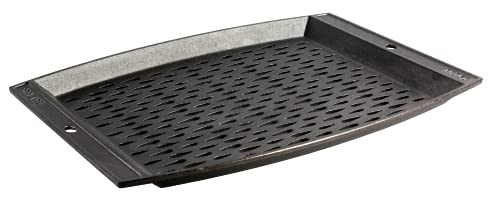
Pros
- Prevents food loss through grate while adding authentic grill flavor to delicate items
- Pre-seasoned finish is ready to use out of the box and improves with each cook
- Dual handles provide safe, easy handling even with heavy gloves or on hot grills
- Versatile for grilling, sauteing, and roasting on any grill type including charcoal, gas, or pellet
Cons
- Requires hand washing and seasoning maintenance to keep the non-stick surface optimal
- Heavier than some aluminum toppers, though still manageable for most campers and tailgaters
- May take a few uses to build up the seasoning if you prefer a super-slick surface
The Lodge Cast Iron Grill Topper is a smart, practical add-on for any outdoor cook. It's essentially a grilling pan that sits on top of your existing grate, giving you a solid surface for foods that are too small or delicate to handle over open bars. Think shrimp, sliced veggies, fish fillets, or even eggs for a campsite breakfast — this topper keeps them from falling into the fire while still letting that smoky, charred flavor come through.
This piece is best for backyard grillers who want more versatility from their gas or charcoal setup, campers and RV owners who need a lightweight solution for cooking small items, and tailgaters who appreciate the dual handles for easy transport. It also works great for patio cooks who want to add a griddle-like surface to their existing grill without buying a whole new flat top.
In real-world use, the cast iron delivers steady, even heat that sears well and holds temperature. It's not a fast-heating pan — cast iron takes a minute to get up to temp — but once it's hot, it stays hot, which is great for cooking batches of vegetables or fish without temperature drops. The smoke flavor comes through nicely because the food is still exposed to the grill's direct heat and smoke, just protected from falling through.
Build quality is solid. Lodge has been making cast iron in the USA since 1896, and this topper shows that heritage. The pre-seasoned coating is natural vegetable oil, so there's no synthetic chemicals or PFOA/PTFE. It's rust-resistant when cared for, and the 15-inch size fits most standard grills without being too bulky. Weight is 6.68 pounds, which is light enough to pack for camping or tailgating but heavy enough to feel sturdy on the grate.
Cleanup is straightforward — hand wash with warm soapy water and a nylon brush, then dry and re-oil lightly. It's not dishwasher safe, but that's standard for cast iron. The main limitation is that you need to maintain the seasoning to keep it non-stick, which is easy if you use it regularly. Also, it's not a full replacement for a griddle; it's a topper, so you're still limited by your grill's size.
Overall, this is a practical buy for anyone who wants to cook small, delicate foods on their grill without losing them. It's especially good for campers and tailgaters who want one accessory that works on any grill type. For backyard cooks, it's a simple way to expand your menu without buying a new cooking surface.


Pros
- Robust cast iron build offers excellent heat retention and even heat distribution.
- Open stripe design promotes airflow and reduces ash buildup, improving burn efficiency.
- Simple to season and maintain; rust resistant when properly cared for.
- Compatible with many round charcoal grills and fire pits; a budget-friendly replacement part.
Cons
- Only 11 inches in diameter—may not fit larger grills or fire pits without measuring.
- Cast iron can be heavy for portable setups; not ideal for lightweight camping gear.
- Requires seasoning and careful drying after each use to prevent rust, which adds maintenance.
The OGANAZI Cast Iron Bottom Fire Grate is a straightforward replacement part that can breathe new life into your charcoal grill or fire pit. Made from heavy-duty cast iron, this 11-inch round grate is built to handle the high temperatures of direct charcoal exposure without warping or cracking. It's the kind of accessory that backyard grillers, campers, and tailgaters will appreciate when their original grate finally gives out. The 0.5-inch thickness and wide striped slots are designed to accelerate combustion by letting ash fall through easily, while also giving you nice, even sear marks on steaks, burgers, or veggies.
This grate is best suited for anyone who regularly cooks over charcoal. Whether you're manning a weekend BBQ on the patio, setting up a cooking station at a campsite, or just need a reliable fire grate for your fire pit, this part does the job. Its compact size makes it a natural fit for portable charcoal grills or small backyard units. While it won't transform your setup into a smoking machine, it does improve airflow, which helps maintain a consistent, hot coal bed—key for searing and quick grilling.
One area where this grate excels is heat retention. Cast iron holds heat exceptionally well, so once those coals are lit and spread, you get steady, even temps across the cooking surface. That's a big plus for grilling burgers for a crowd or searing a couple of steaks. The striped pattern also encourages those iconic grill marks that make food look as good as it tastes. For low-and-slow cooking, the improved airflow helps the fire stay active without needing constant tending, though it's still best used in a grill with good lid control.
Build quality is solid for the price. The cast iron feels rugged and should stand up to many seasons of backyard use. However, cast iron does require some TLC: you'll need to season it before first use by coating it with oil and heating it, and after each cook, clean with warm water and a soft brush, then dry thoroughly to prevent rust. This is standard for any cast iron product, so it's not a surprise, but it does mean a bit more maintenance than stainless steel or ceramic grates.
On the downside, this grate is only 11 inches in diameter, so it won't fit larger grills or fire pits—measure your old grate before ordering. The weight is also a consideration if you're looking for something ultra-portable; cast iron is heavy, so it's better for stationary grill stations than hiking trips. And while the open stripes help with ash management, they might let smaller charcoal pieces fall through, so using larger briquettes is advised.
Overall, for under $20, the OGANAZI Cast Iron Bottom Fire Grate is a practical replacement that delivers better heat control and combustion efficiency compared to thin, flimsy grates. It's a smart choice for grillers who want to revive an old charcoal grill or upgrade a fire pit for occasional cooking. If you value durability, even heat, and simple maintenance, this grate earns a spot in your outdoor cooking arsenal.
When it comes to cooking performance, this cast iron grate shines in heat retention and airflow. The wide striped slots let ash fall away, keeping the coals oxygenated and burning hot. That means faster ignition and consistent temperatures for searing steaks, grilling chicken, or roasting veggies over open flame. The even heat distribution from the thick cast iron helps avoid cold spots, so your food cooks uniformly. For backyard cooks who like a solid sear and nice grill marks, this grate delivers. It's not designed for low-and-slow smoking, but if you pair it with a grill that has good lid control, you can manage indirect heat fairly well.
Cleaning is straightforward but requires some attention. Before the first use, preheat the grate and season it with a thin layer of cooking oil to create a natural non-stick surface. After each cook, let it cool, then scrub with warm water and a soft brush (avoid soap, as it can strip the seasoning). Dry immediately and store in a dry place to prevent rust. With proper care, this grate will last for years. The open stripe design makes it easy to knock off ash and debris, though you might need to occasionally re-season if you scrub too aggressively.

Pros
- Excellent heat retention for reliable searing and even cooking across the grate.
- Non-stick coating makes cleanup a breeze, especially after grilling sticky marinades or cheese.
- Fits a wide variety of charcoal grills, offering a budget-friendly upgrade for multiple setups.
- Cast iron construction holds up to high temperatures without flexing or rusting quickly when seasoned properly.
Cons
- Weighs 8 pounds, which is heavier than standard steel grates and can be awkward to remove while hot.
- Porcelain enamel can chip if dropped or knocked against hard surfaces, requiring careful handling.
- May not fit some offset barrel grills or older kettle models perfectly, so measure your grill's diameter first.
If you own a 22-inch Weber Kettle or a comparable charcoal grill like the Recteq Bullseye, swapping out the stock grate for the Aura Cast Iron Grill Grate is one of the easiest upgrades you can make. This is a single-piece cast iron grate coated in a non-stick porcelain enamel, designed specifically to improve heat retention and give you those picture-perfect sear marks that backyard grillers and BBQ enthusiasts chase.
This grate is best suited for anyone who cooks over charcoal regularly. Whether you are tailgating with burgers and brats, slow-smoking ribs on a patio kettle, or running a quick weeknight steak dinner, the cast iron surface holds high heat better than standard steel. That means you get a reliably hot cooking zone for searing, while the grate's even heat distribution helps avoid cold spots that can ruin a cook. The pre-seasoned surface also reduces sticking, so flipping chicken thighs or fish fillets is noticeably easier.
In terms of build quality, the Aura grate feels solid. At eight pounds, it has enough heft to sit securely on the kettle's rim and resist warping over time. The porcelain enamel layer protects against rust, provided you do not chip it by scraping aggressively with a metal brush. Outdoor durability is good, but like all cast iron, it benefits from being kept dry when not in use. The grate's 21.5-inch diameter drops right into most 22-inch kettles, including Weber Original and Master-Touch models, as well as the Weber Performer and some barrel-style cookers. Just double-check your grill's interior width before buying.
Cleaning is straightforward. Because of the non-stick coating, burnt-on residue usually wipes away with a damp paper towel or a quick scrub with a nylon brush. You do not need to re-season it constantly, which saves time compared to bare cast iron. However, the grate is heavy and can be tricky to lift while hot, so use good tongs or a grate lifter to avoid dropping it and chipping the enamel.
One realistic limitation is that this is a single-piece grate, not a hinged design. Adding charcoal or adjusting the fire requires lifting the entire grate off the grill, which is a minor inconvenience mid-cook. Also, if you are used to the lightweight wire grates that come with most kettles, the extra weight here might feel like a trade-off. But for the improved cooking performance and easy cleanup, most users find it worth the heft.
Overall, the Aura Cast Iron Grill Grate is a solid choice for anyone looking to upgrade their charcoal grilling experience without spending a fortune on a whole new grill. It delivers better sear marks, holds heat beautifully, and cleans up fast. If you do a lot of direct-heat grilling and want restaurant-style char on your steaks, burgers, or chops, this grate is a practical purchase for your backyard or campsite setup.
Comprehensive Restoration and Maintenance for Cast Iron Grates
Cast iron remains a prized cooking material because it stores substantial thermal energy and radiates heat evenly across foods. When moisture penetrates unsealed iron pores, iron oxide forms quickly and breaks the bond of polymerized cooking oils. Restoring oxidized grates requires removing loose iron oxide completely and establishing a fresh layer of polymerized seasoning. The restoration process demands patience, but it revitalizes old cooking surfaces without compromising their structural integrity.
Assessing the Depth of Iron Oxidation
Before grabbing abrasive tools, you must determine whether the corrosion is superficial or structural. Light surface rust appears as a thin reddish-orange powdery dust that wipes away with minimal pressure. This stage indicates that the protective oil coat has degraded, but the solid iron substrate underneath remains completely intact. Surface discoloration requires only moderate scouring and a thorough re-seasoning session to restore full cooking functionality.
Severe oxidation manifests as dark brown flakes, heavy scaling, and visible surface pitting. If flakes crumble off, moisture has penetrated deeper into the metal. Inspect the structural bars closely to confirm that the grate has not cracked under oxidation stress. Pitted cast iron can still cook effectively, but cavities hold moisture and require extra care during subsequent seasoning sessions.
Structural failure occurs when rust consumes substantial metal thickness, leaving grate bars brittle and prone to snapping. Grates with extensive structural cracks or crumbling welds pose safety risks under heavy cookware. If you notice structural compromise, replacing the grate with compatible parts is safer than attempting restoration. Otherwise, solid cast iron pieces can be saved through systematic cleaning and oil polymerization.
Mechanical Cleaning Tools and Scraping Methods
Mechanical abrasion serves as your first line of defense against stubborn surface corrosion. Stainless steel grill scrapers and stiff wire brushes work efficiently to remove loose debris, charred food carbon, and oxidized flakes. When using wire brushes, always verify that no loose metal bristles remain on the grate bars. Nylon abrasive pads and fine steel wool provide a safer, uniform scrubbing profile.
Scraping technique matters just as much as tool selection when clearing oxidized metal. Work along the contours of each bar using firm, controlled strokes rather than erratic swirling motions. Pay close attention to corners where crossbars meet, as grease and moisture gather in those crevices. Clearing these hidden pockets prevents corrosion from spreading back onto your cooking plane once the grill heats up.
Coarse steel wool pads help level out rough areas left behind by flaking rust. For rough bare iron, an abrasive scouring sponge paired with coarse kosher salt creates an effective dry scrubbing compound. Salt crystals provide mechanical friction to lift rust particles without gouging deep grooves into the iron. Once loose orange dust turns into dark residue, you can transition to wet washing solutions.
Chemical and Household Cleaning Solutions
Mild acid baths break the chemical bonds of iron oxide when mechanical scrubbing cannot reach deep recesses. A standard solution of equal parts white distilled vinegar and clean water dissolves rust effectively over a controlled timeframe. Submerge bare cast iron grates in this diluted mixture for thirty to sixty minutes at a time. Leaving iron in vinegar for extended periods can etch the underlying raw metal.
Baking soda provides an alkaline alternative that excels at scrubbing away neutralized rust sludge without aggressive acid etching. Mixing baking soda with warm water forms a thick cleaning paste that clings directly to vertical grate bars. Let the paste sit on stubborn oxidation spots for twenty minutes before scrubbing with a stiff nylon brush. This mild alkaline reaction lifts lingering residue while neutralizing any remaining acidic vinegar traces.
Specialized commercial cleaners can also assist during the rehabilitation phase. Formulations such as Heritage Products Cast Iron Soap offer plant-based cleaning that lifts food odors and residue without harsh synthetic solvents. When a visual touch-up is necessary on non-food contact surfaces, a high-temp treatment like Stove Grate Restorer can re-establish a uniform black appearance on exterior brackets. Always verify that any chemical cleaner or restoration coating is safe for cooking surfaces.
Systematic Step-by-Step Grate Restoration
Begin the restoration process by removing the grates completely from your grill firebox. Place the grates flat on a protective drop cloth outdoors to catch falling rust dust. Use a heavy scraper or brass wire brush to dislodge all loose, powdery surface oxidation from both faces. Dry brushing before adding liquid keeps the rust from turning into a muddy sludge that clogs metal pores.
After dry brushing, wash the grates thoroughly with hot water and a mild cleaning agent using an abrasive sponge. Scrub each bar vigorously to strip away old grease layers that might harbor trapped moisture underneath. Rinse the grate thoroughly with fresh warm water to eliminate any remaining cleaning residue. Speed is critical during this transition because wet, unsealed cast iron begins forming flash rust within minutes.
Dry the cleaned iron immediately using clean cloth towels, followed by direct thermal evaporation. Place the wiped grates into a preheated grill or domestic oven set to two hundred degrees Fahrenheit for fifteen minutes. Gentle heat drives residual moisture out of the microscopic crevices and pores where towel drying cannot reach. Once the metal feels completely dry and warm, it is ready for oil application.
Seasoning Bare Cast Iron for Lasting Protection
Seasoning is not merely greasing metal; it is a chemical polymerization process where fats convert into a durable, slick polymer. Fats rich in polyunsaturated fatty acids bond exceptionally well to raw iron when heated past their smoke point. Canola oil, refined grapeseed oil, and vegetable shortening represent reliable choices for building strong foundational layers. High-quality cookware makers, such as Lodge, utilize natural vegetable oil during factory pre-seasoning procedures.
Apply a very thin coat of your chosen cooking oil across every surface of the warm grate using a lint-free cloth. After coating, take a clean dry cloth and wipe the grate as if you are trying to remove all the oil. Excess oil pools during baking, resulting in a sticky surface that flakes off easily. A microscopically thin oil film yields the smoothest and most resilient polymerized shield.
Heat the oiled grates in a closed grill or oven between four hundred and four hundred fifty degrees Fahrenheit for one full hour. Maintain consistent temperature so the oil molecules cross-link and darken into a semi-gloss black finish. Turn off the heat source and let the iron cool down gradually inside the chamber without opening the lid. Repeat this oiling and baking cycle two to three times to establish lasting protection.
Enamel Coatings Versus Bare Cast Iron Maintenance
Identifying whether your cooking grid features bare iron or a porcelain enamel coating determines your cleaning boundary. Products like the Weber Gourmet BBQ System Sear Grate Replacement and the Aura outdoor products Cast Iron Grill Grate utilize porcelain enamel over cast iron to simplify everyday maintenance. Porcelain enamel creates a vitreous glass barrier that prevents raw iron from contacting ambient moisture directly. This glossy coating resists oxidation naturally as long as the enamel remains unbroken.
Porcelain-enameled surfaces require gentle maintenance techniques to avoid chipping or crazing the glassy protective shield. Never use steel wire wheels, metal scrapers, or harsh chisels on enameled iron, because scratches expose the raw iron core beneath. If rust appears on an enameled grate, it generally originates from hairline fissures where bare iron meets humidity. Clean enameled grates with brass-bristle brushes or non-scratch nylon pads, and oil any exposed chips.
Bare cast iron, like the Uniflasy 17″ Cast Iron Grill Grates or the Lodge Pre-Seasoned Cast Iron Rectangle Grill Topper, offers complete freedom for aggressive mechanical restoration. Because bare iron lacks an external ceramic glaze, you cannot chip an applied surface coating during vigorous scrubbing. Bare iron requires diligent oil seasoning after every cookout, but it rewards attentive grillers with long service life and straightforward resurfacing potential.
Safe Work Practices and Outdoor Setup
Restoring rusty grill grates generates airborne metallic dust and chemical runoff that should always be handled in well-ventilated outdoor environments. Wear heavy work gloves to protect your hands from sharp rust burrs and eye protection to deflect flying wire bristles. Never attempt to heat-cure or burn off residue inside a garage or enclosed utility room. Fuel-burning outdoor cookers produce hazardous carbon monoxide gas and present severe fire risks when operated inside garages.
Set up your cleaning station on an open patio or deck away from combustible structures and foot traffic. Working near a well-designed patio cooking island with a backsplash helps contain accidental oil splatters and cleaning runoff while keeping tools organized. Keep pets and children away from cleaning solutions, hot cooking grates, and acidic vinegar baths. Always dispose of oily wiping rags in sealed, water-filled metal containers.
If you maintain other versatile outdoor appliances, such as a griddle and smoker combo, maintain separate dedicated tools for each cooking surface. Flat-top carbon steel plates require broad spatulas and gentle squirt bottles, whereas heavy cast iron grates need slotted scrapers and contour brushes. Adapting your cleaning routine to the specific metal composition keeps each outdoor cooking surface operating in prime condition without cross-contaminating flavors.
Ongoing Maintenance and Seasonal Rust Prevention
Preventing rust on cast iron grates is substantially easier than repeating a full restoration procedure every spring. After each cooking session, allow your grill to cool down slightly, then scrape food residue off the warm bars using a sturdy brush. While the metal remains warm to the touch, wipe a light coat of high-heat cooking oil across the cooking grid using tongs and an oiled paper towel. Residual heat helps the oil penetrate metal pores.
Airflow management inside your grill chamber plays an understated role in preventing oxidation during humid seasons. Keep the grill dampers cracked open slightly during storage to encourage passive air circulation and prevent condensation from pooling on the metal. Moisture naturally condenses inside enclosed grill hoods during temperature swings, creating an ideal microclimate for oxidation. Securing a weather-resistant, breathable grill cover prevents rain intrusion while allowing trapped internal moisture to escape.
For extended off-season storage, remove your seasoned grates from the grill entirely and store them in a climate-controlled indoor space. Coat the iron generously with cooking oil, wrap each section in brown butcher paper or breathable cotton towels, and place them in dry storage bins. The paper absorbs minor ambient moisture without trapping condensation against the metal, ensuring your cooking surface emerges ready for spring cookouts.
Knowing When to Replace Cast Iron Grates
While most cast iron cooking grids can be revived with elbow grease, certain structural flaws signal that retirement is the safest path forward. If the metal has oxidized so deeply that crossbars have rusted through or developed severe thinning, the grate will struggle to support heavy cuts of meat. Significant warping also prevents the grate from sitting level on firebox support ledges, creating dangerous wobble hazards during cooking.
Multi-component grill systems, such as two-piece replacement grates with removable center inserts, allow modular replacement when only one section degrades. For instance, the onlyfire Cast Iron Grill Grate Replacement Gourmet system features a 21.5-inch outer frame paired with an 11.8-inch inner sear insert. Similarly, bottom fire plates like the OGANAZI Cast Iron Bottom Fire Grate bear the brunt of direct charcoal heat and can be replaced independently. Inspecting each component individually allows you to preserve intact cooking sections.
Taking proactive care of your cast iron cooking grates preserves your equipment investment and guarantees exceptional cooking results every time you light the fire. Surface rust is merely an inconvenience that yields quickly to straightforward mechanical scraping, thorough cleaning, and proper oil polymerization. By building consistent post-cook cleaning habits and protecting your grates from ambient moisture, your cast iron cooking surface will deliver beautiful sear marks and dependable heat retention.





Write Your Review
No reviews yet. Be the first to share your experience!