


If you are setting up a new gas grill or replacing an old fuel source, the answer is usually straightforward: the 20 lb propane tank is the industry standard for most residential gas grills. This size offers the best balance between portability and cooking duration, allowing you to host a full dinner party without needing a mid-meal swap. While smaller 1 lb cylinders exist for tabletop units, the 20 lb tank remains the go-to choice for standard backyard setups.
Understanding the specifics of what is the standard size propane tank for a grill helps you avoid buying the wrong fuel source or incompatible accessories. The connection type, known as QCC-1 or Type-1, is consistent across most 20 lb tanks, ensuring they fit the majority of grills from major brands. If you are looking for related outdoor cooking setups, our griddle and smoker combo guide covers how different fuel systems integrate with your cooking station.




Pros
- Lets you use a large 20lb tank with small portable gear, saving money on disposable 1lb cans
- Solid brass construction feels durable and resists corrosion better than cheaper alloys
- Easy to thread on and off with no tools required for a quick setup
- Flexible hose makes it simple to tuck the tank out of the way while cooking
- Affordable upgrade that pays for itself after a few refills
Cons
- Not compatible with older-style non-QCC1 tanks or some antique appliances
- Brass can be a bit stiff when cold, so you may need to warm the hose slightly in winter
- Only one adapter per pack; you might need a second for multi-tank setups
If you've ever run out of fuel halfway through a camping trip or a backyard cookout with a small portable grill, you know the frustration. The GasSaf 5FT Propane Hose solves that problem by letting you connect any 1lb propane appliance directly to a standard 20lb tank. Instead of tossing those tiny disposable cylinders, you can tap into the big tank that powers your home grill or RV.
This hose is built for campers, tailgaters, and backyard grillers who use portable gear like the Weber Q, Coleman camp stoves, or Mr. Heater units. It's a simple adapter that threads onto the QCC1/Type-1 connection on your 20lb tank, then screws into the 1lb fitting on your small appliance. The 5-foot length gives you plenty of room to position the tank safely away from the heat source, which is especially handy when you're cooking under a canopy or on a picnic table.
One of the best features is the excess flow protection built into the CSA-certified design. If the hose gets damaged or a connection fails, it automatically shuts off the gas flow, preventing a dangerous leak. That's a nice peace-of-mind when you're using it with a heater inside a tent or with a grill near a crowded tailgate.
The solid brass fittings are a step up from the cheaper aluminum or plastic adapters you'll find at some big-box stores. Brass resists corrosion, holds up to the elements, and provides a tight seal that won't loosen over time. The threads are clean and mate well with both the tank and the appliance, so you don't have to fight with cross-threading or stripping.
Setup is about as simple as it gets: you just screw the brass end onto your 20lb tank, then attach the other end to your portable device. No tools, no complicated instructions. You'll want to make sure you turn the tank valve off before connecting and do a quick soapy-water leak test the first time, but that's standard practice for any propane connection.
For anyone who uses portable grills, camp stoves, or propane heaters regularly, this adapter is a no-brainer. It saves you money on those expensive 1lb cans, reduces waste, and lets you cook for hours without swapping tanks. Just keep in mind it's not designed for older non-QCC1 tanks, so check your equipment before buying. Overall, it's a simple, affordable upgrade that makes a real difference in how long you can cook at the campsite or in the backyard.

Understanding Standard Propane Tank Sizes for Grills
The standard residential tank is the default for most freestanding gas grills because it holds enough fuel for multiple cooking sessions. This capacity typically supports 3 to 5 hours of continuous high-heat grilling, depending on burner output and ambient temperature. Smaller tanks, such as the 1 lb or 3 lb cylinders, are designed for portable grills, camping stoves, and tabletop units where weight and space are critical constraints.
| Tank Size | Typical Use Case | Connection Type |
|---|---|---|
| 1 lb | Tabletop grills, camping stoves | QCC-1 (with adapter) |
| 3 lb | Portable grills, overlanding | QCC-1 |
| 20 lb | Standard residential gas grills | QCC-1 |
| 30 lb | Large grills, heavy usage | QCC-1 |
| 40 lb | Commercial use, large heaters | QCC-1 |
Most modern grills are designed with a QCC-1 (Quick Connect Coupler) inlet, which accepts the standard residential tank valve. This universal standard means that a tank from one manufacturer will fit a grill from another, provided the valve type matches. However, older grills or specific commercial units might use different connections, so checking your grill’s manual is always a smart step before purchasing fuel.
Here are the key factors to consider when determining which tank size fits your specific grill model:
- Check the grill manual for the recommended tank size and valve type.
- Verify if your grill uses a QCC-1 or Type-1 connection standard.
- Consider the cooking area; larger grills may benefit from 30 lb tanks.
- Assess storage space to ensure the tank fits safely in your garage or shed.
- Look for tanks with OPD valves, which are required by law in many states.
Why the 20 lb Tank Dominates the Market
The standard residential tank strikes a practical balance for the average home cook. It is heavy enough to hold a significant amount of fuel but light enough for one person to carry from a car to the grill. This size is also widely available at hardware stores, gas stations, and online retailers, making refills or exchanges convenient. Many brands, including AmeriGas, offer exchange programs specifically for this size, allowing you to trade in an empty tank for a full one without needing to find a filling station.
From a safety perspective, the standard residential tank is equipped with an Overfill Prevention Device (OPD). This valve mechanism prevents the tank from being overfilled, which could lead to dangerous pressure buildup. The OPD valve is a legal requirement in most US states for tanks sold after a certain date, ensuring that the fuel remains in a liquid state with adequate vapor space. If your tank lacks this feature, you may find that filling stations refuse to fill it, as they are required to comply with safety regulations.
Smaller Tanks for Portable and Tabletop Grills
For those using portable grills, camping stoves, or tabletop units, the 1 lb and 3 lb tanks are the standard. These smaller cylinders are lightweight and easy to transport, making them ideal for tailgating, camping trips, or small patios. The 3 lb tank, in particular, has gained popularity among overlanding enthusiasts and RV owners who need a reliable fuel source without the bulk of a standard residential tank. Brands like Flame King offer 3 lb tanks with built-in gauges, providing a convenient way to monitor fuel levels on the go.
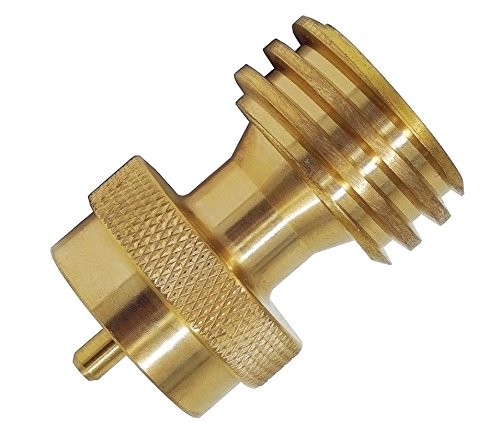
One important note for users of small portable tanks is the connection type. Many small cylinders use a different valve than the standard QCC-1, requiring an adapter to connect to a grill or stove. Adapters like the Steak Saver small to standard residential Propane Tank Adapter allow you to use a small cylinder with a larger grill, which can be a lifesaver if you run out of fuel mid-cook. However, these adapters are intended for emergency use or specific portable setups, not as a permanent replacement for a standard tank.
Connection Types and Compatibility Checks
Before purchasing a tank, it is crucial to verify the connection type on your grill. The QCC-1 (Quick Connect Coupler) is the most common standard for residential grills, but some older models or specific brands may use different connections. The QCC-1 system is designed to prevent accidental disconnection and ensure a secure seal, reducing the risk of leaks. If your grill uses a different connection, you may need an adapter or a specific tank type, so always check the manufacturer’s specifications.
Here is a quick checklist to ensure your tank is compatible with your grill:
- Inspect the grill’s inlet for a QCC-1 or Type-1 valve designation.
- Check the tank valve to ensure it matches the grill’s connection type.
- Look for an OPD valve on the tank, which is required for most new tanks.
- Verify that the hose length is sufficient to reach the tank safely.
- Ensure the tank is in good condition, with no rust or damage to the valve.
Safety and Storage Considerations for Propane Tanks
Propane is a flammable gas, and proper handling is essential to prevent accidents. Always store tanks in a well-ventilated area, away from direct sunlight and heat sources. Storing a tank inside a garage or enclosed space is generally discouraged unless the area is properly ventilated, as propane is heavier than air and can accumulate in low-lying areas. If you must store a tank indoors, keep it in a metal cabinet or a dedicated propane storage container to minimize fire risk.
Regularly inspect your tank and hose for signs of wear, corrosion, or leaks. A simple soap and water test can help identify leaks: apply a soapy solution to the connections, and if bubbles form, there is a leak. In this case, turn off the gas, disconnect the tank, and replace the damaged component.
Never use a tank that has been dropped, damaged, or shows signs of rust, as this can compromise its structural integrity and safety. If you are unsure about the condition of your tank, consult a professional or replace it with a new one.
Monitoring Fuel Levels and Avoiding Mid-Cook Swaps
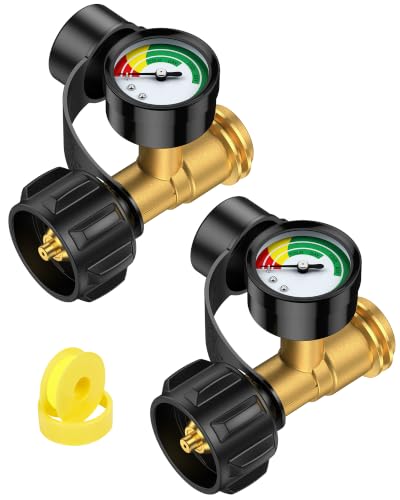
Running out of propane in the middle of a cookout is a common frustration for grill owners. To avoid this, consider using a propane tank gauge, which provides a visual indication of the remaining fuel level. Gauges like the GasXpert 2 Pack Propane Tank Gauge Level Indicator connect to the tank and display the fuel level through a color-coded scale. This allows you to plan your cooking sessions and refill the tank before it runs empty, ensuring a smooth and uninterrupted grilling experience.
Another option is to keep a spare tank on hand, especially during large gatherings or when hosting guests. Having a backup tank ensures that you can quickly swap out an empty one without interrupting the meal. If you use a 1 lb tank for a portable grill, an adapter like the GasSaf 5FT Propane Hose can help you connect it to a larger standard residential tank if needed.
This flexibility can be particularly useful for camping or tailgating, where access to fuel sources may be limited. By monitoring your fuel levels and planning ahead, you can enjoy your grilling sessions without the stress of running out of gas.
Choosing the right propane tank size is a straightforward decision for most grill owners, with the standard residential tank serving as the reliable standard for residential use. By understanding the connection types, safety protocols, and monitoring options, you can ensure that your grill is always ready for action.
Whether you are grilling in your backyard or camping in the woods, having the correct fuel source is key to a successful cooking experience. Keep your tank in good condition, store it safely, and monitor your fuel levels to avoid any surprises during your next cookout.





Write Your Review
No reviews yet. Be the first to share your experience!