


Thick layers of carbonized sauce, animal fat, and ash can quickly turn an afternoon barbecue into a frustrating battle with flare-ups and bitter flavors. When residue bakes into steel or iron over multiple cooking sessions, standard wipe-downs simply fail to restore a sanitary cooking surface. Learning how to clean very dirty grill grates requires breaking down stubborn grease bonds without gouging protective coatings or introducing hazardous wire bristles to your food prep area. Setting up a dedicated cleaning station on a sturdy rolling BBQ prep table keeps degreasers, scrapers, and wash basins within arm’s reach so you can work comfortably. Taking the time to restore your cooking grids improves heat transfer and keeps delicate proteins from tearing during your cooks.
Different metal surfaces demand distinct care strategies, meaning a technique that works on stainless steel might damage seasoned cast iron or chipped porcelain enamel. Whether you prefer citrus degreasers on a cool grate or high-heat steam scrubbing right after cooking, having the right routine prevents needless wear on your grill. Regular maintenance also prevents dangerous grease fires that ignite when old fat pools along the bottom of the firebox. With a methodical approach and the right non-wire tools, you can strip away heavy buildup and return your grates to peak cooking condition.

Pros
- Effective on heavy grease and charred food residue from low-and-slow smokes
- Works well on both cold and warm surfaces for flexible cleaning after grilling
- Economical - a little goes a long way for multiple cleaning sessions
- Rinses clean without leaving sticky residue that could affect food flavor
Cons
- May require multiple applications for heavily caked-on grime from years of use
- Strong chemical smell during application - use in well-ventilated area
- Not recommended for aluminum surfaces or painted grills
If you spend any time grilling, smoking, or cooking outdoors, you know the cleanup is the least fun part. This heavy-duty grill cleaner is designed to tackle exactly that chore, making it a solid addition to any outdoor cooking setup. It's a spray-on degreaser that works on BBQ grills, smokers, ovens, flat top griddles, and even camping stoves - basically anything that gets coated in grease and carbon after a cookout.
This cleaner is best suited for backyard grillers who fire up their gas or charcoal grills weekly, BBQ enthusiasts who smoke brisket low and slow, campers who need to clean their portable stove after a trip, and tailgaters who want their gear ready for the next game. If you own an RV and cook inside or outside, this is also handy for keeping the oven and grill grates spotless.
In real-world use, the cleaning performance is impressive. It cuts through baked-on grease and charred food residue without requiring heavy scrubbing. After a long smoking session where the grates are covered in black carbon, a few sprays and a short wait let you wipe it away. It doesn't completely eliminate scrubbing, but it reduces elbow grease significantly. The formula works on both warm and cold surfaces, so you can spray right after cooking or let it sit overnight on tough buildup.
Build quality is straightforward - it comes in a standard spray bottle with a trigger nozzle that delivers a wide or narrow stream. The nozzle doesn't clog easily, which is a common issue with thick cleaners. It's safe on porcelain, stainless steel, and cast iron grates, but you should avoid aluminum and painted surfaces. The spray can reach into tight corners of smoker racks and between grates, making it easier to clean those hard-to-reach spots.
Setup and use are simple: spray on, let it sit for a few minutes, scrub if needed, then rinse with water. Cleanup is quick, and the cleaner rinses away without leaving a sticky film that could affect your next meal's flavor. Storage is easy - just keep the bottle in your garage or under the sink. One limitation is that heavily caked-on grime from years of neglect may require multiple applications. Also, the chemical smell is strong, so you'll want good ventilation when using it.
Overall, this is a practical buy for anyone who cooks outdoors regularly. It saves time and effort on cleanup, which means more time enjoying your backyard parties, tailgates, or campsite meals. If you're tired of scrubbing forever after a great cookout, this cleaner makes the after-work much easier. Just remember to wear gloves and work in a well-ventilated area, and your grills and smokers will look like new after each use.

Pros
- Safe cleaning without wire bristles, protecting your family from accidental ingestion.
- Powerful citrus-based cleaner easily cuts through baked-on grease and carbon buildup.
- Kit includes everything you need: spray, brush, scrubber pads, scraper, and towel, no extra purchases required.
- Works on both hot and cool grills, offering flexibility for different cleaning routines.
Cons
- For extremely charred grates, some elbow grease may still be needed; the cleaner alone won't dissolve heavy creosote instantly.
- Scrubber pads are refillable but replacements are sold separately, adding ongoing cost over time.
- The cookbox scraper is best used on cool surfaces; it may scratch delicate porcelain coatings if used aggressively.
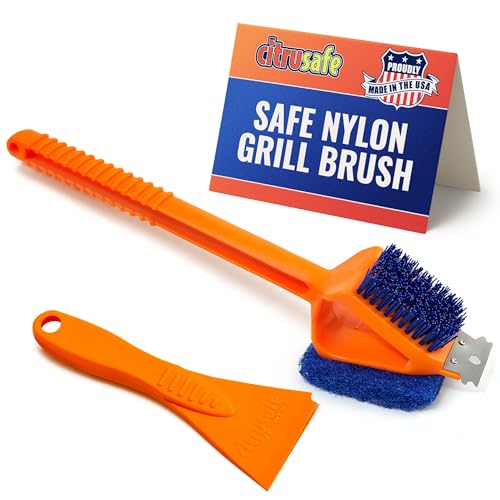
The Citrusafe Complete Grill Cleaning Kit is not your average grill cleaner. It is a thoughtfully assembled set designed to replace the dangerous wire brushes and harsh chemical sprays that many BBQ enthusiasts rely on. Instead, this kit uses a citrus-based degreaser, a nylon brush, heavy-duty scrubber pads, a cookbox scraper, and a microfiber towel to clean your grill safely and effectively. Whether you own a charcoal kettle, a propane gas grill, a smoker, or even a flat top griddle, this kit has the tools to handle the mess.
This kit is built for anyone who takes outdoor cooking seriously. Backyard grillers who fire up the Weber every weekend, campers who throw a grate over an open fire, tailgaters who need a quick cleanup between games, and RV owners who don't want wire bristles scratching their portable grills will all appreciate the safety-first approach. The stars are the Citrusafe Grill Cleaner spray, which uses natural degreasing power from citrus peels to break down grease, and the nylon brush and scrubber pads that work on a cool grill. No more burning off residue or worrying about stray bristles in your burger.
In real-world use, this cleaner shines on moderately soiled grates and cookboxes. Spray it on, let it sit for a few minutes, then scrub with the nylon brush or the heavy-duty pads. The grime dissolves quickly, and the included cookbox scraper reaches into corners that brushes miss. For a neglected grill that has months of caked-on grease, you may need to repeat the process, but the result is a cookbox that looks nearly new. The microfiber towel lifts away remaining residue without scratching porcelain or stainless steel surfaces.
Build quality of the tools is solid. The nylon brush handle is heavy-duty plastic with a comfortable grip, and the scrubber holder accepts the replaceable pads firmly. The scraper has a slim profile that fits into the tight gaps of most grills and smokers. The spray bottle has a trigger that produces a fine mist, covering grates evenly without waste. Everything in the kit is designed to be reused, cutting down on disposable grill wipes and paper towels.
Setup is simple: unpack the items and start cleaning. The spray works right out of the box, and all tools are ready to go. Transport is not an issue since it is a cleaning kit, but the spray bottle and tools fit easily in a garage cabinet or a camping tote. Storage is straightforward: keep the spray away from direct sunlight, and hang the brush and scraper to dry.
Limitations are minor. For grills with extremely heavy carbon buildup (think years of neglect), you may still need to use a metallic scraper or a second application. The scrubber pads are effective but wear out after several uses, and replacement packs are sold separately. Additionally, the nylon brush is not as stiff as wire, so it may take a bit more scrubbing on stubborn spots. Nonetheless, for routine maintenance and even deep-cleaning, this kit is a safe and effective choice. It earns a strong recommendation for any outdoor cook who wants to eliminate the risk of wire bristles and keep their cooking gear in top shape.
The Citrusafe Complete Grill Cleaning Kit comes with five essential items to tackle every part of your grill or smoker. You get a 16oz bottle of Citrusafe Exterior Grill Cleaner (also safe for interior use), a heavy-duty nylon brush with an integrated cookbox scraper, a scrubber handle plus three replaceable scrubber pads, a separate cookbox scraper for tight areas, and a premium microfiber cleaning towel (color may vary). Together, they cover cleaning from grates to hoods to side tables. Everything is manufactured in the USA by Bryson Brothers, a brand focused on safer outdoor cooking products.
For best results, clean your grill when it is cool to the touch. Spray the Citrusafe cleaner liberally onto grates and cookbox surfaces, let it sit for 3-5 minutes to loosen grease, then scrub with the nylon brush or scrubber pads. Use the cookbox scraper for baked-on residue in corners. Wipe away residue with the microfiber towel, then rinse with water if desired. For routine maintenance after each cook, a quick spray and wipe keeps grates looking new. The scrubber pads can be replaced when they become worn; replacement pads are available separately. The spray lasts through many cleanings, making this kit a great value for frequent grillers.

A Complete Guide to Restoring Heavily Soiled Grill Grates
Restoring a neglected cooking surface requires a structured balance of physical scraping, chemical breakdown, and controlled heat. Baked-on grease transforms over time into hardened carbon, forming a tough crust that locks in old rancid flavors and prevents clean grill marks. A successful restoration plan depends on identifying your grate material and choosing a cleaning method that strips carbon without gouging protective finishes. By taking a systematic approach, you can transform blackened bars back into a clean, food-safe cooking zone without resorting to risky metal tools.
Identifying Grate Materials and Choosing Safe Tools
Grill grates generally fall into three material categories, and each handles aggressive scrubbing in a different way. Stainless steel grates feature outstanding rust resistance and can tolerate firm scraping, but coarse wire tools can leave deep scratches that trap future grease. Porcelain-enameled grates wrap steel or iron in a glass-like ceramic shell that prevents rust as long as the coating remains intact. Using harsh metal scrapers or stiff wire on porcelain risks chipping the enamel, which exposes the raw metal beneath to moisture and rapid corrosion.
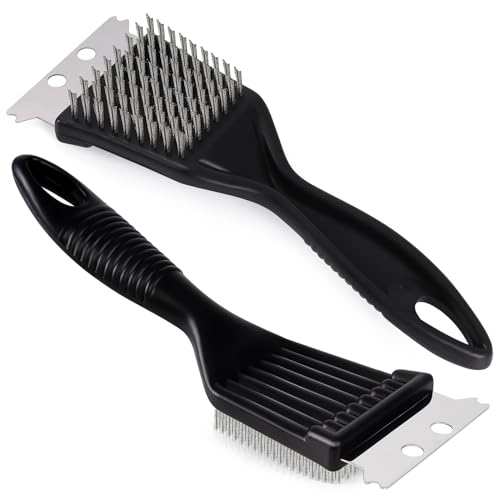
Cast iron cooking surfaces provide exceptional heat retention, but they rely entirely on a cured oil patina for nonstick performance and rust defense. Harsh chemical oven cleaners or prolonged acid baths can strip this delicate seasoning, leaving the porous metal bare and vulnerable to oxidation within hours. Traditional wire bristle brushes also present a well-documented safety hazard across all grate types because loose steel bristles can dislodge and stick to grease on the cooking surface. Choosing bristle-free scrubbers, durable nylon brushes, or smooth stainless steel scraping heads protects both your cooking equipment and your guests.
Fire Safety and Outdoor Workspace Requirements
Outdoor grill maintenance requires proper ventilation, fire awareness, and sensible personal protection. Liquid grease, aerosol degreasers, and carbon flakes can irritate skin and eyes, making durable gloves and eye protection smart additions to your toolkit. Grills must always remain fully outdoors during both cooking and cleaning operations. Operating any charcoal, gas, or pellet grill inside a garage, shed, or enclosed patio creates an immediate risk of lethal carbon monoxide accumulation and structural fire.
Even leaving a garage door open does not provide adequate airflow to disperse toxic combustion gases or prevent stray grease sparks from catching nearby flammables. Always position your cooker on a level outdoor surface away from overhangs, wooden railings, and dry vegetation before lighting burners or applying cleaning solutions. If you plan to scrape hot grates, keep a water spray bottle or baking soda nearby to smother sudden flare-ups triggered by dripping fat. Taking a few minutes to organize your outdoor workspace ensures that deep cleaning remains completely safe from start to finish.
The Cool-Grate Citrus Degreasing Procedure
Cleaning grates while the grill is completely cold eliminates the risk of burns and saves fuel. Specialized citrus-based cleaners utilize natural d-limonene extracted from citrus peels, delivering powerful degreasing properties without harsh synthetic fumes. Begin by letting your cooker cool down entirely, then spray a generous coating of citrus cleaner directly across the dirty cooking surface. Allowing the degreaser to sit undisturbed for three to five minutes gives the citrus oils time to penetrate baked-on oils and soften tough carbon bonds.
Once the cleaner has soaked into the grime, scrub the surface using heavy-duty abrasive pads or a stiff nylon bristle brush. Durable nylon bristles are designed specifically for cold-surface cleaning, providing firm mechanical action without shedding dangerous metal wires onto the cooking bars. Work along the length of each grate rod rather than scrubbing across them, ensuring the bristles wrap around the sides where dripping grease accumulates. After breaking up the loosened sludge, wipe down the rods using durable microfiber towels to lift suspended oils and rinse the grates thoroughly with clean water.
The High-Heat Steam Cleaning Approach
Steam cleaning relies on high heat and water vaporization to release baked-on carbon without chemical sprays. This method works exceptionally well on stainless steel and cast iron grids that have heavy layers of caramelized sugars and charred marinades. Start by lighting your burners or coals and bringing the grill up to medium-high heat with the lid closed for ten to fifteen minutes. The thermal expansion loosens the bond between the metal bars and the hardened crust, making mechanical removal significantly easier.
Submerge a heat-resistant, bristle-free cleaning head into a bowl of cold water, then press it firmly against the sizzling grates. As the water contacts the hot metal, it instantly turns into pressurized steam that penetrates beneath carbonized food particles and blasts them loose. Modern steam brushes feature notched stainless steel scraper blades integrated into the head, allowing you to slice away stubborn carbon before the steam pad glides over the surface. The deeper groove design allows the head to clean down between the grate bars where grease pools out of reach of flat pads.
Deep Soaking Severe Buildup in Warm Wash Baths
When grill grates have been neglected for multiple seasons, mechanical scrubbing alone can take excessive time and physical effort. Submerging the grates in a dedicated soaking solution allows cleaning agents to soften hardened layers from every angle simultaneously. Find a large plastic wash tub, galvanized bin, or heavy-duty trash bag capable of holding the full length of the grates laid flat. Fill the container with very hot water and add a concentrated grease-cutting dish soap along with a cup of baking soda.
Allow the grates to soak submerged for at least one to two hours, or even overnight for heavily crusted cooking grids. The mild alkaline properties of baking soda soften grease without etching stainless steel or damaging porcelain finishes. If using a heavy-duty trash bag, lay the grates flat inside, pour the solution over them, tie the bag shut, and leave it outdoors in the sun to maintain warmth. After soaking, lift the grates out and scrub them with a non-scratch pad; you will find that thick chunks of carbon slide off with minimal pressure.
Preserving and Re-Seasoning Cast Iron Grids
Cast iron requires a careful touch because stripping away carbon deposits can also remove the protective oil seasoning. If your cast iron grates show orange rust patches alongside blackened grease, you must strip away the oxidized layer before applying fresh oil. Scrub the rusty sections with a mixture of coarse kosher salt and a few drops of cooking oil, using a stiff scrubber pad to scour away flakes without pitting the iron. Avoid soaking raw cast iron in soapy water for extended periods, as moisture quickly penetrates the iron pores and accelerates rust formation.
After removing loose rust and baked-on debris, rinse the grates quickly with clean water and dry them immediately with absorbent towels. Once the iron is bone-dry and warm, apply a very thin, even coat of a high smoke-point cooking oil like canola, grapeseed, or avocado oil across all surfaces. Wipe away excess oil with a clean cloth until the metal looks matte rather than wet, which prevents sticky gummy spots during heating. Heat the oiled grates gradually to approximately four hundred degrees Fahrenheit for forty-five minutes to polymerize the oil into a slick, rust-resistant barrier.
Firebox and Grease Tray Maintenance for Fire Prevention
Cleaning very dirty grates without addressing the firebox beneath is an incomplete job that leaves your cooker prone to dangerous flare-ups. Dripping fats and marinades run down the grate bars and bake onto flavorizer bars, heat tents, and the sloped floor of the cookbox. Cooks managing a versatile griddle and smoker combo frequently deal with both charred marinades and sticky smoke residue, making a dedicated cleaning routine essential. Removing the cooking grates gives you open access to scrape these internal components before accumulated fats ignite during high-heat searing.
Use a rigid cookbox scraper to push charred crust from the angled sides of the firebox directly into the grease collection tray. Take out the burner shields and scrub them with your citrus degreaser and scrubber pad, wiping away loose carbon so heat radiates evenly. Inspect the burner tubes for blocked gas ports, gently clearing clogged holes with a stiff nylon brush or small wooden skewer. Finally, slide out the bottom grease tray, empty the disposable drip pan, and scrape out congealed fat so grease drains smoothly away from open flames.
Adjusting Care for Gas, Charcoal, and Pellet Cookers
Different outdoor cooking appliances create distinctive types of residue that require tailored cleaning strategies. Charcoal kettles produce dry, powdery wood ash mixed with rendering fat, creating a pasty alkaline sludge if exposed to outdoor humidity. Always sweep out charcoal ash completely before applying liquid cleaners to the grates, because wet ash can corrode steel dampers and bowl coatings. Gas grills produce higher localized heat directly above burners, often leaving concentrated patches of carbonized sauce that respond best to steam cleaning or citrus soaking.
If you run a large pellet smoker, grease traps and lower grate bars require extra care to prevent flare-ups during higher-heat cooks. Pellet cookers create sticky wood creosote that coats cooking racks during long smoking sessions at low temperatures. This tacky creosote softens readily under citrus degreasers, but you must avoid spraying liquid cleaner into the pellet firepot or auger tube. Flat-top griddles require an entirely different scraping and oiling protocol, reinforcing why matching your cleaning chemistry to your cooker format matters so much.
Post-Cleaning Inspection and Burn-Off Verification
Before placing meat or vegetables on freshly restored grates, conduct a careful visual inspection of the entire cooking area. Check between the grate bars with a bright flashlight to verify that no loose bristles, scouring fibers, or pools of chemical cleaner remain. Wipe down the entire cooking grid with a clean, damp cloth to capture any residual dust or loosened carbon flakes. If you used a specialized cleaning spray, check that all residue has been wiped clean according to the product directions.
Fire up your grill and run it on medium-high heat with the lid closed for ten minutes before cooking your next meal. This controlled burn-off neutralizes any lingering soap or citrus oils and sanitizes the cooking metal naturally. Watch the exhaust vents for smoke color; thick, dark smoke indicates that old grease is still burning away, while clear heat distortion signals a clean firebox. Once the smoke clears and the grates cool slightly, apply a quick protective swipe of high-heat cooking oil with tongs and folded paper towels to seal the metal.
Routine Maintenance Habits to Prevent Future Buildup
Consistent light maintenance after every cook prevents the need for grueling multi-hour deep cleaning sessions later in the season. Right after pulling food off the grates while the bars remain hot, run a bristle-free steam pad or wooden scraper across the surface to lift fresh drippings before they harden. Oiling your grates lightly right before placing seasoned meats down also creates a barrier that prevents sugary rubs from adhering to the hot metal. Taking two minutes to perform this post-cook scrape saves substantial time and keeps your cooking surface ready for immediate use.
Keeping a quality weather-resistant cover over your cooker shields the internal grates from rain, morning dew, and outdoor humidity. Moisture trapped inside a closed grill accelerates surface oxidation on cast iron and encourages mold growth on lingering food particles. Inspect your drip pans monthly and wipe down the exterior surfaces with a clean microfiber towel to prevent grease streaks from staining stainless steel panels. Treating grate maintenance as a routine part of your outdoor cooking ritual preserves your investment and guarantees superior culinary results every time you fire up the grill.
A methodical cleaning approach eliminates the frustration of sticky food, dangerous grease fires, and stubborn carbon buildup. By pairing safe bristle-free scrubbers or steam-generating pads with appropriate citrus degreasers, you can refresh even the dirtiest cooking surfaces without risking wire contamination. Regular inspections, protective oil coatings, and prompt post-cook care will keep your grill grates performing at their absolute best across every grilling season.







Write Your Review
No reviews yet. Be the first to share your experience!