


Grilling over open burners delivers incredible flavor, but sticky sauces and rendered drippings frequently bake into a stubborn crust across the cooking surface. Anyone preparing sweet glazes or rich meats like marinated Korean beef barbecue knows how quickly heat bonds carbonized sugars to metal rods. Learning how to clean stainless steel gas grill grates correctly preserves the protective oxide layer that keeps high-grade metal from corroding over time. Regular maintenance also prevents bitter, stale flavors from transferring onto fresh ingredients during subsequent meals. Routine care ensures your outdoor cooking station stays hygienic and ready for spontaneous weeknight dinners.
Stainless steel cooking surfaces offer great thermal responsiveness and remarkable rust resistance compared to unseasoned metals, yet they require specific cleaning techniques to avoid surface damage. Harsh wire bristles or improper scraping tools can scratch the polished exterior, creating tiny grooves where grease and moisture accumulate. Choosing balanced degreasers, gentle abrasive pads, and reliable heat burn-off methods helps maintain optimal cooking performance without degrading the metal. A consistent cleaning routine also protects interior burners and heat plates beneath the cooking surface from accumulating flammable drippings. Establishing practical maintenance habits keeps your gas grill operating safely while extending the working life of your outdoor equipment.
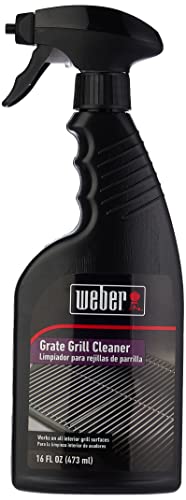
Pros
- Safe for all common cooking grate materials including stainless steel, porcelain-enameled cast iron, and plain cast iron.
- Non-flammable and non-corrosive – no harsh chemicals or fumes that could affect food or your grill's finish.
- Doesn't irritate skin, so you can clean without rubber gloves and not worry about chemical burns.
- Effective at cutting through baked-on grease and carbon buildup with minimal scrubbing effort.
- Versatile enough for grills, smokers, ovens, and microwaves – a multi-surface cleaner for your outdoor kitchen.
Cons
- Spray bottle could be larger for frequent users who clean multiple grills or smokers often.
- May require multiple applications for heavily caked-on residue from months of neglect.
- Not formulated for exterior grill surfaces or painted components – only for cooking grates.
If you spend a lot of time around a hot grill, you already know that clean grates are the key to great sear marks and easy release. But scrubbing with harsh chemicals or worrying about what's getting into your food isn't fun. Weber's Grill Grate Cleaner and Degreaser takes that pain point and turns it into a quick spray and wipe routine. Designed for all standard cooking grate surfaces – including stainless steel, porcelain-enameled cast iron, and plain cast iron – this 16 oz spray bottle is a no-nonsense solution for anyone who grills regularly, from weekend burger flippers to competitive BBQ enthusiasts.
The standout feature here is the formula itself. It's non-flammable, non-corrosive, and completely free of phosphates. That means you can use it on your expensive Weber kettle grates or your portable camp stove without worrying about damaging the finish. And because it's safe for skin, you don't have to glove up every time you want to wipe down the grate. That's a real convenience when you're juggling tongs, basting brushes, and a cold drink in the backyard. For tailgaters and campers who need to clean up fast before packing up, this cleaner is a huge time-saver.
Performance-wise, this stuff does the job. It sprays on as a fine mist that clings to the grate, working its way into baked-on grease and carbon residue. A short soak – maybe a few minutes – and then a stiff brush or cloth gets the grime off with much less elbow grease than a dry scrub. It's particularly effective on those stubborn black deposits that form on cast-iron grates after repeated high-heat searing. For porcelain-enameled surfaces, it's gentle enough that it won't chip or dull the coating, which is a common worry with abrasive cleaners.
Versatility is another big plus. While the bottle says it's for grill grates, Weber also markets this for use on smokers, ovens, and microwaves. That makes it a solid all-around cleaner for the outdoor kitchen setup. Whether you're cleaning up after a 12-hour brisket smoke on a pellet grill or wiping down a flat-top griddle after a breakfast cookout, this spray can handle the mess. Just be sure to avoid painted exterior surfaces or non-stick coatings, where it could cause damage or discoloration.
For practicality, the 16 oz size is ideal for a season of regular use. It's not huge, so it won't take up much space in a cabinet or a camping tote. The spray nozzle dispenses a consistent mist, and the bottle sits upright without leaking. Cleanup is straightforward: spray, scrub, rinse with water, then dry. Unlike some aerosol cleaners that leave a sticky residue, Weber's formula rinses clean, so your next cook won't have any chemical taste or smell issues.
If you're a backyard griller who wants to maintain your gear without harsh chemicals, or a tailgater who needs a quick cleanup between games, this cleaner is a smart buy. It's not going to magically dissolve a decade of neglect in one spray, but for regular maintenance and moderate buildup, it's effective and user-friendly. For serious outdoor cooks who value both convenience and ingredient safety, Weber Grill Grate Cleaner is a simple upgrade to your cleaning routine that helps your grates last longer and perform better.
Using Weber Grill Grate Cleaner is as easy as spraying and wiping. For light grease and residue, just spray directly onto the cool grate, let it sit for a minute, then wipe with a paper towel or sponge. For heavier baked-on carbon, let it soak for 5-10 minutes before scrubbing with a nylon brush or scrub pad. Always rinse thoroughly with water after cleaning, and dry the grate to prevent flash rusting, especially on cast-iron surfaces.
This cleaner is designed only for cooking surface grates – do not use it on the exterior of your grill, the firebox, or any painted parts. The non-corrosive formula is safe for stainless steel, porcelain enamel, and cast iron, but harsh abrasives or steel wool can still scratch the finish. For best results, clean after every few cooks to prevent carbon buildup that's harder to remove later. A quick spray and wipe after a low-and-slow session keeps your grates ready for the next high-heat sear.
Storage is straightforward: keep the bottle in a cool, dry place away from direct heat sources. The 16 oz size lasts most backyard grillers a full season or more, depending on frequency of use. Because it's non-flammable, it's safe to store near your grill or in a garage cabinet. For campers and RV owners, this cleaner is small enough to toss in a tote, making it easy to keep your portable grill or camp stove grates clean on the road.


Pros
- Stainless steel material is more rust-resistant and easier to clean than cast iron alternatives
- Narrow gap design provides excellent sear marks and prevents small food items from dropping into the firebox
- Direct replacement for multiple popular Weber gas grill models, saving money over OEM parts
- Two-piece design allows for flexible cooking zones and easier handling during cleaning
Cons
- Stainless steel may not retain heat as well as cast iron, potentially affecting searing on very high heat
- Requires proper pre-treatment and drying after each use to maintain appearance and prevent discoloration
- Some users may find the 17.5-inch width slightly narrower than original grates on certain Genesis models (check measurements)
If you own a Weber Spirit 300 series or a Genesis Silver, Gold, or Platinum gas grill from the mid-2000s, you know that the cooking grates take a beating over time. The LOCVCDA 17.5-inch stainless steel replacement grates are designed to bring new life to your grill without breaking the bank. This two-pack of grids measures 17.5 inches by 11.9 inches each, giving you a total cooking area of 17.5 by 23.8 inches — enough space for a dozen burgers, multiple steaks, or a mix of veggies and meat for a backyard cookout.
These grates are best suited for backyard grillers and BBQ enthusiasts who use their Weber gas grill regularly and want a durable, low-maintenance upgrade. They also work well for tailgaters and patio cooks who appreciate easy cleanup after a weekend gathering. The narrow spacing between the stainless steel rods is a standout feature — it creates beautiful sear marks on steaks and chicken while keeping smaller items like shrimp, sliced mushrooms, or asparagus from falling into the flames. That means less flare-ups and more even cooking.
In terms of real-world cooking performance, stainless steel heats up quickly and distributes heat evenly across the grate surface. While it doesn't hold heat as aggressively as cast iron, it still delivers a solid sear on high heat. For low-and-slow cooking, the grates allow good airflow and don't retain excessive heat that could dry out delicate foods. The two-piece design lets you create indirect cooking zones — you can pile coals or burners on one side for searing and keep the other side cooler for gentle cooking. This flexibility is great for everything from quick weeknight grilling to longer smoking sessions on a gas grill.
Build quality is impressive for the price. The stainless steel is thick enough to resist warping under high heat, and the rods are welded securely to the support bars. Rust resistance is a major advantage over cast iron — you won't need to season these grates or worry about rust spots after a rainy weekend. However, you do need to follow the manufacturer's pre-treatment process: heat the grates, apply a thin layer of cooking oil, let them cool, and then use. After each cook, a quick scrub with a grill brush and a wipe-down will keep them looking good. Storing them in a dry place is essential to prevent any surface discoloration.
Setup is straightforward — these grates drop right into your existing Weber grill without any modifications. They fit Spirit 300 series models like the E310, E320, E330, S310, S320, S330, as well as Spirit 700, Genesis Silver B/C, Gold B/C, Platinum B/C (2005 model year), and Genesis 1000-3500. Just double-check your grill's dimensions to be sure. Cleanup is easier than with cast iron because food residue doesn't stick as stubbornly, and you can use a stainless steel cleaner for a polished look. The only realistic limitation is that stainless steel doesn't retain heat as well as cast iron for ultra-high-searing tasks, but for most home cooks that's not a dealbreaker.
Overall, these LOCVCDA grates are a practical, cost-effective replacement for worn-out Weber grates. They offer good heat performance, excellent food release, and easy maintenance. If you're a backyard griller who cooks a few times a week and values convenience and durability, these grates are a solid choice. They're also a nice upgrade for tailgaters who want reliable performance without the heavy maintenance of cast iron. Just remember to pre-treat them properly and store them dry, and they'll serve you well for many cookouts to come.
The narrow rod spacing on these stainless steel grates is a real win for even cooking. It creates distinct sear marks on steaks, burgers, and chicken breasts while preventing small items like sliced onions, bell peppers, or shrimp from falling into the fire. Heat distribution is consistent across the 17.5-inch width, thanks to the sturdy rod construction. You can achieve a good sear on high heat, though stainless steel doesn't hold heat as long as cast iron. For low-and-slow cooking, the grates allow proper airflow and don't create hot spots. The two-piece design lets you set up indirect grilling by leaving one grate empty or using a drip pan underneath. Overall, these grates deliver reliable performance for everyday grilling and backyard parties.
Stainless steel is much easier to clean than cast iron. After grilling, let the grates cool slightly, then scrub with a stiff grill brush to remove food residue. For stubborn bits, a soak in warm soapy water works well. Avoid abrasive cleaners that could scratch the surface. To maintain the grates' appearance and prevent discoloration, dry them thoroughly after washing and store in a dry place. A light coat of cooking oil before storage can help preserve the finish. The manufacturer recommends pre-treating new grates by heating, oiling, and cooling before first use. Following this routine will keep the grates looking good and performing well for many seasons.

Complete Guide to Cleaning and Maintaining Stainless Steel Grill Grates
Keeping your gas grill grates clean requires understanding how heat, grease, and metal interact during routine cooking sessions. Stainless steel relies on a microscopic chromium oxide barrier to resist corrosion, meaning harsh mechanical gouging can permanently compromise its protective properties. By pairing periodic high-heat burn-offs with targeted, non-corrosive cleaners, grill owners can dissolve heavy residue without damaging the cooking rods. Following a consistent cleaning schedule preserves heat transfer efficiency and prevents unpleasant flare-ups during your outdoor cooking sessions.
Understanding Stainless Steel Properties and Surface Care
Stainless steel cooking grids consist of durable steel alloys enriched with chromium and nickel to resist atmospheric oxidation. This metal composition forms a transparent passive film across the exterior that shields the underlying iron from moisture. When grillers use aggressive steel wool or hardened scrapers, they can gouge this protective exterior and expose vulnerable metal underneath. Microscopic scratches also create rough anchor points where grease, carbon, and burnt proteins cling more tenaciously during future grilling sessions.
Unlike heavy cast iron cooking grids, stainless steel components do not require a baked polymer oil seasoning to guard against rust. Cast iron grids demand continuous seasoning with high-smoke-point oils to avoid rapid surface oxidation and moisture damage. While cast iron retains thermal energy exceptionally well, stainless steel heats rapidly and withstands acidic marinades without stripping an oil layer. Understanding this fundamental material difference prevents cooks from applying heavy seasoning oils that scorch and create sticky carbon buildup on stainless rods.
The Post-Cook High Heat Burn-Off Method
The most efficient way to tackle routine grease is initiating a brief burn-off immediately after removing cooked food from the grill. Once the food rests on a platter, close the grill hood and raise all primary burners to high heat for ten to fifteen minutes. High temperatures carbonize sticky animal fats, basting glazes, and sauce residues into dry, brittle ash that loosens easily from the metal rods. Always monitor the grill closely during this high-temperature process to ensure rendered grease in the drip tray does not ignite unexpectedly.
After the burn-off cycle turns food residue into crumbly gray ash, turn off the burners and let the grates cool slightly to a warm state. Scrubbing the grids while they remain warm allows residual thermal energy to assist in dislodging persistent particles. Use a bristle-free cleaning tool or a stiff nylon brush designed for hot surfaces to push ash down toward the firebox floor. Working along the length of each individual rod ensures you clean both the top surface and the curved sides of the cooking grids.
Routine Cleaning With Specialized Grate Cleaners
Periodic washing with dedicated degreasing formulas breaks down polymerized grease films that simple heat burn-offs leave behind. Specially formulated products like Weber Grill Grate Cleaner and Degreaser offer targeted cleaning power without introducing harsh phosphates or flammable solvents. Formulations engineered to be skin-safe and non-corrosive allow you to treat cooking surfaces safely without degrading surrounding grill components. Spraying the cleaner directly onto cool cooking grids allows active surfactants to penetrate dense carbon bonds over several minutes.
Other liquid formulas, such as Star brite 57732 BBQ and Grill Grate Cleaner, provide versatile cleaning power that works across stainless steel, porcelain, and glass surfaces. Many cooks find that applying degreasing spray while the cooking grids are still warm accelerates chemical penetration and softens baked-on crusts. Letting the solution dwell for ten to thirty minutes gives the active ingredients sufficient contact time to dissolve stubborn carbon deposits. After the dwell time finishes, scrub the rods thoroughly with a wet scour pad and rinse the entire surface with clean water.
Deep Cleaning Baked-on Carbon and Stubborn Glazes
Heavy basting recipes and sugary sauces can produce thick, blackened layers that resist standard surface sprays. Cooks who frequently baste grilled meats with rich sauces, such as a thick homemade barbecue sauce, often discover stubborn burnt spots along the grate welds. When these hardened crusts accumulate, removing the grids from the grill firebox provides better access for comprehensive soaking. Submerging the grates in a large plastic utility bin filled with hot water and dish detergent softens old grease layers within an hour.
For tough, scorched patches that survive soaking, a natural paste made from baking soda and warm water provides gentle mechanical abrasion. Spread the thick baking soda mixture directly over the affected stainless rods and let it stand for twenty minutes to neutralize acidic residue. Scrub the paste along the metal grain using a non-scratch scouring sponge or a balled-up sheet of aluminum foil held with tongs. Baking soda possesses mild alkalinity that cuts through grease without scratching polished metal surfaces like harsh chemical solvents can.
A mild solution of white distilled vinegar and water also serves as an effective rinsing aid to eliminate mineral spots and soap film. Spraying the diluted vinegar across freshly washed metal breaks down alkaline water deposits that can form during outdoor drying. Wipe down the entire grid surface with a clean microfiber towel to reveal gleaming metal free of greasy streaks. Allowing the grids to dry completely in the open air prevents moisture from settling against the firebox brackets beneath the cooking surface.
Safe Scraping Tools and Brush Selection
Selecting appropriate cleaning tools is just as critical as choosing the right cleaning chemistry when maintaining outdoor cooking gear. Traditional wire brushes featuring thin steel bristles present a serious safety concern because loose metal wires can detach and lodge into food. Ingesting a stray metal bristle can cause severe internal injuries requiring emergency medical intervention. Modern grillers increasingly avoid traditional wire bristle tools in favor of safer alternatives such as twisted-wire coil brushes or brass bristle designs.
Bristle-free scrubbers made from tightly wound stainless steel mesh or heavy-duty nylon pads offer reliable scraping performance without shedding individual wire fragments. High-density scouring pads designed for commercial kitchens work exceptionally well on cool grates when paired with a quality degreasing spray. Wooden grill scrapers have also become popular because the hot grate rods naturally burn custom grooves into the wood edge over time. Using wood tools eliminates the risk of metal shed while providing dependable leverage against stubborn char.
When using aluminum foil as an emergency cleaning tool, always grip the foil ball securely using long-handled grilling tongs. Scrub the foil across the warm rods using firm, downward pressure to scrape away soft grease without touching hot metal with your hands. Avoid applying excessive force near delicate weld points where individual crossbars join the outer framework of the grid. Wiping the grates with a lightly oiled paper towel afterward picks up fine loose dust and confirms the surface is completely clear.
Maintaining Surrounding Gas Grill Components
Cleaning your cooking grates provides an ideal opportunity to inspect and maintain the functional parts located immediately beneath the cooking deck. Grease drippings and food bits that fall through the rods land directly onto heat plates, flavorizer bars, and burner tubes. Flame deflectors made from non-magnetic stainless steel, like those included in the Hisencn Grill Grate and Heat Plate for Charbroil assembly, require routine scraping to keep gas distribution even. Removing carbon crust from these deflectors ensures gas burner flames rise uniformly to heat the cooking deck.
Gas burner tubes require careful inspection to verify that tiny flame ports remain free of insect nests, spider webs, and carbon blockages. Use a soft nylon bristle brush to sweep across the burner holes horizontally without forcing debris deeper into the gas orifices. Never use toothpicks or wooden skewers that could break off inside the gas ports and obstruct the fuel flow. Keeping the burner ports clear guarantees proper fuel combustion, prevents yellow sooty flames, and maintains reliable heat regulation across the cooking zone.
Grill masters who utilize wood chips with dedicated smoker box setups should also clean out ash and wood soot regularly from the grill base. Fine ash from wood chips can combine with dripping fats to create a cement-like sludge in the bottom grease collection tray. Scraping this grease tray with a putty knife and replacing disposable drip liners prevents foul odors and grease fires. Maintaining these lower components ensures that your clean cooking grids sit above a safe, well-ventilated heating chamber.
Distinguishing Exterior Metal Care From Grate Degreasing
Many grill owners make the mistake of using exterior stainless steel polishes on their interior cooking surfaces, which creates a health hazard. Dedicated exterior products such as Weber® Stainless-Steel Polish 12 oz, Grill Cleaner are specifically designed to clean external grill lids, side shelves, and doors. These polishes contain specialized conditioning oils, citrus fragrance compounds, and protective agents engineered to resist water spots and fingerprints on decorative sheet metal. Because exterior polishes leave behind a protective synthetic sheen, they should never be applied to surfaces that come into direct contact with food.
Interior cooking surfaces require food-safe degreasers, mild dish soaps, or natural cleaners that rinse away completely with clean water. The cooking grids undergo direct exposure to intense radiant heat, meaning any chemical residue left on the metal will vaporize directly into your food. Always check product labeling carefully to confirm whether a cleaner is rated for food-contact cooking surfaces or strictly exterior cosmetic panels. Keeping your interior degreasers separate from your exterior detailing supplies ensures both safe cooking and a spotless patio appliance.
Identifying Grate Wear, Rusting, and Replacement Timing
Even high-quality stainless steel grids eventually succumb to thermal stress, harsh weather exposure, and years of regular cooking. Persistent exposure to coastal salt air or chlorinated pool water can accelerate pitting corrosion on the metal surface. Deep pitting weakens the structural integrity of the steel rods, making them brittle and difficult to scrub clean. When rust penetrates beyond surface discoloration and creates rough flaking metal, replacing the cooking grates becomes necessary for food safety.
When upgrading worn grids, selecting heavy-duty replacement options like LOCVCDA 17.5″ Stainless Steel 7639 Gas Grill grates provides enhanced thermal stability and corrosion resistance. Quality replacement grates feature dense rod spacing that supports delicate vegetables and burger patties without letting food slip through the gaps. Heavy solid stainless steel bars absorb and conduct heat efficiently, creating sharp, defined sear marks across steaks and chicken breasts. Preheating new replacement grids thoroughly and coating them lightly with high-smoke-point cooking oil helps establish an easy-release cooking surface.
Essential Safety Rules and Operating Guidelines
Maintaining a gas grill requires adhering to authoritative outdoor safety protocols to prevent serious accidents, property damage, and personal injury. Outdoor gas grills and fuel-burning appliances must never be operated inside a garage, carport, covered breezeway, or enclosed porch. Burning propane or natural gas produces carbon monoxide, an invisible and odorless gas that rapidly accumulates to lethal levels in enclosed structures. Opening a garage door or operating fans does not provide adequate ventilation to make fuel-burning grill operation safe indoors.
Before beginning any thorough grate cleaning or maintenance routine, always ensure that all burner control knobs are set to the off position. Shut off the gas supply completely at the propane tank valve or natural gas shut-off valve to eliminate any risk of accidental gas release. Allow the cooking grids, heat tents, and firebox to cool down to a safe handling temperature before removing them for soaking or heavy scrubbing. Following these standard safety measures protects your home and family while keeping your outdoor cooking station clean and dependable.
Establishing a disciplined cleaning routine keeps stainless steel gas grill grates performing like new across multiple grilling seasons. Combining regular post-cook burn-offs with targeted degreasing sprays preserves the smooth chromium oxide surface and prevents tough carbon buildup. Inspecting your burners, heat shields, and cooking rods during routine cleanings ensures your gas grill delivers consistent temperatures and reliable cooking results. With proper tools, safe cleaning chemistry, and consistent upkeep habits, your outdoor grill will remain clean, sanitary, and ready for your next backyard gathering.





Write Your Review
No reviews yet. Be the first to share your experience!