


A sudden grease flare-up turning into a full cookbox fire can rattle any backyard cook. Once the flames subside and the cooker cools down, you face thick soot, carbonized fat, and sticky residue clinging to every surface. Knowing how to clean a grill after a grease fire protects your cooker from corrosion and prevents toxic, acrid smoke from ruining your next barbecue session. Dripping animal fat and caramelized drippings from sugary barbecue sauces often collect beneath the burners over months of heavy cooking. When excessive heat ignites that oily sludge, the resulting fire leaves a baked-on crust that standard brushing cannot remove.
Restoring your cooking surface requires a methodical approach that prioritizes personal safety and equipment preservation. Standard wire bristles present dangerous shedding hazards, while aggressive harsh chemical oven cleaners can strip delicate factory coatings or damage aluminum cookboxes. Using specialized degreasers and non-metallic scrapers allows you to break down polymerized grease without scratching porcelain enamel or puncturing gas burner ports. Taking the time to disassemble, degrease, and inspect the internal components ensures that your outdoor cooker runs safely, heats evenly, and stays free from lingering chemical flavors.

Pros
- Safe alternative to wire brushes - no bristle hazard
- Works on cool grills, so you can clean anytime without preheating
- Citrus scent leaves a fresh smell after cleaning
- Effective on grease and burnt-on food with minimal scrubbing
- Made in the USA with biodegradable ingredients
Cons
- Spray bottle may be prone to breaking after a few uses (reported by some users)
- May not remove very heavy, baked-on deposits without extra effort
- Scrubber pads may wear out faster on rough grates
If you've ever worried about wire bristles from a grill brush ending up in your food, the CitruSafe Grill Cleaning Kit is a breath of fresh air. This kit combines a 16-ounce citrus-powered spray cleaner with a heavy-duty scrubber handle and three replaceable pads, all designed to clean your grill while it's cool. No more burning off residue or risking stray bristles. It's a simple, safe approach that works on gas grills, charcoal grills, pellet grills, smokers, and even flat-top griddles.
This kit is perfect for backyard grillers who want a hassle-free cleanup after weekend BBQs, as well as campers and tailgaters who need a portable cleaning solution. The spray uses natural citrus degreasers to break down grease and burnt-on food, and the scrubber pads are tough enough to handle the job without scratching your grates. Just spray it on, let it sit for a minute, scrub, and wipe clean. Then preheat your grill for 15 minutes to burn off any residue. It's that straightforward.
In real-world use, the CitruSafe cleaner does a great job on moderately soiled grills. It cuts through grease and food residue quickly, leaving a pleasant citrus scent behind. For heavy, baked-on deposits, you might need to let the spray sit a bit longer or give it an extra scrub. But for regular maintenance cleaning, it's very effective. The scrubber handle feels sturdy, and the pads are thick enough to handle multiple uses before needing replacement.
Build quality is solid for a cleaning kit. The spray bottle is functional, though a few users have reported the nozzle breaking after a few sprays. The scrubber handle is made of heavy-duty plastic with a comfortable grip, and the pads are recyclable. The kit is compact and easy to store in your grill cart or camping gear. Since you clean the grill cool, there's no need to wait for it to heat up, which saves time and fuel.
One limitation is that the spray bottle could be more durable. If you're rough on gear, you might want to transfer the cleaner to a sturdier bottle. Also, for very heavy grease buildup, you may need to repeat the process or use a bit more elbow grease. But for most home cooks and outdoor enthusiasts, this kit offers a safe, effective way to keep your grill clean without the worry of wire bristles.
Overall, the CitruSafe Grill Cleaning Kit is a practical choice for anyone who grills regularly. It's especially good for families with kids, where food safety is a top concern. Whether you're cleaning a Traeger smoker, a Weber kettle, or a Blackstone griddle, this kit makes the job easier and safer. If you want a bristle-free, eco-friendly cleaning method that actually works, this is a solid investment for your outdoor cooking setup.

Pros
- Safe cleaning without wire bristles, protecting your family from accidental ingestion.
- Powerful citrus-based cleaner easily cuts through baked-on grease and carbon buildup.
- Kit includes everything you need: spray, brush, scrubber pads, scraper, and towel, no extra purchases required.
- Works on both hot and cool grills, offering flexibility for different cleaning routines.
Cons
- For extremely charred grates, some elbow grease may still be needed; the cleaner alone won't dissolve heavy creosote instantly.
- Scrubber pads are refillable but replacements are sold separately, adding ongoing cost over time.
- The cookbox scraper is best used on cool surfaces; it may scratch delicate porcelain coatings if used aggressively.
The Citrusafe Complete Grill Cleaning Kit is not your average grill cleaner. It is a thoughtfully assembled set designed to replace the dangerous wire brushes and harsh chemical sprays that many BBQ enthusiasts rely on. Instead, this kit uses a citrus-based degreaser, a nylon brush, heavy-duty scrubber pads, a cookbox scraper, and a microfiber towel to clean your grill safely and effectively. Whether you own a charcoal kettle, a propane gas grill, a smoker, or even a flat top griddle, this kit has the tools to handle the mess.
This kit is built for anyone who takes outdoor cooking seriously. Backyard grillers who fire up the Weber every weekend, campers who throw a grate over an open fire, tailgaters who need a quick cleanup between games, and RV owners who don't want wire bristles scratching their portable grills will all appreciate the safety-first approach. The stars are the Citrusafe Grill Cleaner spray, which uses natural degreasing power from citrus peels to break down grease, and the nylon brush and scrubber pads that work on a cool grill. No more burning off residue or worrying about stray bristles in your burger.
In real-world use, this cleaner shines on moderately soiled grates and cookboxes. Spray it on, let it sit for a few minutes, then scrub with the nylon brush or the heavy-duty pads. The grime dissolves quickly, and the included cookbox scraper reaches into corners that brushes miss. For a neglected grill that has months of caked-on grease, you may need to repeat the process, but the result is a cookbox that looks nearly new. The microfiber towel lifts away remaining residue without scratching porcelain or stainless steel surfaces.
Build quality of the tools is solid. The nylon brush handle is heavy-duty plastic with a comfortable grip, and the scrubber holder accepts the replaceable pads firmly. The scraper has a slim profile that fits into the tight gaps of most grills and smokers. The spray bottle has a trigger that produces a fine mist, covering grates evenly without waste. Everything in the kit is designed to be reused, cutting down on disposable grill wipes and paper towels.
Setup is simple: unpack the items and start cleaning. The spray works right out of the box, and all tools are ready to go. Transport is not an issue since it is a cleaning kit, but the spray bottle and tools fit easily in a garage cabinet or a camping tote. Storage is straightforward: keep the spray away from direct sunlight, and hang the brush and scraper to dry.
Limitations are minor. For grills with extremely heavy carbon buildup (think years of neglect), you may still need to use a metallic scraper or a second application. The scrubber pads are effective but wear out after several uses, and replacement packs are sold separately. Additionally, the nylon brush is not as stiff as wire, so it may take a bit more scrubbing on stubborn spots. Nonetheless, for routine maintenance and even deep-cleaning, this kit is a safe and effective choice. It earns a strong recommendation for any outdoor cook who wants to eliminate the risk of wire bristles and keep their cooking gear in top shape.
The Citrusafe Complete Grill Cleaning Kit comes with five essential items to tackle every part of your grill or smoker. You get a 16oz bottle of Citrusafe Exterior Grill Cleaner (also safe for interior use), a heavy-duty nylon brush with an integrated cookbox scraper, a scrubber handle plus three replaceable scrubber pads, a separate cookbox scraper for tight areas, and a premium microfiber cleaning towel (color may vary). Together, they cover cleaning from grates to hoods to side tables. Everything is manufactured in the USA by Bryson Brothers, a brand focused on safer outdoor cooking products.
For best results, clean your grill when it is cool to the touch. Spray the Citrusafe cleaner liberally onto grates and cookbox surfaces, let it sit for 3-5 minutes to loosen grease, then scrub with the nylon brush or scrubber pads. Use the cookbox scraper for baked-on residue in corners. Wipe away residue with the microfiber towel, then rinse with water if desired. For routine maintenance after each cook, a quick spray and wipe keeps grates looking new. The scrubber pads can be replaced when they become worn; replacement pads are available separately. The spray lasts through many cleanings, making this kit a great value for frequent grillers.
Complete Restoration Guide: Cleaning Your Grill After a Grease Fire
Recovering from a grease fire requires complete soot removal, careful component inspection, and proper surface sanitization. Grease fires occur when unmanaged cooking drippings vaporize and ignite at extreme temperatures, transforming leftover animal fats into hardened carbon layers. Simply brushing the grates and igniting the burners again will cause lingering smoke, foul flavors, and dangerous secondary flare-ups. Following a systematic cleaning process ensures that your grill returns to peak operating condition while protecting your equipment from permanent heat damage.
Immediate Safety Assessment Before Touching the Cooker
Cooling down completely is the mandatory first step before attempting any inspection or cleaning. Cookbox fires generate intense heat that can keep metal grates, heat diffusers, and exterior lids hot for several hours after the flames die out. Never spray cold water into a blazing or hot grill firebox, as thermal shock can crack cast iron grates, warp stainless steel lids, or cause violent steam burns. Close the lid, shut off fuel sources immediately, and allow the entire cooker to sit undisturbed until every surface is cold to the touch.
Inspecting fuel delivery lines and structural components must happen before you pick up a cleaning tool. Look closely at rubber propane hoses, brass regulators, control knobs, and electrical ignition wiring beneath the cookbox. Extreme flames frequently soften rubber lines or melt plastic igniter housings, creating severe gas leak hazards for future cooks. If any fuel line shows bubbling, charring, or brittleness, replace the assembly before lighting the grill again. Also remember that fuel-burning grills must always remain outdoors in well-ventilated open spaces, as operating any damaged or dirty grill in a garage or enclosed structure presents lethal carbon monoxide and fire risks.
Essential Supplies and Equipment for Safe Post-Fire Cleaning
Gathering the right cleaning agents prevents unnecessary damage to delicate grill finishes. Harsh caustic oven cleaners containing sodium hydroxide can corrode aluminum cookboxes, strip protective painted finishes, and leave noxious chemical residues that contaminate future meals. Citrus-based degreasers formulated from natural citrus peel extracts offer a safer, highly effective alternative for lifting polymerized grease. Products like the CitruSafe Grill Cleaning Kit provide targeted degreasing power specifically designed to break down baked-on fats without requiring dangerous high-heat burn-off cycles.
Selecting bristle-free cleaning tools protects your family from common wire brush injuries. Traditional wire grill brushes routinely shed thin metal bristles that can lodge in food, posing serious health hazards when swallowed. The Citrusafe Complete Grill Cleaning Kit solves this problem by pairing natural citrus cleaner with heavy-duty recyclable scrubber pads, a dedicated cookbox scraper, and a durable nylon brush. Equipping yourself with nitrile gloves, a plastic bucket, warm water, and clean microfiber towels will make the cleaning process efficient and manageable.
Disassembling Grates, Heat Deflectors, and Internal Parts
Removing internal grill components gives you unobstructed access to the belly of the cookbox where fire residue settles. Lift out the cooking grates first and lay them flat on a heavy tarp or cardboard work area. Next, pull out the heat tents, flavorizer bars, or ceramic flame tamers positioned directly above the burner tubes. If you use internal barbecue equipment like smoker accessories or cast iron griddles, remove those as well so they can be cleaned individually.
Labeling or noting the layout of heat shields and burner clips simplifies the reassembly process later. Take note of how flame tamers fit into the cookbox brackets, as uneven installation can lead to erratic heat distribution or burner flash fires. Separate parts that have suffered heat warping from components that only have superficial soot buildup. Severely buckled heat tents may fail to deflect future grease drippings away from burner ports, so replacing warped shields is often the best choice for fire prevention.
Scraping and Extracting Baked-On Cookbox Sludge
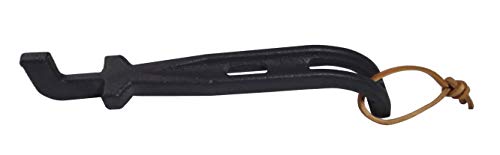
Clearing the bottom of the firebox removes the dried carbon sludge that fueled the grease blaze. Grease fire residue differs from everyday drippings because the high heat converts liquid fats into a hardened, brittle crust that binds tightly to metal walls. Use a rigid, non-metallic cookbox scraper to chisel away thick carbon buildup from the angled walls of the firebox. Avoid sharp metal putty knives or screwdrivers on porcelain-coated steel, as gouging the finish exposes raw iron to rapid atmospheric rusting.
Channel all dislodged debris directly downward toward the central grease funnel and catch pan. Once the dry crust is broken loose, sweep the chunks into a disposable container or vacuum them out with a dedicated shop vacuum. Empty the lower grease tray completely, discarding accumulated ash, charred fats, and any foil liners that caught fire. Wiping away this dry bulk matter first prevents the degreasing spray from turning the loose ash into a thick, muddy paste during the wet cleaning stage.
Applying Citrus Degreaser to Grates and Internal Surfaces
Treating soiled metal surfaces with a concentrated citrus degreaser breaks the molecular bonds of polymerized oils. Spray a liberal coating of citrus-based cleaner over the cool cooking grates, flavorizer bars, and interior firebox walls. Allow the liquid to penetrate the stubborn grease for several minutes without letting the product dry completely on the metal. The active citrus solvents work into microscopic surface pores, dissolving sticky residues so they release freely during mechanical scrubbing.
Scrubbing with heavy-duty textured pads and stiff nylon bristles lifts the loosened grime without damaging base metals. Attach a fresh scrubber pad to the ergonomic handle and work along the length of each grate rod with firm, consistent pressure. Use the specialized cookbox scraper to push through corners and tight seams where angled walls meet burner brackets. For textured cast iron or stubborn carbon deposits, a stiff nylon bristle brush provides extra leverage to dislodge baked residue from irregular contours.
Clearing and Inspecting Gas Burners and Pellet Fire Pots
Cleaning burner tubes restores proper gas flow and eliminates uneven, yellow flames that signal incomplete combustion. Soot from grease fires frequently settles over tiny burner ports, clogging gas orifices and forcing gas to pool unpredictably. Gently brush across the burner ports using a soft brass or nylon brush, moving perpendicular to the row of holes to avoid pushing soot deeper inside. Inspect the air shutter screens at the burner intake tubes for spider webs, insect nests, or fire debris that could trigger dangerous burner backfires.
Servicing pellet cookers requires distinct attention to the fire pot, auger tube, and combustion fan. Grease blazes in pellet grills often stem from grease draining into the burn pot or unburned pellets catching fire during low-and-slow smoking. Cooks running extended barbecue sessions with pellet grill hopper extensions must routinely clean the internal drip pan to keep heavy rendering away from live embers. Vacuum all fine fly ash out of the pellet fire pot, check that the hot rod igniter sits flush, and verify that grease drain channels direct liquid safely into external buckets.
Handling Fire Extinguisher Residue on Grill Surfaces
Neutralizing dry chemical fire extinguisher agents is essential if you had to suppress the grease fire with an extinguisher. Most home fire extinguishers discharge monoammonium phosphate or sodium bicarbonate powders, which leave a corrosive, yellow-tinted dust over every surface. These chemical agents are not safe for food contact and can rapidly pit aluminum or corrode steel if left untreated. Vacuum away all loose dry powder before applying any liquid cleaner, because adding water immediately creates an acidic slurry that attacks metal.
Washing treated components with warm water and mild dish detergent breaks down residual extinguisher salts effectively. Once the dry chemical is washed away, apply your citrus degreaser to remove the remaining soot and baked grease. Rinse each component thoroughly with clean water, ensuring that no chemical residue lingers in burner ports or grate crevices. If an extinguisher discharge penetrated deeply into porous lava rocks or ceramic briquettes, discard and replace those media entirely, as they cannot be reliably decontaminated for cooking.
Rinsing, Drying, and Seasoning the Cooking Surfaces
Wiping down all interior surfaces with fresh water removes suspended grease particles and leftover cleaner residue. Use a clean, damp microfiber towel or paper towels to wipe down the grates, heat diffusers, and cookbox walls until the cloth comes away clean. Microfiber materials lift fine soot particles without scratching polished stainless steel or smooth porcelain enamel. Change your rinse water frequently to prevent redepositing dissolved grease films back onto clean metal surfaces.
Drying metal parts completely prevents rapid oxidation and surface rust from forming on bare iron or steel. Towel dry all components thoroughly, paying special attention to grate joints, burner brackets, and grease cup channels. Once cast iron grates are dry, apply a light, even coating of high-smoke-point cooking oil, such as canola or grapeseed oil, across the entire surface. This thin oil barrier seals the porous iron against ambient moisture and restores the slick non-stick seasoning destroyed by the grease fire.
Performing the Post-Cleaning Burn-Off and Leak Test
Conducting a soapy water leak test confirms that gas connections remain completely airtight following the fire and cleaning process. Mix equal parts liquid dish soap and water, then brush the solution over all propane tank valves, hose fittings, and burner manifold connections with the control knobs turned off. Open the main propane cylinder valve slowly and watch for growing soap bubbles that indicate gas escaping from damaged fittings. If bubbles appear, shut the cylinder valve immediately, tighten the connection, or replace the damaged hose before attempting to light the burners.
Running a controlled fifteen-minute burn-off cures the fresh oil seasoning and vaporizes any residual citrus cleaner. Reinstall all heat shields, grates, and warming racks into their proper positions inside the firebox. Ignite the burners according to manufacturer lighting instructions, close the lid, and set the temperature to medium-high heat. Allow the cooker to heat for fifteen minutes while observing the exhaust smoke. The smoke will transition from white or gray to clear, signaling that all cleaning moisture has evaporated and your grill is fully sanitized for safe cooking.
Preventing Future Grease Fires with Routine Maintenance
Establishing consistent cleaning habits dramatically reduces the likelihood of experiencing another dangerous cookbox flare-up. Grease fires almost never happen spontaneously; they result from weeks or months of unmonitored fat accumulation in the bottom tray and flavorizer bars. Empty and scrape the grease catch cup after every three to five cooking sessions, especially when grilling high-fat cuts like ribeye steaks, chicken thighs, or pork belly. Lining disposable drip pans with fresh aluminum liners makes regular disposal quick and prevents greasy overflows.
Adjusting cooking techniques when grilling fatty or sugary foods prevents flare-ups from escalating into runaway fires. Trim excessive fat margins from large meat roasts before placing them over direct burner flames. When basting meats with sugar-heavy barbecue sauces, apply the glaze during the final ten minutes of cooking over indirect heat rather than throughout the entire sear. Keeping a box of baking soda or an approved kitchen fire extinguisher nearby provides peace of mind, ensuring that you can smother minor flare-ups before they threaten your equipment or outdoor living space.
Restoring your grill after a grease fire requires patience, thorough inspection, and the right degreasing tools, but the effort protects your investment and ensures safe future barbecues. By removing carbonized sludge, scrubbing grates with safe bristle-free pads, and verifying gas line integrity, you eliminate hazardous grease fire conditions. Take time to maintain the cookbox regularly, and your outdoor cooker will deliver clean, flavorful meals for years to come.



Write Your Review
No reviews yet. Be the first to share your experience!